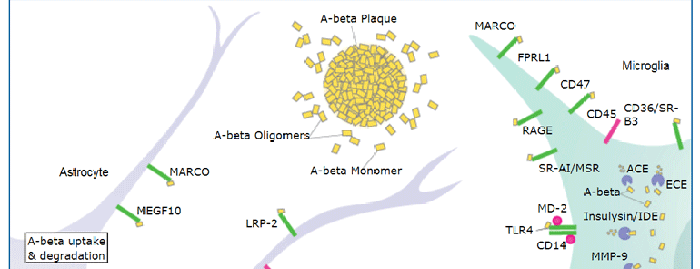
CD14 is an acute phase glycoprotein that binds lipopolysaccharide endotoxins (LPS) from Gram-negative bacteria. It is primarily expressed on monocytes, macrophages, and neutrophils, and soluble forms can be secreted or shed from the cell surface. CD14 accepts LPS from its initial binding by LBP, and it can further transfer LPS to the TLR4/MD2 complex. LPS acctivation of TLR4 triggers inflammatory activation. CD14 also contributes to the response to TLR3 ligands, phosphoinositides, as well as the surfactant proteins SP-A and SP-D.
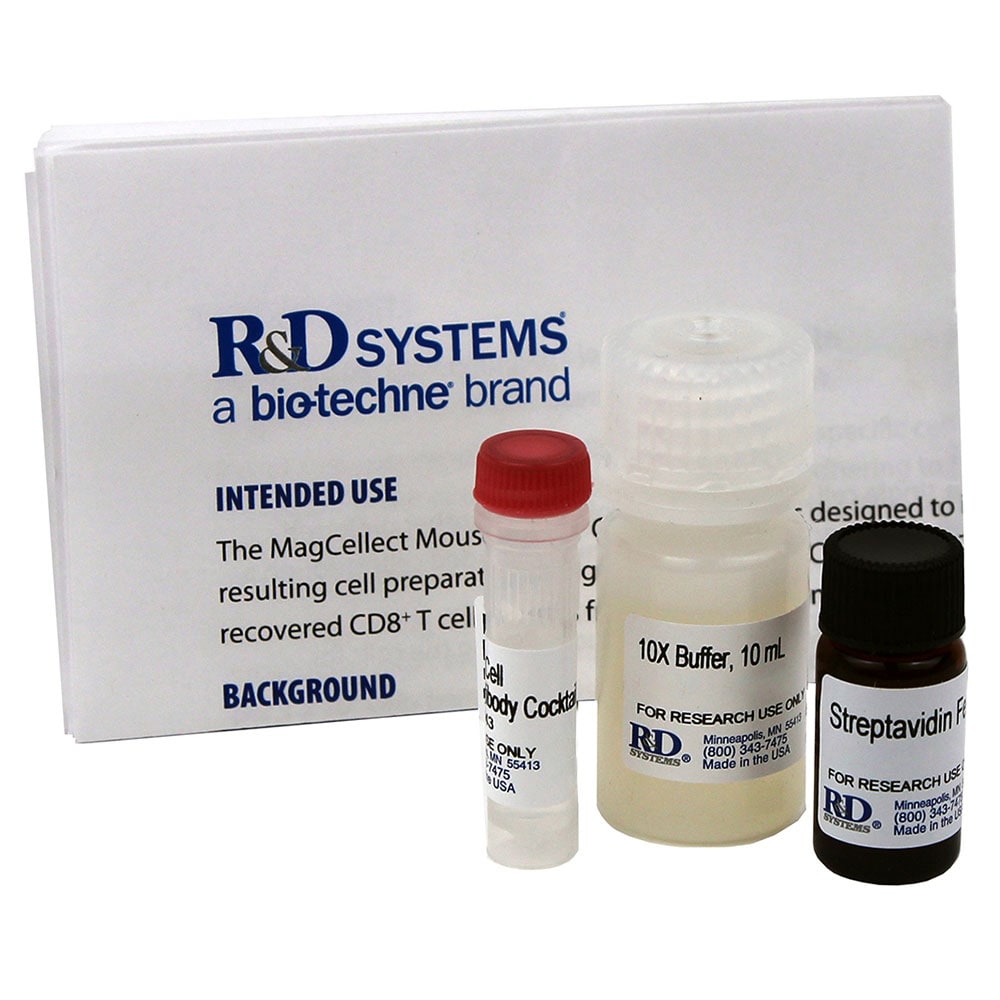
MagCellect Human CD14+ Cell Isolation Kit
R&D Systems | Catalog # MAGH105

Loading...
Key Product Details
Species
Human
Loading...
Formulation, Preparation, and Storage
Shipping
The product is shipped with polar packs. Upon receipt, store it immediately at the temperature recommended below.
Storage
Store the unopened product at 2 - 8 °C. Do not use past expiration date.
Background: CD14
Alternate Names
CD14
Gene Symbol
CD14
Additional CD14 Products
Product Documents for MagCellect Human CD14+ Cell Isolation Kit
Certificate of Analysis
To download a Certificate of Analysis, please enter a lot or batch number in the search box below.
Note: Certificate of Analysis not available for kit components.
Product Specific Notices for MagCellect Human CD14+ Cell Isolation Kit
For research use only
Citations for MagCellect Human CD14+ Cell Isolation Kit
 Powered by Bioz
Customer Reviews for MagCellect Human CD14+ Cell Isolation Kit
There are currently no reviews for this product. Be the first to review MagCellect Human CD14+ Cell Isolation Kit and earn rewards!
Have you used MagCellect Human CD14+ Cell Isolation Kit?
Submit a review and receive an Amazon gift card!
$25/€18/£15/$25CAN/¥2500 for a review with an image
$10/€7/£6/$10CAN/¥1110 for a review without an image
Submit a review
FAQs for MagCellect Human CD14+ Cell Isolation Kit
Showing
1
-
1 的
1 FAQ
Showing All
-
Q: When using MacCellect Cell Isolation kits (MAGM*** or MAGH***), why is it important to lyse red blood cells before starting the cell isolation protocol?
A: It is important to remove red blood cells before the isolation protocol using MagCellect isolation kits because not doing so can cause a poorer yield of selected cells. Red blood cells become sticky during the incubation protocols and may interfere with the interactions needed for removal of unwanted populations.
Loading...
Associated Pathways