Small Molecules & Peptides

Small Molecules and Peptides Hero Banner

Search Small Molecules

Small molecules and peptides represent a large class of reagents with a wide range of uses in biomedical research, therapeutic development, and beyond.

Small molecules are defined as chemically synthesized compounds with molecular weights around 1 kDa or less. Peptides are generally categorized as chains of approximately 2 to 50 amino acids with molecular weights below 10 kDa. Given their broad definitions, these molecules elicit a diverse collection of activities useful for applications in life science research and development.

As part of the Bio-Techne Life Science Division, R&D Systems works with its sister brand Tocris Bioscience to offer an extensive catalog of high-quality bioactive small molecules and research peptides for relevant applications in cell culture, pharmacology, high content imaging, cell and gene therapy, assay development, and targeted protein degradation. Tocris Bioscience supplies innovative and high-performance life science reagents, including receptor agonists and antagonistsenzyme inhibitors or activators, analogues, ion channel modulators and fluorescent probes and dyes. Importantly, our small molecules can scale with commercial needs, as we offer bulk quantities at competitive, discounted prices. Our collection includes over 4000 small molecules and research peptides that complement R&D Systems proteins, ELISAs, and antibodies to provide users with a more complete reagent package for their workflows and experiments.

Explore Our Complete Catalogs

Small Molecules    Research Peptides

Stem Cells & Organoids

Stem cells and organoids play an increasingly important role in biomedical applications. In addition to basic developmental biology research, stem cell culture and organoids are used to generate more biologically relevant human disease models, study drug candidates, investigate toxicology, and devise regenerative cell-replacement strategies.

The ability to steadily culture, differentiate, and reprogram cells into different cell lineages lies at the heart of stem cell applications. Small molecule and peptide reagents represent some essential ingredients needed to make specialized media growth conditions in vitro.

Stem Cell Reagents

Tocris Bioscience offers a collection of small molecule and peptide reagents for stem cell proliferation, differentiation, reprogramming, signaling, and gene editing.

Stem Cell Products    Stem Cell Culture Small Molecules


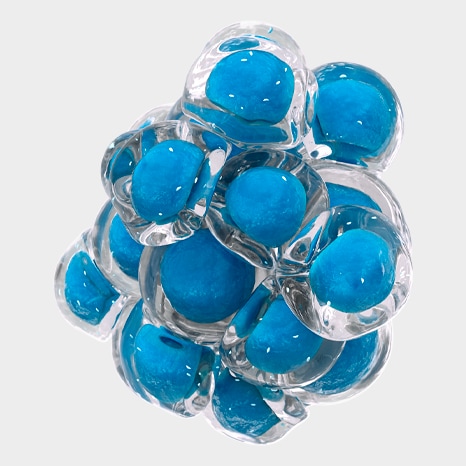
CEPT Cocktail Banner

Organoid Reagents

Organoid and 3D cell culture is becoming a key tool for researchers looking to study human cell responses in more complex systems that provide unique advantages over both 2D cell systems and animal models.

Tocris Bioscience has accumulated a leading small molecule reagent catalog for organoid creation, maintenance, and analysis. This portfolio includes products for organoid formation, 3D growth matrices, differentiation media, lineage-specific inhibitors, reprogramming, transduction enhancement, post-cryogenesis survival, and tissue clearing.

Organoid and 3D Cell Culture Reagents    Organoid Small Molecule Products

Tissue Clearing

Tissue clearing describes approaches that render tissues, organoids, spheroids, or 3D cultured cells optically transparent for microscopy investigations. Our Tissue Clearing Pro kits enable rapid, easy-to-use, reversible, and non-destructive clearing compatible with fluorescent protein, immunolabeling, and small molecule staining.

Tissue Clearing Reagents

Viral Transduction Enhancers

Transduction enhancers are a class of small molecules that improve the stable introduction of foreign genetic material, thereby increasing target gene expression. In turn, enhancers can help streamline cell and gene therapy research.

Tocris Bioscience offers a wide range of small molecule enhancers for improving retrovirus, lentivirus, and adeno-associated virus transduction, including those specific for introducing TCR and CAR genes into T-cells and NK-cells.

Transduction Enhancer Products

GMP and Ancillary Material Small Molecules

Beyond our research offerings, Tocris Bioscience supplies GMP and ancillary material grade compounds for cell and gene therapy manufacturing. Both follow animal-free processes (TSE/BSE Certification) in controlled manufacturing zones and ISO-7 cleanrooms.

Guided by a risk-based approach to manufacturing, our GMP products strictly follow ICH Q7 guidelines and rigorous ISO 9001-adherent QC, including endotoxin and bioburden testing.

GMP Capabilities    GMP Small Molecules   Ancillary Grade Small Molecules

Ready-to-Use Cell Culture Reagent Solutions

To save time on cell culture protocols, Tocris Bioscience offers convenient, ready-to-use solutions for cell counting, activation, transfection, protease inhibition, stem cell, and CGT workflows.

Cell Culture Reagent Solutions

Fluorescent Dyes and Probes

Fluorescent and bioluminescent reagents offer highly sensitive and selective tools for visualizing intracellular structures, and biological events—from single-molecule tracking in vitro to complex in vivo imaging applications. Tocris Bioscience provides a comprehensive portfolio of fluorescent dyes and probes, as well as related reagents, designed to support the imaging of sub-cellular structures in both live and fixed cells, as well as organoids.

Fluorescent Dyes

Fluorescent dyes, or fluorophores, enable researchers to identify, probe, and visualize specific biological molecules with advanced imaging applications. Our range of fluorescent dyes includes the Janelia Fluor® Dyes, which are bright, photostable fluorophores for a broad range of applications, including super-resolution microscopy like PALM and SMLM. Also included in our portfolio are novel fluorophores in the near-infrared range, for deep tissue and in vivo imaging studies. Together with a comprehensive palette of gold-standard dyes, we have products for all your imaging requirements.

Janelia Fluor Dyes   Near Infra-Red (NIR) Fluorescent Dyes   Photoactivable Dyes

Fluorescent Probes and Stains

Fluorescent probes and stains allow for the visualization and analysis of cellular and sub-cellular structures by selectively targeting specific biomolecules, organelles, or cells. In addition to structural imaging, they can provide functional readouts—such as distinguishing live from dead cells—or monitor environmental conditions like pH or polarity. With high sensitivity and selectivity, these tools enable the study of complex biomolecular assemblies to gain insights into cell structure and function. Tocris offers a comprehensive range of fluorescent probes with high specificity, including next-generation organelle-specific stains, cell viability markers, and bacterial imaging probes that support cutting-edge research in bacterial biology and antibiotic development.

Fluorescent Probes and Stains   Fluorescent Probes for Imaging Bacteria    Common Labels and Stains

Imaging Reagents

Tocris also provides imaging reagents and their associated technologies to support innovation in biology, drug design, discovery, and drug development. Among these are the aptamer-based RNA imaging reagents, but also our Tyramide Signal Amplification (TSA) reagents and kits, which offer a powerful method for enhancing signal strength and detection sensitivity in low-abundance targets across immunocytochemistry (ICC), immunohistochemistry (IHC), and in situ hybridization (ISH) applications.

Our portfolio also includes fluorogenic dye ligands for self-labeling tags—genetically encoded protein tags designed to create fusion proteins with a protein of interest (POI). These tags allow for selective labeling with ligands such as fluorescent dyes, enabling live cell imaging of the POI by fluorescence microscopy.

In addition, we offer a range of bioluminescent substrates, ideal for non-invasive monitoring of biological processes through bioluminescence imaging in both in vivo and in vitro settings.

Antifade Reagents   Aptamer-based RNA imaging   Bioluminescent Substrates   Self-labeling Tags   Tissue Clearing

Imaging Applications

Tocris Bioscience offers an extensive range of fluorescent and bioluminescent dyes, probes, indicators, buffers, and more to support all your fluorescent imaging needs. We have grouped all the main dyes, counterstains, and buffers according to the applications below.

Flow Cytometry   Immunohistochemistry (IHC)/ Immunocytochemistry (ICC)   Super-Resolution Microscopy (SRM)

TR-FRET and FP Assay Reagents

TR-FRET (Time-Resolved Fluorescence Resonance Energy Transfer) and FP (Fluorescence Polarization) assays are widely used in biology and open access to new drug discovery, study protein-protein interactions, enzyme kinetics, receptor-ligand binding and measuring small molecules binding affinity. Tocris offers a range of high-affinity fluorescent probes suitable for the development of TR-FRET and FP assays.

TR-FRET and FP Assay Reagents

Targeted Protein Degradation

Targeted Protein Degradation (TPD) refers to the use of heterobifunctional small molecule "Degraders", such as PROTAC® Degraders, to achieve knockdown of target proteins within cells. Degraders and “molecular glues” harness the endogenous ubiquitin-proteasome system to knockdown a protein of interest.

Discover our full range of products and services for Targeted Protein Degradation research and development.
PROTAC® is a registered trademark of Arvinas Operations, Inc., and is used under license.

Degraders & Targeted Protein Degradation


For more information about Targeted Protein Degradation, read our Targeted Protein Degradation and Induced Proximity Product Guide and publication, or watch our webinar.