Immunotherapy

Immunotherapy has emerged as a promising approach for both cancer treatment and the management of specific immune system disorders. Immunotherapeutic agents can be in the form of:

  • Immune checkpoint inhibitors
  • Chimeric antigen receptors (CARs)
  • Monoclonal antibodies
  • Vaccines
  • Cytokines
  • Small molecule drugs
  • Immunosuppressants 

Advances in cancer research continue to drive the development of innovative immunotherapy strategies aimed at harnessing the body’s immune system to more precisely and effectively target tumors. Immune checkpoint inhibitors and adoptive cell therapy, including tumor-infiltrating lymphocyte (TIL) therapy, CAR-T cell therapy, and CAR-NK cell therapy, are commonly used approaches for cancer immunotherapy. 

Beyond cancer, immunotherapy is being used to treat autoimmune diseases, prevent organ transplant rejection, and manage some chronic inflammatory diseases. These treatments typically involve the use of monoclonal antibodies or immune-modulating drugs that dampen an overly active immune response.

Key Product Categories for Immunotherapy Research

Immune Checkpoint Inhibitors

Immune checkpoint proteins regulate immune responses by either: 

  • Promoting immune cell activation to defend against infections and cancer, or
  • Suppressing activation to reduce inflammation and prevent tissue damage        

Tumors frequently exploit immune checkpoint pathways by upregulating ligands such as PD-L1 that engage inhibitory receptors on immune cells, facilitating immune evasion. Consequently, cancer immunotherapy aims to restore immune function primarily by using antagonists of inhibitory receptors like CTLA-4 (Ipilimumab) and PD-1 (Nivolumab and Pembrolizumab).  

These potent immunomodulators have demonstrated efficacy across a broad spectrum of different types of cancers, including melanoma, non-small cell lung cancer, bladder cancer, and head and neck squamous cell carcinoma, offering hope for improving patient outcomes.

Immune Checkpoint Blocking Antibodies

Explore our wide selection of blocking antibodies for key ligand-receptor pairs involved in regulating immune cell activity.

Immune Checkpoint Proteins

Rely on the performance and consistency of our immune checkpoint proteins to optimize your inhibitor screening assays. Multiple species and tags are available.

Immune Checkpoint ELISA Kits

Quantitatively assess the presence and abundance of disease markers with immune checkpoint ELISA Kits.

Adoptive Cell Therapy

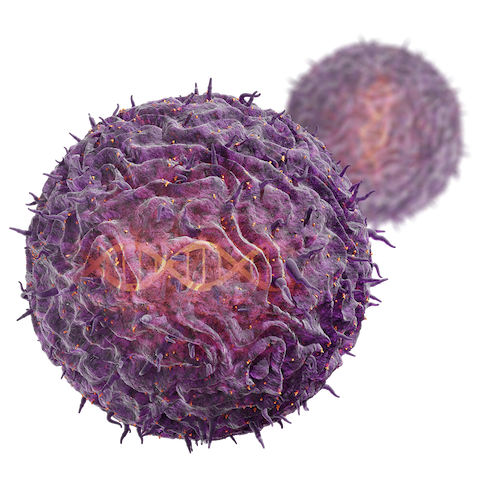
Adoptive cell therapy is a type of immunotherapy that involves harvesting immune cells from a cancer patient or donor, expanding or modifying the cells in the lab, and infusing them back into the patient to boost their anti-tumor immune response. Different types of cells used for adoptive cell therapy include tumor-infiltrating lymphocytes (TILs), transgenic TCR T cells, and chimeric antigen receptor (CAR) T or CAR-NK cells.

TcBuster™ Non-Viral Gene Delivery

Transform cell therapy manufacturing with TcBuster, a non-viral transposon-based gene delivery system that enables stable gene integration while reducing viral vector-related mutagenesis risks.

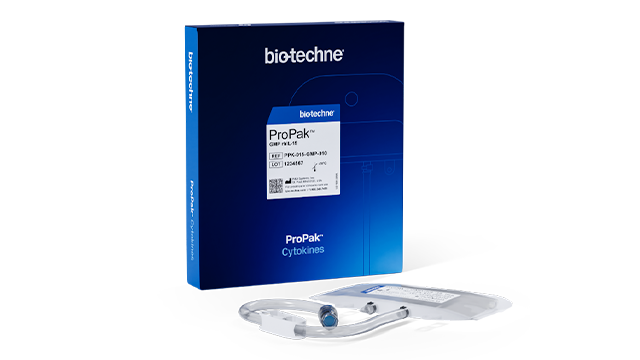
Ready-to-Use GMP Cytokines

Streamline your workflow with ready-to-use GMP cytokines, available in closed-system ProPak™ bags, single-use process-sized vials, and liquid vial formulations for maximum flexibility.

Human XL Cytokine Luminex® Panel

Assess inflammatory immune responses using the Human XL Cytokine Luminex Panel. This panel simultaneously profiles up to 46 cytokines in cell culture supernatant, serum, or plasma samples, with fixed and customizable panel options.

AI Proteins

Application Note: Development of an AI Modified IL-2 Heat Stable Agonist Protein

Explore the benefits of our IL-2 Heat Stable Agonist Protein, which can withstand high temperatures and extended culture durations.

Targeted Monoclonal Antibodies

Direct tumor cell elimination is the primary goal of many monoclonal antibodies developed for cancer immunotherapy. Targeted monoclonal antibodies bind to specific antigens on cancer cells, facilitating their destruction by inhibiting oncogenic signaling pathways and enhancing immune responses. They function by: 

  • Blocking receptor-ligand binding 
  • Promoting NK cell-mediated antibody-dependent cellular cytotoxicity (ADCC)
  • Inducing complement-dependent cytotoxicity (CDC) and/or
  • Tagging tumor cells for opsonization, enhancing their recognition and phagocytosis by macrophages. 

Through these multiple complementary mechanisms, monoclonal antibodies selectively target and destroy cancer cells, while also activating the host immune system to enhance and sustain tumor eradication. Notable examples of monoclonal antibodies that promote tumor cell destruction by ADCC, CDC, and opsonization include: Rituximab (anti-CD20) for Non-Hodgkin’s lymphoma and chronic lymphocytic leukemia and Alemtuzumab (anti-CD52) for B cell chronic lymphocytic leukemia.

Biosimilar Antibodies

Explore our RUO biosimilar antibodies as cost-effective tools for studying disease targets. These recombinant antibodies use sequences identical to the original therapeutics, providing reliable controls for benchmarking new treatments.

Anti-Idiotype Antibodies

Detect biosimilar antibodies in bridging assays with our anti-idiotype antibodies. Extensive validation ensures their specificity and functionality for pharmacokinetic and immunogenicity studies.

Recombinant Proteins

Develop your own plate-based assays for biosimilar antibody binding using our recombinant proteins, rigorously tested for bioactivity and lot-to-lot consistency.

Cancer Vaccines

Cancer vaccines can be either therapeutic or preventative. Therapeutic cancer vaccines stimulate the immune system to attack existing cancer cells, while preventative cancer vaccines protect against virus-induced cancers. Therapeutic vaccines consist of either cancer cell proteins, DNA or RNA encoding cancer cell proteins, or dendritic cells (DCs) loaded with tumor-associated antigens (TAA) derived from whole tumor cells, lysates, or synthetic peptides. DCs present TAAs via MHC molecules, either by pulsing with antigens or transduction of TAA-encoding vectors, leading to activation of tumor-specific NK and CD8+ T cells that promote tumor regression. 

CellXVivo™ MoDC Differentiation Kit

Easily produce large quantities of human monocyte-derived dendritic cells with this CellXVivo Kit, which includes optimized protocols and all the reagents needed for consistent differentiation.

Animal-free Preclinical Proteins

Save time and resources by starting your preclinical studies with Animal-free proteins. Manufactured using the same systems as our GMP-grade proteins, Animal-free proteins provide a seamless transition to clinical manufacturing.

Antibodies for DC Characterization

Explore our extensive range of fluorochrome-conjugated primary antibodies for DC characterization. Data images, citations, reviews, and a 100% satisfaction guarantee provide confidence that our antibodies work in the applications and species designated.

Tumor Microenvironment

The tumor microenvironment (TME) consists of a variety of cell types including immune cells, fibroblasts, and endothelial cells, whose functions can be manipulated to promote tumor progression. Within this complex microenvironment, tumor growth is driven by several mechanisms, including:

  • Tumor-mediated immune evasion
  • Exhaustion of CD8+ T and NK cells
  • Recruitment of immunosuppressive cells
  • Elevated levels of immunosuppressive cytokines
  • A shift toward a type II immune response

Many of the factors that contribute to these mechanisms of immunosuppression in the tumor microenvironment are being explored as potential targets for cancer immunotherapy.

Organoid and 3-D Culture Products

Tumor organoids offer physiologically relevant 3D models to study the TME, investigate tumor-immune interactions, and screen potential immunotherapies. Explore our Cultrex™ basement membrane extracts, proteins, and small molecules for robust, reproducible organoid cultures.

Antibodies for Immune Cell Profiling

Choose from thousands of primary antibodies conjugated to 30+ fluorochromes for immune cell profiling in the TME. Our selection makes it easy to find the exact antibody-fluorochrome combinations you need and provides flexibility for multicolor panel design.

Tumor Biomarker Luminex Assay

Enhance early cancer detection, characterize the tumor microenvironment, and monitor disease progression or treatment responses with the Human Tumor Biomarker Luminex Performance Assay. This innovative panel simultaneously detects 27 biomarkers in 50 µL of sample.

Glycobiology

Abnormal glycosylation on tumor and immune cells forms a "glyco-code" that aids tumor immune evasion. Profiling these glycosylation patterns on tumor markers is essential for improving cancer detection and advancing therapeutic strategies. To allow researchers to analyze protein glycosylation more easily, we offer individually packaged labeling enzymes and fluorescent-labeled donor substrates that make it possible to label and detect glycans using SDS-PAGE and a fluorescent imager. 

PNGase F N-Glycan Releasing Kit

PNGase F is a key enzyme for understanding and controlling glycosylation in biologic products as it enables the release of N-glycans for further analysis. Streamline the removal of N-glycans with this easy-to-use kit.

N-Glycan Labeling and Detection Kit

Rapidly label and detect N-glycans on diverse glycoproteins with our N-Glycan Labeling and Detection Kit. Designed for high sensitivity and reproducibility, it requires under 10 minutes of hands-on-time.

Recombinant Human Fucosyltransferase 7

Try our Fucosyltransferase 7/FUT7 for cell surface glycoengineering of living cells. In-house studies suggest it may improve cell-based therapies by enhancing homing of cells to pathological sites.

Representative Y-shaped structure of an antibody next to a protein ribbon structure

Tailor-Made Reagents

From flexible sizes, formats, and formulations to fully customized products, we specialize in meeting your unique needs.

Additional Resources for Immunotherapy Research