
Caffeine
Tocris Bioscience | Catalog # 2793

Key Product Details
Description
Product Description
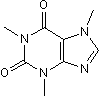
Caffeine is a central nervous system stimulant. Antagonist at A1 and A2A adenosine receptors and inhibitor of cyclic nucleotide phosphodiesterases. Mobilizes calcium from intracellular stores and inhibits benzodiazepine binding to GABA receptors.
Product Specifications for Caffeine
Molecular Weight
Formula
Storage
Purity
Chemical Name
CAS Number
PubChem ID
InChI Key
SMILES
The technical data provided above is for guidance only. For batch specific data refer to the Certificate of Analysis.
Solubility
| Solvent | Max Conc. mg/mL | Max Conc. mM | |
|---|---|---|---|
| Solubility | |||
| water | 19.42 | 100 | |
| DMSO | 9.71 | 50 |
Preparing Stock Solutions for Caffeine
The following data is based on the product molecular weight 194.19.
Batch specific molecular weights may vary from batch to batch due to the degree of hydration, which all affect the solvent volumes required to prepare stock solutions.
| Concentration / Solvent Volume / Mass | 1 mg | 5 mg | 10 mg |
|---|---|---|---|
| 1 mM | 5.15 mL | 25.75 mL | 51.50 mL |
| 5 mM | 1.03 mL | 5.15 mL | 10.30 mL |
| 10 mM | 0.51 mL | 2.57 mL | 5.15 mL |
| 50 mM | 0.10 mL | 0.51 mL | 1.03 mL |
Calculators
Background References
References are publications that support the biological activity of the product. See our Citations tab to view 40 publications citing the usage of this product.
- Chen Caffeine blocks disruption of blood brain barrier in a rabbit model of Alzheimer's disease. J.Neuroinflammation 2008 PMID: 18387175
- Fisone Caffeine as a psychomotor stimulant: mechanism of action. Cell.Mol.Life Sci. 2004 PMID: 15095008
- Nehlig Caffeine and the central nervous system: mechanisms of action, biochemical, metabolic and psychostimulant effects. Brain Res.Brain Res.Rev. 1992 PMID: 1356551
Product Documents for Caffeine
Certificate of Analysis
To download a Certificate of Analysis, please enter a lot or batch number in the search box below.
Product Specific Notices for Caffeine
For research use only
Citations for Caffeine
 Powered by Bioz
Customer Reviews for Caffeine (3)
Have you used Caffeine?
Submit a review and receive an Amazon gift card!
$25/€18/£15/$25CAN/¥2500 for a review with an image
$10/€7/£6/$10CAN/¥1110 for a review without an image
Submit a review
Customer Images
-
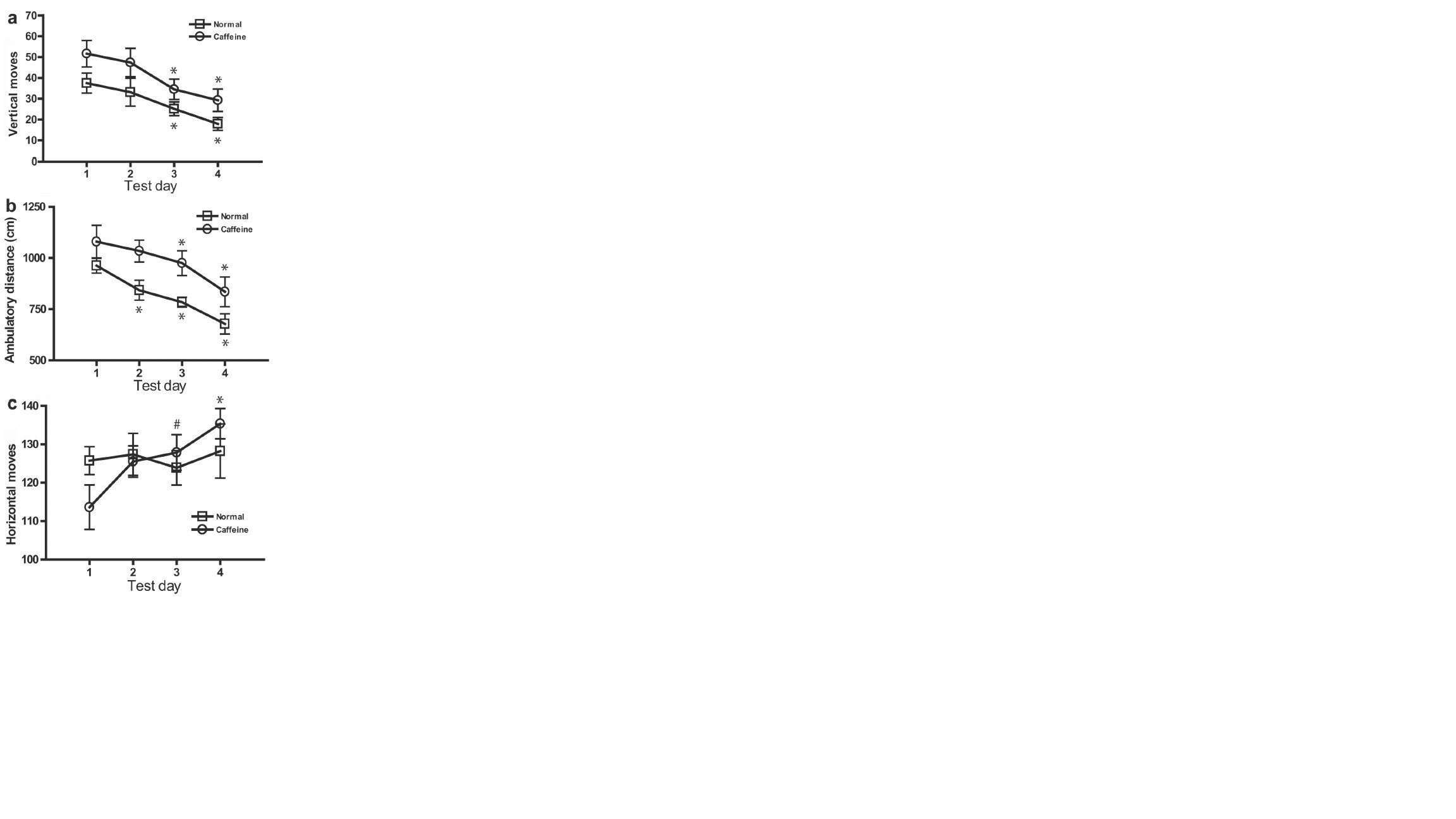
Species: RatAssay Type: In VivoVerified Customer | Posted 01/28/2019Rats had free access to untreated water or water containing 0.2 mg/ml of caffeine every other day of a 14-day experiment. This dose is relevant to human caffeine intake. Rats were tested on alternated days in an open-field arena for discrete movements (horizontal and vertical) and ambulatory distance. Results showed that although caffeine intake decreased significantly across test sessions, the number of discrete horizontal movements increased significantly, that is, showed sensitization.

-
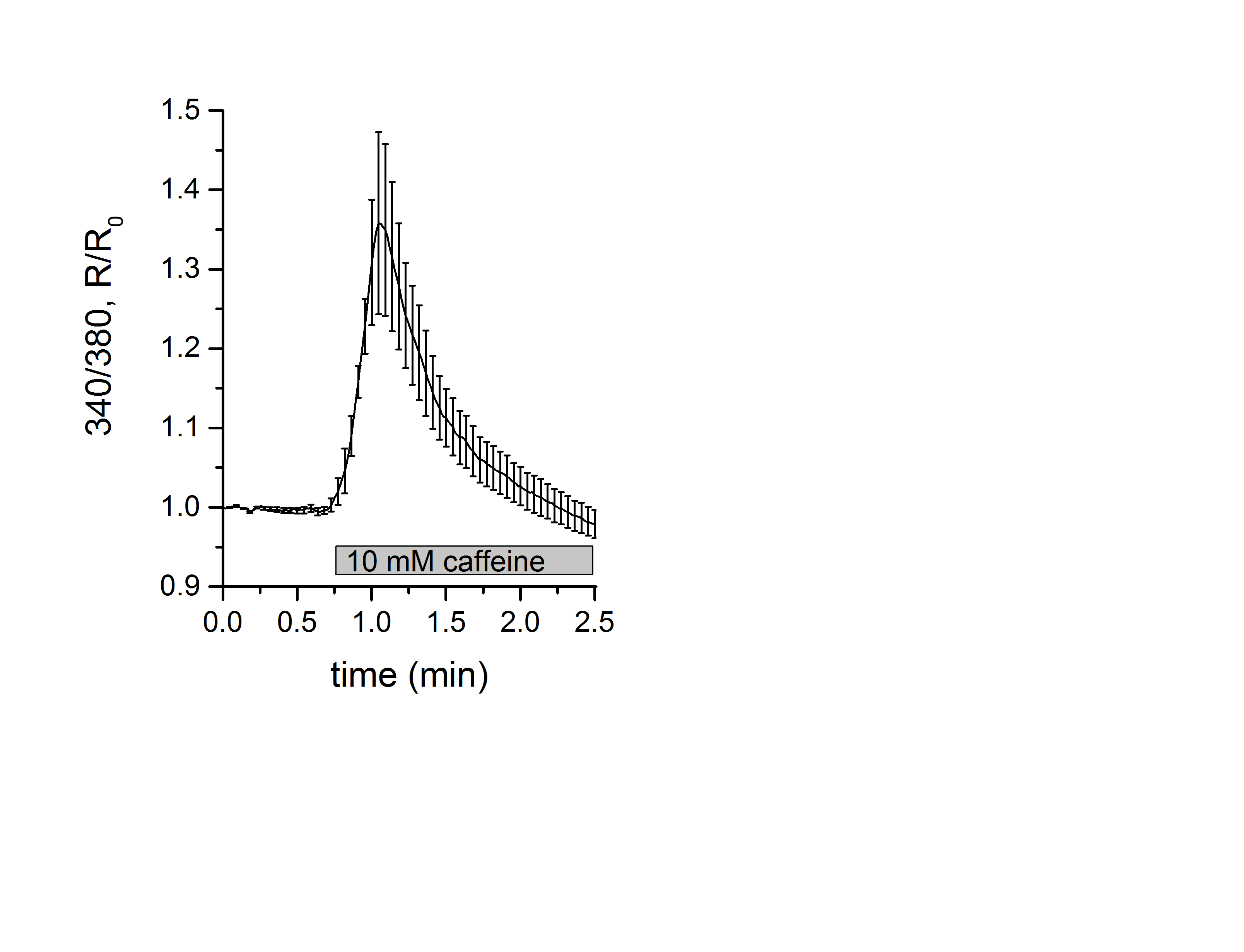
Species: MouseAssay Type: In VitroCell Line/Tissue: HL-1 Atrial Muscle Cell LineVerified Customer | Posted 12/16/2018HL-1 cells were loaded with cytosolic Ca2+ sensitive dye, Fura-2AM (1 µM)+F127 (0.01%) in normal tyrode solution for 40 min and excited alternately at 340 and 380 nm and fluorescence was captured at 510 nm. When the cells are perfused with 10 mM caffeine in nominally Ca2+ free tyrode solution, caffeine acts on RyR2 to release ER Ca2+, resulting in transient cytosolic peak (shown in the figure).
-
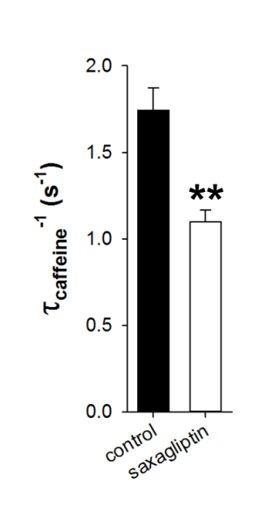
Species: Guinea PigAssay Type: In VitroCell Line/Tissue: primary ventricular cardiomyocytesVerified Customer | Posted 10/15/2018Control or saxagliptin treated primary guinea pig cardiomyocytes were loaded with FURA-2AM (1 µM) and Pluronic F 127 (1%). Ca2+ transient decay tau evoked by caffeine (30 µM) is shown in the Image. Caffeine acts as a ryanodine receptor agonist and releases Ca2+ from sarcoplasmic reticulum into the cytosol.
There are no reviews that match your criteria.