
Webinar: Advancing Organoid Models with Assembloids and Synthetic Matrices Session 2
Webinar Summary
Standard organoid cultures have transformed disease research — but they still struggle to capture the multi-cell-type architecture that drives disease progression in vivo.
What You’ll Learn
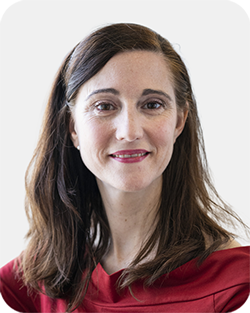
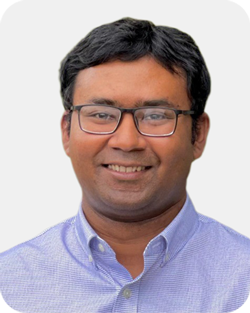
Join Dr. Meritxell Huch and Didarul Bhuiyan, PhD, as they walk you through two approaches to building better organoid models. Dr. Huch will cover the liver assembloids her team built to drain bile through functional canaliculi. Didarul will share how his team at Bio-Techne uses synthetic matrix to culture liver and pancreatic organoids.
Key Takeaways
- Why epithelial-mesenchymal interactions are essential for recapitulating in vivo tissue behavior — and how co-culture systems unlock them.
- A new periportal liver assembloid model that reconstructs lobule architecture and models biliary fibrosis in vitro.
- How liver organoid cultures have enabled, for the first time, the expansion of liver tissue for months, defying the established Hayflick limit.
- How synthetic matrix support liver and pancreatic organoid culture.
- Practical frameworks for increasing organoid complexity without sacrificing reproducibility
Who Should Attend
Researchers in stem cell biology, disease modeling, tissue engineering, drug development, or regenerative medicine who want to move beyond simple organoids should view this webinar.
Or visit our organoids page to learn more about R&D Systems organoid solutions.
Speakers
|
Meritxell Huch, PhD |
|
Didarul Bhuiyan, PhD |