
Cancer
Molecular Mechanisms and Hallmarks of Cancer
Cancer is a complex and multifaceted disease where cellular proliferation goes unchecked leading to increased cell growth and decreased cell death. Genetic alterations, which may be inherited or result from environmental influence, represent the main basic underlying mechanism for disease onset and progression. Hallmarks of cancerous cells include:
- Accelerated growth
- Evasion of programmed cell death
- Exploitation of immune checkpoints to escape immune detection
- An ability to invade distant tissues
These abnormal cellular properties are brought about by mutations in genes involved in the regulation of cell proliferation and growth, including proto-oncogenes and tumor suppressor genes. Additionally, mutations in genes involved in DNA repair further undermine the integrity of DNA sequences facilitating the accumulation of multiple DNA lesions in cancer cells.
Immuno-Oncology
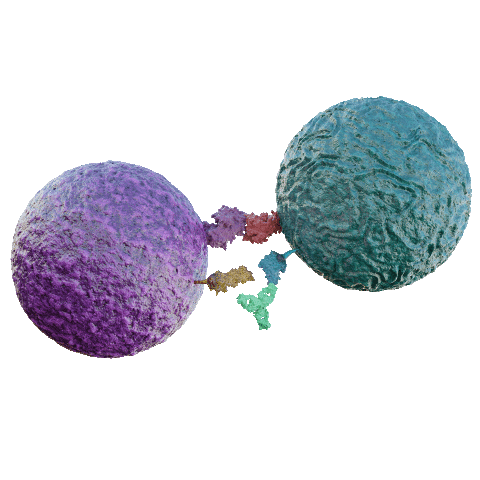
Immuno-oncology research is providing the foundation for the development of more effective cancer therapies. Browse products for investigating immune checkpoint targets, the tumor microenvironment, and mechanisms of immunosuppression.
Immune Cell Therapy
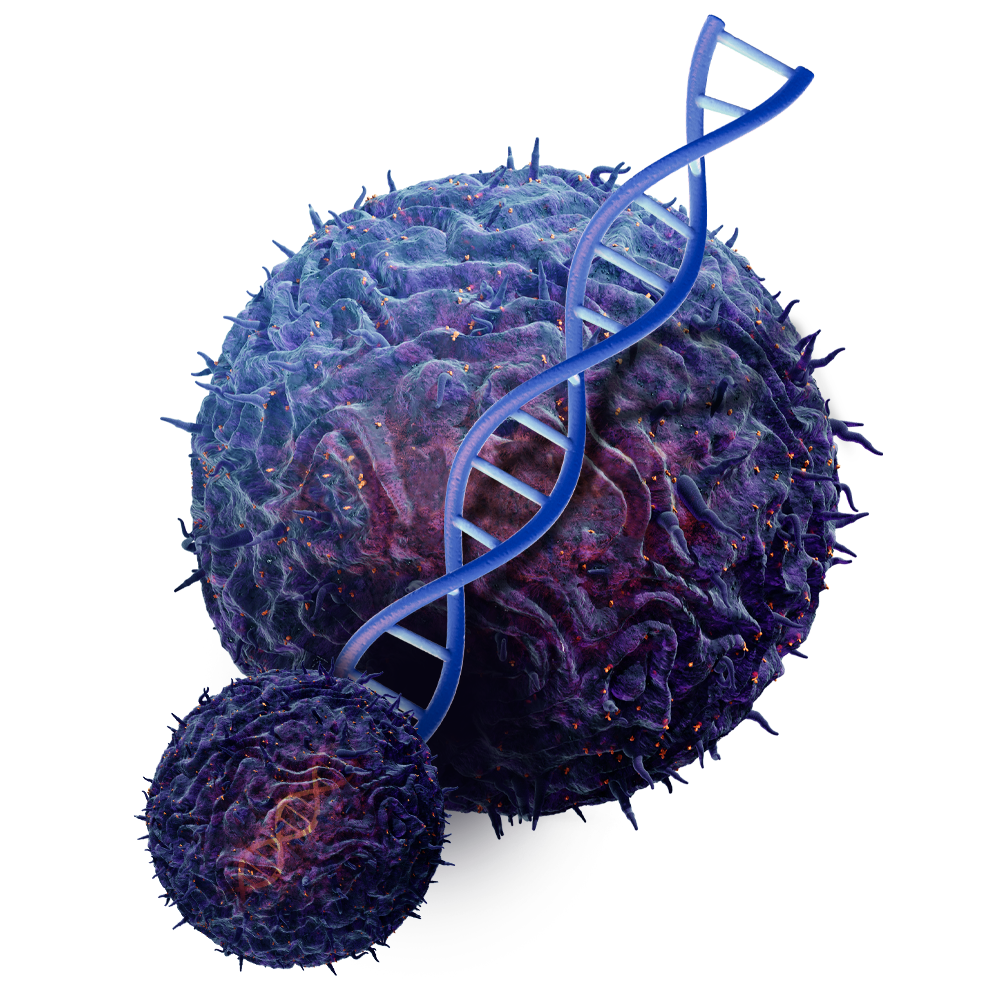
Seamlessly transition from research to the clinic with flexible, scalable solutions from R&D Systems. Our RUO to GMP cytokines, GMP media, small molecules, and antibodies offer the consistency and reproducibility required for successful therapeutic development.
Cancer Biomarkers

Cancer biomarkers facilitate early cancer detection, predict the likelihood of disease progression, and guide effective treatment decisions. Explore our selection of products for biomarker discovery and validation.
Products by Cancer Type
Cancers are often named after the organ in which they are first detected, known as the primary tumor site. Each primary tumor site has characteristic features and markers that can be targeted in research. For more information about specific cancer types, click on the links below.
Cancer Research Areas
Tumor development and growth are driven by a variety of biological processes and molecular pathways. Current research focuses on identifying novel cellular targets for intervention and developing therapeutics that block cancer progression. Explore targets for cancer research organized by the areas of interest listed below.
Featured Cancer Signaling Pathways
Signaling pathways that regulate cell survival, proliferation, and growth are frequently altered in tumor cells. Exploring these pathways has provided valuable insights into how they contribute to cancer development and progression and has led to the identification of new targets for drug discovery research. Browse our interactive cancer-related signaling pathways below.
Akt Signaling Pathways
Akt signaling is frequently up-regulated in cancer, promoting tumor growth and metastasis by controlling key cellular processes such as cell proliferation, survival, migration, and invasion.
FGF Signaling Pathways
Dysregulation of FGF signaling is associated with unregulated cell growth, angiogenesis, metastasis, and a poor prognosis across many different types of cancer.
TGF-β Signaling Pathways
TGF-β signaling can have either tumor-suppressing or tumor-promoting effects in a cell- and context-dependent manner.
View All Cancer Signaling Pathways





Featured Resources
Immune Checkpoint Targets Poster
Immune checkpoint molecules regulate the activities of a variety of immune cell types. Request this poster to explore the immune checkpoint receptor-ligand interactions that are being investigated as potential targets for cancer immunotherapy.
Immune Checkpoint Targets eBook
Immune checkpoint proteins play a central role in regulating the activities of different immune cell types and represent some of the most promising targets for cancer immunotherapy. Learn about the latest research on current and emerging immune checkpoint targets in this eBook.
A Look Inside a Tumor Poster
The tumor microenvironment (TME) plays a central role in inhibiting anti-tumor immune responses. Request this poster to learn about the key mechanisms used by Tregs, MDSCs, TAMs, and tumor-derived exosomes that drive immunosuppression in the tumor microenvironment.
Additional Resources for Cancer Research


Cancer Articles and Blogs

The ERK Signal Transduction Pathway: Its Role in Growth Factor Signaling and Cancer
Tired T Cells: Hypoxia Drives T Cell Exhaustion in the Tumor Microenvironment
Harnessing Natural Killer Cell Activity for Anti-Tumor Immunotherapy
Immunology News: Targeting Myeloid-Derived Suppressor Cells (MDSCs) for Cancer Immunotherapy
Application Notes

Unlocking the Future of Immune Cell Therapy with an End-to-End Antibody Production Platform
Culture and Characterization of Human iPSC-Derived Pancreatic Duct-Like Organoids
A Simple Flow Cytometry-Based Assay for Detecting CAR Expression Using FluorokinesTM
Multi-Color Flow Cytometry Panels for Immunophenotyping of Expanded T Cells

Cancer Classification and the Most Prevalent Cancer Types
Cancer types have traditionally been classified based on:
- Site of origin: the site in the body where the cancer begins
- Type of cells involved:
- Epithelial cell cancers are classified as carcinomas
- Connective tissue cancers are classified as sarcomas
- Cancers of the lymphatic system are classified as lymphomas
- Cancers that start in the blood-forming tissue such as the bone marrow are classified as hematologic cancers, including leukemia, lymphoma, and multiple myeloma
- Cancers that begin in tissues of the brain and spinal cord are classified as central nervous system (CNS) cancers
This classification is now increasingly supplemented by molecular profiling to identify mutations, gene fusions, or expression profiles that can guide targeted therapies. Prostate cancer is among the most prevalent cancer types in males, and breast cancer is the most prevalent cancer in females worldwide. It is also noteworthy that lung cancer causes ~25% of cancer-related deaths in both males and females. Lung cancer causes more deaths annually than breast, prostate, and colon cancer combined.
Homeostatic Control Mechanisms to Prevent Cancer
As cell proliferation plays a role in many physiological processes from embryonic development to the repair of damaged tissues, there are many mechanisms for keeping it under tight control:
- The activities of the proto-oncogenes are balanced by the actions of tumor suppressors
- DNA damage and repair mechanisms exist to decrease the likelihood of genetic mutation and cell transformation
- The immune system is designed to recognize and destroy cancerous cells
Accumulating disruptions in these homeostatic control mechanisms can lead to unregulated proliferation and cancer.
What are Tumor Suppressors?
Tumor suppressors are genes that protect cells from cancerous transformations. But, occasionally, these genes mutate and a loss in function leads to cancer. This is in contrast to oncogenes, which cause cancer through a mutation resulting in a gain of function. Tumor suppressor genes are often grouped into three categories:
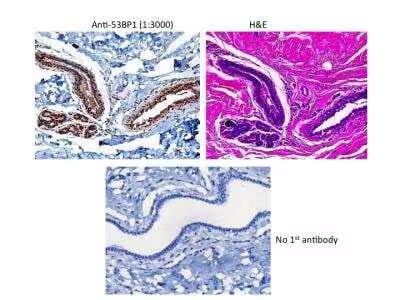
- Caretakers: provide genomic stability through assessing and correcting DNA damage/mismatches/chromosomal abnormalities
- Gatekeepers: genes which prevent abnormal cellular proliferation
- Landscapers: control the microenvironment in which cells grow
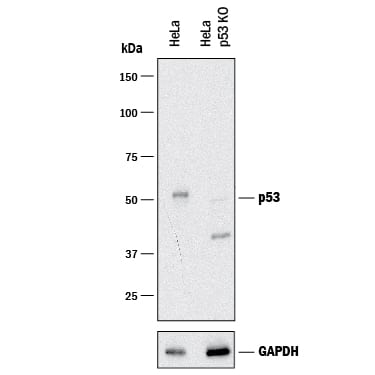
p53 is often referred to as the “master” tumor suppressor gene because it is involved in the broadest of cancers. It can act as caretaker or gatekeeper and plays a role in apoptosis, genomic stability, and angiogenesis inhibition. There have been hundreds of other tumor suppressors reported and there continues to be new targets discovered through the field of oncogenomics. R&D Systems has an extensive catalog of tumor suppressor antibodies to suit most researchers needs.
What are Oncogenes?
Oncogenes are genes that are critical to the cause and proliferation of cancer. Normal, non-mutated forms of these genes (proto-oncogenes) code for proteins that regulate cell growth and differentiation. In contrast to tumor suppressors, they are involved in cancer through a gain of function, not loss of function (caused by a mutation, increased expression, or chromosome rearrangement). Many current cancer therapies focus on targeting proteins that are encoded by oncogenes.
There are many known and proposed mechanisms of oncogenesis, which can lead to abnormal cell growth. Some well-studied drivers of malignancy include:
Select References For Further Reading
- Aoki, K., & Taketo, M. M. (2007). Adenomatous polyposis coli (APC): a multi-functional tumor suppressor gene. Journal of Cell Science. https://doi.org/10.1242/jcs.03485
- Fuhrman-Luck, R. A., Loessner, D., & Clements, J. A. (2014). Kallikrein-Related Peptidases in Prostate Cancer: From Molecular Function to Clinical Application. EJIFCC. PMCID: PMC4975200
- Goldar, S., Khaniani, M. S., Derakhshan, S. M., & Baradaran, B. (2015). Molecular mechanisms of apoptosis and roles in cancer development and treatment. Asian Pacific Journal of Cancer Prevention. https://doi.org/10.7314/APJCP.2015.16.6.2129
- Hassanpour, S. H., & Dehghani, M. (2017). Review of cancer from perspective of molecular. Journal of Cancer Research and Practice. https://doi.org/10.1016/j.jcrpr.2017.07.001
- Jaiswal, P. K., Goel, A., & Mittal, R. D. (2015). Survivin: A molecular biomarker in cancer. Indian Journal of Medical Research. https://doi.org/10.4103/0971-5916.159250
- Maguer-Satta, V., Besançon, R., & Bachelard-Cascales, E. (2011). Concise review: Neutral endopeptidase (CD10): A multifaceted environment actor in stem cells, physiological mechanisms, and cancer. Stem Cells. https://doi.org/10.1002/stem.592
- Sau, A., Lau, R., Cabrita, M. A., Nolan, E., Crooks, P. A., Visvader, J. E., & Pratt, M. A. C. (2016). Persistent Activation of NF-κB in BRCA1-Deficient Mammary Progenitors Drives Aberrant Proliferation and Accumulation of DNA Damage. Cell Stem Cell. https://doi.org/10.1016/j.stem.2016.05.003
- Yang, D., Wu, Z., Duan, H., Luo, Y., Lu, D., Li, W., … Yan, X. (2011). CD146, an epithelial-mesenchymal transition inducer, is associated with triple-negative breast cancer. Proceedings of the National Academy of Sciences. https://doi.org/10.1073/pnas.1111053108
- Zamay, T. N., Zamay, G. S., Kolovskaya, O. S., Zukov, R. A., Petrova, M. M., Gargaun, A., … Kichkailo, A. S. (2017). Current and prospective protein biomarkers of lung cancer. Cancers. https://doi.org/10.3390/cancers9110155