
Hypoxia
Hypoxia is a physiological state characterized by decreased oxygen levels in organs and tissues. Hypoxia is associated with various pathophysiological conditions including chronic obstructive pulmonary disease, pulmonary hypertension, congenital heart disease, cerebral ischemia, and cancer.
Low oxygenation plays a role in embryonic development and may be physiologically normal for some adult tissues which maintain a hypoxic environment (e.g., bone marrow microdomains and thymus). However, oxygen deficiency commonly affects cellular function and disrupts various biological processes, including cell proliferation and differentiation, angiogenesis, metabolism, and pH homeostasis.
Hypoxia Research Product Areas
| Hypoxia Detection Methods | Hypoxia Inducers & Inhibitors |
| Hypoxia Inducible Factors | Hypoxia Signaling |
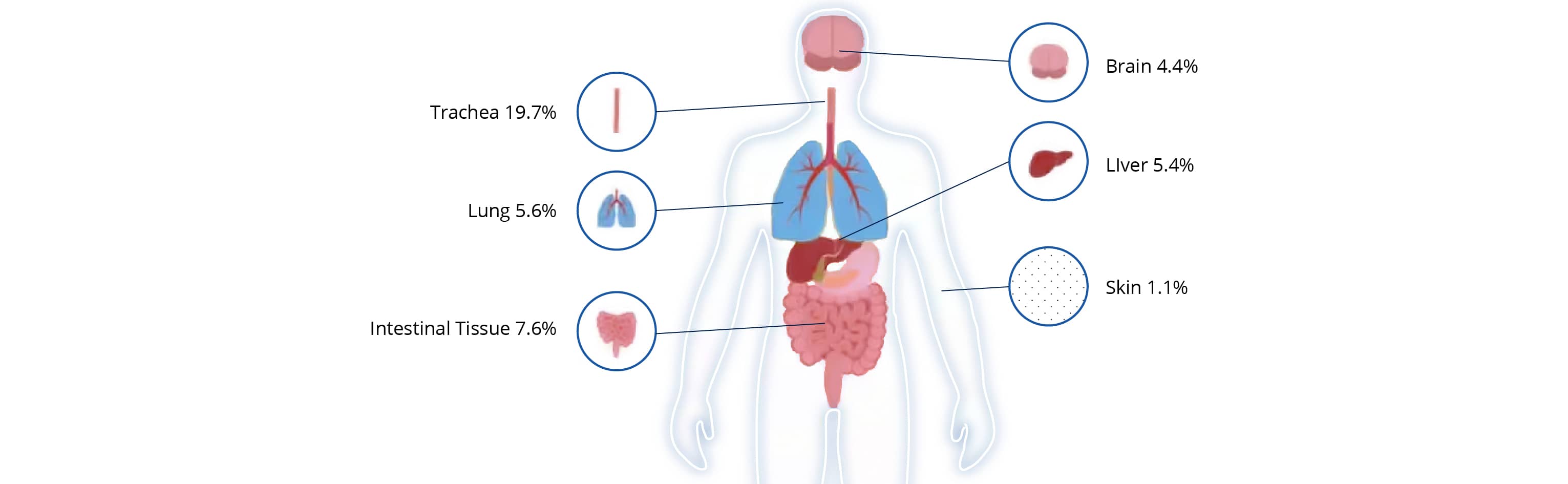
Defining Hypoxia States*
Cellular responses to hypoxia are critically dependent on the duration (acute vs chronic) and extent (hypoxia vs anoxia) of the low-oxygen state, and are predominantly mediated by hypoxia-inducible factors (HIFs), considered to be “master regulators” of adaptations to low-oxygenation. However, both HIF-dependent and -independent mechanisms play roles in shaping cellular responses to hypoxia in physiology and disease.
| Duration | Extent |
|---|---|
| Acute Low tissue oxygen from minutes to hours, due to temporary limitations in blood flow | Hypoxia ~ 1-2% O2 |
| Chronic Low tissue oxygen from hours to days, due to limitations in the diffusion of oxygen to distant tissues | Anoxia ~ 0.02% O2 and below |
*Definitions for hypoxia are based on conditions used in cancer model systems.
Literature, Webinars & Blogs
- The Cellular Response to Hypoxia in Cancer White Paper
- A Technical Perspective: Understanding the Cellular Response to Hypoxia through In Vitro Model Systems White Paper
- Tumor Hypoxia and EMT Poster
- A Look Inside a Tumor: Mechanisms of Tumor Evasion and Immunosuppression Poster
- Webinar: Exploiting Tumor Hypoxia for Targeted Immunotherapy
- Blog: Hypoxia-Dependent CAR Stabilizing Construct in T cells Improves Solid Tumor Targeting and Efficacy