
The Leptin receptor (Leptin R; gene name LEPR), also called OB R (obesity receptor), is a 150 kDa protein that is a member of the Class I cytokine receptor family. It mediates the activities of Leptin, a multi-functional hormone produced primarily by adipose tissues that plays roles in food intake, energy metabolism, angiogenesis, reproduction, hematopoiesis, bone metabolism, and immune function (1‑3). The mouse Leptin R gene encodes 1162 amino acids (aa) including a signal peptide, an extracellular region with cytokine receptor homology (CRH), multiple fibronectin type III domains and a WSXWS motif, a transmembrane domain, and a cytoplasmic domain that supports JAK/STAT signaling (2, 3). Mouse Leptin R shares 93% aa sequence identity with rat Leptin R and 74‑76% with human, bovine, canine, equine and porcine Leptin R. Leptin R isoforms include a long form, OB RL or OB Rb (primary signaling form), and at least four shorter isoforms with truncated cytoplasmic domains, named OB Ra (ubiquitous), Rc, Rd, and Rf (2, 4). A soluble isoform, OB Re, is found in rodents but not humans (5). However, both rodents and humans produce soluble Leptin R due to release of soluble ectodomains by metalloproteinases such as ADAM10 (5, 6). OB Rb is highly expressed in the hypothalamus and mediates the anti‑orexigenic effects of Leptin (1, 2). Mutations of ObRb have caused extreme obesity in humans, mice (db/db “diabetes”), and rats (Zucker fa/fa “fatty”) (1, 7‑9). Shorter isoforms of Leptin R exhibit limited signaling capability, but mediate endocytosis and degradation of Leptin and passage through the blood-brain barrier (4, 5, 10, 11). Soluble Leptin R is the primary Leptin‑binding protein in blood, where it maintains a pool of available bioactive Leptin, delays Leptin clearance from circulation, and down‑regulates blood‑brain transmission of Leptin (5‑7, 10). In humans, soluble Leptin R levels are inversely proportional to adiposity and are elevated in females versus males (12). Soluble Leptin R is also found up‑regulated in patients with chronic heart failure, end-stage renal disease, and anorexia (13‑15). It is expressed by tumor‑initiating stem cells, and is proposed as a link between between cancer and obesity (16).
Recombinant Mouse Leptin R Fc Chimera Protein, CF
R&D Systems | Catalog # 7814-LR


Loading...
Key Product Details
- R&D Systems NS0-derived Recombinant Mouse Leptin R Fc Chimera Protein (7814-LR)
- Quality control testing to verify active proteins with lot specific assays by in-house scientists
- All R&D Systems proteins are covered with a 100% guarantee
Source
NS0
Accession Number
Structure / Form
Disulfide-linked homodimer
Applications
Bioactivity
Loading...
Product Specifications
Source
Mouse myeloma cell line, NS0-derived mouse Leptin R protein
| Mouse Leptin R (Leu22-Gly839) Accession # P48356 |
IIEGRMDP | Mouse IgG2A (Glu98-Lys330) |
| N-terminus | C-terminus |
Purity
>90%, by SDS-PAGE under reducing conditions and visualized by silver stain.
Endotoxin Level
<0.10 EU per 1 μg of the protein by the LAL method.
N-terminal Sequence Analysis
Leu22
Predicted Molecular Mass
119.6 kDa (monomer)
SDS-PAGE
125-190 kDa, reducing conditions
Activity
Measured by its ability to inhibit Leptin-dependent proliferation of BaF3 mouse pro‑B cells transfected with human Leptin R.
The ED50 for this effect is 3.00-30.0 ng/mL in the presence of 1 ng/mL recombinant mouse Leptin.
The ED50 for this effect is 3.00-30.0 ng/mL in the presence of 1 ng/mL recombinant mouse Leptin.
Reviewed Applications
Read 1 review rated 4 using 7814-LR in the following applications:
Formulation, Preparation, and Storage
7814-LR
| Formulation | Lyophilized from a 0.2 μm filtered solution in MES and NaCl. |
| Reconstitution | Reconstitute at 100 μg/mL in PBS.
Loading...
|
| Shipping | The product is shipped with polar packs. Upon receipt, store it immediately at the temperature recommended below. |
| Stability & Storage | Use a manual defrost freezer and avoid repeated freeze-thaw cycles.
|
Calculators
Background: Leptin R
References
- Israel, D. and S. Chua, Jr. (2010) Trends Endocrinol. Metab. 21:10.
- Oswal, A. and G. Yeo (2010) Obesity 18:221.
- Tartaglia, L.A. et al. (1995) Cell 83:1263.
- Murakami, T. et al. (1997) Biochem. Biophys. Res. Commun. 231:26.
- Lou, P.H. et al. (2010) PLoS ONE 5:e11669.
- Schaab, M. et al. (2012) PLoS ONE 7:e34787.
- Huang, L. et al. (2001) J. Biol. Chem. 276:6343.
- Chen, H. et al. (1996) Cell 84:491.
- Phillips, M.S. et al. (1996) Nature Genet. 13:18.
- Tu, H. et al. (2008) J. Cell Physiol. 214:301.
- Tu, H. et al. (2007) J. Cell. Physiol. 212:215.
- Mann, D.R. et al. (2003) J. Clin. Endocrinol. Metab. 88:3339.
- Schulze, P.C. et al. (2003) Eur. J. Heart Fail. 5:33.
- Pecoits-Filho, R. et al. (2002) Eur. J. Clin. Invest. 32:811.
- Krizova, J. et al. (2002) Endocr. Res. 28:199.
- Feldman, D.E. et al. (2012) Proc. Natl. Acad. Sci. USA 109:829.
Long Name
Leptin Receptor
Alternate Names
B219, CD295, LEPR, LeptinR, OB R
Gene Symbol
LEPR
UniProt
Additional Leptin R Products
Product Documents for Recombinant Mouse Leptin R Fc Chimera Protein, CF
Certificate of Analysis
To download a Certificate of Analysis, please enter a lot or batch number in the search box below.
Note: Certificate of Analysis not available for kit components.
Product Specific Notices for Recombinant Mouse Leptin R Fc Chimera Protein, CF
For research use only
Related Research Areas
Customer Reviews for Recombinant Mouse Leptin R Fc Chimera Protein, CF (1)
4 out of 5
1 Customer Rating
Have you used Recombinant Mouse Leptin R Fc Chimera Protein, CF?
Submit a review and receive an Amazon gift card!
$25/€18/£15/$25CAN/¥2500 for a review with an image
$10/€7/£6/$10CAN/¥1110 for a review without an image
Submit a review
Customer Images
Showing
1
-
1 的
1 review
Showing All
Filter By:
-
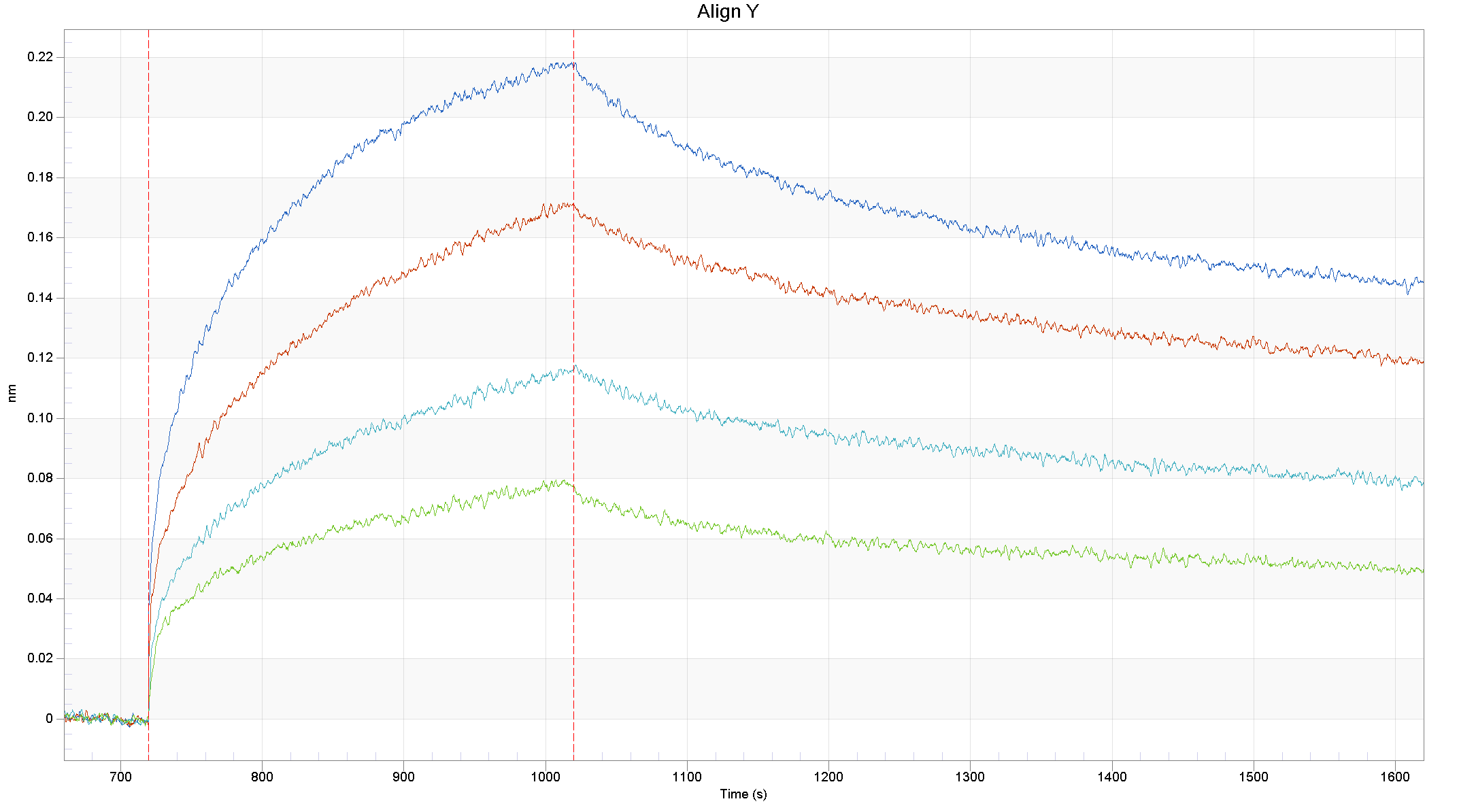
Application: Binding assay/Protein-protein interactionVerified Customer | Posted 09/07/2018

There are no reviews that match your criteria.
Loading...