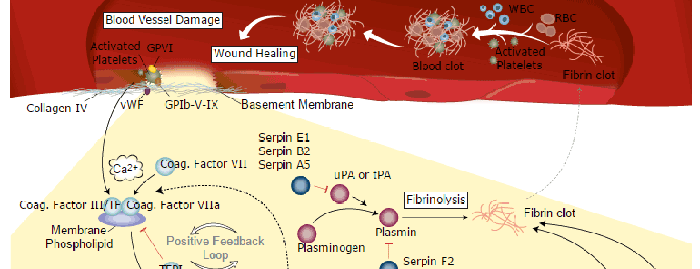
Glycoprotein VI (GPVI) is a 63 kDa platelet/megakaryocyte-specific type I transmembrane glycoprotein of the immunoglobulin superfamily that is an important collagen receptor and initiator of platelet activation, aggregation and thrombin generation (1, 2). GPVI is also a secondary receptor required for platelet spreading on laminin (3). Human GPVI contains a 20 amino acid (aa) signal sequence, a 247 aa extracellular domain (ECD) that has two C-type Ig-like domains followed by a mucin-like, presumably O-glycosylated Ser-Thr-rich region, a 21 aa transmembrane (TM) domain and a 51 aa cytoplasmic tail that contains calmodulin-binding and SH3 domains. Human GPVI ECD shows 69%, 65% and 70% aa identity with mouse, bovine and canine GPVI ECD, respectively. Two splice variants exist; one is 17 aa shorter in the ECD, while the other diverges at aa 260, creating an inactive monomeric and presumably secreted 681 aa protein (3). GPVI associates with the Fc receptor gamma -chain via charged aa in the TM domains of GPVI (arginine) and the FcR gamma (aspartic acid) (2). Collagen binding by the GPVI Ig-like domains initiates signaling through the FcR gamma ITAM sequence (2). Dimerization of GPVI (2:2 with FcR gamma ) and N-glycosylation greatly enhances collagen binding (5, 6). Type I and III collagens are strong thrombus-forming components in the vascular subendothelium and atherosclerotic plaques (7). GPVI initiates binding to fibrillar collagens under flow conditions, then activates integrin alpha 2 beta 1 which binds collagen more tightly (8). GPVI deficiencies cause only a mild bleeding tendency, probably because integrin alpha 2 beta 1 is able to minimally initiate collagen binding (8). Normal human GPVI concentration can vary widely and affect maximum thrombin generation (9). Engagement of GPVI by collagens or other agonists, including autoantibodies, causes calmodulin-regulated metalloproteinase cleavage of the 57 kDa ECD and depletes surface GPVI (10).
Recombinant Human GPVI Protein, CF
R&D Systems | Catalog # 3627-GP


Key Product Details
- R&D Systems NS0-derived Recombinant Human GPVI Protein (3627-GP)
- Quality control testing to verify active proteins with lot specific assays by in-house scientists
- All R&D Systems proteins are covered with a 100% guarantee
Source
Accession Number
Applications
Product Specifications
Source
Gln21-Lys267, with a C-terminal 6-His tag
Purity
Endotoxin Level
N-terminal Sequence Analysis
Predicted Molecular Mass
SDS-PAGE
Activity
When cross-linked with 10 µg/mL of cross-linking antibody Mouse Anti-polyHistidine Monoclonal Antibody (Catalog # MAB050), rhGPVI will bind to Collagen I (1 µg/mL, 100 µL/well) with an apparent KD <40 nM. Optimal dilutions should be determined by each laboratory for each application.
Reviewed Applications
Read 1 review rated 4 using 3627-GP in the following applications:
Formulation, Preparation, and Storage
3627-GP
| Formulation | Lyophilized from a 0.2 μm filtered solution in PBS. |
| Reconstitution | Reconstitute at 100 μg/mL in sterile PBS.
Loading...
|
| Shipping | The product is shipped at ambient temperature. Upon receipt, store it immediately at the temperature recommended below. |
| Stability & Storage | Use a manual defrost freezer and avoid repeated freeze-thaw cycles.
|
Calculators
Background: GPVI
References
- Jandrot-Perrus, M. et al. (2000) Blood 96:1798.
- Moroi, M. and S. M. Jung (2004) Thromb. Res. 114:221.
- Inoue, O. et al. (2006) Blood 107:1405.
- Ezumi, Y. et al. (2000) Biochem. Biophys. Res. Comm. 277:27.
- Horii, K. et al. (2006) Blood 108:936.
- Kunicki, T. J. et al. (2005) Blood 106:2744.
- Cosemans, J. M. et al. (2005) Atherosclerosis 181:19.
- Lecut, C. et al. (2005) Thromb. Haemost. 94:107.
- Furihata, K. et al. (2001) Arterioscler. Thromb. Vasc. Biol. 21:1857.
- Stephens, G. et al. (2005) Blood 105:186.
Long Name
Alternate Names
Gene Symbol
UniProt
Additional GPVI Products
Product Documents for Recombinant Human GPVI Protein, CF
Certificate of Analysis
To download a Certificate of Analysis, please enter a lot or batch number in the search box below.
Note: Certificate of Analysis not available for kit components.
Product Specific Notices for Recombinant Human GPVI Protein, CF
For research use only
Related Research Areas
Citations for Recombinant Human GPVI Protein, CF
 Powered by Bioz
Customer Reviews for Recombinant Human GPVI Protein, CF (1)
Have you used Recombinant Human GPVI Protein, CF?
Submit a review and receive an Amazon gift card!
$25/€18/£15/$25CAN/¥2500 for a review with an image
$10/€7/£6/$10CAN/¥1110 for a review without an image
Submit a review
Customer Images
-
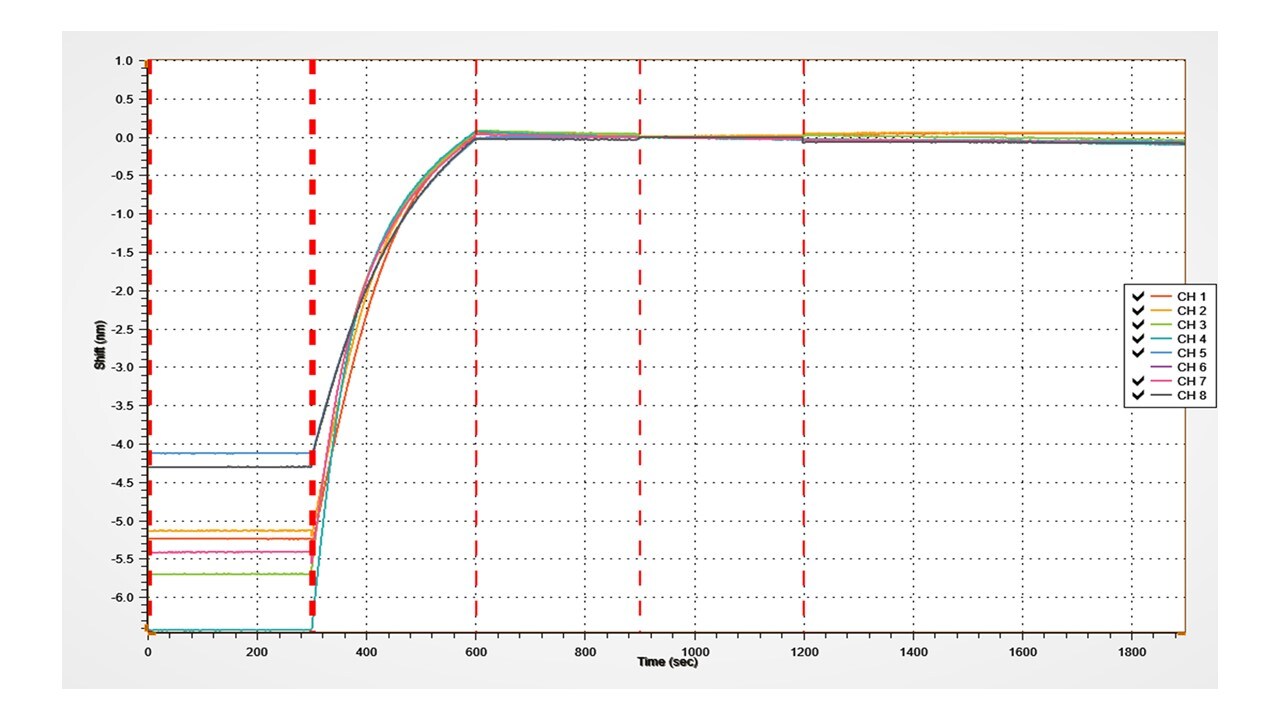
Application: Binding assay/Protein-protein interactionVerified Customer | Posted 08/17/2020

There are no reviews that match your criteria.
FAQs for Recombinant Human GPVI Protein, CF
-
Q:
This protein datasheet indicates I need to use a cross-linking antibody, Catalog # MAB050, for biological activity. What is this antibody and is it really necessary?
A: The antibody is directed against a 6x histidine repeat and is recommended for use as a cross-linker of proteins with 6x his-tag. Crosslinking is often used for proteins that require receptor trimerization and can result greater biological activity. R&D Systems Quality Control tests the performance of these proteins in the presence of the cross-linking antibody. Therefore, it is necessary to use this antibody when trying to achieve the same level of specific activity described in the datasheet.
Associated Pathways