
Nodal is a 13 kDa member of the TGF-beta superfamily of molecules (1-3). Its name derives from the fact that it is expressed in the primitive node of the developing embryo. In human, it is synthesized as a 347 amino acid (aa) preproprecursor that contains a 26 aa signal sequence, a 211 aa prodomain, and a 110 aa mature region (4, 5). Consistent with its TGF-beta superfamily membership, it exists as a disulfide-linked homodimer and would be expected to demonstrate a cysteine-knot motif (1, 5, 6). Mature human Nodal is 99%, 98%, 96% and 98% aa identical to mature canine, rat, bovine and mouse Nodal, respectively. Nodal signals through two receptor complexes, both of which contain members of the TGF-beta family of Ser/Thr kinase receptors. The first receptor complex is composed of ActRIB/ALK4 and ActRIIB. Nodal interaction with the ligand-binding subunit ALK4 requires the participation of fucosylated Cripto, a member of the EGF-CFC gene family. The second complex is composed of ALK7 and ActRIIB, and does not require Cripto interaction (7-9). Nodal signaling is regulated by a number of inhibitors. Nodal is reported to form nonsignaling disulfide-linked heterodimers with BMP-3, -4 and -7 (2, 6). There are also at least three secreted factors that block Nodal activation of its receptor. The first is Cerberus, a member of the DAN family of proteins. The last two are TGF-beta family members named Lefty-A and B (2, 11). The exact mechanisms employed are unclear, but Leftys are apparently induced by nodal and can work at a considerable distance from their origin (2). Nodal is known to induce both mesoderm and endoderm, participate in anterior-posterior positioning, and through ALK7, induce apoptosis in susceptible cell populations (2, 8, 12).
Recombinant Human Nodal Protein
R&D Systems | Catalog # 3218-ND


Key Product Details
- R&D Systems E. coli-derived Recombinant Human Nodal Protein (3218-ND)
- Quality control testing to verify active proteins with lot specific assays by in-house scientists
- All R&D Systems proteins are covered with a 100% guarantee
Source
Accession Number
Structure / Form
Applications
Product Specifications
Source
His238-Leu347, with an N-terminal Met
Purity
Endotoxin Level
N-terminal Sequence Analysis
Predicted Molecular Mass
Activity
Approximately 100 ng/mL of Recombinant Human Nodal can effectively induce Smad2 phosphorylation.
Reviewed Applications
Read 2 reviews rated 4.5 using 3218-ND in the following applications:
Formulation, Preparation, and Storage
Carrier Free
What does CF mean?CF stands for Carrier Free (CF). We typically add Bovine Serum Albumin (BSA) as a carrier protein to our recombinant proteins. Adding a carrier protein enhances protein stability, increases shelf-life, and allows the recombinant protein to be stored at a more dilute concentration. The carrier free version does not contain BSA.
What formulation is right for me?In general, we advise purchasing the recombinant protein with BSA for use in cell or tissue culture, or as an ELISA standard. In contrast, the carrier free protein is recommended for applications, in which the presence of BSA could interfere.
Carrier: 3218-ND
| Formulation | Lyophilized from a 0.2 μm filtered solution in Acetonitrile and TFA with BSA as a carrier protein. |
| Reconstitution | Reconstitute at 100-200 μg/mL in sterile 4 mM HCl. |
| Shipping | The product is shipped at ambient temperature. Upon receipt, store it immediately at the temperature recommended below. |
| Stability & Storage | Use a manual defrost freezer and avoid repeated freeze-thaw cycles.
|
Carrier Free: 3218-ND/CF
| Formulation | Lyophilized from a 0.2 μm filtered solution in Acetonitrile and TFA. |
| Reconstitution | Reconstitute at 100-200 μg/mL in sterile 4 mM HCl. |
| Shipping | The product is shipped at ambient temperature. Upon receipt, store it immediately at the temperature recommended below. |
| Stability & Storage | Use a manual defrost freezer and avoid repeated freeze-thaw cycles.
|
Calculators
Background: Nodal
References
- Kishigami, S. and Y. Mishina (2005) Cytokine Growth Factor Rev. 16:265.
- Schier, A.F. (2003) Annu. Rev. Cell Dev. Biol. 19:589.
- Whitman, M. and M. Mercola (2001) Sci. STKE. Jan 9;(64):RE1.
- Gebbia, M. et al. (1997) Nat. Genet. 17:305.
- Hart, A.H. et al. (2005) Biochem. Biophys. Res. Commun. 333:1361.
- Yeo, C-Y. and M. Whitman (2001) Mol. Cell 7:949.
- Yan, Y-T. et al. (2002) Mol. Cell. Biol. 22:4439.
- Munir, S. et al. (2004) J. Biol. Chem. 279:31277.
- Shen, M.M. and A.F. Schier (2000) Trends Genet. 16:303.
- Lah, M. et al. (1999) Genomics 55:364.
- Kosaki, K. et al. (1999) Am. J. Hum. Genet. 64:712.
- Zhou, X. et al. (1993) Nature 361:543.
Alternate Names
Gene Symbol
UniProt
Additional Nodal Products
Product Documents for Recombinant Human Nodal Protein
Certificate of Analysis
To download a Certificate of Analysis, please enter a lot or batch number in the search box below.
Note: Certificate of Analysis not available for kit components.
Product Specific Notices for Recombinant Human Nodal Protein
For research use only
Related Research Areas
Citations for Recombinant Human Nodal Protein
 Powered by Bioz
Customer Reviews for Recombinant Human Nodal Protein (2)
Have you used Recombinant Human Nodal Protein?
Submit a review and receive an Amazon gift card!
$25/€18/£15/$25CAN/¥2500 for a review with an image
$10/€7/£6/$10CAN/¥1110 for a review without an image
Submit a review
Customer Images
-
Application: Cell ProliferationVerified Customer | Posted 10/09/2020
-
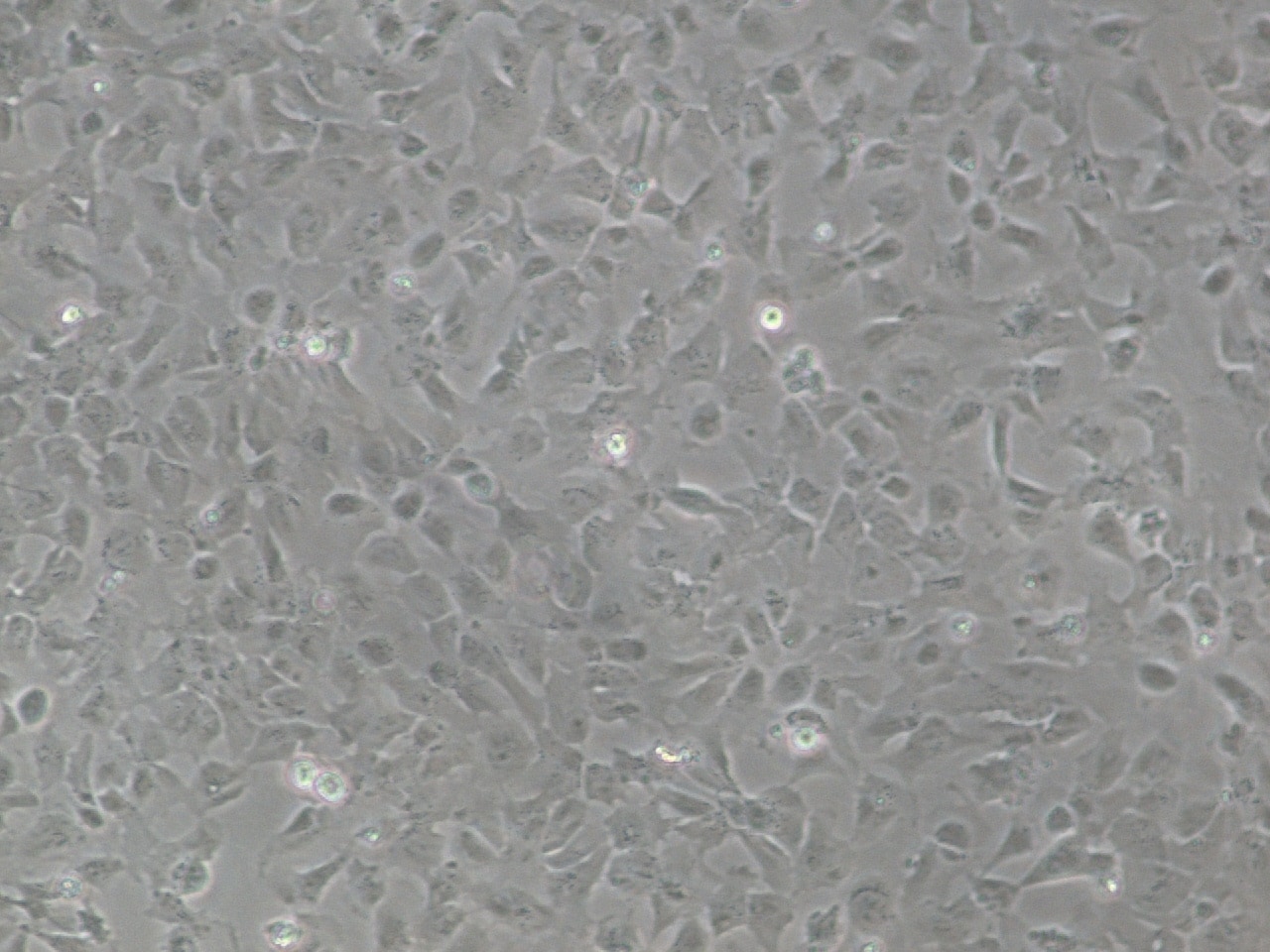
Application: Stem/Immune cell maintenance or differentiationVerified Customer | Posted 12/06/2018Picture shows my marmoset embryonic stem cells grown with media that is supplemented with this human nodal protein. Cells are healthy, and have a homogenous morphology without spontaneous differentiation

There are no reviews that match your criteria.
FAQs for Recombinant Human Nodal Protein
-
Q: What is the half-life of this BMP protein?
A: R&D Systems has not determined the half-life of this recombinant human BMP protein. Assay conditions for each protein will need to be optimized by each researcher.
Associated Pathways
