
Forskolin
Tocris Bioscience | Catalog # 1099

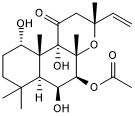
Key Product Details
Description
Alternative Names
Product Description
Forskolin, or coleonol, is a cell-permeable, potent, reversible and rapid activator of adenylyl cyclase, an enzyme that converts ATP to cAMP and pyrophosphate (EC50 = 0.5 μM). In combination with other compounds, forskolin enables chemical reprogramming of mouse embryonic fibroblasts to pluripotent stem cells, without genetic factors (protocol available). In combination with IBMX (Cat. No. 2845), forskolin induces neural differentiation of mesenchymal stem cells by downregulating neuron restrictive silencer factor. In a rat model of Huntington's disease-like neurodegeneration, forskolin also exhibits neuroprotective effects. Hypotensive and vasodilatory agent.Water-soluble analog, NKH 477 (Cat. No. 1603), and Forskolin synthesized to Ancillary Material Grade also available.
For more information about how Forskolin may be used, see our protocols: Transdifferentiating Fibroblasts into Neurons, Reprogramming Mouse Embryonic Fibroblasts (MEFs) into Skeletal Muscle Progenitors, Highly Efficient Generation of Chemically Induced Pluripotent Stem Cells (CiPSCs) from Mouse Embryonic Fibroblasts (MEFs).
Scientific Data Images for Forskolin
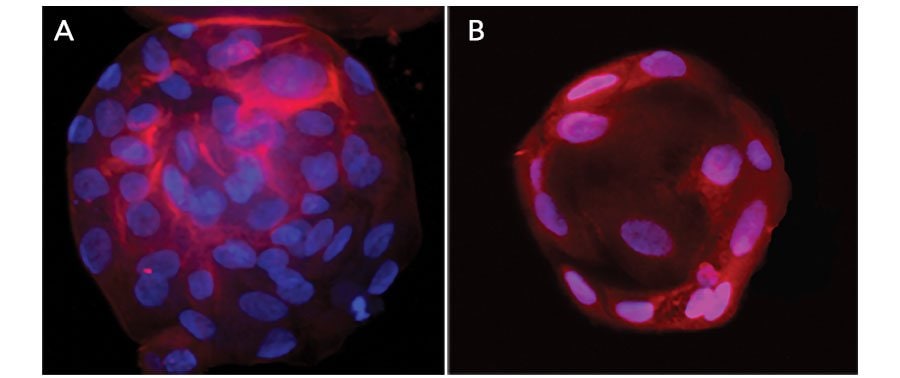
Application of Forskolin in Culture and Characterization of Adult Stem Cell-derived Liver Organoids.
Adult stem cell-derived liver organoids were cultured using Forskolin, Y-27632 dihydrochloride (Catalog # 1254), HEPES (Catalog # 3173), A 83-01 (Catalog # 2939), N-Acetylcysteine (Catalog # 7874), along with other reagents used in the human liver organoid culture protocol. After 3 days, liver organoid expansion medium was added for 7-10 days, followed by liver organoid differentiation medium, which includes HEPES (Catalog # 3173), Nicotinamide (Catalog # 4106), N-Acetylcysteine (Catalog # 7874), A 83-01 (Catalog # 2939), along with other reagents. Differentiated human liver organoids were stained using a (A) Human Serum Albumin Antibody (Catalog # MAB1455; red) and a (B) Human HNF-3 beta /FoxA2 Antibody (Catalog # AF2400; red) and counterstained with DAPI (Catalog # 5748; blue).
Product Specifications for Forskolin
Molecular Weight
Formula
Storage
Purity
Chemical Name
CAS Number
PubChem ID
InChI Key
SMILES
The technical data provided above is for guidance only. For batch specific data refer to the Certificate of Analysis.
Solubility
| Solvent | Max Conc. mg/mL | Max Conc. mM | |
|---|---|---|---|
| Solubility | |||
| DMSO | 10.26 | 25 | |
| Ethanol | 4.11 | 10 |
Preparing Stock Solutions for Forskolin
The following data is based on the product molecular weight 410.51.
Batch specific molecular weights may vary from batch to batch due to the degree of hydration, which all affect the solvent volumes required to prepare stock solutions.
| Concentration / Solvent Volume / Mass | 1 mg | 5 mg | 10 mg |
|---|---|---|---|
| 0.25 mM | 9.74 mL | 48.72 mL | 97.44 mL |
| 1.25 mM | 1.95 mL | 9.74 mL | 19.49 mL |
| 2.5 mM | 0.97 mL | 4.87 mL | 9.74 mL |
| 12.5 mM | 0.19 mL | 0.97 mL | 1.95 mL |
Calculators
Background References
References are publications that support the biological activity of the product. See our Citations tab to view 944 publications citing the usage of this product.
- Sato SnapShot: Growing Organoids from Stem Cells. Cell 2015 PMID: 26091044
- Hou Pluripotent stem cells induced from mouse somatic cells by small-molecule compounds. Science 2013 PMID: 23868920
- Kim cAMP induces neuronal differentiation of mesenchymal stem cells via activation of extracellular signal-regulated kinase/MAPK. Neuroreport 2005 PMID: 16056139
- Robbins Forskolin carbamates: binding and activation studies with type I adenylyl cyclase. J.Med.Chem. 1996 PMID: 8709105
- Laurenza Forskolin: a specific stimulator of adenylyl cyclase or a diterpene with multiple sites of action? TiPS 1989 PMID: 2692256
- Awad Interactions of forskolin and adenylate cyclase. J.Biol.Chem. 1983 PMID: 6681815
- Seamon Structure-activity relationships for activation of adenylate cyclase by the diterpene forskolin and its derivatives. J.Med.Chem. 1983 PMID: 6681845
Product Documents for Forskolin
Certificate of Analysis
To download a Certificate of Analysis, please enter a lot or batch number in the search box below.
Product Specific Notices for Forskolin
For research use only
Citations for Forskolin
 Powered by Bioz
Customer Reviews for Forskolin (6)
Have you used Forskolin?
Submit a review and receive an Amazon gift card!
$25/€18/£15/$25CAN/¥2500 for a review with an image
$10/€7/£6/$10CAN/¥1110 for a review without an image
Submit a review
Customer Images
-
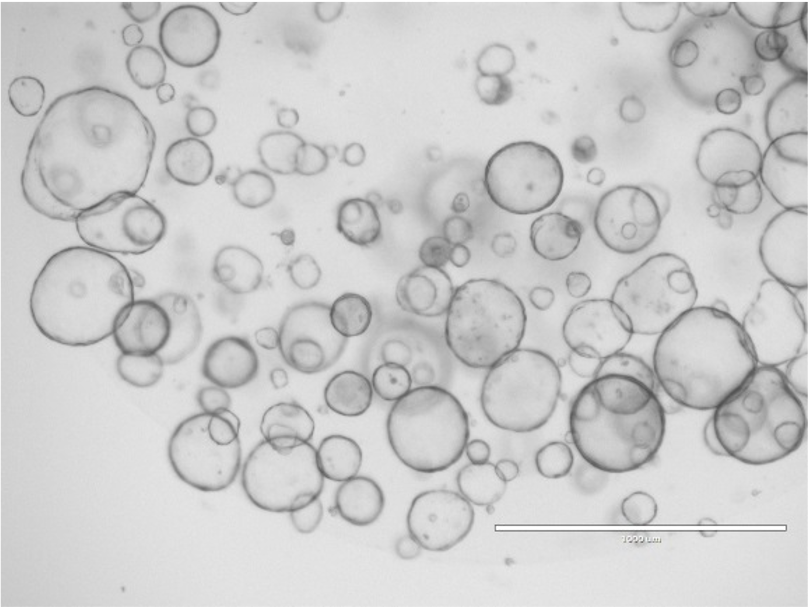
Species: HumanAssay Type: In VitroCell Line/Tissue: Liver organoidsVerified Customer | Posted 11/19/2020Culturing liver organoids - used to swell the organoids

-
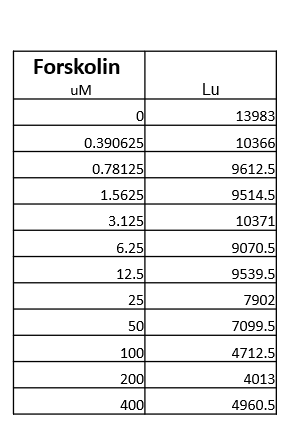
Species: HumanAssay Type: In VitroCell Line/Tissue: JurkatVerified Customer | Posted 08/04/2020Jurkat cells were treated with different concentration of Forskolin for 15 minutes and the cAMP was measured (the cAMP levels are reversely correlated with Luminescent values.)
-
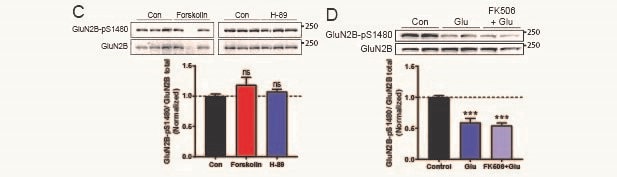
Species: RatAssay Type: In VitroCell Line/Tissue: Sprague-Dawley rats primary neuronalVerified Customer | Posted 04/04/202010 μM for 30min
-
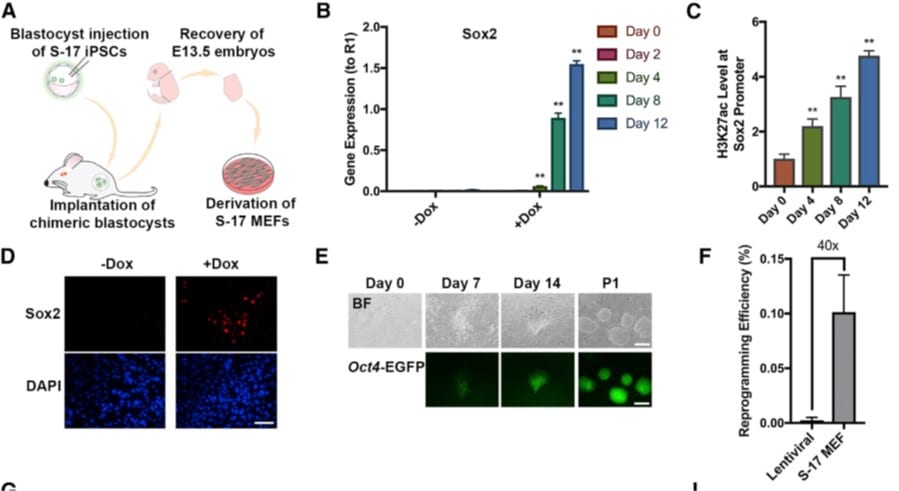
Species: MouseAssay Type: In VitroCell Line/Tissue: ipsVerified Customer | Posted 12/04/2019To start reprogramming, cultures were switched to reprogramming medium (ES medium supplemented with 10 mM Parnate, 3 mM Chir99021, 1 mM A83-01, and 10 mM Forskolin)
-
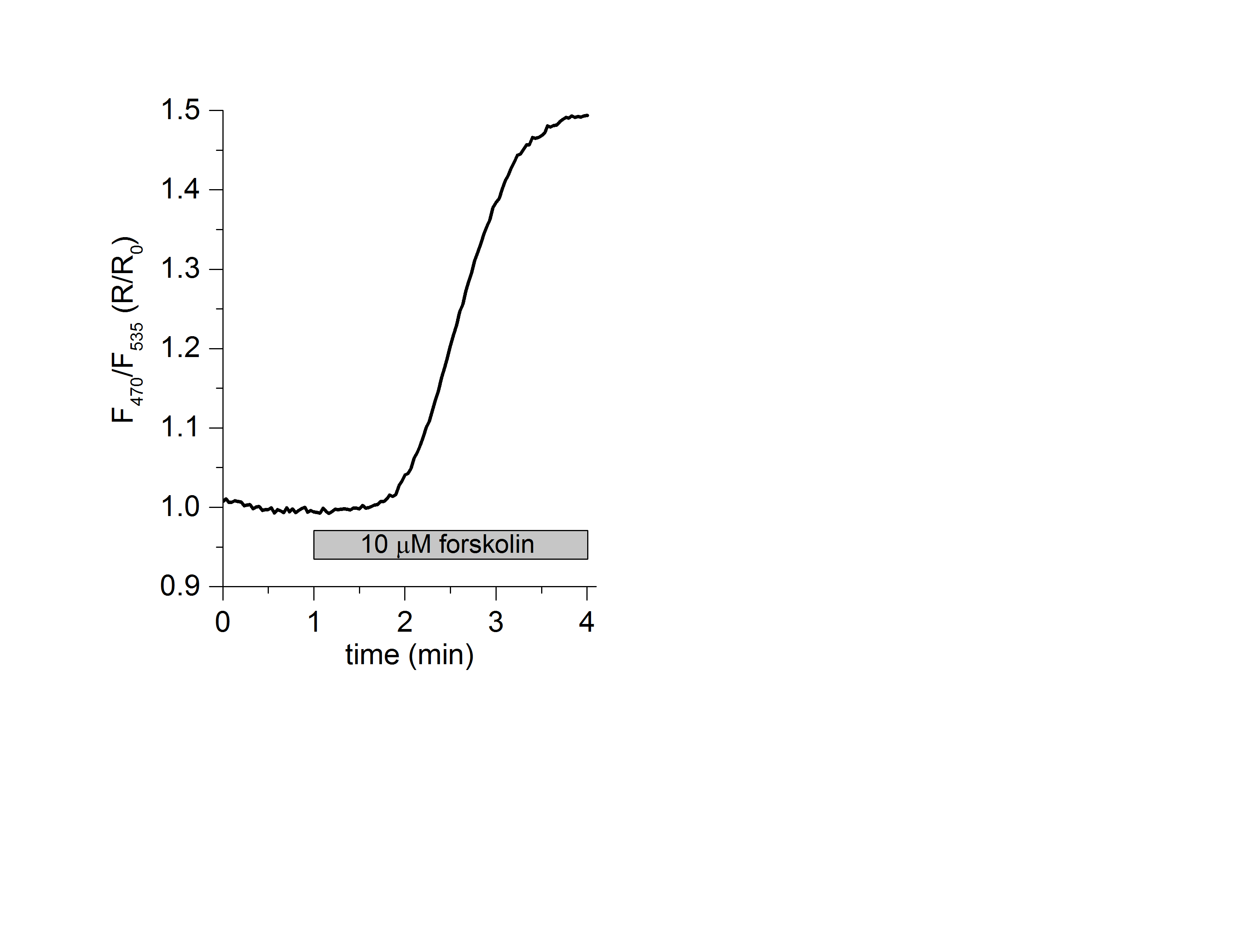
Species: HumanAssay Type: In VitroCell Line/Tissue: HEK293Verified Customer | Posted 07/08/2019HEK293 cells transfected with cAMP FRET sensor, Epac-S(H187) were perfused in normal tyrode solution and excited alternately at 430 nm and fluorescence was captured at 470 and 535 nm. Forskolin (10 µM) was added at 1 min to activate adenylyl cyclase and increase intracellular cAMP, which is detected as an increase in 470/535 fluorescence ratio.
-
Species: RatVerified Customer | Posted 02/21/2018Forskolin activates adenylyl cyclase and increases intracellular cAMP. We used at 10 microM in cultured astrocytes to increase intracellular cAMP level.
There are no reviews that match your criteria.