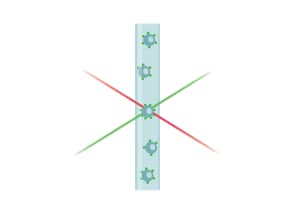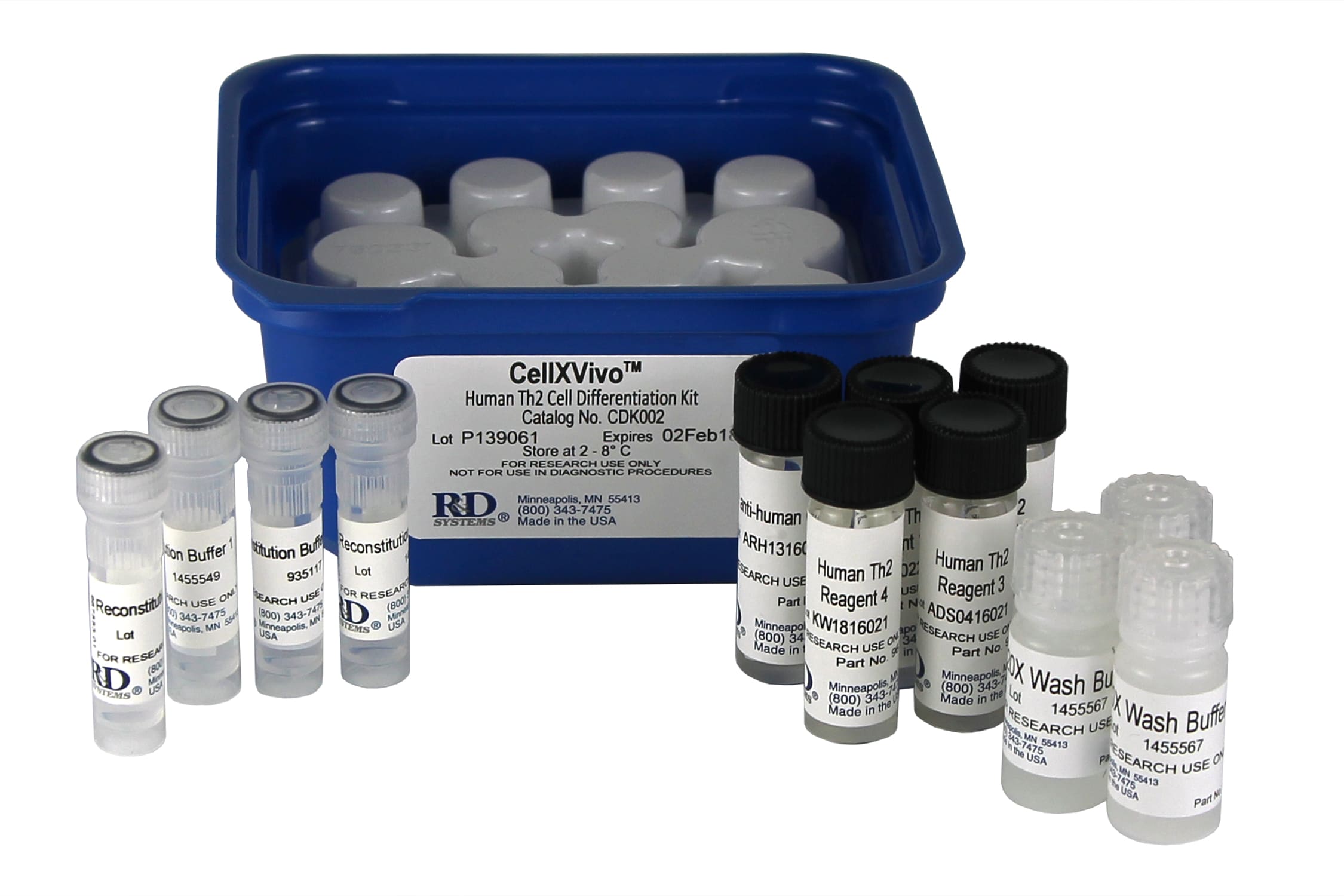
CD4+ T cells can differentiate into T helper (Th)1, Th2, Th17, and Regulatory T (Treg) cells by exposure to various cytokines and cellular interactions that induce expression of specific sets of transcription factors. Differentiation into Th1 cells is promoted through IL-12 and IFN-gamma. These cells are characterized by their secretion of IFN-gamma, IL-10, and TNF-alpha. Differentiation into Th2 cells is promoted by IL-4 in combination with either IL-2, IL-7, or TSLP. through IL-12 and IFN-gamma. These cells are characterized by their secretion of IFN-gamma, IL-10, and TNF-alpha. Th2 cells secrete IL-4, IL-5, IL-9, IL-13, and IL17E/IL-25. Differentiation into the Th17 lineage is promoted by cytokines such as TGF-beta and IL-6, while their survival and expansion are dependent on IL-21 and IL-23. Th17 cells secrete TNF-alpha, IL-6, IL-9, IL-17A, IL-17F, IL-21, IL-22, and (human) IL-26/AK155. The ability to differentiate CD4+ T cells ex vivo into Th1, Th2, Th17, or Treg cells is valuable to researchers who require specific T helper cell subsets for downstream applications, including studies for cell therapy and cancer immunotherapy.
CellXVivo Human Th1 Cell Differentiation Kit
R&D Systems | Catalog # CDK001


Key Product Details
Species
Product Summary for CellXVivo Human Th1 Cell Differentiation Kit
Kit Summary
For the differentiation of Th1 cells from a preparation of naïve CD4+ T cells.
Key Benefits
- Yields a highly enriched population of Th1 polarized T cells
- Provides optimized reagents needed to induce Th1 differentiation
- Involves validated and straightforward procedures
- Does not require specialized instrumentation
Why Differentiate Th1 Cells In Vitro?
T helper type 1 (Th1) cells are a subset of CD4+ effector T cells that promote cell-mediated immune responses against intracellular viral and bacterial pathogens. Differentiation into the Th1 lineage is promoted by cytokines such as IL-12 and IFN-gamma. Th1 cells are characterized by the secretion of IFN-gamma, IL-10, and TNF-alpha. Although Th1 cells are critical for the clearance of intracellular pathogens, exaggerated Th1 responses are associated with autoimmune diseases including rheumatoid arthritis, multiple sclerosis, inflammatory bowel disease, and type 1 diabetes. Th1 polarized cells are present in low abundance in normal human peripheral blood. In vitro differentiation of Th1 cells from the larger naïve CD4+ T cell population provides increased numbers of Th1 cells to facilitate downstream research.
This kit contains the following optimized reagents to drive efficient differentiation of naïve CD4+ T cells into Th1 polarized cells.
- Mouse Anti-Human CD3 Antibody
- Human Th1 Differentiation Supplements
- Reconstitution Buffers
- Wash Buffer (20X)
Provides sufficient reagents for the differentiation of one 24-well plate.
Stability and Storage
Store the unopened kit at 2 to 8 °C. After opening the kit, Mouse Anti-Human CD3 Antibody, Human Th1 Reagent 1, and Human Th1 Reagent 2 may be stored at 2-8 °C under sterile conditions for up to 30 days or at -20 °C to -70 °C in a manual defrost freezer for up to 3 months. Reconstitution Buffer 1, Reconstitution Buffer 2, and 20X Wash Buffer may be stored under sterile conditions for up to 12 months at 2 to 8 °C. Do not use beyond the expiration date of the kit.
Scientific Data Images for CellXVivo Human Th1 Cell Differentiation Kit
Verification of Th1 Cell Identity using Flow Cytometry.
Human peripheral blood naïve CD4+T cells without (A, C) and with (B, D) a 5 day differentiation using the reagents included in the Human Th1 Cell Differentiation Kit. (A, B) The cells were stained with an APC-conjugated Mouse Anti-Human IFN-gamma Monoclonal Antibody (Catalog # IC285A) and a PE-conjugated Mouse Anti-Human IL-4 Monoclonal Antibody (Catalog # IC204P). (C, D) The cells were stained with an APC-conjugated Mouse Anti-Human IFN-gamma Monoclonal Antibody (Catalog # IC285A) and a PerCP-conjugated Mouse Anti-Human IL-17 Monoclonal Antibody (Catalog # IC3171C). Control cultures were used to place the quadrants.
Detection of IFN-gamma, IL-4, and IL-17 in Human Th1 Cells.
Human peripheral blood naïve CD4+T cells were cultured for 5 days using reagents included in the Human Th1 Cell Differentiation Kit. After fixation of cells in the wells, cytokine expression was determined using the Human IFN-gamma Quantikine ELISA Kit (Catalog # DIF50), the Human IL-4 Quantikine ELISA Kit (Catalog # D4050), and the Human IL-17 Quantikine ELISA Kit (Catalog # D1700).Formulation, Preparation, and Storage
Shipping
Storage
Background: Th1 Cell Kits
Product Documents for CellXVivo Human Th1 Cell Differentiation Kit
Certificate of Analysis
To download a Certificate of Analysis, please enter a lot or batch number in the search box below.
Note: Certificate of Analysis not available for kit components.
Product Specific Notices for CellXVivo Human Th1 Cell Differentiation Kit
For research use only
Related Research Areas
Citations for CellXVivo Human Th1 Cell Differentiation Kit
 Powered by Bioz
Customer Reviews for CellXVivo Human Th1 Cell Differentiation Kit
There are currently no reviews for this product. Be the first to review CellXVivo Human Th1 Cell Differentiation Kit and earn rewards!
Have you used CellXVivo Human Th1 Cell Differentiation Kit?
Submit a review and receive an Amazon gift card!
$25/€18/£15/$25CAN/¥2500 for a review with an image
$10/€7/£6/$10CAN/¥1110 for a review without an image
Submit a review
Protocols
View specific protocols for CellXVivo Human Th1 Cell Differentiation Kit (CDK001):
Refer to the product datasheet for complete product details.
Briefly, human CD4+ T cells can be differentiated into Th1 cells using the following procedure:
- Coat a plate with Mouse Anti-Human CD3 Antibody
- Isolate human naïve CD4+ T cells from a PBMC preparation
- Culture naïve CD4+ T cells in Human Th1 Differentiation Media for 5 days
- Stimulate cells with monensin
- Analyze culture media and cells for a Th1-specific cytokine production profile

Reagents Supplied in the CellXVivo™ Human Th1 Cell Differentiation Kit (Catalog # CDK001):
- Mouse Anti-Human CD3 Antibody
- Human Th1 Reagents
- Reconstitution Buffers
- Wash Buffer (20X)
Reagents
- MagCellect™ Human Naïve CD4+ T Cell Isolation Kit (Catalog # MAGH115 or equivalent)
- Monensin
- PMA
- Ficoll-Hypaque™
- RPMI 1640
- L-Glutamine
- Ionomycin
- Penicillin
- Streptomycin
- Fetal Bovine Serum (FBS)
- beta-Mercaptoethanol
Equipment
- Tissue culture flasks and/or plates
- Hemocytometer
- 37 °C and 5% CO2 humidified incubator
- Centrifuge
- Pipettes and pipette tips
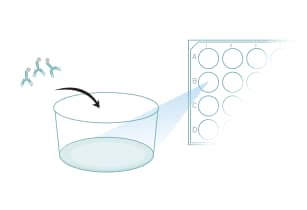
Coat wells of a 24-well plate with Mouse Anti-Human CD3 Antibody.
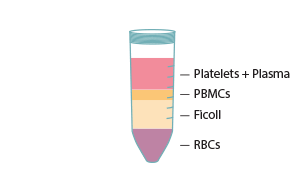
Isolate PBMCs from human blood (e.g., using Ficoll-Hypaque™ density centrifugation).
Isolate human naïve CD4+ T cells from PBMCs (e.g., using R&D Systems MagCellect™ Human Naïve CD4+ T Cell Isolation Kit).
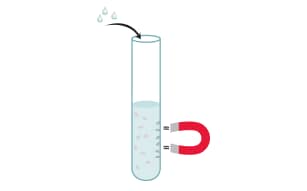
Perform a cell count.

Suspend 1-2 x 10⁵ naïve CD4+ T cells/mL in media supplemented with Human Th1 Reagent 1 and Human Th1 Reagent 2.
Culture the cells on plates pre-coated with Mouse Anti-Human CD3 Antibody for 5 days.
Refresh the Diferentiation Media every 3-4 days.
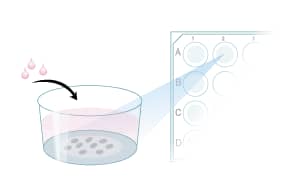
Stimulate the cells with mitogens.
Verify Th1 cell differentiaiton by analying cytokine expression via flow cytometry.