
Two receptors for the Endothelin family have been cloned and designated ETA and ETB (20-23). ETA
and ETB belong to the large family of heptahelical G protein-coupled receptors. The ETA receptor
shows a higher affinity for ET-1 than for ET-2 and lowest affinity for ET-3, while the ETB receptor shows
approximately equal affinity for each of the three Endothelins (21, 22, 24). ETA is primarily responsible
for the vasoconstrictor effects of ET-1 and is expressed by blood vessel smooth muscle cells (25, 26).
The ETB receptor is also present in smooth muscle and the endothelia of blood vessels, kidney, lung,
and brain (27). ET-1 has the ability to activate an array of signaling cascades including classical
phosphatidylinositol turnover pathways leading to downstream PKC activation and Ca2+ mobilization
(28-32). Other potential signaling mediators activated or produced by ET-1 include PI 3-kinase/Akt, NO,
FAK, and Rho GTPases (32-37). ET-1 signaling may also be mediated indirectly via transactivation of the
EGF receptor leading to downstream signaling by Ras and MAP kinases (38, 39). Injection of a single
dose of ET-1 produces an initial decrease in systemic blood pressure followed by a prolonged increase
in blood pressure (16, 40, 41). Blockade of Endothelin receptors with a systemic injection of an ETA/ETB
antagonist causes progressive vasodilation, and elevated levels of ET-1 are found in some forms of
human hypertension (42, 43). ET-1 also stimulates cardiac contraction and the growth of cardiac
myocytes, regulates the release of vasoactive substances, and stimulates smooth muscle cell
mitogenesis (32, 44-46). It also acts as a pro-survival factor for endothelial cells and regulates secretion
by hypothalamic and pituitary cells (47, 48). ET-1 may control inflammatory responses by promoting
the adhesion and migration of neutrophils and stimulating the production of pro-inflammatory
cytokines (49-53). It has also been implicated in cancer progression at several levels including
regulating the proliferation and migration of tumor cells and acting as a pro-angiogenic factor (54, 55).
In addition, ET-1 has putative roles in other pathologies including septic shock, atherosclerosis, heart
failure, renal insufficiency, pulmonary hypertension, and cerebrovascular conditions associated with
subarachnoid hemorrhage (15, 56-63).
Best Seller
Endothelin-1 Quantikine ELISA Kit
R&D Systems | Catalog # DET100

Loading...
Key Product Details
Assay Length
4.5 hours
Sample Type & Volume Required Per Well
Cell Culture Supernates (75 µL), Serum (75 µL), EDTA Plasma (75 µL), Heparin Plasma (75 µL), Urine (75 µL)
Sensitivity
0.207 pg/mL
Assay Range
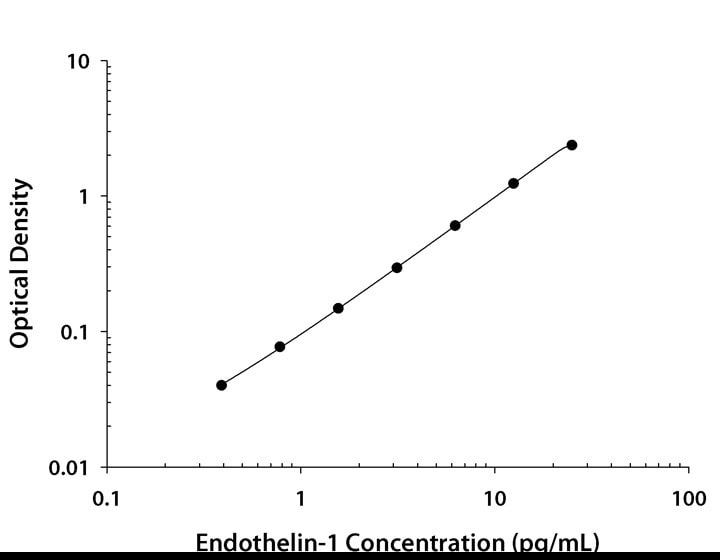
0.39-25 pg/mL (Cell Culture Supernates, Serum, EDTA Plasma, Heparin Plasma, Urine)
Loading...
Product Summary for Endothelin-1 Quantikine ELISA Kit
The Quantikine Endothelin-1 immunoassay is a 4.5 hour solid phase ELISA designed to measure ET-1 in cell culture supernates, serum, plasma, and urine. It contains synthetic ET-1 and antibodies raised against synthetic ET-1. This immunoassay has been shown to accurately quantitate synthetic and naturally occurring ET-1.
Product Specifications
Assay Type
Solid Phase Sandwich ELISA
Format
96-well strip plate
Measurement
Quantitative ELISA
Detection Method
Colorimetric - 450nm (TMB)
Conjugate
HRP
Species
Multi-Species
Specificity
Synthetic and natural Endothelin-1
Cross-reactivity
Cross-reactivity observed with 1 or more available related molecules. < 50% cross-species reactivity observed with species tested.
Interference
No significant interference observed with available related molecules.
Sample Values
Serum/Plasma/Urine - Samples from apparently healthy volunteers were evaluated for the
presence of Endothelin-1 in this assay. No medical histories were available for the donors used
in this study.
ND=Non-detectable
ND=Non-detectable
| Sample Type | Mean (pg/mL) | Range (pg/mL) | Standard Deviation (pg/mL) |
| Human serum (n=35) | 1.24 | 0.47-2.00 | 0.35 |
| Human heparin plasma (n=35) | 1.17 | 0.58-1.96 | 0.32 |
| Mouse serum (n=14) | 3.10 | 1.95-4.03 | 0.58 |
| Mouse EDTA plasma (n=15) | 2.82 | 1.96-3.68 | 0.45 |
| Rat serum (n=15) | 1.63 | 1.32-2.07 | 0.20 |
| Rat EDTA (n=15) | 1.59 | 0.53-2.36 | 0.44 |
| Sample Type | Mean of Detectable (pg/mL) | % Detectable | Range (pg/mL) |
| Human EDTA plasma (n=35) | 1.17 | 97 | ND-1.92 |
| Human urine (n=25) | 0.724 | 48 | 0.44 |
Cell Culture Supernates:
Human peripheral blood leukocytes were cultured in DMEM supplemented with 5% fetal
bovine serum, 50 μM beta -mercaptoethanol, 2 mM L-glutamine, 100 U/mL penicillin, and
100 μg/mL streptomycin sulfate. The cells were cultured unstimulated or stimulated with
10 μg/mL PHA for 1 and 6 days. Aliquots of the cell culture supernates were removed and
assayed for levels of Endothelin-1.
| Condition | Day 1 (pg/mL) | Day 6 (pg/mL) |
| Unstimulated | ND | 1.29 |
| Stimulated | 3.46 | 7.33 |
Tissue from mice or rats were homogenized and seeded into 100 mL of RPMI containing
10% fetal bovine serum, 2 mM L-glutamine, 100 U/mL penicillin, and 100 μg/mL streptomycin
sulfate for the indicated times. Aliquots of the cell culture supernates were removed and
assayed for levels of Endothelin-1.
| Sample Type | Observed Levels (pg/mL) |
| Mouse liver (3 days) | 1.05 |
| Mouse lung (1 day) | 5.15 |
| Rat lung (1 Day) | 20.8 |
Precision
Intra-Assay Precision (Precision within an assay) Three samples of known concentration were tested on one plate to assess intra-assay precision.
Inter-Assay Precision (Precision between assays) Three samples of known concentration were tested in separate assays to assess inter-assay precision.
Cell Culture Supernates, EDTA Plasma, Heparin Plasma, Serum, Urine
| Intra-Assay Precision | Inter-Assay Precision | |||||
|---|---|---|---|---|---|---|
| Sample | 1 | 2 | 3 | 1 | 2 | 3 |
| n | 20 | 20 | 20 | 40 | 40 | 40 |
| Mean (pg/mL) | 3.00 | 7.34 | 14.7 | 3.05 | 7.43 | 14.4 |
| Standard Deviation | 0.120 | 0.170 | 0.280 | 0.231 | 0.438 | 0.759 |
| CV% | 4.0 | 2.3 | 1.9 | 7.6 | 5.9 | 5.3 |
Recovery for Endothelin-1 Quantikine ELISA Kit
The recovery of Endothelin-1 spiked to levels throughout the range of the assay in various matrices was evaluated.
| Sample Type | Average % Recovery | Range % |
|---|---|---|
| Cell Culture Media (n=4) | 99 | 88-108 |
| Human EDTA Plasma (n=4) | 93 | 87-102 |
| Human Heparin Plasma (n=4) | 93 | 85-106 |
| Human Serum (n=4) | 98 | 86-107 |
| Mouse EDTA Plasma (n=4) | 99 | 102-107 |
| Mouse Serum (n=4) | 94 | 86-104 |
| Rat EDTA Plasma (n=4) | 99 | 86-113 |
| Rat Serum (n=4) | 98 | 88-113 |
| Urine (n=4) | 91 | 85-109 |
Linearity
To assess the linearity of the assay, samples spiked with high concentrations of Endothelin-1 were serially diluted with Calibrator Diluent to produce samples with values within the dynamic range of the assay.

Scientific Data Images for Endothelin-1 Quantikine ELISA Kit
Multi-species Endothelin-1 ELISA Standard Curve
Preparation and Storage
Shipping
The product is shipped at ambient temperature. Upon receipt, store it immediately at the temperature recommended below.
Stability & Storage
Store the unopened product at 2 - 8 °C. Do not use past expiration date.
Background: Endothelin-1
Alternate Names
ARCND3, EDN1, ET1, HDLCQ7, PPET1, QME
Gene Symbol
EDN1
Additional Endothelin-1 Products
Product Documents for Endothelin-1 Quantikine ELISA Kit
Certificate of Analysis
To download a Certificate of Analysis, please enter a lot or batch number in the search box below.
Note: Certificate of Analysis not available for kit components.
Product Specific Notices for Endothelin-1 Quantikine ELISA Kit
For research use only
⚠ WARNING: This product can expose you to chemicals including N,N-Dimethylforamide, which is known to the State of California to cause cancer. For more information, go to www.P65Warnings.ca.gov.Related Research Areas
Citations for Endothelin-1 Quantikine ELISA Kit
 Powered by Bioz
Customer Reviews for Endothelin-1 Quantikine ELISA Kit (9)
4.7 out of 5
9 Customer Ratings
Have you used Endothelin-1 Quantikine ELISA Kit?
Submit a review and receive an Amazon gift card!
$25/€18/£15/$25CAN/¥2500 for a review with an image
$10/€7/£6/$10CAN/¥1110 for a review without an image
Submit a review
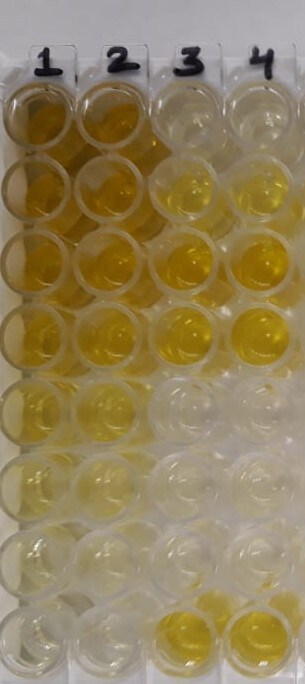
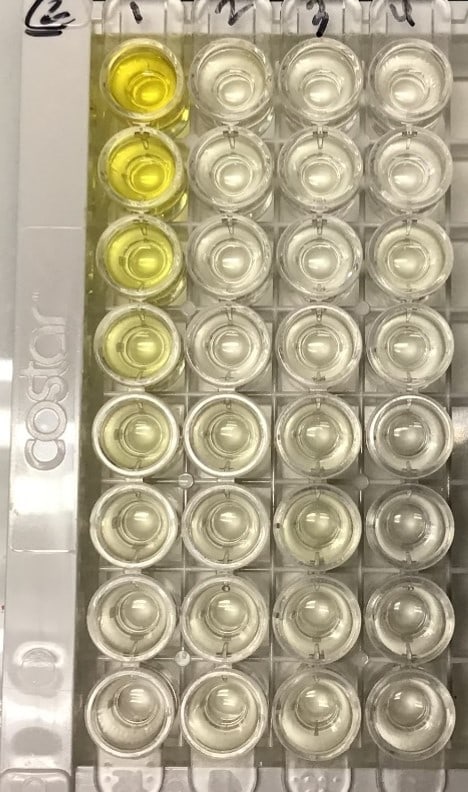
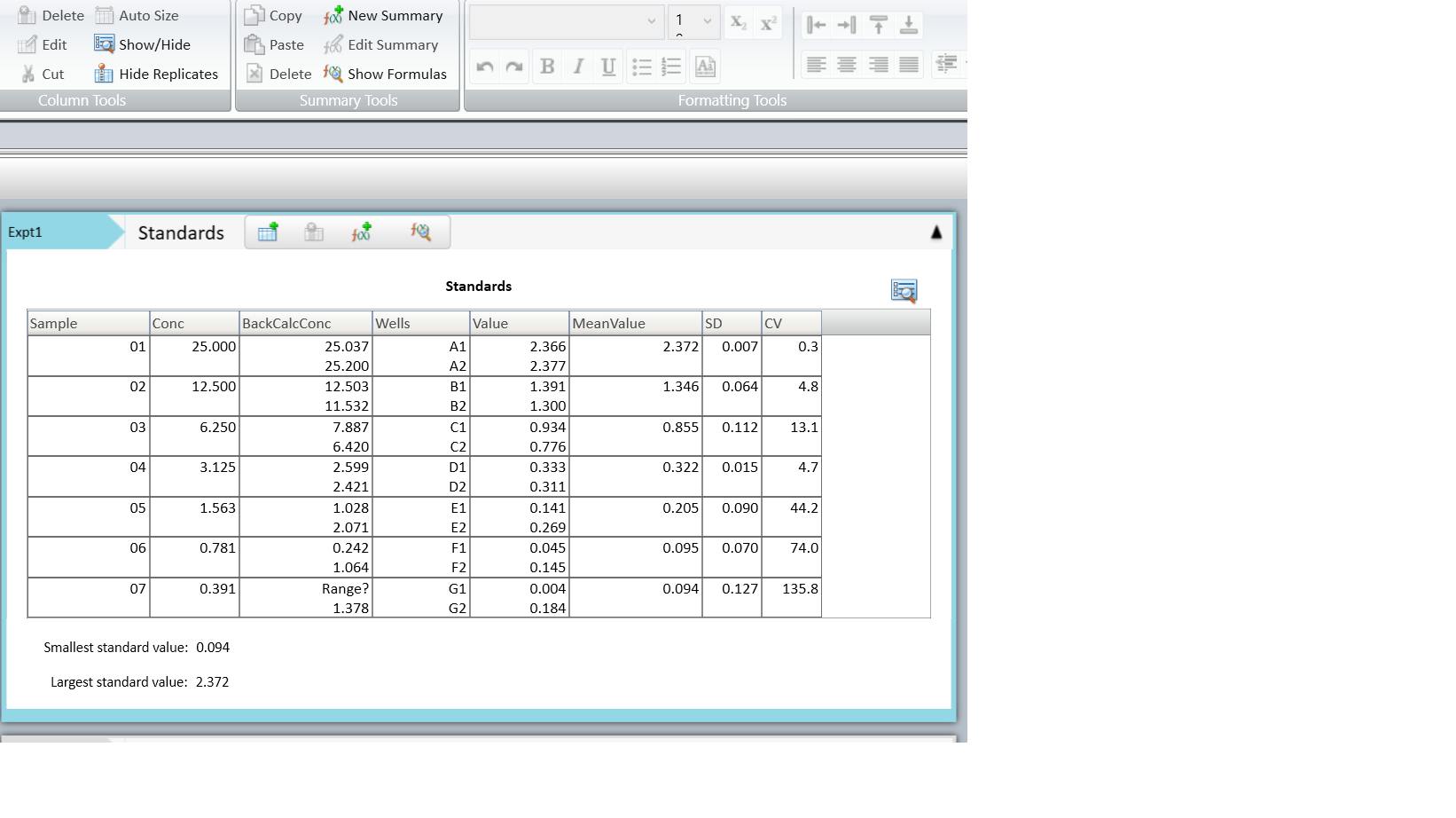
Customer Images
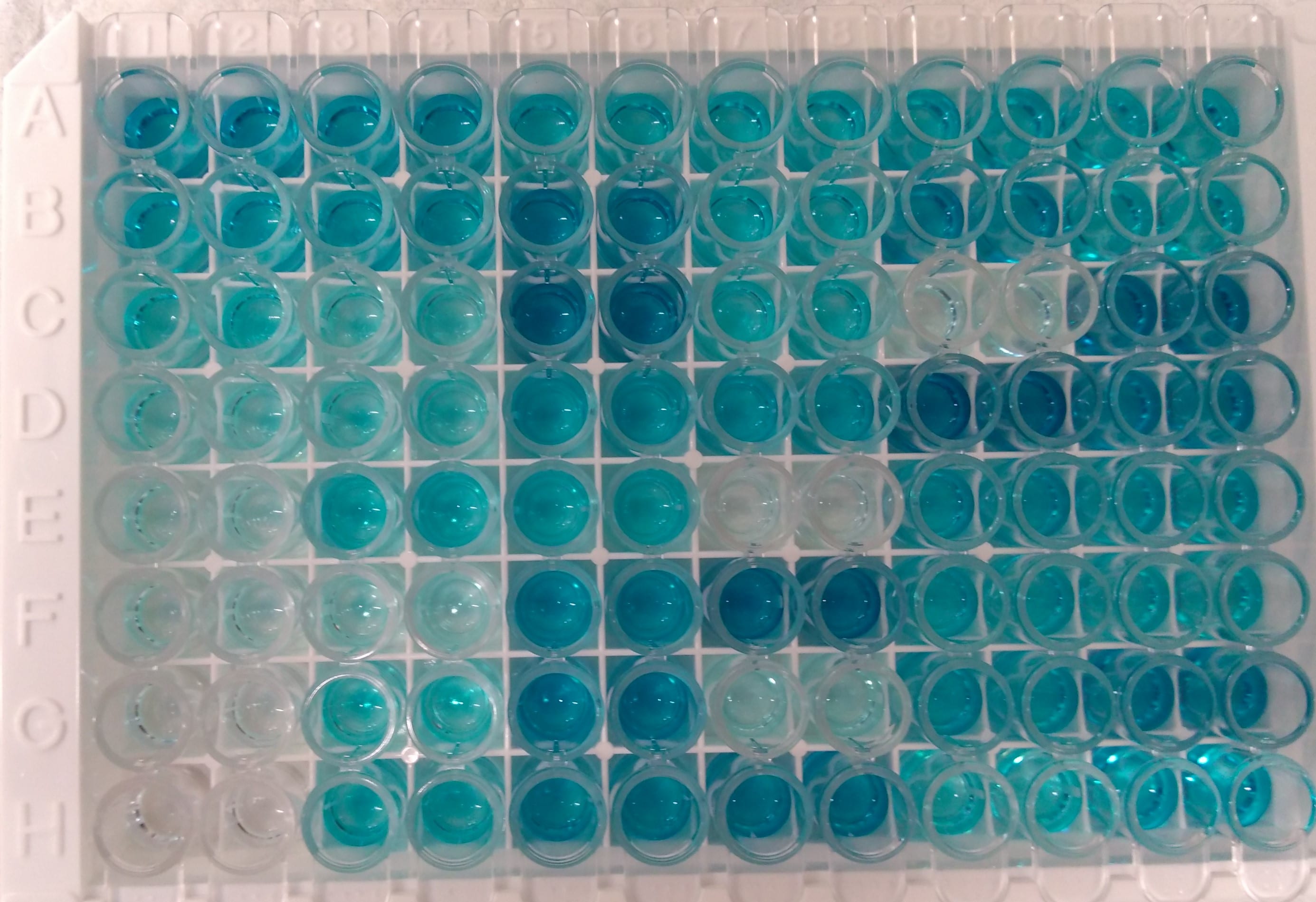
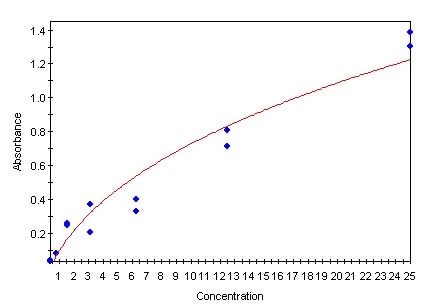
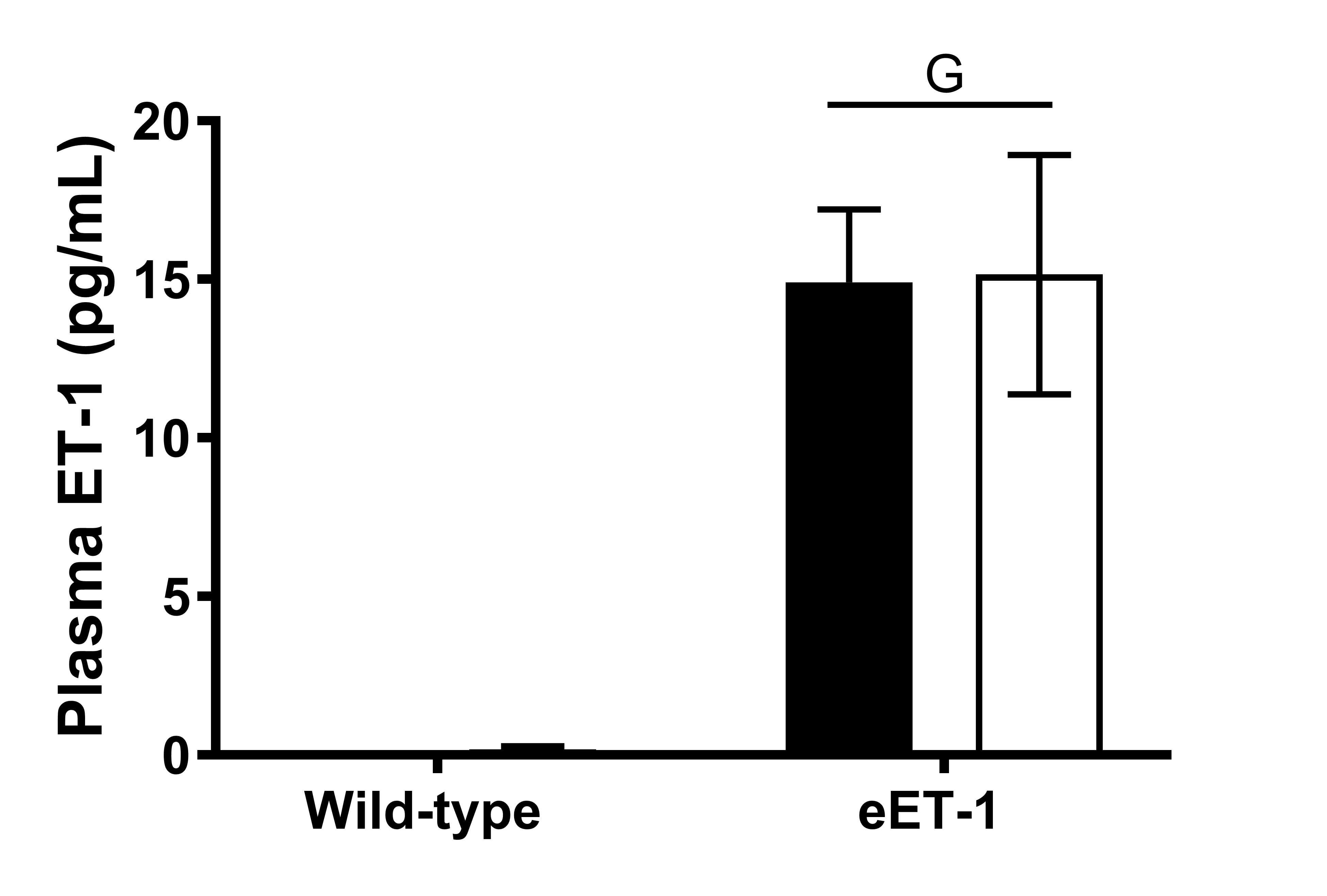
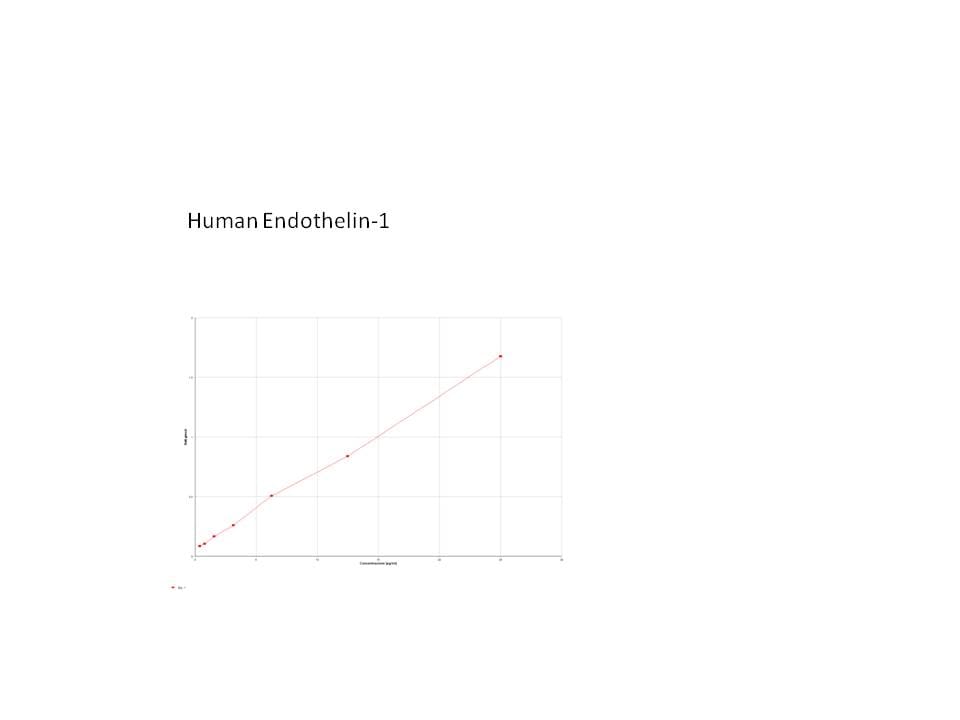
Showing
1
-
5 of
9 reviews
Showing All
Filter By:
-
Sample Tested: rat plasma and rat serumVerified Customer | Posted 12/15/2023The kit worked excellent for rat plasma and serum.
-
Sample Tested: PlasmaVerified Customer | Posted 11/10/2023

-
Sample Tested: Plasma and UrineVerified Customer | Posted 11/16/2022Plasma was in range at 4-fold dilution. Urine was in range at 2-fold dilution.
-
Sample Tested: EDTA PlasmaVerified Customer | Posted 08/22/2019
-
Sample Tested: UrineVerified Customer | Posted 12/17/2018
-
Sample Tested: Serum and PlasmaVerified Customer | Posted 10/11/2018
-
Sample Tested: UrineVerified Customer | Posted 09/11/2018
-
Sample Tested: PlasmaVerified Customer | Posted 10/23/2017Plasma was used from male mice.
-
Sample Tested: Serum and PlasmaVerified Customer | Posted 08/02/2017
There are no reviews that match your criteria.
Protocols
View specific protocols for Endothelin-1 Quantikine ELISA Kit (DET100):
Refer to the product for complete assay procedure.
Bring all reagents and samples to room temperature before use. It is recommended that all samples, standards, and controls be assayed in duplicate.
- Prepare all reagents, standard dilutions, and samples as directed in the product insert.
- Remove excess microplate strips from the plate frame, return them to the foil pouch containing the desiccant pack, and reseal.
- Add 150 µL of Assay Diluent to each well.
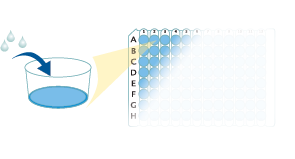
- Add 75 µL of Standard, control, or sample to each well. Cover with a plate sealer, and incubate at room temperature for 1 hour on a horizontal orbital microplate shaker.
- Aspirate each well and wash, repeating the process 3 times for a total of 4 washes.
- Add 200 µL of Conjugate to each well. Cover with a new plate sealer, and incubate at room temperature for 3 hours on the shaker.
- Aspirate and wash 4 times.
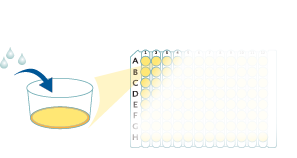
- Add 200 µL Substrate Solution to each well. Incubate at room temperature for 30 minutes on the benchtop. PROTECT FROM LIGHT.
- Add 50 µL of Stop Solution to each well. Read at 450 nm within 30 minutes. Set wavelength correction to 540 nm or 570 nm.
150 µL Assay Diluent
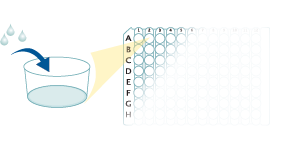
75 µL Standard, Control, or Sample
200 µL Conjugate
200 µL Substrate Solution
50 µL Stop Solution
Find general support by application which include: protocols, troubleshooting, illustrated assays, videos and webinars.
- ELISA Sample Preparation & Collection Guide
- ELISA Troubleshooting Guide
- How to Run an R&D Systems DuoSet ELISA
- How to Run an R&D Systems Quantikine ELISA
- How to Run an R&D Systems Quantikine™ QuicKit™ ELISA
- Quantikine HS ELISA Kit Assay Principle, Alkaline Phosphatase
- Quantikine HS ELISA Kit Principle, Streptavidin-HRP Polymer
- Sandwich ELISA (Colorimetric) – Biotin/Streptavidin Detection Protocol
- Sandwich ELISA (Colorimetric) – Direct Detection Protocol
- Troubleshooting Guide: ELISA
- View all Protocols, Troubleshooting, Illustrated assays and Webinars
Loading...