
Ubiquitin Proteasome System
Ubiquitin & Ubls | E3 Ligases & Targeted Protein Degradation | Deubiquitinating Enzymes | E1 Enzymes | E2 Enzymes | Proteasome | Accessory Proteins | Substrates | Related Resources | Background
The Ubiquitin/Proteasome System (UPS) is a highly regulated mechanism of intracellular protein degradation and turnover. Through the concerted actions of a series of enzymes, proteins are marked for proteasomal degradation by being linked to the polypeptide co-factor, ubiquitin. The UPS participates in a wide array of biological functions such as antigen presentation, regulation of gene transcription and the cell cycle, and activation of NF-κB.
R&D Systems brand offers a wide range of quality ubiquitin, E3 ligases, DUBs, and multienzyme complexes, including neddylated cullins, to advance your targeted protein degradation assays and other UPS research.
Ubiquitin and Ubls
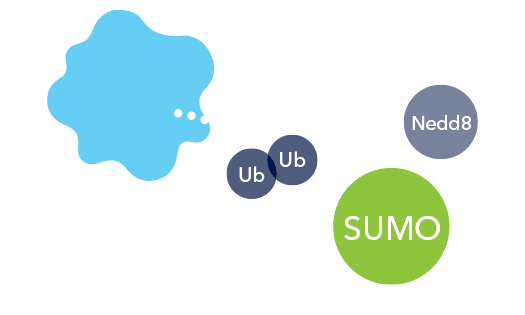
Ubiquitin proteins, mutants, and chains as well as Ubiquitin like proteins SUMO, ISG15, NEDD, UFM, and FAT10. Over 70 ubiquitin proteins available in a wide range of tags. All the essential building blocks to make your in vitro assays a success.
| Ubiquitin | Ubiquitin Mutants | Ubiquitin Chains | SUMO |
| NEDD8 | ISG15 | UFM1 | FAT10 |
E3 Ligases & Targeted Protein Degradation
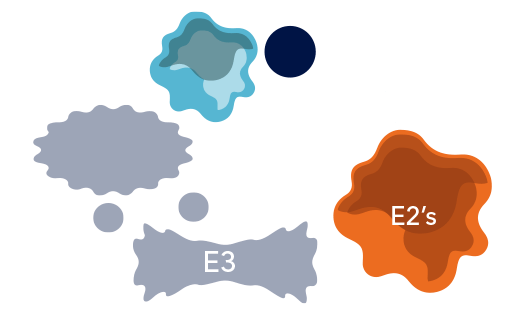
There are over 600 genes that code for E3 ligases in the human genome. E3 ligases typically confer target specificity for ubiquitination in addition to the enzymatic role of adding ubiquitin. Several E3 ligases have become popular components used with small molecule degraders in the promising field of targeted protein degradation (TPD).
Deubiquitinating Enzymes (DUBs)
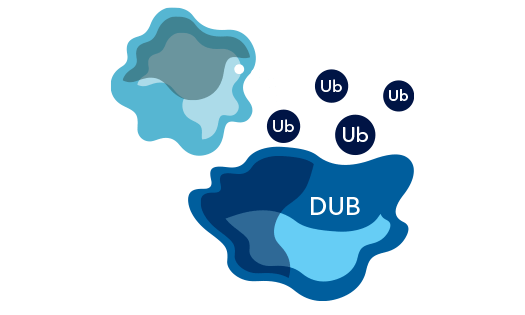
The process of protein ubiquitination is reversible. DUBs are a large class of enzymes that remove ubiquitin from proteins. They play a diverse role across many pathways and often function in direct contact with the proteasome.
| DUB Compounds | DUB Enzymes | DUB Inhibitors |
E1 Enzymes
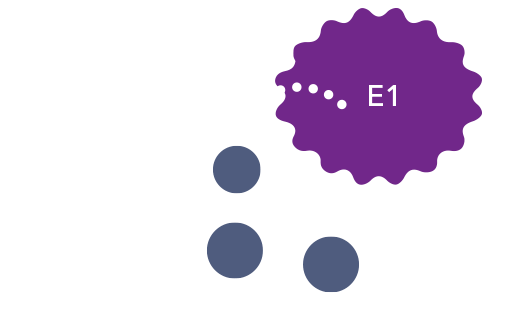
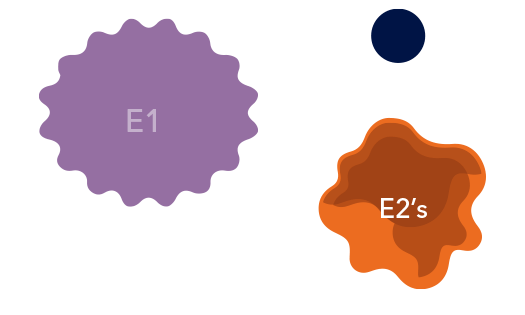
E1 enzymes are ubiquitin activating enzymes that catalyze the first step in the ubiquitination process. They bind ubiquitin in an ATP-dependent manner via an internal cysteine residue. This ubiquitin bound to a E1 enzyme is then transferred to an E2 enzyme.
| E1 Activating Enzymes | E1 Inhibitors |
E2 Enzymes
E2 enzymes, or ubiquitin-conjugating enzymes are involved in the transfer of ubiquitin to a target protein. There are about 40 human E2 enzymes.
| E2 Conjugating Enzymes | E2 Inhibitors |
Proteasome
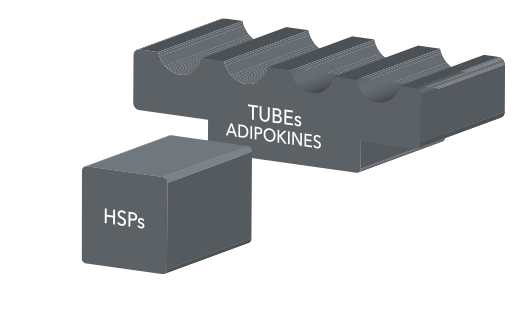
The proteasome is the primary way cells degrade proteins. This multiprotein complex containing multiple proteases forms a tube-like structure where proteins are degraded as they pass through. Bioactive, purified proteasomes are ideal for studying in vitro degradation of a protein of interest.
| Proteasome Enzymes | Proteasome Inhibitors | Proteasome Modulators | Proteasome Substrates |

Related Resources
Utilize our ubiquitin-related resources to learn more about the generation of a toolbox of building blocks for the development of Degraders, and products available to support your targeted protein degradation research.
Targeted Protein Degradation and Induced Proximity
Targeted Protein Degradation (TPD) is a simple and versatile method to knock-down a target protein of interest using small molecules including PROTAC Degraders, SNIPERS, molecular glues, and more. This brochure highlights the tools and services to support your Targeted Protein Degradation and Induced Proximity research.
Generating a Chemical Toolbox to Support PROTAC R&D
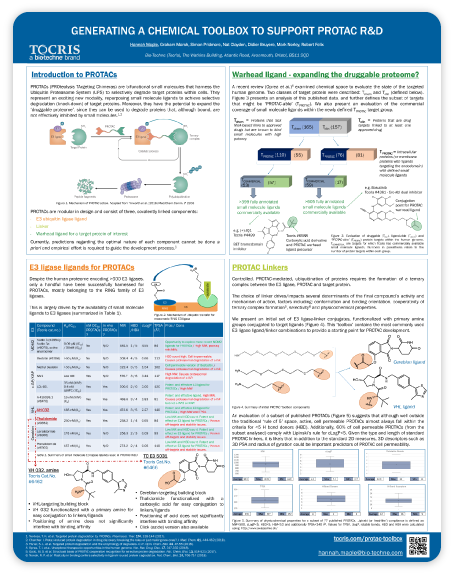
This scientific poster highlights PROTAC degraders, and the building blocks available from Tocris, an R&D Systems brand, available to design them.
Huntington's Disease Research Product Guide

This product guide provides a background to Huntington's disease research and lists around 100 products for the study of:
- Somatic Instability
- Proteolysis and Inclusion Bodies
- Transcriptional Dysregulation
- Mitochondrial Dysfunction
- Nuclear-Cytoplasmic Transport Interference
- Excitotoxicity
- Stem Cells
Parkinson's Disease Poster
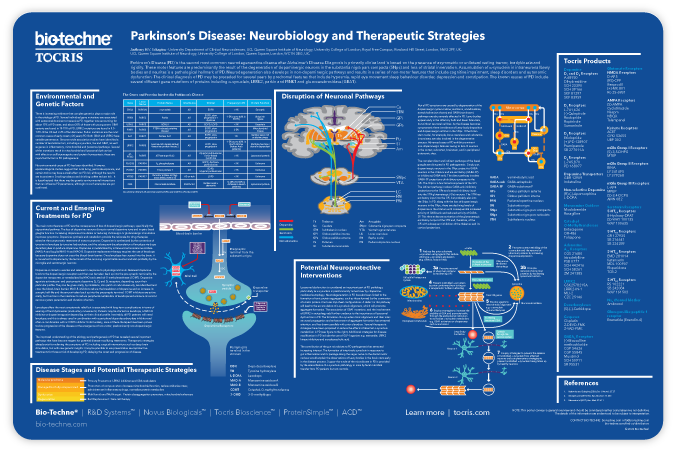
This poster outlines the neurobiology of Parkinson's disease and explores current and emerging therapeutic treatments in the treatment of Parkinson's diseas

Custom Protein Services
Can’t Find Your Protein? We want to hear from you! R&D Systems can work with you to customize a protein solution to your specifications. Or maybe we already have your protein of interest in stock as a non-catalog protein.
Background Information
Ubiquitination | Ubiquitin-independent Proteasomal Degradation | About R&D Systems Ubiquitin Proteasome Group
Ubiquitination
Ubiquitin (Ub) is a polypeptide, 76 amino acids in length, which acts as a molecular label within the UPS. Each Ub polypeptide has seven lysine residues; these are involved in linking multiple Ub polypeptides together to form a polyubiquitin chain. The pattern and distribution of ubiquitination determines the final fate of a protein. For example, monoubiquitination has been linked to endocytosis, protein sorting, nuclear export of proteins, DNA repair and transcription regulation, whilst polyubiquitination signals protein degradation, DNA repair, kinase activation and transcription factor activation.
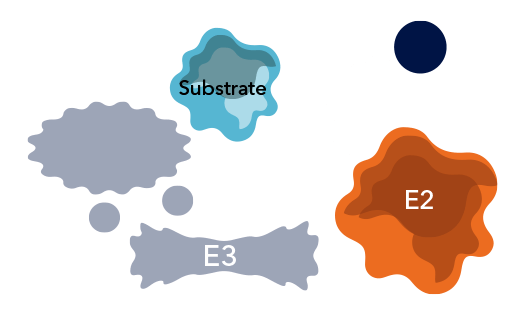
The process by which proteins are ubiquitinated comprises three main steps:
- Activation of Ub at its C-terminus by an E1 ubiquitin-activating enzyme
- Conjugation of Ub to an E2 ubiquitin-conjugating enzyme
- Transfer of Ub to the substrate protein by an E3 ubiquitin ligase
Protein targets of the UPS include regulators of cell cycle and apoptosis, transcription factors involved in the regulation of cell division, growth, differentiation, signal transduction and response to stress, and therefore the UPS is linked to a multitude of cellular processes. As an example, the UPS components MDM2 and Cullin 3, both E3 ligases, are key regulators of the DNA damage response and the Nrf2 pathway respectively, preventing the inappropriate activation of cellular stress responses.
Dysregulation of the UPS has been linked to a wide variety of diseases, including neurological disorders, cancer and atherosclerosis. Its function is of particular interest in protein-misfolding disorders such as Parkinson's disease and Huntington's disease, where aberrant UPS activity is thought to contribute to the intracellular accumulation of toxic proteins.
Ubiquitin-independent Proteasomal Degradation
Though ubiquitination is one of the main mechanisms for initiating proteasomal degradation of a target protein, emerging evidence suggests that proteins may also be degraded via ubiquitin-independent mechanisms. An example of this is the ubiquitin-independent degradation of topoisomerase IIβ following its persistent interference with RNA polymerase II activity.
R&D Systems Ubiquitin Proteasome Group, formerly known as Boston Biochem, has over 20 years of experience developing products for studying ubiquitin proteasome biology. Our experience in protein expression, purification, and assay development, coupled with our close relationship with the ubiquitin proteasome system research community, has allowed us to build the most comprehensive portfolio of tools for ubiquitin research. Our catalog includes the highest quality ubiquitin and ubiquitin-like proteins, E1, E2, and E3 enzymes, deubiquitinating enzymes, and multienzyme complexes, including neddylated cullins for targeted protein degradation (TPD) assays. As the field continues to evolve, we remain dedicated to providing ubiquitin proteasome researchers with the tools that are needed to accelerate both basic protein degradation research and drug discovery efforts. If there is a reagent that you can’t find on our website, please contact us and our Custom Protein Services team will work with you to develop a customized product that meets your needs.
PROTAC® is a registered trademark of Arvinas Operations, Inc., and is used under license.