Best Seller

Recombinant Human/Mouse/Rat Activin A Protein

R&D Systems | Catalog # 338-AC

GMP Version Available: 338-GMP
GMP
New Version Available: 11348-AC
NEW
CHO derived
R&D Systems
Loading...

Key Product Details

  • R&D Systems CHO-derived Recombinant Human/Mouse/Rat Activin A Protein (338-AC)
  • Quality control testing to verify active proteins with lot specific assays by in-house scientists
  • All R&D Systems proteins are covered with a 100% guarantee

Source

CHO

Accession Number

Structure / Form

Disulfide-linked homodimer

Applications

Bioactivity
Loading...

Product Specifications

Source

Chinese Hamster Ovary cell line, CHO-derived Activin A protein
Gly311-Ser426

Purity

>95%, by SDS-PAGE with silver staining.

Endotoxin Level

<0.01 EU per 1 μg of the protein by the LAL method.

N-terminal Sequence Analysis

Gly311

Predicted Molecular Mass

13 kDa (monomer)

SDS-PAGE

14 kDa, reducing conditions
24 kDa, non-reducing conditions

Activity

Measured by its ability to induce hemoglobin expression in K562 human chronic myelogenous leukemia cells. Schwall, R.H. et al. (1991) Method Enzymol. 198:340.
The ED50 for this effect is 0.200‑1.20 ng/mL.

Reviewed Applications

Read 13 reviews rated 4.7 using 338-AC in the following applications:

Formulation, Preparation, and Storage

Carrier Free
What does CF mean?

CF stands for Carrier Free (CF). We typically add Bovine Serum Albumin (BSA) as a carrier protein to our recombinant proteins. Adding a carrier protein enhances protein stability, increases shelf-life, and allows the recombinant protein to be stored at a more dilute concentration. The carrier free version does not contain BSA.

What formulation is right for me?

In general, we advise purchasing the recombinant protein with BSA for use in cell or tissue culture, or as an ELISA standard. In contrast, the carrier free protein is recommended for applications, in which the presence of BSA could interfere.

Carrier: 338-AC
Formulation Lyophilized from a 0.2 μm filtered solution in Acetonitrile and TFA with BSA as a carrier protein.
Reconstitution Reconstitute at 100-500 μg/mL in sterile 4 mM HCl.
Shipping The product is shipped at ambient temperature. Upon receipt, store it immediately at the temperature recommended below.
Stability & Storage Use a manual defrost freezer and avoid repeated freeze-thaw cycles.
  • 12 months from date of receipt, -20 to -70 °C as supplied.
  • 1 month, 2 to 8 °C under sterile conditions after reconstitution.
  • 3 months, -20 to -70 °C under sterile conditions after reconstitution.
Carrier Free: 338-AC/CF
Formulation Lyophilized from a 0.2 μm filtered solution in Acetonitrile and TFA.
Reconstitution Reconstitute at 100-500 µg/mL in sterile 4 mM HCl.
Shipping The product is shipped at ambient temperature. Upon receipt, store it immediately at the temperature recommended below.
Stability & Storage Use a manual defrost freezer and avoid repeated freeze-thaw cycles.
  • 12 months from date of receipt, -20 to -70 °C as supplied.
  • 1 month, 2 to 8 °C under sterile conditions after reconstitution.
  • 3 months, -20 to -70 °C under sterile conditions after reconstitution.

Calculators

The reconstitution calculator allows you to quickly calculate the volume of a reagent to reconstitute your vial. Simply enter the mass of reagent and the target concentration and the calculator will determine the rest.

=
÷

Background: Activin A

Activin and Inhibin are members of the TGF-beta superfamily of cytokines and are involved in a wide range of biological processes including tissue morphogenesis and repair, fibrosis, inflammation, neural development, hematopoiesis, reproductive system function, and carcinogenesis (1‑7). Activin and Inhibin are produced as precursor proteins. Their amino terminal propeptides are proteolytically cleaved and facilitate formation of disulfide-linked dimers of the bioactive proteins (8, 9). Activins are nonglycosylated homodimers or heterodimers of various beta subunits ( beta A, beta B, beta C, and beta E in mammals), while Inhibins are heterodimers of a unique alpha subunit and one of the beta subunits. Activin A is a widely expressed homodimer of two beta A chains. The beta A subunit can also heterodimerize with a beta B or beta C subunit to form Activin AB and Activin AC, respectively (10). The 14 kDa mature human beta A chain shares 100% amino acid sequence identity with bovine, feline, mouse, porcine, and rat beta A. 

Activin A exerts its biological activities by binding to the type 2 serine/threonine kinase Activin RIIA which then noncovalently associates with the type 1 serine/threonine kinase Activin RIB/ALK-4 (7, 11). Signaling through this receptor complex leads to Smad activation and regulation of activin-responsive gene transcription (7, 11). The bioactivity of Activin A is regulated by a variety of mechanisms (11). BAMBI, Betaglycan, and Cripto are cell‑associated molecules that function as decoy receptors or limit the ability of Activin A to induce receptor complex assembly (12‑14). The intracellular formation of Activin A can be prevented by the incorporation of the beta A subunit into Activin AC or Inhibin A (3, 10). And the bioavailability of Activin A is restricted by its incorporation into inactive complexes with alpha 2-Macroglobulin, Follistatin, and FLRG (15, 16). 

Activin A is involved in the differentiation of various cell and tissue types. The induction of definitive endoderm by Activin A is required in differentiation protocols of induced pluripotent stem cells (iPSCs) (17, 18). In vitro models of human gametogenesis use prolonged Activin A supplementation to human embryonic stem cells for differentiation into human primordial germ cell-like cells (19). Activin A can also be used to maintain cells in vitro, as is the case for iPSC-derived nephron cells that can then be used in disease modeling, drug screening and in regenerative medicine (20). 

Activin A is an important factor for tumor cells to evade the immune system as Activin A can act on surrounding immune cells to decrease their antitumor activity (21). Activin A also promotes migration and growth of tumors, making it a target for cancer therapies (22). Specifically, research has shown that interfering with Activin A activity can assist in overcoming CD8 T-cell exclusion and immunotherapy resistance (23). In bone marrow-derived stem cell transplants for treatment of diabetes, Activin A enhances migration and homing of stem cells towards pancreatic lineage (24).

References

  1. Kumanov, P. et al. (2005) Reprod. Biomed. Online 10:786.
  2. Maeshima, A. et al. (2008) Endocr. J. 55:1.
  3. Rodgarkia-Dara, C. et al. (2006) Mutat. Res. 613:123.
  4. Werner, S. and C. Alzheimer (2006) Cytokine Growth Factor Rev. 17:157.
  5. Xu, P. and A.K. Hall (2006) Dev. Biol. 299:303.
  6. Shav-Tal, Y. and D. Zipori (2002) Stem Cells 20:493.
  7. Chen, Y.G. et al. (2006) Exp. Biol. Med. 231:534.
  8. Gray, A.M. and A.J. Mason (1990) Science 247:1328.
  9. Mason, A.J. et al. (1996) Mol. Endocrinol. 10:1055.
  10. Thompson, T.B. et al. (2004) Mol. Cell. Endocrinol. 225:9.
  11. Harrison, C.A. et al. (2005) Trends Endocrinol. Metab. 16:73.
  12. Onichtchouk, D. et al. (1999) Nature 401:480.
  13. Gray, P.C. et al. (2002) Mol. Cell. Endocrinol. 188:254.
  14. Kelber, J.A. et al. (2008) J. Biol. Chem. 283:4490.
  15. Phillips, D.J. et al. (1997) J. Endocrinol. 155:65.
  16. Schneyer, A. et al. (2003) Endocrinology 144:1671.
  17. Ghorbani-Dalini, S. et al. (2020) 3 Biotech. 10:215.
  18. Mennen, R. H. et al. (2022) Reprod Toxicol. 107:44.
  19. Mishra, S. et al. (2021) Stem Cells. 39:551.
  20. Tanigawa, S. et al. (2019) Stem Cell Reports 13:322.
  21. Cangkrama, M. et al. (2020) Trends Mol. Med. 26:1107.
  22. Ries, A. et al. (2020) Expert Opin. Ther. Targets. 24:985.
  23. Pinjusic, K. et al. (2022) J. Immunother. Cancer. 10:e004533.
  24. Dadheech, N. et al. (2020) Stem Cell Res. Ther. 11:327. 

Alternate Names

activin AB alpha polypeptide, Activin beta-A chain, erythroid differentiation factor, Erythroid differentiation protein, follicle-stimulating hormone-releasing protein, FSH-releasing protein, inhibin beta A chain, inhibin beta A subunit, Inhibin, beta-1

Entrez Gene IDs

3624 (Human); 16323 (Mouse); 29200 (Rat)

Gene Symbol

INHBA

UniProt

Additional Activin A Products

Product Documents for Recombinant Human/Mouse/Rat Activin A Protein

Certificate of Analysis

To download a Certificate of Analysis, please enter a lot or batch number in the search box below.

Note: Certificate of Analysis not available for kit components.

Product Specific Notices for Recombinant Human/Mouse/Rat Activin A Protein

For research use only

Citations for Recombinant Human/Mouse/Rat Activin A Protein

Customer Reviews for Recombinant Human/Mouse/Rat Activin A Protein (13)

4.7 out of 5
13 Customer Ratings
5 Stars
69%
4 Stars
31%
3 Stars
0%
2 Stars
0%
1 Stars
0%

Have you used Recombinant Human/Mouse/Rat Activin A Protein?

Submit a review and receive an Amazon gift card!

$25/€18/£15/$25CAN/¥2500 Yen for a review with an image

$10/€7/£6/$10CAN/¥1110 Yen for a review without an image

Submit a review
Amazon Gift Card

Customer Images


Showing  1 - 5 of 13 reviews Showing All
Filter By:
  • Recombinant Human/Mouse/Rat Activin A Protein
    Name: Anonymous
    Application: In vitro bioactivity in cell culture
    Verified Customer | Posted 07/28/2022
    Recombinant Human/Mouse/Rat Activin A Protein 338-AC
  • Recombinant Human/Mouse/Rat Activin A Protein
    Name: Anonymous
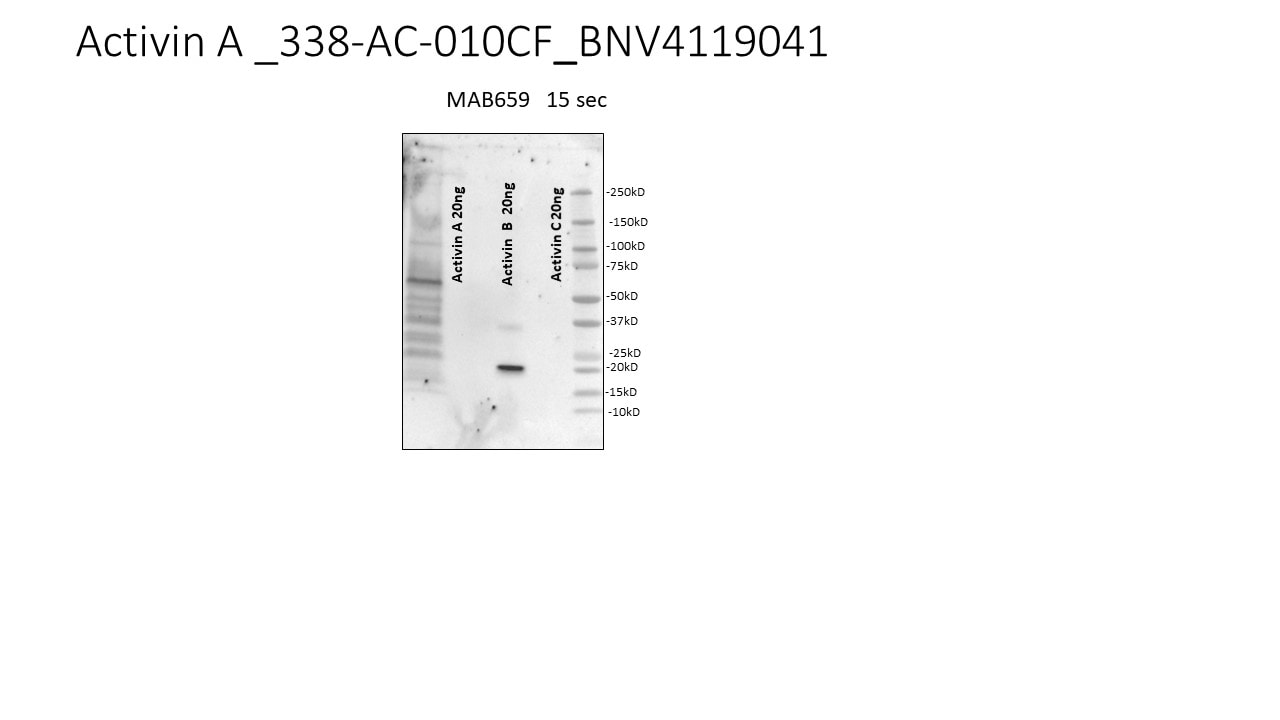
    Application: SDS-PAGE Control
    Verified Customer | Posted 07/09/2020
    Recombinant Human/Mouse/Rat Activin A Protein 338-AC
  • Name: Werner Neuhausser
    Application: Stem/Immune cell maintenance or differentiation
    Verified Customer | Posted 02/10/2019
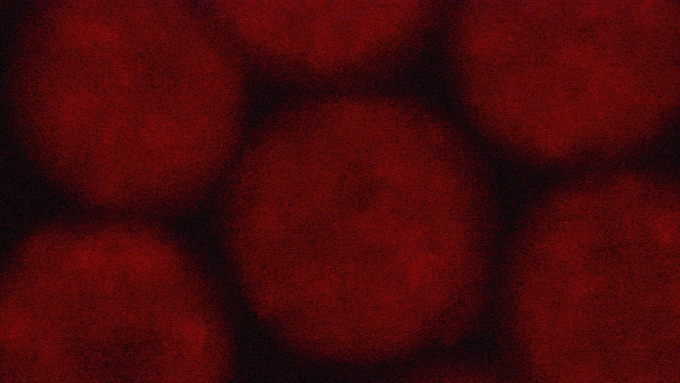
    induction of mesoderm for differentiation of primordial germ cell like cells from human pluripotent stem cells (Fig. Nanos3 expression in human primordial germ cell like cells)
    Recombinant Human/Mouse/Rat Activin A Protein 338-AC
  • Recombinant Human/Mouse/Rat Activin A Protein
    Name: Anonymous
    Application: In vitro bioactivity in cell culture
    Verified Customer | Posted 08/20/2018
  • Recombinant Human/Mouse/Rat Activin A Protein
    Name: Danny Tam
    Application: In vitro bioactivity in cell culture
    Verified Customer | Posted 12/21/2017
  • Recombinant Human/Mouse/Rat Activin A Protein
    Name: Anonymous
    Application: Stem/Immune cell maintenance or differentiation
    Verified Customer | Posted 12/01/2017
  • Recombinant Human/Mouse/Rat Activin A Protein
    Name: Greta Beckerle
    Application: In vitro bioactivity in cell culture
    Verified Customer | Posted 05/17/2017
  • Name: Corina White
    Verified Customer | Posted 04/21/2017
  • Recombinant Human/Mouse/Rat Activin A Protein
    Name: Anonymous
    Application: Stem/Immune cell maintenance or differentiation
    Verified Customer | Posted 12/06/2016
    Routinely used in our lab for growth-factor guided differentiation protocol for cardiomyocyte differentiation from human pluripotent stem cells
  • Recombinant Human/Mouse/Rat Activin A Protein
    Name: Anonymous
    Application: Stem/Immune cell maintenance or differentiation
    Verified Customer | Posted 12/06/2016
    To differentiate human induced pluripotent stem cells (derived from patients) towards hepatocytes, to differentiate mouse embryonic stem cells into epiblast like stem cells,, and to culture mouse epiblast like stem cells.
  • Recombinant Human/Mouse/Rat Activin A Protein
    Name: Anonymous
    Application: Stem/Immune cell maintenance or differentiation
    Verified Customer | Posted 12/06/2016
    We are using Activin A from R&D for generating definitive endoderm from human pluripotent stem cells.
  • Recombinant Human/Mouse/Rat Activin A Protein
    Name: Anonymous
    Application: Stem/Immune cell maintenance or differentiation
    Verified Customer | Posted 01/19/2016
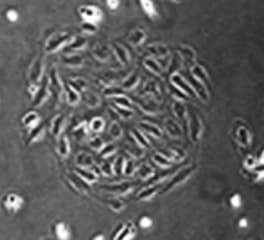
    Trophoblast stem cells are maintained in the presence of growth factors and other substances such as Activin (cat# 338-AC/CF). When the substances are removed, the cells differentiate into giant cells (see image).
  • Recombinant Human/Mouse/Rat Activin A Protein
    Name: Anonymous
    Application: Stem/Immune cell maintenance or differentiation
    Verified Customer | Posted 01/13/2016

There are no reviews that match your criteria.

Showing  1 - 5 of 13 reviews Showing All

FAQs for Recombinant Human/Mouse/Rat Activin A Protein

Showing  1 - 1 of 1 FAQ Showing All
  • Q: Can Recombinant Human/Mouse/Rat Activin A Protein (Catalog # 338-AC or 338-AC/CF) be reconstituted in PBS or water?

    A: Recombinant human Activin A needs to be reconstituted to 100 - 500 μg/mL in sterile 4 mM HCl. This protein is hydrophobic by nature, and requires reconstitution in acidic buffer for optimal recovery. Stability testing has been evaluated on the protein with these reconstitution conditions; we can guarantee performance under these reconstitution conditions. When the protein is diluted with the cell culture media or buffers to the working concentration, the concentration of the acid should be buffered or negligible.

Showing  1 - 1 of 1 FAQ Showing All
View all FAQs for Proteins and Enzymes