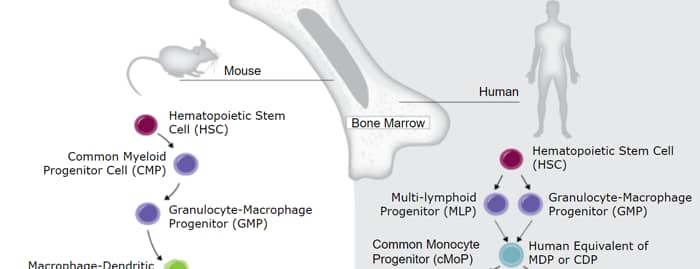
GM-CSF was initially characterized as a factor that can support the in vitro colony formation of granulocyte-macrophage progenitors. It is also a growth factor for erythroid, megakaryocyte, and eosinophil progenitors. GM-CSF is produced by a number of different cell types (including T cells, B cells, macrophages, mast cells, endothelial cells, fibroblasts, and adipocytes) in response to cytokine or inflammatory stimuli. On mature hematopoietic cells, GM-CSF is a survival factor for and activates the effector functions of granulocytes, monocytes/macrophages, and eosinophils (1, 2). GM-CSF promotes a Th1 biased immune response, angiogenesis, allergic inflammation, and the development of autoimmunity (3-5). It shows clinical effectiveness in ameliorating chemotherapy-induced neutropenia, and GM-CSF transfected tumor cells are utilized as cancer vaccines (6, 7). The 22 kDa glycosylated GM-CSF, similar to IL-3 and IL-5, is a cytokine with a core of four bundled alpha ‑helices (8-10). Mature mouse GM-CSF shares 49%-54% amino acid sequence identity with canine, feline, human, and porcine GM-CSF and 69% with rat GM‑CSF. GM‑CSF exerts its biological effects through a heterodimeric receptor complex composed of GM-CSF R alpha /CD116 and the signal transducing common beta chain (CD131) which is also a component of the high-affinity receptors for IL-3 and IL-5 (11, 12). In addition, GM-CSF binds a naturally occurring soluble form of GM-CSF R alpha (13). The activity of GM-CSF is species specific between human and mouse. Mouse GM-CSF is only weakly active on rat cells, although rat GM‑CSF is fully active on mouse cells (14, 15).
Recombinant Mouse GM-CSF Protein
R&D Systems | Catalog # 415-ML

Key Product Details
- R&D Systems E. coli-derived Recombinant Mouse GM-CSF Protein (415-ML)
- Quality control testing to verify active proteins with lot specific assays by in-house scientists
- All R&D Systems proteins are covered with a 100% guarantee
Source
Accession Number
Applications
Product Specifications
Source
Ala18-Lys141, with an N-terminal Met
Purity
Endotoxin Level
N-terminal Sequence Analysis
Predicted Molecular Mass
Activity
The ED50 for this effect is 5‑30 pg/mL.
Reviewed Applications
Read 15 reviews rated 4.6 using 415-ML in the following applications:
- Cell Adhesion (1 Review)
- Cell differentiation (1 Review)
- Cell Proliferation (3 Reviews)
- Characterization prior to SEC (1 Review)
- Dendritic cell differentiation (1 Review)
- ELISA positive control (1 Review)
- In vitro bioactivity in cell culture (3 Reviews)
- In vivo study (1 Review)
- SDS-PAGE Control (1 Review)
- Stem/Immune cell maintenance or differentiation (2 Reviews)
Scientific Data Images for Recombinant Mouse GM-CSF Protein
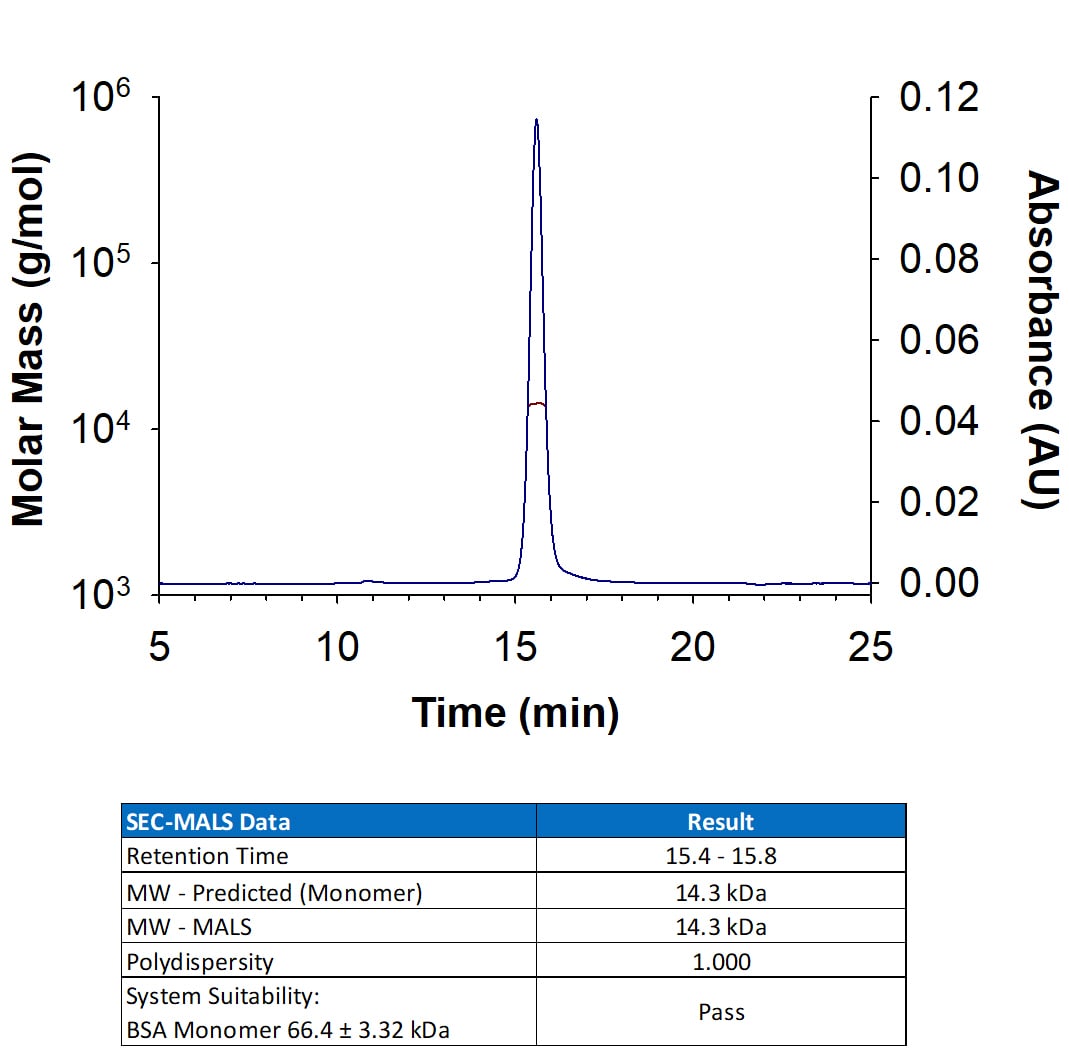
Recombinant Mouse GM‑CSF Protein SEC-MALS.
Recombinant Mouse GM-CSF Protein (Catalog # 415-ML) has a molecular weight (MW) of 14.3 kDa as analyzed by SEC-MALS, suggesting that this protein is a monomer.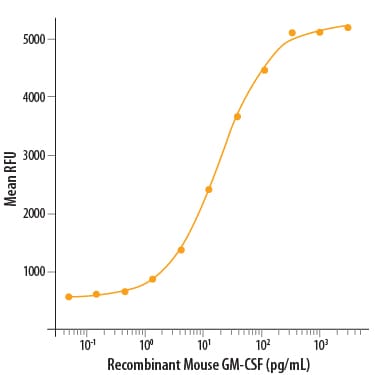
Recombinant Mouse GM-CSF Protein Bioactivity
Recombinant Mouse GM-CSF (Catalog # 415-ML) stimulates cell proliferation of the DA3 mouse myeloma cell line. The ED50 for this effect is 5-30 pg/mL.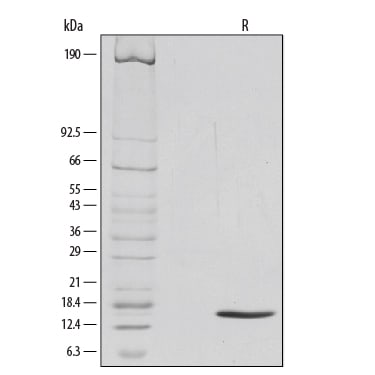
Recombinant Mouse GM-CSF Protein SDS-PAGE
1 μg/lane of Recombinant Mouse GM-CSF was resolved with SDS-PAGE under reducing (R) conditions and visualized by silver staining, showing a single band at 14 kDa.Formulation, Preparation, and Storage
Carrier Free
What does CF mean?CF stands for Carrier Free (CF). We typically add Bovine Serum Albumin (BSA) as a carrier protein to our recombinant proteins. Adding a carrier protein enhances protein stability, increases shelf-life, and allows the recombinant protein to be stored at a more dilute concentration. The carrier free version does not contain BSA.
What formulation is right for me?In general, we advise purchasing the recombinant protein with BSA for use in cell or tissue culture, or as an ELISA standard. In contrast, the carrier free protein is recommended for applications, in which the presence of BSA could interfere.
Carrier: 415-ML
| Formulation | Lyophilized from a 0.2 μm filtered solution in PBS with BSA as a carrier protein. |
| Reconstitution | Reconstitute at 100 μg/mL in sterile PBS containing at least 0.1% human or bovine serum albumin. |
| Shipping | The product is shipped with polar packs. Upon receipt, store it immediately at the temperature recommended below. |
| Stability & Storage | Use a manual defrost freezer and avoid repeated freeze-thaw cycles.
|
Carrier Free: 415-ML/CF
| Formulation | Lyophilized from a 0.2 μm filtered solution in PBS. |
| Reconstitution | Reconstitute at 100 μg/mL in sterile PBS. |
| Shipping | The product is shipped with polar packs. Upon receipt, store it immediately at the temperature recommended below. |
| Stability & Storage | Use a manual defrost freezer and avoid repeated freeze-thaw cycles.
|
Calculators
Background: GM-CSF
References
- Martinez-Moczygemba, M. and D.P. Huston (2003) J. Allergy Clin. Immunol. 112:653.
- Barreda, D.R. et al. (2004) Dev. Comp. Immunol. 28:509.
- Eksioglu, E.A. et al. (2007) Exp. Hematol. 35:1163.
- Cao, Y. (2007) J. Clin. Invest. 117:2362.
- Fleetwood, A.J. et al. (2005) Crit. Rev. Immunol. 25:405.
- Heuser, M. et al. (2007) Semin. Hematol. 44:148.
- Hege, K.M. et al. (2006) Int. Rev. Immunol. 25:321.
- Kaushansky, K. et al. (1992) Biochemistry 31:1881.
- Diederichs, K. et al. (1991) Science 254:1779.
- Gough, N.M. et al. (1984) Nature 309:763.
- Onetto-Pothier, N. et al. (1990) Blood 75:59.
- Hayashida, K. et al. (1990) Proc. Natl. Acad. Sci. 87:9655.
- Pelley, J.L. et al. (2007) Exp. Hematol. 35:1483.
- Oaks, M.K. et al. (1995) J. Interferon Cytokine Res. 15:1095.
- Vandenabeele, P. et al. (1990) Lymphokine Res. 9:381.
Long Name
Alternate Names
Entrez Gene IDs
Gene Symbol
UniProt
Additional GM-CSF Products
Product Documents for Recombinant Mouse GM-CSF Protein
Certificate of Analysis
To download a Certificate of Analysis, please enter a lot or batch number in the search box below.
Note: Certificate of Analysis not available for kit components.
Product Specific Notices for Recombinant Mouse GM-CSF Protein
For research use only
Related Research Areas
Citations for Recombinant Mouse GM-CSF Protein
 Powered by Bioz
Customer Reviews for Recombinant Mouse GM-CSF Protein (15)
Have you used Recombinant Mouse GM-CSF Protein?
Submit a review and receive an Amazon gift card!
$25/€18/£15/$25CAN/¥2500 for a review with an image
$10/€7/£6/$10CAN/¥1110 for a review without an image
Submit a review
Customer Images
-
Application: Cell ProliferationVerified Customer | Posted 07/11/2025
-
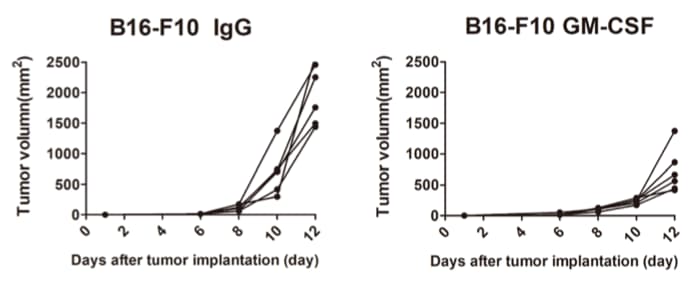
Application: In vivo studyVerified Customer | Posted 04/05/2024Check tumor suppression

-
Application: In vitro bioactivity in cell cultureVerified Customer | Posted 10/13/2021
-
Application: Cell differentiationVerified Customer | Posted 09/26/2021
-
Application: In vitro bioactivity in cell cultureVerified Customer | Posted 04/23/2021
-
Application: Cell ProliferationVerified Customer | Posted 01/26/2021
-
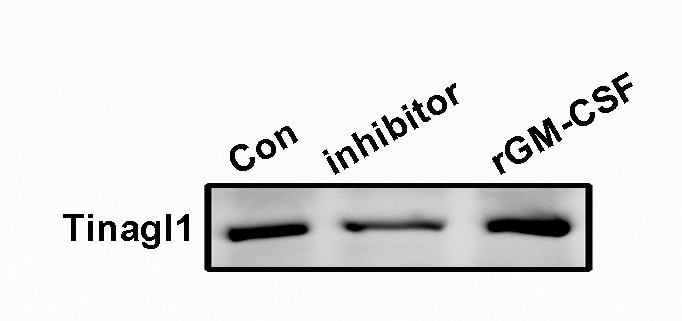
Application: SDS-PAGE ControlVerified Customer | Posted 02/17/2020
-
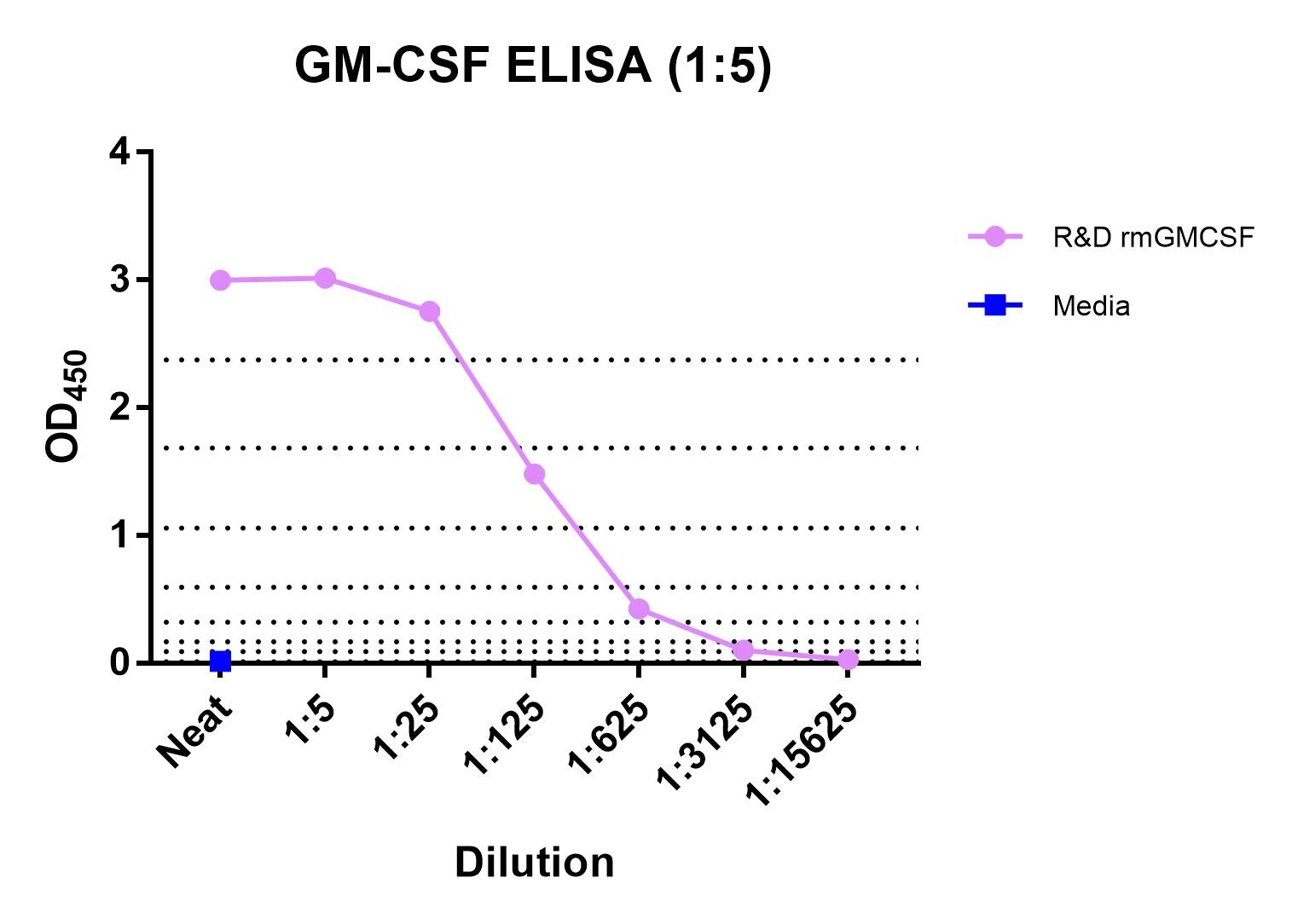
Application: ELISA positive controlVerified Customer | Posted 09/16/2019
-
Application: Dendritic cell differentiationVerified Customer | Posted 11/02/2018
-
Application: Cell ProliferationVerified Customer | Posted 07/13/2018
-
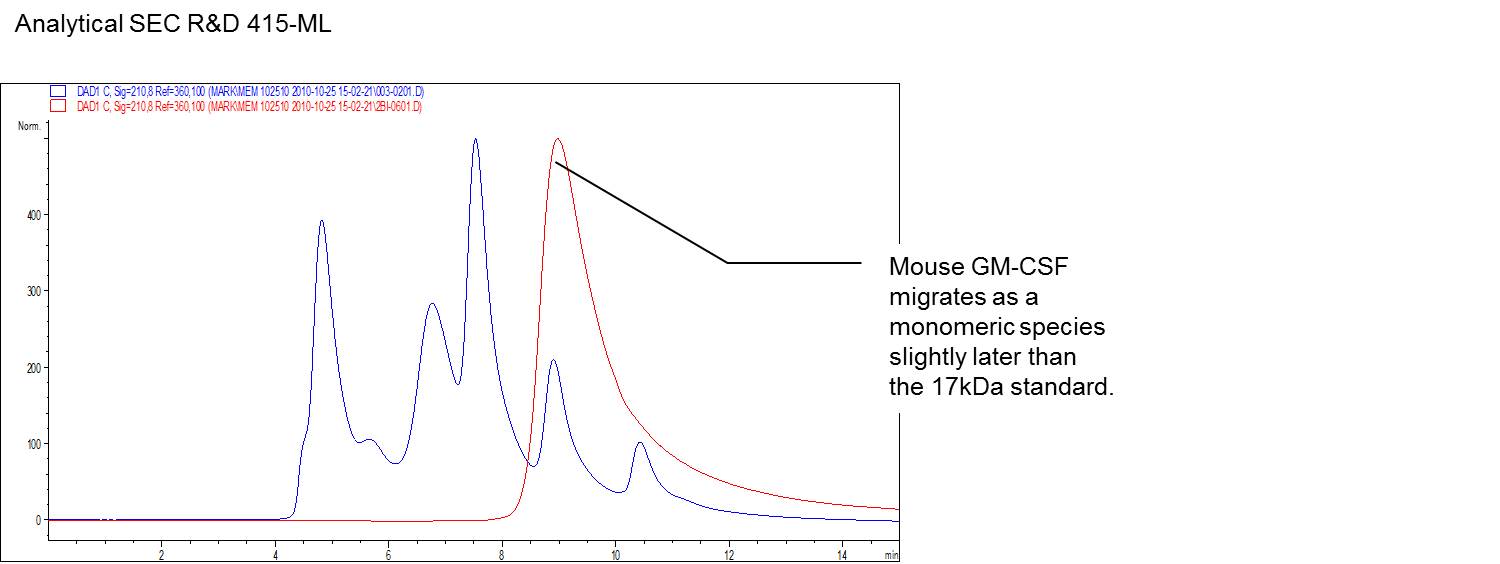
Application: Characterization prior to SECVerified Customer | Posted 02/12/2018
-
Application: Stem/Immune cell maintenance or differentiationVerified Customer | Posted 08/03/2016
-
Application: Stem/Immune cell maintenance or differentiationVerified Customer | Posted 05/16/2016
-
Application: In vitro bioactivity in cell cultureVerified Customer | Posted 01/21/2016
-
Application: Cell AdhesionVerified Customer | Posted 01/14/2016
There are no reviews that match your criteria.