Thrombomodulin/BDCA-3 Antibody (6C8.2F9) - BSA Free
Novus Biologicals | Catalog # NBP2-42213

![Western Blot: Thrombomodulin/BDCA-3 Antibody (6C8.2F9)BSA Free [NBP2-42213]](https://resources.rndsystems.com/images/products/Thrombomodulin-BDCA-3-Antibody-6C8-2F9-Western-Blot-NBP2-42213-img0005.jpg "Western Blot: Thrombomodulin/BDCA-3 Antibody (6C8.2F9)BSA Free [NBP2-42213]")
Scientific images may be resized, cropped, or adjusted for brightness or contrast for presentation purposes. These updates are limited to presentation and do not affect the underlying scientific interpretation of the data. Where available, additional source data may be provided upon request.
Key Product Details
Species Reactivity
Validated:
Cited:
Applications
Validated:
Cited:
Label
Antibody Source
Format
Product Specifications
Immunogen
Localization
Marker
Clonality
Host
Isotype
Theoretical MW
Disclaimer note: The observed molecular weight of the protein may vary from the listed predicted molecular weight due to post translational modifications, post translation cleavages, relative charges, and other experimental factors.
Scientific Data Images for Thrombomodulin/BDCA-3 Antibody (6C8.2F9) - BSA Free
Western Blot: Thrombomodulin/BDCA-3 Antibody (6C8.2F9)BSA Free [NBP2-42213]
Western Blot: Thrombomodulin/BDCA-3 Antibody (6C8.2F9) [NBP2-42213] - Western blot analysis of Thrombomodulin/BDCA-3 [6C8.2F9] in mouse heart lysate at 5 ug/ml.![Immunohistochemistry-Paraffin: Thrombomodulin/BDCA-3 Antibody (6C8.2F9) - BSA Free [NBP2-42213]](https://resources.rndsystems.com/images/products/Thrombomodulin-BDCA-3-Antibody-6C8-2F9-Immunohistochemistry-Paraffin-NBP2-42213-img0002.jpg "Immunohistochemistry-Paraffin: Thrombomodulin/BDCA-3 Antibody (6C8.2F9) - BSA Free [NBP2-42213]")
Immunohistochemistry-Paraffin: Thrombomodulin/BDCA-3 Antibody (6C8.2F9) - BSA Free [NBP2-42213]
Immunohistochemistry-Paraffin: Thrombomodulin/BDCA-3 Antibody (6C8.2F9) [NBP2-42213] - IHC analysis of a formalin fixed paraffin embedded tissue section of human placenta using Thrombomodulin/BDCA-3 antibody (clone 6C8.2F9) at 15 ug/ml concentration. The antibody generated specific staining in the endothelial cells of placental blood vessels while all other cell types including RBCs were found negative for Thrombomodulin.![Flow Cytometry: Thrombomodulin/BDCA-3 Antibody (6C8.2F9) - BSA Free [NBP2-42213]](https://resources.rndsystems.com/images/products/Thrombomodulin-BDCA-3-Antibody-6C8-2F9-Flow-Cytometry-NBP2-42213-img0003.jpg "Flow Cytometry: Thrombomodulin/BDCA-3 Antibody (6C8.2F9) - BSA Free [NBP2-42213]")
Flow Cytometry: Thrombomodulin/BDCA-3 Antibody (6C8.2F9) - BSA Free [NBP2-42213]
Flow Cytometry: Thrombomodulin/BDCA-3 Antibody (6C8.2F9) [NBP2-42213] - 1 million human PBMCs were immunostained with 1ug of Thrombomodulin/BDCA-3 antibody (clone 6C8.2F9) followed by detection via labelling with 0.5 ug of goat anti-mouse IgG-PE. Blue line represents cells alone, green line represents isotype control and shifted red line represents test purified antibody clone 6C8.2F9.Applications for Thrombomodulin/BDCA-3 Antibody (6C8.2F9) - BSA Free
Flow Cytometry
Immunohistochemistry
Immunohistochemistry-Paraffin
Western Blot
Flow Cytometry Panel Builder
Bio-Techne Knows Flow Cytometry
Save time and reduce costly mistakes by quickly finding compatible reagents using the Panel Builder Tool.
Advanced Features
- Spectra Viewer - Custom analysis of spectra from multiple fluorochromes
- Spillover Popups - Visualize the spectra of individual fluorochromes
- Antigen Density Selector - Match fluorochrome brightness with antigen density

Formulation, Preparation, and Storage
Purification
Formulation
Format
Preservative
Concentration
Shipping
Stability & Storage
Background: Thrombomodulin/BDCA-3
Alternate Names
Entrez Gene IDs
Gene Symbol
UniProt
Additional Thrombomodulin/BDCA-3 Products
Product Documents for Thrombomodulin/BDCA-3 Antibody (6C8.2F9) - BSA Free
Certificate of Analysis
To download a Certificate of Analysis, please enter a lot or batch number in the search box below.
Product Specific Notices for Thrombomodulin/BDCA-3 Antibody (6C8.2F9) - BSA Free
This product is for research use only and is not approved for use in humans or in clinical diagnosis. Primary Antibodies are guaranteed for 1 year from date of receipt.
Citations for Thrombomodulin/BDCA-3 Antibody (6C8.2F9) - BSA Free
 Powered by Bioz
Customer Reviews for Thrombomodulin/BDCA-3 Antibody (6C8.2F9) - BSA Free
There are currently no reviews for this product. Be the first to review Thrombomodulin/BDCA-3 Antibody (6C8.2F9) - BSA Free and earn rewards!
Have you used Thrombomodulin/BDCA-3 Antibody (6C8.2F9) - BSA Free?
Submit a review and receive an Amazon gift card!
$25/€18/£15/$25CAN/¥2500 for a review with an image
$10/€7/£6/$10CAN/¥1110 for a review without an image
Submit a review
Protocols
View specific protocols for Thrombomodulin/BDCA-3 Antibody (6C8.2F9) - BSA Free (NBP2-42213):
Reagents Required
Wash Buffer: 1X PBS (0.145 M NaCl, 0.0027 M KCl, 0.0081 M Na2HPO4, 0.0015 M KH2PO4, pH 7.4)
Incubation Buffer: 1% bovine serum albumin, 1% normal donkey serum, 0.3% Triton X-100, and 0.01% sodium azide in PBS
Primary Antibodies
Cell and Tissue Staining Kits: Kits include Biotinylated Secondary Antibodies, Serum Blocking Reagent, Peroxidase Blocking Reagent, Avidin Blocking Reagent, Biotin Blocking Reagent, High Sensitivity Streptavidin-HRP Conjugate (HSS-HRP), and Chromogen Solution. Kits are available with chromogenic substrates 3,3' Diaminobenzidine (DAB, brown precipitate) or 3-amino-9-ethylcarbazole (AEC, red precipitate).
DAB Enhancer (Catalog # CTS010)
Hematoxylin Counterstain
Aqueous Mounting Medium (Catalog # CTS011)
Antigen Retrieval Reagents (if required; Protocol for Heat-induced Epitope Retrieval (HEIR))
Materials
Gelatin-coated Slides (Protocol for Gelatin-coated Slides for Histological Tissue Sections)
Coverslips
Procedure
This staining protocol has been developed and optimized for use with R&D Systems Cell and Tissue Staining Kits.
1. Tissue must be rehydrated before commencing staining protocol.
a. Immerse the slides in xylene (mixed isomers) 2 times for 10 minutes each.
b. Immerse the slides in 100% alcohol 2 times for 10 minutes each.
c. Immerse the slides in 95% alcohol for 5 minutes.
d. Immerse the slides in 70% alcohol for 5 minutes.
e. Immerse the slides in 50% alcohol for 5 minutes.
f. Rinse the slides with deionized H2O.
g. Rehydrate the slides with wash buffer for 10 minutes. Drain the excess wash buffer.
Note: Excessive fixation may result in the masking of an epitope and strong non-specific background signal that can obscure specific labeling. If necessary, an antigen retrieval protocol can be performed at this time.
Note: Endogenous peroxidase and biotin can react with secondary reagents and cause non-specific background staining. R&D Systems Cell and Tissue Staining Kits contain reagents to address these potential artifacts (applied in protocol steps 3 - 7).
2. Surround the tissue with a hydrophobic barrier using a barrier pen.
3. To quench endogenous peroxidase activity, incubate the sample with 1-3 drops peroxidase blocking reagent (3% H2O2 in water or methanol) for 5-15 minutes.
4. Rinse the sample, then gently wash in wash buffer for 5 minutes.
5. To reduce non-specific hydrophobic interactions between the primary antibodies and the tissue, block the section with 1-3 drops of serum blocking reagent for 15 minutes. Drain the slides and wipe away any excess blocking reagent before proceeding to the next step. Do not rinse.
6. To block binding to endogenous biotin, incubate the sample with 1-3 drops of avidin blocking reagent for 15 minutes. Rinse the sample with wash buffer, drain slides, and wipe away any excess wash buffer.
7. To block subsequent binding to the avidin applied in step 6, incubate the sample with 1-3 drops of biotin blocking reagent for 15 minutes. Rinse with wash buffer, drain the slides, and wipe away any excess wash buffer.
8. Incubate the sample with primary antibodies in Incubation Buffer. Follow manufacturer's recommendations regarding working dilution for the primary antibody. For chromogenic IHC staining of paraffin-embedded tissue sections using R&D Systems antibodies, it is recommended to incubate overnight at 2-8 degrees C. This incubation regime allows for optimal specific binding of antibodies to tissue targets and reduces non-specific background staining. These variables may need to be optimized for your system.
Note: Appropriate controls are critical for the accurate interpretation of IHC/ICC results. All IHC/ICC experiments should include a negative control using the incubation buffer with no primary antibody to identify non-specific staining of the secondary reagents. Additional controls can be employed to support the specificity of staining generated by the primary antibody. These include absorption controls, isotype matched controls (for monoclonal primary antibodies), and tissue type controls.
9. Rinse the sample with wash buffer. Wash 3 times with wash buffer for 5 minutes each, and drain the slides.
10. Incubate the sample with 1-3 drops of biotinylated secondary antibodies for 30-60 minutes, adjusting the incubation time depending on the thickness of the section (approximately 30 minutes for 5-10 um thick sections and 60 minutes for 10-20 um thick sections).
11. Rinse with wash buffer 3 times for 15 minutes each and drain the slides.
12. Incubate the sample with 1-3 drops of High Sensitivity Streptavidin-HRP conjugate (HSS-HRP) for 30 minutes. This signal amplification technique is referred to as the labeled streptavidin-biotin (LSAB) method.
Note: High Sensitivity Streptavidin is a chemical analog of Streptavidin that has little net positive charge at neutral or slightly alkaline pH and will interact only with biotin attached to secondary antibodies. HSS-HRP shows little or no non-specific binding to phospholipids, nucleic acids, and carbohydrate binding proteins.
13. Rinse and wash 3 times in wash buffer for 2 minutes each.
14. Calculate the required working volume of DAB/AEC Chromogen Solution given that 100-200 uL is required to cover the entire tissue section on a single slide. Add 1-5 drops of DAB/AEC Chromogen Solution to cover the entire tissue section and incubate for 3-20 minutes. Monitor the intensity of the tissue staining under a light microscope. Colored precipitate will localize to the sites of antigen expression as the chromogenic substrate is converted by HRP enzyme into insoluble end product.
Note: DAB and AEC are hazardous materials. Gloves and safety glasses should be worn and all steps performed inside a fume hood. Please refer to the MSDS for safe deactivation.
Note: If required, DAB Enhancer (Catalog # CTS010) can be used to intensify the DAB Chromogen solution.
15. Rinse the sample with wash buffer 3 times for 10 minutes each.
16. Rinse in deionized H2O and drain the slides.
17. Stained tissue can be mounted either without nuclear counterstaining or counterstained with nuclear counterstain hematoxylin for better visualization of the tissue morphology.
Note: Hematoxylin counterstain can obscure visualization of targets localized in cell nuclei.
18. Cover stained tissue with a coverslip of an appropriate size, place slides vertically on filter paper or a towel to drain excess mounting medium, and allow them to dry.
Note: Unlike DAB, AEC is soluble in alcohols and xylene. Tissue sections subjected to an HRP-AEC protocol should be coverslipped using only aqueous mounting media.
19. Visualize staining of tissue under a microscope using a bright-field illumination.
Note: Initial IHC/ICC studies often require further optimization and/or additional troubleshooting steps.
Triton is a registered trademark of Dow Chemical.
Find general support by application which include: protocols, troubleshooting, illustrated assays, videos and webinars.
- 7-Amino Actinomycin D (7-AAD) Cell Viability Flow Cytometry Protocol
- Antigen Retrieval Protocol (PIER)
- Antigen Retrieval for Frozen Sections Protocol
- Appropriate Fixation of IHC/ICC Samples
- Cellular Response to Hypoxia Protocols
- Chromogenic IHC Staining of Formalin-Fixed Paraffin-Embedded (FFPE) Tissue Protocol
- Chromogenic Immunohistochemistry Staining of Frozen Tissue
- ClariTSA™ Fluorophore Kits
- Detection & Visualization of Antibody Binding
- Extracellular Membrane Flow Cytometry Protocol
- Flow Cytometry Protocol for Cell Surface Markers
- Flow Cytometry Protocol for Staining Membrane Associated Proteins
- Flow Cytometry Staining Protocols
- Flow Cytometry Troubleshooting Guide
- Fluorescent IHC Staining of Frozen Tissue Protocol
- Graphic Protocol for Heat-induced Epitope Retrieval
- Graphic Protocol for the Preparation and Fluorescent IHC Staining of Frozen Tissue Sections
- Graphic Protocol for the Preparation and Fluorescent IHC Staining of Paraffin-embedded Tissue Sections
- Graphic Protocol for the Preparation of Gelatin-coated Slides for Histological Tissue Sections
- IHC Sample Preparation (Frozen sections vs Paraffin)
- Immunofluorescent IHC Staining of Formalin-Fixed Paraffin-Embedded (FFPE) Tissue Protocol
- Immunohistochemistry (IHC) and Immunocytochemistry (ICC) Protocols
- Immunohistochemistry Frozen Troubleshooting
- Immunohistochemistry Paraffin Troubleshooting
- Intracellular Flow Cytometry Protocol Using Alcohol (Methanol)
- Intracellular Flow Cytometry Protocol Using Detergents
- Intracellular Nuclear Staining Flow Cytometry Protocol Using Detergents
- Intracellular Staining Flow Cytometry Protocol Using Alcohol Permeabilization
- Intracellular Staining Flow Cytometry Protocol Using Detergents to Permeabilize Cells
- Preparing Samples for IHC/ICC Experiments
- Preventing Non-Specific Staining (Non-Specific Binding)
- Primary Antibody Selection & Optimization
- Propidium Iodide Cell Viability Flow Cytometry Protocol
- Protocol for Heat-Induced Epitope Retrieval (HIER)
- Protocol for Liperfluo
- Protocol for Making a 4% Formaldehyde Solution in PBS
- Protocol for VisUCyte™ HRP Polymer Detection Reagent
- Protocol for the Characterization of Human Th22 Cells
- Protocol for the Characterization of Human Th9 Cells
- Protocol for the Preparation & Fixation of Cells on Coverslips
- Protocol for the Preparation and Chromogenic IHC Staining of Frozen Tissue Sections
- Protocol for the Preparation and Chromogenic IHC Staining of Frozen Tissue Sections - Graphic
- Protocol for the Preparation and Chromogenic IHC Staining of Paraffin-embedded Tissue Sections
- Protocol for the Preparation and Chromogenic IHC Staining of Paraffin-embedded Tissue Sections - Graphic
- Protocol for the Preparation and Fluorescent IHC Staining of Frozen Tissue Sections
- Protocol for the Preparation and Fluorescent IHC Staining of Paraffin-embedded Tissue Sections
- Protocol for the Preparation of Gelatin-coated Slides for Histological Tissue Sections
- Protocol: Annexin V and PI Staining by Flow Cytometry
- Protocol: Annexin V and PI Staining for Apoptosis by Flow Cytometry
- R&D Systems Quality Control Western Blot Protocol
- TUNEL and Active Caspase-3 Detection by IHC/ICC Protocol
- The Importance of IHC/ICC Controls
- Troubleshooting Guide: Fluorokine Flow Cytometry Kits
- Troubleshooting Guide: Immunohistochemistry
- Troubleshooting Guide: Western Blot Figures
- Western Blot Conditions
- Western Blot Protocol
- Western Blot Protocol for Cell Lysates
- Western Blot Troubleshooting
- Western Blot Troubleshooting Guide
- View all Protocols, Troubleshooting, Illustrated assays and Webinars
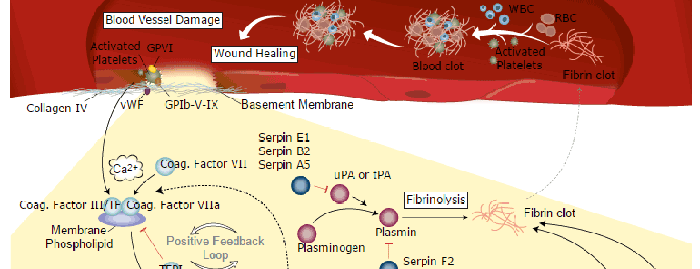
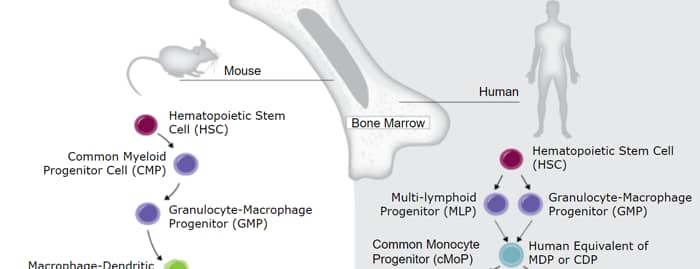
Associated Pathways