Phospho-Smad1 (S463/S465)/Smad5 (S463/S465) Cell-Based ELISA
Phospho-Smad1 (S463/S465)/Smad5 (S463/S465) Cell-Based ELISA Summary
* Provided that the recommended microplates, buffers, diluents, substrates and solutions are used, and the assay is run as summarized in the Assay Procedure provided.
* Alternatively, this assay can be run over two days, which requires 2 hours 30 mins (day 1) and 4 hours (day 2).
PRODUCT SUMMARY
R&D Systems Cell-Based ELISAs simultaneously measure the levels of two proteins in the same microplate well in whole, fixed cells, eliminating the need for lysate preparation. These simple, sensitive assays can be used with both adherent and non-adherent cells to analyze protein phosphorylation or assess total protein levels.
Cell-Based ELISA Kits are available in two formats: phospho-protein kits contain antibodies to measure both the phosphorylated and the total protein, while total protein kits contain antibodies to the protein of interest and a second housekeeping protein. These two proteins are simultaneously detected in the same microplate well, allowing signals derived from the target protein to be normalized to that of the second protein. This permits corrections for well-to-well variation and allows target protein levels to be accurately assessed and compared across multiple samples. This Phospho-
PRODUCT FEATURES
- No lysate preparation required
- Results with as few as 10,000 cells per well
- Measure two proteins simultaneously in the same well
- Ideal for measuring phosphorylation
- Design allows for normalization of well-to-well variations
- Complete kits require minimal optimization
- Suitable for high-throughput analysis of non-adherent cells
- Excellent alternative to Western blot and/or sandwich ELISA
KIT CONTENTS
- 96-well Microplate
- Primary antibody for target protein
- Primary antibody for normalization protein
- HRP-conjugated secondary antibody
- AP-conjugated secondary antibody
- HRP Substrate F1
- AP Substrate F2
- Blocking Buffer
- Wash Buffer
- Plate Sealers
OTHER REAGENTS REQUIRED
- 37% formaldehyde (Molecular Biology Grade; Sigma, Catalog # F8775), refer to MSDS prior to use
- 30% H2O2 (Sigma, Catalog # H1009). Refer to MSDS prior to use
- 1X PBS (Irvine Scientific, Catalog # 9240)
- Deionized or distilled water
- Pipettes and pipette tips
- Multi-channel pipette for washing
- Cell culture incubator
- Microfuge tubes
- Orbital shaker
- Fluorescence plate reader with two channels: excitation 540 nm/emission 600 nm and excitation 360 nm/emission 450 nm
Product Datasheets
Preparation and Storage
Background: Smad1/5
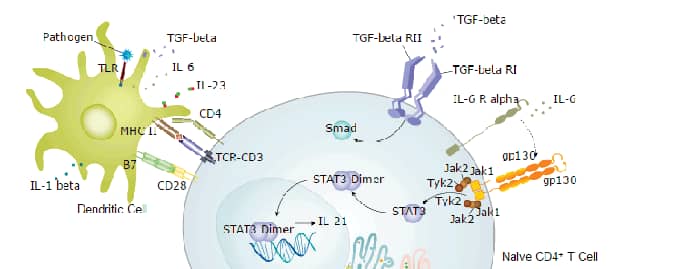
Smads are a family of intracellular proteins that mediate signaling by members of the TGF-beta superfamily. Smads are divided into three distinct subgroups based on their different roles in TGF-beta family signal transduction: R-Smads (receptor-regulated), Co-Smads (common partner), and I-Smads (inhibitory). In general, activation of TGF-beta superfamily serine/threonine kinase receptors leads to the phosphorylation of R-Smads (Smads1, 2, 3, 5, and 8). This is followed by recruitment of the Co-Smad (Smad-4) into an R-Smad/Co-Smad complex that translocates to the nucleus to regulate gene expression. I-Smads (Smad6 and Smad7) antagonize this signaling pathway by preventing R-Smads from interacting with the receptor, or by competing with Co-Smads for the generation of R-Smad/Co-Smad complexes.
Citation for Phospho-Smad1 (S463/S465)/Smad5 (S463/S465) Cell-Based ELISA
R&D Systems personnel manually curate a database that contains references using R&D Systems products. The data collected includes not only links to publications in PubMed, but also provides information about sample types, species, and experimental conditions.
1 Citation: Showing 1 - 1
-
Gelatin device for the delivery of growth factors involved in endochondral ossification
Authors: LA Ahrens, D Vonwil, J Christense, VP Shastri
PLoS ONE, 2017-04-05;12(4):e0175095.
Species: Human
Sample Types: Cell Culture Supernates
FAQs
No product specific FAQs exist for this product, however you may
View all ELISA FAQsReviews for Phospho-Smad1 (S463/S465)/Smad5 (S463/S465) Cell-Based ELISA
There are currently no reviews for this product. Be the first to review Phospho-Smad1 (S463/S465)/Smad5 (S463/S465) Cell-Based ELISA and earn rewards!
Have you used Phospho-Smad1 (S463/S465)/Smad5 (S463/S465) Cell-Based ELISA?
Submit a review and receive an Amazon gift card.
$25/€18/£15/$25CAN/¥75 Yuan/¥2500 Yen for a review with an image
$10/€7/£6/$10 CAD/¥70 Yuan/¥1110 Yen for a review without an image