
Small Molecules & Peptides
Core Small Molecule Product Lines






SEQURNA
A synthetic, non-protein based, thermostable RNase inhibitor for single cell RNA-sequencing (scRNAseq). Yields single-cell libraries of equal or superior quality compared to protein-based recombinant RNase inhibitors. Compatible with Tn5 tagmentation and can replace RRI in Smart-seq3 express. Visit the page for more information and to view protocols.
RiboDyEE™
A new fluorescent dye for RNA-lipid nanoparticle (LNP) encapsulation efficiency assays. Rigorously validated, available in a user-friendly format in 120 μl aliquots, RiboDyEE provides a reliable and cost-effective solution to quantify RNA encapsulation. Can be used alongside lipid nanoparticle components.
Phenotypic Probes
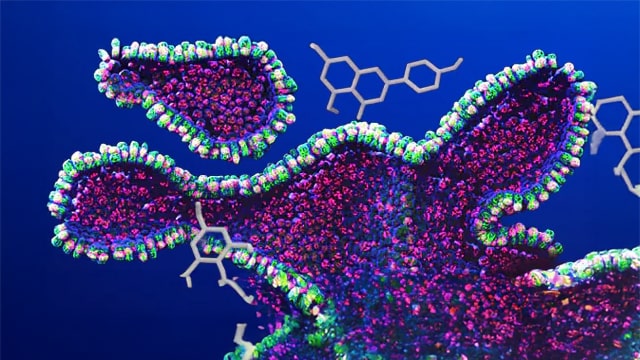
Mix-and-read fluorescent dyes for long-term live-cell imaging, suitable for iPSCs and organoids. These multi-chromatic dyes provide high-density biological information for live-cell phenotypic profiling.

Neural Stem Cells Workflow Solutions
Our updated guide contains tools for isolation, culture, characterization, and differentiation of neural stem cells (NSC). We also have a new Application Note that describes the differentiation and characterization of midbrain dopaminergic neuron progenitors.
Bioactive Small Molecules and Research Peptides
Bioactive small molecules and research peptides are widely used in life science research and pharmacology to regulate cellular pathways and investigate biological mechanisms. Researchers use these reagents to activate or inhibit specific cell signaling pathways, study disease models and evaluate potential targets for drug discovery and therapeutic development.
Small molecules and peptides can modulate biological activity with precision which makes them valuable tools for understanding complex cellular processes and advancing translational research, and they can be used in a wide range of applications including organoids, fluorescent imaging, and assay development.
R&D Systems reagents, by Bio-Techne, offers a comprehensive portfolio of over 3500 bioactive small molecules and research peptides with verified purity, rigorous quality control and batch-to-batch consistency for reproducible results every time. Our small molecules cover research areas such as Stem Cells, Cell Therapy, Neuroscience, Cancer biology, Cardiovascular biology, Endocrinology and Immunology and includes receptor agonists, antagonists and modulators; enzyme inhibitors and activators; protein degraders and molecular glues; fluorescent dyes and probes; GMP and ancillary grade small molecules. Curated by expert scientists for biological relevance our small molecules and research peptides complement R&D Systems proteins, ELISAs, and antibodies, can be scaled up with research needs, and provide scientists with a complete reagent package for their workflows and experiments.
Stem Cells & Organoids
Stem cells and organoids play an increasingly important role in biomedical applications. In addition to basic developmental biology research, stem cell culture and organoids are used to generate more biologically relevant human disease models, study drug candidates, investigate toxicology, and devise regenerative cell-replacement strategies.
The ability to steadily culture, differentiate, and reprogram cells into different cell lineages lies at the heart of stem cell applications. Small molecule and peptide reagents represent some essential ingredients needed to make specialized growth media and create optimal stem cell growth conditions in vitro.
Stem Cell Reagents
R&D Systems portfolio offers a collection of small molecule and peptide reagents for stem cell proliferation, differentiation, reprogramming, signaling, and gene editing.
Organoid Reagents
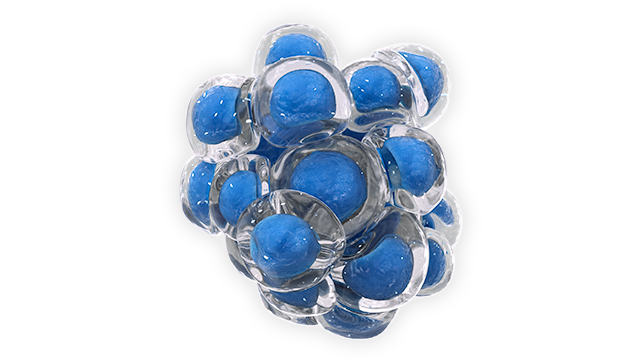
Organoid and 3D cell culture is becoming a key tool for researchers looking to study human cell responses in more complex systems that provide unique advantages over both 2D cell systems and animal models.
R&D Systems website has accumulated a leading small molecule reagent catalog for organoid creation, maintenance, and analysis. This portfolio includes products for organoid formation, 3D growth matrices, differentiation media, lineage-specific inhibitors, reprogramming, transduction enhancement, and post-cryogenesis survival.
CEPT Cocktail
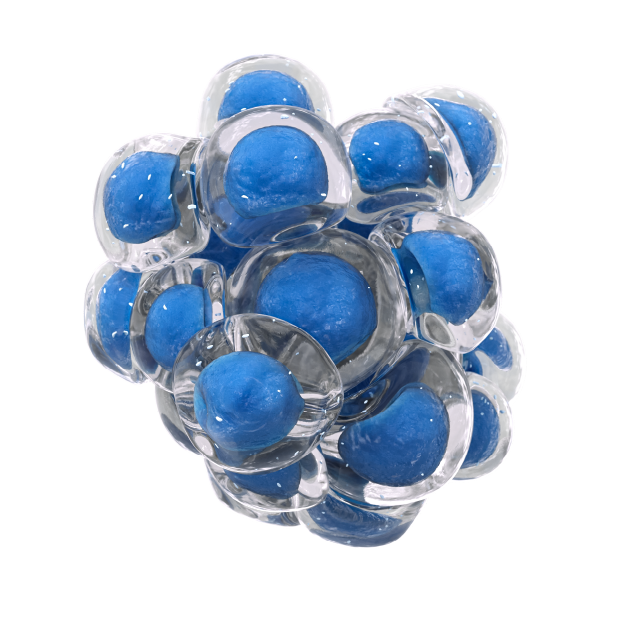
CEPT Cocktail cell culture supplement combines Chroman 1, Emricasan, Polyamines, and Trans-ISRIB to improve the survival of self-renewing pluripotent stem cells and their differentiated progeny at all stages of the stem cell research workflow. It can be used for routine long-term passaging, cryopreservation, single-cell cloning, and organoid formation.
Stem Cell Reagents in Solution
CHIR 99021, LDN 193189, and ROCK Inhibitor Y-27632 are now available in a ready-to-use 10 mM sterile-filtered solution, ensuring convenient, accurate, and reproducible dosing while minimizing preparation time and contamination risk for your stem cell culture and CGT workflows.
Viral Transduction Enhancers
Transduction enhancers, such as PEI STAR™ improve the stable introduction of foreign genetic material to increase target gene expression, and can help streamline cell and gene therapy research.
R&D Systems portfolio offers a wide range of small molecule enhancers for improving retrovirus, lentivirus, and adeno-associated virus transduction, including those specific for introducing TCR and CAR genes into T-cells and NK-cells.
GMP and Ancillary Material Small Molecules
Beyond our research offerings, Tocris small molecules supplies GMP and ancillary material grade compounds for cell and gene therapy manufacturing. Both follow animal-free processes (TSE/BSE Certification) in controlled manufacturing zones and ISO-7 cleanrooms.
Guided by a risk-based approach to manufacturing, our GMP products strictly follow ICH Q7 guidelines and rigorous ISO 9001:2015-adherent QC, including endotoxin and bioburden testing.
Targeted Protein Degradation & Induced Proximity
Induced Proximity is an approach that uses bifunctional molecules to bring two proteins, a target protein of interest (POI) and an effector, into close proximity or contact. This induces an alteration to the POI, triggering a biological response.
Targeted Protein Degradation (TPD) uses heterobifunctional small molecule "Degraders" to achieve knockdown of target proteins within cells. Degraders and “molecular glues” harness the endogenous ubiquitin-proteasome system to knockdown a protein of interest. TPD allows specific and dose-dependent targeting of the previously "undruggable" proteome.
For more information about Targeted Protein Degradation and Induced Proximity view the Targeted Protein Degradation page or read our Targeted Protein Degradation and Induced Proximity Product Guide
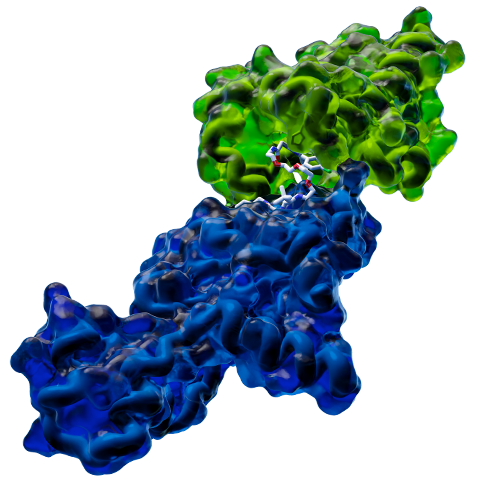
TR-FRET and FP Assay Reagents
TR-FRET (Time-Resolved Fluorescence Resonance Energy Transfer) and FP (Fluorescence Polarization) assays are used in drug discovery, to study protein-protein interactions, enzyme kinetics, receptor-ligand binding and for measuring small molecules binding affinity. View our range of high-affinity fluorescent probes suitable for the development of TR-FRET and FP assays.
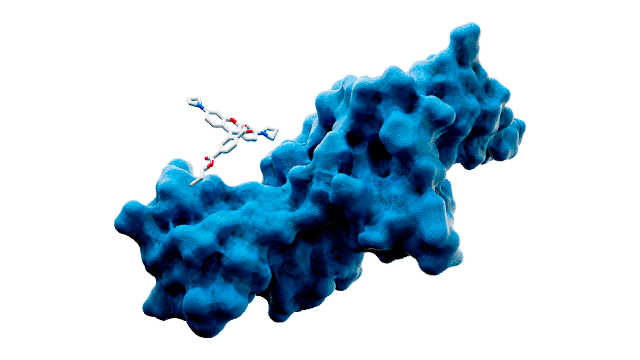
Haloalkanes
Fluorogenic dyes and TR-FRET donors for assay development, suitable for use in live-cells, tissues and in vivo imaging. Discover our Janelia Fluor® Haloalkane dyes and CoraFluor™ Haloalkanes probes.
RiboDyEE™
A new fluorescent dye for RNA lipid nanoparticle (LNP) encapsulation efficiency assays. Rigorously validated, available in a user-friendly format in 120 μl aliquots, RiboDyEE™ provides a reliable and cost-effective solution to quantify RNA encapsulation. Can be used alongside LNP components.
BromoCatch™ Platform
A new, versatile self-labeling protein (SLP) tag platform based on a small ~13 kDa bromodomain engineered with a nucleophilic cysteine for covalent ligand engagement, allowing protein labeling and multiplexed tag applications. This enables irreversible labeling of BromoCatch fusion protein in live cells, fixed cells, or lysates.
Fluorescent Dyes and Probes
Fluorescent and bioluminescent reagents offer highly sensitive and selective tools for visualizing intracellular structures, and biological events—from single-molecule tracking in vitro to complex in vivo imaging applications. R&D Systems portfolio includes a comprehensive range of fluorescent dyes and probes, as well as related reagents, designed to support the imaging of sub-cellular structures in live cells, fixed cells, organoids and live tissues.
Fluorescent Dyes
Fluorescent dyes, or fluorophores, enable researchers to identify, probe, and visualize specific biological molecules with advanced imaging applications. Our range of fluorescent dyes includes the Janelia Fluor® Dyes, which are bright, photostable fluorophores for a broad range of applications, including super-resolution microscopy like PALM and SMLM. Also included in our portfolio are novel fluorophores in the near-infrared range, for deep tissue and in vivo imaging studies. Together with a comprehensive palette of gold-standard dyes, we have products for all your imaging requirements.


Fluorescent Probes and Stains
Fluorescent probes and stains allow for the visualization and analysis of cellular and sub-cellular structures by selectively targeting specific biomolecules, organelles, or cells. In addition to structural imaging, they can provide functional readouts, such as distinguishing live from dead cells, or monitor environmental conditions like pH or polarity. With high sensitivity and selectivity, these tools enable the study of complex biomolecular assemblies to gain insights into cell structure and function. The R&D Systems portfolio offers a comprehensive range of fluorescent probes with high specificity, including next-generation organelle-specific stains, cell viability markers, and bacterial imaging probes that support cutting-edge research in bacterial biology and antibiotic development.
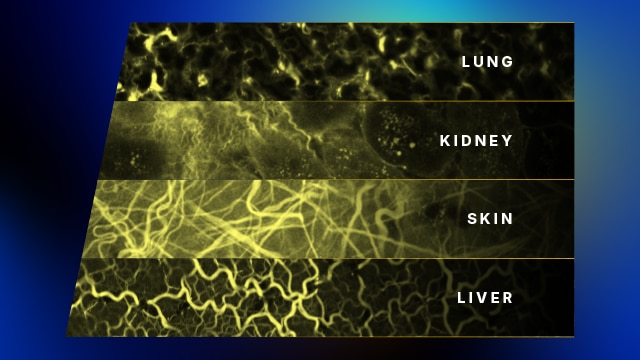
Wash-free Imaging of Extracellular Matrix in Live Tissues
With Rhobo6 ECM Dye, a cell-impermeable glycan-binding fluorophore
Imaging Reagents
R&D Systems portfolio provides imaging reagents and their associated technologies to support innovation in biology, drug design, drug discovery, and drug development. Among these are the aptamer-based RNA imaging reagents, but also our Tyramide Signal Amplification (TSA) reagents and kits, which offer a powerful method for enhancing signal strength and detection sensitivity in low-abundance targets across immunocytochemistry (ICC), immunohistochemistry (IHC), and in situ hybridization (ISH) applications.
Our portfolio includes fluorogenic dye ligands for self-labeling tags—genetically encoded protein tags designed to create fusion proteins with a protein of interest (POI). These tags allow for selective labeling with ligands such as fluorescent dyes, enabling live cell imaging of the POI by fluorescence microscopy.
In addition, we offer a range of bioluminescent substrates, ideal for non-invasive monitoring of biological processes through bioluminescence imaging in both in vivo and in vitro settings.
Imaging Applications
Our product portfolio offers an extensive range of fluorescent and bioluminescent dyes, probes, indicators, buffers, and more to support all your fluorescent imaging needs. We have grouped all the main dyes, counterstains, and buffers according to their applications.
Batch-to-batch consistency is key for reproducible results and to generate data you can trust. For the past 50 years, R&D Systems scientists have focused on developing and producing high quality products that meet the needs of the scientific community. Don't compromise on reagent quality when purchasing large quantities to scale up your experiments.
We can offer competitive discounts on Tocris small molecules, typically applied at five times the standard unit size and progressively rise as the quantity increases.
If you already know the reagent you need, request a quote by completing the form linked below. If not, explore the full small molecules portfolio, find your product and click the blue "Bulk Orders" button for your quote.
Recombinant Proteins

Optimize your experiments with the highest quality proteins available for life science and biotechnology research. Our rigorous in-house testing and quality control specifications ensure that our proteins will provide industry-leading bioactivity, purity, and lot-to-lot consistency. Over 5,000 bioactive, research-grade, Animal-free Preclinical, and GMP-grade proteins available across multiple research areas and species.
Antibodies
R&D Systems Brand offers a wide range of antibodies for the detection of cytokines, adhesion molecules, proteases, neurotrophic factors, stem cell factors, signal transduction molecules, and developmental proteins. R&D Systems antibodies are validated and rigorously tested to ensure reproducible results every time.
Custom Reagents & Contract Services

We stand ready to partner with you to create tailored solutions backed by decades of scientific expertise. Contact one of our experts for tailor made sizes and formulations, product engineering, and development services.
Featured Literature

Small Molecules for Stem Cell Research Guide
This guide highlights the use of small molecules in stem cell research and cell therapy and lists relevant products.

Fluorescent Dyes and Probes Product Guide
For a detailed overview of Fluorescent Dyes and Probes, read our product guide.

Targeted Protein Degradation and Induced Proximity Product Guide
This brochure includes tools and services to support your Targeted Protein Degradation and Induced Proximity research.
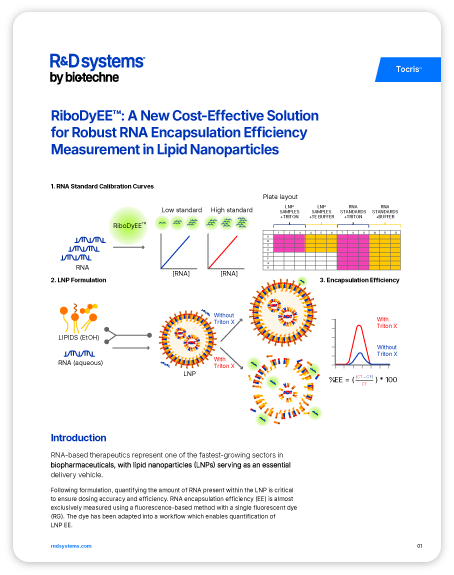
RiboDyEE™ Application Note
This application note describes the validation of RiboDyEE, a new fluorescent dye, available in a new encapsulation assay format for mRNA-LNP encapsulation efficiency determination.



What are small molecules?
Small molecules are low molecular weight organic compounds that are typically less than 1kDa. In biomedical and biological research, a small molecule is an organic compound that can influence or modulate biological activity. While many small molecules are chemically synthesized, some are derived from natural sources, including toxins. Their versatility allows them to be engineered for target selectivity, potency, water solubility, and cell permeability, which makes them highly effective in both research applications and medicine as they are usually orally bioavailable. Many commonly prescribed drugs are small molecules. Small molecules are also commonly referred to as chemical compounds, biochemicals, or chemical probes.
What are the advantages of using small molecules in research?
Small molecules have a wide range of targets, both intracellular and extracellular, and diverse functional responses. Synthesis is scalable and cost-effective, metabolism and excretion follow standard ADME pathways, immunogenicity is low and they are usually stable at room temperature. The consistent bioactivity of small molecules makes them ideal for a wide range of applications including drug discovery, cell culture and organoid research; GMP grade small molecules are essential for transitioning cell therapies from preclinical research to clinical trials and to the clinic.
Are small molecules drugs?
Yes, a large proportion of both approved medicines and other bioactive compounds are classified as small molecules. Many compounds available for research are already used in clinical settings, while others may have been discontinued during clinical trials but still serve as important research tools. Additionally, small molecules are specifically developed for in vitro and in vivo studies to support drug discovery or, through high throughput screening, can be repurposed for new disease targets.
What are peptides?
Peptides consist of short chains, of up to 50 amino acids in length, linked by amide bonds that are found throughout all living organisms. They play crucial roles in systems such as the cardiovascular, endocrine, and metabolic systems. Peptides used in research act as biological messengers and may be synthetically produced, extracted from natural sources, or generated using recombinant technology. Unlike small molecules, peptides are not orally bioavailable as they are broken down in the stomach by digestion, so are usually administered subcutaneously. However, the delivery of some highly potent peptides can be increased with the use of absorption enhancers; bioavailability is still low but produces sufficient absorption for a therapeutic effect.
Why choose R&D Systems small molecules and peptides?
Unrivaled product quality with verified purity
Quality control process ensuring excellence
Specialist technical support
Consistent resupply – almost all of our products are in stock and deliver within 1-3 business days of receiving the order
Innovative, exclusive and expertly-curated new products
Renowned and reputable supplier