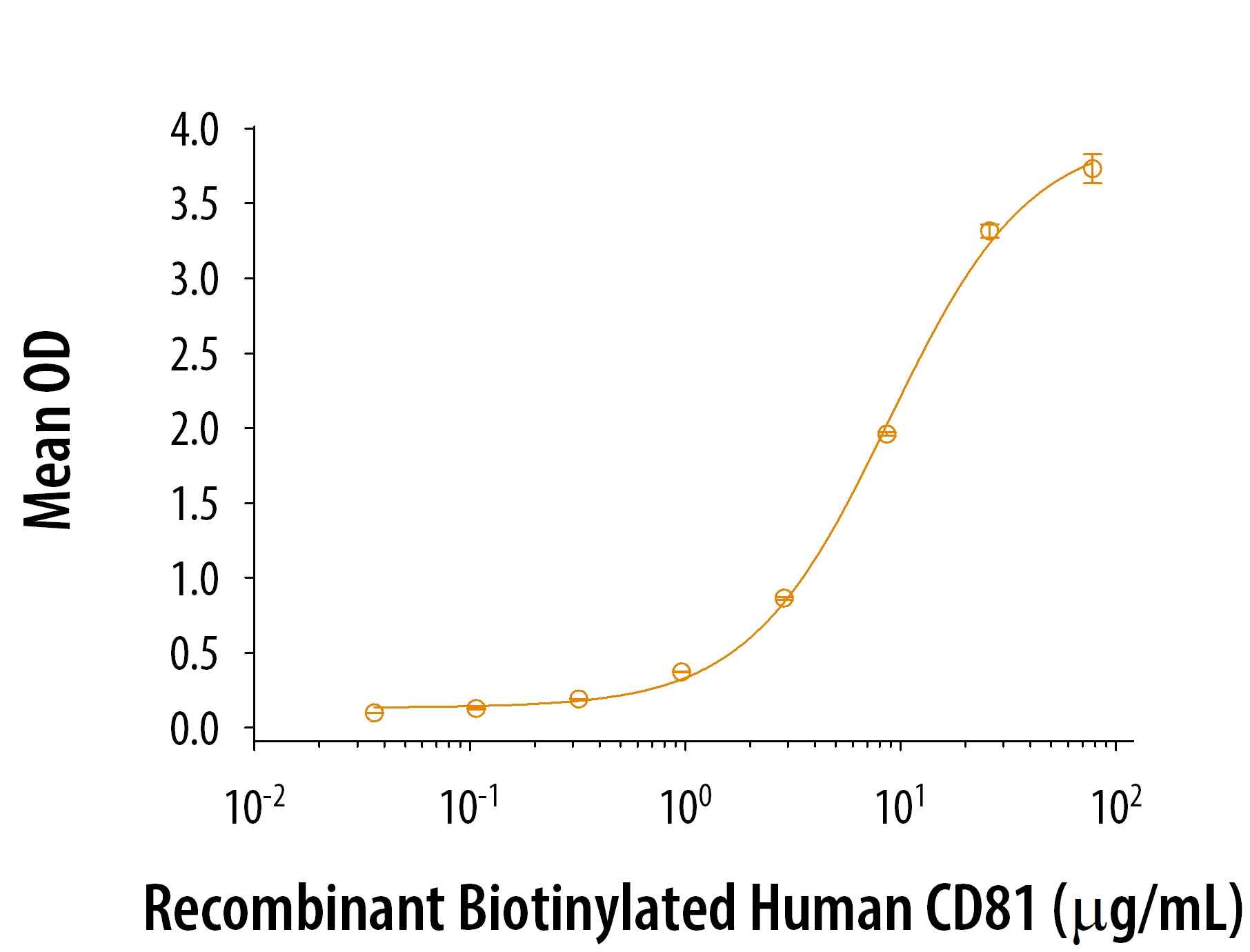
CD19 protein is a 95 kDa transmembrane glycoprotein that plays a central role in B cell activation and humoral immune responses (1, 2). CD19 is expressed throughout B cell development from pre-B cells through mature B cells, and it is commonly used as a B cell lineage marker (1). It is required for the responsiveness of mature B cell to antigen stimulation, germinal center development, and antibody affinity maturation (4, 5). The CD19 protein associates with the B cell antigen receptor (BCR), CD81, CD38, CD21, CD22, and IFITM1/CD225/Leu13, (6-9). These associations enable CD19 to amplify B cell signaling (7, 9-12) and reduce the threshold for antigen stimulation through the BCR (13). CD19 polymorphisms and up-regulation can lead to the development of autoimmunity by promoting autoantibody production (2). CD19 has emerged as promising therapeutic target for hematologic cancers and solid tumors. Immunotherapy using a chimeric antigen receptor (CAR) targeting CD19 has proven effective in many different cancers. The first CD19 CAR T cell therapies have been granted FDA approval for the treatment of B cell malignancies with several more in clinical trials.
Mature human CD19 protein consists of a 272 amino acid (aa) extracellular domain (ECD) with two Ig-like domains, a 22 aa transmembrane segment, and a 243 aa cytoplasmic domain (3). Within the ECD, human CD19 shares 57% amino acid sequence identity with mouse and rat CD19.
 Powered by Bioz