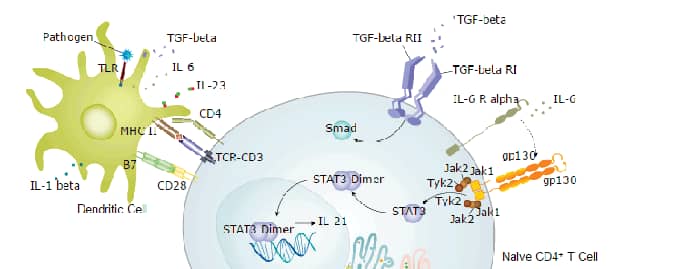
Interleukin 6 (IL-6) is a multifunctional cytokine that exerts its activities by binding to a high-affinity receptor complex consisting of two membrane glycoproteins: an 80 kDa ligand binding subunit (IL-6 R alpha /CD126) and a 130 kDa nonligand-binding signal-transducing subunit (gp130/CD130) (1-4). The mouse IL-6 R alpha cDNA encodes a precursor type I transmembrane protein of 460 amino acids (aa) that contains a 19 aa signal sequence, a 345 aa extracellular ligand binding domain, a 21 aa transmembrane region, and a 75 aa cytoplasmic segment (2). The extracellular segment contains an Ig-like and a fibronectin-type III domain, plus a membrane proximal WSXWS motif. In their extracellular regions, mouse IL-6 R alpha shares 89%, 51% and 50% aa identity with rat, human and porcine IL-6 R alpha, respectively. Unlike gp130 that is expressed ubiquitously, the cellular distribution of IL-6 R alpha is predominantly limited to hepatocytes and leukocyte subpopulations such as monocytes, neutrophils, T and B cells. Soluble IL-6R alpha has been found in various body fluids (5). Two soluble receptor isoforms that arise either from proteolytic cleavage of the membrane-bound IL-6R alpha, or by alternative mRNA splicing (reported only in human) have been described (6, 7). Soluble IL-6 R alpha binds IL-6 with an affinity similar to that of the membrane-bound IL-6 R alpha. More importantly, the soluble IL-6 R alpha /IL-6 complex is capable of interacting with the membrane-bound gp130 to activate cells that lack an integral membrane IL-6 R alpha. It has been documented that elevated soluble IL-6 R is associated with numerous diseases including arthritic lesions, multiple myeloma and Crohn’s disease (6, 7).
Recombinant Mouse IL-6R alpha (aa 20-357) Protein
R&D Systems | Catalog # 1830-SR

Key Product Details
- Recombinant Mouse IL-6Rα Protein enables antibody screening and cytokine signaling studies for inflammatory and immuno-oncology therapeutic development.
- R&D Systems NS0-derived Recombinant Mouse IL-6R alpha (aa 20-357) Protein (1830-SR)
- Quality control testing to verify active proteins with lot specific assays by in-house scientists
- All R&D Systems proteins are covered with a 100% guarantee
Source
Accession Number
Applications
Product Specifications
Source
Leu20-Glu357, with a C-terminal 10-His tag
Purity
Endotoxin Level
N-terminal Sequence Analysis
Predicted Molecular Mass
SDS-PAGE
Activity
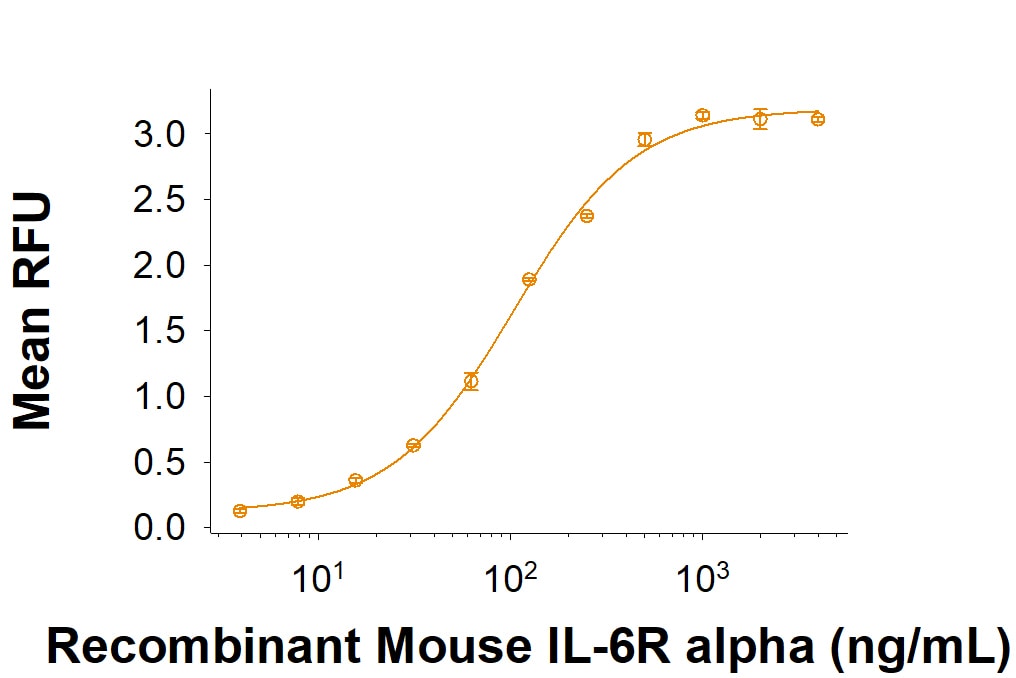
When Recombinant Mouse IL-6 Protein (Catalog # 406-ML) is immobilized at 2.00 μg/mL, 100 μL/well, Recombinant Mouse IL-6R alpha Protein (Catalog # 1830-SR) binds with an ED50 of 30.0-300 ng/mL.
Reviewed Applications
Read 2 reviews rated 4.5 using 1830-SR in the following applications:
Scientific Data Images for Recombinant Mouse IL-6R alpha (aa 20-357) Protein
Recombinant Mouse IL-6R alpha (aa 20-357) Protein Bioactivity.
Measured by its binding ability in a full range functional ELISA. Recombinant Mouse IL-6 Protein (406-ML) is immobilized at 2.00 μg/mL (100 μL/well). Catalog # 1830-SR Recombinant Mouse IL-6R alpha (aa 20-357) Protein binds with (306-ML) at an ED50 of 30.0-300 ng/mL.Formulation, Preparation, and Storage
Carrier Free
What does CF mean?CF stands for Carrier Free (CF). We typically add Bovine Serum Albumin (BSA) as a carrier protein to our recombinant proteins. Adding a carrier protein enhances protein stability, increases shelf-life, and allows the recombinant protein to be stored at a more dilute concentration. The carrier free version does not contain BSA.
What formulation is right for me?In general, we advise purchasing the recombinant protein with BSA for use in cell or tissue culture, or as an ELISA standard. In contrast, the carrier free protein is recommended for applications, in which the presence of BSA could interfere.
Carrier: 1830-SR
| Formulation | Lyophilized from a 0.2 μm filtered solution in PBS with BSA as a carrier protein. |
| Reconstitution | Reconstitute at 100 μg/mL in sterile PBS containing at least 0.1% human or bovine serum albumin. |
| Shipping | The product is shipped at ambient temperature. Upon receipt, store it immediately at the temperature recommended below. |
| Stability & Storage | Use a manual defrost freezer and avoid repeated freeze-thaw cycles.
|
Carrier Free: 1830-SR/CF
| Formulation | Lyophilized from a 0.2 μm filtered solution in PBS. |
| Reconstitution | Reconstitute at 100 μg/mL in sterile PBS. |
| Shipping | The product is shipped at ambient temperature. Upon receipt, store it immediately at the temperature recommended below. |
| Stability & Storage | Use a manual defrost freezer and avoid repeated freeze-thaw cycles.
|
Calculators
Background: IL-6R alpha
References
- Yamasaki, K. et al. (1988) Science 241:825.
- Sugita, T. et al. (1990) J. Exp. Med. 171:2001.
- Hibi, M. et al. (1990) Cell 63:1149.
- Saito, M. et al. (1992) J. Immunol. 148:4066.
- Novick, D. et al. (1989) J. Exp. Med. 170:1409.
- Jones, S.A. et al. (2001) FASEB J. 15:43.
- Jones, S.A. and S. Rose-John (2002) Biochim. Biophys. Acta 1592:251.
Long Name
Alternate Names
Gene Symbol
UniProt
Additional IL-6R alpha Products
Product Documents for Recombinant Mouse IL-6R alpha (aa 20-357) Protein
Certificate of Analysis
To download a Certificate of Analysis, please enter a lot or batch number in the search box below.
Note: Certificate of Analysis not available for kit components.
Product Specific Notices for Recombinant Mouse IL-6R alpha (aa 20-357) Protein
For research use only
Citations for Recombinant Mouse IL-6R alpha (aa 20-357) Protein
 Powered by Bioz
Customer Reviews for Recombinant Mouse IL-6R alpha (aa 20-357) Protein (2)
Have you used Recombinant Mouse IL-6R alpha (aa 20-357) Protein?
Submit a review and receive an Amazon gift card!
$25/€18/£15/$25CAN/¥2500 for a review with an image
$10/€7/£6/$10CAN/¥1110 for a review without an image
Submit a review
Customer Images
-
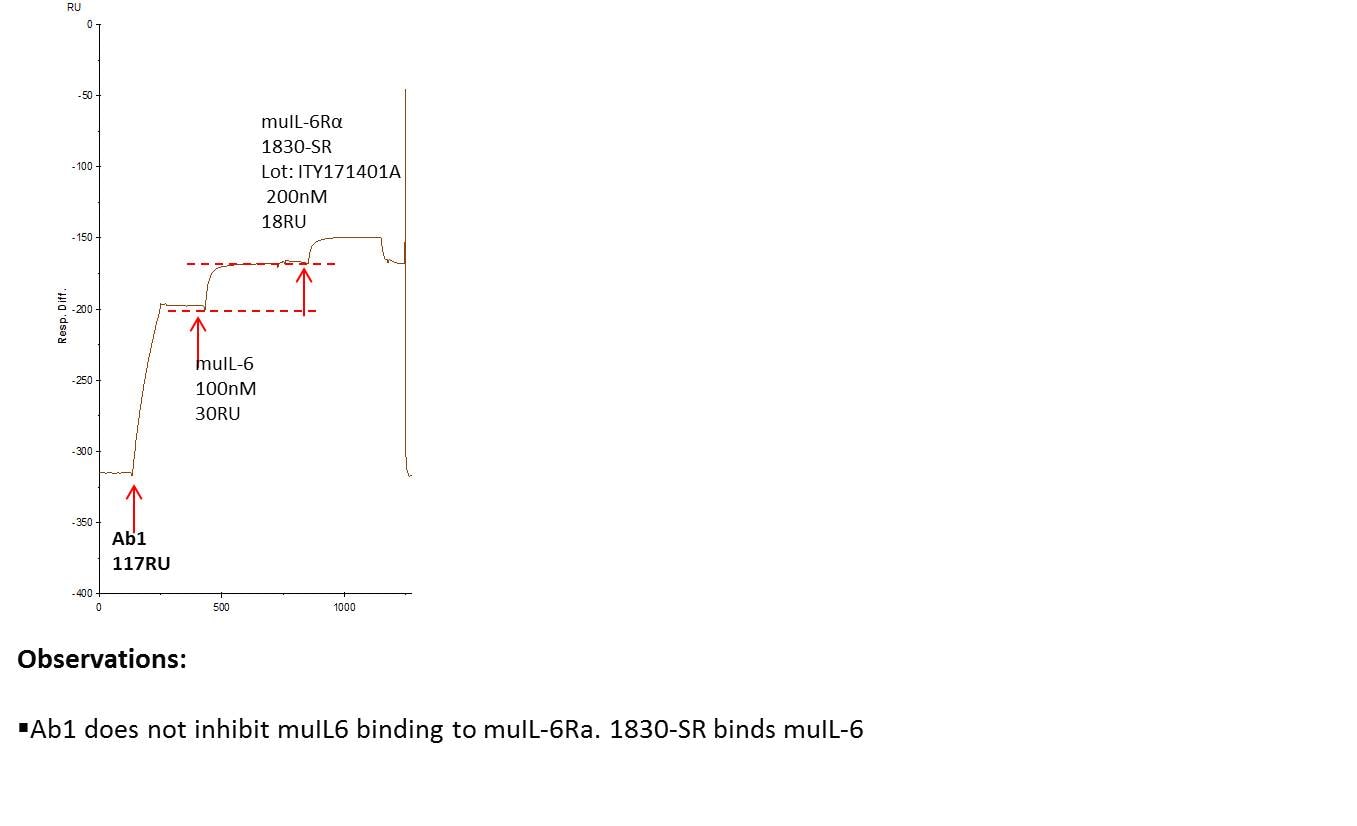
Application: Binding assay/Protein-protein interactionVerified Customer | Posted 01/11/2019

-
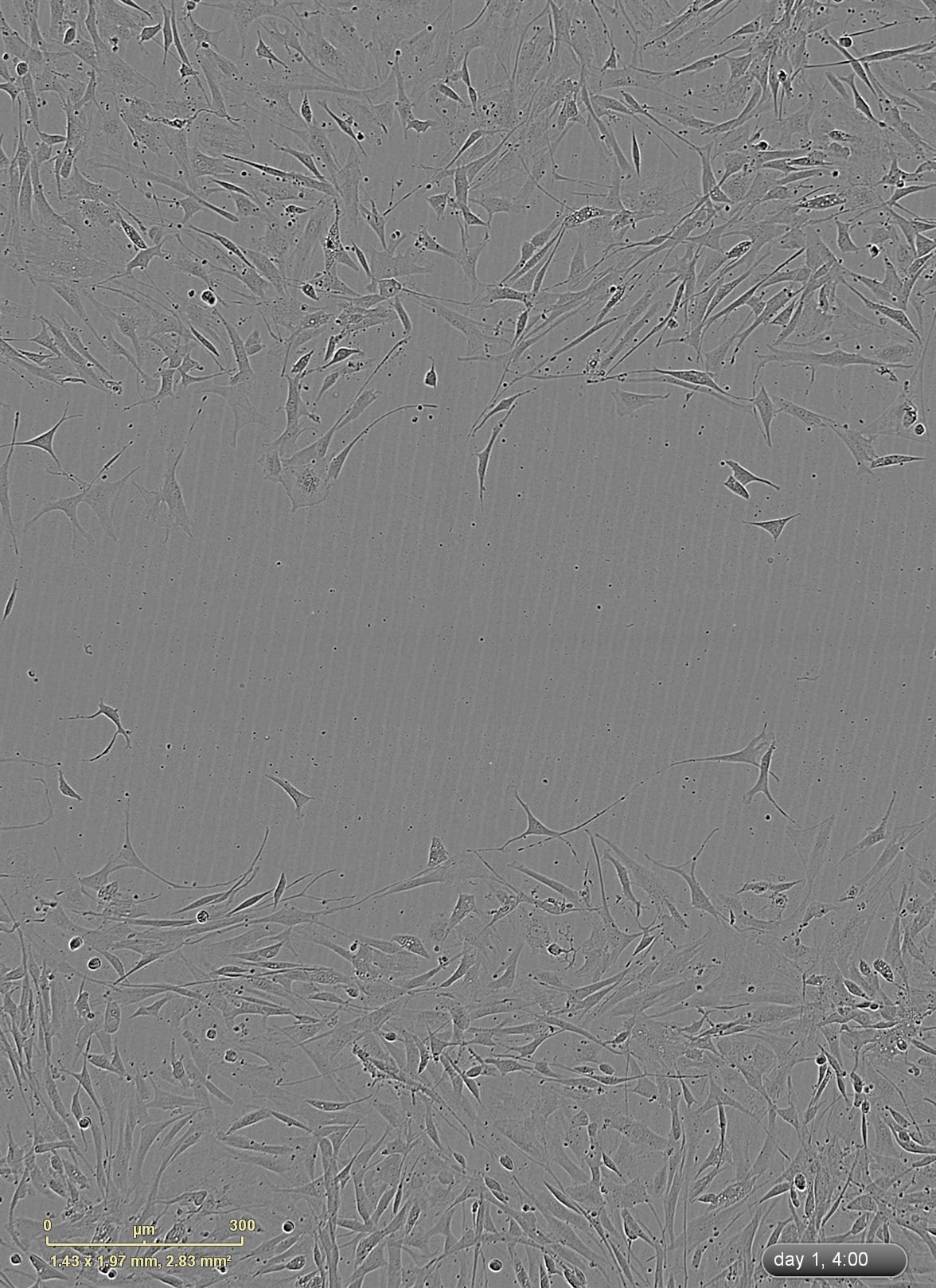
Application: Cell migration/motilityVerified Customer | Posted 07/21/2016
There are no reviews that match your criteria.
FAQs for Recombinant Mouse IL-6R alpha (aa 20-357) Protein
-
Q:
This protein datasheet indicates I need to use a cross-linking antibody, Catalog # MAB050, for biological activity. What is this antibody and is it really necessary?
A: The antibody is directed against a 6x histidine repeat and is recommended for use as a cross-linker of proteins with 6x his-tag. Crosslinking is often used for proteins that require receptor trimerization and can result greater biological activity. R&D Systems Quality Control tests the performance of these proteins in the presence of the cross-linking antibody. Therefore, it is necessary to use this antibody when trying to achieve the same level of specific activity described in the datasheet.