Simple Western Applications
Simple Western technology has become a cornerstone in advancing scientific research across a wide range of applications and research fields. Renowned for its automation, sensitivity, and reproducibility, this cutting-edge platform is transforming how protein analysis is conducted. From serum antibody measurements and contamination detection to assessing protein expression and vaccine efficacy, Simple Western is driving innovation in biomedical research. Trusted by researchers worldwide, its impact is evidenced by its reference in over 3,500 peer-reviewed publications, showcasing its versatility and reliability across disciplines such as immunology, oncology, neuroscience, and beyond. Explore how Simple Western is shaping the future of scientific discovery.
Multiplexing
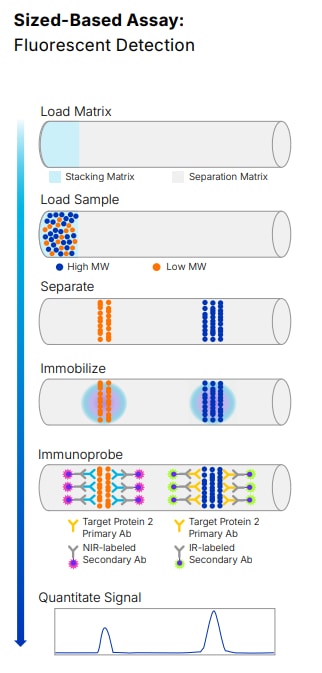
Simple Western provides high-quality, size-based data in just three hours, with only one hour of hands-on time. Multiplexing allows you to analyze two targets in a single capillary, doubling the data points per sample and maximizing the value of your precious samples while saving time. With fluorescence and chemiluminescence channels, Jess and Leo enable powerful multiplexing for efficient and insightful immunoassays.
Learn more about Multiplexing with Simple Western Technology
Total Protein Normalization
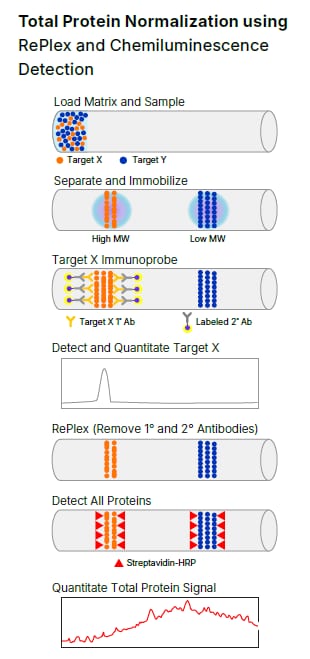
When measuring protein expression, total protein normalization (TPN) may be more reliable than housekeeping proteins, as the expression of housekeeping proteins can vary with experimental conditions. Simple Western technology seamlessly integrates TPN into your immunoassay.
Learn the different Total Protein Normalization methods for Simple Western Instruments
RePlex- Achieving More Quantitative Data From Every Sample
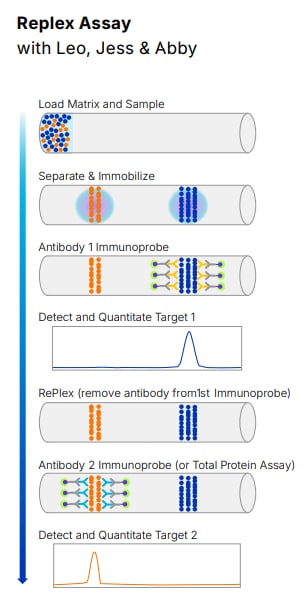
RePlex™ assay enables two sequential immunoassays (IA) or an IA + total protein assay (TPA) within the same capillary, maximizing data output from each sample load and providing deeper biological insight without additional sample consumption.
With the RePlex feature, Simple Western offers flexible multiplexing options that allow you to do multi-target detection and protein normalization in the same capillary.
Target Protein Degradation
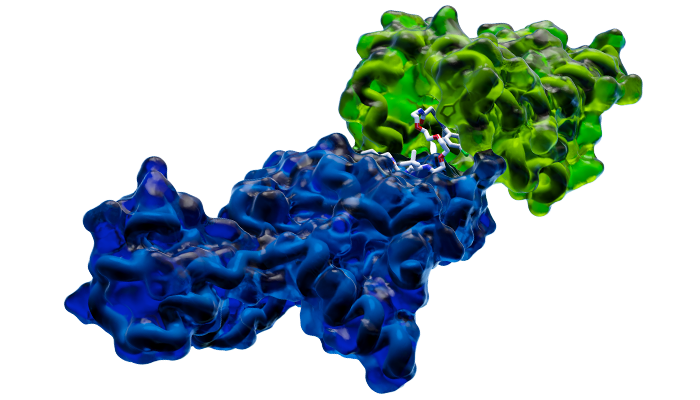
Target protein degradation using simple Western technology leverages a streamlined approach to study and quantify protein levels post-degradation. Simple Western technology allows for the analysis of post-treatment protein degradation by providing quantitative data on target proteins with minimal sample preparation and rapid results. Researchers can monitor the efficacy of protein degraders like PROTACs (proteolysis-targeting chimeras) or molecular glues, optimizing conditions for therapeutic interventions.
- Validating targets
- High-throughput screening
- DC50/Dmax
See how Simple Western Technology is being applied to Target Protein Degradation strategies
Extracellular vesicle protein analysis
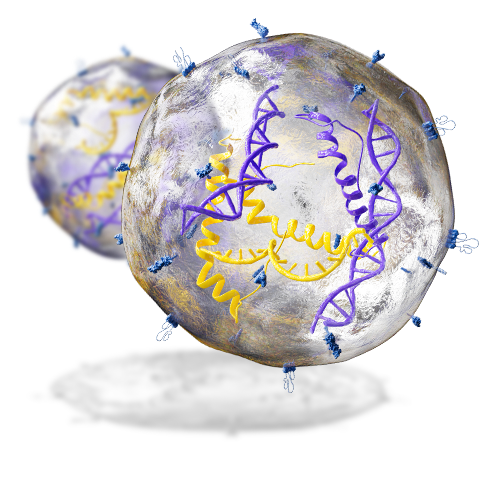
Simple Western technology is increasingly being applied to extracellular vesicle (EV) protein analysis, providing a powerful tool to characterize the protein cargo of these nanosized particles. EVs, including exosomes and microvesicles, play critical roles in intercellular communication and are often studied for their potential as biomarkers or therapeutic agents. With its automated, highly sensitive, and quantitative approach, Simple Western allows researchers to analyze EV protein expression patterns efficiently and reproducibly. Simple Western is particularly valuable in overcoming challenges related to the heterogeneity and low protein concentrations of EV samples, enabling deeper insights into EV biology and their applications in diagnostics and therapeutics.
- EV protein expression
- EV protein markers
- Conserve EV sample
See how researchers are applying Simple Western to EV research
Cell Signaling Pathways
Simple Western technology is revolutionizing the study of cell signaling pathways by offering a precise, automated platform for protein quantification and analysis. Cell signaling relies on dynamic changes in protein levels and post-translational modifications, such as phosphorylation, which are often challenging to detect with traditional methods. Its ability to quantify multiple proteins and modifications within signaling cascades, even in small and complex samples, makes it an invaluable tool for studying pathway activation, inhibition, or feedback mechanisms.
Example usages
- Phospho/total isoforms
- High-sensitivity multiplex assays
- Analyze entire signaling pathways
Neuroscience
Simple Western technology is advancing neuroscience research by enabling precise protein analysis from small and limited sample sizes, such as brain regions, cerebrospinal fluid, or single neurons. Its automated platform allows for highly sensitive protein quantitation, making it ideal for studying molecular changes in neuronal signaling, neurodegenerative diseases, and synaptic protein dynamics. Researchers can measure low-abundance proteins, post-translational modifications, or biomarkers associated with neurological conditions with high reproducibility.
Example uses
- iPSC-derived neurons
- Escape matrix effects
- Protein biomarkers & signaling events
Cell & Gene Therapy
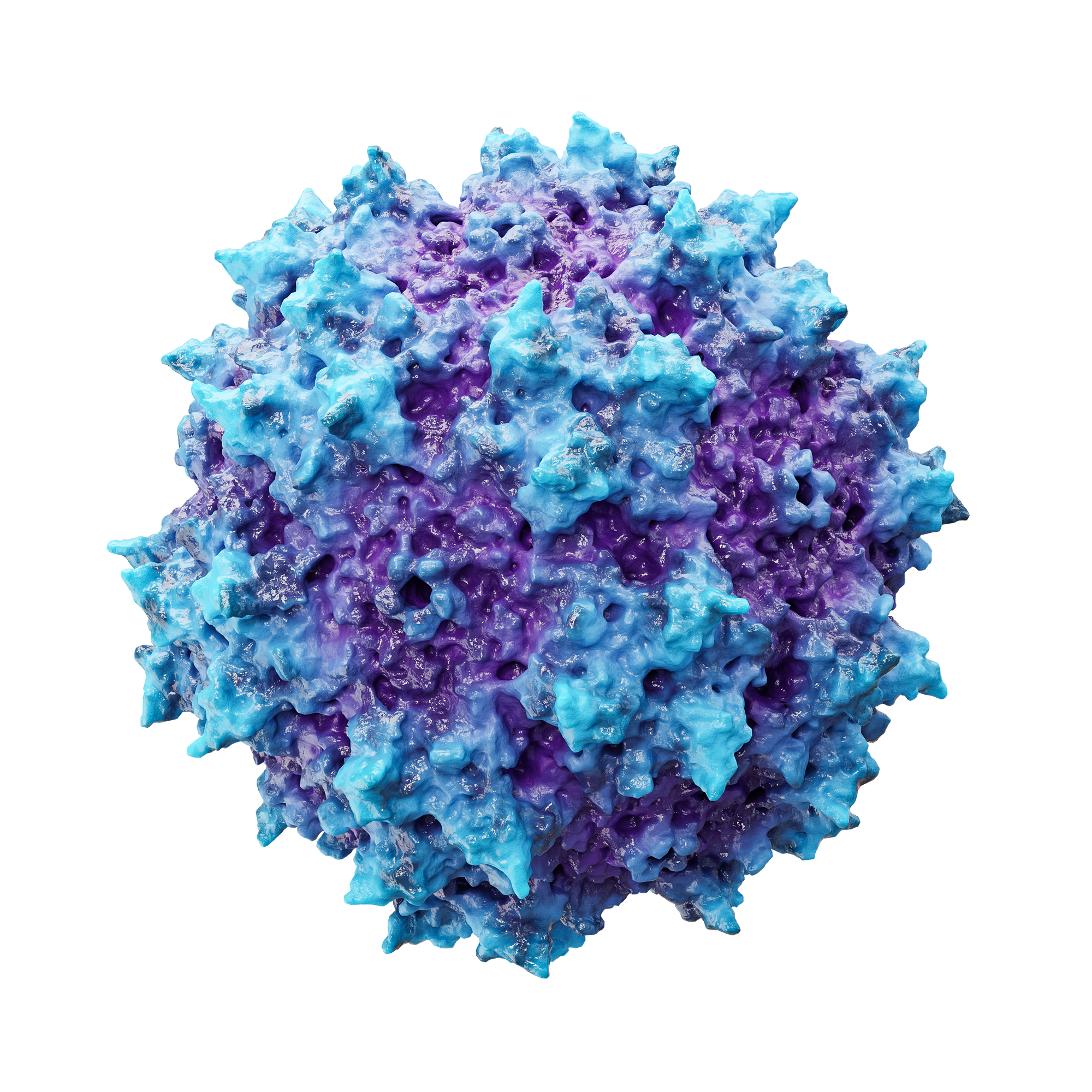
Simple Western technology is playing a crucial role in advancing cell and gene therapy development by enabling precise and reproducible analysis of critical quality attributes (CQAs) for therapeutic products. This automated platform is ideal for assessing factors such as potency, identity, and impurity profiles, which are essential for ensuring product efficacy and safety.
- Potency assays
- Empty/full & VP ratios
- Identity & impurities
Simple Western applications in Cell and Gene Therapy development
Vaccine Development
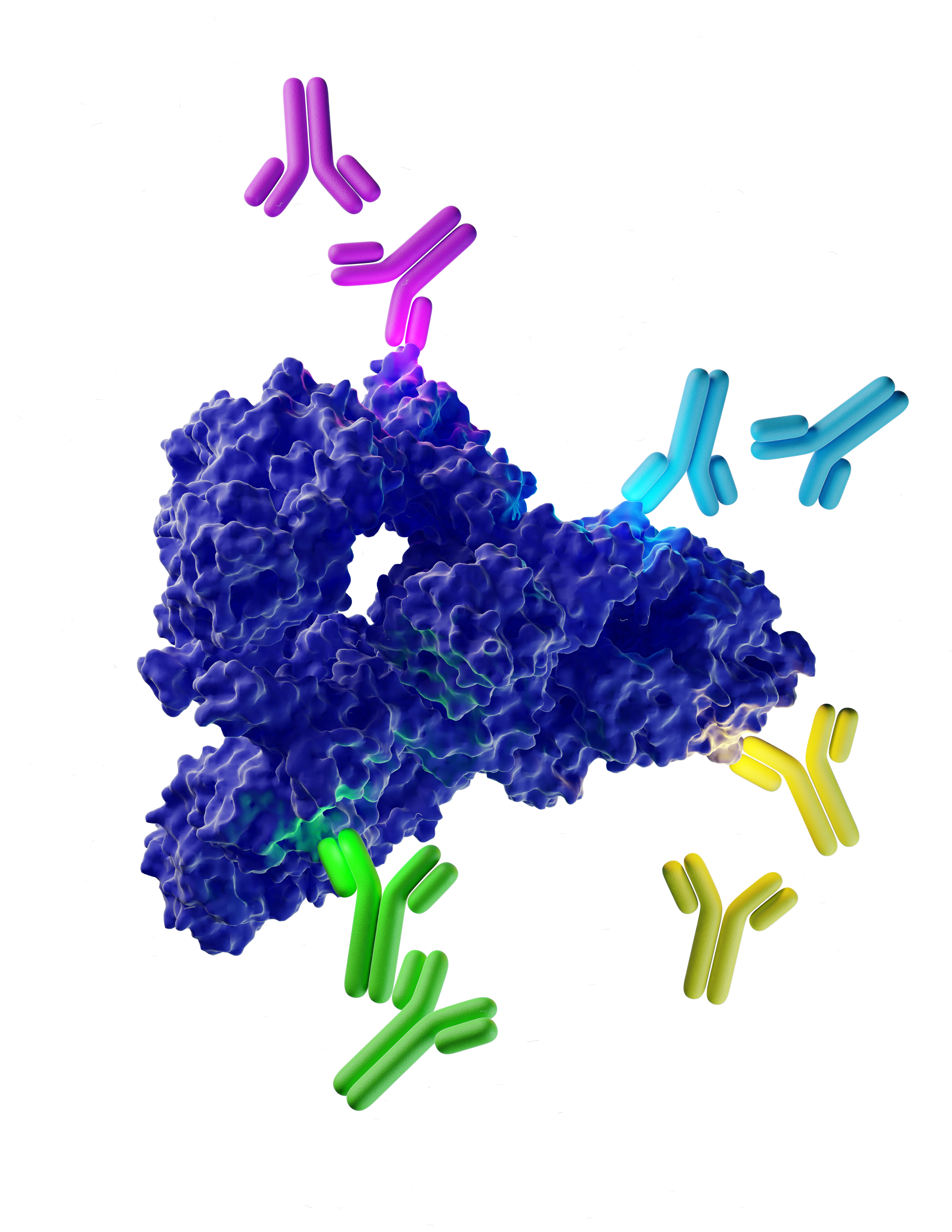
Simple Western technology is revolutionizing vaccine development with its highly automated, sensitive, and reproducible platform for analyzing key attributes throughout the process. It has been effectively utilized for serum antibody measurements, contamination detection, and protein expression analysis to assess vaccine efficacy.
- Serum antibody measurements
- Contaminant detection
- Vaccine efficacy