![Immunohistochemistry-Paraffin: CD163 Antibody (K20-T) [NBP1-30148]](https://resources.rndsystems.com/images/products/CD163-Antibody-K20-T-Immunocytochemistry-Immunofluorescence-NBP1-30148-img0002.jpg "Immunohistochemistry-Paraffin: CD163 Antibody (K20-T) [NBP1-30148]")
Scientific images may be resized, cropped, or adjusted for brightness or contrast for presentation purposes. These updates are limited to presentation and do not affect the underlying scientific interpretation of the data. Where available, additional source data may be provided upon request.
Loading...
Key Product Details
Species Reactivity
Validated:
Human
Cited:
Human
Applications
Validated:
Immunohistochemistry, Immunohistochemistry-Paraffin, Immunohistochemistry-Frozen, Immunocytochemistry/ Immunofluorescence
Cited:
Immunohistochemistry-Paraffin, Immunohistochemistry-Frozen, Immunocytochemistry/ Immunofluorescence, IF/IHC
Label
Unconjugated
Antibody Source
Recombinant Monoclonal Rabbit IgG Clone # K20-T
Loading...
Product Specifications
Immunogen
Peptide derived from N-terminal sequence of human CD163. Antibody recognizes the epitope between Gly134 - Gly148.
Epitope
Gly134 - Gly148
Marker
Histiocytic Marker
Specificity
This antibody is specific for the N terminus of CD163.
Clonality
Monoclonal
Host
Rabbit
Isotype
IgG
Description
This antibody is immunoaffinity purified with immunogenic peptide as a ligand.
Scientific Data Images for CD163 Antibody (K20-T)
Immunohistochemistry-Paraffin: CD163 Antibody (K20-T) [NBP1-30148]
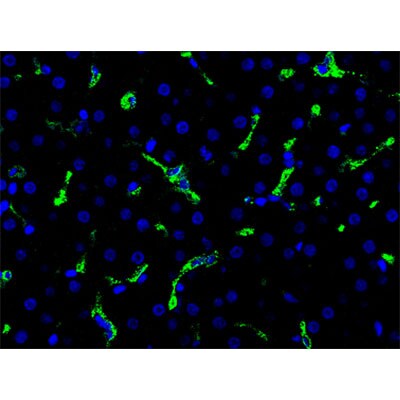
Immunohistochemistry-Paraffin: CD163 Antibody (K20-T) [NBP1-30148] - CD163 immunolabelling on a FFPE tissue section of human HCV liver biopsy. Image provided by Victoria Gadd.![Immunohistochemistry-Paraffin: CD163 Antibody (K20-T) [NBP1-30148]](https://resources.rndsystems.com/images/products/CD163-Antibody-K20-T-Immunohistochemistry-Paraffin-NBP1-30148-img0006.jpg "Immunohistochemistry-Paraffin: CD163 Antibody (K20-T) [NBP1-30148]")
Immunohistochemistry-Paraffin: CD163 Antibody (K20-T) [NBP1-30148]
Immunohistochemistry-Paraffin: CD163 Antibody (K20-T) [NBP1-30148] - CD163 expression in the macrophages of the bone marrow. FFPE human tissues (4 um sections) stained with anti-CD163.![Immunocytochemistry/ Immunofluorescence: CD163 Antibody (K20-T) [NBP1-30148]](https://resources.rndsystems.com/images/products/CD163-Antibody-K20-T-Immunocytochemistry-Immunofluorescence-NBP1-30148-img0010.jpg "Immunocytochemistry/ Immunofluorescence: CD163 Antibody (K20-T) [NBP1-30148]")
Immunocytochemistry/ Immunofluorescence: CD163 Antibody (K20-T) [NBP1-30148]
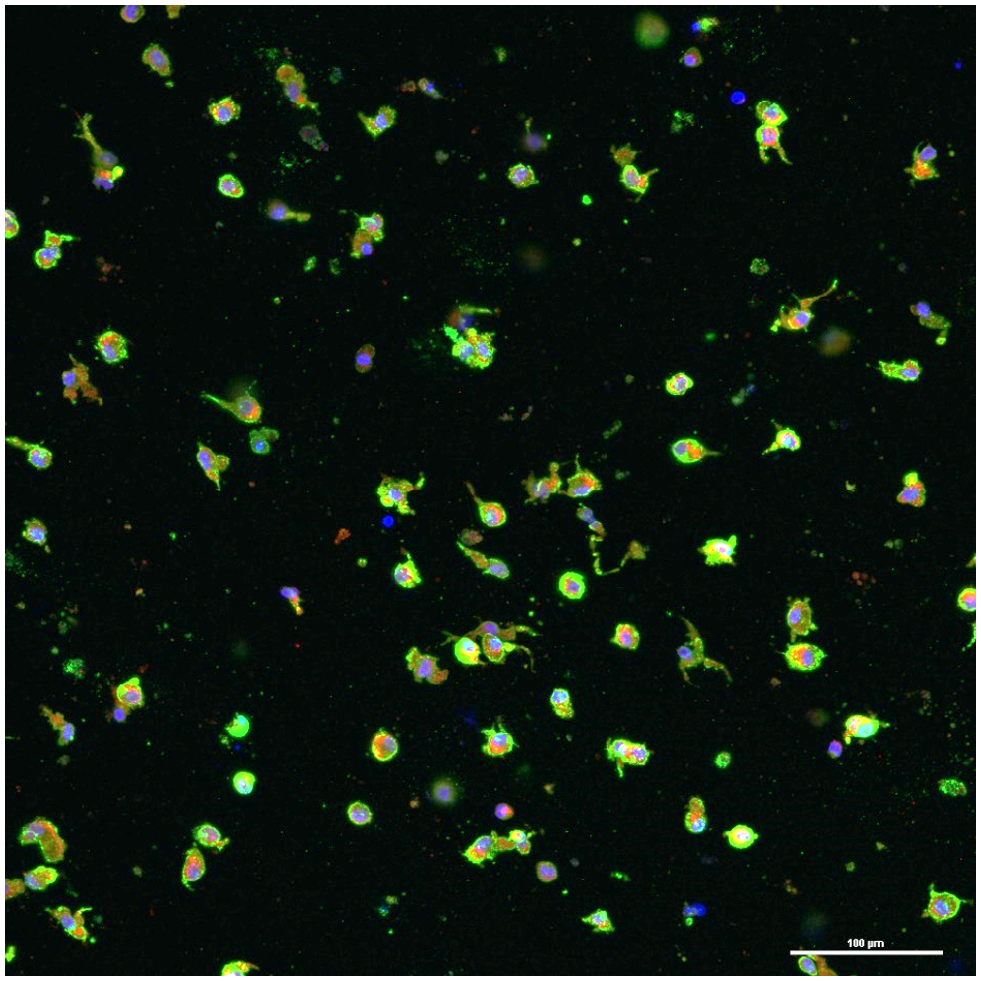
Immunocytochemistry/Immunofluorescence: CD163 Antibody (K20-T) [NBP1-30148] - Human primary macrophages in 3D cell culture. Primary antibodies to CD163 (NBP1-30148; RED) and CD206 (clone 15-2; GREEN) were both diluted at 1:100 in blocking buffer and incubated overnight at 4C. This image represents a 100-micron Z-Stack displayed as maximum intensity projection. Image from verified customer review.![Immunohistochemistry-Paraffin: CD163 Antibody (K20-T) [NBP1-30148]](https://resources.rndsystems.com/images/products/CD163-Antibody-K20-T-Immunohistochemistry-Paraffin-NBP1-30148-img0011.jpg "Immunohistochemistry-Paraffin: CD163 Antibody (K20-T) [NBP1-30148]")
Immunohistochemistry-Paraffin: CD163 Antibody (K20-T) [NBP1-30148]
Immunohistochemistry-Paraffin: CD163 Antibody (K20-T) [NBP1-30148] - Formalin fixed, paraffin embedded human tissues (4 um sections) stained with CD163 Antibody (K20-T).![Immunohistochemistry-Paraffin: CD163 Antibody (K20-T) [NBP1-30148]](https://resources.rndsystems.com/images/products/CD163-Antibody-K20-T-Immunohistochemistry-Paraffin-NBP1-30148-img0003.jpg "Immunohistochemistry-Paraffin: CD163 Antibody (K20-T) [NBP1-30148]")
Immunohistochemistry-Paraffin: CD163 Antibody (K20-T) [NBP1-30148]
Immunohistochemistry-Paraffin: CD163 Antibody (K20-T) [NBP1-30148] - Human bone marrow.![Immunohistochemistry-Paraffin: CD163 Antibody (K20-T) [NBP1-30148]](https://resources.rndsystems.com/images/products/CD163-Antibody-K20-T-Immunohistochemistry-Paraffin-NBP1-30148-img0008.jpg "Immunohistochemistry-Paraffin: CD163 Antibody (K20-T) [NBP1-30148]")
Immunohistochemistry-Paraffin: CD163 Antibody (K20-T) [NBP1-30148]
Immunohistochemistry-Paraffin: CD163 Antibody (K20-T) [NBP1-30148] - CD163-positive macrophages in the abscess of the liver. FFPE human tissues (4 um sections) stained with anti-CD163Applications for CD163 Antibody (K20-T)
Application
Recommended Usage
Immunohistochemistry
1:100 -1:200
Immunohistochemistry-Paraffin
1:100 - 1:200
Application Notes
Use in Immunohistochemistry-Frozen was reported in scientific literature (PMID: 24798518).
Reviewed Applications
Read 2 reviews rated 5 using NBP1-30148 in the following applications:
Formulation, Preparation, and Storage
Purification
Immunogen affinity purified
Formulation
20mM Tris-HCl (pH 8.0) and 20mg/ml BSA
Preservative
0.05% Sodium Azide
Concentration
Please see the vial label for concentration. If unlisted please contact technical services.
Shipping
The product is shipped with polar packs. Upon receipt, store it immediately at the temperature recommended below.
Stability & Storage
Store at 4C. Do not freeze.
Background: CD163
One of the primary functions of CD163 is uptake of haptoglobin-hemoglobin (Hp-Hb) complexes from the liver, spleen, and bone marrow, ultimately triggering an anti-inflammatory response (3, 5, 7). CD163 also functions as an erythroblast adhesion receptor and promotes cell maturation and survival (3, 5, 7). Furthermore, CD163 functions in immune sensing of bacteria and as a receptor for tumor necrosis factor (TNF)-like weak inducer of apoptosis (TWEAK) (3, 5, 7). As mentioned above, CD163 is expressed on cells in the monocyte/macrophage lineage and, in general, anti-inflammatory signals including glucocorticoids, interleukin (IL)-6, and IL-10 stimulate CD163 synthesis and expression while, conversely, pro-inflammatory signals such as interferon-gamma (INF-gamma), TNF-alpha, and lipopolysaccharide (LPS) downregulate CD163 (3, 5). In addition to membrane-bound form of CD163, the protein can be cleaved by metalloproteinases (MMP) and induced by LPS or phorbol myristate acetate (PMA) to release a soluble form (sCD163) into the plasma (7). Increased levels of sCD163 in the plasma and an increased number of CD163-expressing macrophages at the site of inflammation are associated with a variety of pathologies (3, 5-7). CD163/sCD163 is often increased and a suitable clinical marker for inflammatory diseases including rheumatoid arthritis (RA), Gaucher disease, chronic kidney disease, diabetes, and Crohn's disease (3, 5-7).
Alternative names for CD163 includes GHI/61, HbSR, Hemoglobin scavenger receptor, M130, macrophage-associated antigen, MM130, RM3/1, SCARI1, scavenger receptor cysteine-rich type 1 protein M130, sCD163, and soluble CD163.
References
1. Law, S. K., Micklem, K. J., Shaw, J. M., Zhang, X. P., Dong, Y., Willis, A. C., & Mason, D. Y. (1993). A new macrophage differentiation antigen which is a member of the scavenger receptor superfamily. European journal of immunology. https://doi.org/10.1002/eji.1830230940
2. Onofre, G., Kolackova, M., Jankovicova, K., & Krejsek, J. (2009). Scavenger receptor CD163 and its biological functions. Acta medica (Hradec Kralove).
3. Van Gorp, H., Delputte, P. L., & Nauwynck, H. J. (2010). Scavenger receptor CD163, a Jack-of-all-trades and potential target for cell-directed therapy. Molecular immunology. https://doi.org/10.1016/j.molimm.2010.02.008
4. Sulahian, T. H., Hogger, P., Wahner, A. E., Wardwell, K., Goulding, N. J., Sorg, C., Droste, A., Stehling, M., Wallace, P. K., Morganelli, P. M., & Guyre, P. M. (2000). Human monocytes express CD163, which is upregulated by IL-10 and identical to p155. Cytokine. https://doi.org/10.1006/cyto.2000.0720
5. Etzerodt, A., & Moestrup, S. K. (2013). CD163 and inflammation: biological, diagnostic, and therapeutic aspects. Antioxidants & redox signaling. https://doi.org/10.1089/ars.2012.4834
6. Skytthe, M. K., Graversen, J. H., & Moestrup, S. K. (2020). Targeting of CD163+ Macrophages in Inflammatory and Malignant Diseases. International journal of molecular sciences, 21(15), 5497. https://doi.org/10.3390/ijms21155497
7. Moller H. J. (2012). Soluble CD163. Scandinavian journal of clinical and laboratory investigation. https://doi.org/10.3109/00365513.2011.626868
Alternate Names
CD163, GHI/61, HbSR, M130, RM3/1
Entrez Gene IDs
9332 (Human)
Gene Symbol
CD163
UniProt
Additional CD163 Products
Product Documents for CD163 Antibody (K20-T)
Certificate of Analysis
To download a Certificate of Analysis, please enter a lot or batch number in the search box below.
Product Specific Notices for CD163 Antibody (K20-T)
This antibody is immunoaffinity purified with immunogenic peptide as a ligand.
This product is for research use only and is not approved for use in humans or in clinical diagnosis. Primary Antibodies are guaranteed for 1 year from date of receipt.
Citations for CD163 Antibody (K20-T)
 Powered by Bioz
Customer Reviews for CD163 Antibody (K20-T) (2)
5 out of 5
2 Customer Ratings
Have you used CD163 Antibody (K20-T)?
Submit a review and receive an Amazon gift card!
$25/€18/£15/$25CAN/¥2500 for a review with an image
$10/€7/£6/$10CAN/¥1110 for a review without an image
Submit a review
Customer Images
Showing
1
-
2 of
2 reviews
Showing All
Filter By:
-
Application: ImmunocytochemistrySample Tested: Human primary macrophages and 3D Cell cultureSpecies: HumanVerified Customer | Posted 11/26/2018Primary antibodies to CD163 (NBP1-30148; RED) and CD206 (clone 15-2; GREEN) were both diluted at 1:100 in blocking buffer and incubated overnight at 4C. This image represents a 100-micron Z-Stack displayed as maximum intensity projection.IF of human primary macrophages, polarized on dishes to M2 phenotype for 7 days with M-CSF and IL-4, 10 and 13. Then, cells were harvested and encapsulated into hyaluronic acid and collagen type I hydrogels and cultured for an additional 5 days, on which they were fixed with 4% PFA. Blocked in 10% goat serum, 1% BSA.This data is supported by qRT-PCR analysis of CD163 expression in another group of cells that received the same treatment. All compared to unpolarized control cells.

-
Application: Immunohistochemistry-ParaffinSample Tested:Species: HumanVerified Customer | Posted 03/04/2013CD163 immunolabelling on a representative HCV liver biopsy section
There are no reviews that match your criteria.
Protocols
Find general support by application which include: protocols, troubleshooting, illustrated assays, videos and webinars.
- Antigen Retrieval Protocol (PIER)
- Antigen Retrieval for Frozen Sections Protocol
- Appropriate Fixation of IHC/ICC Samples
- Cellular Response to Hypoxia Protocols
- Chromogenic IHC Staining of Formalin-Fixed Paraffin-Embedded (FFPE) Tissue Protocol
- Chromogenic Immunohistochemistry Staining of Frozen Tissue
- ClariTSA™ Fluorophore Kits
- Detection & Visualization of Antibody Binding
- Fluorescent IHC Staining of Frozen Tissue Protocol
- Graphic Protocol for Heat-induced Epitope Retrieval
- Graphic Protocol for the Preparation and Fluorescent IHC Staining of Frozen Tissue Sections
- Graphic Protocol for the Preparation and Fluorescent IHC Staining of Paraffin-embedded Tissue Sections
- Graphic Protocol for the Preparation of Gelatin-coated Slides for Histological Tissue Sections
- ICC Cell Smear Protocol for Suspension Cells
- ICC Immunocytochemistry Protocol Videos
- ICC for Adherent Cells
- IHC Sample Preparation (Frozen sections vs Paraffin)
- Immunocytochemistry (ICC) Protocol
- Immunocytochemistry Troubleshooting
- Immunofluorescence of Organoids Embedded in Cultrex Basement Membrane Extract
- Immunofluorescent IHC Staining of Formalin-Fixed Paraffin-Embedded (FFPE) Tissue Protocol
- Immunohistochemistry (IHC) and Immunocytochemistry (ICC) Protocols
- Immunohistochemistry Frozen Troubleshooting
- Immunohistochemistry Paraffin Troubleshooting
- Preparing Samples for IHC/ICC Experiments
- Preventing Non-Specific Staining (Non-Specific Binding)
- Primary Antibody Selection & Optimization
- Protocol for Heat-Induced Epitope Retrieval (HIER)
- Protocol for Making a 4% Formaldehyde Solution in PBS
- Protocol for VisUCyte™ HRP Polymer Detection Reagent
- Protocol for the Fluorescent ICC Staining of Cell Smears - Graphic
- Protocol for the Fluorescent ICC Staining of Cultured Cells on Coverslips - Graphic
- Protocol for the Preparation & Fixation of Cells on Coverslips
- Protocol for the Preparation and Chromogenic IHC Staining of Frozen Tissue Sections
- Protocol for the Preparation and Chromogenic IHC Staining of Frozen Tissue Sections - Graphic
- Protocol for the Preparation and Chromogenic IHC Staining of Paraffin-embedded Tissue Sections
- Protocol for the Preparation and Chromogenic IHC Staining of Paraffin-embedded Tissue Sections - Graphic
- Protocol for the Preparation and Fluorescent ICC Staining of Cells on Coverslips
- Protocol for the Preparation and Fluorescent ICC Staining of Non-adherent Cells
- Protocol for the Preparation and Fluorescent ICC Staining of Stem Cells on Coverslips
- Protocol for the Preparation and Fluorescent IHC Staining of Frozen Tissue Sections
- Protocol for the Preparation and Fluorescent IHC Staining of Paraffin-embedded Tissue Sections
- Protocol for the Preparation of Gelatin-coated Slides for Histological Tissue Sections
- Protocol for the Preparation of a Cell Smear for Non-adherent Cell ICC - Graphic
- TUNEL and Active Caspase-3 Detection by IHC/ICC Protocol
- The Importance of IHC/ICC Controls
- Troubleshooting Guide: Immunohistochemistry
- View all Protocols, Troubleshooting, Illustrated assays and Webinars
FAQs for CD163 Antibody (K20-T)
Showing
1
-
2 of
2 FAQs
Showing All
-
Q: Can you please tell me antigen retrieval methods used for this antibody?
A: For this product, our lab recommends HIER with (10 mM Tris/1 mM EDTA pH 9.0 solution). The protocol is detailed below: Pre-heat steamer or water bath with staining dish containing Tris/EDTA solution until temperature reaches 95-100 degrees Celsius. Immerse slides in the staining dish. Place the lid loosely on the staining dish and incubate for 20-40 minutes. Remove the staining dish to room temperature and allow the slides to cool for 20 minutes before proceeding with normal staining procedure.
-
Q: Can you please tell me antigen retrieval methods used for this product (citrate or EDTA) NBP1-30148?
A: For this product, our lab recommends HIER with (10 mM Tris/1 mM EDTA pH 9.0 solution). Protocol is detailed below: Pre-heat steamer or water bath with staining dish containing Tris/EDTA solution until temperature reaches 95-100 degrees Celsius. Immerse slides in the staining dish. Place the lid loosely on the staining dish and incubate for 20-40 minutes. Remove the staining dish to room temperature and allow the slides to cool for 20 minutes before proceeding with normal staining procedure.
-
Q: Can you please tell me antigen retrieval methods used for this antibody?
A: For this product, our lab recommends HIER with (10 mM Tris/1 mM EDTA pH 9.0 solution). The protocol is detailed below: Pre-heat steamer or water bath with staining dish containing Tris/EDTA solution until temperature reaches 95-100 degrees Celsius. Immerse slides in the staining dish. Place the lid loosely on the staining dish and incubate for 20-40 minutes. Remove the staining dish to room temperature and allow the slides to cool for 20 minutes before proceeding with normal staining procedure.
-
Q: Can you please tell me antigen retrieval methods used for this product (citrate or EDTA) NBP1-30148?
A: For this product, our lab recommends HIER with (10 mM Tris/1 mM EDTA pH 9.0 solution). Protocol is detailed below: Pre-heat steamer or water bath with staining dish containing Tris/EDTA solution until temperature reaches 95-100 degrees Celsius. Immerse slides in the staining dish. Place the lid loosely on the staining dish and incubate for 20-40 minutes. Remove the staining dish to room temperature and allow the slides to cool for 20 minutes before proceeding with normal staining procedure.
Loading...
Associated Pathways