Best Seller

Mouse IL-1 beta/IL-1F2 DuoSet ELISA

R&D Systems | Catalog # DY401

R&D Systems
Loading...

Key Product Details

Assay Type

Solid Phase Sandwich ELISA

Assay Range

15.6-1000 pg/mL

Sample Type

Cell culture supernates, serum, and plasma
Note: Diluents for complex matrices, such as serum and plasma, should be evaluated prior to use in this DuoSet

Reactivity

Mouse

Mouse IL-1 beta/IL-1F2 DuoSet ELISA Features

  • Optimized capture and detection antibody pairings with recommended concentrations save lengthy development time
  • Development protocols are provided to guide further assay optimization
  • Assay can be customized to your specific needs
  • Economical alternative to complete kits
Loading...

Product Summary for Mouse IL-1 beta/IL-1F2 DuoSet ELISA

This DuoSet ELISA Development kit contains the basic components required for the development of sandwich ELISAs to measure natural and recombinant mouse IL-1 beta/IL-1F2. The suggested diluent is suitable for the analysis of most cell culture supernate samples. Diluents for complex matrices, such as serum and plasma, should be evaluated prior to use in this DuoSet.

Product Specifications

Assay Format

96-well strip plate (sold separately)

Sample Volume Required

100 µL

Detection Method

Colorimetric ELISA - 450nm (TMB)

Conjugate

Biotin

Label

HRP

Scientific Data Images for Mouse IL-1 beta/IL-1F2 DuoSet ELISA

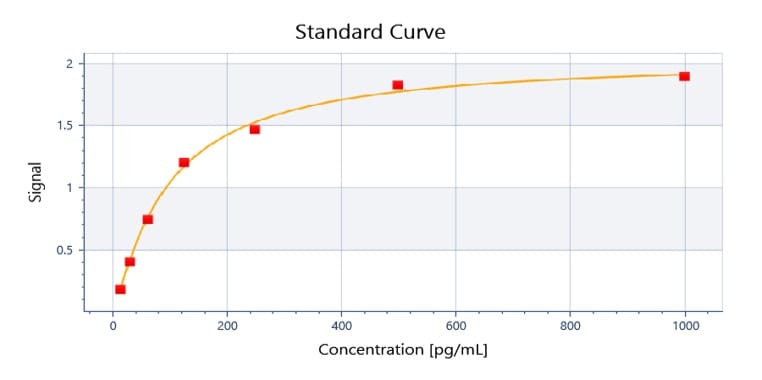
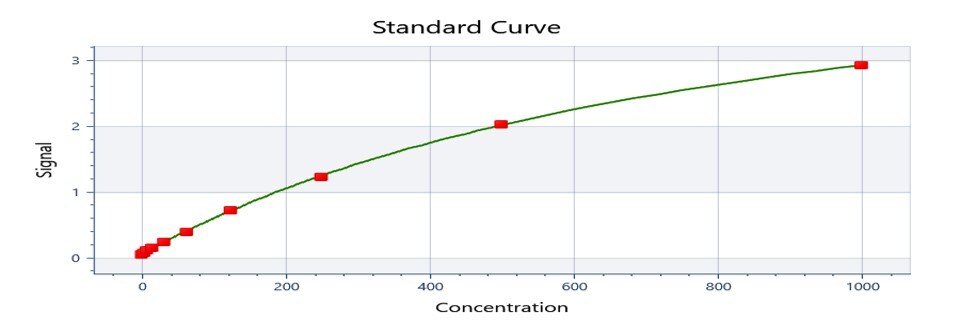
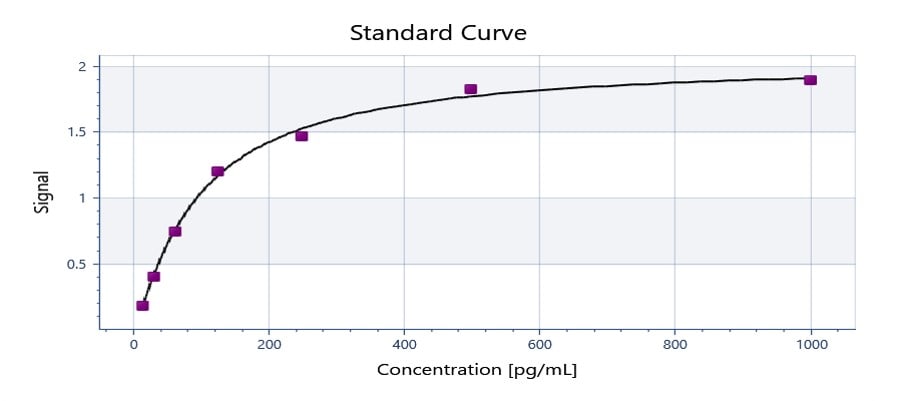
Mouse IL-1 beta / IL-1F2 ELISA Standard Curve

Mouse IL-1 beta / IL-1F2 ELISA Standard Curve

Detection of Mouse IL-1 beta/IL-1F2 by ELISA

Detection of Mouse IL-1 beta/IL-1F2 by ELISA

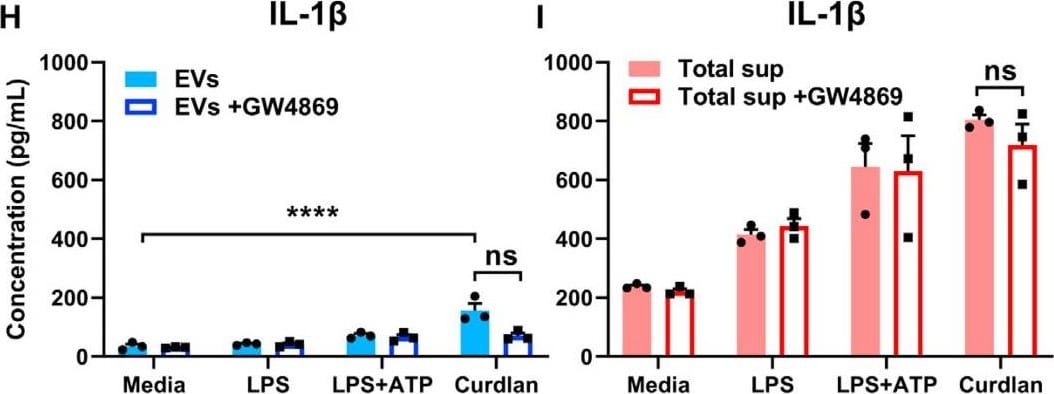
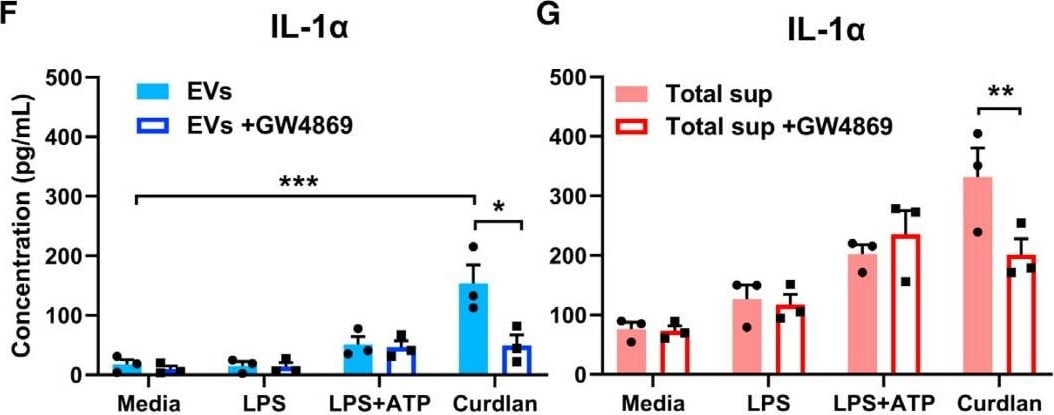
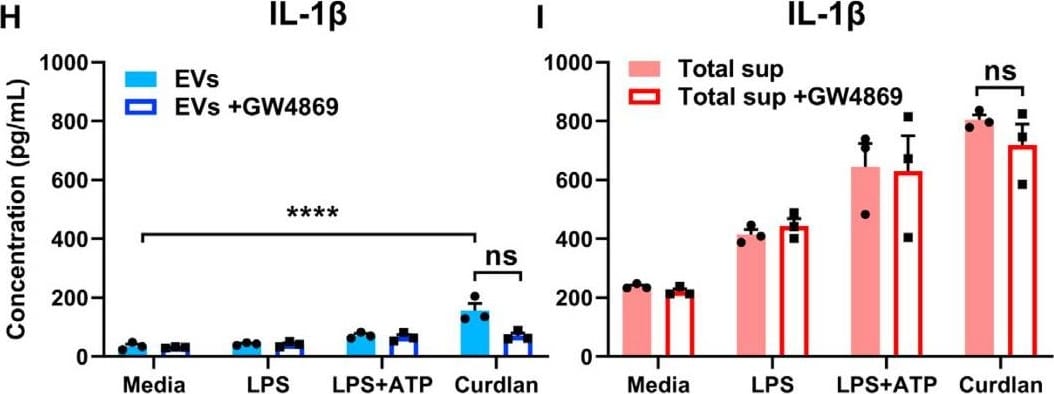
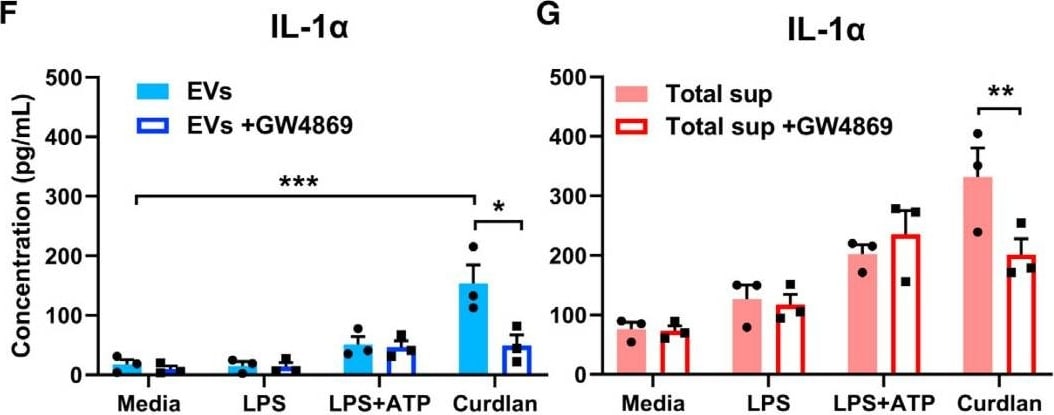
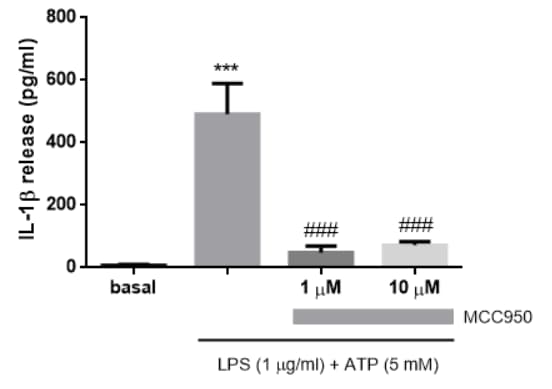
Exosomal release of IL-1 alpha by neutrophils(A) Representative confocal images of peritoneal neutrophils stimulated with LPS or curdlan for 6 h.(B) Quantification of IL-1 alpha and CD63 co-localization using ImageJ (each data point represents a single cell).(C) NTA of EV size distribution and concentration.(D–G) Neutrophils were stimulated in the presence of exosome inhibitor GW4869, and IL-1 alpha and IL-1 beta were quantified by ELISA in isolated EVs following lysis (D and F) and in total cell-free supernatants (E and G).(H) Inhibition of EV secretion shown by NTA.(I) Bioactive IL-1 signaling through IL-1R1 reporter cells was measured in isolated exosomes in the absence of detergent lysis (n = 4). Neutralizing antibodies (Abs) to IL-1 alpha, IL-1 beta, or both cytokines were included in the reporter assay, and bioactive cytokine concentration was calculated based on a standard curve using recombinant IL-1 alpha and IL-1 beta.Two-way ANOVA with Tukey’s multiple comparisons test. *p < 0.05, **p < 0.01, ***p < 0.001, ****p < 0.0001. Experiments in (A) and (B) were repeated three times; (C)–(G) are biological replicates from repeat experiments. Image collected and cropped by CiteAb from the following publication (https://pubmed.ncbi.nlm.nih.gov/34010648), licensed under a CC-BY license. Not internally tested by R&D Systems.
Detection of Mouse IL-1 beta/IL-1F2 by ELISA

Detection of Mouse IL-1 beta/IL-1F2 by ELISA

Exosomal release of IL-1 alpha by neutrophils(A) Representative confocal images of peritoneal neutrophils stimulated with LPS or curdlan for 6 h.(B) Quantification of IL-1 alpha and CD63 co-localization using ImageJ (each data point represents a single cell).(C) NTA of EV size distribution and concentration.(D–G) Neutrophils were stimulated in the presence of exosome inhibitor GW4869, and IL-1 alpha and IL-1 beta were quantified by ELISA in isolated EVs following lysis (D and F) and in total cell-free supernatants (E and G).(H) Inhibition of EV secretion shown by NTA.(I) Bioactive IL-1 signaling through IL-1R1 reporter cells was measured in isolated exosomes in the absence of detergent lysis (n = 4). Neutralizing antibodies (Abs) to IL-1 alpha, IL-1 beta, or both cytokines were included in the reporter assay, and bioactive cytokine concentration was calculated based on a standard curve using recombinant IL-1 alpha and IL-1 beta.Two-way ANOVA with Tukey’s multiple comparisons test. *p < 0.05, **p < 0.01, ***p < 0.001, ****p < 0.0001. Experiments in (A) and (B) were repeated three times; (C)–(G) are biological replicates from repeat experiments. Image collected and cropped by CiteAb from the following publication (https://pubmed.ncbi.nlm.nih.gov/34010648), licensed under a CC-BY license. Not internally tested by R&D Systems.
Detection of Mouse IL-1 beta/IL-1F2 by ELISA

Detection of Mouse IL-1 beta/IL-1F2 by ELISA

Exosomal release of IL-1 alpha by neutrophils(A) Representative confocal images of peritoneal neutrophils stimulated with LPS or curdlan for 6 h.(B) Quantification of IL-1 alpha and CD63 co-localization using ImageJ (each data point represents a single cell).(C) NTA of EV size distribution and concentration.(D–G) Neutrophils were stimulated in the presence of exosome inhibitor GW4869, and IL-1 alpha and IL-1 beta were quantified by ELISA in isolated EVs following lysis (D and F) and in total cell-free supernatants (E and G).(H) Inhibition of EV secretion shown by NTA.(I) Bioactive IL-1 signaling through IL-1R1 reporter cells was measured in isolated exosomes in the absence of detergent lysis (n = 4). Neutralizing antibodies (Abs) to IL-1 alpha, IL-1 beta, or both cytokines were included in the reporter assay, and bioactive cytokine concentration was calculated based on a standard curve using recombinant IL-1 alpha and IL-1 beta.Two-way ANOVA with Tukey’s multiple comparisons test. *p < 0.05, **p < 0.01, ***p < 0.001, ****p < 0.0001. Experiments in (A) and (B) were repeated three times; (C)–(G) are biological replicates from repeat experiments. Image collected and cropped by CiteAb from the following publication (https://pubmed.ncbi.nlm.nih.gov/34010648), licensed under a CC-BY license. Not internally tested by R&D Systems.
Detection of Mouse IL-1 beta/IL-1F2 by ELISA

Detection of Mouse IL-1 beta/IL-1F2 by ELISA

Exosomal release of IL-1 alpha by neutrophils(A) Representative confocal images of peritoneal neutrophils stimulated with LPS or curdlan for 6 h.(B) Quantification of IL-1 alpha and CD63 co-localization using ImageJ (each data point represents a single cell).(C) NTA of EV size distribution and concentration.(D–G) Neutrophils were stimulated in the presence of exosome inhibitor GW4869, and IL-1 alpha and IL-1 beta were quantified by ELISA in isolated EVs following lysis (D and F) and in total cell-free supernatants (E and G).(H) Inhibition of EV secretion shown by NTA.(I) Bioactive IL-1 signaling through IL-1R1 reporter cells was measured in isolated exosomes in the absence of detergent lysis (n = 4). Neutralizing antibodies (Abs) to IL-1 alpha, IL-1 beta, or both cytokines were included in the reporter assay, and bioactive cytokine concentration was calculated based on a standard curve using recombinant IL-1 alpha and IL-1 beta.Two-way ANOVA with Tukey’s multiple comparisons test. *p < 0.05, **p < 0.01, ***p < 0.001, ****p < 0.0001. Experiments in (A) and (B) were repeated three times; (C)–(G) are biological replicates from repeat experiments. Image collected and cropped by CiteAb from the following publication (https://pubmed.ncbi.nlm.nih.gov/34010648), licensed under a CC-BY license. Not internally tested by R&D Systems.

Kit Contents for Mouse IL-1 beta/IL-1F2 DuoSet ELISA

  • Capture Antibody
  • Detection Antibody
  • Recombinant Standard
  • Streptavidin conjugated to horseradish-peroxidase (Streptavidin-HRP)

Other Reagents Required

DuoSet Ancillary Reagent Kit 2 (5 plates): (Catalog # DY008) containing 96 well microplates, plate sealers, substrate solution, stop solution, plate coating buffer (PBS), wash buffer, and Reagent Diluent Concentrate 2.

The components listed above may be purchased separately:

PBS: (Catalog # DY006), or 137 mM NaCl, 2.7 mM KCl, 8.1 mM Na2HPO4, 1.5 mM KH2PO4, pH 7.2 - 7.4, 0.2 µm filtered

Wash Buffer: (Catalog # WA126), or 0.05% Tween® 20 in PBS, pH 7.2-7.4

Reagent Diluent: (Catalog # DY995), or 1% BSA in PBS, pH 7.2-7.4, 0.2 µm filtered

Substrate Solution: 1:1 mixture of Color Reagent A (H2O2) and Color Reagent B (Tetramethylbenzidine) (Catalog # DY999)

Stop Solution: 2 N H2SO4 (Catalog # DY994)

Microplates: R&D Systems (Catalog # DY990)

Plate Sealers: ELISA Plate Sealers (Catalog # DY992)

Preparation and Storage

Shipping

The product is shipped at ambient temperature. Upon receipt, store it immediately at the temperature recommended below.

Stability & Storage

Store the unopened product at 2 - 8 °C. Do not use past expiration date.

Background: IL-1 beta/IL-1F2

The Interleukin 1 (IL-1) family of proteins consists of IL-1 alpha, IL-1 beta, and the IL-1 receptor antagonist (IL-1ra). IL-1 alpha and IL-1 beta bind to the same cell surface receptors and share biological functions (1). IL-1 is not produced by unstimulated cells of healthy individuals with the exception of skin keratinocytes, some epithelial cells, and certain cells of the central nervous system. However, in response to inflammatory agents, infections, or microbial endotoxins, a dramatic increase in the production of IL-1 by macrophages and various other cell types is seen. IL-1 beta plays a central role in immune and inflammatory responses, bone remodeling, fever, carbohydrate metabolism, and GH/IGF-I physiology. Inappropriate or prolonged production of IL-1 has been implicated in a variety of pathological conditions including sepsis, rheumatoid arthritis, inflammatory bowel disease, acute and chronic myelogenous leukemia, insulindependent diabetes mellitus, atherosclerosis, neuronal injury, and aging-related diseases (2-5). 
 IL-1 alpha and IL-1 beta are structurally related polypeptides that show approximately 25% homology at the amino acid (aa) level. Both are synthesized as 31 kDa precursors that are subsequently cleaved into mature proteins of approximately 17.5 kDa (6, 7). Cleavage of the IL-1 beta precursor by Caspase-1/ICE is a key step in the inflammatory response (2, 8). Neither IL-1 alpha nor IL-1 beta contains a typical hydrophobic signal peptide (9-11), but evidence suggests that these factors can be secreted by non-classical pathways (12, 13). A portion of unprocessed IL-1 alpha can be presented on the cell membrane and may retain biological activity (14). The precursor form of IL-1 beta, unlike the IL-1 alpha precursor, shows little or no biological activity in comparison to the processed form (13, 15). Both unprocessed and mature forms of IL-1 beta are exported from the cell. 
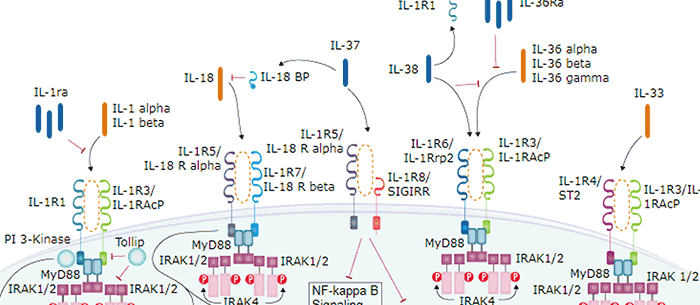
 IL-1 alpha and IL-1 beta exert their effects through immunoglobulin superfamily receptors that additionally bind IL-1ra. The 80 kDa transmembrane type I receptor (IL-1 RI) is expressed on T cells, fibroblasts, keratinocytes, endothelial cells, synovial lining cells, chondrocytes, and hepatocytes (16, 17). The 68 kDa transmembrane type II receptor (IL-1 RII) is expressed on B cells, neutrophils, and bone marrow cells (18). The two IL-1 receptor types show approximately 28% homology in their extracellular domains but differ significantly in that the type II receptor has a cytoplasmic domain of only 29 aa, whereas the type I receptor has a 213 aa cytoplasmic domain. IL-1 RII does not appear to signal in response to IL-1 and may function as a decoy receptor that attenuates IL-1 function (19). The IL-1 receptor accessory protein (IL-1 RAcP) associates with IL-1 RI and is required for IL-1 RI signal transduction (20). IL-1ra is a secreted molecule that functions as a competitive inhibitor of IL-1 (21, 22). Soluble forms of both IL-1 RI and IL-1 RII have been detected in human plasma, synovial fluids, and the conditioned media of several human cell lines (23, 24). In addition, IL-1 binding proteins that resemble soluble IL-1 RII are encoded by vaccinia and cowpox viruses (25).

Long Name

Interleukin 1 beta

Alternate Names

IL-1b, IL-1F2, IL1 beta, IL1B

Entrez Gene IDs

3553 (Human); 16176 (Mouse); 24494 (Rat); 397122 (Porcine); 403974 (Canine); 100034237 (Equine); 100135556 (Guinea Pig)

Gene Symbol

IL1B

Additional IL-1 beta/IL-1F2 Products

Product Documents for Mouse IL-1 beta/IL-1F2 DuoSet ELISA

Certificate of Analysis

To download a Certificate of Analysis, please enter a lot or batch number in the search box below.

Note: Certificate of Analysis not available for kit components.

Product Specific Notices for Mouse IL-1 beta/IL-1F2 DuoSet ELISA

For research use only

Citations for Mouse IL-1 beta/IL-1F2 DuoSet ELISA

Customer Reviews for Mouse IL-1 beta/IL-1F2 DuoSet ELISA (37)

4.7 out of 5
37 Customer Ratings
5 Stars
68%
4 Stars
32%
3 Stars
0%
2 Stars
0%
1 Stars
0%

Have you used Mouse IL-1 beta/IL-1F2 DuoSet ELISA?

Submit a review and receive an Amazon gift card!

$25/€18/£15/$25CAN/¥2500 Yen for a review with an image

$10/€7/£6/$10CAN/¥1110 Yen for a review without an image

Submit a review
Amazon Gift Card

Customer Images


Showing  1 - 5 of 37 reviews Showing All
Filter By:
  • Good product !
    Name: Anonymous
    Sample Tested: Mouse brain tissue
    Species: Mouse and Mouse
    Verified Customer | Posted 11/21/2025
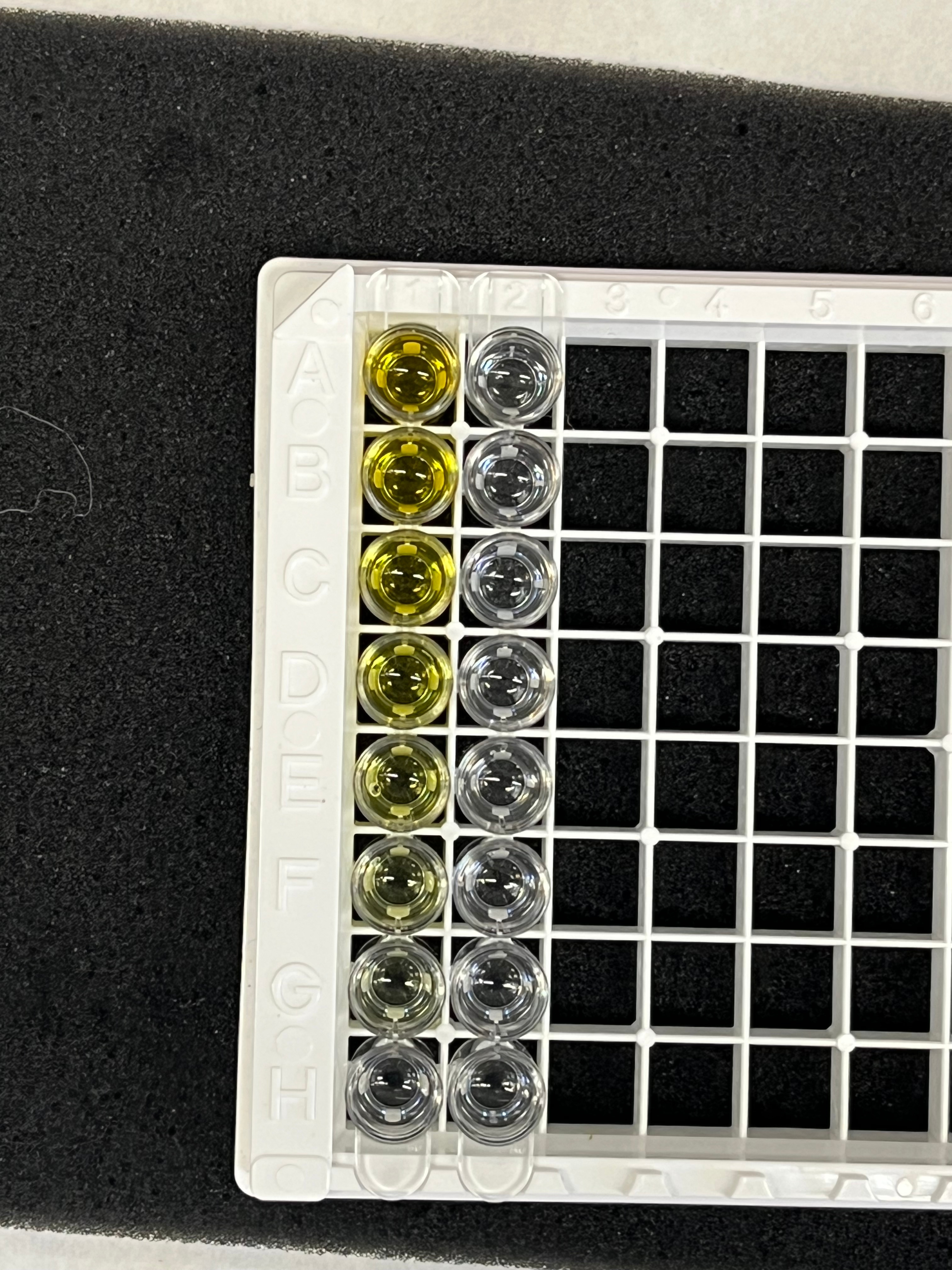
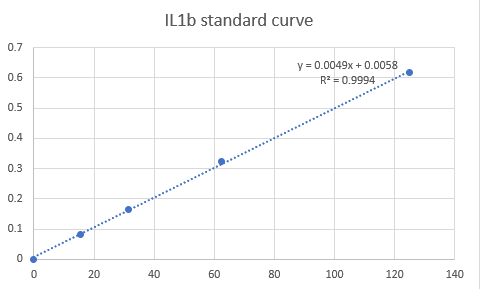
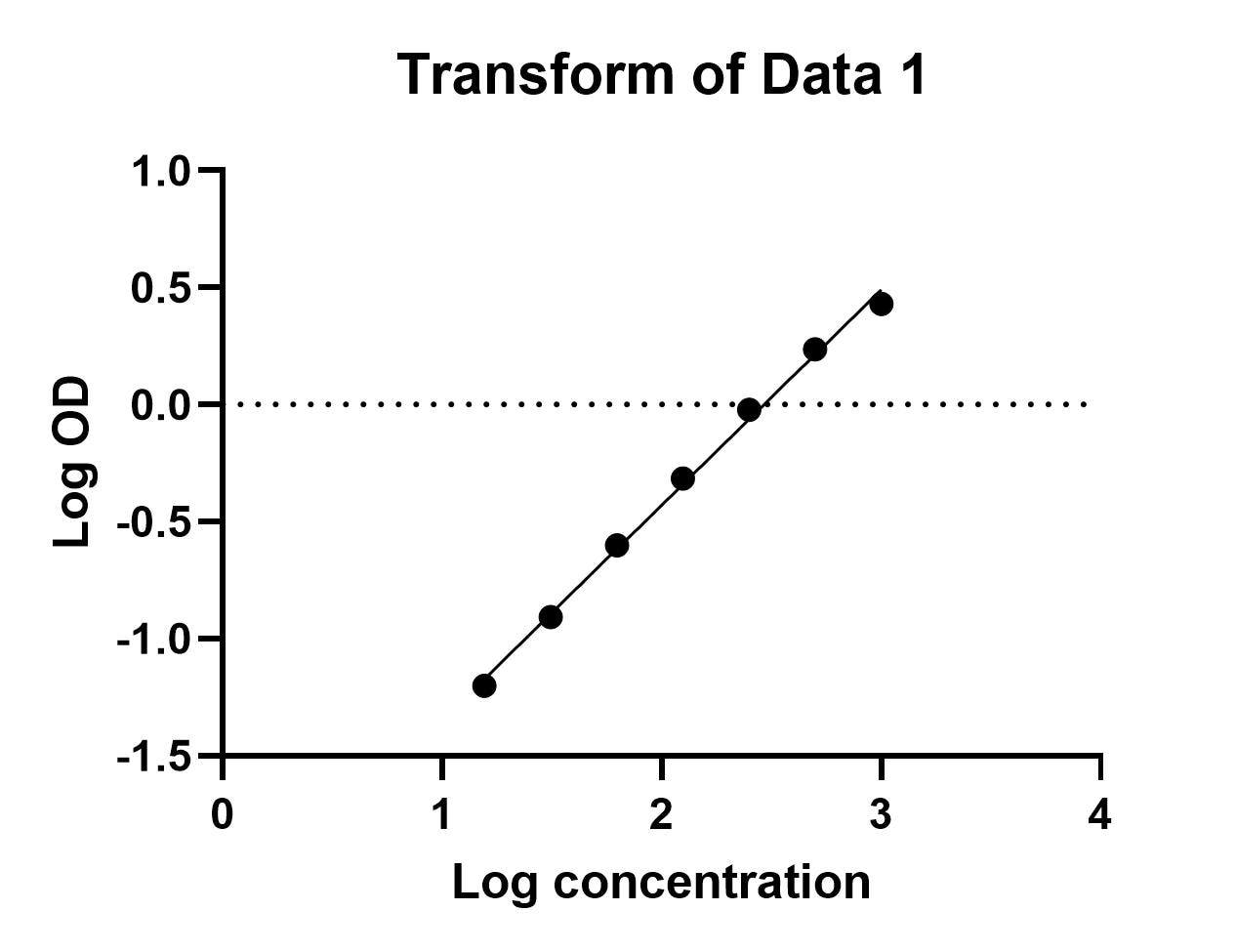
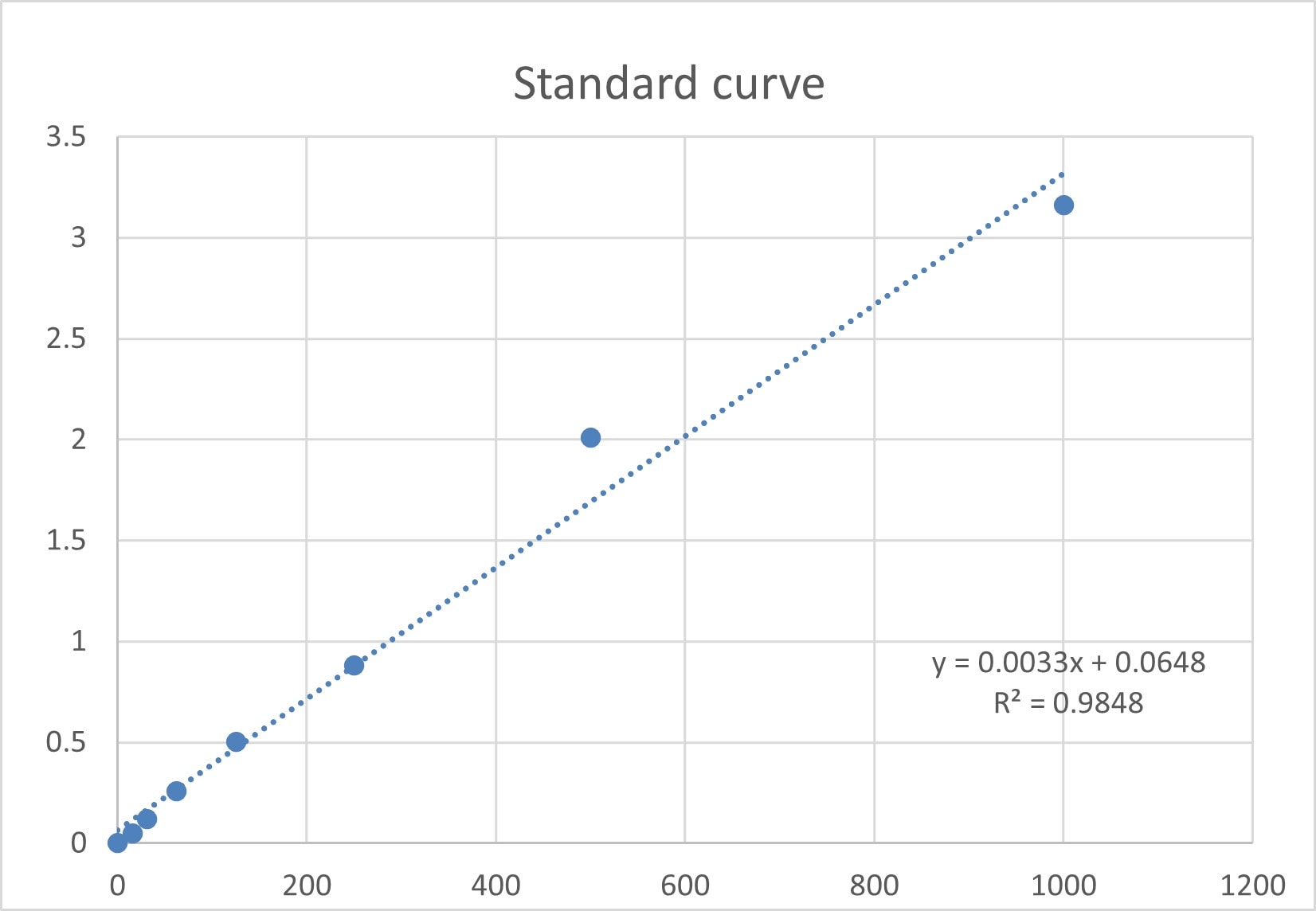
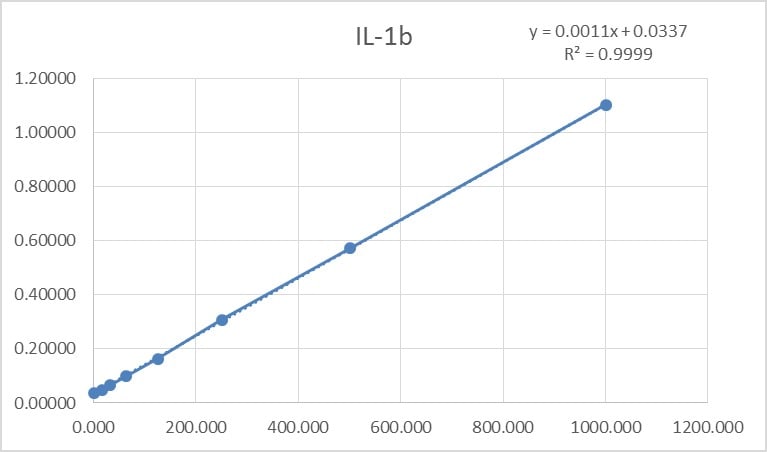
    IL1b standard curve for low concentrations.
    I performed an ELISA on mouse brain tissue following the supplier's protocol. We obtain a nice reference curve and very nice results.
    Mouse IL-1 beta/IL-1F2 DuoSet ELISA DY401
  • Mouse IL-1 beta/IL-1F2 DuoSet ELISA
    Name: Anonymous
    Sample Tested: 3T3-L1 mouse embryonic fibroblast adipose-like cell line
    Verified Customer | Posted 11/26/2024
  • Mouse IL-1 beta/IL-1F2 DuoSet ELISA
    Name: Anonymous
    Sample Tested: Hepa 1-6 mouse hepatoma cell line
    Verified Customer | Posted 11/26/2024
  • Mouse IL-1 beta/IL-1F2 DuoSet ELISA
    Name: Anonymous
    Sample Tested: primary mouse fibroblast
    Verified Customer | Posted 10/05/2023
    Mouse IL-1 beta/IL-1F2 DuoSet ELISA DY401
  • Mouse IL-1 beta/IL-1F2 DuoSet ELISA
    Name: Anonymous
    Sample Tested: Mouse splenocytes and Mouse spleenocytes
    Verified Customer | Posted 06/23/2023
    Mouse IL-1 beta/IL-1F2 DuoSet ELISA DY401
  • Mouse IL-1 beta/IL-1F2 DuoSet ELISA
    Name: Anonymous
    Sample Tested: Serum and Colon tissue
    Verified Customer | Posted 05/19/2023
    Mouse IL-1 beta/IL-1F2 DuoSet ELISA DY401
  • Mouse IL-1 beta/IL-1F2 DuoSet ELISA
    Name: Samadhan Kshirsagar
    Sample Tested: Serum
    Verified Customer | Posted 05/04/2023
    Mouse IL-1 beta/IL-1F2 DuoSet ELISA DY401
  • Mouse IL-1 beta/IL-1F2 DuoSet ELISA
    Name: Anonymous
    Sample Tested: Mouse spleenocytes
    Verified Customer | Posted 02/07/2023
  • Mouse IL-1 beta/IL-1F2 DuoSet ELISA
    Name: Anonymous
    Sample Tested: PMBC
    Verified Customer | Posted 09/09/2022
    Mouse IL-1 beta/IL-1F2 DuoSet ELISA DY401
  • Mouse IL-1 beta/IL-1F2 DuoSet ELISA
    Name: Anonymous
    Sample Tested: BAL fluid
    Verified Customer | Posted 07/15/2022
    Mouse IL-1 beta/IL-1F2 DuoSet ELISA DY401
  • Mouse IL-1 beta/IL-1F2 DuoSet ELISA
    Name: Anonymous
    Sample Tested: whole blood supernatant
    Verified Customer | Posted 05/24/2022
    Mouse IL-1 beta/IL-1F2 DuoSet ELISA DY401
  • Mouse IL-1 beta/IL-1F2 DuoSet ELISA
    Name: Anonymous
    Sample Tested: J774A.1 mouse reticulum cell sarcoma macrophage cell line
    Verified Customer | Posted 03/03/2022
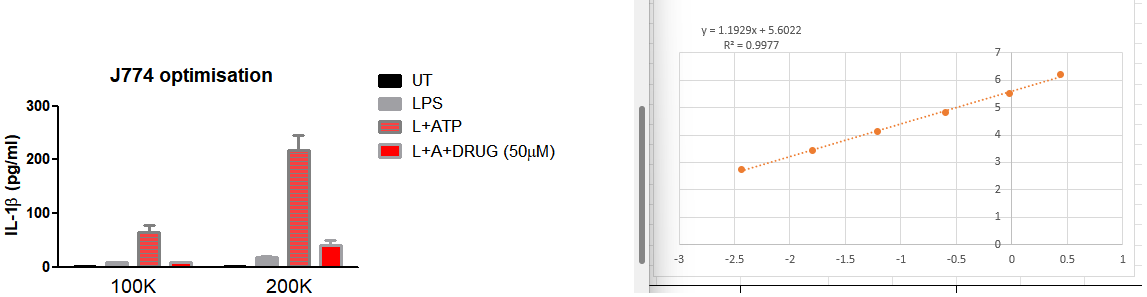
    Optimisation of cytokine response and cell numbers
    Mouse IL-1 beta/IL-1F2 DuoSet ELISA DY401
  • Mouse IL-1 beta/IL-1F2 DuoSet ELISA
    Name: Anonymous
    Sample Tested: Cell Lysates
    Verified Customer | Posted 03/01/2022
    Mouse IL-1 beta/IL-1F2 DuoSet ELISA DY401
  • Mouse IL-1 beta/IL-1F2 DuoSet ELISA
    Name: Anonymous
    Sample Tested: Cell Culture Supernates, BMDM supernates and J774A.1 mouse reticulum cell sarcoma macrophage cell line
    Verified Customer | Posted 02/28/2022
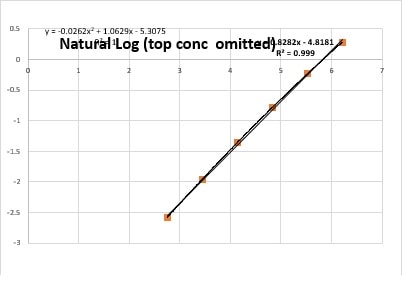
    Except for the highest standard all other standards worked well
    Mouse IL-1 beta/IL-1F2 DuoSet ELISA DY401
  • Mouse IL-1 beta/IL-1F2 DuoSet ELISA
    Name: Anonymous
    Sample Tested: serum and cell supernatant
    Verified Customer | Posted 12/13/2021
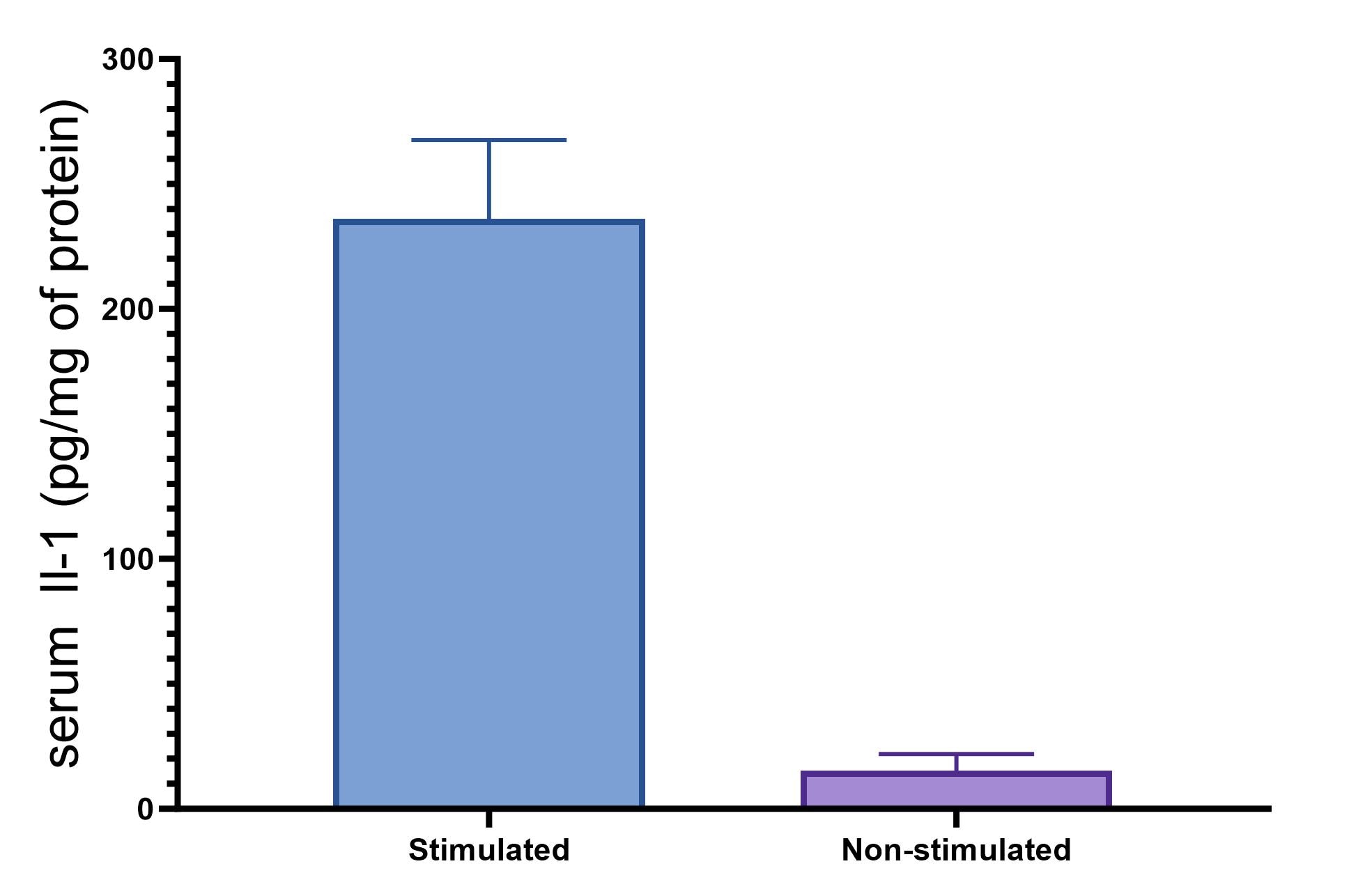
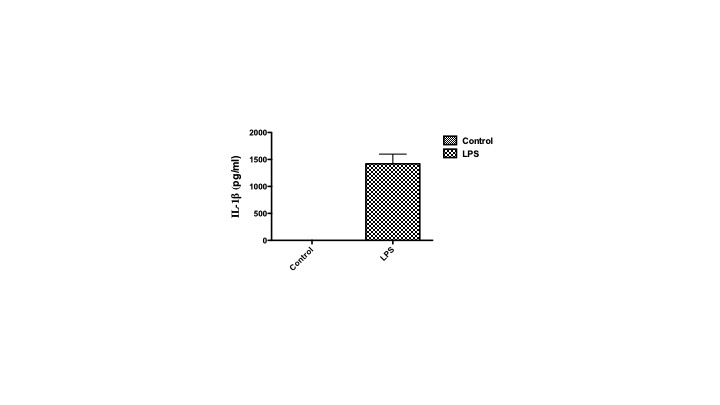
    we have used this kit for LPS stimulated in vivo and in vitro experiments. It works very well and efficiently.
    Mouse IL-1 beta/IL-1F2 DuoSet ELISA DY401
  • Mouse IL-1 beta/IL-1F2 DuoSet ELISA
    Name: Anonymous
    Sample Tested: Tissue Lysates
    Verified Customer | Posted 12/06/2021
  • Mouse IL-1 beta/IL-1F2 DuoSet ELISA
    Name: Martin Torres
    Sample Tested: Mice serum
    Verified Customer | Posted 09/23/2021
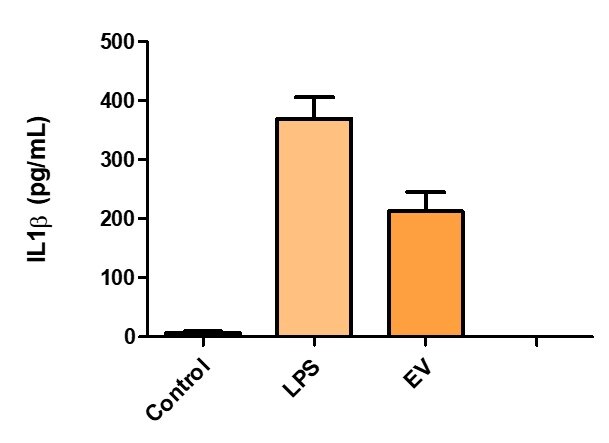
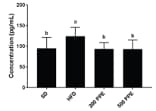
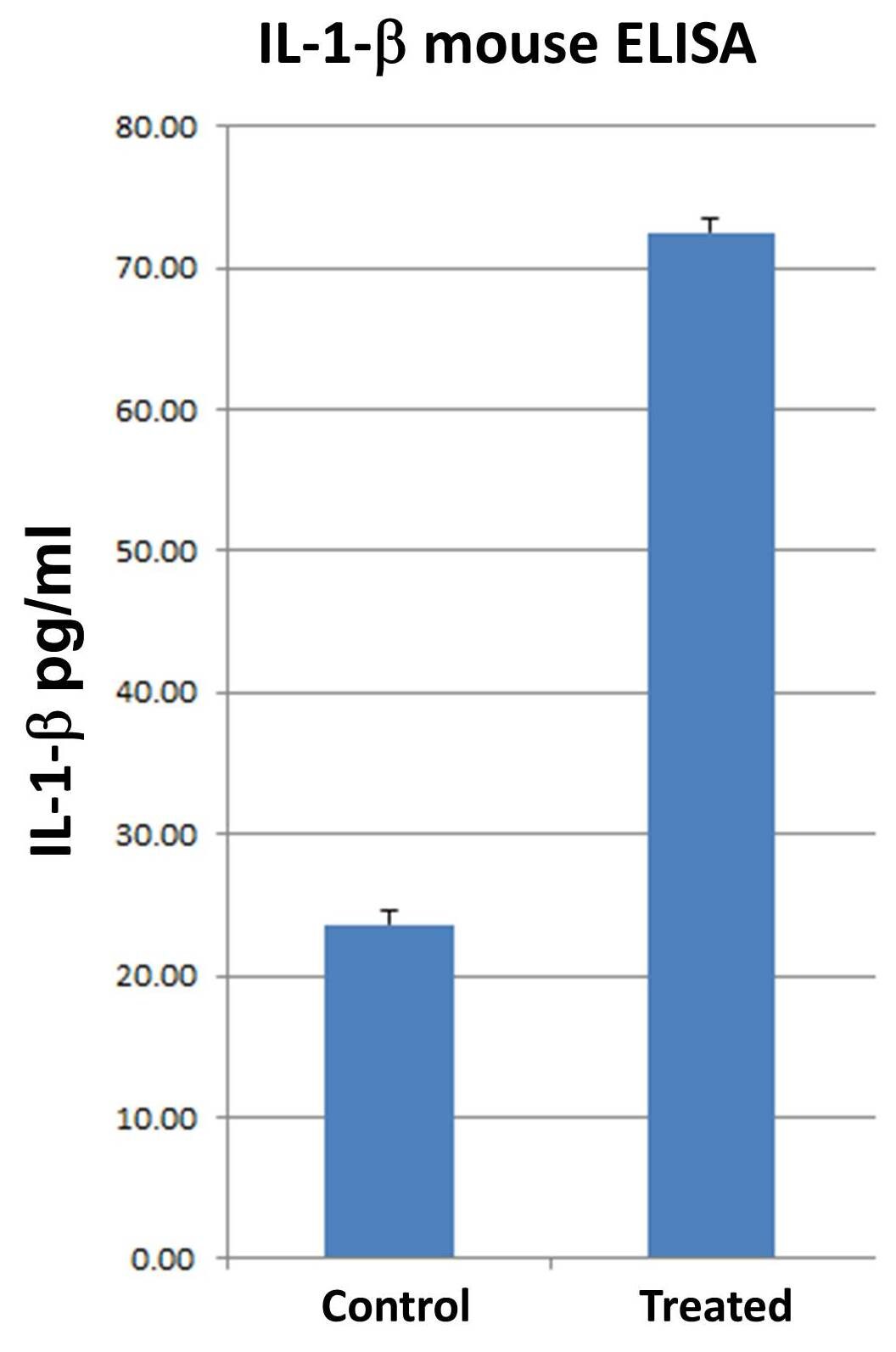
    Mouse IL-1b ELISA kit was used to assess IL-1b levels in serum after 12-weeks treatment of adult C57BL7/6J mice with a high-fat diet treatment. Results were accurate and showed low intra-experimental variation (less than 6 %). The picture shows the standard diet (SD), high-fat diet (HFD), and two concentrations of corn pericarp extract (200 and 500 parts per million of extract).
    Mouse IL-1 beta/IL-1F2 DuoSet ELISA DY401
  • Mouse IL-1 beta/IL-1F2 DuoSet ELISA
    Name: Anonymous
    Sample Tested: Human cell conditioned medium
    Verified Customer | Posted 12/11/2020
    Mouse IL-1 beta/IL-1F2 DuoSet ELISA DY401
  • Mouse IL-1 beta/IL-1F2 DuoSet ELISA
    Name: Mustafa Girnary
    Sample Tested: THP-1 human acute monocytic leukemia cell line
    Verified Customer | Posted 10/20/2020
  • Mouse IL-1 beta/IL-1F2 DuoSet ELISA
    Name: Anonymous
    Sample Tested: RAW 264.7 mouse monocyte/macrophage cell line and Cell culture supernatant
    Verified Customer | Posted 11/10/2019
    Mouse IL-1 beta/IL-1F2 DuoSet ELISA DY401
  • Mouse IL-1 beta/IL-1F2 DuoSet ELISA
    Name: Anonymous
    Sample Tested: mouse macrophages
    Verified Customer | Posted 09/11/2019
  • Mouse IL-1 beta/IL-1F2 DuoSet ELISA
    Name: Wen Li
    Sample Tested: Bone marrow-derived dendritic cells
    Verified Customer | Posted 08/06/2019
    Mouse IL-1 beta/IL-1F2 DuoSet ELISA DY401
  • Mouse IL-1 beta/IL-1F2 DuoSet ELISA
    Name: Anonymous
    Sample Tested: Adult lung
    Verified Customer | Posted 05/20/2019
    Mouse IL-1 beta/IL-1F2 DuoSet ELISA DY401
  • Mouse IL-1 beta/IL-1F2 DuoSet ELISA
    Name: Ivan Luzardo
    Sample Tested: Serum and Plasma
    Verified Customer | Posted 12/11/2018
  • Mouse IL-1 beta/IL-1F2 DuoSet ELISA
    Name: Alejandra Palomino Antolín
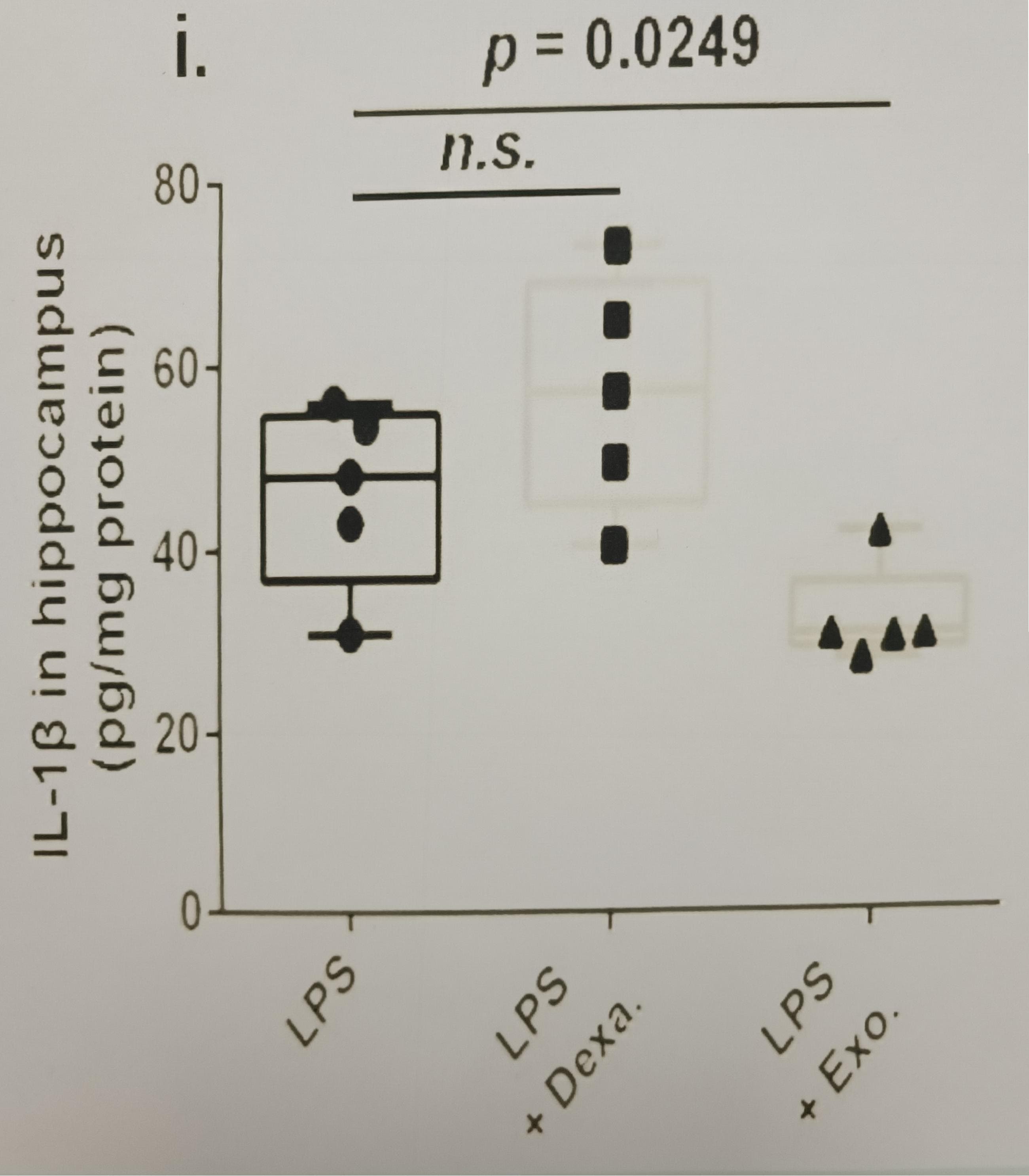
    Sample Tested: Brain (glial cell in hippocampus)
    Verified Customer | Posted 07/27/2018
    Mouse IL-1 beta/IL-1F2 DuoSet ELISA DY401
  • Mouse IL-1 beta/IL-1F2 DuoSet ELISA
    Name: Anonymous
    Sample Tested: J774A.1 mouse reticulum cell sarcoma macrophage cell line
    Verified Customer | Posted 07/17/2018
    Mouse IL-1 beta/IL-1F2 DuoSet ELISA DY401
  • Mouse IL-1 beta/IL-1F2 DuoSet ELISA
    Name: Anonymous
    Sample Tested: Cell culture supernatant
    Verified Customer | Posted 07/13/2018
    Mouse IL-1 beta/IL-1F2 DuoSet ELISA DY401
  • Mouse IL-1 beta/IL-1F2 DuoSet ELISA
    Name: Ella Zeldich
    Sample Tested: mouse primary microglia cells
    Verified Customer | Posted 11/22/2017
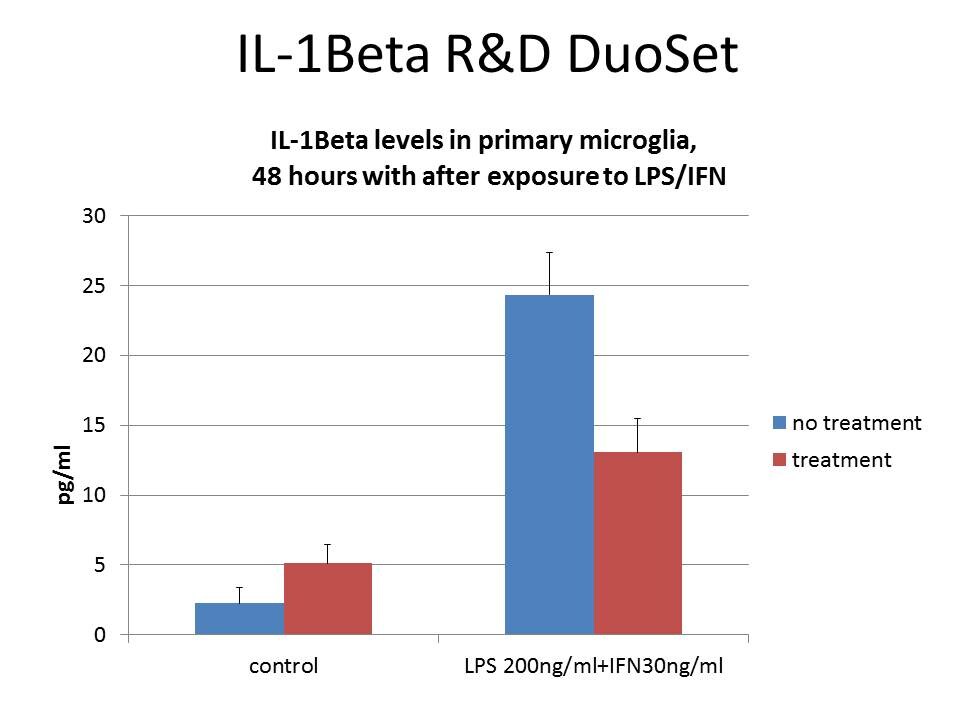
    We needed to calibrate the dilutions of our samples.
    Mouse IL-1 beta/IL-1F2 DuoSet ELISA DY401
  • Mouse IL-1 beta/IL-1F2 DuoSet ELISA
    Name: Anonymous
    Sample Tested: Peritoneal resident macrophages
    Verified Customer | Posted 09/27/2017
  • Mouse IL-1 beta/IL-1F2 DuoSet ELISA
    Name: Anonymous
    Sample Tested: Brain tissue
    Verified Customer | Posted 07/21/2017
    Mouse IL-1 beta/IL-1F2 DuoSet ELISA DY401
  • Mouse IL-1 beta/IL-1F2 DuoSet ELISA
    Name: Anonymous
    Sample Tested: Plasma
    Verified Customer | Posted 05/24/2017
  • Mouse IL-1 beta/IL-1F2 DuoSet ELISA
    Name: Anonymous
    Sample Tested: Whole blood
    Verified Customer | Posted 05/22/2017
    Mouse IL-1 beta/IL-1F2 DuoSet ELISA DY401
  • Mouse IL-1 beta/IL-1F2 DuoSet ELISA
    Name: Anonymous
    Sample Tested: Lung tissue
    Verified Customer | Posted 04/19/2017
  • Mouse IL-1 beta/IL-1F2 DuoSet ELISA
    Name: Anonymous
    Sample Tested: Mouse plasma samples
    Verified Customer | Posted 07/05/2016
    Mouse IL-1 beta/IL-1F2 DuoSet ELISA DY401
  • Mouse IL-1 beta/IL-1F2 DuoSet ELISA
    Name: Ariela Haimovich
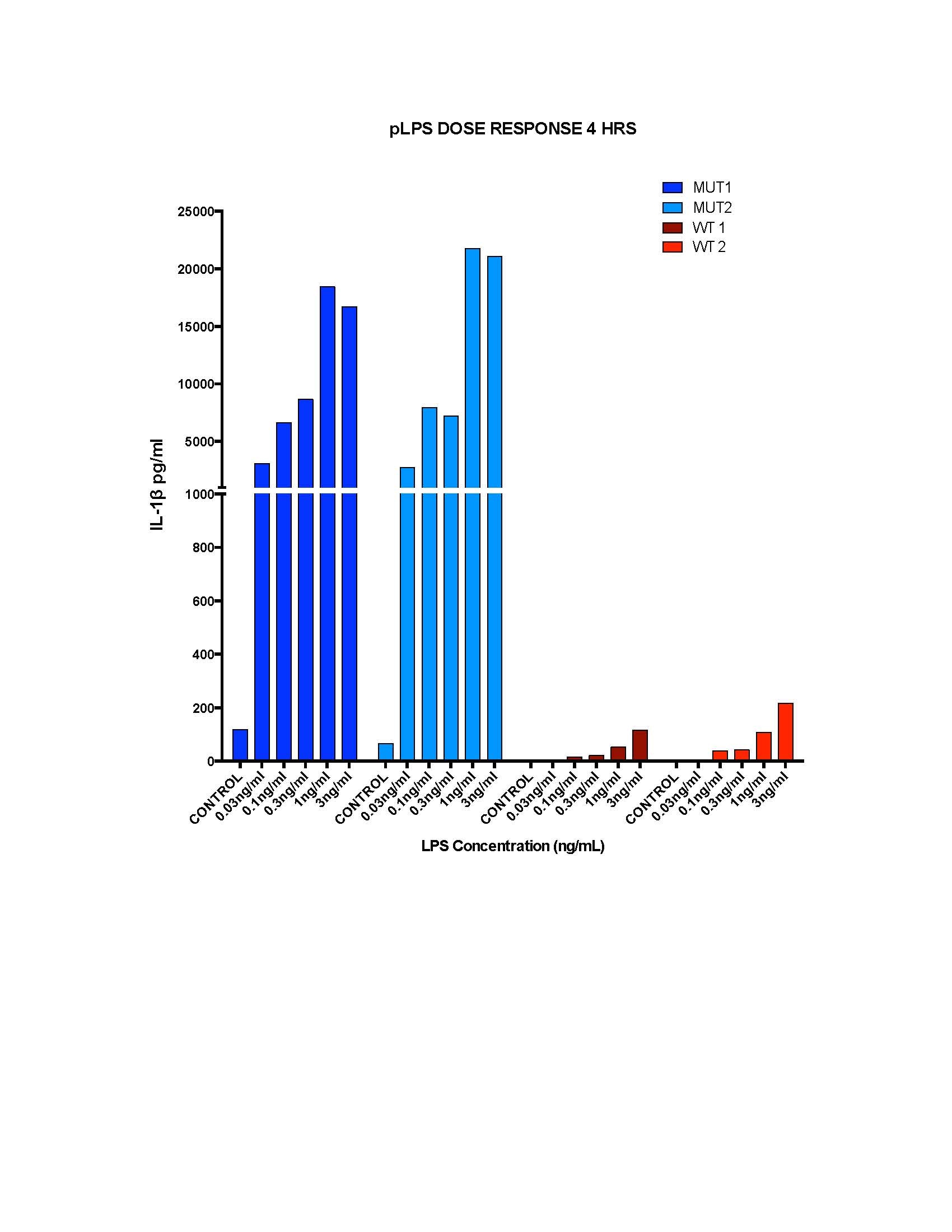
    Sample Tested: BMDC cells stimulated with LPS for 4 hrs and Bone marrow-derived dendritic cells
    Verified Customer | Posted 05/24/2016
    Mouse IL-1 beta/IL-1F2 DuoSet ELISA DY401
  • Mouse IL-1 beta/IL-1F2 DuoSet ELISA, 15 Plate
    Name: Jacqueline Kimmey
    Sample Tested: murine lung homogenate supernatant
    Verified Customer | Posted 04/05/2016
    lungs were homogenized in PBS-T, and sup was filtered through 0.22um filter before use. Homogenate was diluted 1:3 for analysis by ELISA.
    Mouse IL-1 beta/IL-1F2 DuoSet ELISA DY401
  • Mouse IL-1 beta/IL-1F2 DuoSet ELISA, 15 Plate
    Name: Anonymous
    Sample Tested: Purified mouse IL-1beta protein
    Verified Customer | Posted 10/26/2015
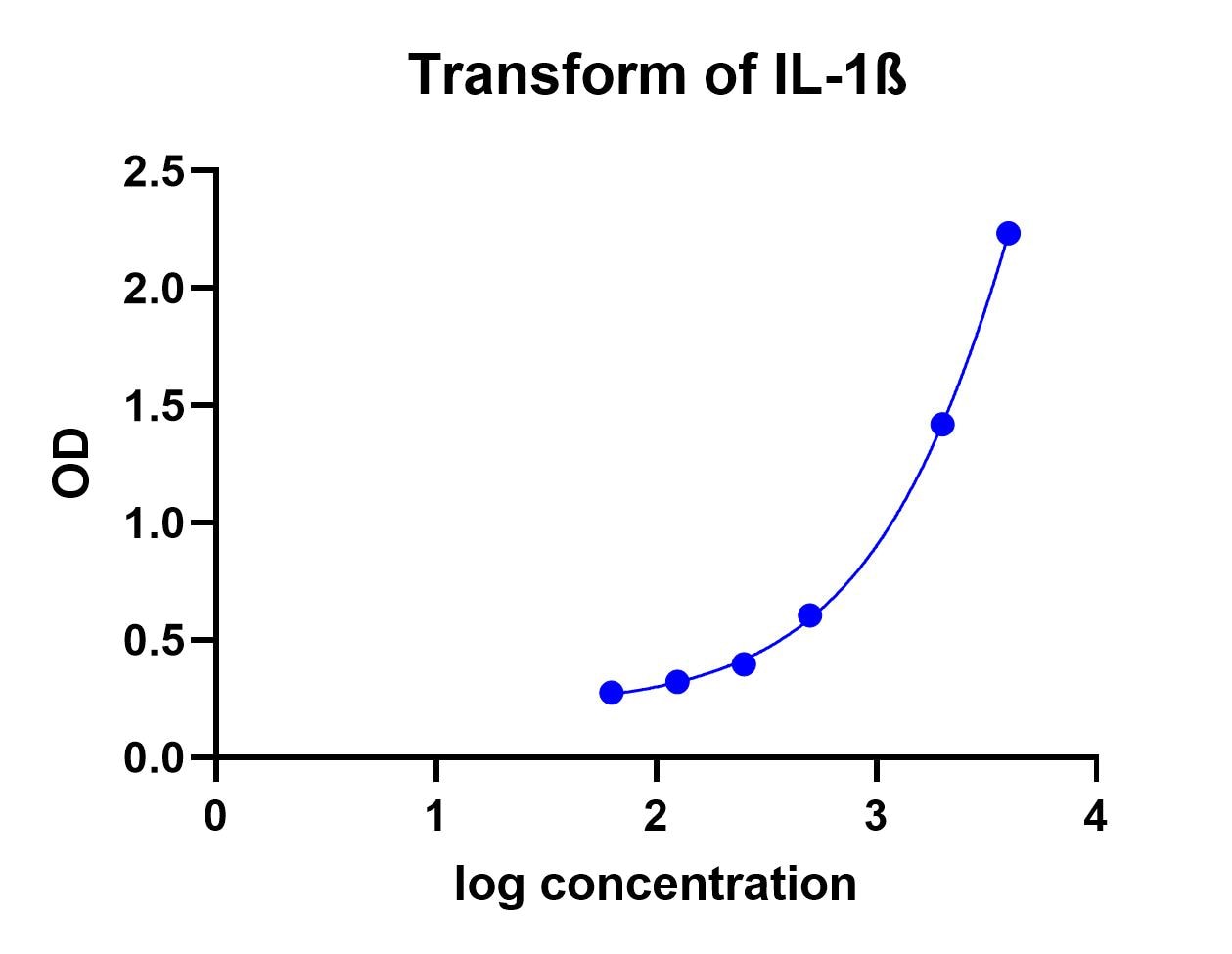
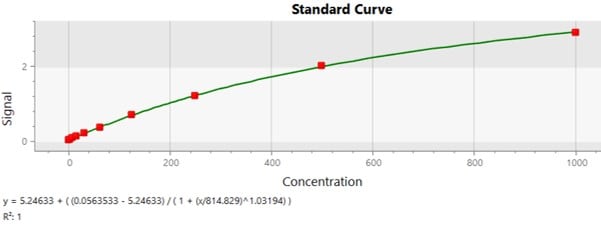
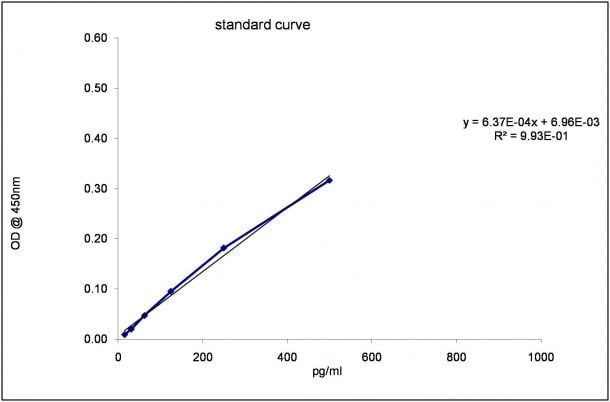
    50ul of murine IL-1beta Capture antibody (4ug/mL) was coated per well of a 96 well plate at 4 degrees overnight. Purified IL-1beta standard was diluted (7 fold) and assayed to ensure the quality of the ELISA. Mouse IL-1beta Detector antibody was added (2h @ RT) followed by a 20 min incubation with Streptavidin-HRP. Substrate solution was added to measure IL-1beta concentration according to the manufactures protocol. The standard curve looked great as can be seen by calculation of the R- squared value. Highly recommend doing ELISA's using kits from R&D. <br />Buffer: 7-point standard curve
    Mouse IL-1 beta/IL-1F2 DuoSet ELISA DY401

There are no reviews that match your criteria.

Showing  1 - 5 of 37 reviews Showing All

Protocols

View specific protocols for Mouse IL-1 beta/IL-1F2 DuoSet ELISA (DY401):

GENERAL ELISA PROTOCOL

Plate Preparation

  1. Dilute the Capture Antibody to the working concentration in PBS without carrier protein. Immediately coat a 96-well microplate with 100 μL per well of the diluted Capture Antibody. Seal the plate and incubate overnight at room temperature.
  2. Aspirate each well and wash with Wash Buffer, repeating the process two times for a total of three washes. Wash by filling each well with Wash Buffer (400 μL) using a squirt bottle, manifold dispenser, or autowasher. Complete removal of liquid at each step is essential for good performance. After the last wash, remove any remaining Wash Buffer by aspirating or by inverting the plate and blotting it against clean paper towels.
  3. Block plates by adding 300 μL of Reagent Diluent to each well. Incubate at room temperature for a minimum of 1 hour.
  4. Repeat the aspiration/wash as in step 2. The plates are now ready for sample addition.

Assay Procedure

  1. Add 100 μL of sample or standards in Reagent Diluent, or an appropriate diluent, per well. Cover with an adhesive strip and incubate 2 hours at room temperature.
  2. Repeat the aspiration/wash as in step 2 of Plate Preparation.
  3. Add 100 μL of the Detection Antibody, diluted in Reagent Diluent, to each well. Cover with a new adhesive strip and incubate 2 hours at room temperature.
  4. Repeat the aspiration/wash as in step 2 of Plate Preparation.
  5. Add 100 μL of the working dilution of Streptavidin-HRP to each well. Cover the plate and incubate for 20 minutes at room temperature. Avoid placing the plate in direct light.
  6. Repeat the aspiration/wash as in step 2.
  7. Add 100 μL of Substrate Solution to each well. Incubate for 20 minutes at room temperature. Avoid placing the plate in direct light.
  8. Add 50 μL of Stop Solution to each well. Gently tap the plate to ensure thorough mixing.
  9. Determine the optical density of each well immediately, using a microplate reader set to 450 nm. If wavelength correction is available, set to 540 nm or 570 nm. If wavelength correction is not available, subtract readings at 540 nm or 570 nm from the readings at 450 nm. This subtraction will correct for optical imperfections in the plate. Readings made directly at 450 nm without correction may be higher and less accurate.

Find general support by application which include: protocols, troubleshooting, illustrated assays, videos and webinars.

FAQs for Mouse IL-1 beta/IL-1F2 DuoSet ELISA

Showing  1 - 1 of 1 FAQ Showing All
  • Q: Does the Mouse IL-1 beta/IL-1F2 DuoSet ELISA (Catalog DY401) crosss-react with the pro-form of Mouse IL-1 beta?

    A: The Mouse IL-1 beta/IL-1F2 DuoSet ELISA is designed to detect mature mouse IL-1 beta and the assay is calibrated against the mature form of mouse IL-1 beta. It is possible that the kit also detects the pro-form, however, R&D Systems has not performed this characterization.

Showing  1 - 1 of 1 FAQ Showing All
View all FAQs for ELISA Kits