Best Seller

Mouse Proprotein Convertase 9/PCSK9 Quantikine ELISA Kit

R&D Systems | Catalog # MPC900

R&D Systems
Loading...

Key Product Details

Assay Length

4.5 hours

Sample Type & Volume Required Per Well

Cell Culture Supernates (50 µL), Cell Lysates (10 µL), Serum (10 µL), EDTA Plasma (10 µL), Heparin Plasma (10 µL)

Sensitivity

21.9 pg/mL

Assay Range

62.5-4000 pg/mL (Cell Culture Supernates, Cell Lysates, Serum, EDTA Plasma, Heparin Plasma)
Loading...

Product Summary for Mouse Proprotein Convertase 9/PCSK9 Quantikine ELISA Kit

The Quantikine Mouse PCSK9 Immunoassay is a 4.5 hour solid-phase ELISA designed to measure mouse PCSK9 in cell culture supernates, cell lysates, serum, and plasma. It contains NS0-expressed recombinant mouse PCSK9 and antibodies raised against the recombinant factor. This immunoassay has been shown to accurately quantitate the recombinant factor. Results obtained using natural mouse PCSK9 showed linear curves that were parallel to the standard curves obtained using the Quantikine kit standards. These results indicate that this kit can be used to determine relative mass values for naturally occurring mouse PCSK9.

Product Specifications

Assay Type

Solid Phase Sandwich ELISA

Format

96-well strip plate

Measurement

Quantitative ELISA

Detection Method

Colorimetric - 450nm (TMB)

Conjugate

HRP

Species

Mouse

Specificity

Natural and recombinant mouse PCSK9. This kit detects 60 kDa, 53 kDa, and LDLR-complexed recombinant mouse PCSK9.

Cross-reactivity

< 0.5% cross-reactivity observed with available related molecules. < 50% cross-species reactivity observed with species tested.

Interference

No significant interference observed with available related molecules.

Sample Values

Sample TypeMean (ng/mL)Range (ng/mL)Standard Deviation (ng/mL)
Serum (n=20)343153-649163
EDTA plasma (n=20)337166-612118
Heparin plasma (n=20)324141-565100

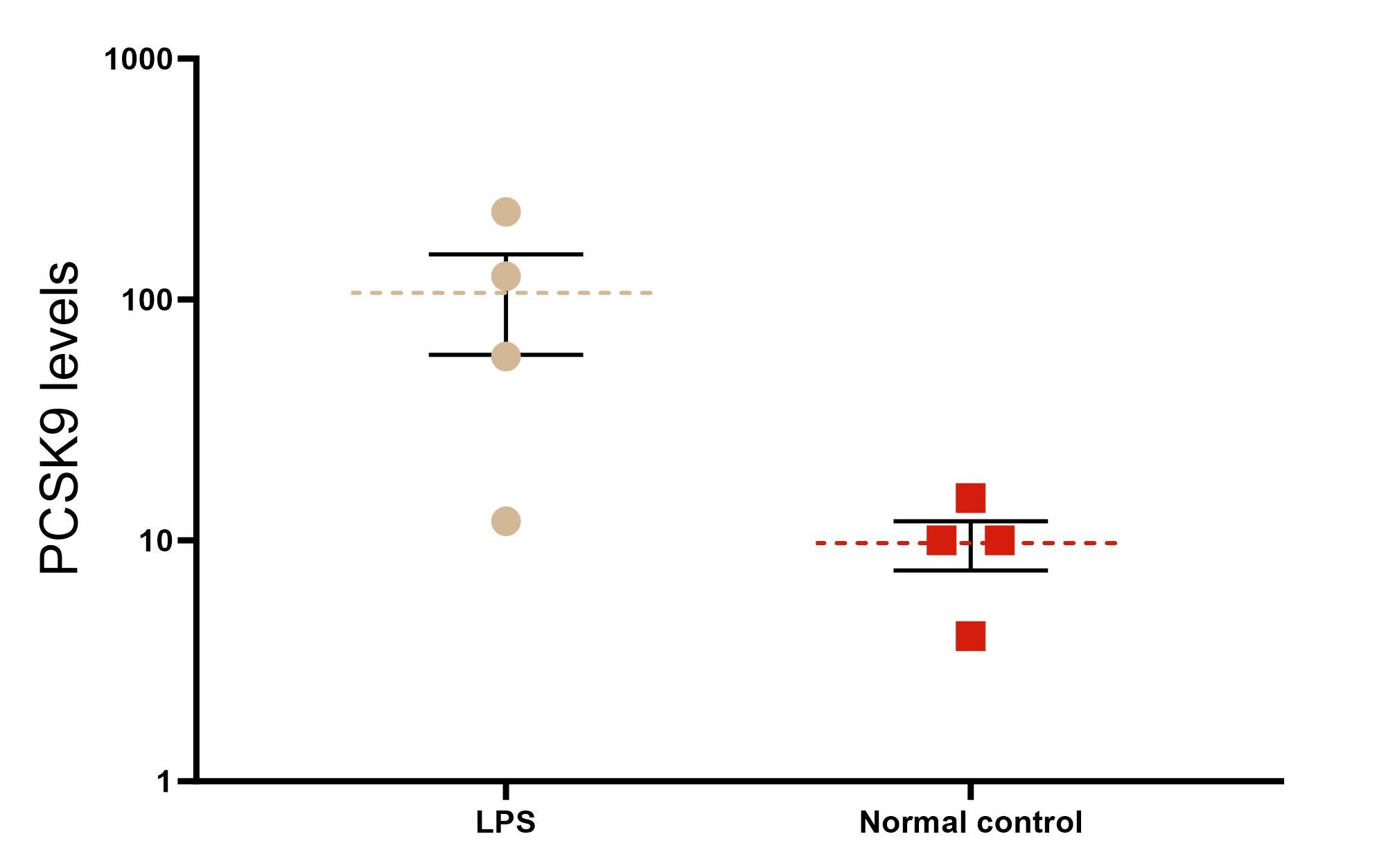
Cell Culture Supernates - Organs from 2-3 mice were chopped into 1-2 mm pieces and cultured in RPMI supplemented with 10% fetal bovine serum, 2 mM L-glutamine, 100 U/mL penicillin, and 100 mg/mL streptomycin sulfate. The cell culture supernates were unstimulated or stimulated with 1.0 mg/mL of lipopolysaccharide for 1 or 2 days. An aliquot of the cell culture supernate was removed and assayed for levels of mouse PCSK9. Cell culture supernates from mouse brain, heart, lung, and spleen tissue measured below the low standard, 62.5 pg/mL. Cell culture supernates from liver and kidney tissue measured as follows.

Tissue Type(pg/mL)
Kidney (unstimulated for 1 day)140
Liver (unstimulated for 2 days)889
Liver (stimulated with 1.0 mg/mL LPS for 2 days)899

Tissue Lysates - Organs from 2-3 mice were rinsed with PBS to remove excess blood, chopped into 1-2 mm pieces, homogenized with a tissue homogenizer, and 1% v/v Triton™ X-100 was added. An aliquot of each tissue lysate was removed and assayed for levels of mouse PCSK9.

Tissue Type(pg/mL)
Brain1741
Heart1603
Kidney8953
Liver36,350
Lung3898
Spleen1800


Precision

Intra-Assay Precision (Precision within an assay) Three samples of known concentration were tested on one plate to assess intra-assay precision.

Inter-Assay Precision (Precision between assays) Three samples of known concentration were tested in separate assays to assess inter-assay precision.

Cell Culture Supernates, Cell Lysates, EDTA Plasma, Heparin Plasma, Serum

Intra-Assay Precision Inter-Assay Precision
Sample 1 2 3 1 2 3
n 20 20 20 40 40 40
Mean (pg/mL) 181 427 1427 213 469 1511
Standard Deviation 10.3 32.1 44.1 18.9 25.9 102
CV% 5.7 7.5 3.1 8.9 5.5 6.8

Recovery for Mouse Proprotein Convertase 9/PCSK9 Quantikine ELISA Kit

The recovery of mouse PCSK9 spiked to three levels throughout the range of the assay in various matrices was evaluated.

Sample Type Average % Recovery Range %
Cell Culture Supernates (n=6) 102 94-115
Cell Lysates (n=5) 103 91-117

Linearity

To assess the linearity of the assay, samples containing and/or spiked with high concentrations of mouse PCSK9 in each matrix were diluted with Calibrator Diluent and then assayed.

Mouse Proprotein Convertase 9/PCSK9 ELISA Linearity

Scientific Data Images for Mouse Proprotein Convertase 9/PCSK9 Quantikine ELISA Kit

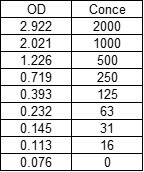
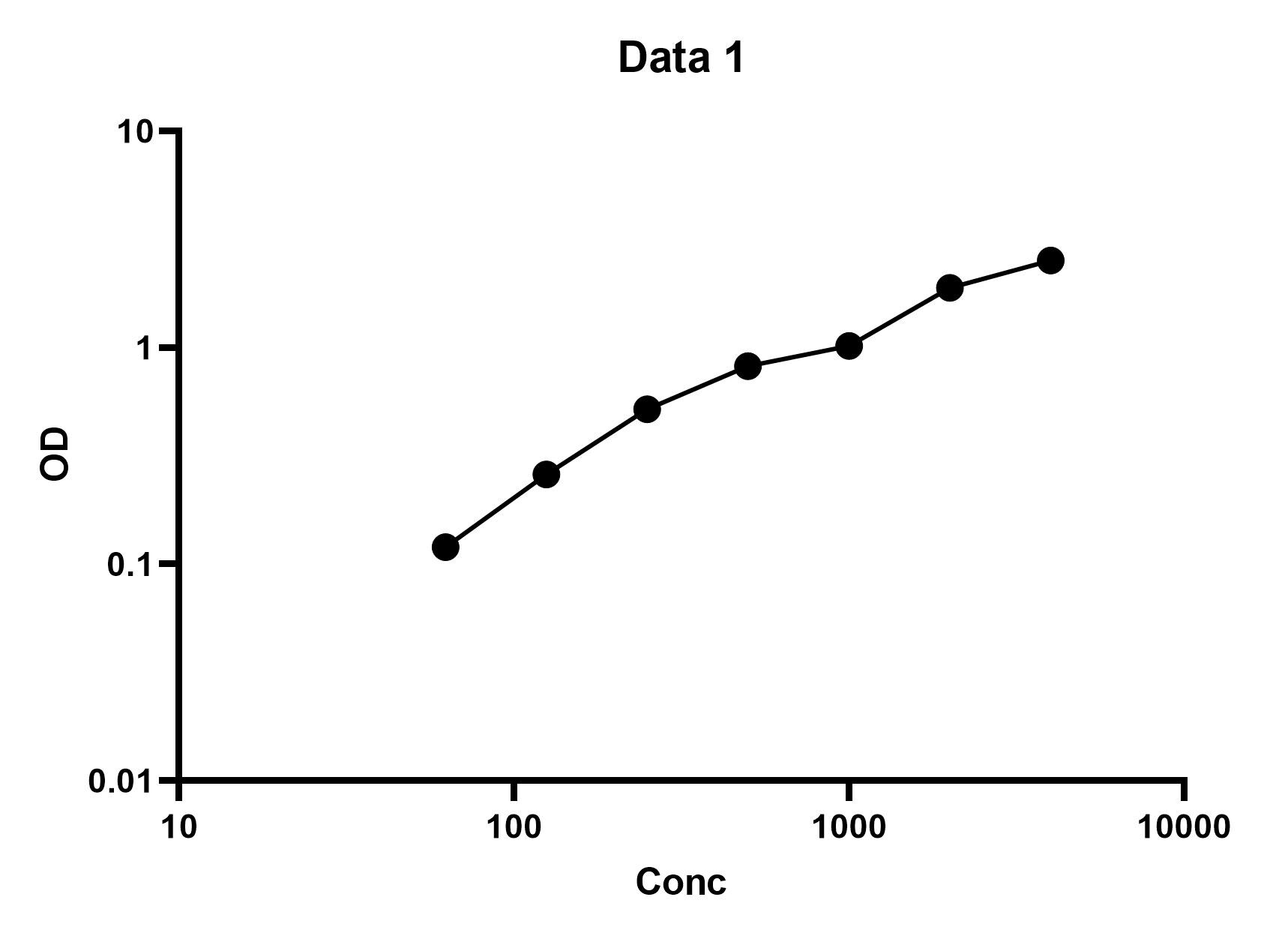
Mouse Proprotein Convertase 9/PCSK9 ELISA Standard Curve

Mouse Proprotein Convertase 9/PCSK9 ELISA Standard Curve

Preparation and Storage

Shipping

The product is shipped at ambient temperature. Upon receipt, store it immediately at the temperature recommended below.

Stability & Storage

Store the unopened product at 2 - 8 °C. Do not use past expiration date.

Background: Proprotein Convertase 9/PCSK9

PCSK9 (proprotein convertase subtilisin kexin 9), also called proprotein convertase 9 or NARC-1 (neural apoptosis-regulated convertase 1), is a member of the proteinase K subfamily of subtilisinrelated serine endoproteases. Mouse PCSK9 cDNA encodes 694 amino acids, including a signal peptide, a prodomain, and a catalytic domain. PCSK9 is highly expressed in the liver, intestine, and kidney. It is initially synthesized as a soluble 74 kDa precursor protein. In the endoplasmic reticulum, it undergoes autocatalytic intramolecular cleavage to generate a 14 kDa prodomain and a 60 kDa catalytic domain. While within the secretion pathway, the prodomain remains associated and functions as a chaperone for the catalytic domain (1-4). During secretion, a portion of active PCSK9 may undergo additional N-terminal proteolysis by furin or proprotein convertase 5/6A, creating an inactive 53 kDa form (5). This cleavage site is conserved between mouse and human or rat PCSK9, which share 78% or 93% amino acid sequence identity, respectively. While the 60 kDa protein is the major form, its ratio with the 53 kDa forms is variable in humans (5, 6). 
The primary physiologic function of PCSK9 is to mediate the degradation of low density lipoprotein receptor (LDLR). Early observations indicated that gain-of-function missense mutations in the human PCSK9 gene can cause an autosomal dominant form of hypercholesterolemia (7, 8). The expression of PCSK9 is also upregulated by the sterol regulatory element binding proteins (SREBPs), a family of transcription factors that are responsible for the upregulation of genes involved in cholesterol and fatty acid metabolism, such as the LDLR gene (9, 10). Further experimental evidence revealed that when the mouse PCSK9 gene is deleted, LDLR expression in hepatocytes is increased. Conversely, PCSK9 over-expression decreases liver LDLR protein expression (11, 12). In humans, genetic analyses have shown that individuals who have nonsense or loss-of-function mutations in the PCSK9 gene have significantly lower plasma LDL cholesterol levels, while in mouse, administration of a PCSK9 neutralizing antibody or antisense oligonucleotides lowers serum cholesterol (1, 13-15). These investigations clearly indicate that PCSK9 plays a key role in reducing the hepatic LDLR levels. Paradoxically, administration of cholesterol-lowering drugs such as statins appear to enhance production of PCSK9 (6). 
The underlying mechanism of cholesterol regulation by PCSK9 is as follows: under normal physiologic conditions, the LDLR is internalized at the cell surface and directed to the endosomes in order to be recycled back to the cell surface. PCSK9 binds to the EGF domain of the LDLR and prevents LDLR from being sorted to the endosomes. Instead, the PCSK9/LDLR complex is redistributed to the lysosomes for degradation (16-18). As such, PCSK9 regulates the amount of LDLR in the circulation and hence, modulates cholesterol levels. Serum PCSK9 concentrations have been found to be directly associated with cholesterol levels (19, 20). Since PCSK9 loss-of-function mutations strikingly reduce risk of coronary heart diseases, PCSK9 has become an attractive drug target (1, 21, 22). One approach is to generate small molecules that are able to interfere with PCSK9 autoactivation and its interaction with LDLR. Other approaches aiming to reduce the amount of PCSK9 in the circulation, such as small interfering RNAs (siRNAs), have also shown promise (23, 24).

Alternate Names

FH3, FHCL3, HCHOLA3, LDLCQ1, NARC-1, NARC1, PC9, PCSK9

Entrez Gene IDs

255738 (Human); 100102 (Mouse); 298296 (Rat); 102142788 (Cynomolgus Monkey)

Gene Symbol

PCSK9

Additional Proprotein Convertase 9/PCSK9 Products

Product Documents for Mouse Proprotein Convertase 9/PCSK9 Quantikine ELISA Kit

Certificate of Analysis

To download a Certificate of Analysis, please enter a lot or batch number in the search box below.

Note: Certificate of Analysis not available for kit components.

Product Specific Notices for Mouse Proprotein Convertase 9/PCSK9 Quantikine ELISA Kit

For research use only

⚠ WARNING: This product can expose you to chemicals including N,N-Dimethylforamide, which is known to the State of California to cause cancer. For more information, go to www.P65Warnings.ca.gov.

Related Research Areas

Citations for Mouse Proprotein Convertase 9/PCSK9 Quantikine ELISA Kit

Customer Reviews for Mouse Proprotein Convertase 9/PCSK9 Quantikine ELISA Kit (8)

4.6 out of 5
8 Customer Ratings
5 Stars
63%
4 Stars
38%
3 Stars
0%
2 Stars
0%
1 Stars
0%

Have you used Mouse Proprotein Convertase 9/PCSK9 Quantikine ELISA Kit?

Submit a review and receive an Amazon gift card!

$25/€18/£15/$25CAN/¥2500 Yen for a review with an image

$10/€7/£6/$10CAN/¥1110 Yen for a review without an image

Submit a review
Amazon Gift Card

Customer Images


Showing  1 - 5 of 8 reviews Showing All
Filter By:
  • Mouse Proprotein Convertase 9/PCSK9 Quantikine ELISA Kit
    Name: Anonymous
    Sample Tested: mouse hepatocyte
    Verified Customer | Posted 10/05/2023
    Mouse Proprotein Convertase 9/PCSK9 Quantikine ELISA Kit MPC900
  • Mouse Proprotein Convertase 9/PCSK9 Quantikine ELISA Kit
    Name: Anonymous
    Sample Tested: Serum and EDTA Plasma
    Verified Customer | Posted 05/19/2023
    Mouse Proprotein Convertase 9/PCSK9 Quantikine ELISA Kit MPC900
  • Mouse Proprotein Convertase 9/PCSK9 Quantikine ELISA Kit
    Name: Anonymous
    Sample Tested: Serum
    Verified Customer | Posted 03/15/2023
    Mouse Proprotein Convertase 9/PCSK9 Quantikine ELISA Kit MPC900
  • Mouse Proprotein Convertase 9/PCSK9 Quantikine ELISA Kit
    Name: Anonymous
    Sample Tested: Serum
    Verified Customer | Posted 02/08/2022
    stable kit
    Mouse Proprotein Convertase 9/PCSK9 Quantikine ELISA Kit MPC900
  • Mouse Proprotein Convertase 9/PCSK9 Quantikine ELISA Kit
    Name: Anonymous
    Sample Tested: 2120Ep human embryonal carcinoma cell line and 3T3-L1 mouse embryonic fibroblast adipose-like cell line
    Verified Customer | Posted 03/22/2020
  • Mouse Proprotein Convertase 9/PCSK9 Quantikine ELISA Kit
    Name: Anonymous
    Sample Tested: Heparin Plasma
    Verified Customer | Posted 10/15/2018
    Mouse Proprotein Convertase 9/PCSK9 Quantikine ELISA Kit MPC900
  • Mouse Proprotein Convertase 9/PCSK9 Quantikine ELISA Kit
    Name: Anonymous
    Sample Tested: Serum
    Verified Customer | Posted 08/29/2018
  • Mouse Proprotein Convertase 9/PCSK9 Quantikine ELISA Kit
    Name: Adrianne Pittman
    Sample Tested: Mouse spleenocytes
    Verified Customer | Posted 04/26/2017

There are no reviews that match your criteria.

Showing  1 - 5 of 8 reviews Showing All

Protocols

View specific protocols for Mouse Proprotein Convertase 9/PCSK9 Quantikine ELISA Kit (MPC900):

Refer to the product for complete assay procedure.

Bring all reagents and samples to room temperature before use. It is recommended that all samples, standards, and controls be assayed in duplicate.
  1.   Prepare all reagents, standard dilutions, and samples as directed in the product insert.
  2.   Remove excess microplate strips from the plate frame, return them to the foil pouch containing the desiccant pack, and reseal.

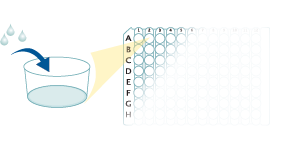
  3. 50 µL Assay Diluent
  4.   Add 50 µL of Assay Diluent to each well.

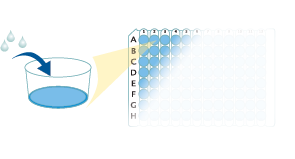
  5. 50 µL Standard, Control, or Sample
  6.   Add 50 µL of Standard, Control, or sample to each well. Cover with a plate sealer, and incubate at room temperature for 2 hours.
  7.   Aspirate each well and wash, repeating the process 4 times for a total of 5 washes.

  8. 100 µL Conjugate
  9.   Add 100 µL of Conjugate to each well. Cover with a new plate sealer, and incubate at room temperature for 2 hours.
  10.   Aspirate and wash 5 times.

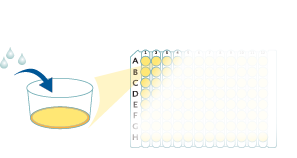
  11. 100 µL Substrate Solution
  12.   Add 100 µL Substrate Solution to each well. Incubate at room temperature for 30 minutes. PROTECT FROM LIGHT.

  13. 100 µL Stop Solution
  14.   Add 100 µL of Stop Solution to each well. Read at 450 nm within 30 minutes. Set wavelength correction to 540 nm or 570 nm.

Find general support by application which include: protocols, troubleshooting, illustrated assays, videos and webinars.

FAQs

No product specific FAQs exist for this product.

View all FAQs for ELISA Kits
Loading...