Key Product Details

Validated by

Knockout/Knockdown, Biological Validation

Species Reactivity

Goat

Applications

Control

Label

Unconjugated

Antibody Source

Polyclonal Goat IgG
Loading...

Product Specifications

Immunogen

NA

Specificity

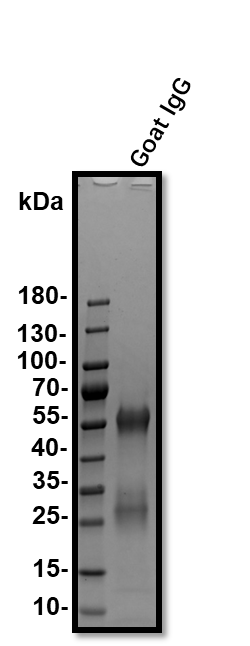
Serum was obtained from naive (non-immunized) goats and purified for use as normal goat IgG.

Clonality

Polyclonal

Host

Goat

Isotype

IgG

Scientific Data Images for Normal Goat IgG Control

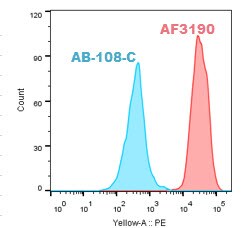
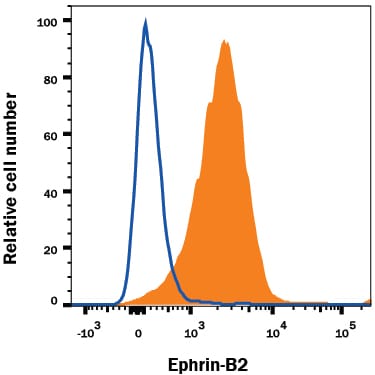
Detection of Normal Goat IgG Isotype Control by Flow Cytometry

Detection of Normal Goat IgG Control by Flow Cytometry

SH-SY5Y human neuroblastoma cell line was stained with Goat Anti-Human/Mouse/Rat Ephrin-B2 Antigen Affinity-purified Polyclonal Antibody (Catalog # AF496, filled histogram) or Normal Goat IgG Isotype Control Antibody (Catalog # AB-108-C, open histogram), followed by Phycoerythrin-conjugated Anti-Goat IgG Secondary Antibody (Catalog # F0107).

Detection of Mouse IgG by Immunocytochemistry/ Immunofluorescence

Detection of Mouse IgG by Immunocytochemistry/ Immunofluorescence

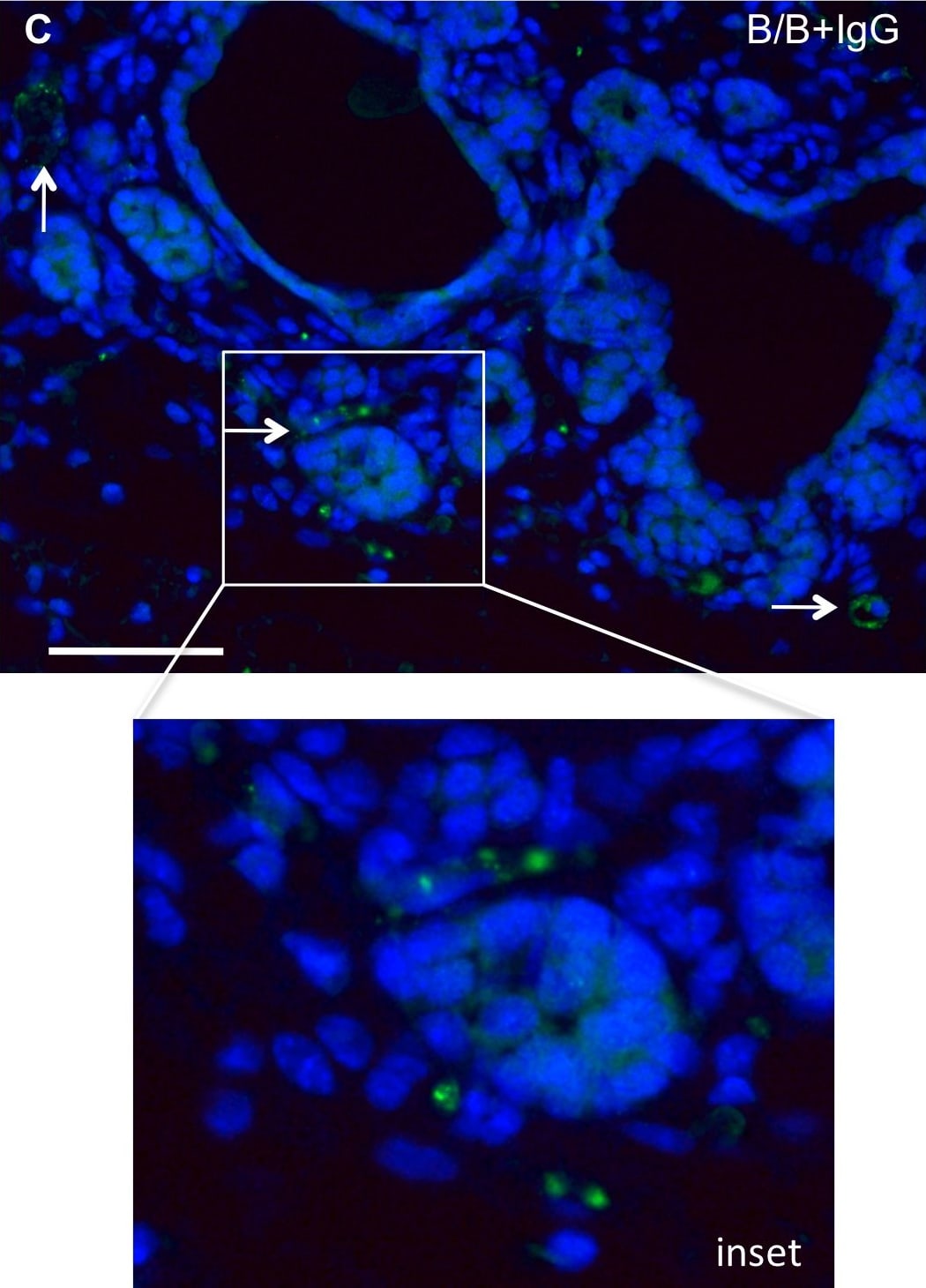
Decreased macrophage recruitment correlates with decreased angiogenesis.A) Quantification of BrdU incorporation demonstrates that decreased macrophage infiltration does not significantly correlate with a change in epithelial cell proliferation (N.S. = not significant). B) Quantification of VWF staining reveals decreased blood vessels associated with epithelial structures in mammary glands from mice treated with B/B and anti-CX3CR1 blocking antibody compared with mice treated with B/B and IgG control antibody. *p<0.05. C, D) Representative images of VWF stained mammary glands from mice treated with B/B and either control IgG antibody (C) or anti-CX3CR1 (D). Green = VWF staining, blue = DAPI. Arrows indicate VWF-positive structures. Scale bars represent 50 µM. Results in each figure panel are representative of a minimum of three different mice for each treatment group and genotype. Image collected and cropped by CiteAb from the following open publication (https://dx.plos.org/10.1371/journal.pone.0045877), licensed under a CC-BY license. Not internally tested by R&D Systems.
Detection of Mouse IgG by Immunocytochemistry/ Immunofluorescence

Detection of Mouse IgG by Immunocytochemistry/ Immunofluorescence

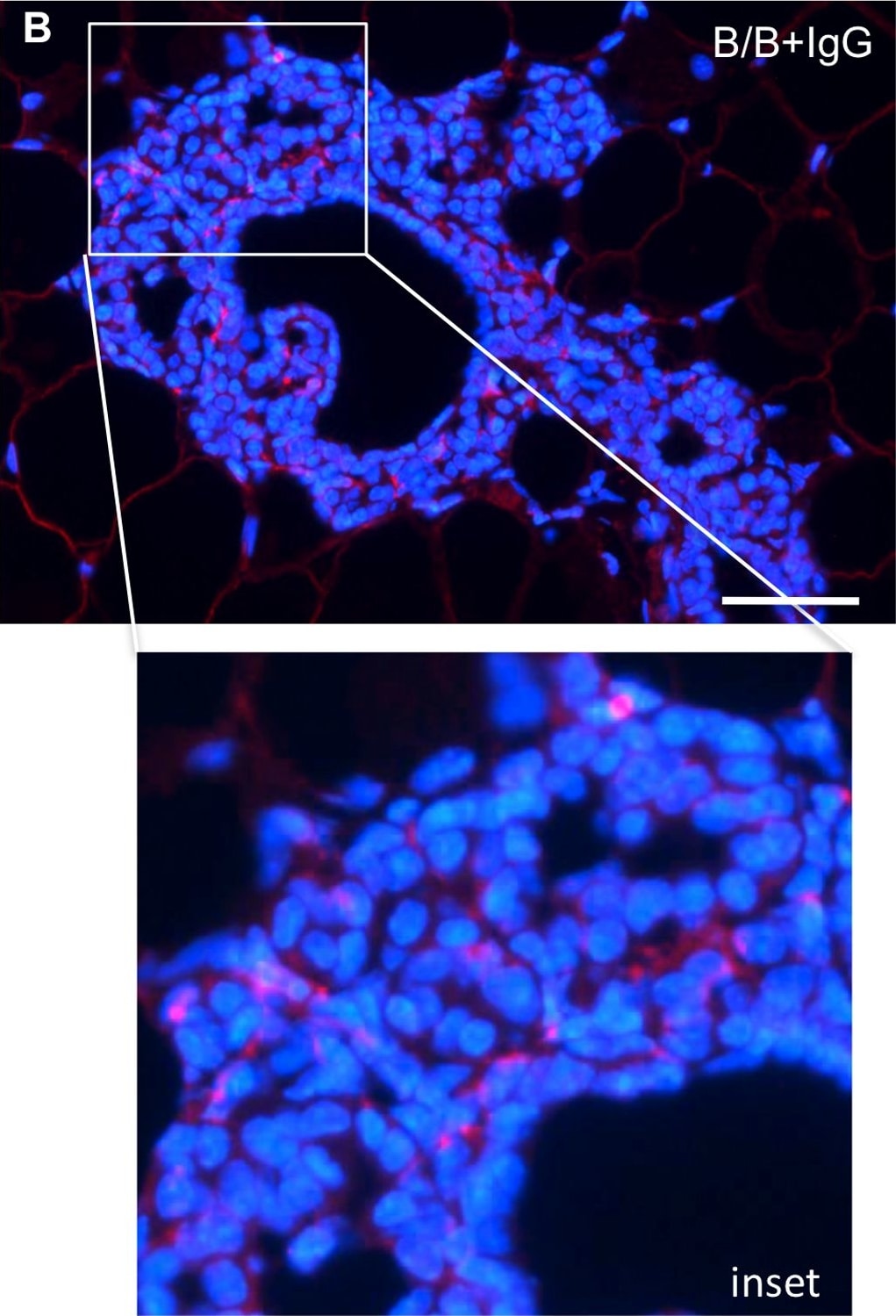
iFGFR1 activation in vivo promotes recruitment of CX3CR1-positive macrophages.MMTV-iFGFR1 transgenic mice were treated with B/B in order to analyze the population of macrophages that are recruited to the mammary epithelium during early stages of iFGFR1-induced mammary tumorigenesis. A) MMTV-iFGFR1 mice treated with B/B demonstrated an increase in macrophage recruitment after 10 days as indicated by an increased in the number of F4/80 positive cells. MMTV-iFGFR1 mice treated with anti-CX3CR1 in conjunction with B/B demonstrated a reduction in macrophage recruitment at 10 days indicating that iFGFR1 activation is responsible for recruiting a subset of macrophages that express CX3CR1. ***p<0.0001. Error bars represent SEM. B) Representative image of macrophages associated with budding epithelial structures in mammary glands from mice treated with control IgG antibody. C) Representative image of macrophages associated with budding epithelial structures in mammary glands from mice treated with anti-CX3CR1. Red = F4/80 staining, blue = DAPI. Scale bars represent 50 µM. Results in each figure panel are representative of a minimum of three different mice for each treatment group and genotype. Image collected and cropped by CiteAb from the following open publication (https://dx.plos.org/10.1371/journal.pone.0045877), licensed under a CC-BY license. Not internally tested by R&D Systems.
Detection of Normal Goat IgG Control by Immunocytochemistry/ Immunofluorescence

Detection of Normal Goat IgG Control by Immunocytochemistry/ Immunofluorescence

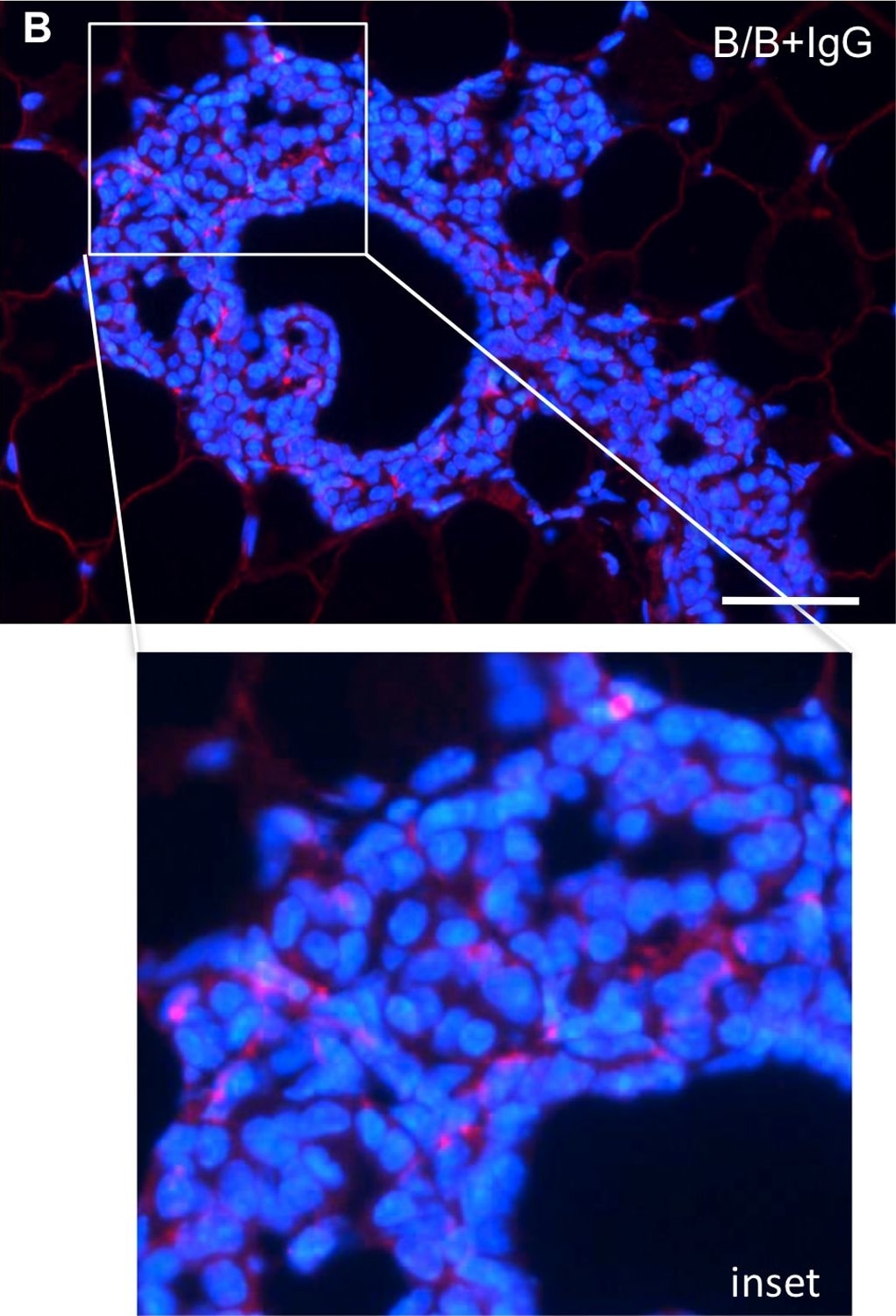
iFGFR1 activation in vivo promotes recruitment of CX3CR1-positive macrophages.MMTV-iFGFR1 transgenic mice were treated with B/B in order to analyze the population of macrophages that are recruited to the mammary epithelium during early stages of iFGFR1-induced mammary tumorigenesis. A) MMTV-iFGFR1 mice treated with B/B demonstrated an increase in macrophage recruitment after 10 days as indicated by an increased in the number of F4/80 positive cells. MMTV-iFGFR1 mice treated with anti-CX3CR1 in conjunction with B/B demonstrated a reduction in macrophage recruitment at 10 days indicating that iFGFR1 activation is responsible for recruiting a subset of macrophages that express CX3CR1. ***p<0.0001. Error bars represent SEM. B) Representative image of macrophages associated with budding epithelial structures in mammary glands from mice treated with control IgG antibody. C) Representative image of macrophages associated with budding epithelial structures in mammary glands from mice treated with anti-CX3CR1. Red = F4/80 staining, blue = DAPI. Scale bars represent 50 µM. Results in each figure panel are representative of a minimum of three different mice for each treatment group and genotype. Image collected and cropped by CiteAb from the following open publication (https://dx.plos.org/10.1371/journal.pone.0045877), licensed under a CC-BY license. Not internally tested by R&D Systems.
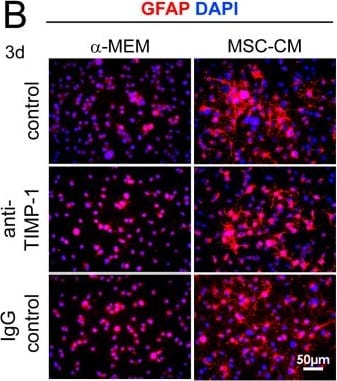
Detection of Rat Normal Goat IgG Control by Immunocytochemistry/ Immunofluorescence

Detection of Rat Normal Goat IgG Control by Immunocytochemistry/ Immunofluorescence

Blocking the tissue inhibitor of metalloproteinase type 1 (TIMP-1) in MSC-CM reduced its pro-oligodendroglial activity on cultured aNSCs. Representative immunocytochemical staining of 2′,3′-cyclic-nucleotide 3′-phosphodiesterase (CNPase)- (A) and GFAP-positive (B) cells treated either with control (no antibody), anti-TIMP-1, or immunoglobulin G (IgG) control pre-incubated with alpha -MEM or MSC-CM after 3 days in culture. (C) Quantification of CNPase- and GFAP-positive (D) cell numbers. Number of experiments n = 4. Statistical significance was calculated using a two-way ANOVA with Bonferroni posttest: * p ≤ 0.05, ** p ≤ 0.01, *** p ≤ 0.001. Image collected and cropped by CiteAb from the following publication (https://pubmed.ncbi.nlm.nih.gov/32570968), licensed under a CC-BY license. Not internally tested by R&D Systems.
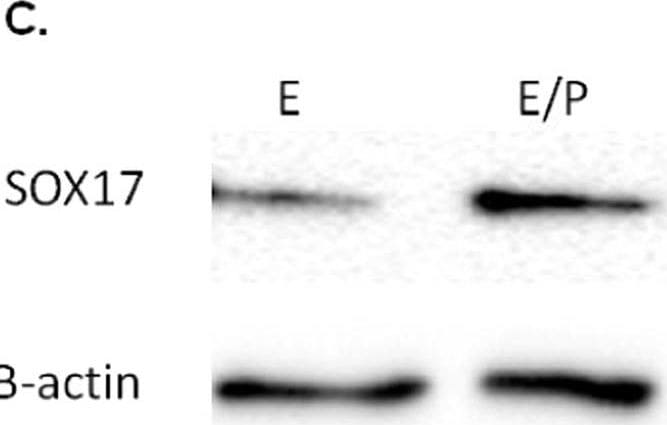
Detection of Human Normal Goat IgG Control by Western Blot

Detection of Human Normal Goat IgG Control by Western Blot

Localisation of Sox17 staining in proliferative and secretory phase endometrial tissue and regulation by hormones. Within the proliferative (A) and secretory (B) endometrium, Sox17 localized to the glandular (open arrowheads) and luminal (closed arrowheads) epithelium, with staining appearing in an irregular, patchy, pattern. Smaller inset boxes show relevant IgG negative controls. Imaged at 20x magnification, scale bar = 50 μm. Treatment of endometrial luminal epithelial (ECC-1) cells with 10−8 M estrogen (estradiol)/10−7 M progesterone (medroxyprogesterone acetate) (, *p < 0.05) resulted in an upregulation of Sox17 protein, when compared to untreated, estradiol only (■, E) treatment groups. (C,D) Data presented as mean ± SEM, n = 5. Representative Western immunoblot shown. Image collected and cropped by CiteAb from the following publication (https://pubmed.ncbi.nlm.nih.gov/31664088), licensed under a CC-BY license. Not internally tested by R&D Systems.
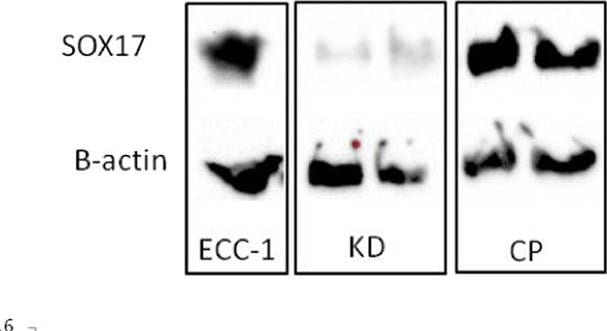
Detection of Human Normal Goat IgG Control by Western Blot

Detection of Human Normal Goat IgG Control by Western Blot

Knockdown of SOX17 results in reduced expression in endometrial luminal epithelial cells. Transfection of ECC-1 cells with a CRISPR/Cas9 SOX17 knock down plasmid resulted in decreased SOX17 expression (KD1-5) when compared to untransfected control ECC-1 cells (ECC-1) and ECC-1 cells transfected with a control plasmid (CP). Analysed by Western immunoblot, representative blot shown. Image collected and cropped by CiteAb from the following publication (https://pubmed.ncbi.nlm.nih.gov/31664088), licensed under a CC-BY license. Not internally tested by R&D Systems.
Detection of Human Normal Goat IgG Control by Immunohistochemistry

Detection of Human Normal Goat IgG Control by Immunohistochemistry

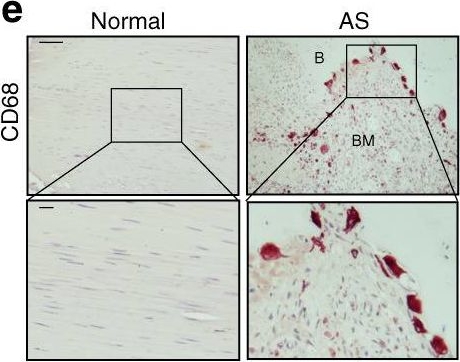
Osteoclast resorption of bony interspinous ligaments releases active TGF-beta to drive the progression of ossification in AS patients. e Immunostaining and f quantitative analysis of CD68-positive cells (brown) in the normal and HO-formed interspinous ligaments (sagittal view). The bottom panels show magnified views of the boxed area in the top panels. Scale bar: 100 μm (top panel); 25 μm (bottom panel). Image collected and cropped by CiteAb from the following publication (https://pubmed.ncbi.nlm.nih.gov/33731675), licensed under a CC-BY license. Not internally tested by R&D Systems.
Detection of Human Normal Goat IgG Control by Immunohistochemistry

Detection of Human Normal Goat IgG Control by Immunohistochemistry

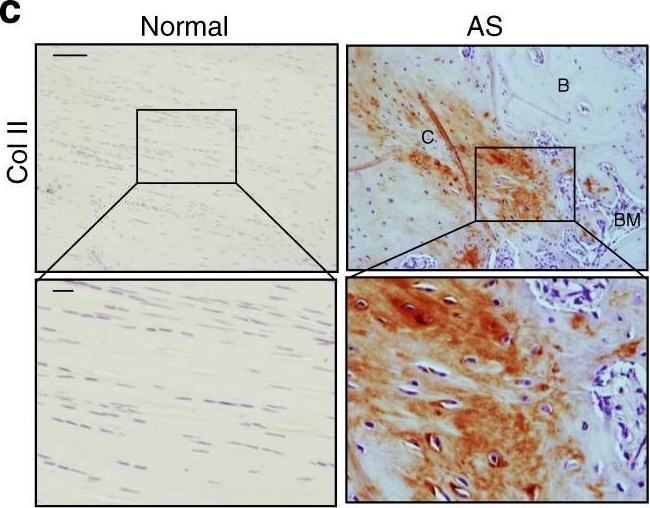
Progression of endochondral heterotopic ossification in AS patients. c Immunostaining and d quantitative analysis of collagen II-positive cells (brown) in the normal and chondrogenic interspinous ligaments (sagittal view). The bottom panels show magnified views of the boxed area in the top panels. Scale bar: 100 μm (top panels); 25 μm (bottom panels). Image collected and cropped by CiteAb from the following publication (https://pubmed.ncbi.nlm.nih.gov/33731675), licensed under a CC-BY license. Not internally tested by R&D Systems.
Detection of Human Normal Goat IgG Control by Immunohistochemistry

Detection of Human Normal Goat IgG Control by Immunohistochemistry

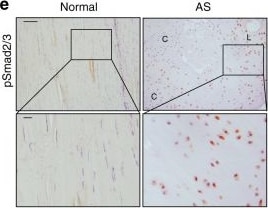
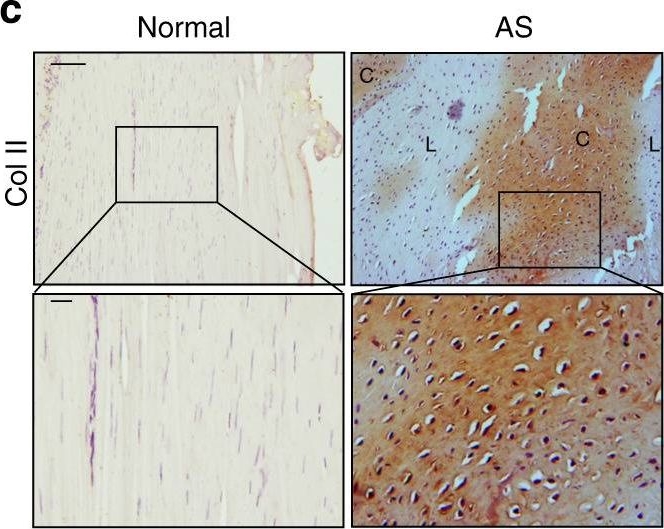
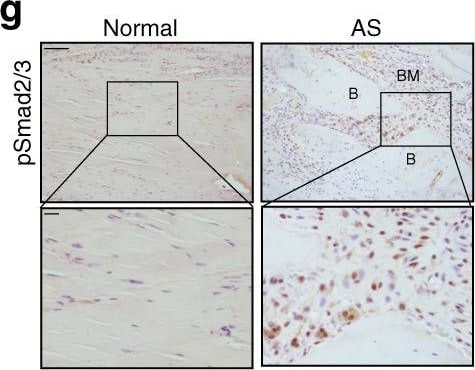
Chondrocyte differentiation and cartilage formation in interspinous ligaments of AS patients before calcification. a Hematoxylin and eosin (H&E) staining and b Safranin O–Fast Green (SOFG) staining of normal and chondrogenic interspinous ligaments. In the AS group, the right panels show magnified views of the boxed area in the left panels. Scale bar: 100 μm (two panels on the right side); 25 μm (left panel). c Immunostaining and d quantitative analysis of collagen II-positive cells (brown) in the normal and chondrogenic interspinous ligaments (sagittal view). The bottom panels show a magnified view of the boxed area in the top panels. Scale bar: 100 μm (top panel); 25 μm (bottom panel). e Immunostaining and f quantitative analysis of pSmad2/3-positive cells (brown) in the normal and chondrogenic interspinous ligaments (sagittal view). The bottom panels show magnified views of the boxed area in the top panels. Scale bar: 100 μm (top panel); 25 μm (bottom panel). g Immunostaining and h quantitative analysis of pSmad1/5/8-positive cells (brown) in the normal and inflammatory interspinous ligaments (sagittal view). The bottom panels show magnified views of the boxed area in the top panels. Scale bar: 100 μm (top panels); 25 μm (bottom panels). C, cartilage; L, ligament Image collected and cropped by CiteAb from the following publication (https://pubmed.ncbi.nlm.nih.gov/33731675), licensed under a CC-BY license. Not internally tested by R&D Systems.
Detection of Human Normal Goat IgG Control by Immunohistochemistry

Detection of Human Normal Goat IgG Control by Immunohistochemistry

Progression of endochondral heterotopic ossification in AS patients. i Immunostaining and j quantitative analysis of pSmad2/3-positive cells (brown) in the normal ligaments and endochondral-ossified interspinous ligaments (sagittal view). The bottom panels show magnified views of the boxed area in the top panels. Scale bar: 100 μm (top panel); 25 μm (bottom panel). k Immunostaining and l quantitative analysis of Osterix-positive cells (brown) in the normal and endochondral-ossified interspinous ligaments (sagittal view). The bottom panels show magnified views of the boxed area in the top panels. Scale bar: 100 μm (top panel); 25 μm (bottom panel). m Immunostaining and n quantitative analysis of pSmad1/5/8-positive cells (brown) in the normal and inflammatory interspinous ligaments (sagittal view). The bottom panels show magnified views of the boxed area in the top panels. Scale bar: 100 μm (top panels); 25 μm (bottom panels). B, bone; BM, bone marrow; C, cartilage Image collected and cropped by CiteAb from the following publication (https://pubmed.ncbi.nlm.nih.gov/33731675), licensed under a CC-BY license. Not internally tested by R&D Systems.
Detection of Human Normal Goat IgG Control by Immunohistochemistry

Detection of Human Normal Goat IgG Control by Immunohistochemistry

Chondrocyte differentiation and cartilage formation in interspinous ligaments of AS patients before calcification. a Hematoxylin and eosin (H&E) staining and b Safranin O–Fast Green (SOFG) staining of normal and chondrogenic interspinous ligaments. In the AS group, the right panels show magnified views of the boxed area in the left panels. Scale bar: 100 μm (two panels on the right side); 25 μm (left panel). c Immunostaining and d quantitative analysis of collagen II-positive cells (brown) in the normal and chondrogenic interspinous ligaments (sagittal view). The bottom panels show a magnified view of the boxed area in the top panels. Scale bar: 100 μm (top panel); 25 μm (bottom panel). e Immunostaining and f quantitative analysis of pSmad2/3-positive cells (brown) in the normal and chondrogenic interspinous ligaments (sagittal view). The bottom panels show magnified views of the boxed area in the top panels. Scale bar: 100 μm (top panel); 25 μm (bottom panel). g Immunostaining and h quantitative analysis of pSmad1/5/8-positive cells (brown) in the normal and inflammatory interspinous ligaments (sagittal view). The bottom panels show magnified views of the boxed area in the top panels. Scale bar: 100 μm (top panels); 25 μm (bottom panels). C, cartilage; L, ligament Image collected and cropped by CiteAb from the following publication (https://pubmed.ncbi.nlm.nih.gov/33731675), licensed under a CC-BY license. Not internally tested by R&D Systems.
Detection of Human Normal Goat IgG Control by Immunohistochemistry

Detection of Human Normal Goat IgG Control by Immunohistochemistry

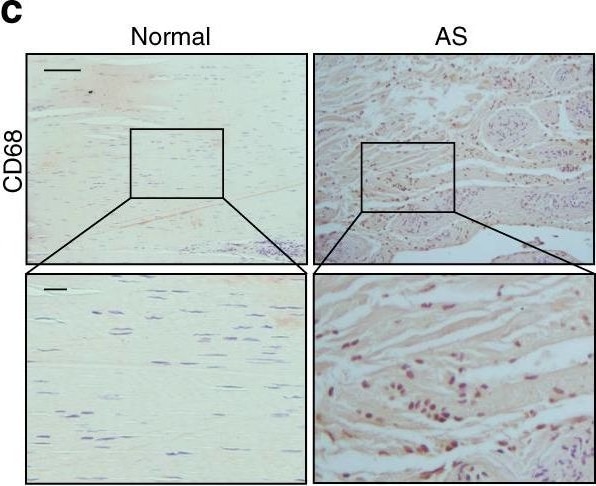
Elevated TGF-beta levels in the early inflammatory stage of AS. a Hematoxylin and eosin (H&E) staining and b Safranin O–Fast Green (SOFG) staining of normal and inflamed interspinous ligaments. In the AS group, the right panels show magnified views of the boxed area in the left panels. Scale bar: 100 μm (two panels on the right); 25 μm (left panel). c Immunostaining and d quantitative analysis of CD68-positive cells (brown) in the normal and inflamed interspinous ligaments (sagittal view). The bottom panels show magnified views of the boxed area in the top panels. Scale bar: 100 μm (top panels); 25 μm (bottom panels). e Immunostaining and f quantitative analysis of pSmad2/3-positive cells (brown) in the normal and inflamed interspinous ligaments (sagittal view) in normal ligaments and inflammatory ligaments. The bottom panels show magnified views of the boxed area in the top panels. Scale bar: 100 μm (top panels); 25 μm (bottom panels). g Immunostaining and h quantitative analysis of pSmad1/5/8-positive cells (brown) in the normal and inflamed interspinous ligaments (sagittal view). The bottom panels show magnified views of the boxed area in the top panels. Scale bar: 100 μm (top panels); 25 μm (bottom panels) Image collected and cropped by CiteAb from the following publication (https://pubmed.ncbi.nlm.nih.gov/33731675), licensed under a CC-BY license. Not internally tested by R&D Systems.
Detection of Human Normal Goat IgG Control by Immunohistochemistry

Detection of Human Normal Goat IgG Control by Immunohistochemistry

Osteoclast resorption of bony interspinous ligaments releases active TGF-beta to drive the progression of ossification in AS patients. g Immunostaining and h quantitative analysis of pSmad2/3-positive cells in the normal and HO-formed interspinous ligaments (sagittal view). The bottom panels show magnified views of the boxed area in the top panels. Scale bar: 100 μm (top panel); 25 μm (bottom panel). i Immunostaining and j quantitative analysis of Osterix-positive cells (brown) in the normal and HO-formed interspinous ligaments (sagittal view). The bottom panels show magnified views of the boxed area in the top panels. Scale bar: 100 μm (top panel); 25 μm (bottom panel).Image collected and cropped by CiteAb from the following publication (https://pubmed.ncbi.nlm.nih.gov/33731675), licensed under a CC-BY license. Not internally tested by R&D Systems.
Detection of Human Normal Goat IgG Control by Immunohistochemistry

Detection of Human Normal Goat IgG Control by Immunohistochemistry

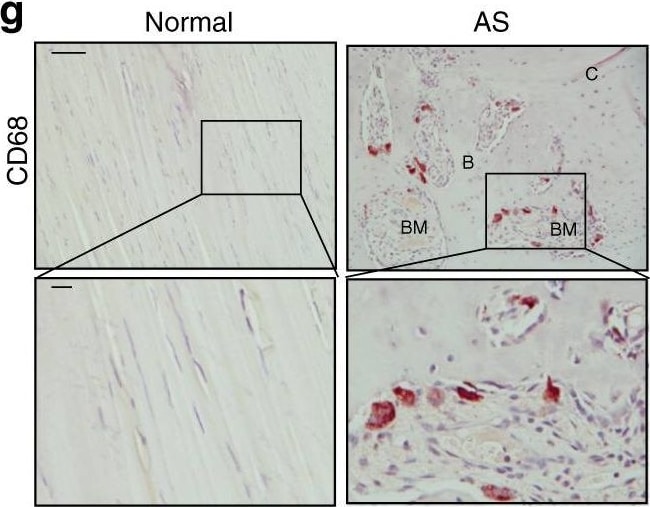
Progression of endochondral heterotopic ossification in AS patients.g Immunostaining and h quantitative analysis of the number of CD68-positive osteoclast (brown) surface (OCS) per bone surface (BS). The bottom panels show magnified views of the boxed area in the top panels. Scale bar: 100 μm (top panel); 25 μm (bottom panel). i Immunostaining and j quantitative analysis of pSmad2/3-positive cells (brown) in the normal ligaments and endochondral-ossified interspinous ligaments (sagittal view). The bottom panels show magnified views of the boxed area in the top panels. Scale bar: 100 μm (top panel); 25 μm (bottom panel). k Immunostaining and l quantitative analysis of Osterix-positive cells (brown) in the normal and endochondral-ossified interspinous ligaments (sagittal view). The bottom panels show magnified views of the boxed area in the top panels. Scale bar: 100 μm (top panel); 25 μm (bottom panel). m Immunostaining and n quantitative analysis of pSmad1/5/8-positive cells (brown) in the normal and inflammatory interspinous ligaments (sagittal view). The bottom panels show magnified views of the boxed area in the top panels. Scale bar: 100 μm (top panels); 25 μm (bottom panels). B, bone; BM, bone marrow; C, cartilage Image collected and cropped by CiteAb from the following publication (https://pubmed.ncbi.nlm.nih.gov/33731675), licensed under a CC-BY license. Not internally tested by R&D Systems.
Normal Goat IgG Control

Normal Goat IgG Control

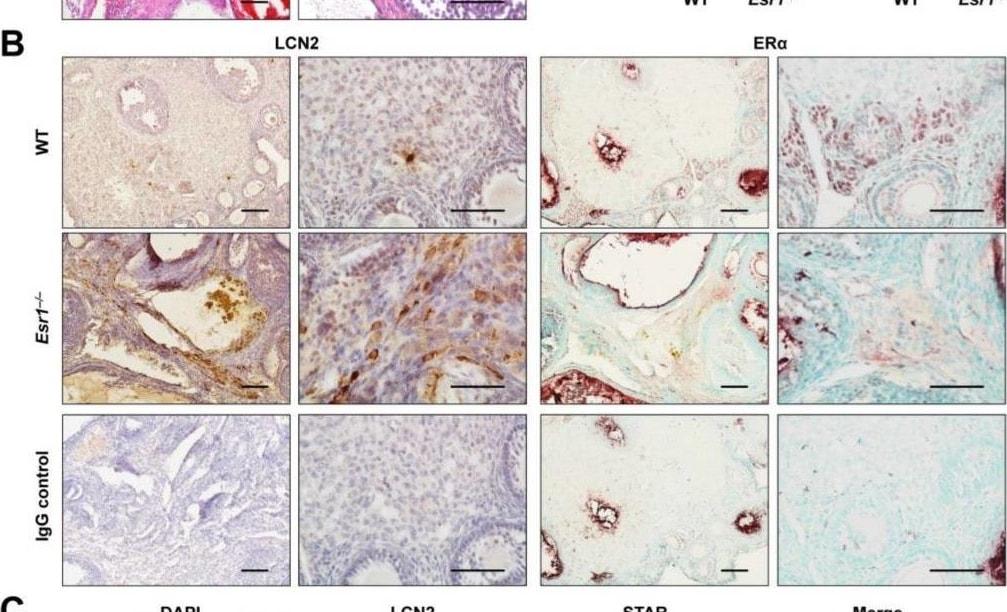
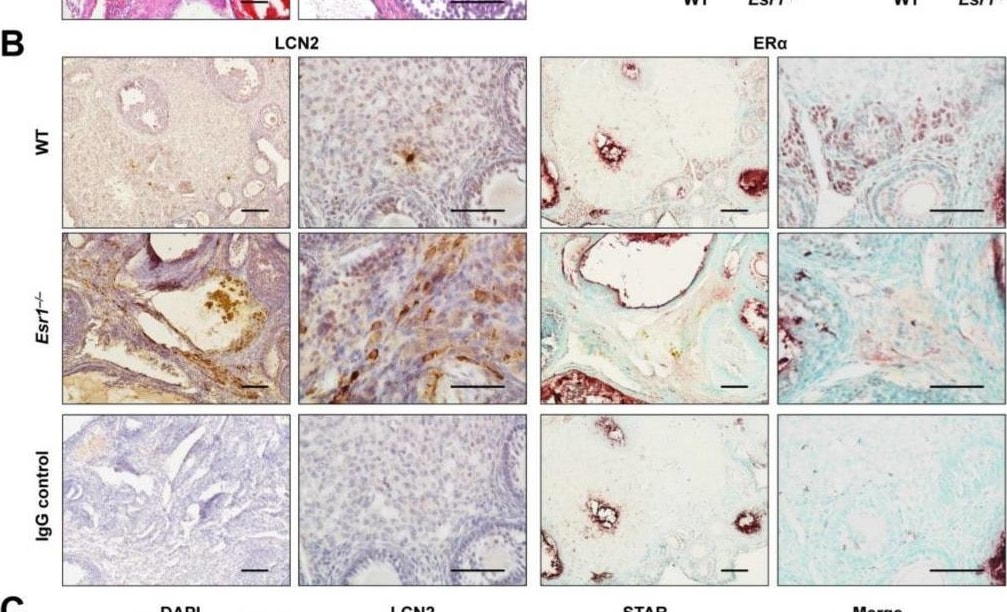
Increased LCN2 expression in Esr1-deficient ovaries. Ovaries from wild-type (WT, n = 8) and Esr1 null mice (n = 6) were dissected and either embedded in paraffin or prepared for RNA analysis. (A) Hematoxylin and eosin (H & E) staining showed characteristic histological changes in Esr1-deficient compared to WT ovaries. (B) Immunohistochemical staining for LCN2 and ER alpha was performed. Sections were counterstained with hematoxylin (LCN2) or methyl green (ER alpha ). Magnifications: 100×, 400×; scale bars: 100 µm, 50 µm. (C) Tissue samples were subjected to immunofluorescence double staining for LCN2 and STAR. Magnifications: 100×; scale bars: 100 µm. (D) Lcn2 and Star expression was analyzed in ovarian tissues using RT-qPCR. Data are displayed as means ± SD. In case of normal distribution, Student’s t-tests were chosen for statistical analysis, otherwise a Mann–Whitney test was performed. Significant differences between groups are marked with asterisks: *** p < 0.001. Image collected and cropped by CiteAb from the following open publication (https://pubmed.ncbi.nlm.nih.gov/37298232), licensed under a CC-BY license. Not internally tested by R&D Systems.
Normal Goat IgG Control

Normal Goat IgG Control

Increased LCN2 expression in Esr1-deficient ovaries. Ovaries from wild-type (WT, n = 8) and Esr1 null mice (n = 6) were dissected and either embedded in paraffin or prepared for RNA analysis. (A) Hematoxylin and eosin (H & E) staining showed characteristic histological changes in Esr1-deficient compared to WT ovaries. (B) Immunohistochemical staining for LCN2 and ER alpha was performed. Sections were counterstained with hematoxylin (LCN2) or methyl green (ER alpha ). Magnifications: 100×, 400×; scale bars: 100 µm, 50 µm. (C) Tissue samples were subjected to immunofluorescence double staining for LCN2 and STAR. Magnifications: 100×; scale bars: 100 µm. (D) Lcn2 and Star expression was analyzed in ovarian tissues using RT-qPCR. Data are displayed as means ± SD. In case of normal distribution, Student’s t-tests were chosen for statistical analysis, otherwise a Mann–Whitney test was performed. Significant differences between groups are marked with asterisks: *** p < 0.001. Image collected and cropped by CiteAb from the following open publication (https://pubmed.ncbi.nlm.nih.gov/37298232), licensed under a CC-BY license. Not internally tested by R&D Systems.

Applications for Normal Goat IgG Control

Application
Recommended Usage

Control

Negative control for use in conjunction with R&D Systems antibodies. Use at the same concentration as the detection antibody.

Reviewed Applications

Read 22 reviews rated 4.5 using AB-108-C in the following applications:

Formulation, Preparation, and Storage

Purification

Protein A or G purified

Reconstitution

Dissolve the lyophilized goat IgG in sterile PBS, pH 7.4. If 1 mL of PBS is used, the antibody concentration will be 1 mg/mL.

Formulation

Lyophilized from a 0.2 μm filtered solution in PBS with Trehalose.

Shipping

The product is shipped at ambient temperature. Upon receipt, store it immediately at the temperature recommended below.

Stability & Storage

Use a manual defrost freezer and avoid repeated freeze-thaw cycles.
  • 12 months from date of receipt, -20 to -70 °C as supplied.
  • 1 month, 2 to 8 °C under sterile conditions after reconstitution.
  • 6 months, -20 to -70 °C under sterile conditions after reconstitution.

Calculators

The reconstitution calculator allows you to quickly calculate the volume of a reagent to reconstitute your vial. Simply enter the mass of reagent and the target concentration and the calculator will determine the rest.

=
÷

Background: IgG

R&D Systems offers a range of secondary antibodies and controls for flow cytometry, immunohistochemistry, and Western blotting. We provide species-specific secondary antibodies that are available with a variety of conjugated labels.

Our NorthernLights fluorescent secondary antibodies are bright and resistant to photobleaching. We are currently offering secondary antibodies recognizing mouse, rat, goat, sheep, and rabbit IgG as well as chicken IgY. These reagents are available with three distinct excitation and emission maxima, making them ideal for multi-color fluorescence microscopy.

Long Name

Immunoglobulin G

Alternate Names

Immunoglobulin G, ImmunoglobulinG

Additional IgG Products

Product Documents for Normal Goat IgG Control

Certificate of Analysis

To download a Certificate of Analysis, please enter a lot or batch number in the search box below.

Note: Certificate of Analysis not available for kit components.

Product Specific Notices for Normal Goat IgG Control

For research use only

Citations for Normal Goat IgG Control

Customer Reviews for Normal Goat IgG Control (22)

4.5 out of 5
22 Customer Ratings
5 Stars
55%
4 Stars
41%
3 Stars
5%
2 Stars
0%
1 Stars
0%

Have you used Normal Goat IgG Control?

Submit a review and receive an Amazon gift card!

$25/€18/£15/$25CAN/¥2500 Yen for a review with an image

$10/€7/£6/$10CAN/¥1110 Yen for a review without an image

Submit a review
Amazon Gift Card

Customer Images


Showing  1 - 5 of 22 reviews Showing All
Filter By:
  • Normal Goat IgG Control
    Name: Anonymous
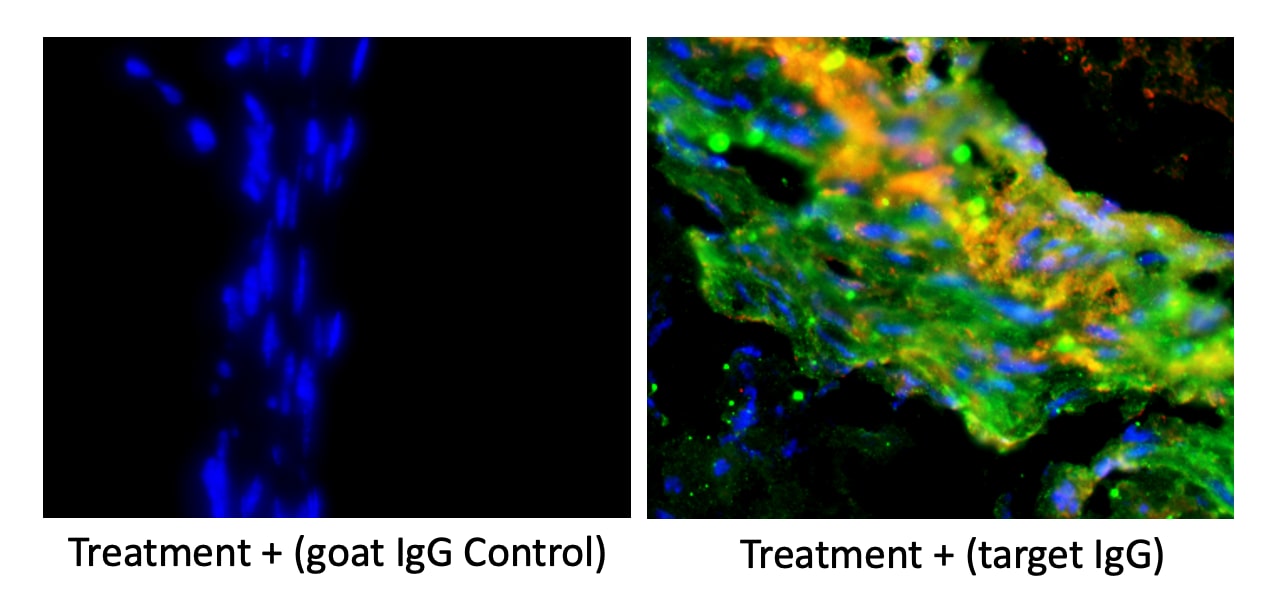
    Application: Immunocytochemistry/Immunofluorescence
    Sample Tested: Aorta tissue
    Species: Mouse
    Verified Customer | Posted 07/25/2023
    Normal Goat IgG Control AB-108-C
  • Normal Goat IgG Control
    Name: Anonymous
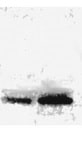
    Application: Western Blot
    Sample Tested: Adult lung
    Species: Mouse
    Verified Customer | Posted 05/23/2023
  • Normal Goat IgG Control
    Name: Anonymous
    Application: Western Blot
    Sample Tested: Spleen tissue
    Species: Mouse
    Verified Customer | Posted 07/19/2021
    Normal Goat IgG Control AB-108-C
  • Normal Goat IgG Control
    Name: Anonymous
    Application: Immunohistochemistry
    Sample Tested: fibroblast lysate
    Species: Mouse
    Verified Customer | Posted 07/07/2021
  • Normal Goat IgG Control
    Name: cong xu
    Application: Block/Neutralize
    Sample Tested: myeloma cell line
    Species: Human
    Verified Customer | Posted 03/13/2020
  • Normal Goat IgG Control
    Name: Anonymous
    Application: Western Blot
    Sample Tested: Recombinant protein
    Species: Human
    Verified Customer | Posted 09/22/2019
    Normal Goat IgG Control AB-108-C
  • Normal Goat IgG Control
    Name: Anonymous
    Application: Western Blot
    Sample Tested: Huh-7 human hepatoma cell line
    Species: Human
    Verified Customer | Posted 09/20/2019
  • Normal Goat IgG Control
    Name: Anonymous
    Application: Immunocytochemistry/Immunofluorescence
    Sample Tested: Spleen tissue
    Species: Mouse
    Verified Customer | Posted 05/09/2019
  • Normal Goat IgG Control
    Name: Anonymous
    Verified Customer | Posted 05/07/2019
  • Normal Goat IgG Control
    Name: Anonymous
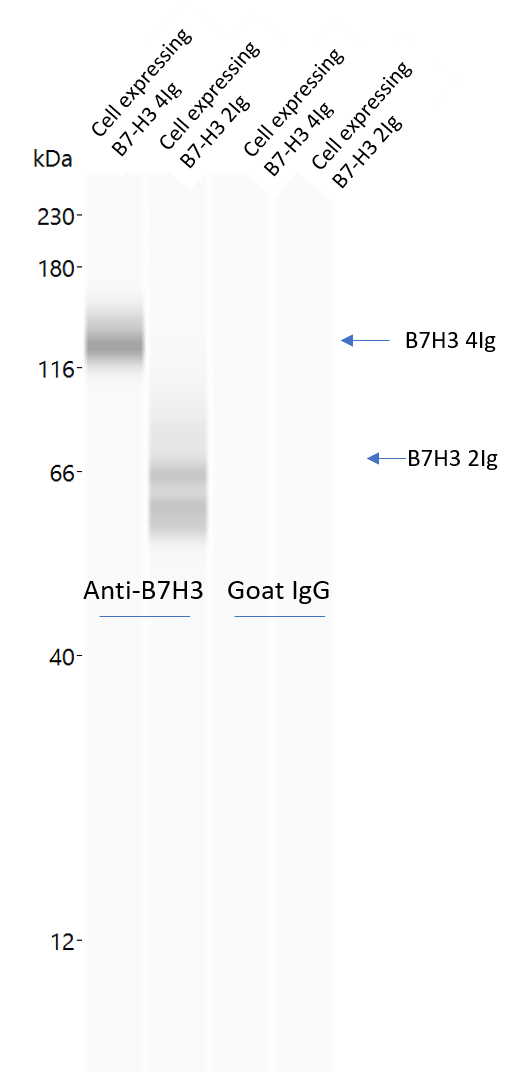
    Application: Simple Western
    Sample Tested: transduced cell lines
    Species: Human
    Verified Customer | Posted 11/02/2018
    Normal Goat IgG Control AB-108-C
  • Normal Goat IgG Control
    Name: Jim Hsiao
    Application: Block/Neutralize
    Sample Tested: lung endothelial cells
    Species: Mouse
    Verified Customer | Posted 04/18/2018
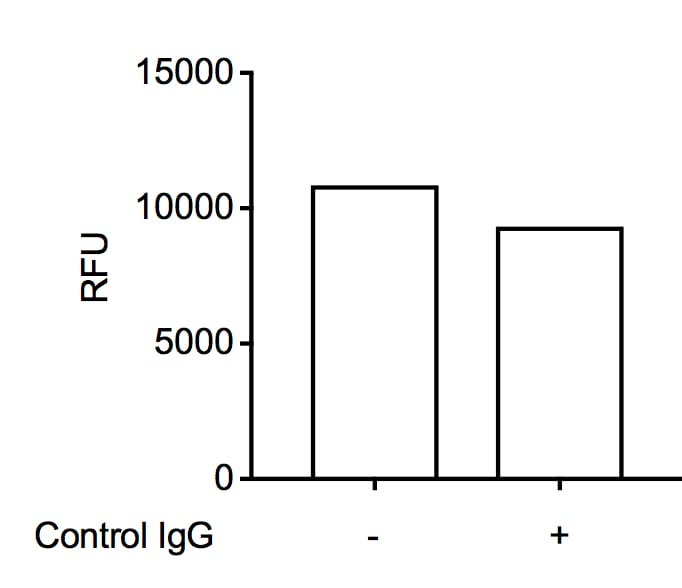
    Normal goat IgG control was used as an isotype control @ 2.5 ug/ml in a FITC-mediated permeability assay in transwells.
    Normal Goat IgG Control AB-108-C
  • Normal Goat IgG Control
    Name: Alisha Freeman
    Application: SiteClick
    Sample Tested: Immature dendritic cells
    Species: Goat
    Verified Customer | Posted 10/03/2017
  • Normal Goat IgG Control
    Name: Michelle Chen
    Application: Block/Neutralize
    Sample Tested: E6.5 mouse embryo fixed in 4% PFA
    Species: Human
    Verified Customer | Posted 05/10/2017
  • Normal Goat IgG Control
    Name: Anonymous
    Verified Customer | Posted 04/07/2017
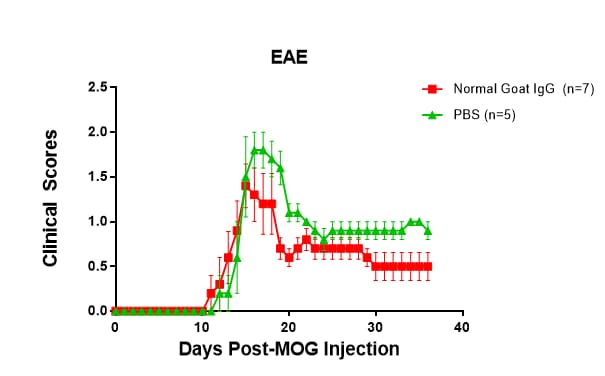
    Used ad an in vivo control. [In vivo] EAE was induced in C57BL/6 mice by immunization with an emulsion of MOG35-55 in complete Freund's adjuvant (CFA), followed by administration of pertussis toxin (PTX) in PBS, first on the day of immunization and then again 2 days later. Mice were then injected with a total of 40ug Normal Goat IgG (R&D AB108C) vs. PBS (100ul 1x PBS). A 100ul volume of 10ug Normal Goat IgG was injected intravenously every other day starting at day 13 post MOG for a total of 4 injections. Clinical scores were measured daily using the following scoring scale: 0) Normal mouse; no overt signs of disease; 1) Limp tail or hind limb weakness; 2)Limp tail and hind limb weakness; 3) Partial hind limb paralysis; 4)Complete hind limb paralysis; 5) Moribund state; death by EAE.
    Normal Goat IgG Control AB-108-C
  • Normal Goat IgG Control
    Name: Anonymous
    Verified Customer | Posted 12/19/2016
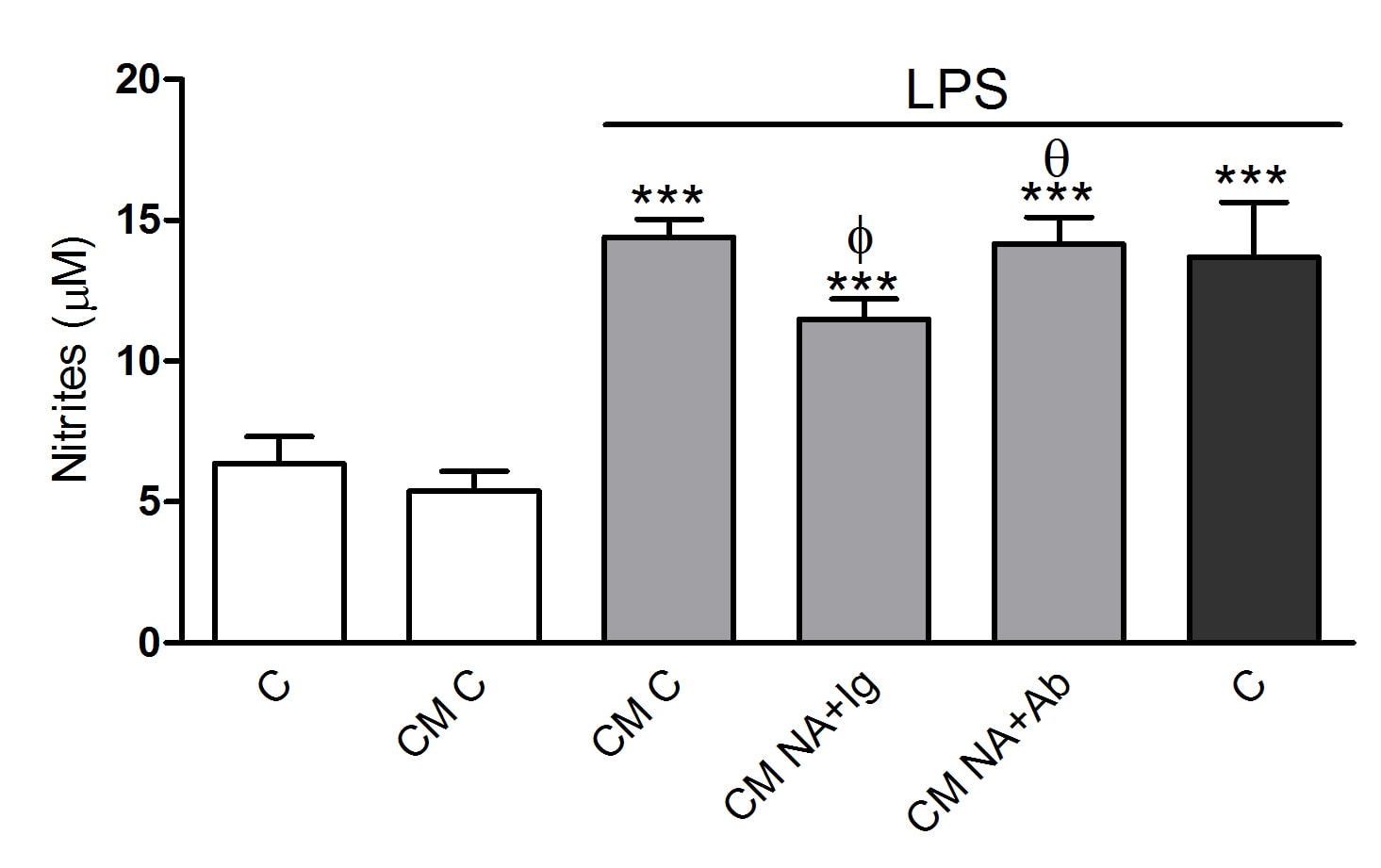
    Neuronal cultures were incubated with fresh media (control) or with NA 10µM. Three hours later, the media were replaced with half the volume of fresh ones and incubated for five hours. The resultant neuronal conditioned media (CM) were transferred to microglia cultures alone or in combination with a neutralizing antibody (Ab) against CX3CL1 (10µg/ml) or with normal goat IgG. Five hours after the addition of CM, 1µl of LPS (final concentration 0.1 µg/ml) or water was added to all culture wells and incubated for 24h. The concentration of nitrites in the culture media was measured in microglial media. Results published in: Article title: Noradrenaline induces CX3CL1 production and release by neurons Article reference: NP6524 Journal title: Neuropharmacology Final version published online: 08-Dec-2016 DOI information: 10.1016/j.neuropharm.2016.12.001
    Normal Goat IgG Control AB-108-C
  • Normal Goat IgG Control
    Name: Anonymous
    Verified Customer | Posted 12/19/2016
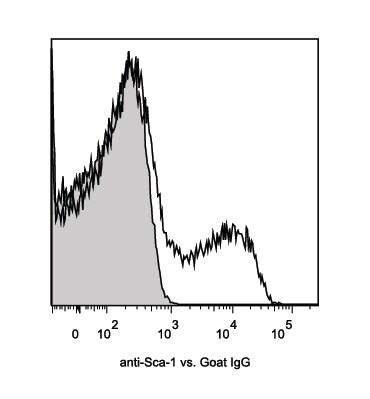
    Used for both FACS and IF. Worked well for both.
  • Normal Goat IgG Control
    Name: Adam Guess
    Verified Customer | Posted 11/08/2016
    Normal Goat IgG Control AB-108-C
  • Normal Goat IgG Control
    Name: Anonymous
    Application: Functional Assay
    Sample Tested: Whole blood
    Species: Mouse
    Verified Customer | Posted 09/01/2016
  • Normal Goat IgG Control
    Name: Anonymous
    Application: Immunohistochemistry
    Sample Tested: mouse mmp14 +/-
    Species: Rabbit
    Verified Customer | Posted 06/28/2016
  • Normal Goat IgG Control
    Name: Anonymous
    Application: Flow Cytometry
    Sample Tested: PRIMARY MOUSE CELLS
    Species: Mouse
    Verified Customer | Posted 06/28/2016
  • Normal Goat IgG Control
    Name: Anonymous
    Application: Flow Cytometry
    Sample Tested: RPE-J
    Species: Rat
    Verified Customer | Posted 06/01/2016
    Normal Goat IgG Control AB-108-C
  • Normal Goat IgG Control
    Name: Anonymous
    Application: Flow Cytometry
    Sample Tested: 7TD1 mouse hybridoma cell line
    Species: Goat
    Verified Customer | Posted 02/22/2016

There are no reviews that match your criteria.

Showing  1 - 5 of 22 reviews Showing All

FAQs

No product specific FAQs exist for this product.

View all FAQs for Isotype Controls