

Key Product Details
Features
Key Benefits
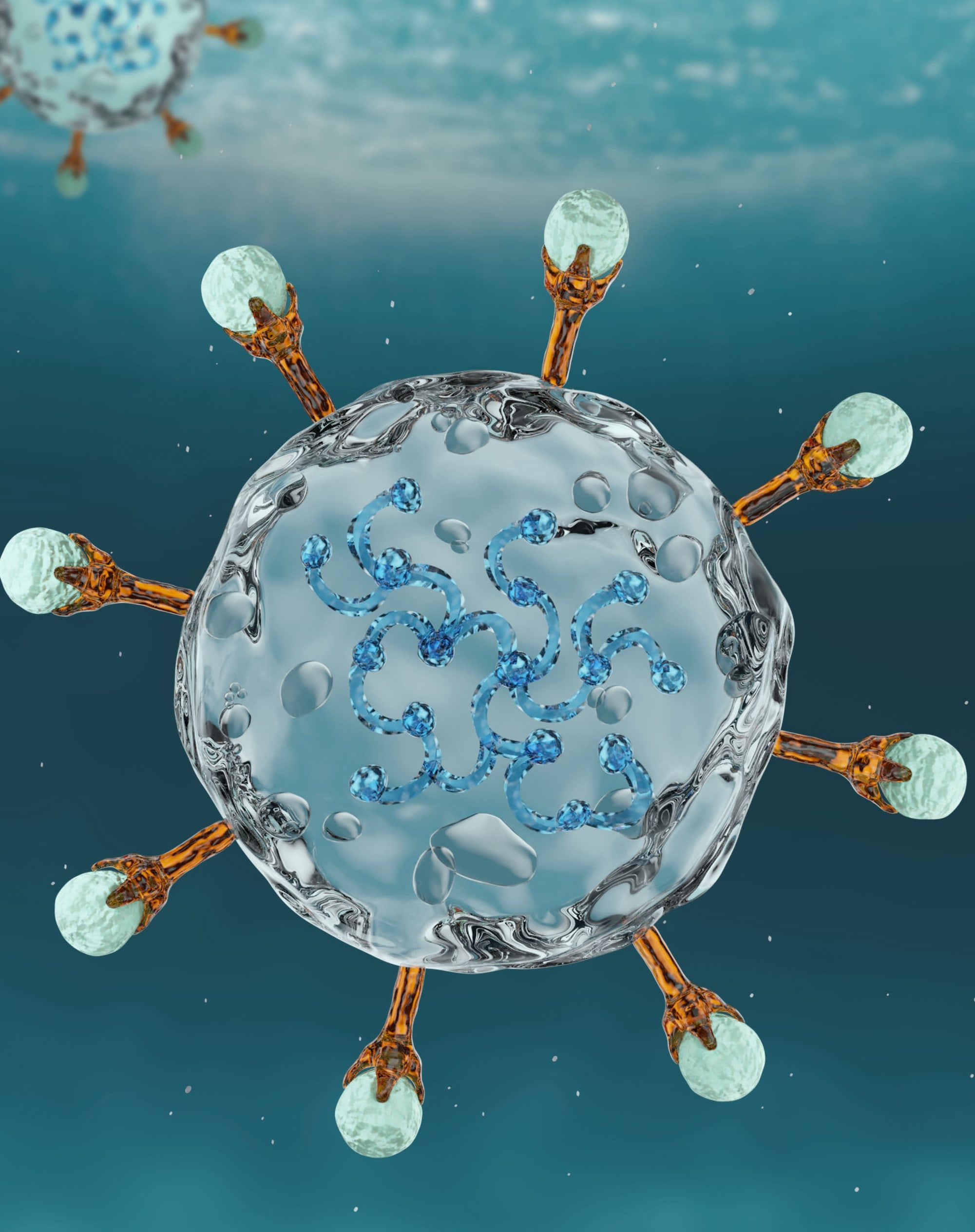
- Streptavidin-conjugated cloudz for use with any biotinylated ligand
- Cloudz microspheres dissolve in seconds after activation
- Customizable platform to tune to your specific process
Scientific Data Images for Cloudz Screening Kit
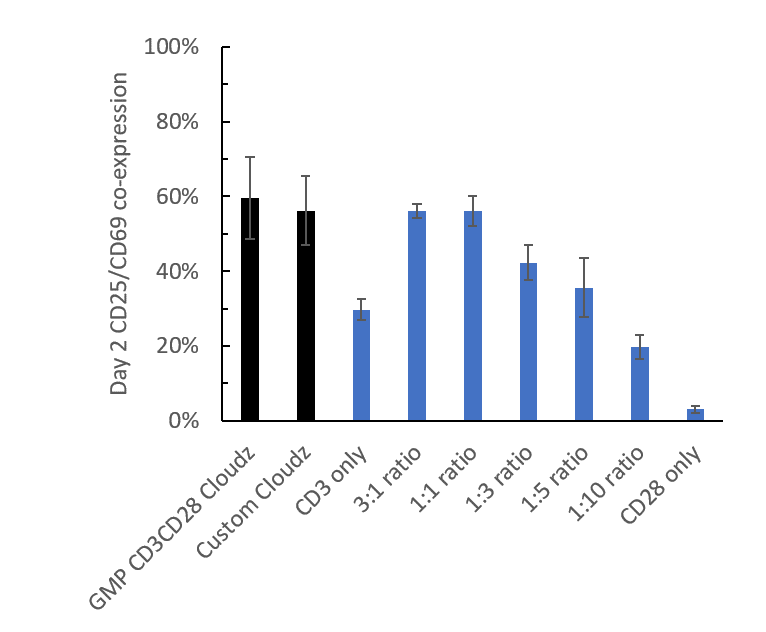
Example of optimizing T cell activation with Screening Cloudz.
Blends of Screening Cloudz were compared for activation in example CD3+ cell expansion protocol. A 1:1 blend of CD3 Screening Cloudz to CD28 Screening Cloudz demonstrated highest activation. Directly conjugated Custom Cloudz with 1:3 ratio of CD3 to CD28 demonstrated similar T cell activation to comparable 1:3 Screening Cloudz blend.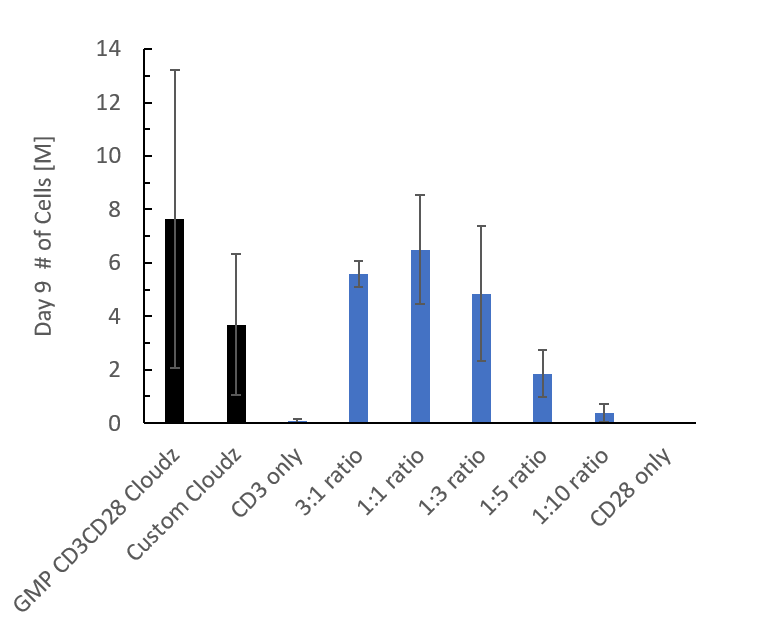
Example of optimizing T cell Expansion with Screening Cloudz. Screening Cloudz were functionalized with CD3 or CD28 antibody and blended together at various ratios.
Blends of Screening Cloudz were compared expansion in example CD3+ cell expansion protocol. A 1:1 blend of CD3 Screening Cloudz to CD28 Screening Cloudz demonstrated highest expansion. Directly conjugated Custom Cloudz with 1:3 ratio of CD3 to CD28 demonstrated similar T cell expansion to comparable 1:3 Screening Cloudz blend.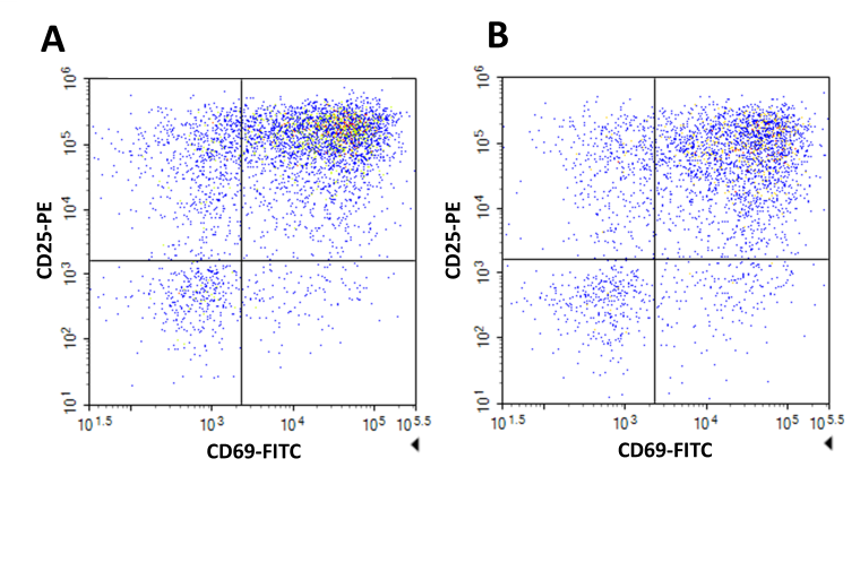
Example of T cell Activation with Screening Cloudz and similar Custom Cloudz
Screening Cloudz (Cat # CLD007) (A) and Custom Cloudz (B) were functionalized with identical combinations of CD3 and CD28 antibodies. Primary human CD3+ cells were cultured with each set of Cloudz for 48 hours in ExCellerate T cell Expansion Media (CCM030) and 20 ng/mL IL-2 (Cat # 202-IL). The negative control was performed without adding the Cloudz. Cells were fluorescently stained for CD25 and CD69 and analyzed by flow cytometry. Dead cells and debris were excluded from the analysis based on scatter signals and viability dye.Kit Contents for Cloudz Screening Kit
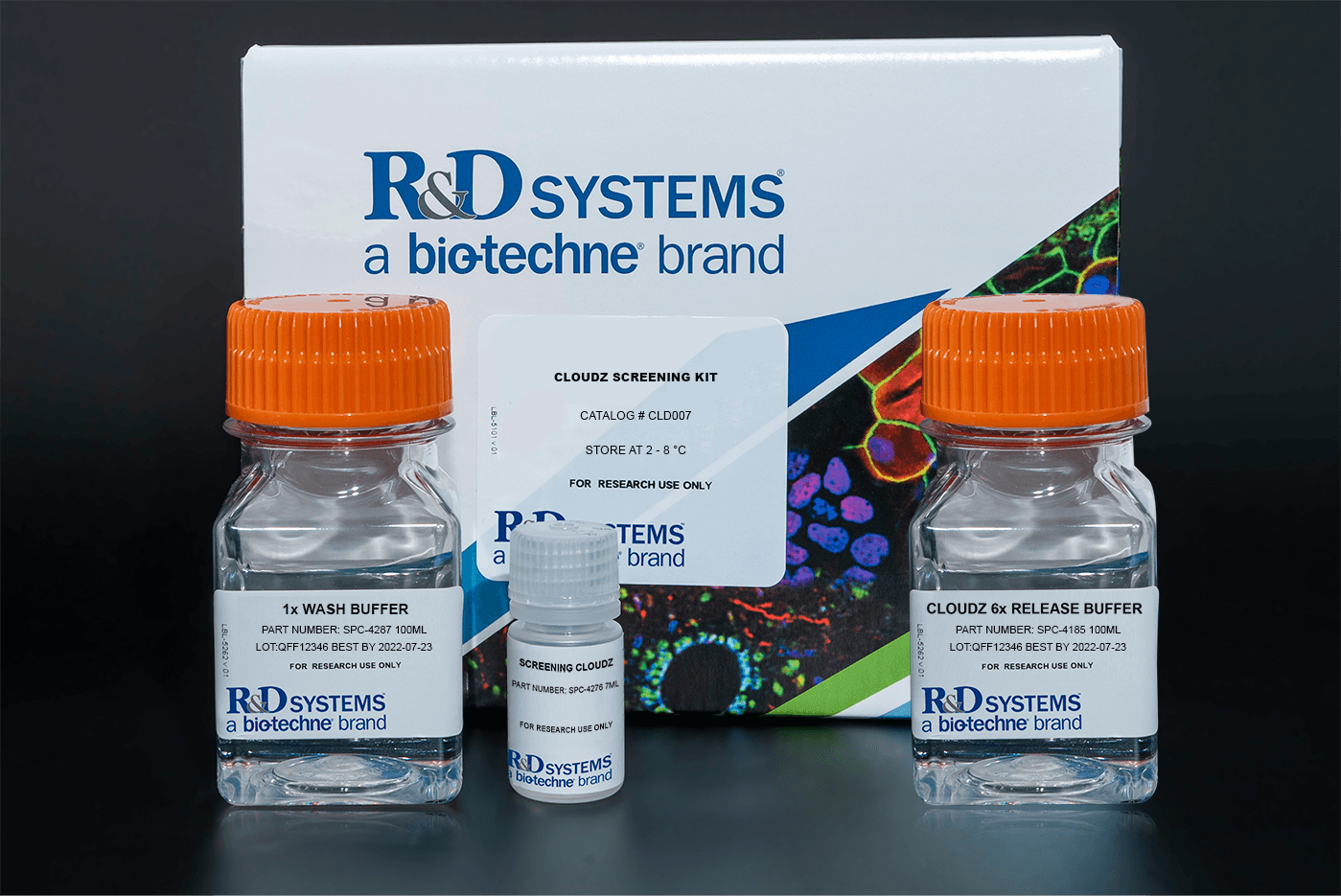
7 mL vial of Screening Cloudz (SPC-4276)- 100 mL bottle of Cloudz 6X Release Buffer (SPC-4262)
- 100 mL Bottle of 1X Wash Buffer (SPC-4287)
Formulation, Preparation, and Storage
Shipping
Product Documents for Cloudz Screening Kit
Certificate of Analysis
To download a Certificate of Analysis, please enter a lot or batch number in the search box below.
Note: Certificate of Analysis not available for kit components.
Customer Reviews for Cloudz Screening Kit
There are currently no reviews for this product. Be the first to review Cloudz Screening Kit and earn rewards!
Have you used Cloudz Screening Kit?
Submit a review and receive an Amazon gift card!
$25/€18/£15/$25CAN/¥2500 Yen for a review with an image
$10/€7/£6/$10CAN/¥1110 Yen for a review without an image
Submit a review
FAQs for Cloudz Screening Kit
-
Q: Are the Cloudz microspheres homogeneous in size?
A: When in culture, the Cloudz particles are heterogeneous in size with an average diameter similar to that of a T cell.
-
Q: Can the Cloudz microspheres be visualized under the microscope?
A: The Cloudz microspheres are translucent, but can be seen as faint circles underneath the layer of cells when looking at the culture through a microscope. The same brightfield setting and microscope magnification that are useful for visualizing cells can be used to visualize the microspheres.
-
Q: The Cloudz microspheres are not visible on the same plane as the cells when viewed under a microscpope. How do I visualize the microspheres?
A: The Cloudz microspheres can be seen as transluscent spheres by lowering the focal plane of the microscope. For more information, contact technical support.
-
Q: What is the composition of the Cloudz microspheres?
A: The Cloudz microspheres are made of alginate - a natural polymer derived from seaweed.
-
Q: What is the composition of the Cloudz Release Buffer?
A: The composition of Cloudz Release buffer is proprietary information.
-
Q: What is the size of the Cloudz microspheres?
A: The Cloudz microspheres are 2-10 µm in supplied buffer, and quickly swell to average diameter of a T cell in cell culture media.
-
Q: What material are the Cloudz microspheres made of?
A: The microspheres are made of alginate co-polymer, gelled into spherical particles in the presence of divalent salt ions.
-
Q: Are the Cloudz microspheres homogeneous in size?
A: When in culture, the Cloudz particles are heterogeneous in size with an average diameter similar to that of a T cell.
-
Q: Can the Cloudz microspheres be visualized under the microscope?
A: The Cloudz microspheres are translucent, but can be seen as faint circles underneath the layer of cells when looking at the culture through a microscope. The same brightfield setting and microscope magnification that are useful for visualizing cells can be used to visualize the microspheres.
-
Q: The Cloudz microspheres are not visible on the same plane as the cells when viewed under a microscpope. How do I visualize the microspheres?
A: The Cloudz microspheres can be seen as transluscent spheres by lowering the focal plane of the microscope. For more information, contact technical support.
-
Q: What is the composition of the Cloudz microspheres?
A: The Cloudz microspheres are made of alginate - a natural polymer derived from seaweed.
-
Q: What is the composition of the Cloudz Release Buffer?
A: The composition of Cloudz Release buffer is proprietary information.
-
Q: What is the size of the Cloudz microspheres?
A: The Cloudz microspheres are 2-10 µm in supplied buffer, and quickly swell to average diameter of a T cell in cell culture media.
-
Q: What material are the Cloudz microspheres made of?
A: The microspheres are made of alginate co-polymer, gelled into spherical particles in the presence of divalent salt ions.
-
Q: Are the Cloudz microspheres homogeneous in size?
A: When in culture, the Cloudz particles are heterogeneous in size with an average diameter similar to that of a T cell.
-
Q: Can the Cloudz microspheres be visualized under the microscope?
A: The Cloudz microspheres are translucent, but can be seen as faint circles underneath the layer of cells when looking at the culture through a microscope. The same brightfield setting and microscope magnification that are useful for visualizing cells can be used to visualize the microspheres.
-
Q: The Cloudz microspheres are not visible on the same plane as the cells when viewed under a microscpope. How do I visualize the microspheres?
A: The Cloudz microspheres can be seen as transluscent spheres by lowering the focal plane of the microscope. For more information, contact technical support.
-
Q: What is the composition of the Cloudz microspheres?
A: The Cloudz microspheres are made of alginate - a natural polymer derived from seaweed.
-
Q: What is the composition of the Cloudz Release Buffer?
A: The composition of Cloudz Release buffer is proprietary information.
-
Q: What is the size of the Cloudz microspheres?
A: The Cloudz microspheres are 2-10 µm in supplied buffer, and quickly swell to average diameter of a T cell in cell culture media.
-
Q: What material are the Cloudz microspheres made of?
A: The microspheres are made of alginate co-polymer, gelled into spherical particles in the presence of divalent salt ions.
-
Q: Are the Cloudz microspheres homogeneous in size?
A: When in culture, the Cloudz particles are heterogeneous in size with an average diameter similar to that of a T cell.
-
Q: Can the Cloudz microspheres be visualized under the microscope?
A: The Cloudz microspheres are translucent, but can be seen as faint circles underneath the layer of cells when looking at the culture through a microscope. The same brightfield setting and microscope magnification that are useful for visualizing cells can be used to visualize the microspheres.
-
Q: The Cloudz microspheres are not visible on the same plane as the cells when viewed under a microscpope. How do I visualize the microspheres?
A: The Cloudz microspheres can be seen as transluscent spheres by lowering the focal plane of the microscope. For more information, contact technical support.
-
Q: What is the composition of the Cloudz microspheres?
A: The Cloudz microspheres are made of alginate - a natural polymer derived from seaweed.
-
Q: What is the composition of the Cloudz Release Buffer?
A: The composition of Cloudz Release buffer is proprietary information.
-
Q: What is the size of the Cloudz microspheres?
A: The Cloudz microspheres are 2-10 µm in supplied buffer, and quickly swell to average diameter of a T cell in cell culture media.
-
Q: What material are the Cloudz microspheres made of?
A: The microspheres are made of alginate co-polymer, gelled into spherical particles in the presence of divalent salt ions.
-
Q: Are the Cloudz microspheres homogeneous in size?
A: When in culture, the Cloudz particles are heterogeneous in size with an average diameter similar to that of a T cell.
-
Q: Can the Cloudz microspheres be visualized under the microscope?
A: The Cloudz microspheres are translucent, but can be seen as faint circles underneath the layer of cells when looking at the culture through a microscope. The same brightfield setting and microscope magnification that are useful for visualizing cells can be used to visualize the microspheres.
-
Q: The Cloudz microspheres are not visible on the same plane as the cells when viewed under a microscpope. How do I visualize the microspheres?
A: The Cloudz microspheres can be seen as transluscent spheres by lowering the focal plane of the microscope. For more information, contact technical support.
-
Q: What is the composition of the Cloudz microspheres?
A: The Cloudz microspheres are made of alginate - a natural polymer derived from seaweed.
-
Q: What is the composition of the Cloudz Release Buffer?
A: The composition of Cloudz Release buffer is proprietary information.
-
Q: What is the size of the Cloudz microspheres?
A: The Cloudz microspheres are 2-10 µm in supplied buffer, and quickly swell to average diameter of a T cell in cell culture media.
-
Q: What material are the Cloudz microspheres made of?
A: The microspheres are made of alginate co-polymer, gelled into spherical particles in the presence of divalent salt ions.
-
Q: Are the Cloudz microspheres homogeneous in size?
A: When in culture, the Cloudz particles are heterogeneous in size with an average diameter similar to that of a T cell.
-
Q: Can the Cloudz microspheres be visualized under the microscope?
A: The Cloudz microspheres are translucent, but can be seen as faint circles underneath the layer of cells when looking at the culture through a microscope. The same brightfield setting and microscope magnification that are useful for visualizing cells can be used to visualize the microspheres.
-
Q: The Cloudz microspheres are not visible on the same plane as the cells when viewed under a microscpope. How do I visualize the microspheres?
A: The Cloudz microspheres can be seen as transluscent spheres by lowering the focal plane of the microscope. For more information, contact technical support.
-
Q: What is the composition of the Cloudz microspheres?
A: The Cloudz microspheres are made of alginate - a natural polymer derived from seaweed.
-
Q: What is the composition of the Cloudz Release Buffer?
A: The composition of Cloudz Release buffer is proprietary information.
-
Q: What is the size of the Cloudz microspheres?
A: The Cloudz microspheres are 2-10 µm in supplied buffer, and quickly swell to average diameter of a T cell in cell culture media.
-
Q: What material are the Cloudz microspheres made of?
A: The microspheres are made of alginate co-polymer, gelled into spherical particles in the presence of divalent salt ions.
-
Q: Are the Cloudz microspheres homogeneous in size?
A: When in culture, the Cloudz particles are heterogeneous in size with an average diameter similar to that of a T cell.
-
Q: Can the Cloudz microspheres be visualized under the microscope?
A: The Cloudz microspheres are translucent, but can be seen as faint circles underneath the layer of cells when looking at the culture through a microscope. The same brightfield setting and microscope magnification that are useful for visualizing cells can be used to visualize the microspheres.
-
Q: The Cloudz microspheres are not visible on the same plane as the cells when viewed under a microscpope. How do I visualize the microspheres?
A: The Cloudz microspheres can be seen as transluscent spheres by lowering the focal plane of the microscope. For more information, contact technical support.
-
Q: What is the composition of the Cloudz microspheres?
A: The Cloudz microspheres are made of alginate - a natural polymer derived from seaweed.
-
Q: What is the composition of the Cloudz Release Buffer?
A: The composition of Cloudz Release buffer is proprietary information.
-
Q: What is the size of the Cloudz microspheres?
A: The Cloudz microspheres are 2-10 µm in supplied buffer, and quickly swell to average diameter of a T cell in cell culture media.
-
Q: What material are the Cloudz microspheres made of?
A: The microspheres are made of alginate co-polymer, gelled into spherical particles in the presence of divalent salt ions.