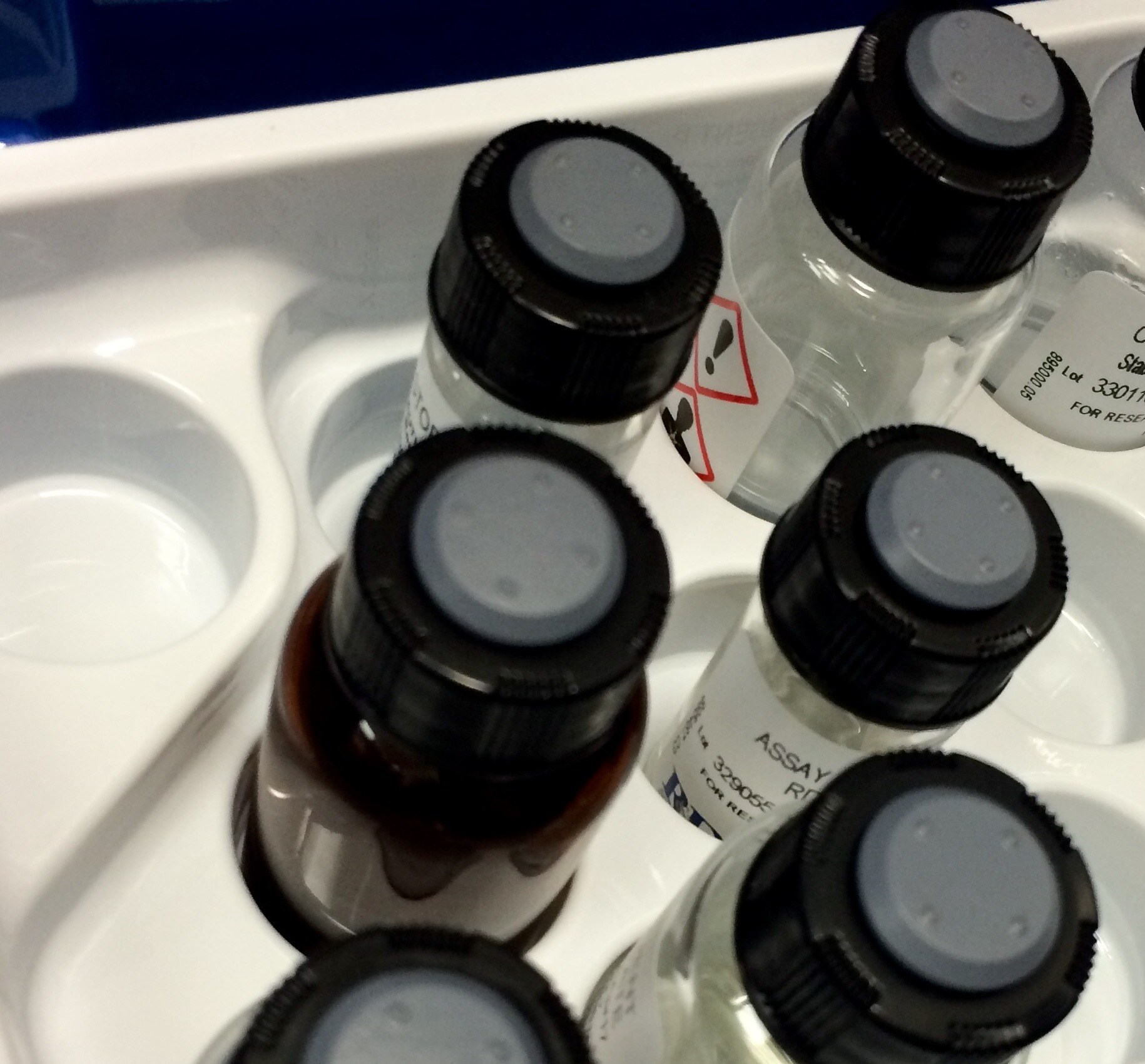
Human/Mouse/Rat/Porcine/Canine TGF-beta 1 Quantikine ELISA

R&D Systems | Catalog # DB100B

This product has been discontinued
R&D Systems
Discontinued Product
DB100B has been discontinued. An alternative/replacement product is available: DB100C. View all TGF-beta 1 products.

Key Product Details

Assay Length

4.5 hours

Sample Type & Volume Required Per Well

Cell Culture Supernates (100 µL), Serum (40 µL), EDTA Plasma (40 µL), Platelet-poor Plasma (25 µL), Urine (100 µL)

Sensitivity

15.4 pg/mL

Assay Range

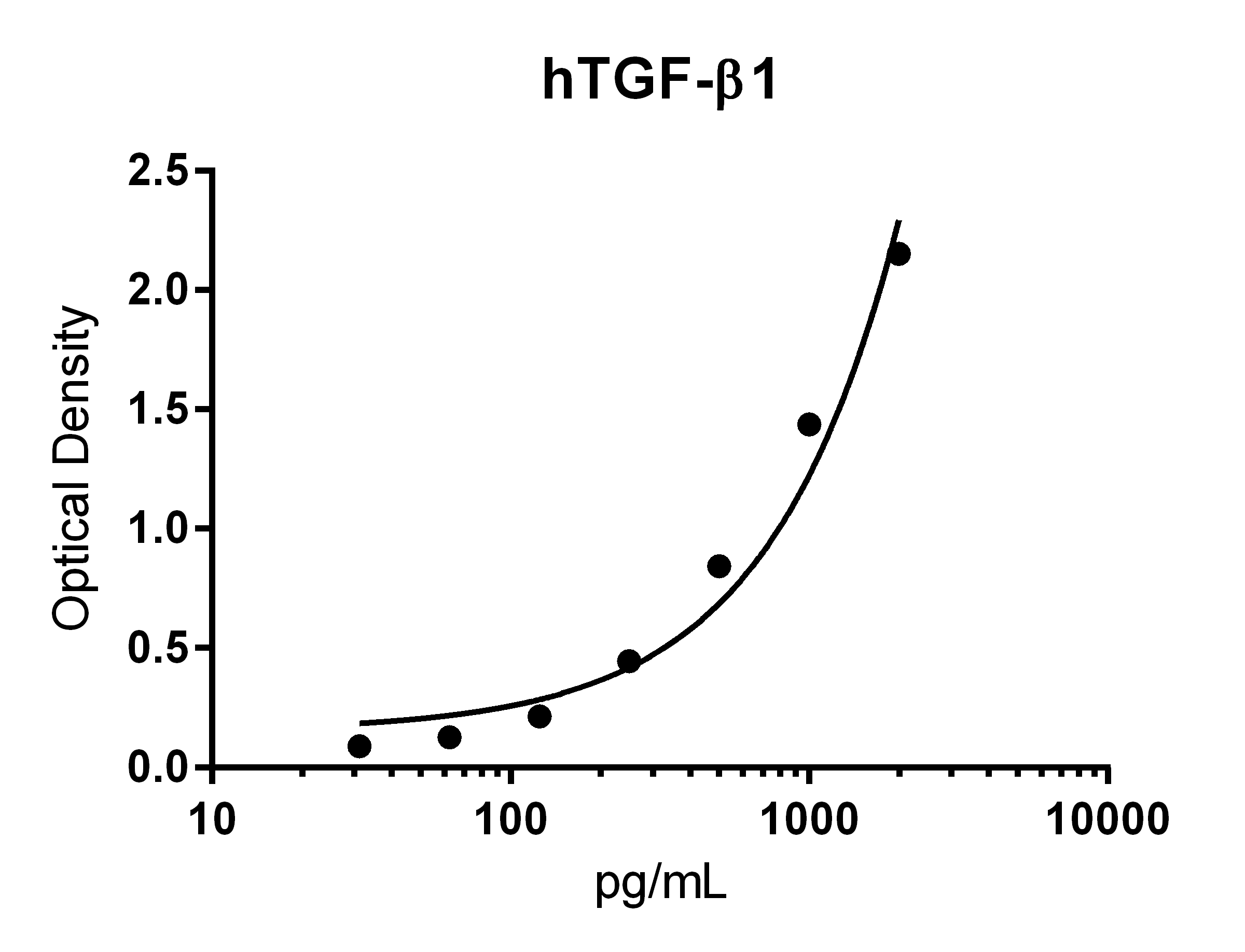
31.2-2000 pg/mL (Cell Culture Supernates, Serum, EDTA Plasma, Platelet-poor Plasma, Urine)
Loading...

Product Summary for Human/Mouse/Rat/Porcine/Canine TGF-beta 1 Quantikine ELISA

The Quantikine Human TGF-beta 1 Immunoassay is a 4.5 hour solid phase ELISA designed to measure TGF-beta 1 in acid activated cell culture supernates, serum, plasma, and urine. It contains recombinant human TGF-beta 1 expressed by CHO cells and has been shown to quantitate the recombinant factor accurately. Results obtained using natural TGF-beta 1 showed linear curves that were parallel to the standard curves obtained using the recombinant kit standards. These results indicate that this kit will provide accurate quantitation for both recombinant and natural human TGF-beta 1.

Product Specifications

Measurement

Quantitative ELISA

Detection Method

Colorimetric - 450nm (TMB)

Conjugate

HRP

Species

Human

Specificity

Natural and recombinant TGF-beta 1. This kit cross-reacts 15% with human Latent TGF-beta 1 complex and also recognizes human TGF-beta 1.2 and mouse, rat, porcine, and canine TGF-beta 1. 

Cross-reactivity

Cross-reactivity observed with 1 or more available related molecules. Cross-species reactivity observed with 1 or more species tested.

Interference

Interference observed with 1 or more available related molecules.

Precision

Intra-Assay Precision (Precision within an assay) Three samples of known concentration were tested on one plate to assess intra-assay precision.

Inter-Assay Precision (Precision between assays) Three samples of known concentration were tested in separate assays to assess inter-assay precision.

Cell Culture Supernates, Urine

Intra-Assay Precision Inter-Assay Precision
Sample 1 2 3 1 2 3
n 20 20 20 22 21 22
Mean (pg/mL) 88 198 816 97 209 826
Standard Deviation 3.0 4.9 19.6 8.1 17.3 47.0
CV% 3.4 2.5 2.4 8.4 8.3 5.7

EDTA Plasma, Serum

Intra-Assay Precision Inter-Assay Precision
Sample 1 2 3 1 2 3
n 20 20 20 28 37 30
Mean (pg/mL) 78 180 695 79 185 730
Standard Deviation 2.3 3.4 17.3 7.2 17.2 46.8
CV% 2.9 1.9 2.5 9.1 9.3 6.4

Recovery for Human/Mouse/Rat/Porcine/Canine TGF-beta 1 Quantikine ELISA

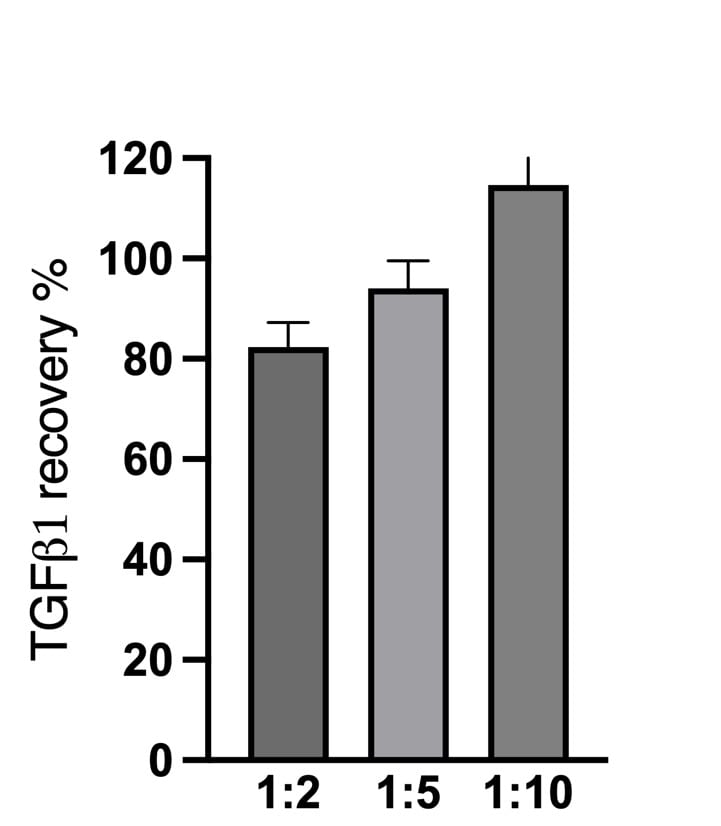
The recovery of TGF-beta 1 spiked to levels throughout the range of the assay followed by activation was evaluated.

Sample Type Average % Recovery Range %
Cell Culture Supernates (n=4) 99 86-115
Urine (n=3) 96 88-100

Linearity

To assess the linearity of the assay, activated samples containing and/or spiked with high concentrations of TGF-beta 1 were diluted with Calibrator Diluent and then assayed.

Human TGF-beta 1 ELISA Linearity

Scientific Data Images for Human/Mouse/Rat/Porcine/Canine TGF-beta 1 Quantikine ELISA

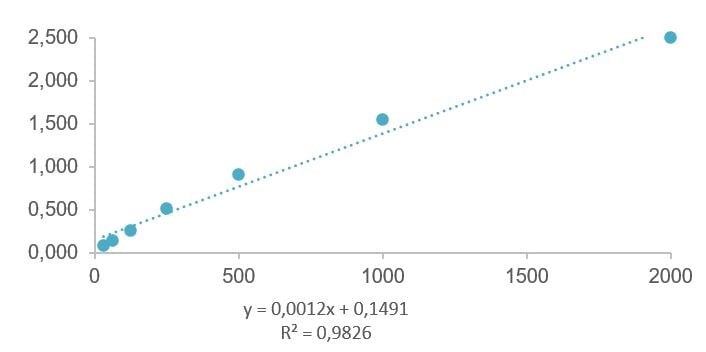
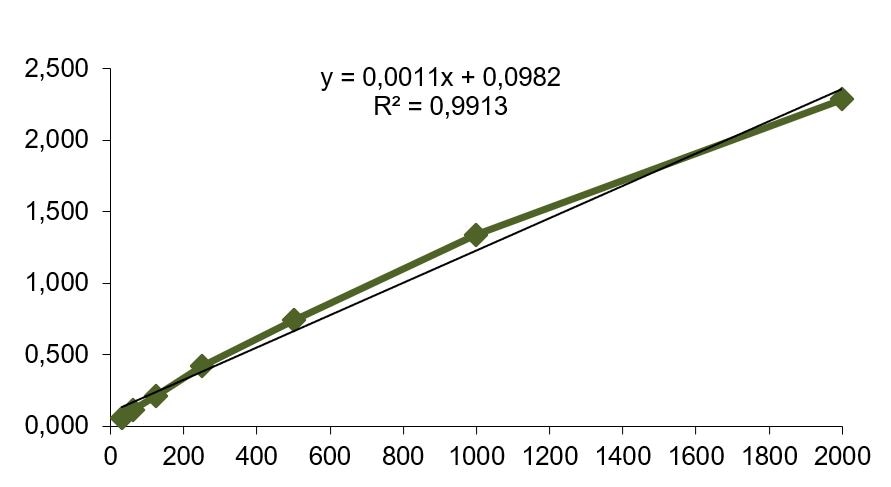
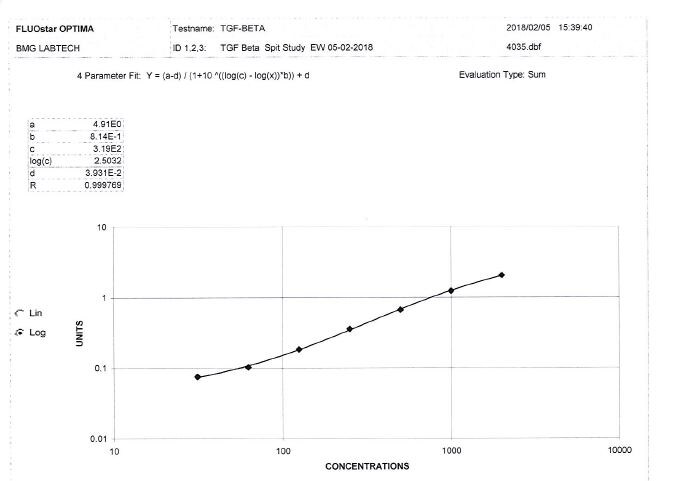
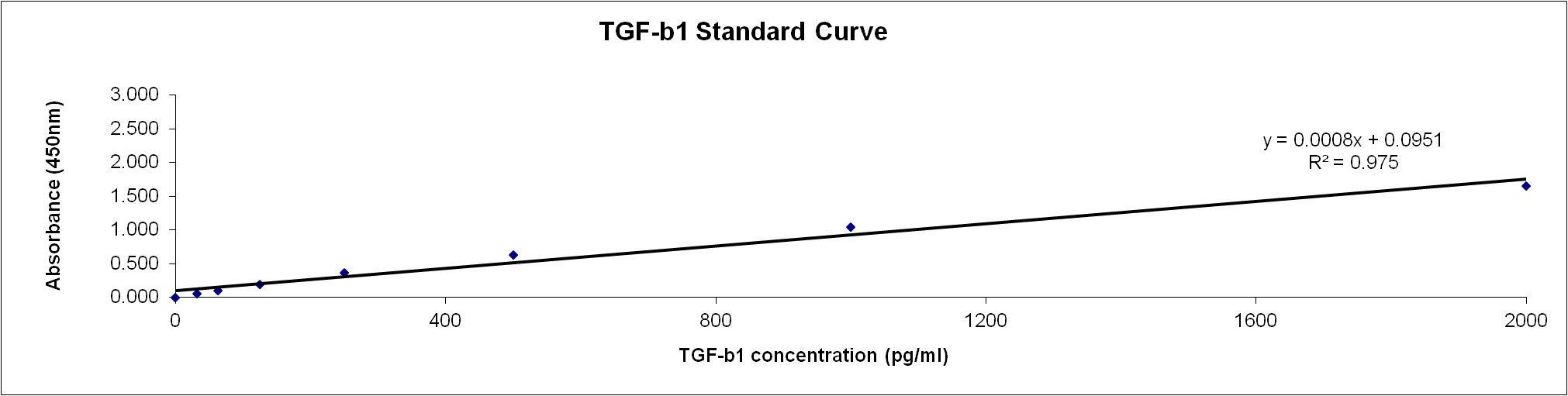
Human TGF-beta 1 ELISA Cell Culture Supernate/Urine Standard Curve

Human TGF-beta 1 ELISA Cell Culture Supernate/Urine Standard Curve

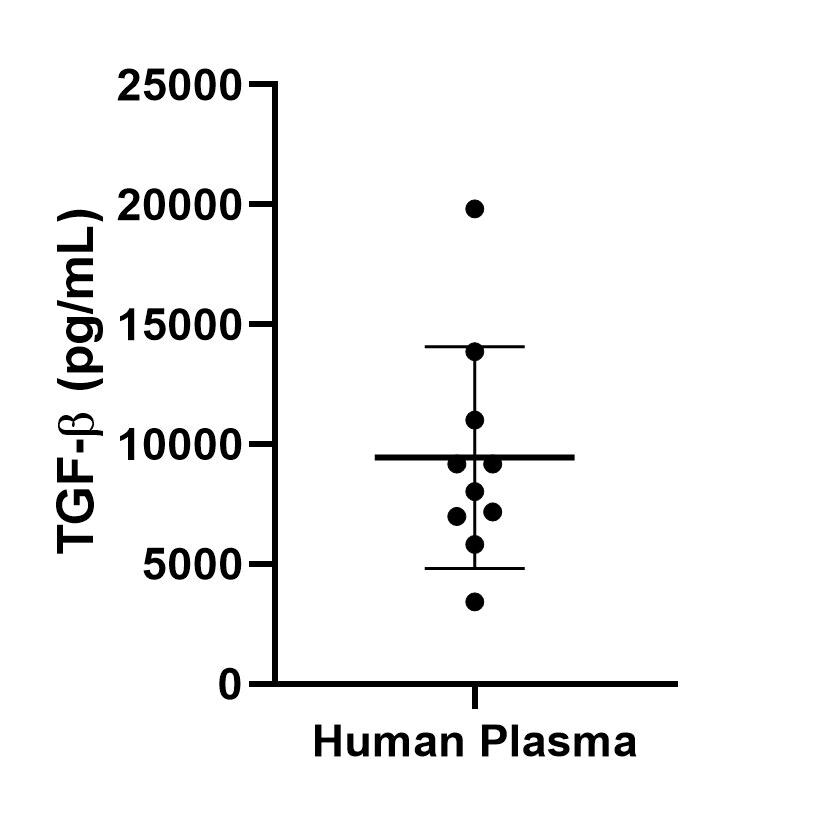
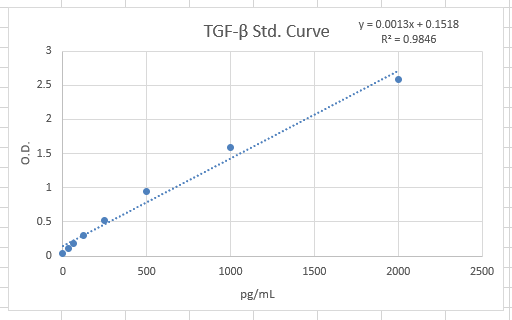
Human TGF-beta 1 ELISA Serum/Plasma Standard Curve

Human TGF-beta 1 ELISA Serum/Plasma Standard Curve

Preparation and Storage

Shipping

The product is shipped at ambient temperature. Upon receipt, store it immediately at the temperature recommended below.

Stability & Storage

Store the unopened product at 2 - 8 °C. Do not use past expiration date.

Background: TGF-beta 1

Human TGF-beta 1 is a 25 kDa, disulfide-linked homodimeric protein involved in a number of key developmental, immunologic, and homeostatic processes (1-4). The molecule is synthesized as a 390 amino acid (aa) precursor that contains a 23 aa signal sequence, a 255 aa pro-region, and a 112 aa mature segment. Processing of the molecule is complex, and it is generally secreted as a latent form (5). Prior to release, the prepro-form is cleaved of its signal sequence, followed by glycosylation of its pro-region. The glycosylation process includes the unusual attachment of mannose-6 phosphate residues. This is followed by furin convertase-mediated cleavage of the prohormone, creating an 80 kDa disulfide-linked proregion (termed LAP for latency-associated protein), plus a 25 kDa disulfidelinked mature segment (termed TGF-beta 1) (6-8). These two independent disulfide-linked polypeptides associate in a non-covalent interaction that renders TGF-beta 1 inactive. Although direct secretion of this 80K:25K complex can occur, it does so inefficiently. To facilitate secretion plus extracellular storage, a third 200 kDa component termed LTBP is covalently-linked to the N-terminus of one of the two LAP polypeptide chains. This promotes secretion and subsequent storage within the extracellular matrix (9, 10). After secretion, TGF-beta 1, via LTBP, covalently links to ECM. This complex is later cleaved by proteases and released, exposing mannose residues on LAP. It is postulated that exposed LAP mannose residues now are able to bind to cell surface IGF-II R, where dissociative events disrupt the LAP-TGF-beta 1 complex. This results in the release of active, homodimeric TGF-beta 1 (7, 10). Mature mouse TGF-beta 1 shares 100% aa sequence identity with rat and cotton rat TGF-beta 1 (11, 12), 99% aa identity with human, canine, and porcine TGF-beta 1 (13, 14, 15), and 97% aa identity with guinea pig TGF-beta 1 (16). Relative to mouse TGF-beta 2 and beta 3, mature mouse TGF-beta 1 shares 72% and 78% aa sequence identity, respectively (17, 18). 
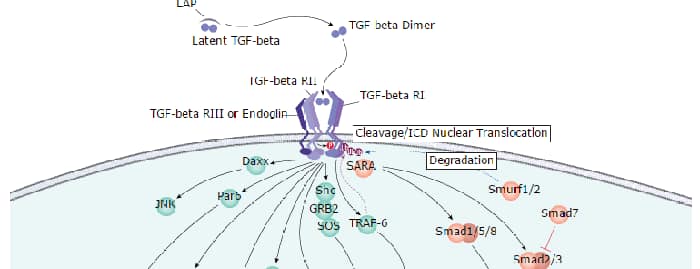
The traditional high-affinity receptor for TGF-beta 1 is a heteromeric complex consisting of transmembrane serine/threonine kinases. Two types are involved; a constitutively phosphorylated, ligand-binding 80 kDa glycoprotein termed T beta RII and a signal-transducing, non-ligand-binding 55 kDa glycoprotein termed T beta RI/ALK-5 (19-22). It is suggested that TGF-beta 1first binds T beta RII, which then initiates a crossphosphorylation of T beta RI, culminating in signal transduction. There is also a third TGF-beta receptor termed T beta RIII, which can be either the 250 kDa proteoglycan named betaglycan, or the 180 kDa glycoprotein termed endoglin/CD105 (23, 24). It has been proposed that T beta RIII captures TGF-beta and "passes" it to T beta RII (20). This is perhaps true for betaglycan but not endoglin. Endoglin does not bind TGF-beta by itself; only within the context of T beta RII ligand binding. Evidence suggests that rather than "passing" on ligand, endoglin may actually enter the receptor complex and modulate TGF-beta downstream signaling (25, 26). Finally, and although ALK-5 has traditionally been assumed to be the only type I signaling receptor for TGF-beta 1, it is also possible that ALK-1 may serve as a condition-dependent, type I TGF-beta receptor (27). 
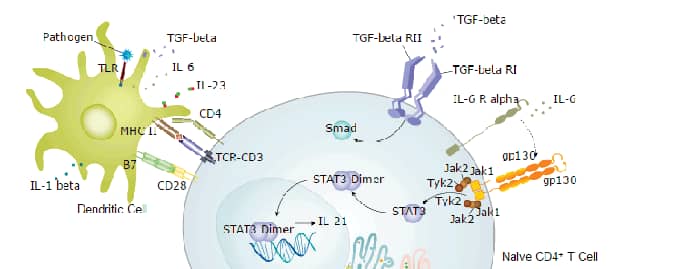
TGF-beta 1 has a wide range of activities. During an immune response, TGF-beta 1 impacts antibody production by preferentially induceing IgA production in both mouse and human (28). It also regulates dendritic cell chemotaxis by altering the expression of chemokine receptors (29). Finally, it can downmodulate an inflammatory response by dampening macrophage activity and proinflammatory secretion (30). During wound healing, TGF-beta 1 is released from activated platelets. This local source of TGF-beta 1 has marked stimulatory effects on fibroblasts, where it induces matrix synthesis; on monocytes, where it induces proinflammatory mediator and growth factor secretion; and on keratinocytes, where it may promote keratinocyte proliferation by downmodulating its own signaling pathway (31). Finally, during development, TGF-beta 1 may play a role in endochondral ossification, and its absence results in severely defective yolk sac vasculogenesis and hematopoiesis (32, 33). 

Long Name

Transforming Growth Factor beta 1

Alternate Names

TGF beta1, TGFB, TGFB1, TGFbeta 1

Entrez Gene IDs

7040 (Human); 21803 (Mouse); 59086 (Rat); 397078 (Porcine); 100033900 (Equine)

Gene Symbol

TGFB1

Additional TGF-beta 1 Products

Product Documents for Human/Mouse/Rat/Porcine/Canine TGF-beta 1 Quantikine ELISA

Certificate of Analysis

To download a Certificate of Analysis, please enter a lot or batch number in the search box below.

Note: Certificate of Analysis not available for kit components.

Product Specific Notices for Human/Mouse/Rat/Porcine/Canine TGF-beta 1 Quantikine ELISA

For research use only

⚠ WARNING: This product can expose you to chemicals including N,N-Dimethylforamide, which is known to the State of California to cause cancer. For more information, go to www.P65Warnings.ca.gov.

Citations for Human/Mouse/Rat/Porcine/Canine TGF-beta 1 Quantikine ELISA

Customer Reviews for Human/Mouse/Rat/Porcine/Canine TGF-beta 1 Quantikine ELISA (23)

4.8 out of 5
23 Customer Ratings
5 Stars
78%
4 Stars
22%
3 Stars
0%
2 Stars
0%
1 Stars
0%

Have you used Human/Mouse/Rat/Porcine/Canine TGF-beta 1 Quantikine ELISA?

Submit a review and receive an Amazon gift card!

$25/€18/£15/$25CAN/¥2500 Yen for a review with an image

$10/€7/£6/$10CAN/¥1110 Yen for a review without an image

Submit a review
Amazon Gift Card

Customer Images


Showing  1 - 5 of 23 reviews Showing All
Filter By:
  • Human/Mouse/Rat/Porcine/Canine TGF-beta 1 Quantikine ELISA
    Name: Anonymous
    Sample Tested: mouse serum
    Verified Customer | Posted 04/16/2024
    Human/Mouse/Rat/Porcine/Canine TGF-beta 1 Quantikine ELISA DB100B
  • Human/Mouse/Rat/Porcine/Canine TGF-beta 1 Quantikine ELISA
    Name: Anonymous
    Sample Tested: Serum
    Verified Customer | Posted 03/17/2022
    Human/Mouse/Rat/Porcine/Canine TGF-beta 1 Quantikine ELISA DB100B
  • Human/Mouse/Rat/Porcine/Canine TGF-beta 1 Quantikine ELISA
    Name: James Williams
    Sample Tested: EDTA Plasma
    Verified Customer | Posted 03/16/2022
    Human/Mouse/Rat/Porcine/Canine TGF-beta 1 Quantikine ELISA DB100B
  • Human/Mouse/Rat/Porcine/Canine TGF-beta 1 Quantikine ELISA
    Name: Anonymous
    Sample Tested: Serum-free Cell Culture Media
    Verified Customer | Posted 01/10/2022
  • Human/Mouse/Rat/Porcine/Canine TGF-beta 1 Quantikine ELISA
    Name: James AHODANTIN
    Sample Tested: Plasmas from mice fed with HFD
    Verified Customer | Posted 01/08/2022
    Very sensitive and easy to use. I switched to the new version DB100C lately and both are quite similar. Good product
    Human/Mouse/Rat/Porcine/Canine TGF-beta 1 Quantikine ELISA DB100B
  • Human/Mouse/Rat/Porcine/Canine TGF-beta 1 Quantikine ELISA
    Name: Anonymous
    Sample Tested: EDTA Plasma
    Verified Customer | Posted 09/01/2021
    Human/Mouse/Rat/Porcine/Canine TGF-beta 1 Quantikine ELISA DB100B
  • Human/Mouse/Rat/Porcine/Canine TGF-beta 1 Quantikine ELISA
    Name: Anonymous
    Sample Tested: Serum-free Cell Culture Media
    Verified Customer | Posted 07/02/2020
  • Human/Mouse/Rat/Porcine TGF-beta 1 Quantikine ELISA Kit
    Name: Anonymous
    Sample Tested: Serum-free Cell Culture Media
    Verified Customer | Posted 06/26/2020
  • Human TGF-beta 1 Quantikine ELISA Kit
    Name: Anonymous
    Sample Tested: Plasma
    Verified Customer | Posted 02/28/2020
    Easy to use, great results
    Human/Mouse/Rat/Porcine/Canine TGF-beta 1 Quantikine ELISA DB100B
  • Human TGF-beta 1 Quantikine ELISA Kit
    Name: Evan Williams
    Sample Tested: Plasma
    Verified Customer | Posted 02/27/2020
    Human/Mouse/Rat/Porcine/Canine TGF-beta 1 Quantikine ELISA DB100B
  • Human TGF-beta 1 Quantikine ELISA Kit
    Name: Anonymous
    Sample Tested: Blood mononuclear cells (PBMCs)
    Verified Customer | Posted 01/16/2020
    Human/Mouse/Rat/Porcine/Canine TGF-beta 1 Quantikine ELISA DB100B
  • Human TGF-beta 1 Quantikine ELISA Kit
    Name: Anonymous
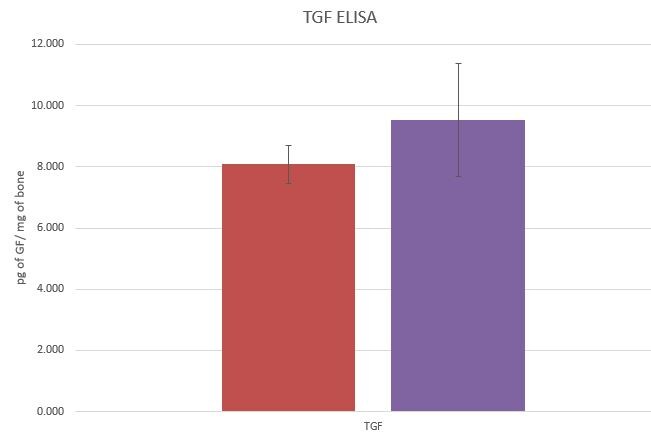
    Sample Tested: Bone Extracts
    Verified Customer | Posted 10/10/2019
    Human/Mouse/Rat/Porcine/Canine TGF-beta 1 Quantikine ELISA DB100B
  • Human TGF-beta 1 Quantikine ELISA Kit
    Name: Anonymous
    Sample Tested: Peripheral blood mononuclear cells (PBMCs)
    Verified Customer | Posted 07/08/2019
  • Human TGF-beta 1 Quantikine ELISA Kit
    Name: Anonymous
    Sample Tested: Blood mononuclear cells (PBMCs)
    Verified Customer | Posted 03/21/2019
  • Name: Anonymous
    Sample Tested: Serum
    Verified Customer | Posted 03/12/2019
  • Human TGF-beta 1 Quantikine ELISA Kit
    Name: Ivan Luzardo
    Sample Tested: Cell Culture Media
    Verified Customer | Posted 12/11/2018
  • Human TGF-beta 1 Quantikine ELISA Kit
    Name: Anonymous
    Sample Tested: Serum
    Verified Customer | Posted 06/19/2018
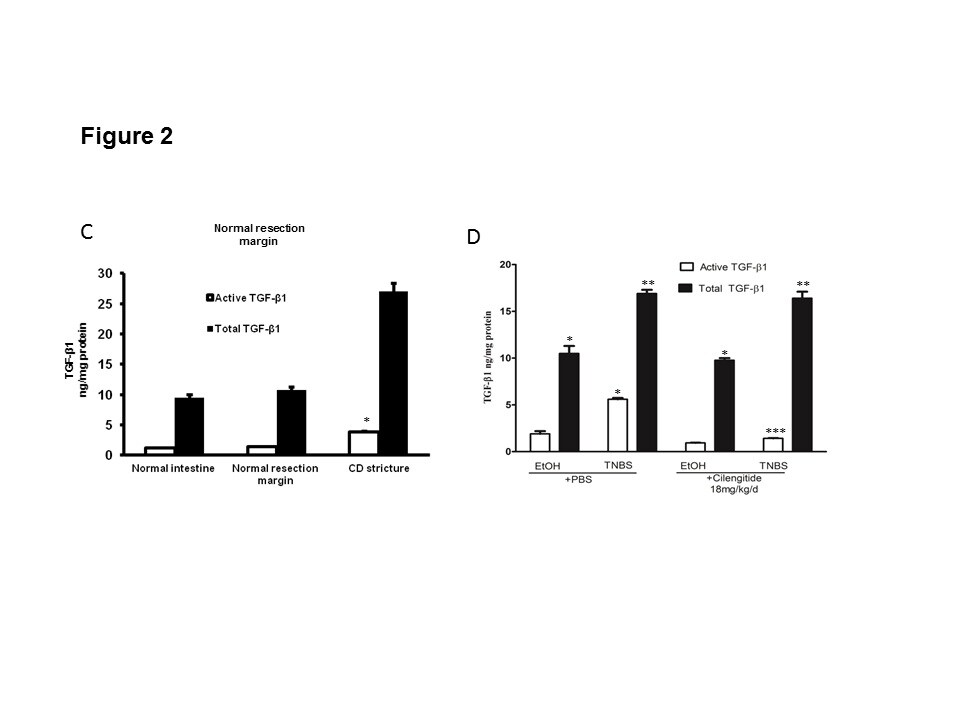
  • Name: Anonymous
    Sample Tested: Human intestinal tissue, Human intestinal smooth muscle cells and Mouse intestinal smooth muscle cells
    Verified Customer | Posted 03/30/2018
    Li C, Flynn RS, Grider JR, Murthy KS, Kellum JM, Akbari H, Kuemmerle JF. Increased Activation of Latent TGF-beta 1 by alpha V beta 3 in Human Crohn's Disease and Fibrosis in TNBS Colitis Can Be Prevented by Cilengitide. Inflamm Bowel Dis. 19(13):2829-2839; 2013
    Human/Mouse/Rat/Porcine/Canine TGF-beta 1 Quantikine ELISA DB100B
  • Human TGF-beta 1 Quantikine ELISA Kit
    Name: Jim Hsiao
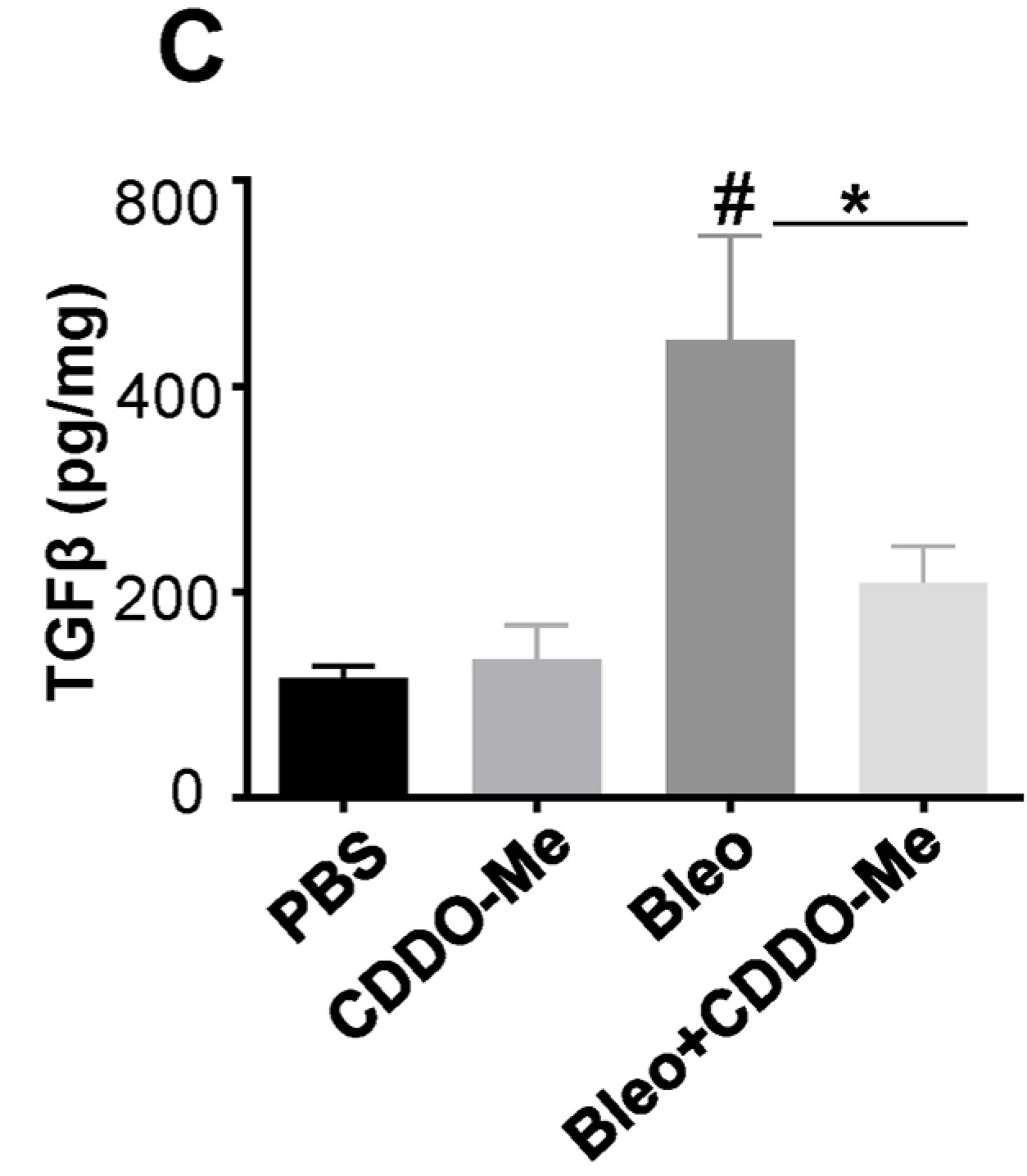
    Sample Tested: Mouse lung tissue and Mouse lung tissue homogenates
    Verified Customer | Posted 11/29/2017
    This result has been published in the PLoS ONE journal: https://doi.org/10.1371/journal.pone.0063798
    Human/Mouse/Rat/Porcine/Canine TGF-beta 1 Quantikine ELISA DB100B
  • Human TGF-beta 1 Quantikine ELISA Kit
    Name: Anonymous
    Sample Tested: Serum
    Verified Customer | Posted 07/21/2017
  • Human TGF-beta 1 Quantikine ELISA Kit
    Name: Adam Guess
    Sample Tested: Cell culture supernatant
    Verified Customer | Posted 08/03/2016
    Human/Mouse/Rat/Porcine/Canine TGF-beta 1 Quantikine ELISA DB100B
  • Human TGF-beta 1 Quantikine ELISA Kit
    Name: Anonymous
    Sample Tested: Muscle tissue
    Verified Customer | Posted 06/20/2016
    n/a
    Human/Mouse/Rat/Porcine/Canine TGF-beta 1 Quantikine ELISA DB100B
  • Human TGF-beta 1 Quantikine ELISA Kit
    Name: Anonymous
    Sample Tested: Bone Putty
    Verified Customer | Posted 05/09/2016
    Human/Mouse/Rat/Porcine/Canine TGF-beta 1 Quantikine ELISA DB100B

There are no reviews that match your criteria.

Showing  1 - 5 of 23 reviews Showing All

FAQs for Human/Mouse/Rat/Porcine/Canine TGF-beta 1 Quantikine ELISA

Showing  1 - 1 of 1 FAQ Showing All
  • Q: Can samples be tested without activation in Human TGF-beta 1 Quantikine® ELISA Kit, Catalog # DB100B, to determine levels of endogenously mature TGF-beta 1?

    A: Catalog # DB100B is designed to measure TGF-beta 1 in activated serum and plasma samples. Activation releases TGF-beta 1 from latent TGF-beta 1 complexes. Internal tests with latent TGF-beta complex have demonstrated approximately 15% reactivity in the kit; however it is unclear whether this may be partially due to activation of latent TGF-beta 1 once added to the assay plate. Since the latent form of TGF-beta 1 may be significantly more abundant in serum and plasma, this cross-reactivity may make it difficult to measure low levels of active TGF-beta 1. Therefore, we recommend only using the kit to test activated serum and plasma samples for total TGF-beta 1 levels.

Showing  1 - 1 of 1 FAQ Showing All
View all FAQs for ELISA Kits