
Recombinant Equine IL-6 Protein, CF
R&D Systems | Catalog # 1886-EL/CF


Discontinued Product
1886-EL/CF has been discontinued.
View all IL-6 products.
Key Product Details
Source
E. coli
Accession Number
Applications
Bioactivity
Loading...
Product Specifications
Source
E. coli-derived equine IL-6 protein
Phe26-Met208, with an N-terminal Met
Phe26-Met208, with an N-terminal Met
Purity
>95%, by SDS-PAGE under reducing conditions and visualized by silver stain.
Endotoxin Level
<1.0 EU per 1 μg of the protein by the LAL method.
N-terminal Sequence Analysis
Met
Predicted Molecular Mass
21 kDa
Activity
Measured in a cell proliferation assay using T1165.85.2.1 mouse plasmacytoma cells. Nordan, R.P. et al. (1987) J. Immunol. 139:813.
The ED50 for this effect is ≤ 2.00 ng/mL.
The ED50 for this effect is ≤ 2.00 ng/mL.
Formulation, Preparation, and Storage
1886-EL/CF
| Formulation | Lyophilized from a 0.2 μm filtered solution in PBS. |
| Reconstitution | Reconstitute at 100 μg/mL in sterile PBS. |
| Shipping | The product is shipped at ambient temperature. Upon receipt, store it immediately at the temperature recommended below. |
| Stability & Storage | Use a manual defrost freezer and avoid repeated freeze-thaw cycles.
|
Calculators
Background: IL-6
References
- Mansell, A. and B.J. Jenkins (2013) Cytokine Growth Factor Rev. 24:249.
- Schuett, H. et al. (2009) Thromb. Haemost. 102:215.
- Erta, M. et al. (2012) Int. J. Biol. Sci. 8:1254.
- Garbers, C. et al. (2012) Cytokine Growth Factor Rev. 23:85.
- Mihara, M. et al. (2012) Clin. Sci. (Lond.) 122:143.
- Swiderski, C.E. et al. (2000) Vet. Immunol. Immunopathol. 77:213.
- Murakami, M. et al. (1993) Science 260:1808.
- Muller-Newen, G. (2003) Sci. STKE 2003:PE40.
- Mitsuyama, K. et al. (2006) Clin. Exp. Immunol. 143:125.
- Cerutti, A. et al. (1998) J. Immunol. 160:2145.
Long Name
Interleukin 6
Alternate Names
BSF-2, BSF2, IFNB2, IL6, MGI-2A
Entrez Gene IDs
Gene Symbol
IL6
UniProt
Additional IL-6 Products
Product Documents for Recombinant Equine IL-6 Protein, CF
Certificate of Analysis
To download a Certificate of Analysis, please enter a lot or batch number in the search box below.
Note: Certificate of Analysis not available for kit components.
Product Specific Notices for Recombinant Equine IL-6 Protein, CF
For research use only
Related Research Areas
Citations for Recombinant Equine IL-6 Protein, CF
 Powered by Bioz
Customer Reviews for Recombinant Equine IL-6 Protein, CF
There are currently no reviews for this product. Be the first to review Recombinant Equine IL-6 Protein, CF and earn rewards!
Have you used Recombinant Equine IL-6 Protein, CF?
Submit a review and receive an Amazon gift card!
$25/€18/£15/$25CAN/¥2500 for a review with an image
$10/€7/£6/$10CAN/¥1110 for a review without an image
Submit a review
Loading...
Associated Pathways

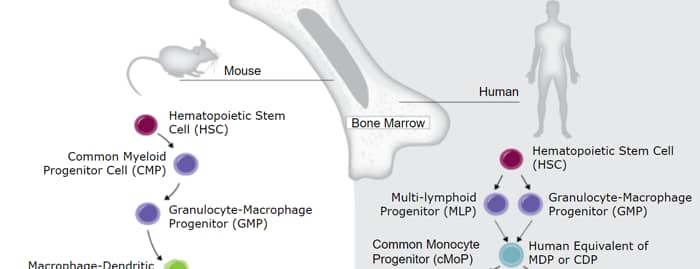


IL-21 Signaling Pathways and their Primary Biological Effects in Different Immune Cell Types
 Jak/STAT Signaling Pathway
 Mesenchymal Stem Cell Differentiation Pathways & Lineage-specific Markers
 NOD-like Receptor Signaling Pathways
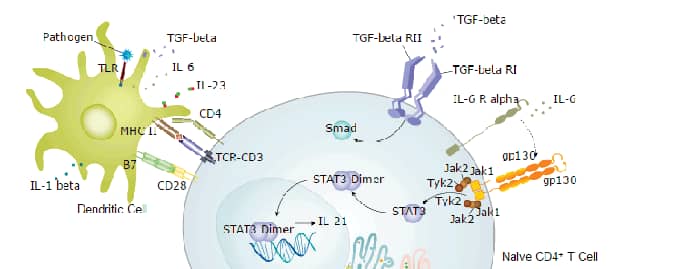
 Th17 Differentiation Pathway
 Toll-Like Receptor Signaling Pathways
