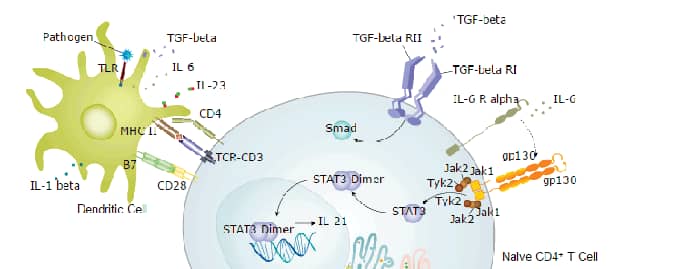
Human toll-like receptor (TLR) family includes ten members that activate the innate immune response via an ability to recognize molecular structures found in a variety of microbial pathogens (1-3). All TLR family members are type I transmembrane proteins with a large number of extracellular leucine-rich repeats (LRRs) and a cytoplasmic Toll/IL-1 receptor (TIR) domain. Human TLR2 is synthesized as a 784 amino acid precursor (2) that contains a signal sequence (aa 1-18), an extracellular domain (aa 19‑588) with approximately 20 LRRs, a transmembrane segment (aa 589-609), and a cytoplasmic TIR domain (aa 610-784). The receptor is expressed on a number of cell types including monocytes, dendritic cells, neutrophils, B cells endothelial cells, and hepatocytes (1, 2, 4). TLR2 functions as part of a heterodimeric complex with either TLR1 or TLR6, and possibly other co-receptors (1). These complexes recognize lipoproteins and glycolipids from gram-positive and gram-negative bacteria as well as mycoplasma and yeast. TLR2/TLR1 heterodimers bind triacylated lipopeptides, while the TLR2/TLR6 heterodimer preferentially recognizes diacylated lipopeptides (5). Upon ligand recognition, TLR2 delivers an activating signal via the associated adapter molecules, MyD88 and TIRAP (1, 6). TLR2 signaling results in dendritic cell maturation characterized by increased surface expression of class II MHC and the T cell co-stimulators, CD80 and CD86 (1, 2). Activation via TLR2 also results in production of a number of pro‑inflammatory cytokines including TNF-alpha, IL-2, IL-6, IL-12, and MIP-2 (1-3).
Recombinant Human TLR2 Protein, CF
R&D Systems | Catalog # 2616-TR


Key Product Details
- R&D Systems NS0-derived Recombinant Human TLR2 Protein (2616-TR)
- Quality control testing to verify active proteins with lot specific assays by in-house scientists
- All R&D Systems proteins are covered with a 100% guarantee
Source
Accession Number
Applications
Product Specifications
Source
Glu21-Leu590, with a C-terminal 10-His tag
Purity
Endotoxin Level
N-terminal Sequence Analysis
Predicted Molecular Mass
SDS-PAGE
Activity
Measured by its ability to bind biotinylated Pam3CysSerLys4 (PAM3CSK4) (2 μg/mL). The 50% maximum binding is achieved at 0.1‑0.5 μg/mL of Recombinant Human TLR2.
Results can vary with different preparations of biotinylated PAM3CSK4.
Optimal dilutions should be determined by each laboratory for each application.
Reviewed Applications
Read 1 review rated 5 using 2616-TR in the following applications:
Formulation, Preparation, and Storage
2616-TR
| Formulation | Lyophilized from a 0.2 μm filtered solution in PBS, NaCl and PEG 3350 with Trehalose. |
| Reconstitution | Reconstitute at 200 μg/mL in sterile PBS.
Loading...
|
| Shipping | The product is shipped at ambient temperature. Upon receipt, store it immediately at the temperature recommended below. |
| Stability & Storage | Use a manual defrost freezer and avoid repeated freeze-thaw cycles.
|
Calculators
Background: TLR2
References
- Wetzler, L. (2003) Vaccine 21:S2/55.
- Kirschning, C. and R. Schumann (2002) Curr. Top. microbiol. Immunol. 270:121.
- Netea, M. et al. (2004) J. Leukoc. Biol. 75:749.
- Flo T. et al. (2001) J. Leukoc. Biol. 69:474.
- Akira S. (2003) Curr. Opin. Immunol. 15:5.
- Yamamoto M. et al. (2002) Nature 420:324.
Long Name
Alternate Names
Gene Symbol
UniProt
Additional TLR2 Products
Product Documents for Recombinant Human TLR2 Protein, CF
Certificate of Analysis
To download a Certificate of Analysis, please enter a lot or batch number in the search box below.
Note: Certificate of Analysis not available for kit components.
Product Specific Notices for Recombinant Human TLR2 Protein, CF
For research use only
Citations for Recombinant Human TLR2 Protein, CF
 Powered by Bioz
Customer Reviews for Recombinant Human TLR2 Protein, CF (1)
Have you used Recombinant Human TLR2 Protein, CF?
Submit a review and receive an Amazon gift card!
$25/€18/£15/$25CAN/¥2500 for a review with an image
$10/€7/£6/$10CAN/¥1110 for a review without an image
Submit a review
Customer Images
-
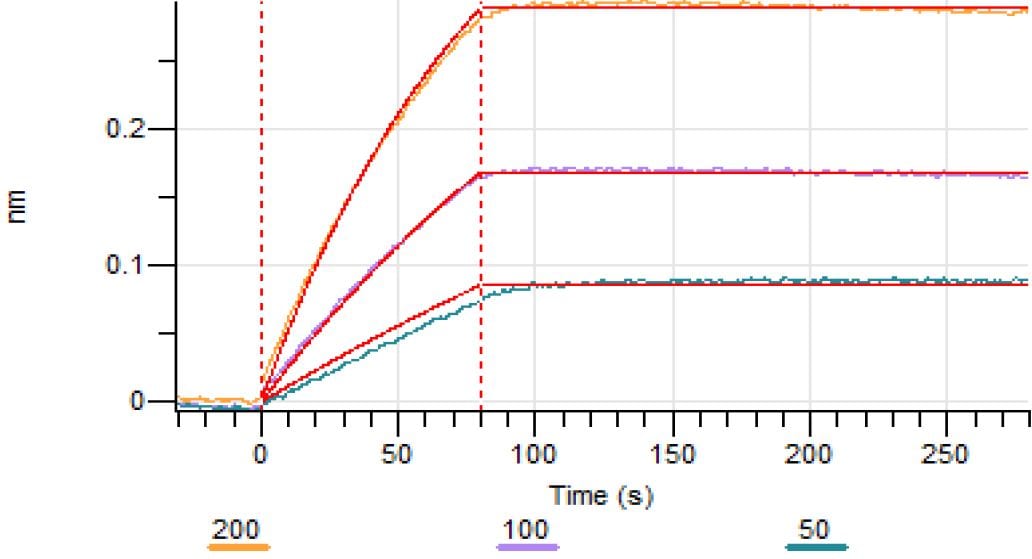
Application: Binding assay/Protein-protein interactionVerified Customer | Posted 08/28/2020Different concentrations of human TLR2-His was used to determine the affinity an a TLR2-specific mAb using the Octet system.

There are no reviews that match your criteria.