CD163 Antibody (EDHu-1) - BSA Free
Novus Biologicals | Catalog # NB110-40686

Scientific images may be resized, cropped, or adjusted for brightness or contrast for presentation purposes. These updates are limited to presentation and do not affect the underlying scientific interpretation of the data. Where available, additional source data may be provided upon request.
Key Product Details
Species Reactivity
Validated:
Human
Cited:
Human, Porcine, Bovine, Primate - Macaca leonina (Northern Pig-Tailed Macaque), Primate - Macaca mulatta (Rhesus Macaque)
Applications
Validated:
Multiplex Immunofluorescence, Immunohistochemistry, Immunohistochemistry-Paraffin, Immunohistochemistry-Frozen, Western Blot, ELISA, Immunoassay, Flow Cytometry, Flow (Cell Surface), Immunocytochemistry/ Immunofluorescence, COMET
Cited:
Immunohistochemistry, Immunohistochemistry-Paraffin, Immunohistochemistry-Frozen, ELISA, Block/Neutralize, Flow Cytometry, Immunocytochemistry/ Immunofluorescence, IF/IHC
Label
Unconjugated
Antibody Source
Monoclonal Mouse IgG1 Clone # EDHu-1
Format
BSA Free
Loading...
Product Specifications
Immunogen
Leucocytes harvested from the pleural cavity of patients with idiopathic spontaneous pneumothorax
Reactivity Notes
Predicted cross-reactivities: Sheep, Rhesus Monkey, Guinea Pig, Bovine, Cynomolgus monkey, Porcine
Marker
Histiocytic Marker
Specificity
NB110-40686 recognizes the human CD163 cell surface antigen, a 130-140 kDa glycoprotein expressed by tissue macrophages. CD163 is not expressed by resting peripheral blood leucocytes, but expression may be induced on monocytes by culture in dexamethasone.
Clonality
Monoclonal
Host
Mouse
Isotype
IgG1
Theoretical MW
125.5 kDa.
Disclaimer note: The observed molecular weight of the protein may vary from the listed predicted molecular weight due to post translational modifications, post translation cleavages, relative charges, and other experimental factors.
Disclaimer note: The observed molecular weight of the protein may vary from the listed predicted molecular weight due to post translational modifications, post translation cleavages, relative charges, and other experimental factors.
Scientific Data Images for CD163 Antibody (EDHu-1) - BSA Free
Detection of CD163 in Human Liver via seqIF™ staining on COMET™
CD163 was detected in immersion fixed paraffin-embedded sections of human liver using Mouse Anti-Human CD163 Monoclonal Antibody (Novus Catalog # NB110-40686) at 1:50 at 37 °Celsius for 8 minutes. Before incubation with the primary antibody, tissue underwent an all-in-one dewaxing and antigen retrieval preprocessing using PreTreatment Module (PT Module) and Dewax and HIER Buffer H (pH 9; Epredia Catalog # TA-999-DHBH). Tissue was stained using the Alexa Fluor™ 647 Goat anti-Mouse IgG Secondary Antibody at 1:200 at 37 ° Celsius for 2 minutes. (Yellow; Lunaphore Catalog # DR647MS) and counterstained with DAPI (blue; Lunaphore Catalog # DR100). Specific staining was localized to the membrane and cytoplasm. Protocol available in COMET™ Panel Builder.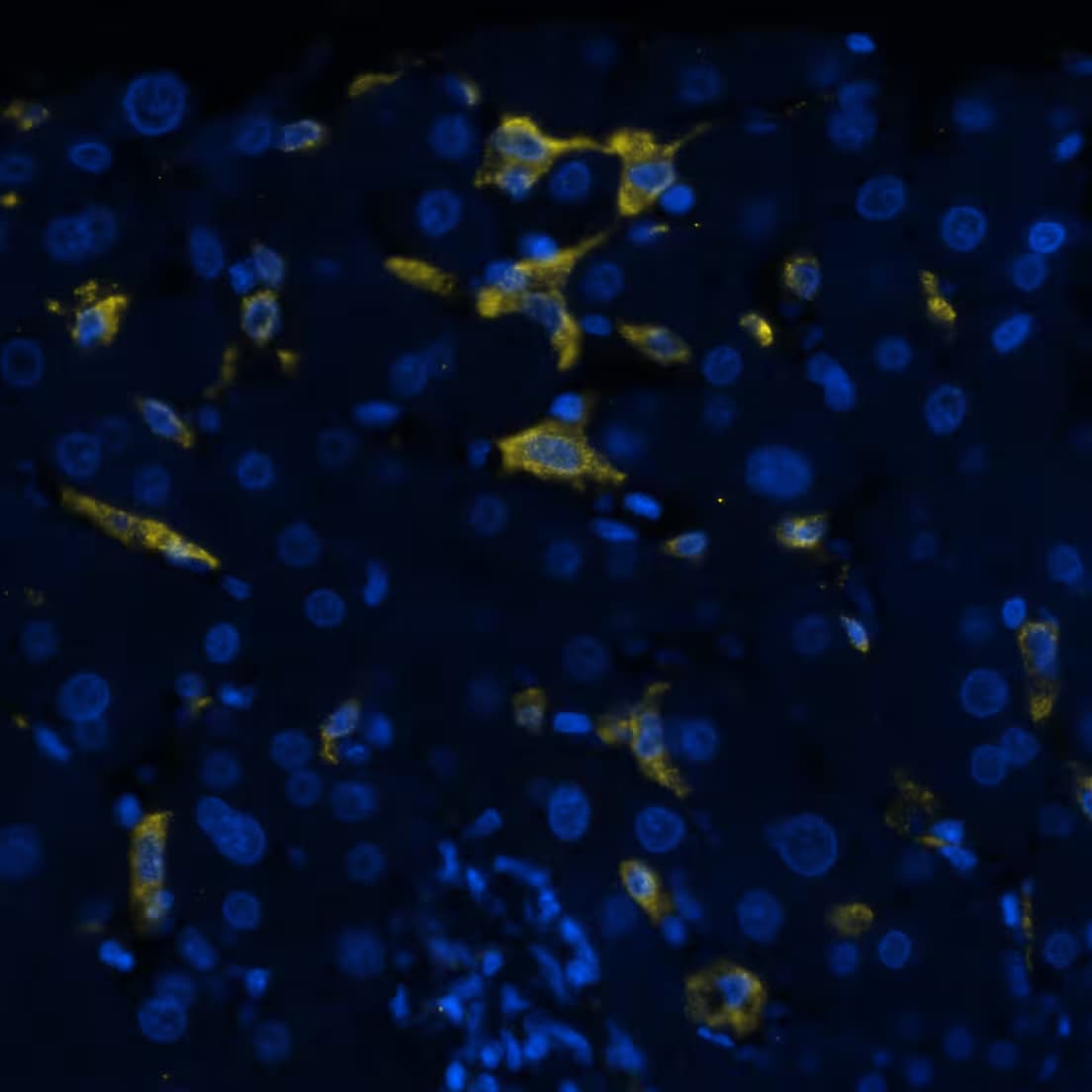
Detection of CD163 in Human Tonsil via Multiplex Immunofluorescence staining on COMET™
CD163 was detected in immersion fixed paraffin-embedded sections of human tonsil using Mouse Anti-Human CD163 Monoclonal Antibody (Novus Catalog # NB110-40686) at 20 µg/mL at 37 ° Celsius for 8 minutes. Before incubation with the primary antibody, tissue underwent an all-in-one dewaxing and antigen retrieval preprocessing using PreTreatment Module (PT Module) and Dewax and HIER Buffer H (pH 9). Tissue was stained using the Alexa Fluor™ Plus 647 Goat anti-Mouse IgG Secondary Antibody at 1:200 at 37 ° Celsius for 8 minutes. (Yellow; Lunaphore Catalog # DR647MS) and counterstained with DAPI (blue; Lunaphore Catalog # DR100). Specific staining was localized to the membrane and cytoplasm. Protocol available in COMET™ Panel Builder.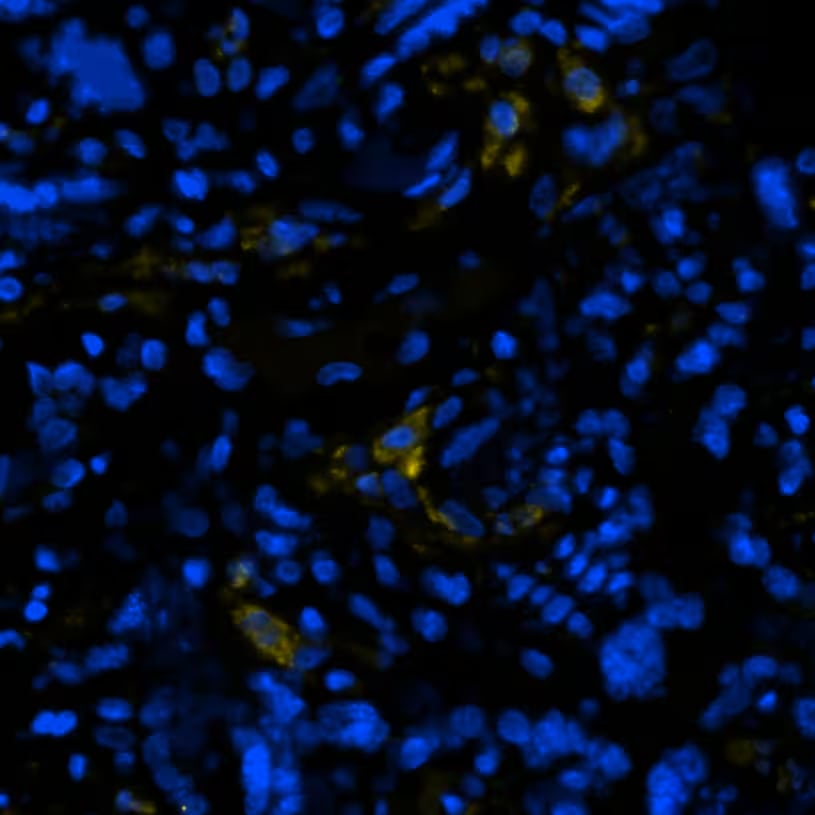
Detection of CD163 in Human Placenta via seqIF™ staining on COMET™
CD163 was detected in immersion fixed paraffin-embedded sections of human placenta using Mouse Anti-Human CD163 Monoclonal Antibody (Novus Catalog # NB110-40686) at 1:50 at 37 °Celsius for 8 minutes. Before incubation with the primary antibody, tissue underwent an all-in-one dewaxing and antigen retrieval preprocessing using PreTreatment Module (PT Module) and Dewax and HIER Buffer H (pH 9; Epredia Catalog # TA-999-DHBH). Tissue was stained using the Alexa Fluor™ 647 Goat anti-Mouse IgG Secondary Antibody at 1:200 at 37 ° Celsius for 2 minutes. (Yellow; Lunaphore Catalog # DR647MS) and counterstained with DAPI (blue; Lunaphore Catalog # DR100). Specific staining was localized to the membrane and cytoplasm. Protocol available in COMET™ Panel Builder.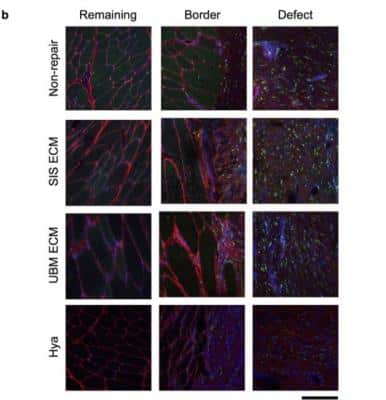
Immunohistological Staining of CD163 in Injured Muscle Tissue
CD163-Antibody-EDHu-1-Immunohistochemistry-NB110-40686-img0013.jpg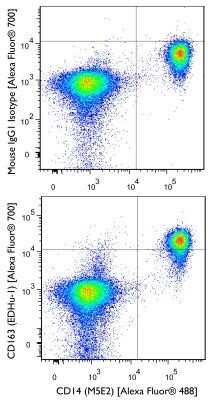
Flow Cytometry of hPBMCs Stained with Alexa Fluor 700 Conjugated CD163 Antibody
A surface stain was performed on hPBMCs with CD163 (EDHu-1) antibody NB110-40686AF700 and a matched isotype control NBP2-27287AF700. Cells were incubated in an antibody dilution of 5 ug/mL for 20 minutes at room temperature. A co-stain was performed with NB100-77758AF488. Image using the Alexa Fluor 700 form of this antibody.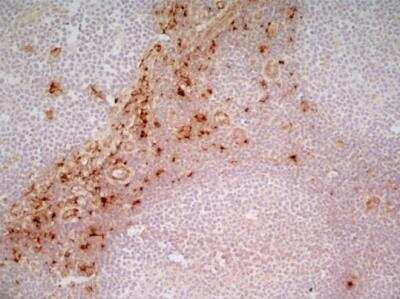
Immunohistochemical Staining of CD163 in Frozen Human Tonsil
Staining of a human tonsil cryosection with Mouse anti Human CD163 antibody, clone EDHu-1.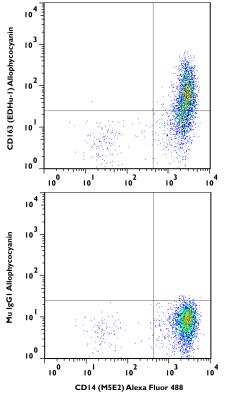
Flow Cytometry of hPBMCs Stained with Allophycocyanin Conjugated CD163 Antibody
A surface stain was performed on human peripheral blood monocytes with CD163 (EDHu-1) antibody NB110-40686APC and a matched isotype control NBP2-27287APC. Cells were incubated in an antibody dilution of 1 ug/mL for 20 minutes at room temperature. A co-stain was performed with NB100-77758AF488.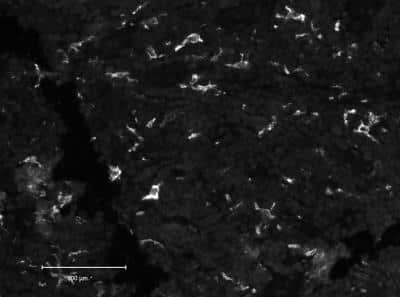
Immunohistochemical Staining of CD163 in Paraffin Embedded Human Tonsil
FFPE human tonsil, stained with anti-CD163, pH 9 antigen retrieval. IHC-P Image submitted by a verified customer review.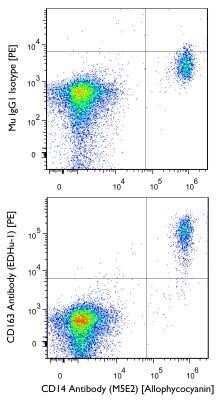
Flow Cytometry of hPBMCs Stained with Phycoerythrin Conjugated CD163 Antibody
A surface stain was performed on hPBMCs with CD163 (EDHu-1) antibody NB110-40686PE and a matched isotype control NBP2-27287PE. Cells were incubated in an antibody dilution of 2.5 ug/mL for 20 minutes at room temperature. A co-stain was performed with NB100-77758APC. Image using the PE form of this antibody.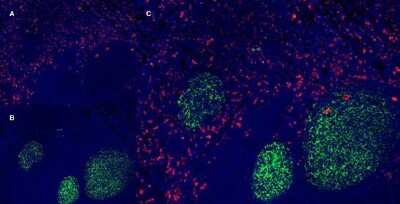
Immunohistochemical Staining of CD163 in Frozen Human Tonsil
Human tonsil cryosection with Mouse anti Human CD163 antibody, clone, red in A and Mouse anti Human CD21 antibody, green in B. C is the merged image with nuclei counterstained blue using DAPI.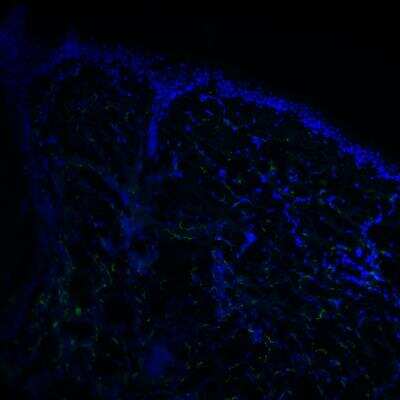
Immunohistochemical Staining of CD163 in Frozen Human Skin
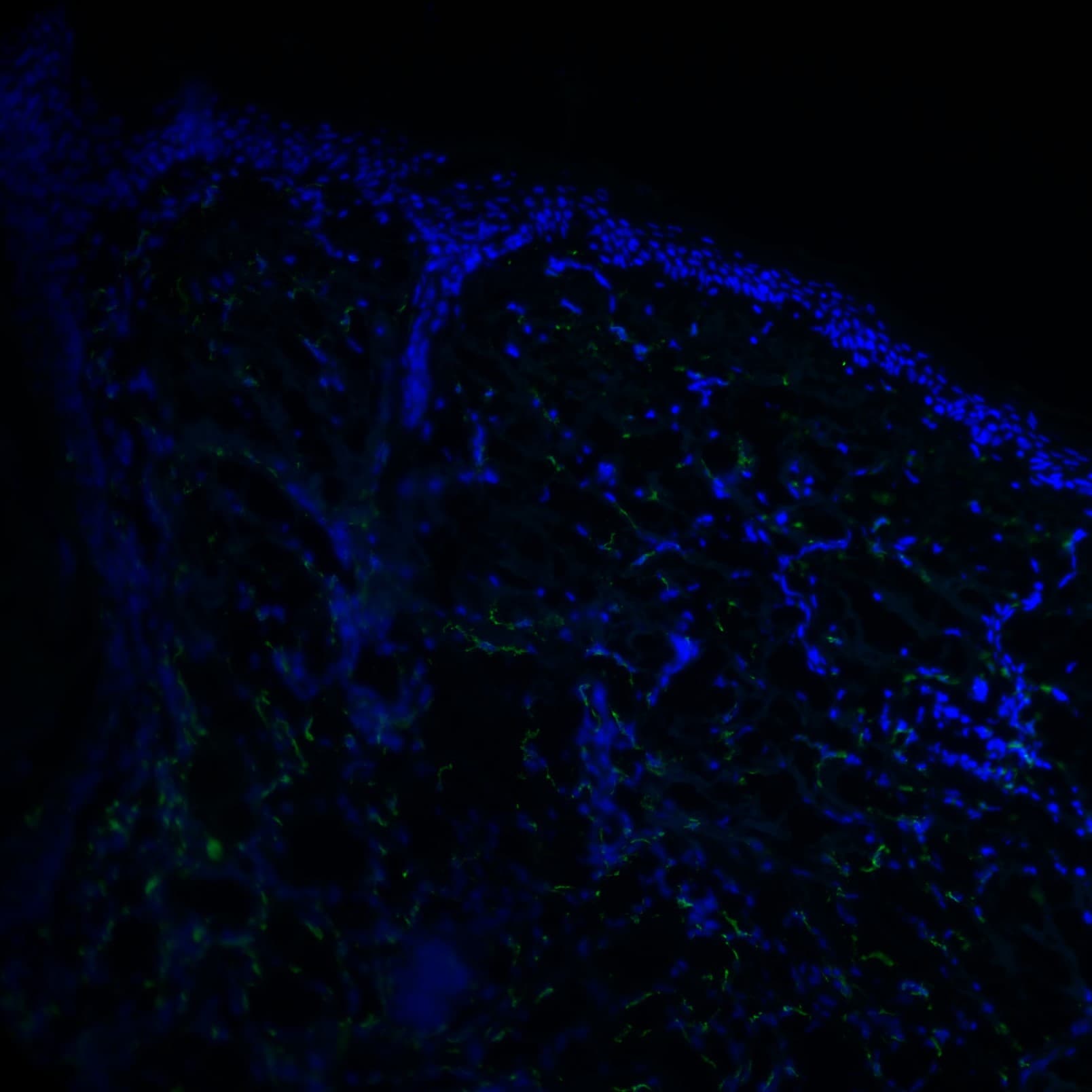
Frozen human skin sections. CD163 (green) in control human skin. Sections were fixed with 4% PFA PBS, permeabilized wtih 0.5% Triton TBS Ca/Azide, and blocked with a 5% BSA 0.05% T20 TBS Ca/Azide solution. Antibody was diluted 1:100 and applied for 1 hr at 37C. Detection was performed with anti-host conjugated antibody, and sections were counterstained with DAPI. IHC-Fr image submitted by a verified customer review.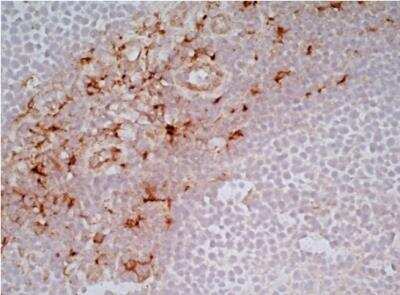
Immunohistochemical Staining of CD163 in Frozen Human Tonsil
Staining of a human tonsil cryosection with Mouse anti Human CD163 antibody, clone EDHu-1.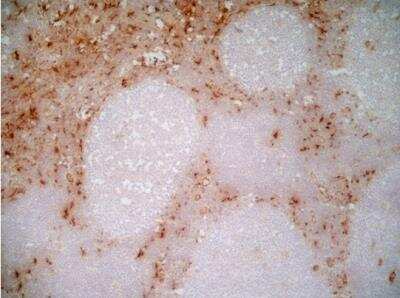
Immunohistochemical Staining of CD163 in Frozen Human Tonsil
Immunohistochemistry-Frozen: CD163 Antibody (EDHu-1) [NB110-40686] - Staining of a human tonsil cryosection with Mouse anti Human CD163 antibody, clone EDHu-1.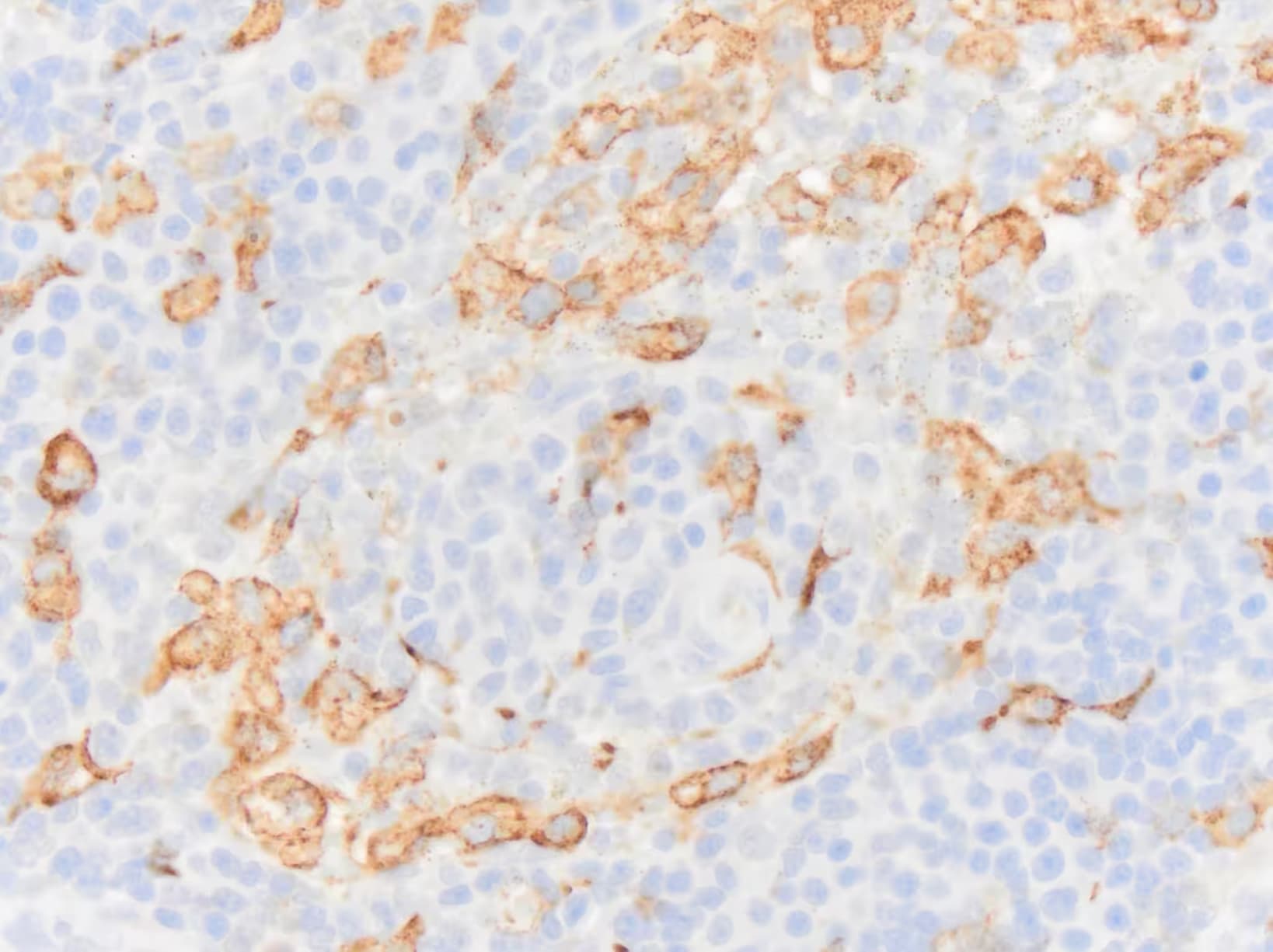
Immunohistochemistry-Paraffin: Mouse Monoclonal CD163 Antibody (EDHu-1) [NB110-40686] -
Immunohistochemistry-Paraffin: Mouse Monoclonal CD163 Antibody (EDHu-1) [NB110-40686] - CD163 immunoreactivity in a formalin fixed paraffin embedded section of canine lymph node. NB110-40686 was diluted to 0.25ug per mL and was left on the tissue section for 30m at room temperature. Section underwent 20m of heat induced epitope retrieval in a vegetable steamer using a citrate buffer. No signal was detected in sections that did not undergo HIER. Image from a verified customer review.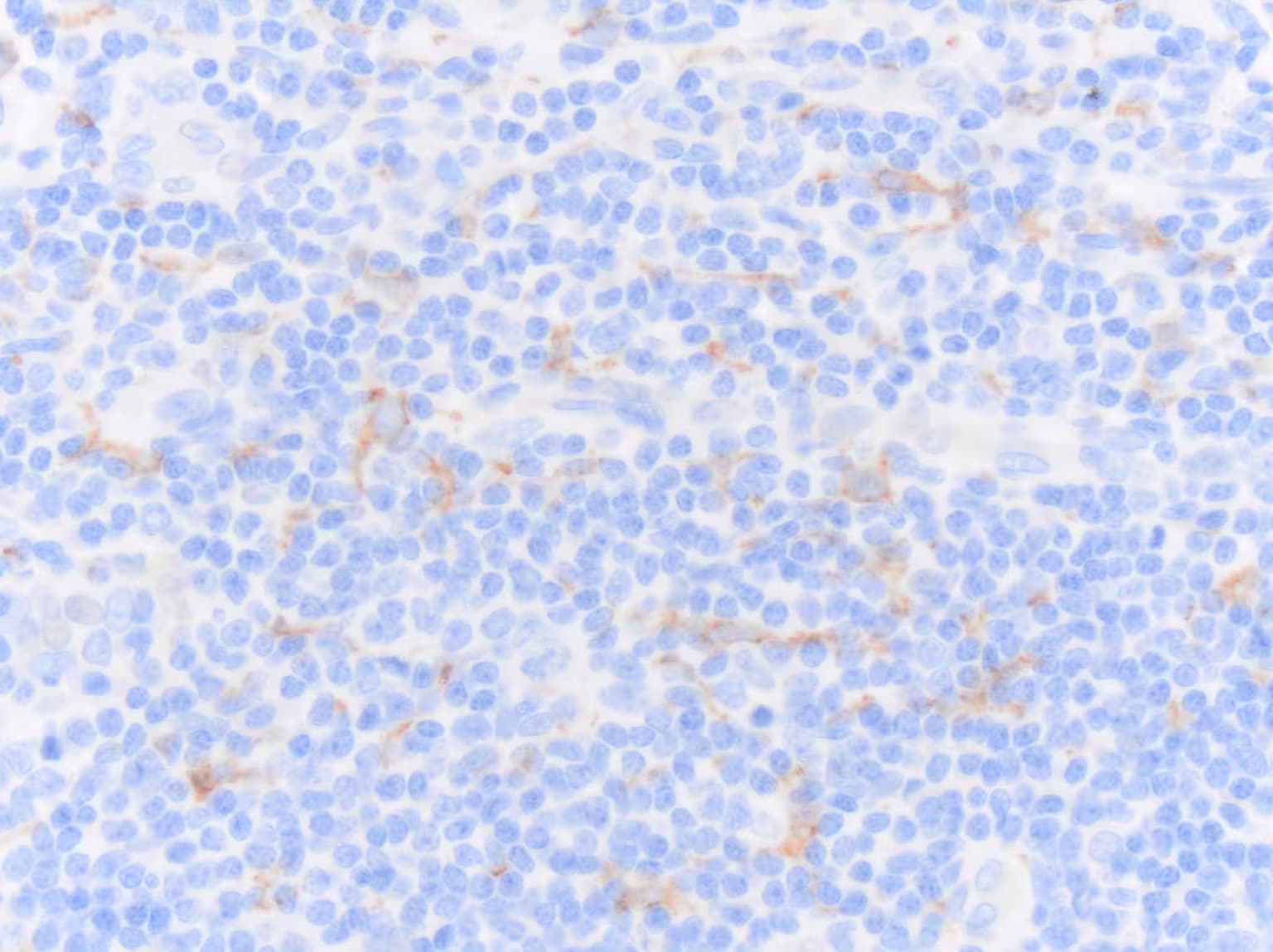
Immunohistochemistry-Paraffin: Mouse Monoclonal CD163 Antibody (EDHu-1) [NB110-40686] -
Immunohistochemistry-Paraffin: Mouse Monoclonal CD163 Antibody (EDHu-1) [NB110-40686] - CD163 immunoreactivity in an FFPE section of human tonsil. NB110-40686 was diluted to 250 ng/mL and left on tissue sections for 30min at room temperature. Secondary was horse anti mouse HRP polymer. Image from a verified customer review.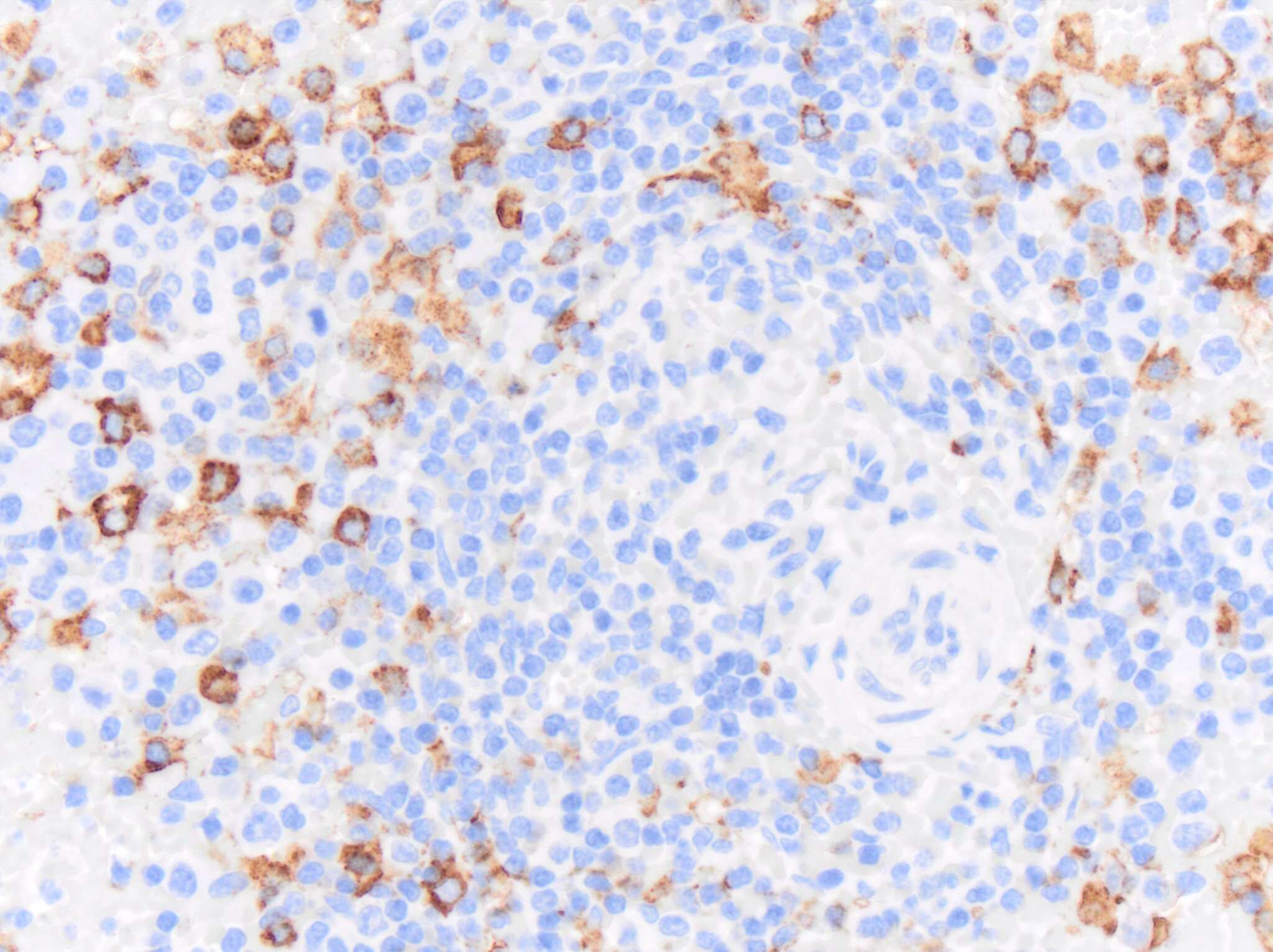
Immunohistochemistry-Paraffin: Mouse Monoclonal CD163 Antibody (EDHu-1) [NB110-40686] -
Immunohistochemistry-Paraffin: Mouse Monoclonal CD163 Antibody (EDHu-1) [NB110-40686] - CD163 immunoreactivity in an FFPE section of equine spleen. NB110-40686 was diluted to 250ng per mL and left on tissue sections for 30min at room temperature. Secondary was horse anti mouse HRP polymer. Image from a verified customer review.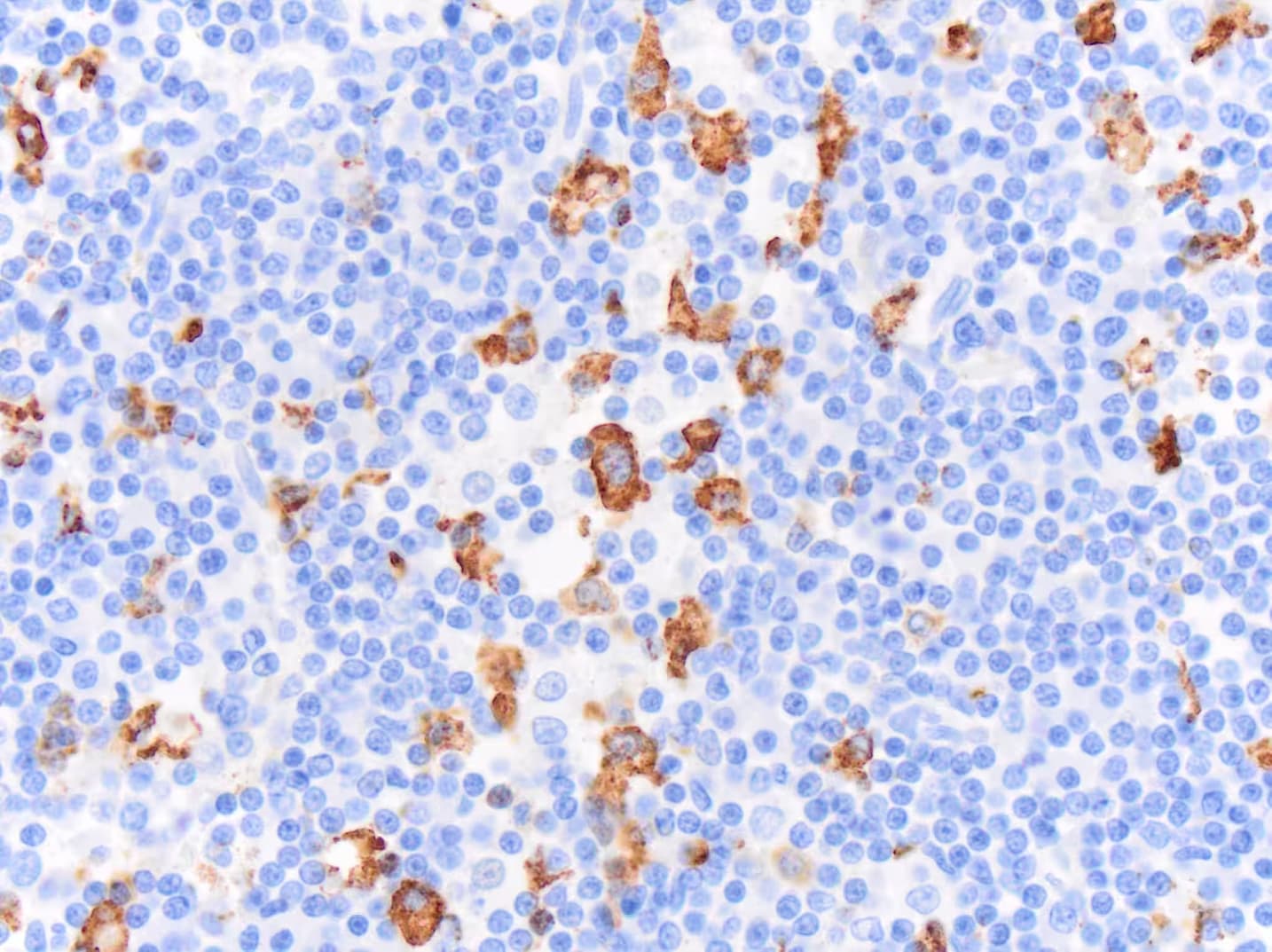
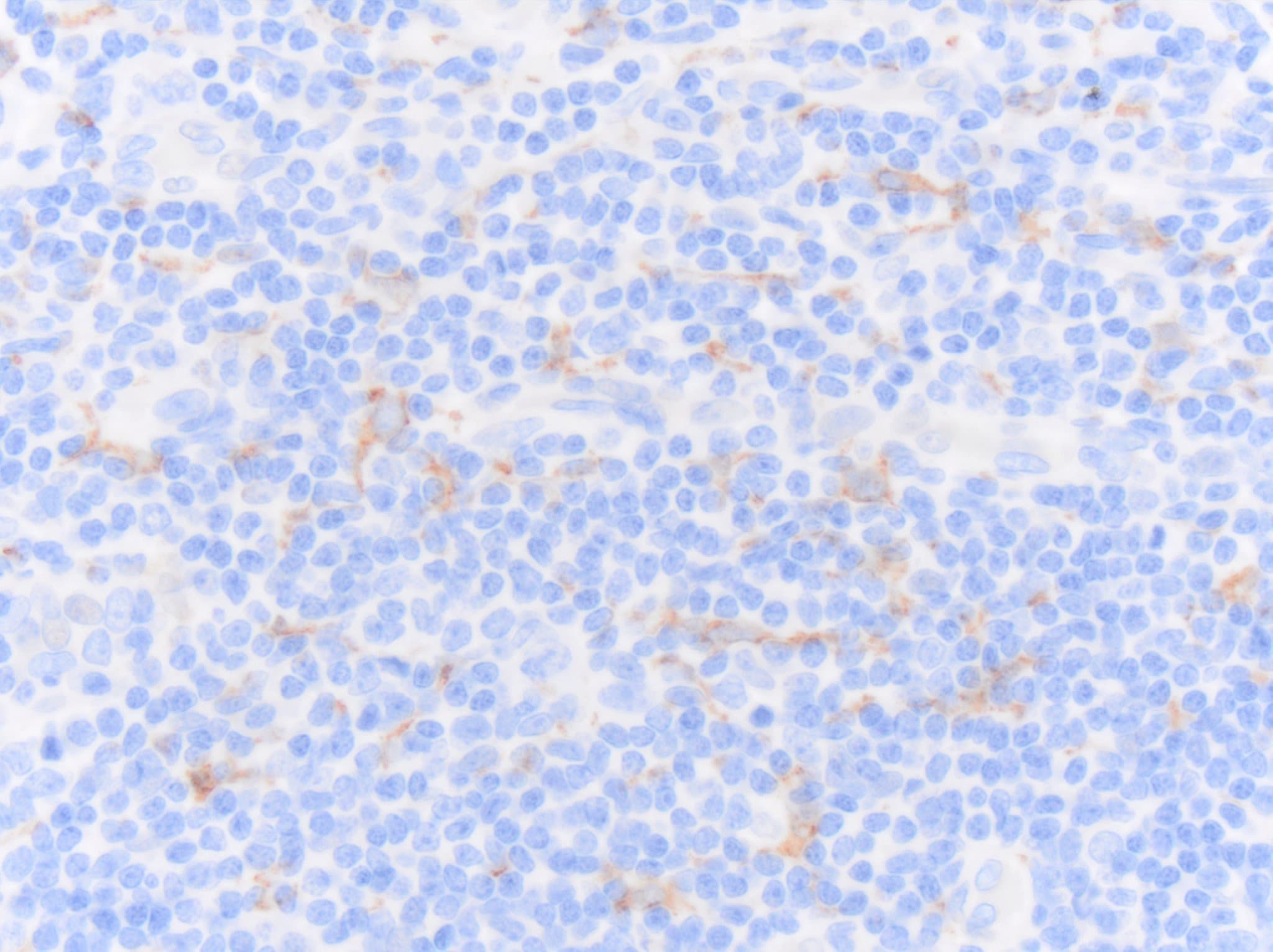
Immunohistochemistry-Paraffin: Mouse Monoclonal CD163 Antibody (EDHu-1) [NB110-40686] -
Immunohistochemistry-Paraffin: Mouse Monoclonal CD163 Antibody (EDHu-1) [NB110-40686] - CD163 immunoreactivity in an FFPE section of feline lymph node. NB110-40686 was diluted to 250ng per mL and left on tissue sections for 30min at room temperature. Secondary was horse anti mouse HRP polymer. Image from a verified customer review.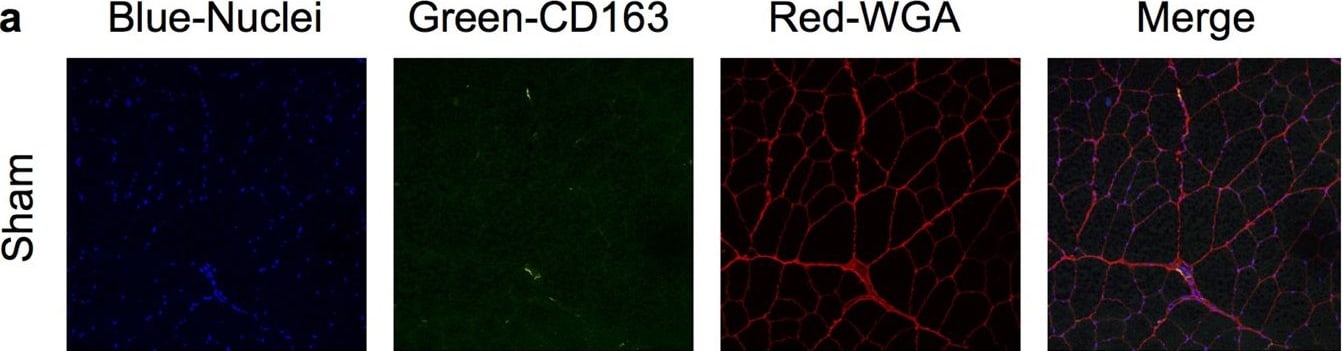
Immunocytochemistry/ Immunofluorescence: CD163 Antibody (EDHu-1) [NB110-40686] -
Immunocytochemistry/ Immunofluorescence: CD163 Antibody (EDHu-1) [NB110-40686] - Non-repaired & repaired VML injured muscles present sustained putative macrophage infiltration. Representative histologic images labeled with CD163 (pan macrophage marker) & wheat germ agglutinin (WGA) & DAPI (nuclei). (a) For each of the sham muscle sections individual & merged images are presented. (b) Examples for each group, specifically the non-, SIS-, UMB-, & Hya-reparied are shown. Scale bar is 150 µm; all images are at the same magnification & follow the same location pattern displayed specifically in Fig. 4e. Image collected & cropped by CiteAb from the following publication (https://pubmed.ncbi.nlm.nih.gov/29030619), licensed under a CC-BY license. Not internally tested by Novus Biologicals.Applications for CD163 Antibody (EDHu-1) - BSA Free
Application
Recommended Usage
ELISA
1:100 - 1:2000
Flow (Cell Surface)
1:10 - 1:1000
Flow Cytometry
1:10 - 1:1000
Immunocytochemistry/ Immunofluorescence
1:10 - 1:500
Immunohistochemistry
1:10 - 1:500
Immunohistochemistry-Frozen
1:10 - 1:500
Immunohistochemistry-Paraffin
1:10 - 1:500
Western Blot
1:100 - 1:2000
Application Notes
Clone EDHu-1 is reported to inhibit the binding of haptoglobin:haemoglobin complexes to CD163, see Madsen, M. et al. for details. Removal of sodium azide is recommended prior to use in functional studies.
Reviewed Applications
Read 8 reviews rated 4.8 using NB110-40686 in the following applications:
Flow Cytometry Panel Builder
Bio-Techne Knows Flow Cytometry
Save time and reduce costly mistakes by quickly finding compatible reagents using the Panel Builder Tool.
Advanced Features
- Spectra Viewer - Custom analysis of spectra from multiple fluorochromes
- Spillover Popups - Visualize the spectra of individual fluorochromes
- Antigen Density Selector - Match fluorochrome brightness with antigen density

Formulation, Preparation, and Storage
Purification
Protein A purified
Formulation
PBS
Format
BSA Free
Preservative
0.09% Sodium Azide
Concentration
1.0 mg/ml
Shipping
The product is shipped with polar packs. Upon receipt, store it immediately at the temperature recommended below.
Stability & Storage
Store at 4C short term. Aliquot and store at -20C long term. Avoid freeze-thaw cycles.
Background: CD163
One of the primary functions of CD163 is uptake of haptoglobin-hemoglobin (Hp-Hb) complexes from the liver, spleen, and bone marrow, ultimately triggering an anti-inflammatory response (3, 5, 7). CD163 also functions as an erythroblast adhesion receptor and promotes cell maturation and survival (3, 5, 7). Furthermore, CD163 functions in immune sensing of bacteria and as a receptor for tumor necrosis factor (TNF)-like weak inducer of apoptosis (TWEAK) (3, 5, 7). As mentioned above, CD163 is expressed on cells in the monocyte/macrophage lineage and, in general, anti-inflammatory signals including glucocorticoids, interleukin (IL)-6, and IL-10 stimulate CD163 synthesis and expression while, conversely, pro-inflammatory signals such as interferon-gamma (INF-gamma), TNF-alpha, and lipopolysaccharide (LPS) downregulate CD163 (3, 5). In addition to membrane-bound form of CD163, the protein can be cleaved by metalloproteinases (MMP) and induced by LPS or phorbol myristate acetate (PMA) to release a soluble form (sCD163) into the plasma (7). Increased levels of sCD163 in the plasma and an increased number of CD163-expressing macrophages at the site of inflammation are associated with a variety of pathologies (3, 5-7). CD163/sCD163 is often increased and a suitable clinical marker for inflammatory diseases including rheumatoid arthritis (RA), Gaucher disease, chronic kidney disease, diabetes, and Crohn's disease (3, 5-7).
Alternative names for CD163 includes GHI/61, HbSR, Hemoglobin scavenger receptor, M130, macrophage-associated antigen, MM130, RM3/1, SCARI1, scavenger receptor cysteine-rich type 1 protein M130, sCD163, and soluble CD163.
References
1. Law, S. K., Micklem, K. J., Shaw, J. M., Zhang, X. P., Dong, Y., Willis, A. C., & Mason, D. Y. (1993). A new macrophage differentiation antigen which is a member of the scavenger receptor superfamily. European journal of immunology. https://doi.org/10.1002/eji.1830230940
2. Onofre, G., Kolackova, M., Jankovicova, K., & Krejsek, J. (2009). Scavenger receptor CD163 and its biological functions. Acta medica (Hradec Kralove).
3. Van Gorp, H., Delputte, P. L., & Nauwynck, H. J. (2010). Scavenger receptor CD163, a Jack-of-all-trades and potential target for cell-directed therapy. Molecular immunology. https://doi.org/10.1016/j.molimm.2010.02.008
4. Sulahian, T. H., Hogger, P., Wahner, A. E., Wardwell, K., Goulding, N. J., Sorg, C., Droste, A., Stehling, M., Wallace, P. K., Morganelli, P. M., & Guyre, P. M. (2000). Human monocytes express CD163, which is upregulated by IL-10 and identical to p155. Cytokine. https://doi.org/10.1006/cyto.2000.0720
5. Etzerodt, A., & Moestrup, S. K. (2013). CD163 and inflammation: biological, diagnostic, and therapeutic aspects. Antioxidants & redox signaling. https://doi.org/10.1089/ars.2012.4834
6. Skytthe, M. K., Graversen, J. H., & Moestrup, S. K. (2020). Targeting of CD163+ Macrophages in Inflammatory and Malignant Diseases. International journal of molecular sciences, 21(15), 5497. https://doi.org/10.3390/ijms21155497
7. Moller H. J. (2012). Soluble CD163. Scandinavian journal of clinical and laboratory investigation. https://doi.org/10.3109/00365513.2011.626868
Alternate Names
CD163, GHI/61, HbSR, M130, RM3/1
Entrez Gene IDs
9332 (Human)
Gene Symbol
CD163
UniProt
Additional CD163 Products
Product Documents for CD163 Antibody (EDHu-1) - BSA Free
Certificate of Analysis
To download a Certificate of Analysis, please enter a lot or batch number in the search box below.
Product Specific Notices for CD163 Antibody (EDHu-1) - BSA Free
This product is for research use only and is not approved for use in humans or in clinical diagnosis. Primary Antibodies are guaranteed for 1 year from date of receipt.
Citations for CD163 Antibody (EDHu-1) - BSA Free
 Powered by Bioz
Customer Reviews for CD163 Antibody (EDHu-1) - BSA Free (8)
4.8 out of 5
8 Customer Ratings
Have you used CD163 Antibody (EDHu-1) - BSA Free?
Submit a review and receive an Amazon gift card!
$25/€18/£15/$25CAN/¥2500 for a review with an image
$10/€7/£6/$10CAN/¥1110 for a review without an image
Submit a review
Customer Images
Showing
1
-
5 of
8 reviews
Showing All
Filter By:
-
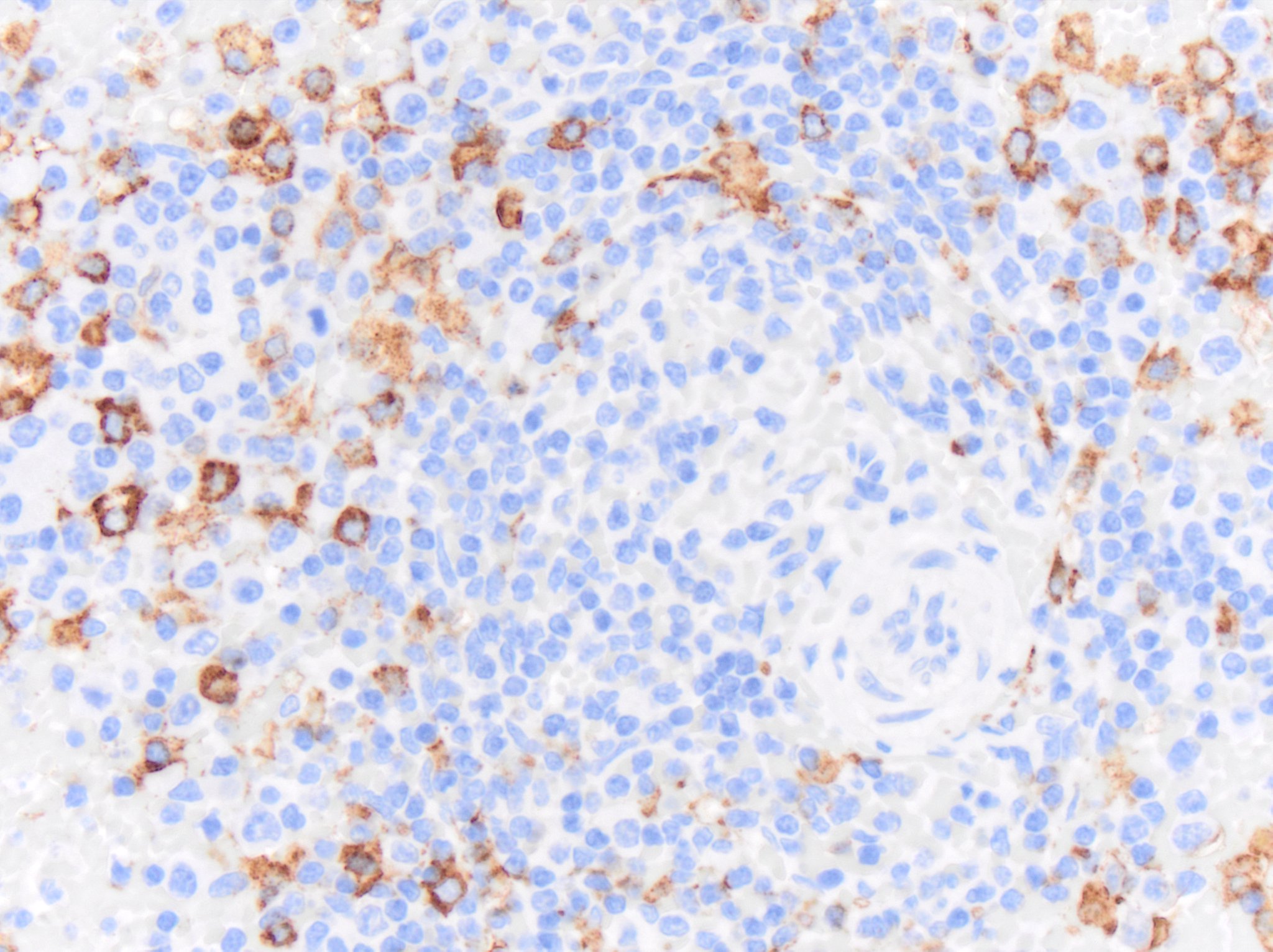
Application: Immunohistochemistry-ParaffinSample Tested: TonsilSpecies: HumanVerified Customer | Posted 04/23/2024CD163 immunoreactivity in an FFPE section of human tonsil. NB110-40686 was diluted to 250ng per mL and left on tissue sections for 30min at room temperature. Secondary was horse anti mouse HRP polymer.Section underwent head induced epitope retrieval for 20min in a vegetable steamer using Target Retrieval Solution.

-
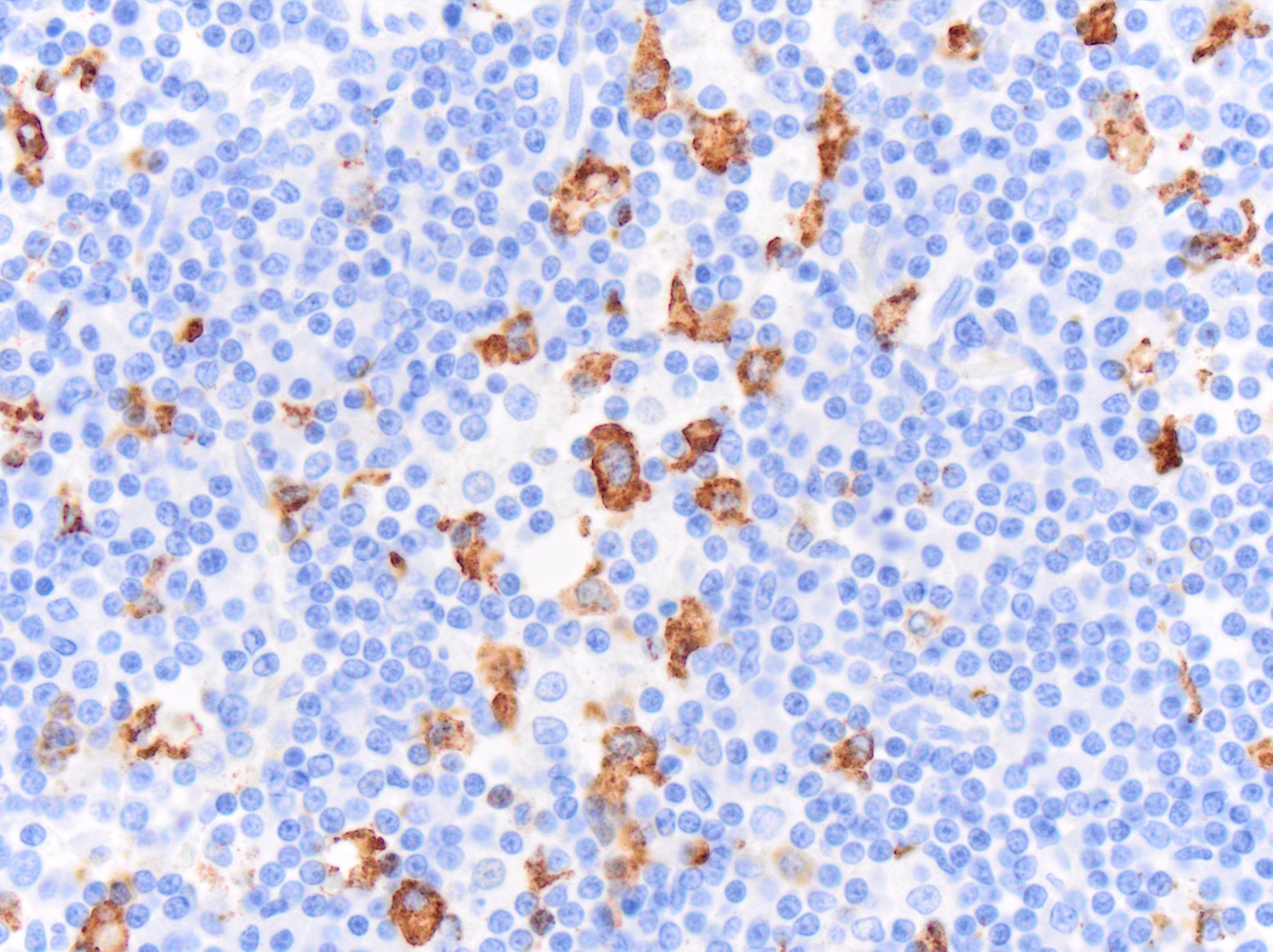
Application: Immunohistochemistry-ParaffinSample Tested: SpleenSpecies: HorseVerified Customer | Posted 04/23/2024CD163 immunoreactivity in an FFPE section of horse spleen. NB110-40686 was diluted to 250ng per mL and left on tissue sections for 30min at room temperature. Secondary was horse anti mouse HRP polymer.Section underwent head induced epitope retrieval for 20min in a vegetable steamer using Target Retrieval Solution.
Bio-Techne ResponseThis review was submitted through the legacy Novus Innovators Program, reflecting a new species or application tested on a primary antibody.
-
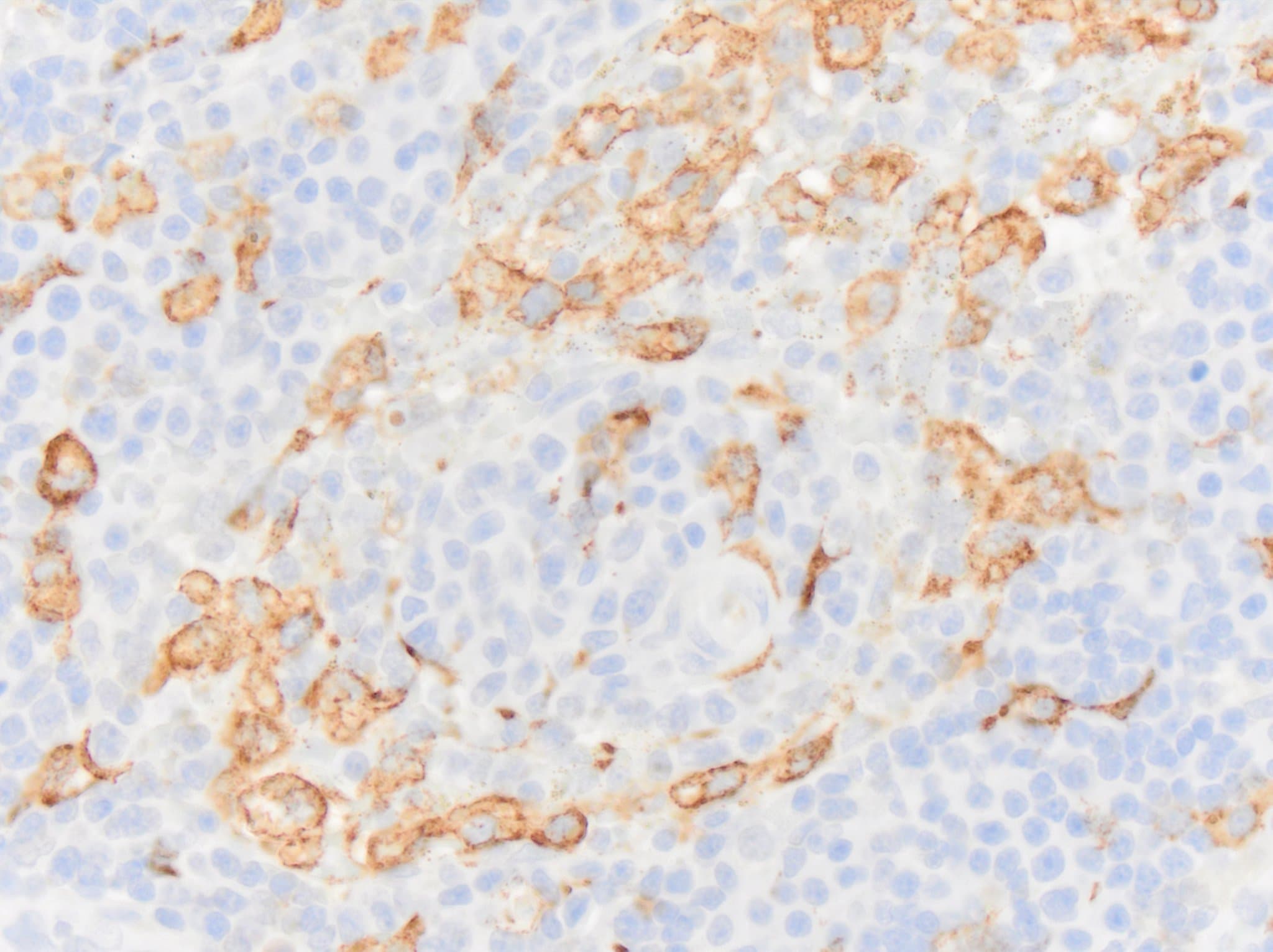
Application: Immunohistochemistry-ParaffinSample Tested: Lymph nodeSpecies: CatVerified Customer | Posted 04/23/2024CD163 immunoreactivity in an FFPE section of cat lymph node. NB110-40686 was diluted to 250ng per mL and left on tissue sections for 30min at room temperature. Secondary was horse anti mouse HRP polymer.Section underwent head induced epitope retrieval for 20min in a vegetable steamer using Target Retrieval Solution
Bio-Techne ResponseThis review was submitted through the legacy Novus Innovators Program, reflecting a new species or application tested on a primary antibody.
-
Application: Immunohistochemistry-ParaffinSample Tested: Lymph nodeSpecies: DogVerified Customer | Posted 12/07/2023CD163 immunoreactivity in a formalin fixed paraffin embedded section of dog lymph node. NB110-40686 was diluted to 0.25ug per mL and was left on the tissue section for 30m at room temperature.Section underwent 20m of heat induced epitope retrieval in a vegetable steamer using a citrate buffer. No signal was detected in sections that did not undergo HIER.
Bio-Techne ResponseThis review was submitted through the legacy Novus Innovators Program, reflecting a new species or application tested on a primary antibody.
-
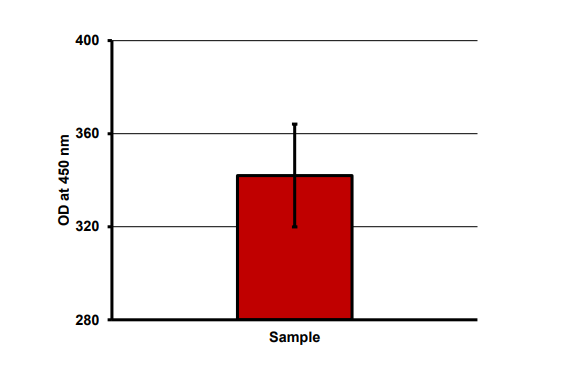
Application: ELISASample Tested: Rat inner earSpecies: RatVerified Customer | Posted 04/28/2021CD163 levels in rat inner ear homogenates
Bio-Techne ResponseThis review was submitted through the legacy Novus Innovators Program, reflecting a new species or application tested on a primary antibody.
-
Application: Immunohistochemistry-FrozenSample Tested: Frozen human skin sectionsSpecies: HumanVerified Customer | Posted 03/10/2020CD163 (green) in control human skin, counterstained with DAPI.Sections were fixed with 4% PFA PBS, permeabilized wtih 0.5% Triton TBS Ca/Azide, and blocked with a 5% BSA 0.05% T20 TBS Ca/Azide solution. Antibody was diluted 1:100 and applied for 1 hr at 37C. Detection was performed with anti-host conjugated antibody, and sections were counterstained with DAPI.
-
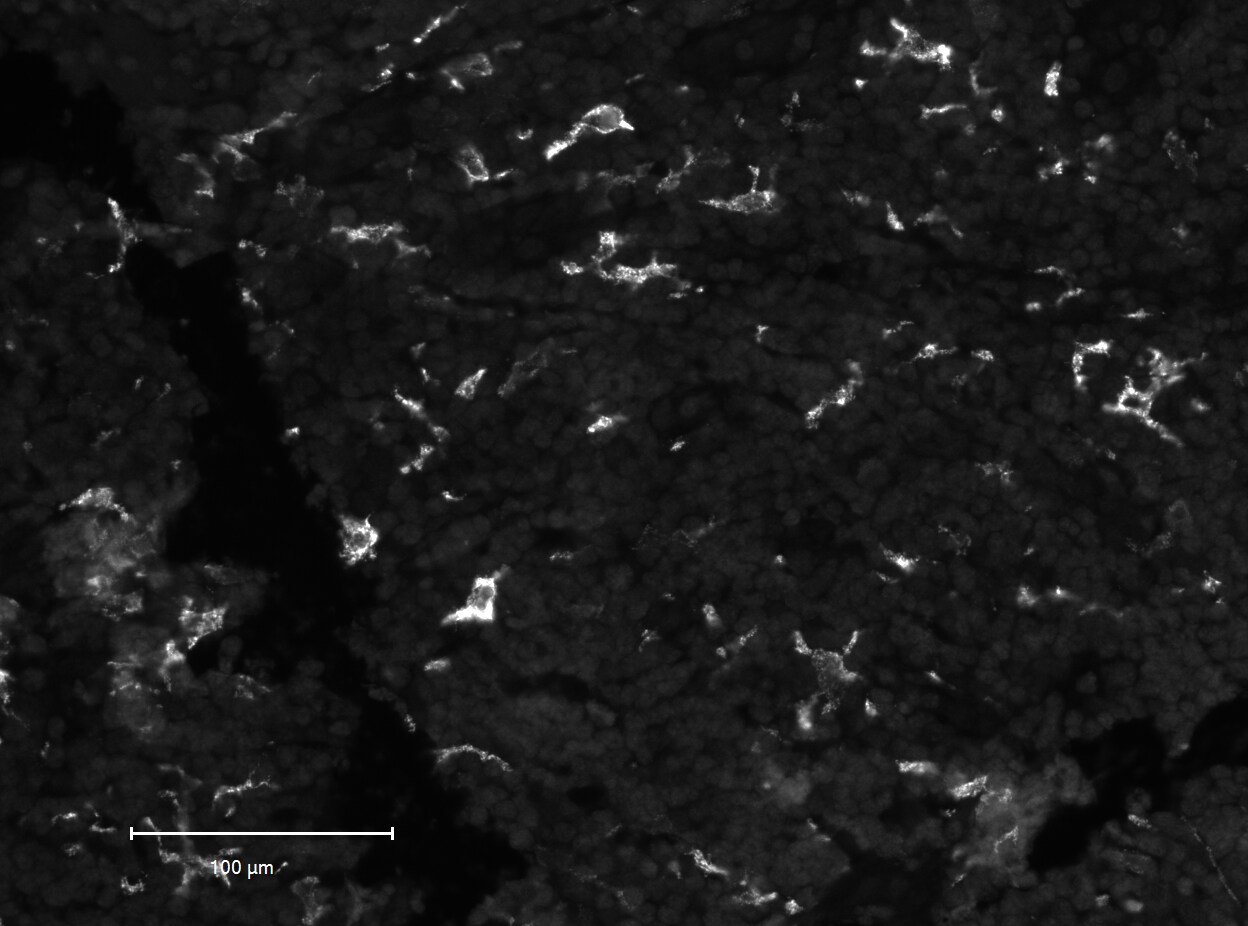
Application: Immunofluorescence - paraffinSample Tested: human tonsilSpecies: HumanVerified Customer | Posted 11/28/2018human tonsil, FFPE, stained with anti-CD163pH 9 antigen retrieval
-
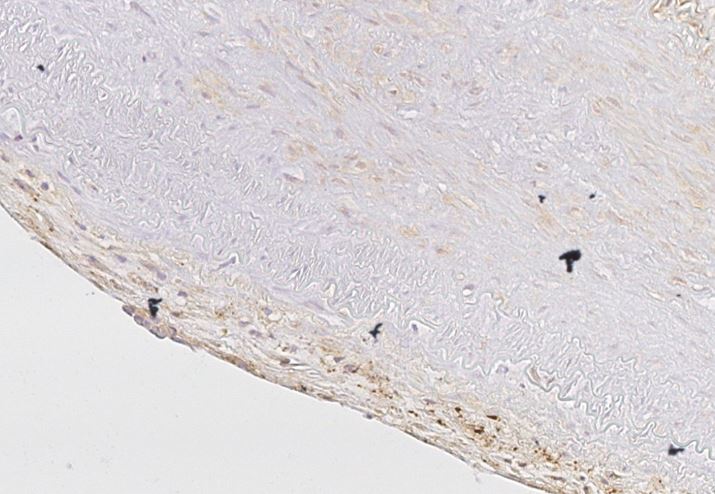
Application: Immunohistochemistry-ParaffinSample Tested: vesselSpecies: RabbitVerified Customer | Posted 04/24/2018
There are no reviews that match your criteria.
Protocols
Find general support by application which include: protocols, troubleshooting, illustrated assays, videos and webinars.
- 7-Amino Actinomycin D (7-AAD) Cell Viability Flow Cytometry Protocol
- Antigen Retrieval Protocol (PIER)
- Antigen Retrieval for Frozen Sections Protocol
- Appropriate Fixation of IHC/ICC Samples
- Cellular Response to Hypoxia Protocols
- Chromogenic IHC Staining of Formalin-Fixed Paraffin-Embedded (FFPE) Tissue Protocol
- Chromogenic Immunohistochemistry Staining of Frozen Tissue
- ClariTSA™ Fluorophore Kits
- Detection & Visualization of Antibody Binding
- ELISA Sample Preparation & Collection Guide
- ELISA Troubleshooting Guide
- Extracellular Membrane Flow Cytometry Protocol
- Flow Cytometry Protocol for Cell Surface Markers
- Flow Cytometry Protocol for Staining Membrane Associated Proteins
- Flow Cytometry Staining Protocols
- Flow Cytometry Troubleshooting Guide
- Fluorescent IHC Staining of Frozen Tissue Protocol
- Graphic Protocol for Heat-induced Epitope Retrieval
- Graphic Protocol for the Preparation and Fluorescent IHC Staining of Frozen Tissue Sections
- Graphic Protocol for the Preparation and Fluorescent IHC Staining of Paraffin-embedded Tissue Sections
- Graphic Protocol for the Preparation of Gelatin-coated Slides for Histological Tissue Sections
- How to Run an R&D Systems DuoSet ELISA
- How to Run an R&D Systems Quantikine ELISA
- How to Run an R&D Systems Quantikine™ QuicKit™ ELISA
- ICC Cell Smear Protocol for Suspension Cells
- ICC Immunocytochemistry Protocol Videos
- ICC for Adherent Cells
- IHC Sample Preparation (Frozen sections vs Paraffin)
- Immunocytochemistry (ICC) Protocol
- Immunocytochemistry Troubleshooting
- Immunofluorescence of Organoids Embedded in Cultrex Basement Membrane Extract
- Immunofluorescent IHC Staining of Formalin-Fixed Paraffin-Embedded (FFPE) Tissue Protocol
- Immunohistochemistry (IHC) and Immunocytochemistry (ICC) Protocols
- Immunohistochemistry Frozen Troubleshooting
- Immunohistochemistry Paraffin Troubleshooting
- Intracellular Flow Cytometry Protocol Using Alcohol (Methanol)
- Intracellular Flow Cytometry Protocol Using Detergents
- Intracellular Nuclear Staining Flow Cytometry Protocol Using Detergents
- Intracellular Staining Flow Cytometry Protocol Using Alcohol Permeabilization
- Intracellular Staining Flow Cytometry Protocol Using Detergents to Permeabilize Cells
- Preparing Samples for IHC/ICC Experiments
- Preventing Non-Specific Staining (Non-Specific Binding)
- Primary Antibody Selection & Optimization
- Propidium Iodide Cell Viability Flow Cytometry Protocol
- Protocol for Heat-Induced Epitope Retrieval (HIER)
- Protocol for Liperfluo
- Protocol for Making a 4% Formaldehyde Solution in PBS
- Protocol for VisUCyte™ HRP Polymer Detection Reagent
- Protocol for the Characterization of Human Th22 Cells
- Protocol for the Characterization of Human Th9 Cells
- Protocol for the Fluorescent ICC Staining of Cell Smears - Graphic
- Protocol for the Fluorescent ICC Staining of Cultured Cells on Coverslips - Graphic
- Protocol for the Preparation & Fixation of Cells on Coverslips
- Protocol for the Preparation and Chromogenic IHC Staining of Frozen Tissue Sections
- Protocol for the Preparation and Chromogenic IHC Staining of Frozen Tissue Sections - Graphic
- Protocol for the Preparation and Chromogenic IHC Staining of Paraffin-embedded Tissue Sections
- Protocol for the Preparation and Chromogenic IHC Staining of Paraffin-embedded Tissue Sections - Graphic
- Protocol for the Preparation and Fluorescent ICC Staining of Cells on Coverslips
- Protocol for the Preparation and Fluorescent ICC Staining of Non-adherent Cells
- Protocol for the Preparation and Fluorescent ICC Staining of Stem Cells on Coverslips
- Protocol for the Preparation and Fluorescent IHC Staining of Frozen Tissue Sections
- Protocol for the Preparation and Fluorescent IHC Staining of Paraffin-embedded Tissue Sections
- Protocol for the Preparation of Gelatin-coated Slides for Histological Tissue Sections
- Protocol for the Preparation of a Cell Smear for Non-adherent Cell ICC - Graphic
- Protocol: Annexin V and PI Staining by Flow Cytometry
- Protocol: Annexin V and PI Staining for Apoptosis by Flow Cytometry
- Quantikine HS ELISA Kit Assay Principle, Alkaline Phosphatase
- Quantikine HS ELISA Kit Principle, Streptavidin-HRP Polymer
- R&D Systems Quality Control Western Blot Protocol
- Sandwich ELISA (Colorimetric) – Biotin/Streptavidin Detection Protocol
- Sandwich ELISA (Colorimetric) – Direct Detection Protocol
- TUNEL and Active Caspase-3 Detection by IHC/ICC Protocol
- The Importance of IHC/ICC Controls
- Troubleshooting Guide: ELISA
- Troubleshooting Guide: Fluorokine Flow Cytometry Kits
- Troubleshooting Guide: Immunohistochemistry
- Troubleshooting Guide: Western Blot Figures
- Western Blot Conditions
- Western Blot Protocol
- Western Blot Protocol for Cell Lysates
- Western Blot Troubleshooting
- Western Blot Troubleshooting Guide
- View all Protocols, Troubleshooting, Illustrated assays and Webinars
Loading...
Associated Pathways