
Key Product Details

Species Reactivity

Validated:

Mouse

Cited:

Human, Mouse, Rat, Porcine, Transgenic Mouse

Applications

Validated:

Immunohistochemistry, Western Blot, Dual RNAscope ISH-IHC Compatible

Cited:

Immunohistochemistry, Immunohistochemistry-Paraffin, Immunohistochemistry-Frozen, Western Blot, Flow Cytometry, Immunofluorescence, Immunocytochemistry, Immunocytochemistry/ Immunofluorescence, Immunoprecipitation, Cell Selection, IF/IHC

Label

Unconjugated

Antibody Source

Polyclonal Goat IgG
Loading...

Product Specifications

Immunogen

Mouse myeloma cell line NS0-derived recombinant mouse LYVE-1
Ala24-Thr234
Accession # Q8BHC0

Specificity

Detects mouse LYVE-1 in direct ELISAs and Western blots.

Clonality

Polyclonal

Host

Goat

Isotype

IgG

Scientific Data Images for Mouse LYVE‑1 Antibody

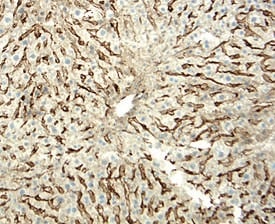
LYVE‑1 antibody in Mouse Liver by Immunohistochemistry (IHC-Fr).

LYVE‑1 in Mouse Liver.

LYVE-1 was detected in perfusion fixed frozen sections of mouse liver using 15 µg/mL Goat Anti-Mouse LYVE-1 Antigen Affinity-purified Polyclonal Antibody (Catalog # AF2125) overnight at 4 °C. Tissue was stained with the Anti-Goat HRP-DAB Cell & Tissue Staining Kit (brown; CTS008) and counterstained with hematoxylin (blue). Specific labeling was localized to the cytoplasm of endothelial cells in sinusoids. View our protocol for Chromogenic IHC Staining of Frozen Tissue Sections.

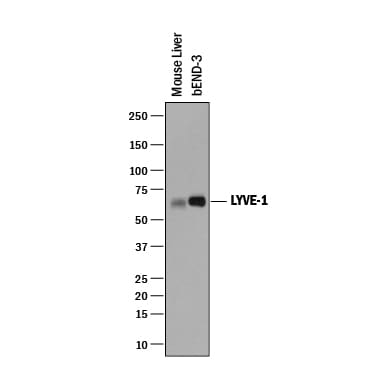
Detection of Mouse LYVE-1 antibody by Western Blot.

Detection of Mouse LYVE‑1 by Western Blot.

Western blot shows lysates of mouse liver tissue and bEnd.3 mouse brain endothelial cell line. PVDF membrane was probed with 0.25 µg/mL of Goat Anti-Mouse LYVE-1 Antigen Affinity-purified Polyclonal Antibody (Catalog # AF2125) followed by HRP-conjugated Anti-Goat IgG Secondary Antibody (HAF019). A specific band was detected for LYVE-1 at approximately 60-65 kDa (as indicated). This experiment was conducted under reducing conditions and using Immunoblot Buffer Group 1.

Detection of Mouse LYVE-1 by Immunocytochemistry/Immunofluorescence

Detection of Mouse LYVE-1 by Immunocytochemistry/Immunofluorescence

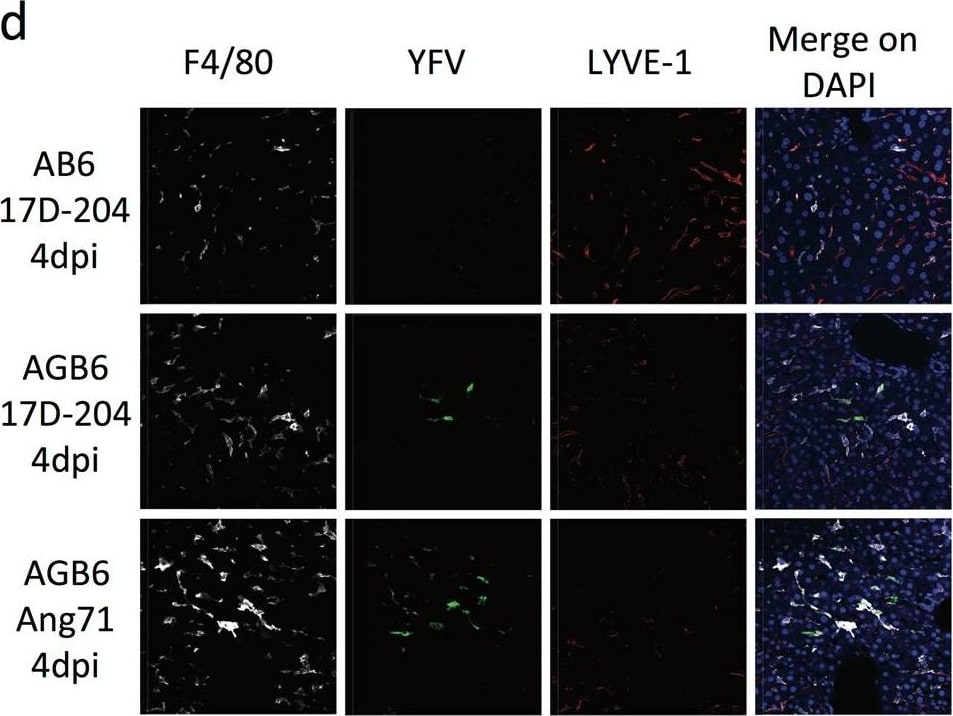
17D-204 causes viscerotropic abnormalities in the absence of IFN-gamma. H&E sections (a–c) antibody-stained frozen sections (b, d) of spleen (a, b) and liver (c, d) were presented. a Spleen sections from 17D-204-infected animals were indistinguishable at 4 dpi, whereas Angola71-infected animals display loss of white pulp and red pulp architecture and increase in infiltrating macrophages and neutrophils (inset) at 4 dpi. At 11 dpi, 17D-204 infected AGB6 has increased immune infiltration and extramedullary hematopoiesis (inset) but not AB6 mice. b YFV antigen can be detected in the spleen at 4 dpi in both AB6 and AGB6 mice in the red pulp and outer marginal zone area. c 17D-204-infected AB6 mice do not display major histological changes but infected AGB6 mice and Angola71-infected animals had microsteatosis (inset) at 4 dpi. In AGB6 mice, microsteatosis only occurs transiently at 4 dpi and resolved by 11 dpi. Antibody-stained frozen liver sections (d) revealed that YFV antigen could only be detected in infected AGB6 mice at 4 dpi but not AB6 mice, parallel to titer data in Fig. 1g. Original magnification = 40x, n = 4 Image collected and cropped by CiteAb from the following publication (https://www.nature.com/articles/s41541-017-0039-z), licensed under a CC-BY license. Not internally tested by R&D Systems.
Detection of Mouse LYVE-1 by Immunocytochemistry/Immunofluorescence

Detection of Mouse LYVE-1 by Immunocytochemistry/Immunofluorescence

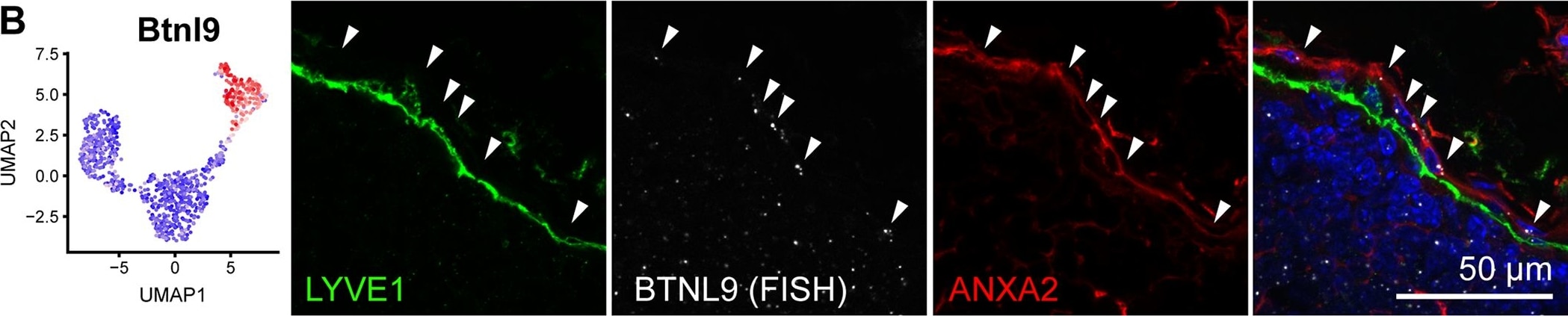
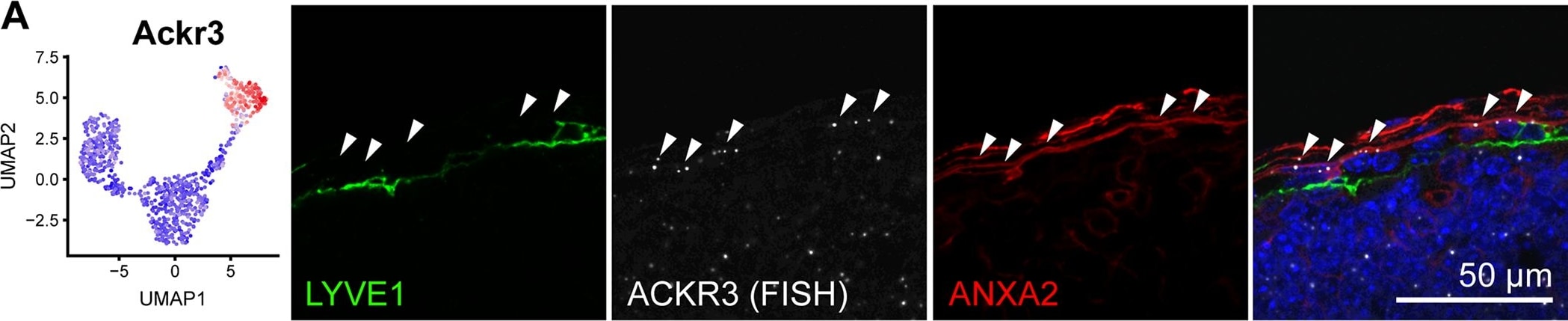
Molecular characterization of LECs in the SCS ceiling with RNA FISH.(A-B) Expression of new cLEC/cluster 2 marker genes Ackr3 (A) and Btnl9 (B) by RNA sequencing (left panels) and RNA FISH (right panels). As GFP fluorescence is lost during tissue processing for RNA FISH, immunofluorescence staining for ANXA2 (red) and LYVE1 (green) served as markers for cLECs and fLECs, respectively. Arrows point to cLECs expressing Ackr3 and Btnl9 transcripts (white). ACKR3, atypical chemokine receptor 3; ANXA2, annexin A2; Btnl9, butyrophilin like 9; cLEC, ceiling LEC; FISH, fluorescence in situ hybridization; fLEC, floor-lining LEC; LEC, lymphatic endothelial cell; LYVE1, lymphatic vessel endothelial hyaluronan receptor 1; SCS, subcapsular sinus; UMAP, Uniform Manifold Approximation and Projection. Image collected and cropped by CiteAb from the following publication (https://pubmed.ncbi.nlm.nih.gov/32251437), licensed under a CC-BY license. Not internally tested by R&D Systems.
Detection of Mouse LYVE-1 by Immunocytochemistry/Immunofluorescence

Detection of Mouse LYVE-1 by Immunocytochemistry/Immunofluorescence

Molecular characterization of LECs in the SCS ceiling with immunofluorescence staining.(A–C) Expression of new cLEC/cluster 2 marker genes ANXA2 (A), FABP4 (B), and CD36 (C) by RNA sequencing (left panels) and immunofluorescence staining (right panels) in Ackr4-GFP reporter mice. GFP (white) and immunofluorescence costaining for LYVE1 (green) served as markers for cLECs and fLECs, respectively. ACKR4, atypical chemokine receptor 4; ANXA2, annexin A2; CD, cluster of differentiation; cLEC, ceiling LEC; FABP4, fatty acid binding protein 4; fLEC, floor-lining LEC; GFP, green fluorescent protein; LEC, lymphatic endothelial cell; LYVE1, lymphatic vessel endothelial hyaluronan receptor 1; SCS, subcapsular sinus; UMAP, Uniform Manifold Approximation and Projection. Image collected and cropped by CiteAb from the following publication (https://pubmed.ncbi.nlm.nih.gov/32251437), licensed under a CC-BY license. Not internally tested by R&D Systems.
Detection of Mouse LYVE-1 by Immunocytochemistry/Immunofluorescence

Detection of Mouse LYVE-1 by Immunocytochemistry/Immunofluorescence

Molecular characterization of LECs in the SCS ceiling with RNA FISH.(A-B) Expression of new cLEC/cluster 2 marker genes Ackr3 (A) and Btnl9 (B) by RNA sequencing (left panels) and RNA FISH (right panels). As GFP fluorescence is lost during tissue processing for RNA FISH, immunofluorescence staining for ANXA2 (red) and LYVE1 (green) served as markers for cLECs and fLECs, respectively. Arrows point to cLECs expressing Ackr3 and Btnl9 transcripts (white). ACKR3, atypical chemokine receptor 3; ANXA2, annexin A2; Btnl9, butyrophilin like 9; cLEC, ceiling LEC; FISH, fluorescence in situ hybridization; fLEC, floor-lining LEC; LEC, lymphatic endothelial cell; LYVE1, lymphatic vessel endothelial hyaluronan receptor 1; SCS, subcapsular sinus; UMAP, Uniform Manifold Approximation and Projection. Image collected and cropped by CiteAb from the following publication (https://pubmed.ncbi.nlm.nih.gov/32251437), licensed under a CC-BY license. Not internally tested by R&D Systems.
Detection of Mouse LYVE-1 by Immunocytochemistry/Immunofluorescence

Detection of Mouse LYVE-1 by Immunocytochemistry/Immunofluorescence

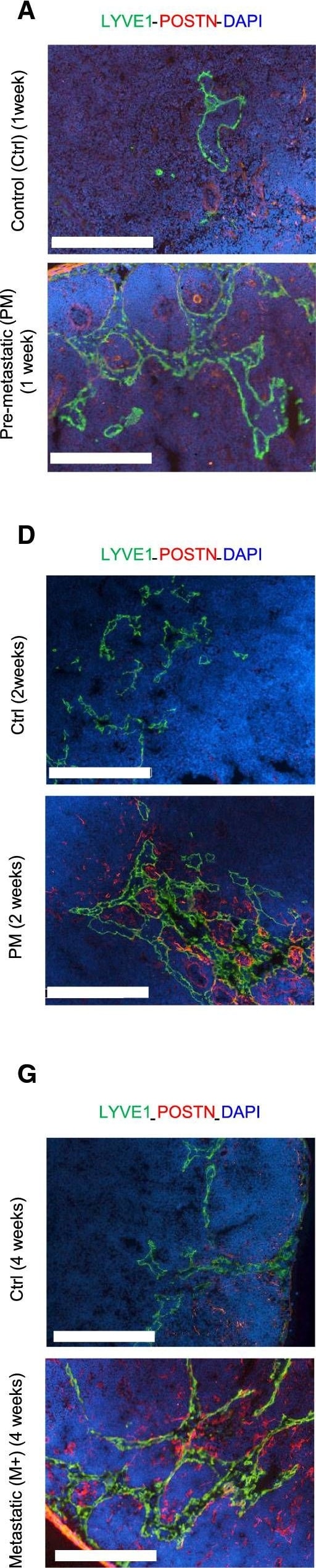
POSTN is upregulated in (pre)-metastatic LN. Morphometric analysis of POSTN and LYVE1+ lymphatic vessels in experimental (pre)-metastatic LN (in the ear sponge assay using B16F10 cells). CTRLs correspond to mice implanted with a sponge without tumor cells. a–d–g Immunostaining of POSTN (red) and LYVE1 (green) in pre-metastatic (PM) (at 1 week in A, at 2 weeks in d) and in metastatic (M+) LNs (G). Bars = 250 µm. b–e–h Scatter graphs use scatter plots to represent POSTN and LYVE1 densities (in percentage) assessed by a computer assisted method (n ≥ 9). Results are expressed as mean ± SD, and statistical analyses were performed using a Wilcoxon–Mann–Whitney test (*p < 0.05; **p < 0.01; ***p < 0.001; ****p < 0.0001). c–f–i Spatial distribution analysis from tissue edge to tissue center. The blue rectangle indicates the area between 0–0.30 mm from the LN border where the cumulate normalized areas of LYVE1 and POSTN were measured and represented in the top right. Maximum distance of migration from the tissue border (Lmax) is indicated. Results are expressed as mean ± SD (Wilcoxon–Mann–Whitney test: *p < 0.05; **p < 0.01). d–i All the results represent the set of two independent experiments Image collected and cropped by CiteAb from the following publication (https://pubmed.ncbi.nlm.nih.gov/35567669), licensed under a CC-BY license. Not internally tested by R&D Systems.

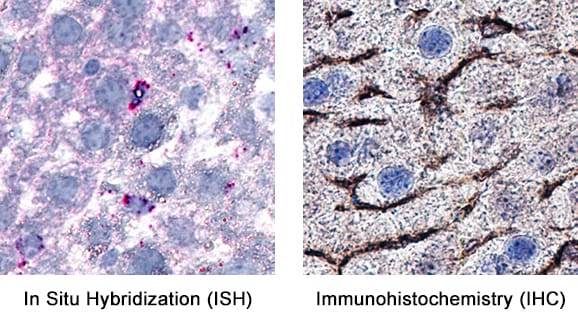
Detection of LYVE‑1 in Mouse Liver.

Formalin-fixed paraffin-embedded tissue sections of mouse liver were probed for LYVE1 mRNA (ACD RNAScope Probe, catalog # 428451; Fast Red chromogen, ACD catalog # 322360). Adjacent tissue section was processed for immunohistochemistry using goat anti-mouse LYVE1 polyclonal antibody (R&D Systems catalog # AF2125) at 5ug/mL with overnight incubation at 4 degrees Celsius followed by incubation with anti-goat IgG VisUCyte HRP Polymer Antibody (Catalog # VC004) and DAB chromogen (yellow-brown). Tissue was counterstained with hematoxylin (blue). Specific staining was localized to endothelial cells of sinusoids.

Detection of Mouse LYVE-1 by Immunohistochemistry

Detection of Mouse LYVE-1 by Immunohistochemistry

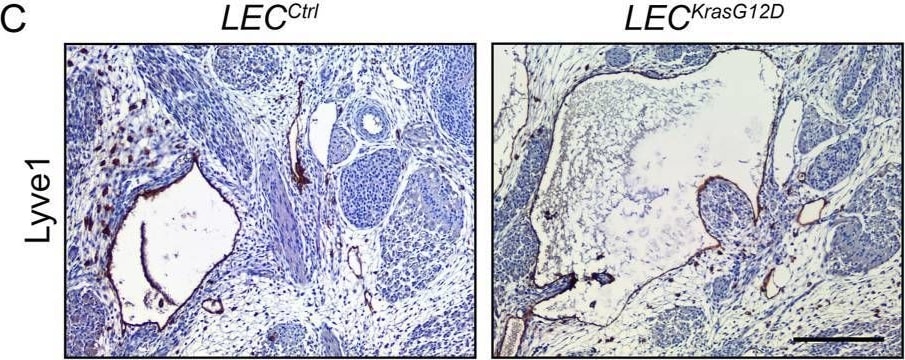
LECKrasG12D embryos have enlarged jugular lymph sacs & malformed lymphovenous valves. (A). Schematics of the Lyve1-Cre & KrasLSL-G12D alleles. (B). Representative images of E14.5 LECCtrl & LECKrasG12D embryos. The LECKrasG12D embryo has edema. (C). Transverse sections of E14.5 embryos stained with an anti-Lyve1 antibody (brown) & hematoxylin (purple). (D). Jugular lymph sac area was significantly greater in LECKrasG12D embryos (273391 ± 47694; n = 6 mice) than LECCtrl embryos (76949 ± 17566; n = 5 mice). (E). Coronal sections of E14.5 embryos stained with hematoxylin & eosin (H&E). The arrow points to a lymphovenous valve in a LECCtrl embryo. The arrow points to a cluster of cells in the lymphovenous valve region in a LECKrasG12D embryo. Six LECCtrl & five LECKrasG12D embryos were analyzed. (F). Coronal sections of E14.5 embryos stained with DAPI (blue) & antibodies against Lyve1 (yellow) & endomucin (red). The arrow points to a lymphovenous valve in a LECCtrl embryo. The arrow points to a cluster of Lyve1-positive cells in the lymphovenous valve region in a LECKrasG12D embryo. Five LECCtrl & three LECKrasG12D embryos were analyzed. (G). Immunostaining revealed that cell clusters in the jugular lymph sacs of LECKrasG12D embryos contained Prox1 & Lyve-1 double-positive LECs. Six LECKrasG12D embryos were analyzed. (H). Higher magnification image of cluster in panel (G). (I,J). Clusters also contained F4/80-positive cells (I) & CD45-positive cells (J). (K). Immunostaining revealed that clusters in LECKrasG12D embryos contained Runx1-positive cells. (L–O). Higher magnification images of the separate channels in panel (K). Data are presented as mean ± SEM. **p < 0.01; unpaired Student’s t-tests. Scale bar in panel C = 200 µm. Scale bars in panels E, G, I, J, & K = 100 µm. Image collected & cropped by CiteAb from the following open publication (https://pubmed.ncbi.nlm.nih.gov/37842094), licensed under a CC-BY license. Not internally tested by R&D Systems.

Applications for Mouse LYVE‑1 Antibody

Application
Recommended Usage

Dual RNAscope ISH-IHC Compatible

5-15 µg/mL
Sample: Immersion fixed paraffin-embedded sections of mouse liver

Immunohistochemistry

5-15 µg/mL
Sample: Perfusion fixed frozen sections of mouse liver

Western Blot

0.25 µg/mL
Sample: Mouse liver tissue and bEnd.3 mouse brain endothelial cell line

Reviewed Applications

Read 4 reviews rated 4.8 using AF2125 in the following applications:

Formulation, Preparation, and Storage

Purification

Antigen Affinity-purified

Reconstitution

Reconstitute at 0.2 mg/mL in sterile PBS. For liquid material, refer to CoA for concentration.


Loading...

Formulation

Lyophilized from a 0.2 μm filtered solution in PBS with Trehalose. See Certificate of Analysis for details.
*Small pack size (-SP) is supplied either lyophilized or as a 0.2 µm filtered solution in PBS.

Shipping

Lyophilized product is shipped at ambient temperature. Liquid small pack size (-SP) is shipped with polar packs. Upon receipt, store immediately at the temperature recommended below.

Stability & Storage

Use a manual defrost freezer and avoid repeated freeze-thaw cycles.
  • 12 months from date of receipt, -20 to -70 °C as supplied.
  • 1 month, 2 to 8 °C under sterile conditions after reconstitution.
  • 6 months, -20 to -70 °C under sterile conditions after reconstitution.

Calculators

The reconstitution calculator allows you to quickly calculate the volume of a reagent to reconstitute your vial. Simply enter the mass of reagent and the target concentration and the calculator will determine the rest.

=
÷

Background: LYVE-1

Lymphatic vessel endothelial hyaluronan (HA) receptor-1 (LYVE-1) is a recently identified receptor of HA, a linear high molecular weight polymer composed of alternating units of D-glucuronic acid and N-acetyl-D-glucosamine. HA is found in the extracellular matrix of most animal tissues and in body fluids. It modulates cell behavior and functions during tissue remodeling, development, homeostasis, and disease. The turnover of HA (several grams/day in humans) occurs primarily in the lymphatics and liver, the two major clearance systems that catabolize approximately 85% and 15% of HA, respectively. LYVE-1 shares 41% homology with the other known HA receptor, CD44. The homology between the two proteins increases to 61% within the HA binding domain. The HA binding domain, known as the link module, is a common structural motif found in other HA binding proteins such as link protein, aggrecan and versican. Human and mouse LYVE-1 share 69% amino acid sequence identity.

LYVE-1 is primarily expressed on both the luminal and abluminal surfaces of lymphatic vessels. In addition, LYVE-1 is also present in normal hepatic blood sinusoidal endothelial cells. LYVE-1 mediates the endocytosis of HA and may transport HA from tissue to lymph by transcytosis, delivering HA to lymphatic capillaries for removal and degradation in the regional lymph nodes. Because of its restricted expression patterns, LYVE-1, along with other lymphatic proteins such as VEGF R3, podoplanin and the homeobox protein propero-related (Prox-1), constitute a set of markers useful for distinguishing between lymphatic and blood microvasculature.

Long Name

Lymphatic Vessel Endothelial Hyaluronan Receptor 1

Alternate Names

LYVE1, XLKD1

Entrez Gene IDs

10894 (Human); 114332 (Mouse); 293186 (Rat)

Gene Symbol

LYVE1

UniProt

Additional LYVE-1 Products

Product Documents for Mouse LYVE‑1 Antibody

Certificate of Analysis

To download a Certificate of Analysis, please enter a lot or batch number in the search box below.

Note: Certificate of Analysis not available for kit components.

Product Specific Notices for Mouse LYVE‑1 Antibody

For research use only

Citations for Mouse LYVE‑1 Antibody

Customer Reviews for Mouse LYVE‑1 Antibody (4)

4.8 out of 5
4 Customer Ratings
5 Stars
75%
4 Stars
25%
3 Stars
0%
2 Stars
0%
1 Stars
0%

Have you used Mouse LYVE‑1 Antibody?

Submit a review and receive an Amazon gift card!

$25/€18/£15/$25CAN/¥2500 Yen for a review with an image

$10/€7/£6/$10CAN/¥1110 Yen for a review without an image

Submit a review
Amazon Gift Card

Customer Images


Showing  1 - 4 of 4 reviews Showing All
Filter By:
  • Mouse LYVE-1 Antibody
    Name: Evan Phillips
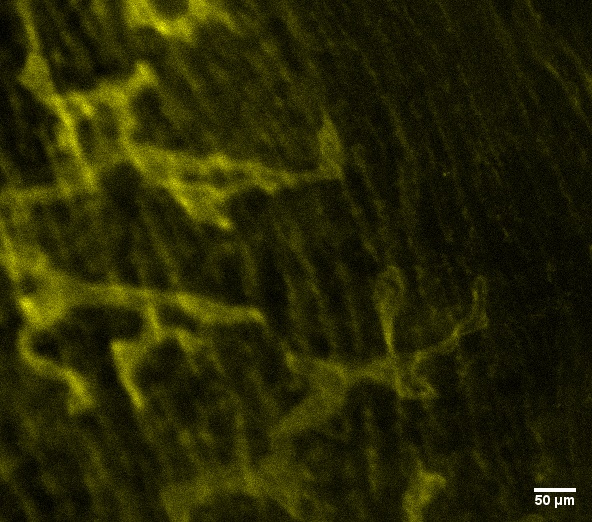
    Application: Immunocytochemistry/Immunofluorescence
    Sample Tested: Heart tissue
    Species: Mouse
    Verified Customer | Posted 01/08/2021
    Mouse LYVE‑1 Antibody AF2125
  • Mouse LYVE-1 Antibody
    Name: Anonymous
    Application: Immunohistochemistry
    Sample Tested: Lymph node tissue
    Species: Mouse
    Verified Customer | Posted 02/02/2017
    In paraffin embedded sample. Antigen retrieval with Tris-EDTA Buffer pH 9.0 and fixation with Methanol. Blocking with TBS 2% BSA -0.5% Triton X-100. Incubation of Lyve1 (AF2125) at a dilution of 1:400 (O/N at 4C).
  • Mouse LYVE-1 Antibody
    Name: Anonymous
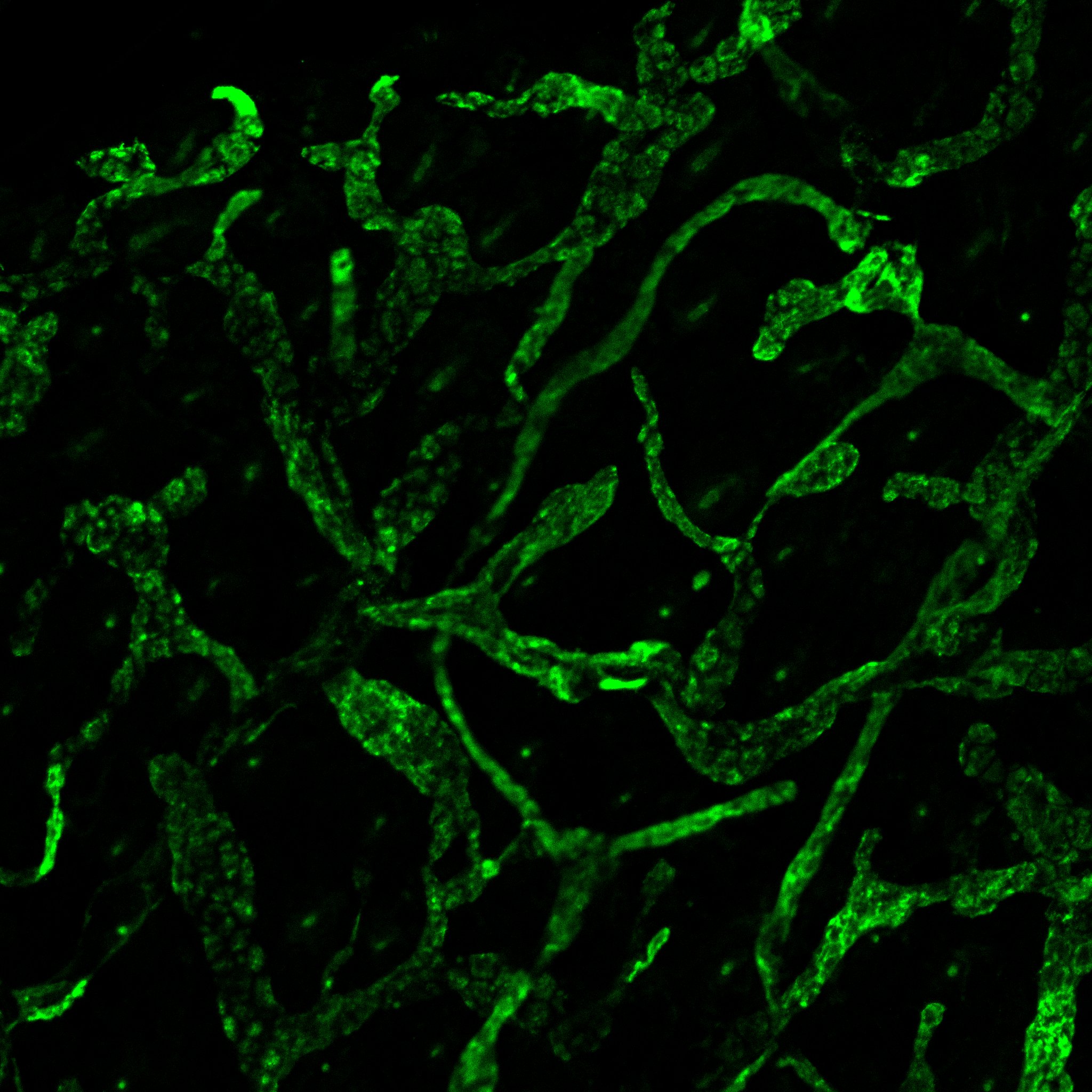
    Application: Whole mount immunofluorescence
    Sample Tested: Whole-mount ear dermis
    Species: Mouse
    Verified Customer | Posted 09/07/2016
    Mouse ear dermis was fixed in 2%PFA and blocked/permeabilized overnight in TBS/5% donkey serum/0.5% Tx100 before incubation in AF2125 at a dilution of 1:250 (O/N at 4C). Antibody was then detected using an alexafluor 488 labeled donkey anti goat secondary.
    Mouse LYVE‑1 Antibody AF2125
  • Name: Anonymous
    Application: Flow Cytometry
    Sample Tested: See PMID 22287283
    Species: Mouse
    Verified Customer | Posted 01/06/2015

There are no reviews that match your criteria.

Showing  1 - 4 of 4 reviews Showing All

Protocols

Find general support by application which include: protocols, troubleshooting, illustrated assays, videos and webinars.

FAQs

No product specific FAQs exist for this product.

View all FAQs for Antibodies