


Scientific images may be resized, cropped, or adjusted for brightness or contrast for presentation purposes. These updates are limited to presentation and do not affect the underlying scientific interpretation of the data. Where available, additional source data may be provided upon request.
Key Product Details
Validated by
Species Reactivity
Validated:
Cited:
Applications
Validated:
Cited:
Label
Antibody Source
Product Specifications
Immunogen
Tyr20-Glu140
Accession # Q9JIE6
Specificity
Clonality
Host
Isotype
Endotoxin Level
Scientific Data Images for Mouse TSLP Antibody (152614)
Cell Proliferation Induced by TSLP and Neutralization by Mouse TSLP Antibody.
Recombinant Mouse TSLP (Catalog # 555-TS) stimulates proliferation in the BaF3 mouse pro‑B cell line transfected with mouse IL‑7 Ra in a dose-dependent manner (orange line). Proliferation elicited by Recombinant Mouse TSLP (7.5 ng/mL) is neutralized (green line) by increasing concentrations of Mouse TSLP Monoclonal Antibody (Catalog # MAB555). The ND50 is typically 0.1-0.4 µg/mL.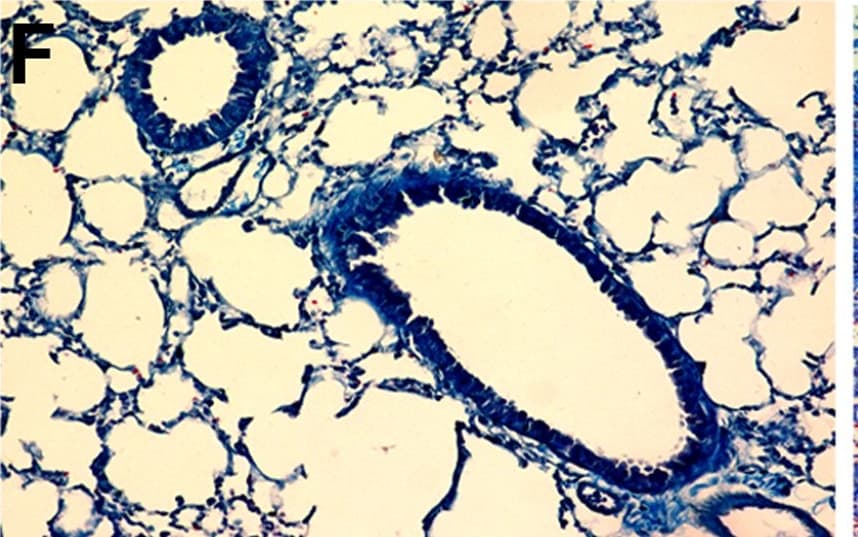
Detection of Mouse TSLP by Block/Neutralize
TSLP neutralization inhibits airway structural alterations.(A) The depth of peribronchial collagen deposition was significantly reduced in anti-TSLP-treated mice, compared with HDM-exposed and IgG isotype-treated controls. (B) Epithelial goblet cells were markedly reduced in anti-TSLP-treated mice, compared to the HDM-exposed and IgG -treated controls. (C) TGF-beta 1 levels in the BALF were significantly increased in HDM-exposed mice. The blockage of TSLP with the anti-TSLP mAb reduced TGF-beta 1levels in the BALF. TGF-beta 1 protein and mRNA levels were determined in duplicate experiments. (D-G) Representative photomicrographs of Masson's trichrome-stained lung sections from mice that were exposed for 5 weeks to saline (D) or HDM (E) and pretreated with anti-TSLP mAb (F) or an IgG-treated control (G) 60 minutes prior to and during HDM exposure. (H-K) Representative photomicrographs of airway sections of PAS-stained from mice that were exposed for 5 weeks to saline (H) or HDM (I) and pretreated with anti-TSLP mAb (J) or an IgG-treated control (K) 60 minutes prior to and during the HDM exposure. Original magnification, 20×. The data shown represent the means±SEM (n = 5), **p<0.01 compared with the HDM group, ##p<0.01 compared with the IgG-treated control mice. The photomicrographs of H-K are representative of 5 independent experiments. Image collected and cropped by CiteAb from the following publication (https://dx.plos.org/10.1371/journal.pone.0051268), licensed under a CC-BY license. Not internally tested by R&D Systems.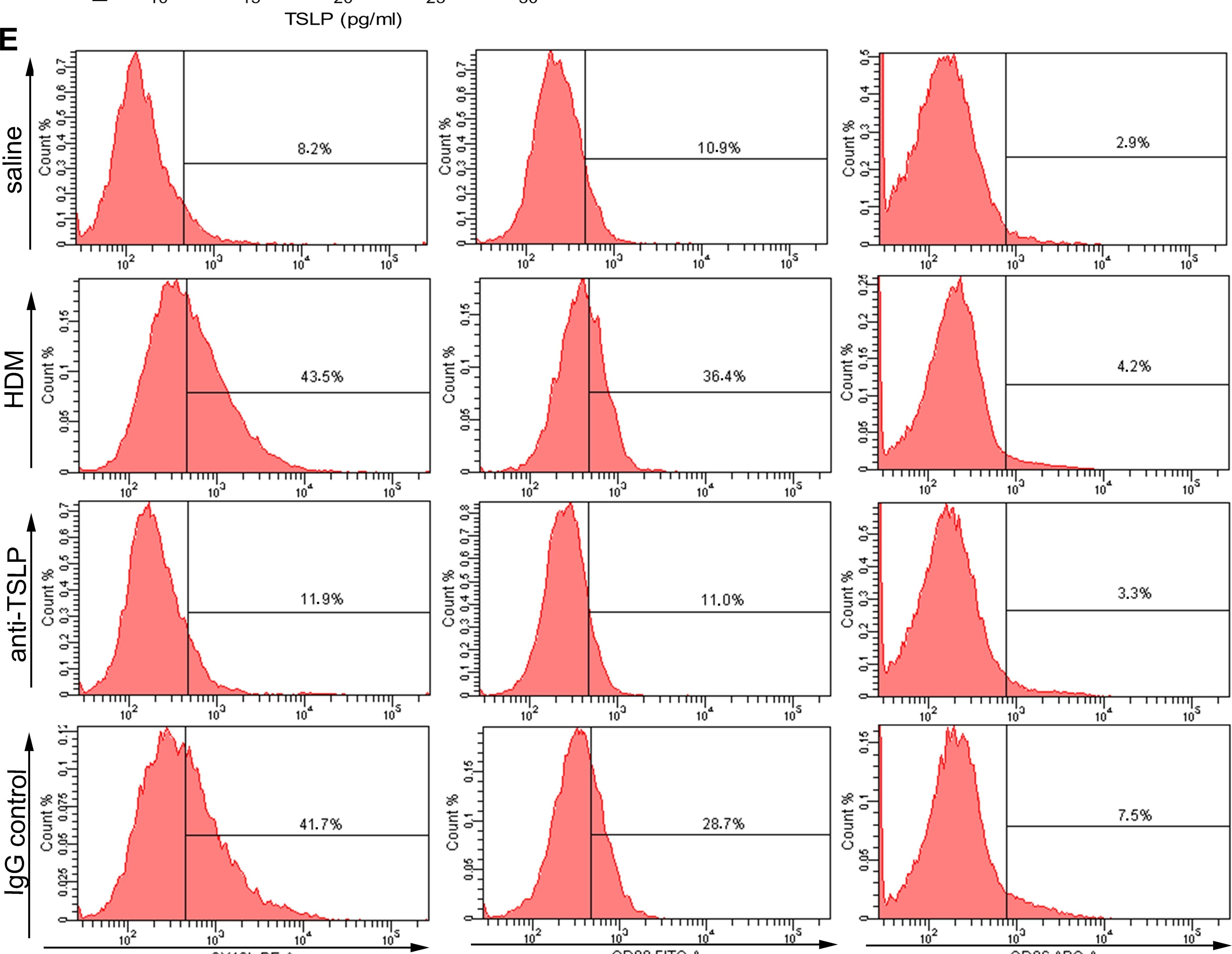
Detection of Mouse Mouse TSLP Antibody by Flow Cytometry
TSLP neutralization inhibits surface marker expression on airway CD11c+ cells.(A) Lung cell suspensions from mice were stained with combinations of PerCP-Cy 5.5-conjugated CD11c, PE-conjugated OX40L, FITC-conjugated CD80 and APC-conjugated CD86. The dead cells and the debris were excluded based on forward scatter (FSC)/side scatter (SSC) plots. (B) A total of 1×10⁵ to 3×10⁵ viable cells were acquired using FACS, and the DCs were then sorted as CD11c+ airway cells on FSC/SSC plots. (C) Mice that were chronically exposed to HDM received an intranasal administration of anti-TSLP mAb or of a control IgG 60 minutes prior to each HDM exposure. The expression levels of OX40L, CD80 and CD86 on pulmonary DCs were then analyzed using flow cytometry. The HDM-exposed mice exhibited a significant increase in the OX40L, CD80 and CD86 surface markers on CD11c+ airway cells. However, anti-TSLP pretreatment effectively reduced OX40L, CD80 and CD86 expression on the DCs, even though the mice were continuously exposed to HDM. (D) The TSLP levels in the BALF were highly correlated with OX40L expression on CD11c+ airway cells in all of the treatment mice (n = 20, R = 0.879, p<0.01). (E) Representative data from one of the five replicates. (F) Staining for OX40L (12-4031), CD80 (11-4888), and CD86 (17-4321) from isotype-Ig-treated controls. The data represent the means±SEM (n = 5). * p<0.05 or ** p<0.01 compared with the HDM group. # p<0.05 or ## p<0.01 compared with the IgG-treated control mice. The results are derived from 4 experimental groups (5 mice/per group), and the data are representative of 5 independent experiment. Image collected and cropped by CiteAb from the following publication (https://pubmed.ncbi.nlm.nih.gov/23300949), licensed under a CC-BY license. Not internally tested by R&D Systems.Applications for Mouse TSLP Antibody (152614)
Western Blot
Sample: Recombinant Mouse TSLP (Catalog # 555-TS)
under non-reducing conditions only
Neutralization
Reviewed Applications
Read 2 reviews rated 3.5 using MAB555 in the following applications:
Formulation, Preparation, and Storage
Purification
Reconstitution
Reconstitute at 0.5 mg/mL in sterile PBS. For liquid material, refer to CoA for concentration.
Formulation
Shipping
Stability & Storage
- 12 months from date of receipt, -20 to -70 °C as supplied.
- 1 month, 2 to 8 °C under sterile conditions after reconstitution.
- 6 months, -20 to -70 °C under sterile conditions after reconstitution.
Calculators
Background: TSLP
Long Name
Alternate Names
Gene Symbol
UniProt
Additional TSLP Products
Product Documents for Mouse TSLP Antibody (152614)
Certificate of Analysis
To download a Certificate of Analysis, please enter a lot or batch number in the search box below.
Note: Certificate of Analysis not available for kit components.
Product Specific Notices for Mouse TSLP Antibody (152614)
For research use only
Citations for Mouse TSLP Antibody (152614)
 Powered by Bioz
Customer Reviews for Mouse TSLP Antibody (152614) (2)
Have you used Mouse TSLP Antibody (152614)?
Submit a review and receive an Amazon gift card!
$25/€18/£15/$25CAN/¥2500 for a review with an image
$10/€7/£6/$10CAN/¥1110 for a review without an image
Submit a review
Customer Images
-
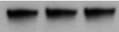
Application: Western BlotSample Tested: Spleen tissueSpecies: MouseVerified Customer | Posted 09/27/2021

-
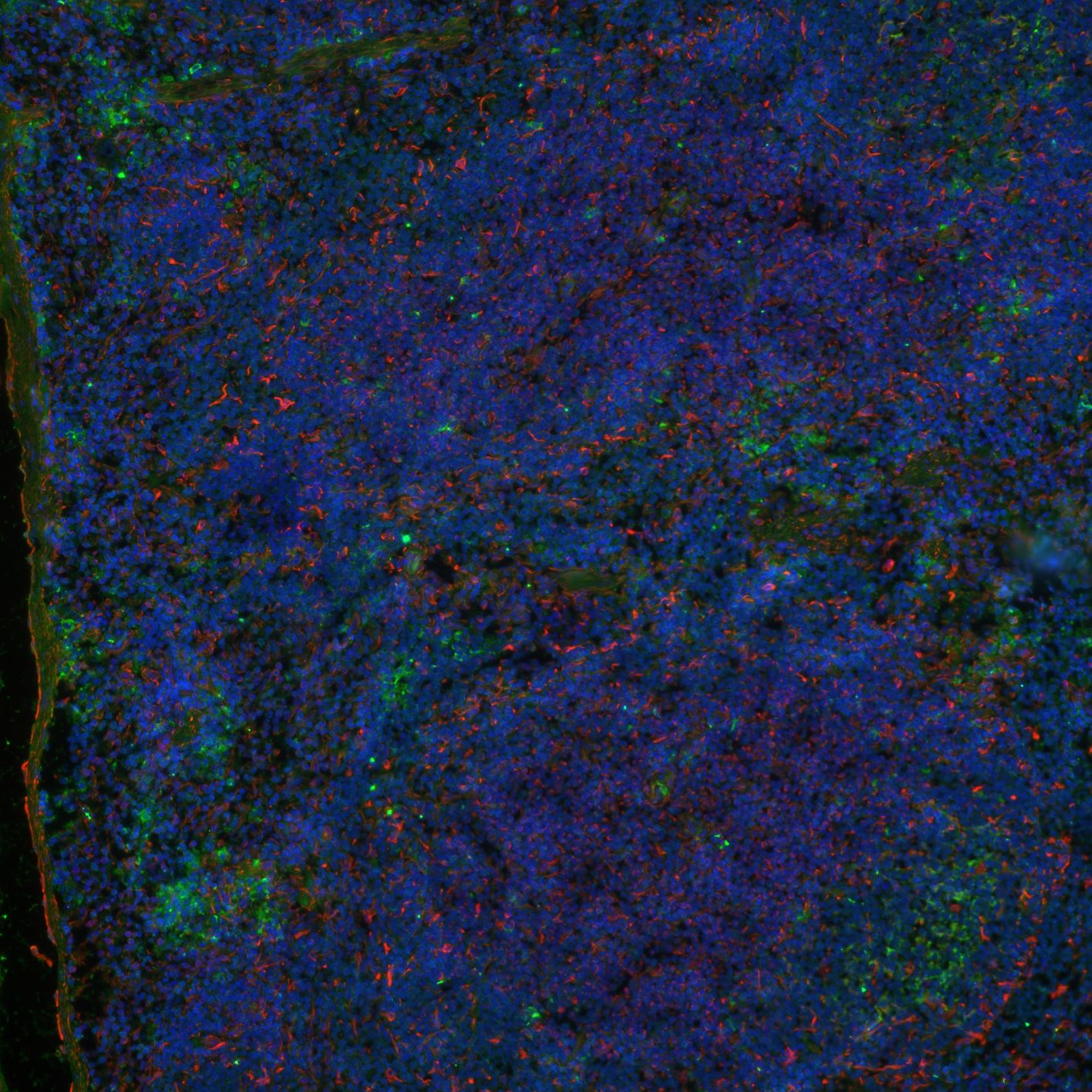
Application: Immunocytochemistry/ImmunofluorescenceSample Tested: Spleen tissueSpecies: MouseVerified Customer | Posted 02/26/2021
Bio-Techne ResponseThank you for reviewing our product. We are sorry to that that this antibody did not perform as expected. We have been in touch with the customer to resolve this issue according to our Product Guarantee and to the customer’s satisfaction. Although MAB555 has not been validated by Bio-Techne for IHC/ICC/IF application, Technical Service provided troubleshooting suggestions, which resulted in a weak signal in tissues tested. Customer observed a good signal with polyclonal antibody from Novus, catalog # NB110-55234.
There are no reviews that match your criteria.
Protocols
Find general support by application which include: protocols, troubleshooting, illustrated assays, videos and webinars.
- Cellular Response to Hypoxia Protocols
- R&D Systems Quality Control Western Blot Protocol
- Troubleshooting Guide: Western Blot Figures
- Western Blot Conditions
- Western Blot Protocol
- Western Blot Protocol for Cell Lysates
- Western Blot Troubleshooting
- Western Blot Troubleshooting Guide
- View all Protocols, Troubleshooting, Illustrated assays and Webinars
Associated Pathways
