Recombinant Human TNF-alpha Protein
R&D Systems | Catalog # 210-TA

Key Product Details
- R&D Systems E. coli-derived Recombinant Human TNF-alpha Protein (210-TA)
- Quality control testing to verify active proteins with lot specific assays by in-house scientists
- All R&D Systems proteins are covered with a 100% guarantee
Source
Accession Number
Structure / Form
Applications
Product Specifications
Source
Val77-Leu233, with and without an N-terminal Met
Purity
Endotoxin Level
N-terminal Sequence Analysis
Predicted Molecular Mass
SDS-PAGE
Activity
The ED50 for this effect is 25-100 pg/mL.
Reviewed Applications
Read 42 reviews rated 4.8 using 210-TA in the following applications:
- Apoptosis assay (1 Review)
- Assay validation (1 Review)
- Cell Adhesion (2 Reviews)
- Cell migration/motility (1 Review)
- Cell Proliferation (8 Reviews)
- Cytotoxicity Assay (1 Review)
- Enzymatic activity in vitro (2 Reviews)
- Immunoassay Standard (4 Reviews)
- In vitro bioactivity in cell culture (13 Reviews)
- In vivo study (2 Reviews)
- SDS-PAGE Control (2 Reviews)
- Slice electrophysiology (1 Review)
- Stem/Immune cell maintenance or differentiation (2 Reviews)
- Stimulation of human epithelial cells (1 Review)
Scientific Data Images for Recombinant Human TNF-alpha Protein
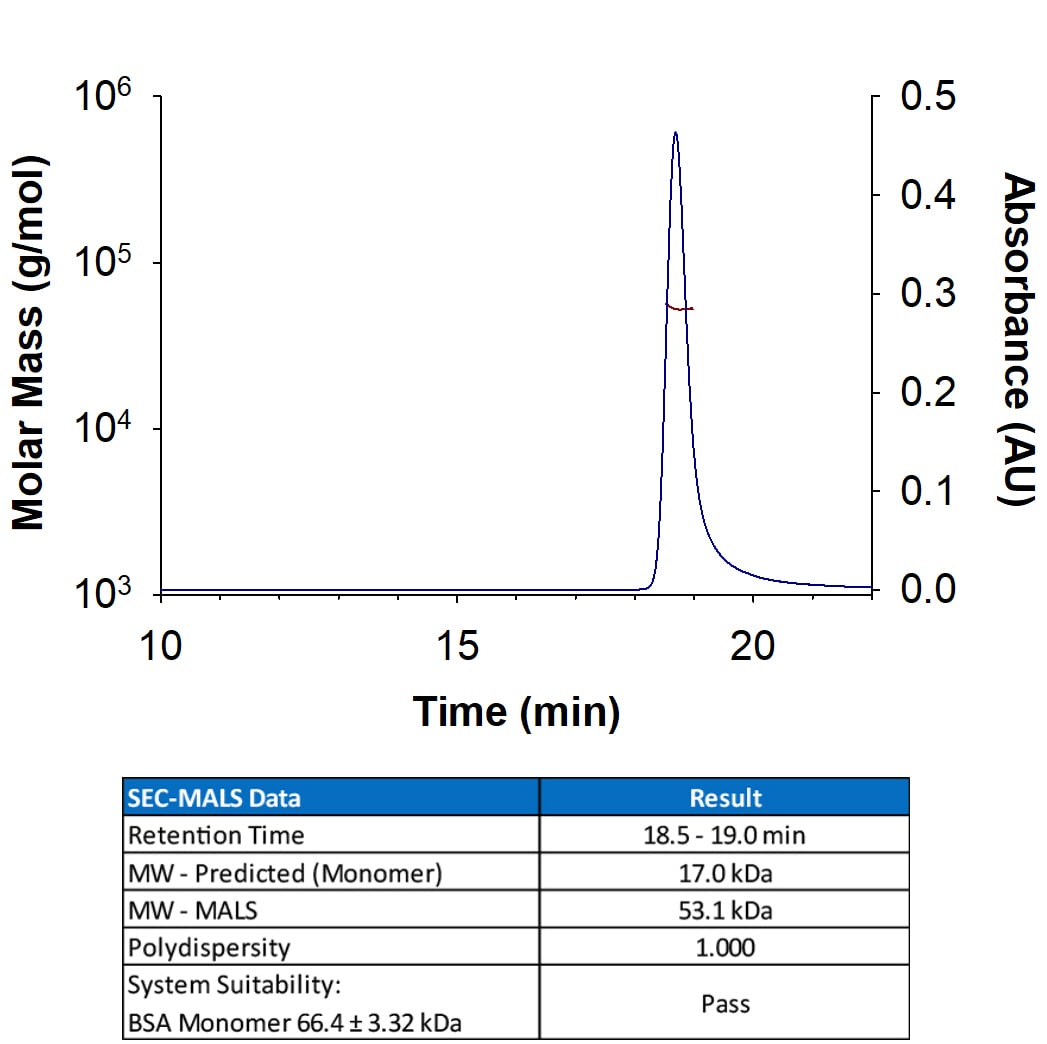
Recombinant Human TNF‑ alpha Protein SEC-MALS.
Recombinant Human TNF-alpha (Catalog # 210-TA) has a molecular weight (MW) of 53.1 kDa as analyzed by SEC-MALS, suggesting that this protein is a homotrimer. MW may differ from predicted MW due to post-translational modifications (PTMs) present (i.e. Glycosylation).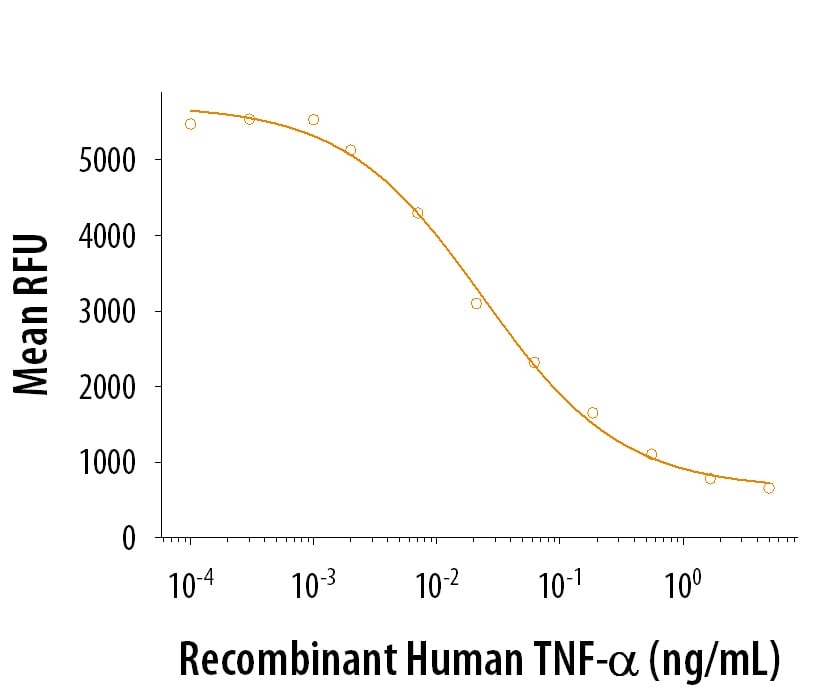
Recombinant Human TNF-alpha Protein Bioactivity
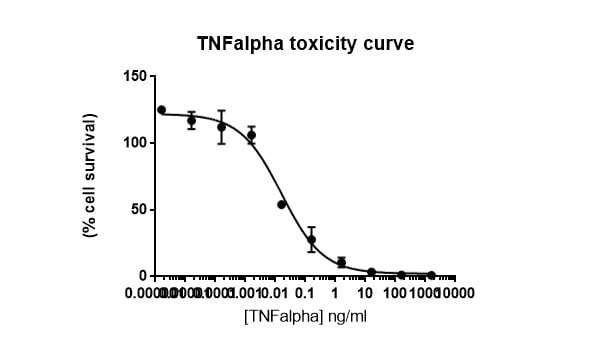
Recombinant Human TNF-alpha (Catalog # 210‑TA) induces cytotoxicity in the L-929 mouse fibroblast cell line in the presence of the metabolic inhibitor actinomycin D. The ED50 for this effect is 25‑100 pg/mL.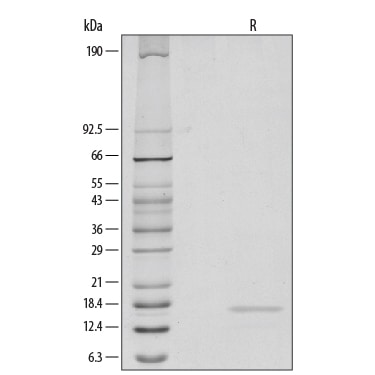
Recombinant Human TNF-alpha Protein SDS-PAGE
1 µg/lane of Recombinant Human TNF-alpha was resolved by SDS-PAGE with silver staining, under reducing (R) conditions, showing a band at 17 kDa.Formulation, Preparation, and Storage
Carrier Free
What does CF mean?CF stands for Carrier Free (CF). We typically add Bovine Serum Albumin (BSA) as a carrier protein to our recombinant proteins. Adding a carrier protein enhances protein stability, increases shelf-life, and allows the recombinant protein to be stored at a more dilute concentration. The carrier free version does not contain BSA.
What formulation is right for me?In general, we advise purchasing the recombinant protein with BSA for use in cell or tissue culture, or as an ELISA standard. In contrast, the carrier free protein is recommended for applications, in which the presence of BSA could interfere.
Carrier: 210-TA
| Formulation | Lyophilized from a 0.2 μm filtered solution in PBS with BSA as a carrier protein. |
| Reconstitution | Reconstitute at 0.1-1 mg/mL in sterile PBS containing at least 0.1% human or bovine serum albumin. |
| Shipping | The product is shipped at ambient temperature. Upon receipt, store it immediately at the temperature recommended below. |
| Stability & Storage | Use a manual defrost freezer and avoid repeated freeze-thaw cycles.
|
Carrier Free: 210-TA/CF
| Formulation | Lyophilized from a 0.2 μm filtered solution in PBS. *Small pack size (5 & 20 µg) is supplied as a 0.2 µm filtered solution in PBS. |
| Reconstitution | Reconstitute at 0.1-1 mg/mL in sterile PBS. |
| Shipping | The product is shipped at ambient temperature. Upon receipt, store it immediately at the temperature recommended below. *Small pack size (5 & 20 µg) is shipped with dry ice or equivalent. Upon receipt, store it immediately at -20 to -70 °C. |
| Stability & Storage | Use a manual defrost freezer and avoid repeated freeze-thaw cycles.
|
Calculators
Background: TNF-alpha
References
- Zelova, H. and J. Hosek (2013) Inflamm. Res. 62:641.
- Juhasz, K. et al. (2013) Expert Rev. Clin. Immunol. 9:335.
- Pennica, D. et al. (1984) Nature 312:724.
- Tang, P. et al. (1996) Biochemistry 35:8216.
- Perez, C. et al. (1990) Cell 63:251.
- Black, R.A. et al. (1997) Nature 385:729.
- Moss, M.L. et al. (1997) Nature 385:733.
- Gearing, A.J.H. et al. (1994) Nature 370:555.
- Schall, T.J. et al. (1990) Cell 61:361.
- Loetscher, H. et al. (1990) Cell 61:351.
- Dembic, Z. et al. (1990) Cytokine 2:231.
- Smith, C.A. et al. (1990) Science 248:1019.
- Loetscher, H. et al. (1991) J. Biol. Chem. 266:18324.
- Pinckard, J.K. et al. (1997) J. Biol. Chem. 272:10784.
- Engelmann, H. et al. (1990) J. Biol. Chem. 265:1531.
Long Name
Alternate Names
Entrez Gene IDs
Gene Symbol
UniProt
Additional TNF-alpha Products
Product Documents for Recombinant Human TNF-alpha Protein
Certificate of Analysis
To download a Certificate of Analysis, please enter a lot or batch number in the search box below.
Note: Certificate of Analysis not available for kit components.
Product Specific Notices for Recombinant Human TNF-alpha Protein
For research use only
Related Research Areas
Citations for Recombinant Human TNF-alpha Protein
 Powered by Bioz
Customer Reviews for Recombinant Human TNF-alpha Protein (42)
Have you used Recombinant Human TNF-alpha Protein?
Submit a review and receive an Amazon gift card!
$25/€18/£15/$25CAN/¥2500 for a review with an image
$10/€7/£6/$10CAN/¥1110 for a review without an image
Submit a review
Customer Images
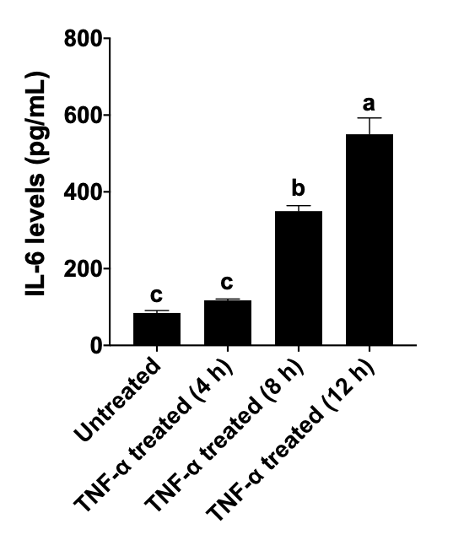

-
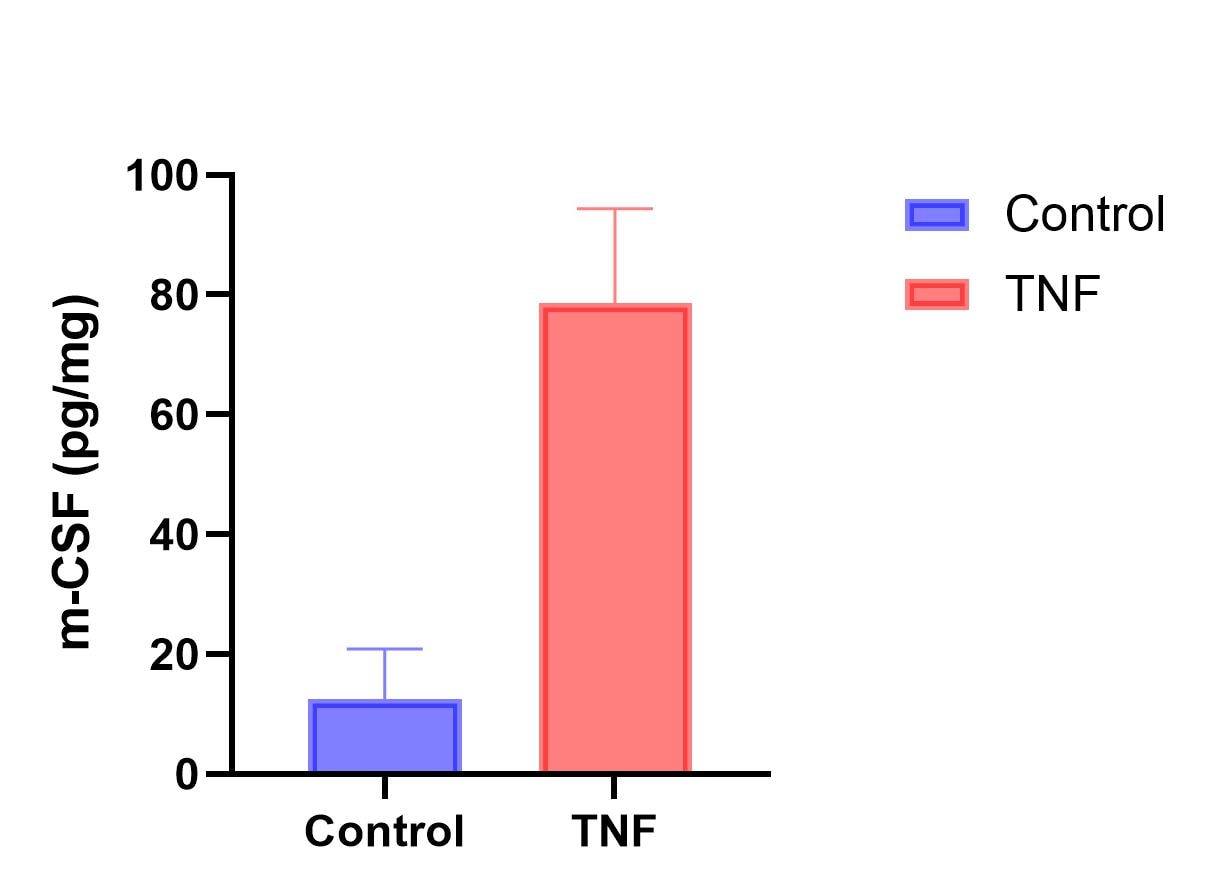
Application: In vitro bioactivity in cell cultureSpecies: Mouse and MouseVerified Customer | Posted 03/29/2026TNF-induced C-gsfTNF-induced C-GSF

-
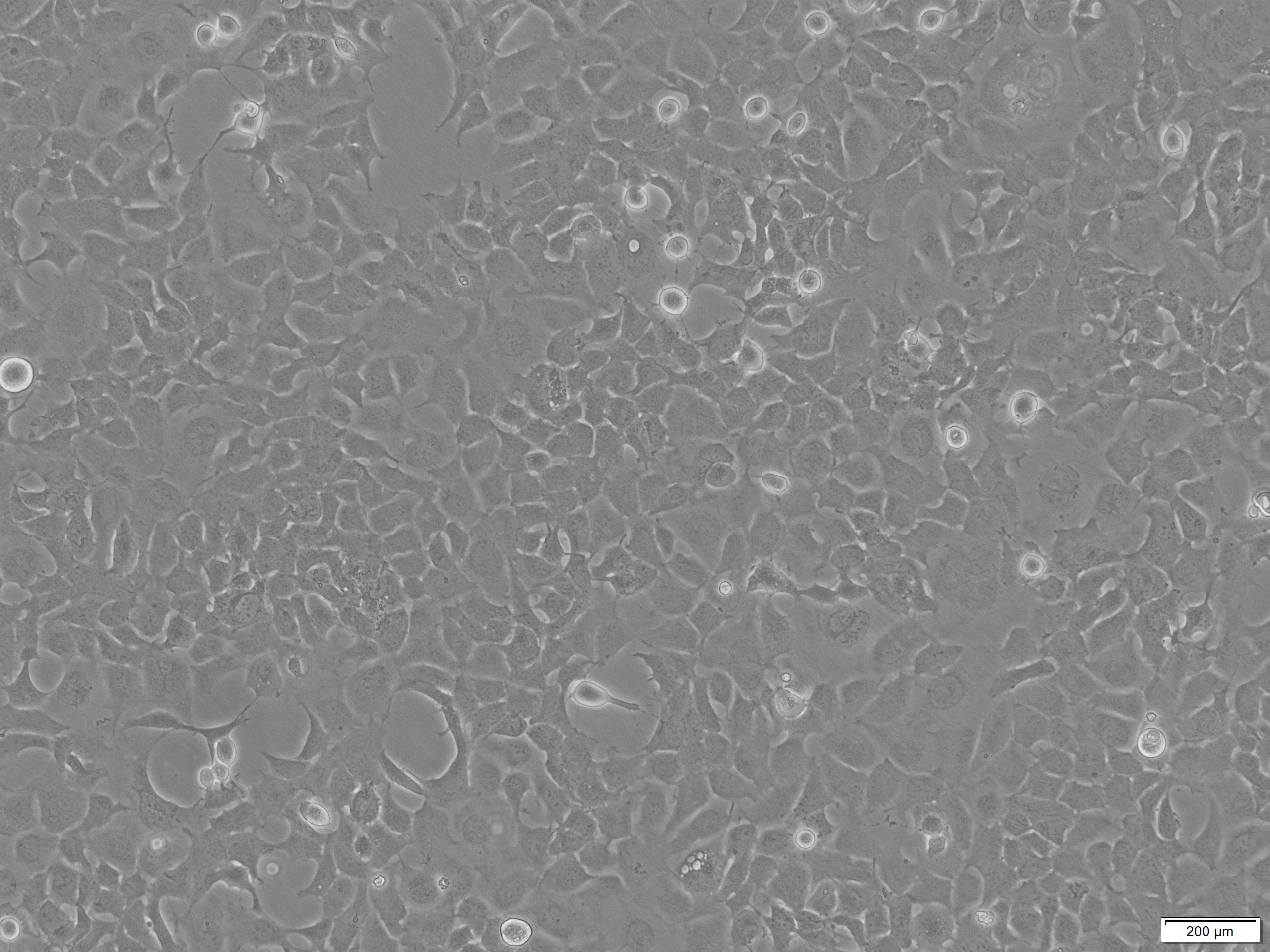
Application: Cell ProliferationVerified Customer | Posted 06/03/2025The cell proliferation assay showed a clear increase in cell growth with higher mitogen concentrations, confirming the assay works well.
-
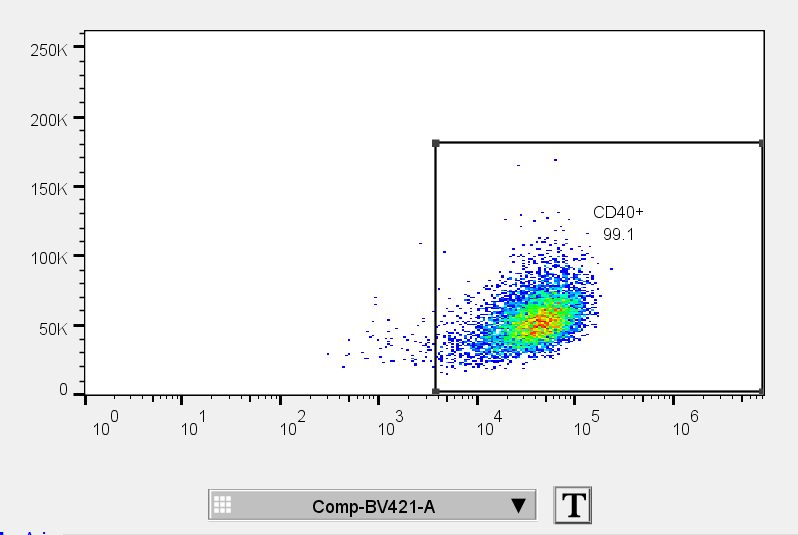
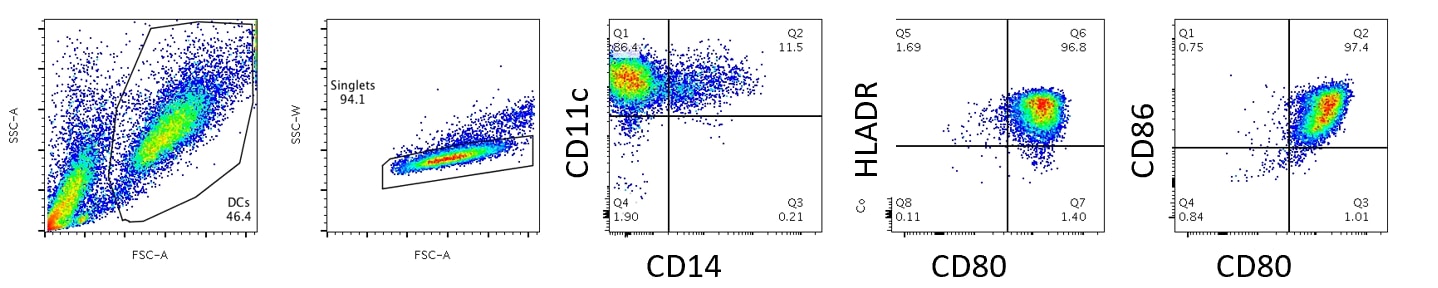
Application: Stem/Immune cell maintenance or differentiationVerified Customer | Posted 11/01/2023Dendritic cell CD40 cell surface expression increases with the addition of GM-CSF, IL-4, TNF-alpha, IL-6, IL-1B, and LPS.
-
Application: Apoptosis assayVerified Customer | Posted 08/14/2023
-
Application: Cell ProliferationVerified Customer | Posted 08/07/2023
-
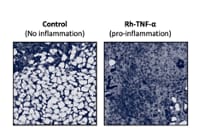
Application: In vivo studyVerified Customer | Posted 02/24/2023Human TNF-a was used to induce pro-inflammatory responses in an in vivo model of arthritis using male C57BL/6J mice. rhTNF-a was able to increase accumulation of immune cells in the pannus area, and increased bone loss in the model
-
Application: In vitro bioactivity in cell cultureVerified Customer | Posted 10/01/2021
-
Application: Assay validationVerified Customer | Posted 02/09/2021
-
Application: In vitro bioactivity in cell cultureVerified Customer | Posted 01/15/2021
-
Application: Immunoassay StandardVerified Customer | Posted 11/30/2020
-
Application: Enzymatic activity in vitroVerified Customer | Posted 11/20/2020
-
Application: SDS-PAGE ControlVerified Customer | Posted 07/03/2020
-
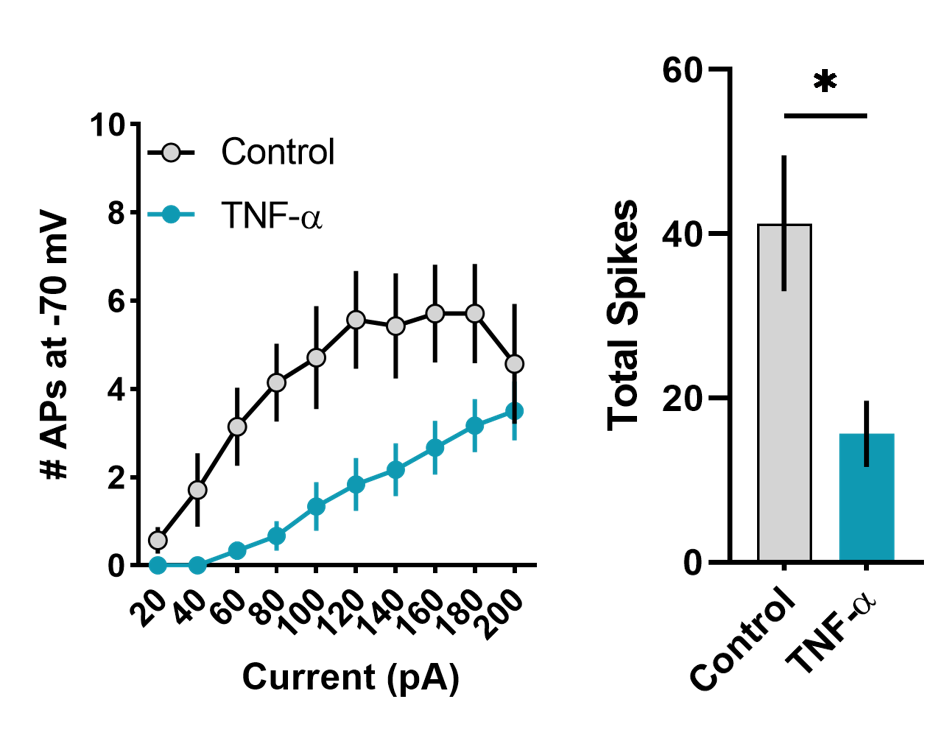
Application: Slice electrophysiologyVerified Customer | Posted 05/22/2020300 micron thick slices were preincubated in TNF-alpha (100 ng/ml) for 1 h before whole-cell recordings were performed from female mice. TNF alpha reduced excitability of neurons compared to control.
-
Application: Cell ProliferationVerified Customer | Posted 05/01/2020
-
Application: Enzymatic activity in vitroVerified Customer | Posted 04/17/2020
-
Application: In vitro bioactivity in cell cultureVerified Customer | Posted 01/14/2020
-
Application: Cell ProliferationVerified Customer | Posted 01/10/2020
-
Application: Cytotoxicity AssayVerified Customer | Posted 05/15/2019
-
Application: Stem/Immune cell maintenance or differentiationVerified Customer | Posted 04/30/2019
-
Application: Cell ProliferationVerified Customer | Posted 02/04/2019
-
Application: Cell ProliferationVerified Customer | Posted 01/29/2019
-
Application: In vitro bioactivity in cell cultureVerified Customer | Posted 09/10/2018
-
Application: Immunoassay StandardVerified Customer | Posted 08/06/2018
-
Application: Cell ProliferationVerified Customer | Posted 05/09/2018
-
Application: Immunoassay StandardVerified Customer | Posted 01/29/2018
-
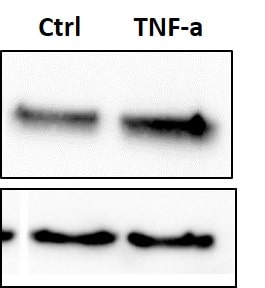
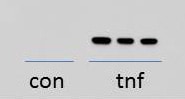
Application: Cell ProliferationVerified Customer | Posted 01/08/2018We tried it for induction of NF-KB detected with luciferase and immunoblot
-
Application: In vivo studyVerified Customer | Posted 10/30/2017
-
Application: In vitro bioactivity in cell cultureVerified Customer | Posted 07/17/2017
-
Application: In vitro bioactivity in cell cultureVerified Customer | Posted 06/01/2017
-
Application: Cell migration/motilityVerified Customer | Posted 05/23/2017
-
Application: In vitro bioactivity in cell cultureVerified Customer | Posted 05/16/2017We used TNF-a to stimulation macrophages and myofibroblast
-
Verified Customer | Posted 05/15/2017
-
Application: In vitro bioactivity in cell cultureVerified Customer | Posted 12/19/2016
-
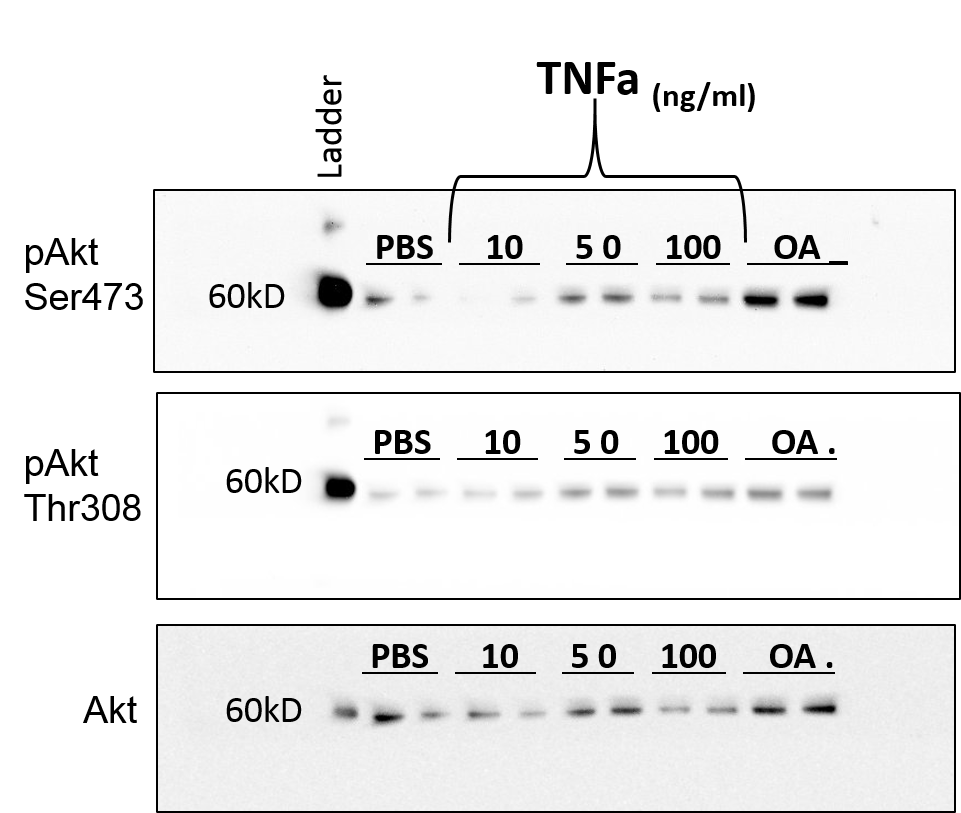
Application: In vitro bioactivity in cell cultureVerified Customer | Posted 08/01/2016Rat primary embryonic cortical culture stimulated with TNFa (10, 50, 100 ng/ml), PBS+BSA (negative stimulation control), or Okadaic Acid (OA; positive phosphorylation control) for 30 minutes. Protein isolated for western blot analysis of phospho-Akt.
-
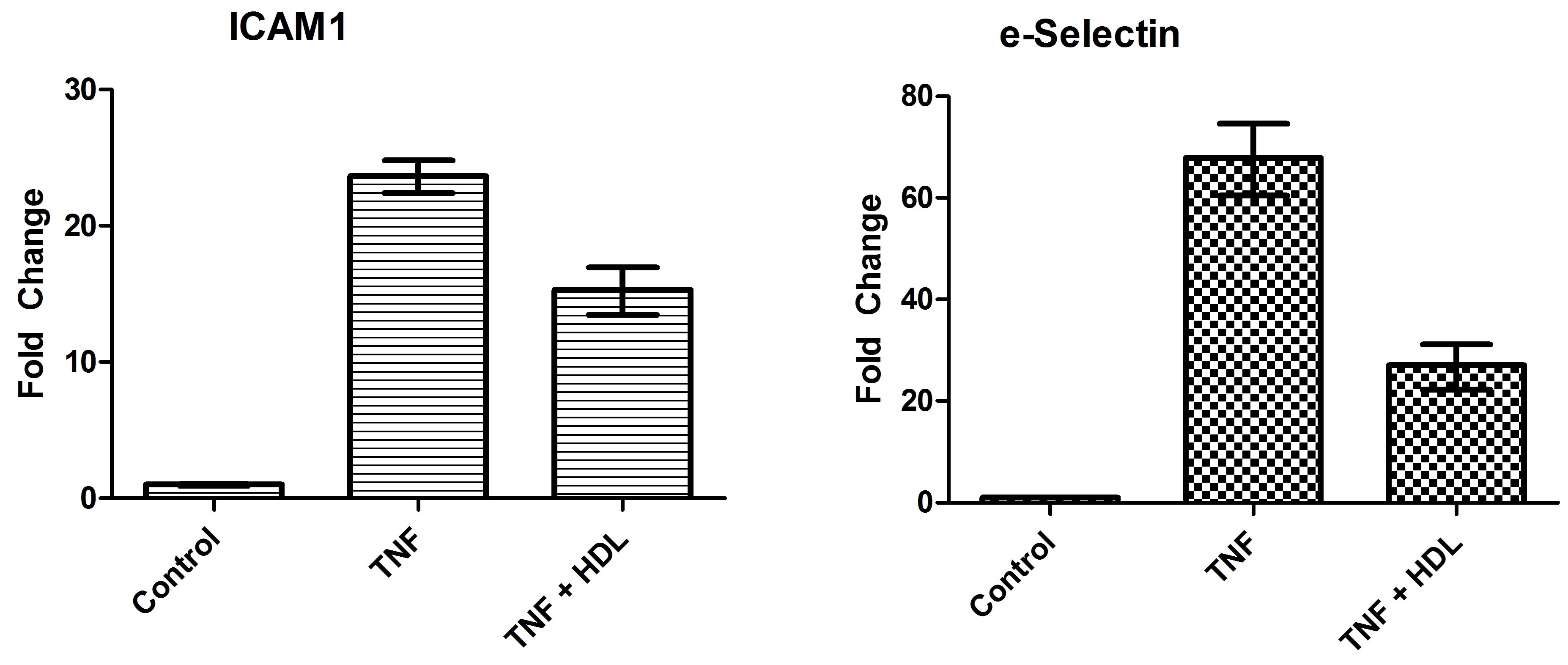
Application: In vitro bioactivity in cell cultureVerified Customer | Posted 07/29/2016Cultured endothelial cells were pre-treated (or not) with 1mg/mL HDL, then treated for 6 hours with 10ng/mL TNFa. TNFa treatment caused a massive upregulation of ICAM1 and E-Selectin versus control cells (untreated); HDL pre-treatment partially reversed this response.
-
Application: In vitro bioactivity in cell cultureVerified Customer | Posted 07/21/2016
-
Application: In vitro bioactivity in cell cultureVerified Customer | Posted 07/21/2016
-
Application: Immunoassay StandardVerified Customer | Posted 05/16/2016
-
Application: SDS-PAGE ControlVerified Customer | Posted 05/12/2016
-
Application: Cell AdhesionVerified Customer | Posted 02/12/2016
-
Application: Cell AdhesionVerified Customer | Posted 01/29/2016
-
Application: Stimulation of human epithelial cellsVerified Customer | Posted 01/13/2016Use TNF-alpha to stimulate human epithelial cell, the production of inflammation factor is stable and strongly evaluated by western blot and ELISA.
There are no reviews that match your criteria.
Associated Pathways