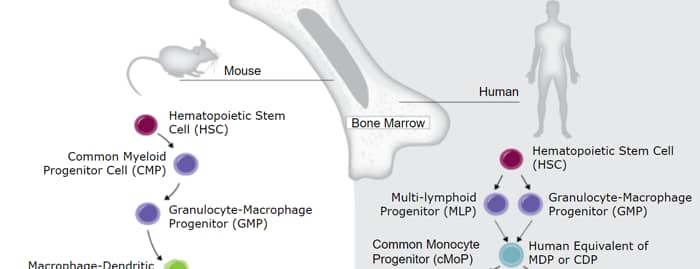
M-CSF, also known as CSF-1, is a four-alpha -helical-bundle cytokine that is the primary regulator of macrophage survival, proliferation and differentiation (1-3). M-CSF protein is also essential for the survival and proliferation of osteoclast progenitors (1, 4). M-CSF also primes and enhances macrophage killing of tumor cells and microorganisms, regulates the release of cytokines and other inflammatory modulators from macrophages, and stimulates pinocytosis (2, 3). M-CSF increases during pregnancy to support implantation and growth of the decidua and placenta (5). Sources of M-CSF include fibroblasts, activated macrophages, endometrial secretory epithelium, bone marrow stromal cells and activated endothelial cells (1-5). The M-CSF receptor (c-fms) transduces its pleotropic effects and mediates its endocytosis. M-CSF mRNAs of various sizes occur (3-9). Full length mouse M-CSF transcripts encode a 520 amino acid (aa) type I transmembrane (TM) protein with a 462 aa extracellular region, a 21 aa TM domain, and a 37 aa cytoplasmic tail that forms a 140 kDa covalent dimer. Differential processing produces two proteolytically cleaved, secreted dimers. One is an N- and O- glycosylated 86 kDa dimer, while the other is modified by both glycosylation and chondroitin-sulfate proteoglycan (PG) to generate a 200 kDa subunit. Although PG-modified M-CSF protein can circulate, it may be immobilized by attachment to type V collagen (8). Shorter transcripts encode M‑CSF that lacks cleavage and PG sites and produces an N-glycosylated 68 kDa TM dimer and a slowly produced 44 kDa secreted dimer (7). Although forms may vary in activity and half-life, all contain the N-terminal 150 aa portion that is necessary and sufficient for interaction with the M-CSF receptor (10, 11). The first 229 aa of mature mouse M-CSF shares 87%, 83%, 82% and 81% aa identity with corresponding regions of rat, dog, cow and human M-CSF, respectively (12, 13). Human M‑CSF is active in the mouse, but mouse M-CSF is reported to be species-specific.
Recombinant Mouse M-CSF Protein
R&D Systems | Catalog # 416-ML

Key Product Details
- R&D Systems E. coli-derived Recombinant Mouse M-CSF Protein (416-ML)
- Quality control testing to verify active proteins with lot specific assays by in-house scientists
- All R&D Systems proteins are covered with a 100% guarantee
Source
Accession Number
Structure / Form
Applications
Product Specifications
Source
Lys33-Glu262, with an N-terminal Met
Purity
Endotoxin Level
N-terminal Sequence Analysis
Predicted Molecular Mass
SDS-PAGE
Activity
The ED50 for this effect is 0.5‑3 ng/mL.
Reviewed Applications
Read 21 reviews rated 4.7 using 416-ML in the following applications:
- Cell migration/motility (2 Reviews)
- Cell Proliferation (4 Reviews)
- In vitro bioactivity in cell culture (3 Reviews)
- In vivo study (1 Review)
- Media additive for protein or antibody production (2 Reviews)
- Osteoclast differentiation assay (1 Review)
- SDS-PAGE Control (1 Review)
- Stem/Immune cell maintenance or differentiation (5 Reviews)
- Stimulate the monocyte in bone marrow of mice into macrophage. (1 Review)
Scientific Data Images for Recombinant Mouse M-CSF Protein
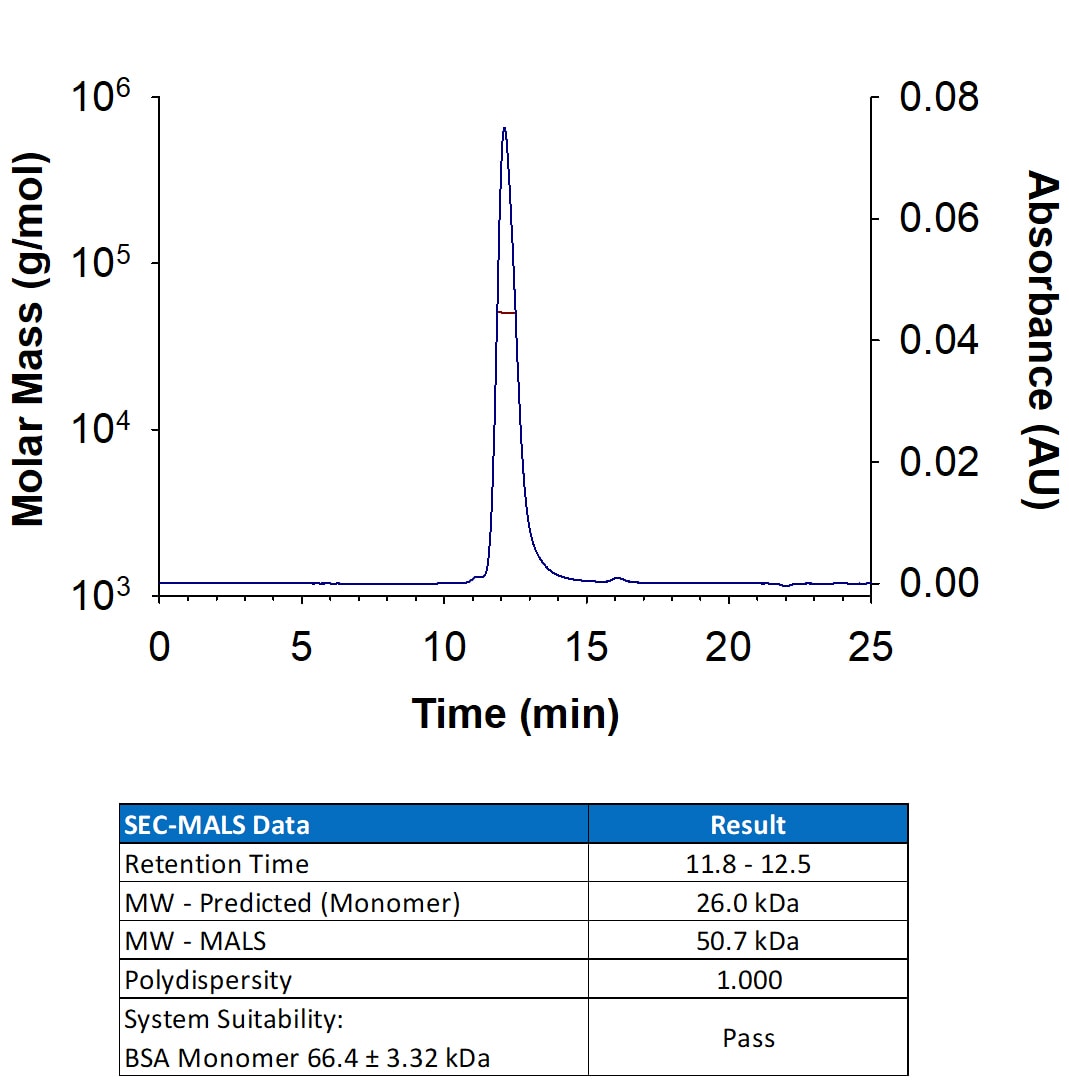
Recombinant Mouse M‑CSF Protein SEC-MALS.
Recombinant Mouse M-CSF Protein (Catalog # 416-ML) has a molecular weight (MW) of 50.7 kDa as analyzed by SEC-MALS, suggesting that this protein is a homodimer.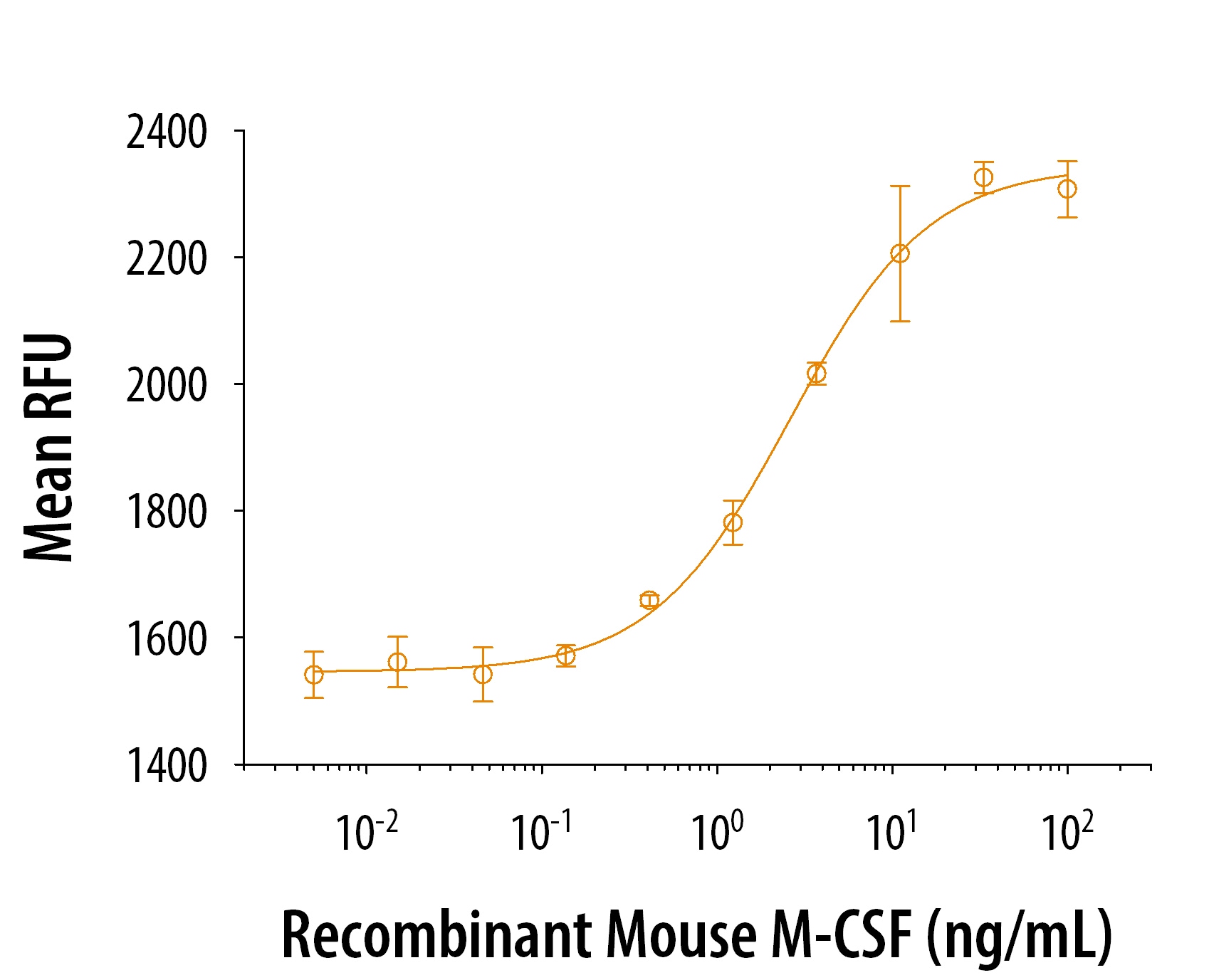
Bioactivity of M-CSF Protein
Recombinant Mouse M-CSF (416-ML) stimulates cell proliferation in the M-NFS-60 mouse myelogenous leukemia lymphoblast cell line in a dose-dependent manner. The ED50 for this effect is 0.5-3 ng/mL.Formulation, Preparation, and Storage
Carrier Free
What does CF mean?CF stands for Carrier Free (CF). We typically add Bovine Serum Albumin (BSA) as a carrier protein to our recombinant proteins. Adding a carrier protein enhances protein stability, increases shelf-life, and allows the recombinant protein to be stored at a more dilute concentration. The carrier free version does not contain BSA.
What formulation is right for me?In general, we advise purchasing the recombinant protein with BSA for use in cell or tissue culture, or as an ELISA standard. In contrast, the carrier free protein is recommended for applications, in which the presence of BSA could interfere.
Carrier: 416-ML
| Formulation | Lyophilized from a 0.2 μm filtered solution in PBS with BSA as a carrier protein. |
| Reconstitution | Reconstitute at 100 μg/mL in sterile PBS containing at least 0.1% human or bovine serum albumin. |
| Shipping | The product is shipped at ambient temperature. Upon receipt, store it immediately at the temperature recommended below. |
| Stability & Storage | Use a manual defrost freezer and avoid repeated freeze-thaw cycles.
|
Carrier Free: 416-ML/CF
| Formulation | Lyophilized from a 0.2 μm filtered solution in PBS. |
| Reconstitution | Reconstitute at 100 μg/mL in sterile PBS. |
| Shipping | The product is shipped at ambient temperature. Upon receipt, store it immediately at the temperature recommended below. |
| Stability & Storage | Use a manual defrost freezer and avoid repeated freeze-thaw cycles.
|
Calculators
Background: M-CSF
References
- Pixley, F.J. and E.R. Stanley (2004) Trends Cell Biol. 14:628.
- Chitu, V. and E.R. Stanley (2006) Curr. Opin. Immunol. 18:39.
- Fixe, P. and V. Praloran (1997) Eur. Cytokine Netw. 8:125.
- Ryan, G.R. et al. (2001) Blood 98:74.
- Makrigiannakis, A. et al. (2006) Trends Endocrinol. Metab. 17:178.
- Nandi, S. et al. (2006) Blood 107:786.
- Rettenmier, C.W. and M.F. Roussel (1988) Mol. Cell Biol. 8:5026.
- Suzu, S. et al. (1992) J. Biol. Chem. 267:16812.
- Manos, M.M. (1988) Mol. Cell. Biol. 8:5035.
- Koths, K. (1997) Mol. Reprod. Dev. 46:31.
- Jang, M-H. et al. (2006) J. Immunol. 177:4055.
- DeLamarter, J.F. et al. (1987) Nucleic Acids Res. 15:2389.
- Ladner, M.B. et al. (1988) Proc. Natl. Acad. Sci. USA 85:6706.
Long Name
Alternate Names
Gene Symbol
UniProt
Additional M-CSF Products
Product Documents for Recombinant Mouse M-CSF Protein
Certificate of Analysis
To download a Certificate of Analysis, please enter a lot or batch number in the search box below.
Note: Certificate of Analysis not available for kit components.
Product Specific Notices for Recombinant Mouse M-CSF Protein
For research use only
Citations for Recombinant Mouse M-CSF Protein
 Powered by Bioz
Customer Reviews for Recombinant Mouse M-CSF Protein (21)
Have you used Recombinant Mouse M-CSF Protein?
Submit a review and receive an Amazon gift card!
$25/€18/£15/$25CAN/¥2500 for a review with an image
$10/€7/£6/$10CAN/¥1110 for a review without an image
Submit a review
Customer Images
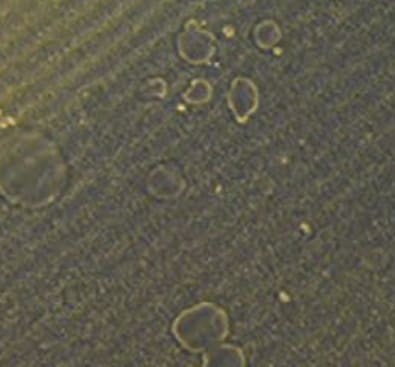
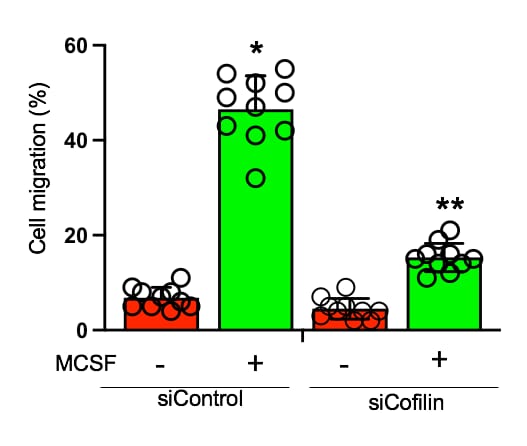
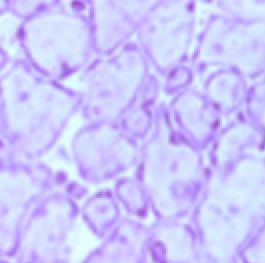
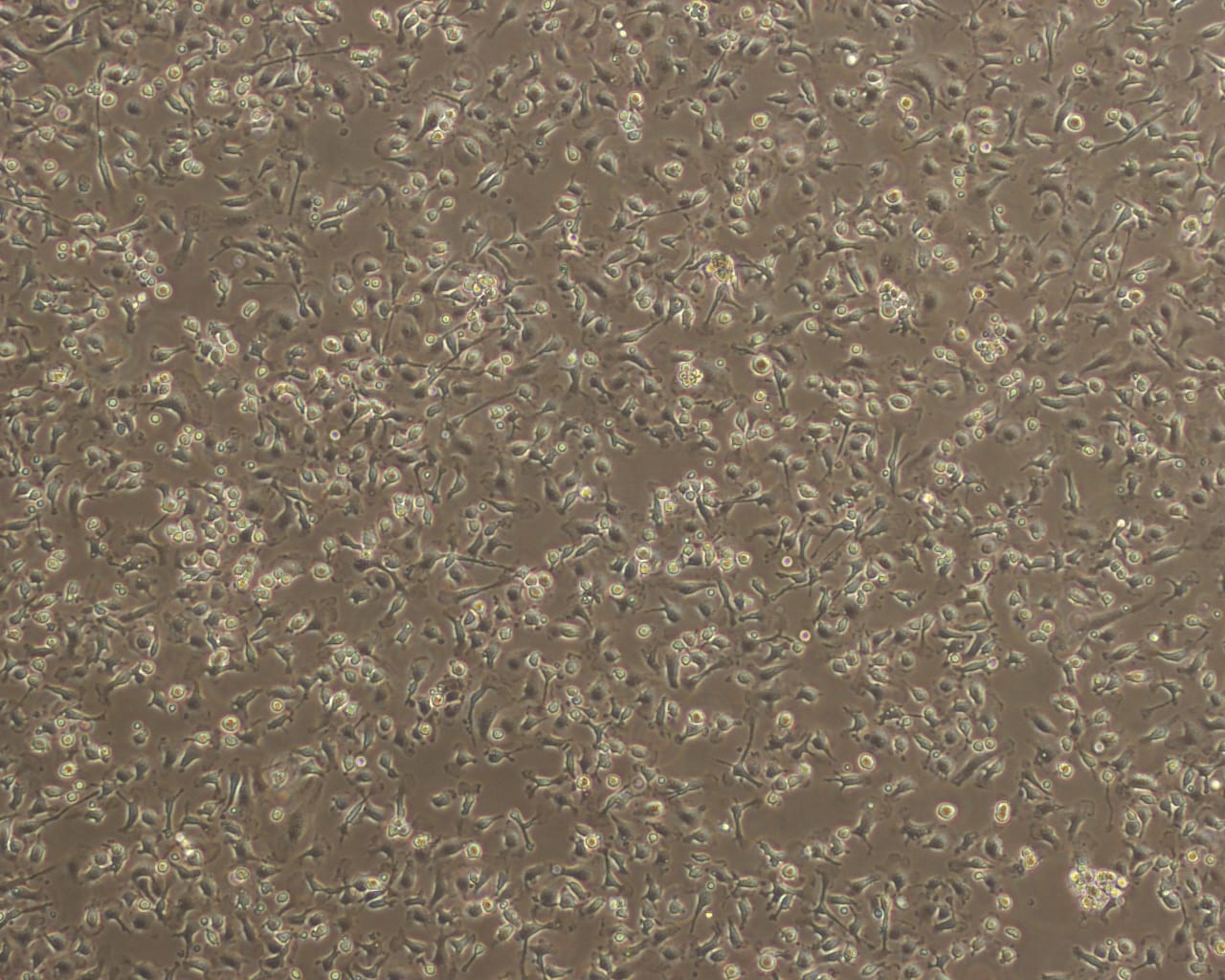
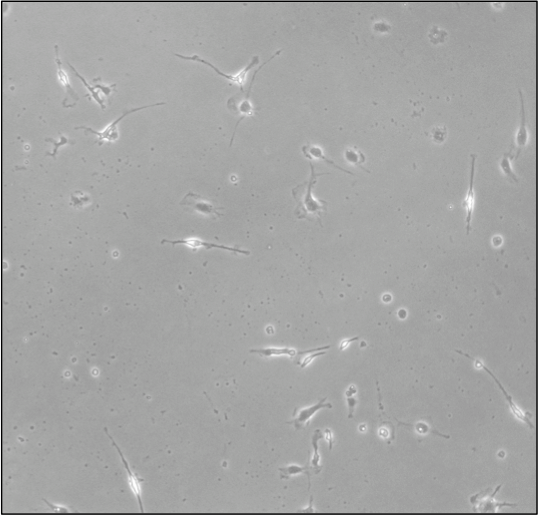
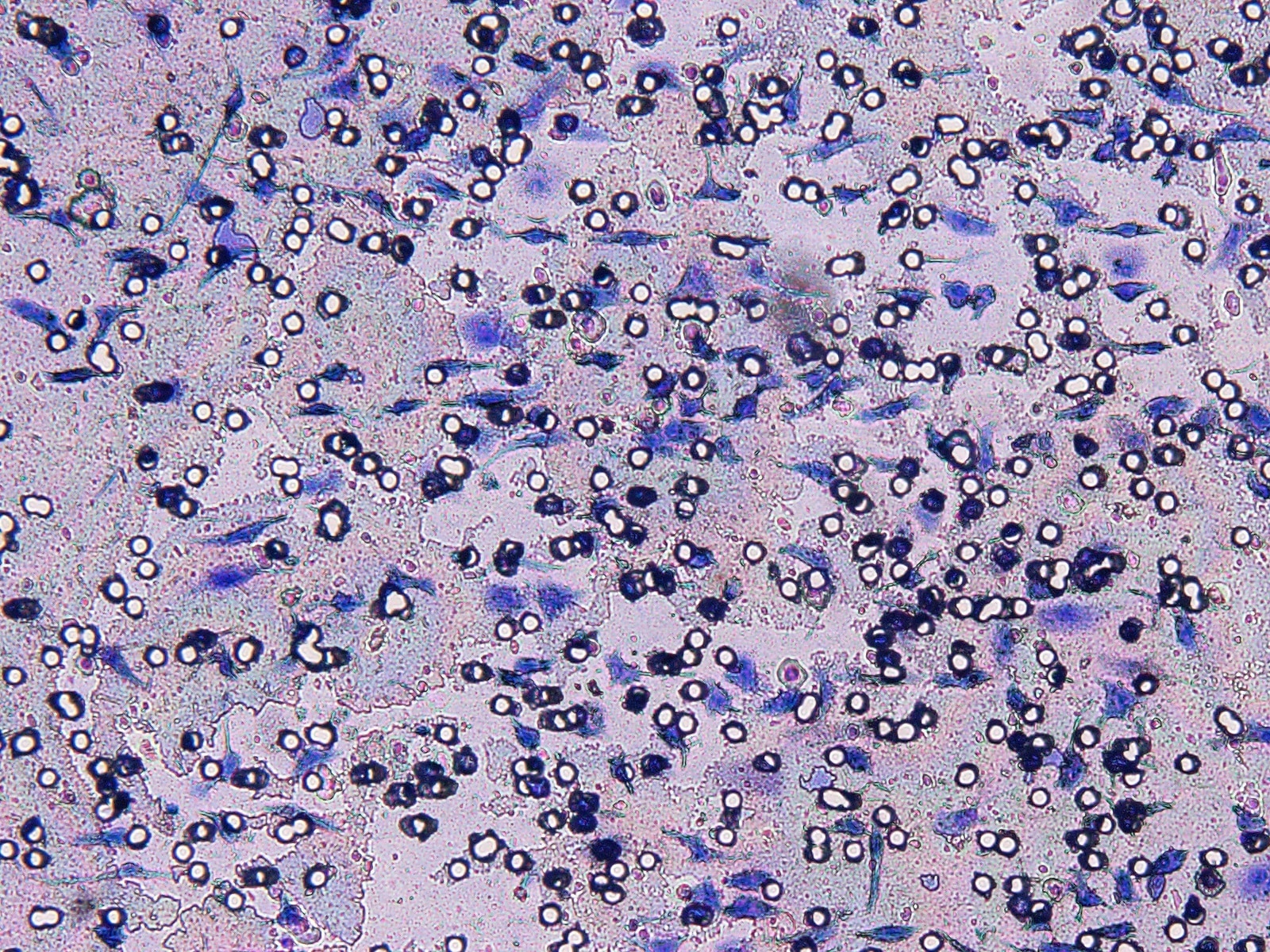
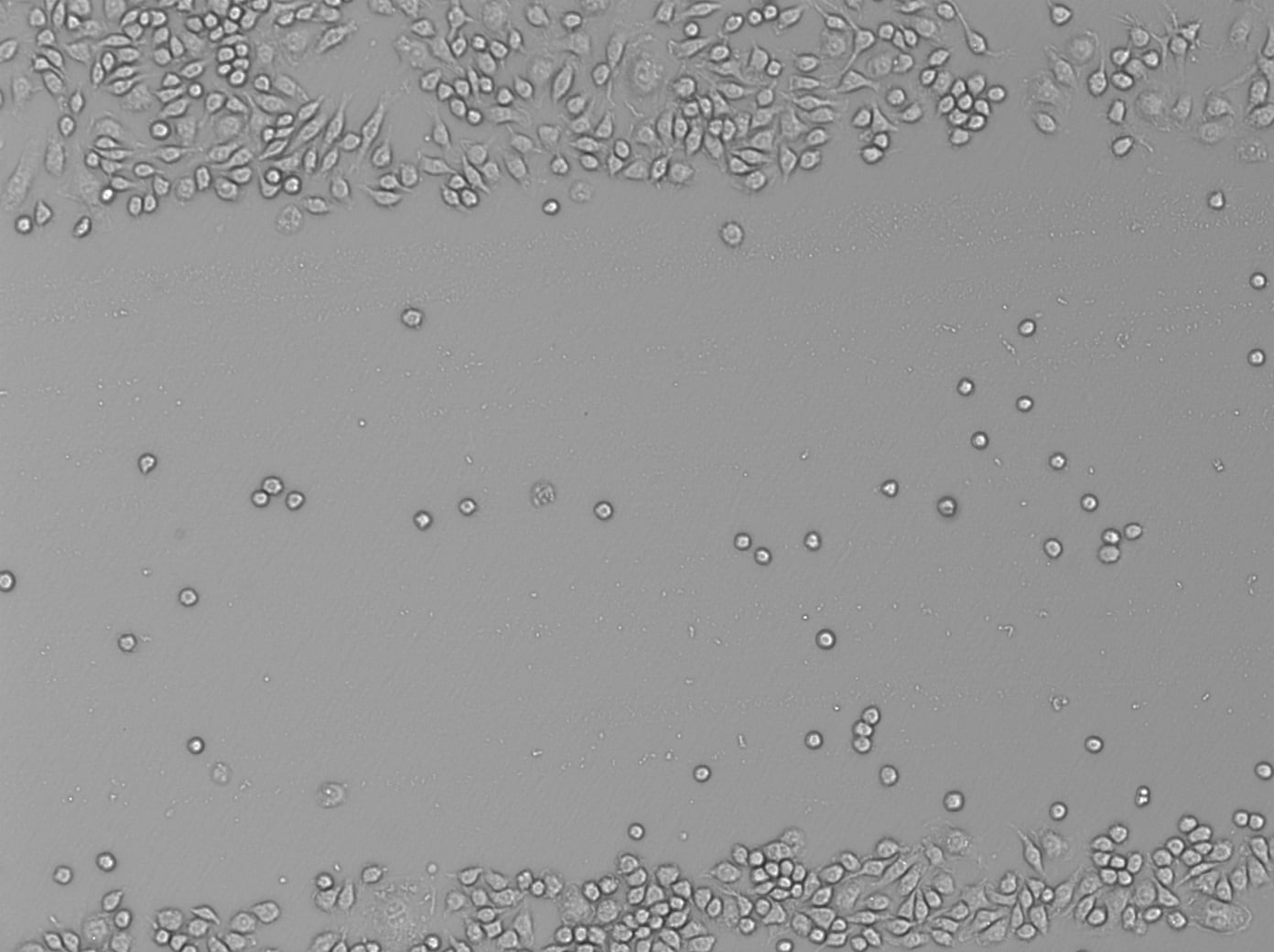
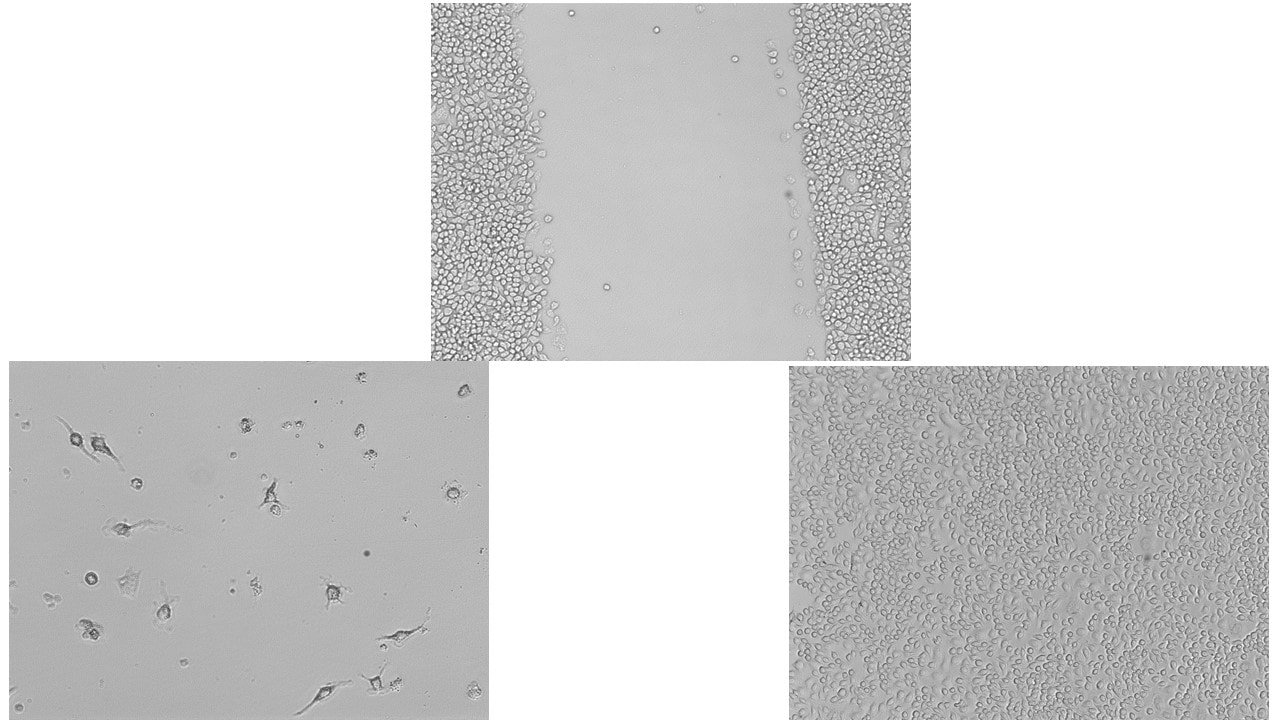
-
Application: Stem/Immune cell maintenance or differentiationVerified Customer | Posted 11/12/2024

-
Application: Cell ProliferationVerified Customer | Posted 02/24/2022We used macrophage in a media contain 10ng/ml recombinant mouse Recombinant Mouse M-CSF Protein.
-
Application: Cell migration/motilityVerified Customer | Posted 06/09/2021
-
Application: In vitro bioactivity in cell cultureVerified Customer | Posted 05/21/2021
-
Application: Cell ProliferationVerified Customer | Posted 03/24/2021We suspended macrophage in a media contain (10% FBS+1% antibiotic, 10ng/ml recombinant mouse Recombinant Mouse M-CSF Protein)
-
Application: Cell ProliferationVerified Customer | Posted 02/22/2021
-
Application: Cell ProliferationVerified Customer | Posted 04/17/2020
-
Application: Stem/Immune cell maintenance or differentiationVerified Customer | Posted 11/15/2019
-
Application: Stem/Immune cell maintenance or differentiationVerified Customer | Posted 09/09/2019BMDM after 5 days of culture in 25ng/mL M-CSF supplemented RPMI.Preparing murine IFNAR-/- bone marrow macrophages for viral infection/entry studies.
-
Application: In vitro bioactivity in cell cultureVerified Customer | Posted 06/10/2019Microglia were isolated from adult mice and kept in culture. Medium was supplemented with 10ng/ml M-CSF and it refreshed after 3 days.
-
Application: In vitro bioactivity in cell cultureVerified Customer | Posted 01/09/2019Plate cells 5X10^6 on 10cm dishes. After 3 hours change media to 60 ng/ml MSCF.
-
Application: Cell migration/motilityVerified Customer | Posted 11/20/2018
-
Verified Customer | Posted 11/02/2017
-
Application: Stimulate the monocyte in bone marrow of mice into macrophage.Verified Customer | Posted 10/20/2017bone marrow was flushed from femurs, and tibias and resuspended in bone marrow C-BMDM(10% FBS+1% penicillin/streptomycin, 10ng/ml recombinant mouse M-CSF).
-
Application: Media additive for protein or antibody productionVerified Customer | Posted 07/20/2017
-
Application: In vivo studyVerified Customer | Posted 02/01/2017
-
Application: Osteoclast differentiation assayVerified Customer | Posted 07/21/2016
-
Application: SDS-PAGE ControlVerified Customer | Posted 05/24/2016
-
Application: Stem/Immune cell maintenance or differentiationVerified Customer | Posted 05/16/2016
-
Application: Media additive for protein or antibody productionVerified Customer | Posted 05/16/2016
-
Application: Stem/Immune cell maintenance or differentiationVerified Customer | Posted 01/18/2016
There are no reviews that match your criteria.
FAQs for Recombinant Mouse M-CSF Protein
-
Q: How long will recombinant mouse M-CSF last in cell culture?
A: End-users will need to determine the appropriate concentration and timing when adding Recombinant Mouse M-CSF Proteins to cell culturing experiments. The addition of protein may be dependent on certain culture conditions, including the cell number, density, and media content. For techniques and methodologies, we recommend reviewing our list of publications under the Citations tab on the product-specific web page to find reported use of our products in similar experimental layouts.
Associated Pathways