
Basement membrane extract (BME) is a type of extracellular matrix (ECM) derived from Engelbreth-Holm-Swarm mouse sarcomas. BME is commonly used in cell culture and tissue engineering to provide a 2-D or 3-D scaffold for cells, allowing them to grow, differentiate, and interact in an environment that closely mimics the native ECM. This makes BME invaluable for modeling the behavior of cells in vivo. All Cultrex BME formulations are rigorously tested to ensure performance, quality, and lot-to-lot consistency.
Best Seller
Cultrex UltiMatrix Reduced Growth Factor Basement Membrane Extract
R&D Systems | Catalog # BME001-05
A basement membrane matrix hydrogel with compositional enhancements and performance benefits for 2D and 3D cell culture applications.
Try it on your cultures! Request a Sample of Cultrex UltiMatrix RGF BME

Loading...
Key Product Details
Features
Cultrex UltiMatrix RGF BME is an optimized and effective growth scaffold for organoid, pluripotent stem cell, and advanced 3D cell culture applications. It can be used undiluted or diluted to a specific protein concentration.
Key Benefits
- Designed for organoid and stem cell culture
- Protein composition and storage modulus optimized for 3D applications
- Qualified for dome formation
- Lot-to-lot performance consistency
- High protein concentration
- Low endotoxin profile
Species
Mouse
Product Summary for Cultrex UltiMatrix Reduced Growth Factor Basement Membrane Extract
Why use Cultrex UltiMatrix RGF BME Matrix for Organoid and Pluripotent Stem Cell Culture?
Cultrex UltiMatrix Reduced Growth Factor (RGF) Basement Membrane Extract (BME) is a soluble form of basement membrane that provides high storage modulus, enhanced levels of entactin/nidogen, elevated protein concentration, and robust clarity and purity that ensures that the hydrogel contains the maximal amount of soluble extracellular matrix proteins. These compositional and concentration enhancements make Cultrex UltiMatrix RGF BME the choice hydrogel matrix with proven efficacy in organoid cell culture, induced pluripotent stem cell expansion and differentiation, spheroid formation, and other 2D and 3D cell culture applications.
Cultrex UltiMatrix RGF BME is purified from mouse Engelbreth-Holm-Swarm (EHS) tumor, Cultrex UltiMatrix RGF BME is viscous at 2-8 °C and gels at 37 °C to form a reconstituted basement membrane.
Cultrex UltiMatrix RGF BME is purified from mouse Engelbreth-Holm-Swarm (EHS) tumor, Cultrex UltiMatrix RGF BME is viscous at 2-8 °C and gels at 37 °C to form a reconstituted basement membrane.
How Do I Use Cultrex UltiMatrix RGF BME?
Basement membrane matrix hydrogels play an essential role in developing complex in vitro and ex vivo cell and tissue culture models. By providing an optimized mixture of laminin, collagen IV, entactin/nidogen, and heparan sulfate proteoglycans, hydrogels like Cultrex UltiMatrix RGF BME provide native cell-matrix interactions that influence cell behavior and native developmental programs that promote complex cell culture and 3D tissue generation in vitro.
To preserve its performance benefits, Cultrex UltiMatrix RGF BME should be thawed overnight at 2-8 °C; the thawed hydrogel solidifies quickly at temperatures above 15 °C. When thawing, aliquoting, and diluting Cultrex UltiMatrix RGF BME, keep it on ice to prevent untimely gelling.
Protocols using Cultrex UltiMatrix RGF BME:
Video of Cultrex BME Best Practices and Protocols.
Protocol for Mouse Enteric Organoid Culture.
Protocol for Human Gastric Organoid Culture.
Protocol for Human Liver Organoid Culture.
Protocol for Human Lung Organoid Culture.
Protocol for Human Intestinal Organoid Culture.
Protocol for Harvesting Organoids for Biochemical Analysis.
To preserve its performance benefits, Cultrex UltiMatrix RGF BME should be thawed overnight at 2-8 °C; the thawed hydrogel solidifies quickly at temperatures above 15 °C. When thawing, aliquoting, and diluting Cultrex UltiMatrix RGF BME, keep it on ice to prevent untimely gelling.
Protocols using Cultrex UltiMatrix RGF BME:
Video of Cultrex BME Best Practices and Protocols.
Protocol for Mouse Enteric Organoid Culture.
Protocol for Human Gastric Organoid Culture.
Protocol for Human Liver Organoid Culture.
Protocol for Human Lung Organoid Culture.
Protocol for Human Intestinal Organoid Culture.
Protocol for Harvesting Organoids for Biochemical Analysis.
Loading...
Product Specifications
Source
Murine Engelbreth-Holm-Swarm (EHS) tumor
Protein Concentration
10-12 mg/mL as determined by Lowry assay
Sterility Testing
No bacterial or fungal growth detected following 14 days in culture
Cell Culture Testing
Organoid Culture - Supports culture of human small intestine or colon organoids. Supports mouse intestinal organoids.
Pluripotent Stem Cell Culture - Promotes the attachment of human induced pluripotent stem cells and effectively maintains them in a pluripotent state under a feeder-free conditions.
Dome Formation - Supports dome formation at a concentration of 8 mg/mL and maintains dome structure for 7 days.
Gelling Assay - Gels in less than 30 minutes at 37 °C and maintains the gelled form in culture medium for a minimum of 7 days at 37 °C.
Pluripotent Stem Cell Culture - Promotes the attachment of human induced pluripotent stem cells and effectively maintains them in a pluripotent state under a feeder-free conditions.
Dome Formation - Supports dome formation at a concentration of 8 mg/mL and maintains dome structure for 7 days.
Gelling Assay - Gels in less than 30 minutes at 37 °C and maintains the gelled form in culture medium for a minimum of 7 days at 37 °C.
Viral Testing
Tested negative by PCR test for a total of 31 organisms and viruses, including: mycoplasma, 17 bacterial and virus strains typically included in mouse antibody production (MAP) testing, and 13 additional murine infectious agents including LDEV.
Scientific Data Images for Cultrex UltiMatrix Reduced Growth Factor Basement Membrane Extract
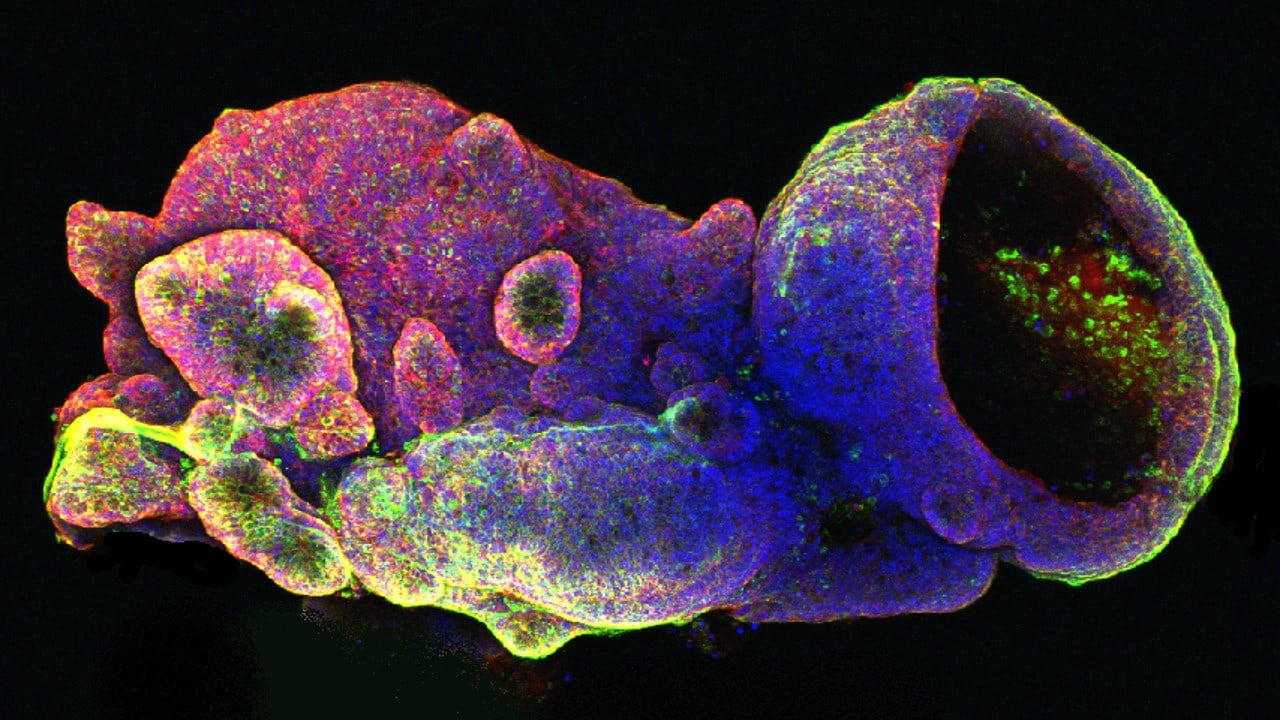
Figure 1. Goblet Cells in Adult Stem Cell-derived Human Descending Colon Organoids.
Adult stem cells isolated from human descending colon were embedded in Cultrex UltiMatrix RGF BME and cultured in growth medium for 30 days. Organoids were fixed and stained with MUC2 (green; Catalog # NBP2-44431), to visualize intestinal goblet cells, and counterstained for E-Cadherin (red; Catalog # AF748) and DAPI (blue; Catalog # 5748).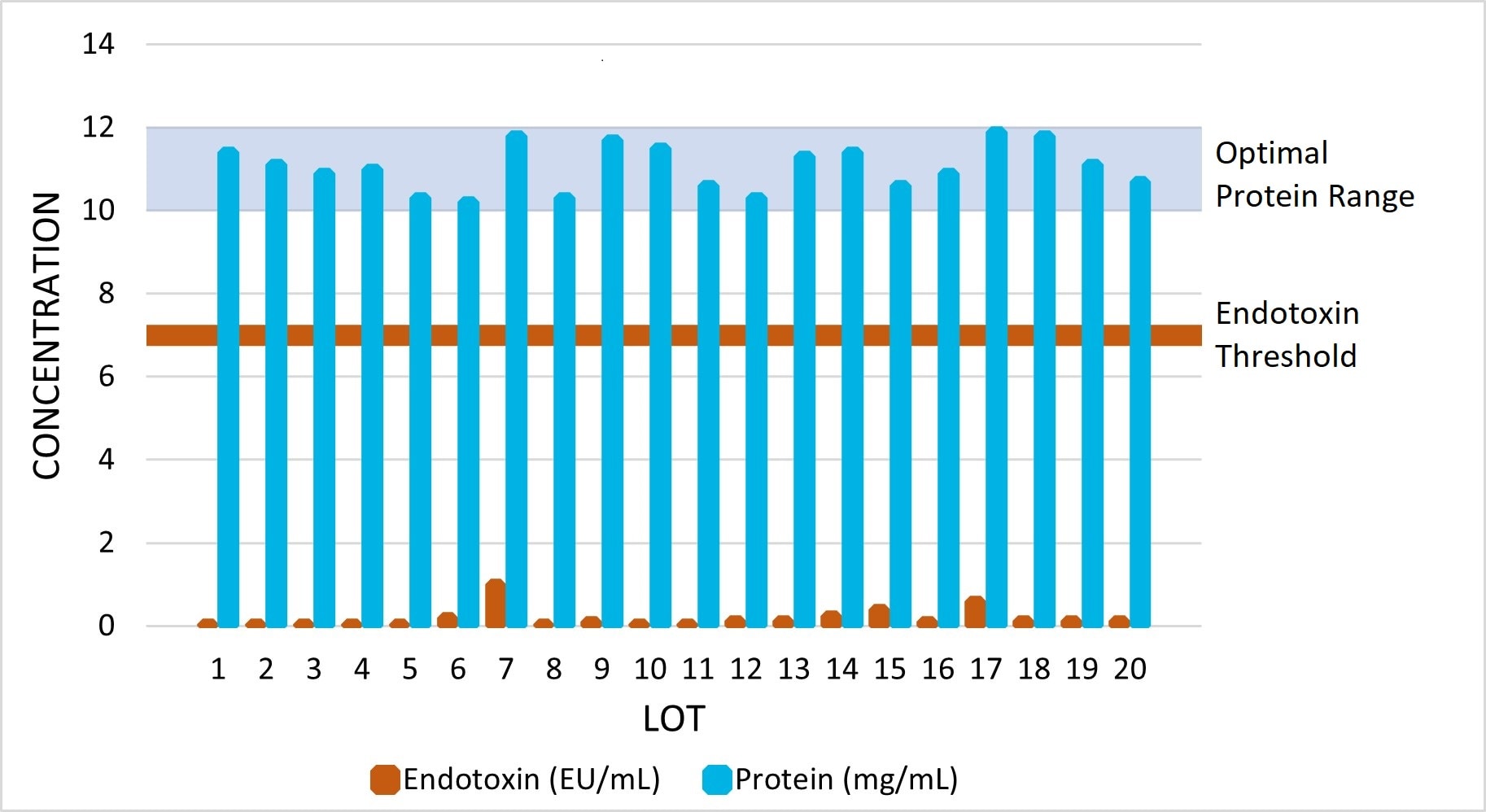
Figure 2. Cultrex UltiMatrix shows improved lot-to-lot consistency with low endotoxin and high protein concentration across 20 recent lots of Cultrex UltiMatrix.
The brown lines represents the endotoxin levels measured in 20 recent lots of Cultrex UltiMatrix. The graph shows consistently low levels of endotoxin across the lots. Cultrex UltiMatrix is specifically designed to maintain low endotoxin levels. The blue lines represents the protein concentration measured in the same 20 lots of Cultrex UltiMatrix. The graph demonstrates the consistency of protein concentration from lot to lot, highlighting the product's ability to maintain higher, constant protein levels. Cultrex UltiMatrix is designed to provide consistent protein concentration for reliable experimental outcomes.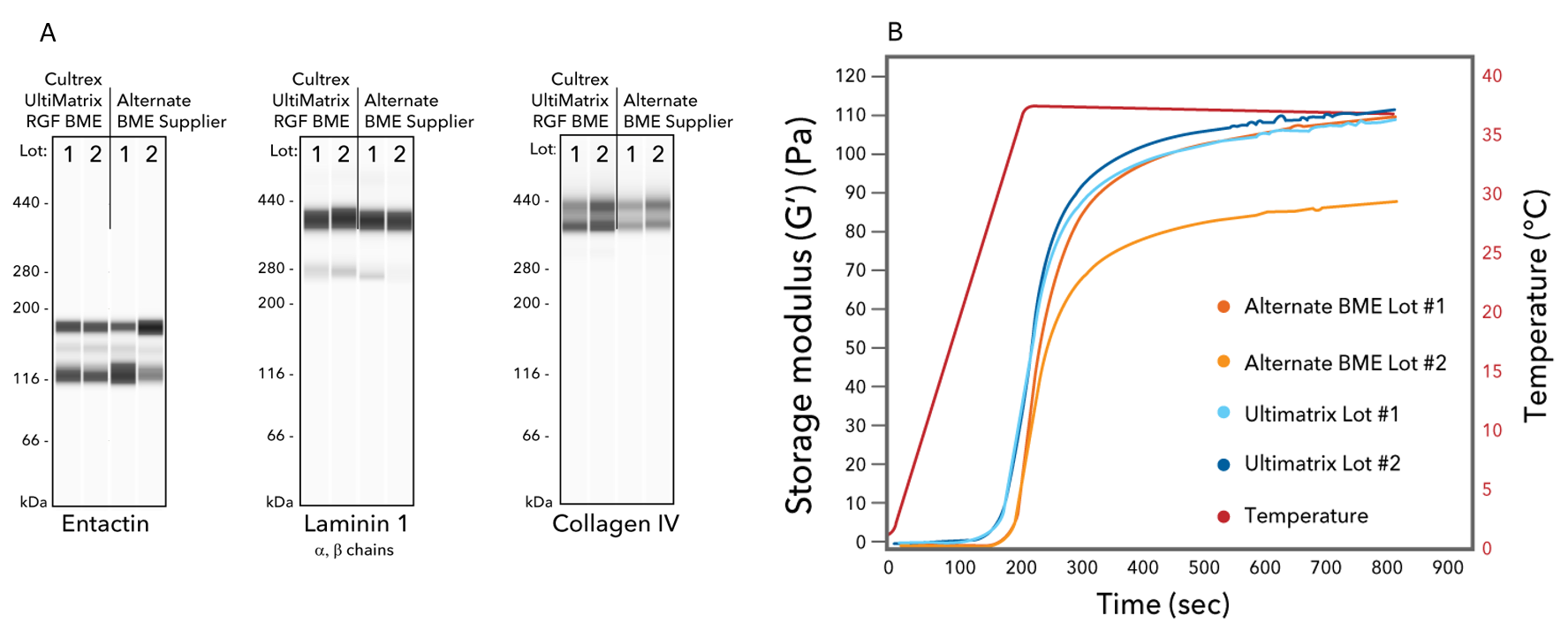
Figure 3. Cultrex UltiMatrix RGF Basement Membrane Extract (BME) Displays Consistent Lot-to-Lot ECM Composition, High Tensile Strength, and Gel Rates.
A) Simple Western analysis for Entactin, Laminin, and Collagen IV across two lots of both Cultrex UltiMatrix RGF BME (Catalog # BME001) and an alternate commercial BME matrix. Cultrex UltiMatrix RGF BME shows consistent expression of Entactin, compared to the alternate ECM matrix. B) The tensile strength (elastic modulus) dynamics across two lots of Cultrex UltiMatrix RGF BME and an alternate commercial BME matrix. The elastic modulus was measured at increasing temperatures to determine tensile strength and gelling rate across two independent lots of Cultrex UltiMatrix RGF BME (Catalog # BME001) and the alternate BME matrix. Cultrex UltiMatrix RGF BME was found to display consistent gelling rates and high tensile strength (storage modulus) compared to the alternate commercial BME matrix.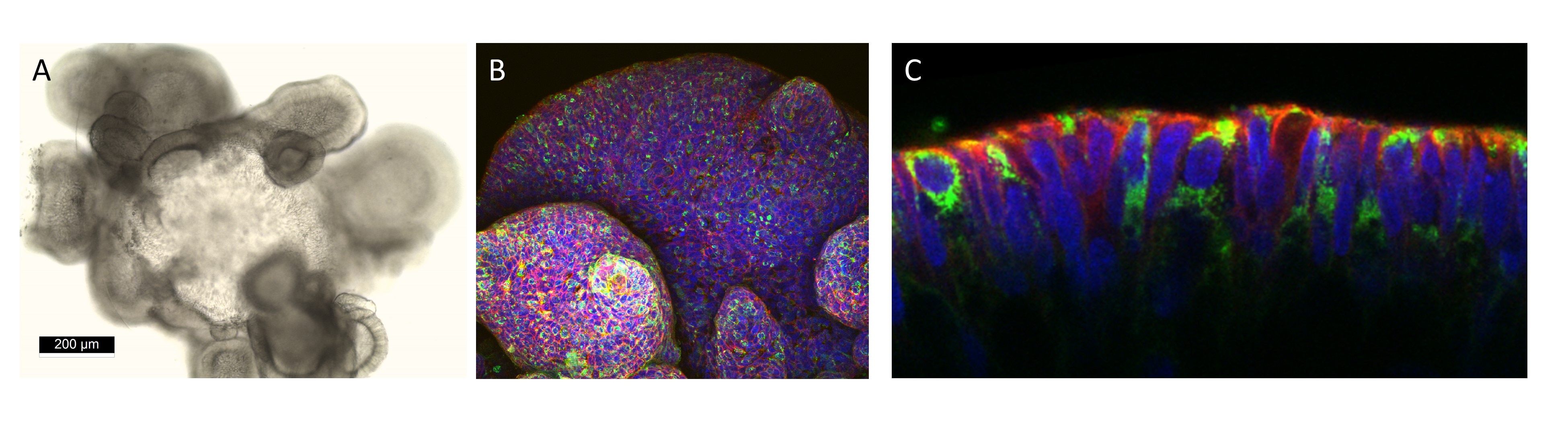
Figure 4. Human Descending Colon Organoids Grown in Cultrex UltiMatrix RGF BME.
Adult stem cells isolated from human descending colon were embedded in Cultrex UltiMatrix RGF BME and cultured in growth medium for 30 days prior to imaging. A) Brightfield image of descending colon organoid showing tissue invagination and epithelial layer formation. B, C) Descending colon organoids were stained with Chromogranin A (green; Catalog # MAB90981), to visualize intestinal enteroendocrine cells, and counterstained for E-Cadherin (red; Catalog # AF748) and DAPI (blue; Catalog # 5748).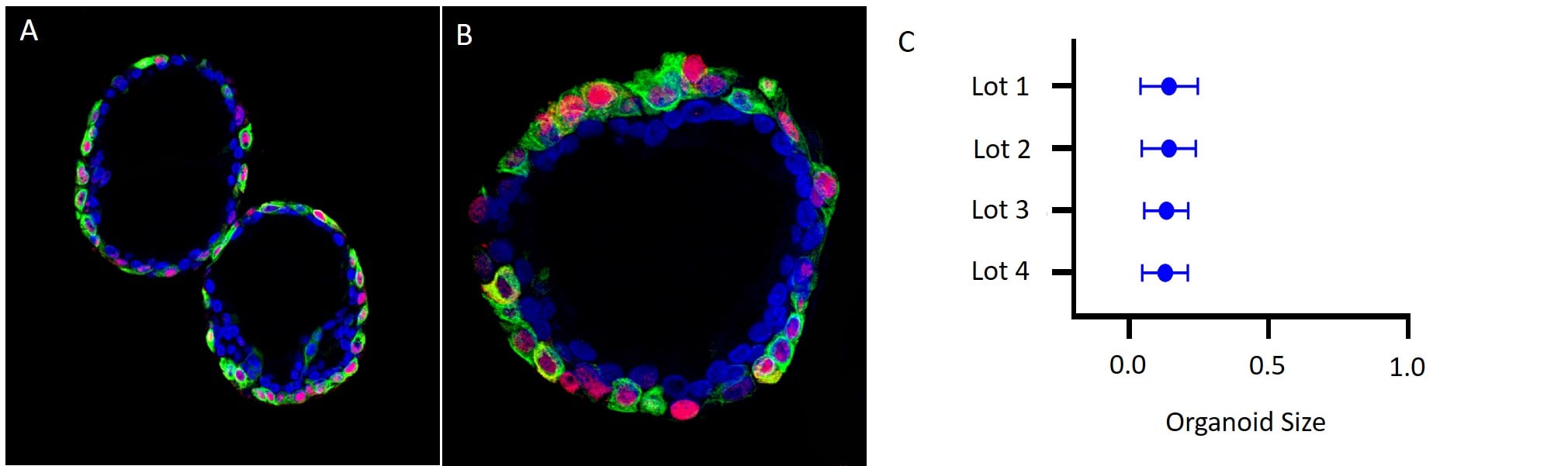
Figure 5. Human Lung Organoids Grown in Cultrex UltiMatrix RGF BME.
Adult stem cells isolated from human lung biopsy tissue were embedded in Cultrex UltiMatrix RGF BME and cultured in lung organoid expansion medium where they were able to differentiate and exhibit key markers for various lung cell types. A) Lung organoids stained with anti-Cytokeratin 5 (KRT5) (green; Catalog # NB110-56916) and with anti-p63/ TP73L (red; Catalog # AF1916) to visualize basal cells. B) Lung organoids stained with anti-Podoplanin (PDPN) (green; Catalog # NB600-1015) to visualize alveolar type I cells. C) Quantification of lung organoid size across organoids grown in Cultrex UltiMatrix RGF BME from 4 different lots shows high performance consistency of the matrix in this application.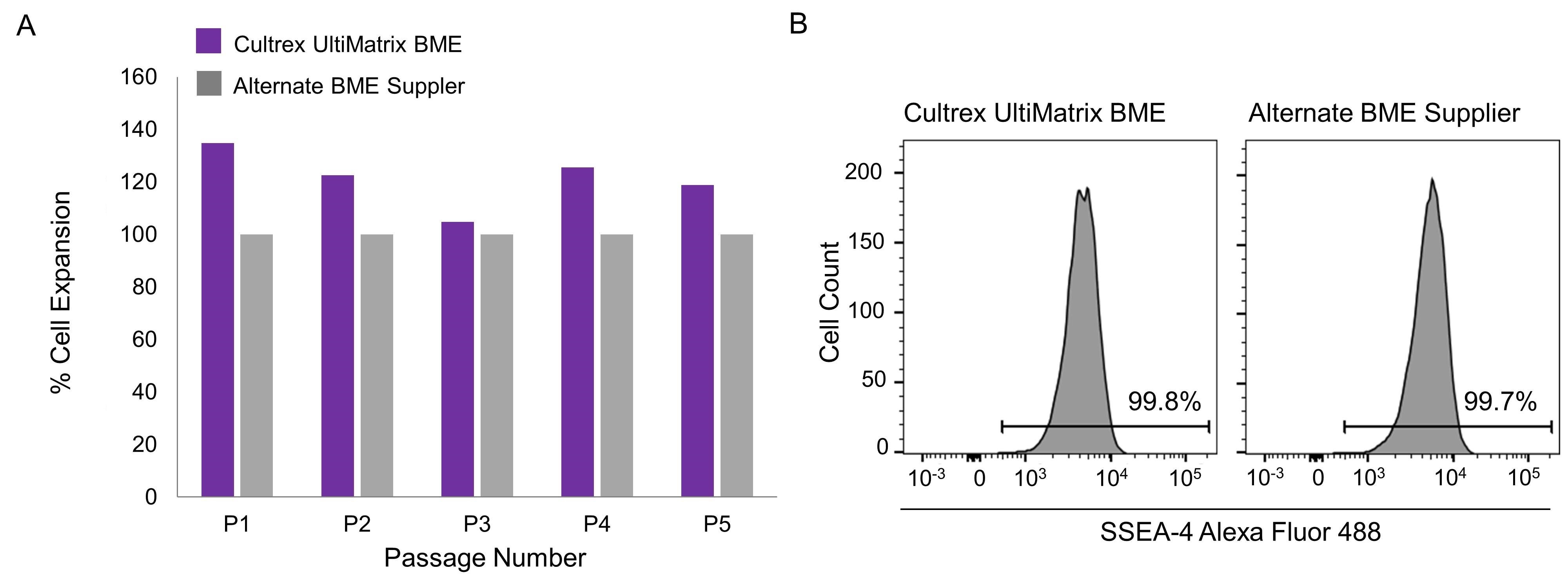
Figure 6. Robust Induced Pluripotent Stem Cell (iPSC) Expansion Compared to an Alternate BME Supplier.
(A) Human iPSCs were passaged in 6 well plates (seeded at 7.5x10⁵ cells/well) using either Cultrex UltiMatrix RGF BME (purple) or an Alternate BME Supplier (grey) as a substrate. At each passage cells were harvested and counted by hemocytometer. Cultrex UltiMatrix BME showed robust iPSC expansion compared to the Alternate BME Supplier. B) iPSC cells grown on Cultrex UltiMatrix BME retained expression of the pluripotency marker SSEA-4, as labeled using a Fluorescein conjugated SSEA-4 antibody (Catalog # FAB1435).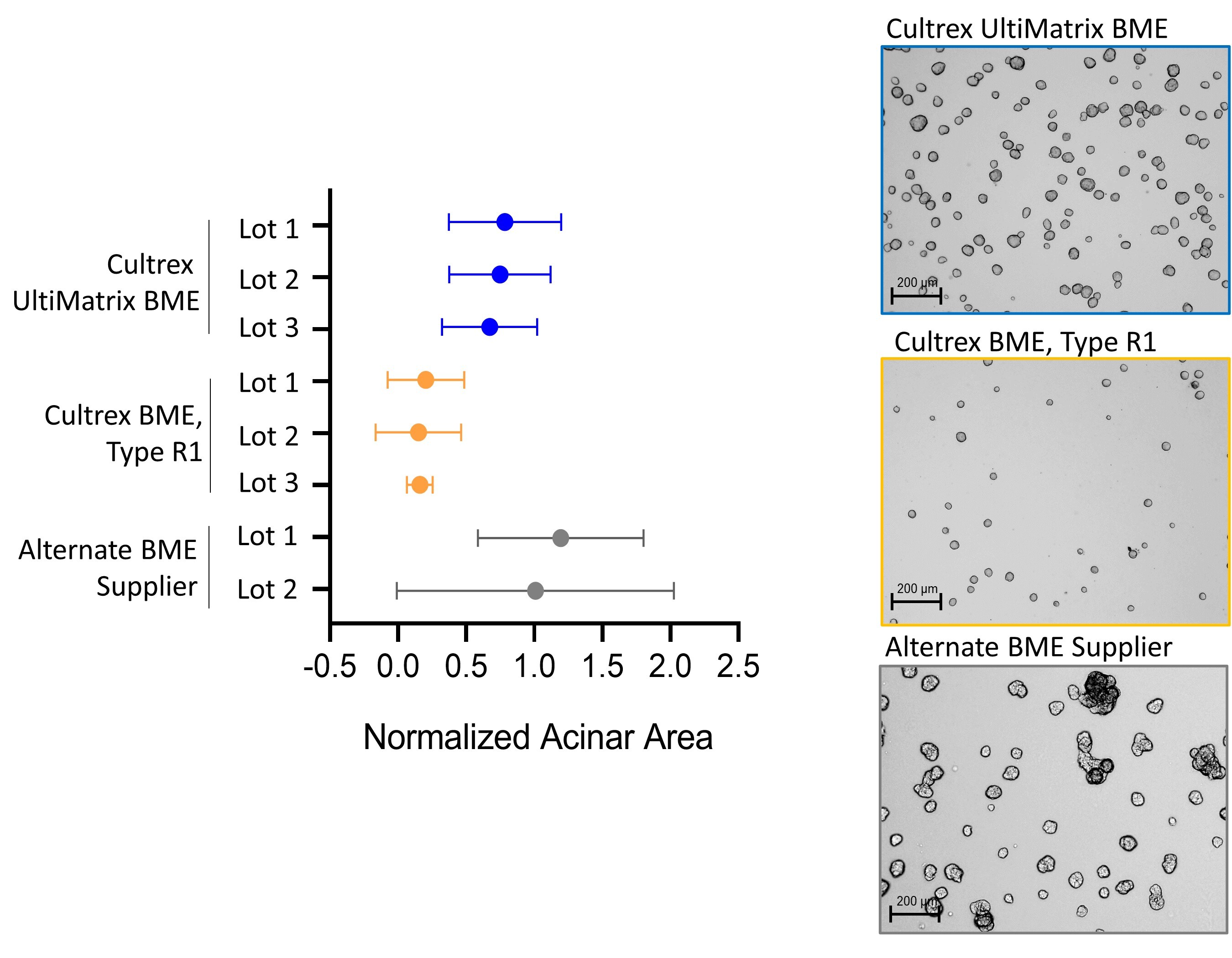
Figure 7. Improved Spheroid (Acinar) Maturation and Consistency Compared to Other Commercial Matrices.
Single MCF10A cells were cultured for in Cultrex UltiMatrix BME, Cultrex BME, Type R1 (3433-005-R1), or an alternate BME supplier. Over 12 days in culture, cells differentiated into luminal structures called “acini” and were quantified for acinar area. Cultrex UltiMatrix BME showed increased acinar maturation (larger area) compared to Cultrex BME, Type R1 and more consistent acinar area compared to the alternate BME supplier.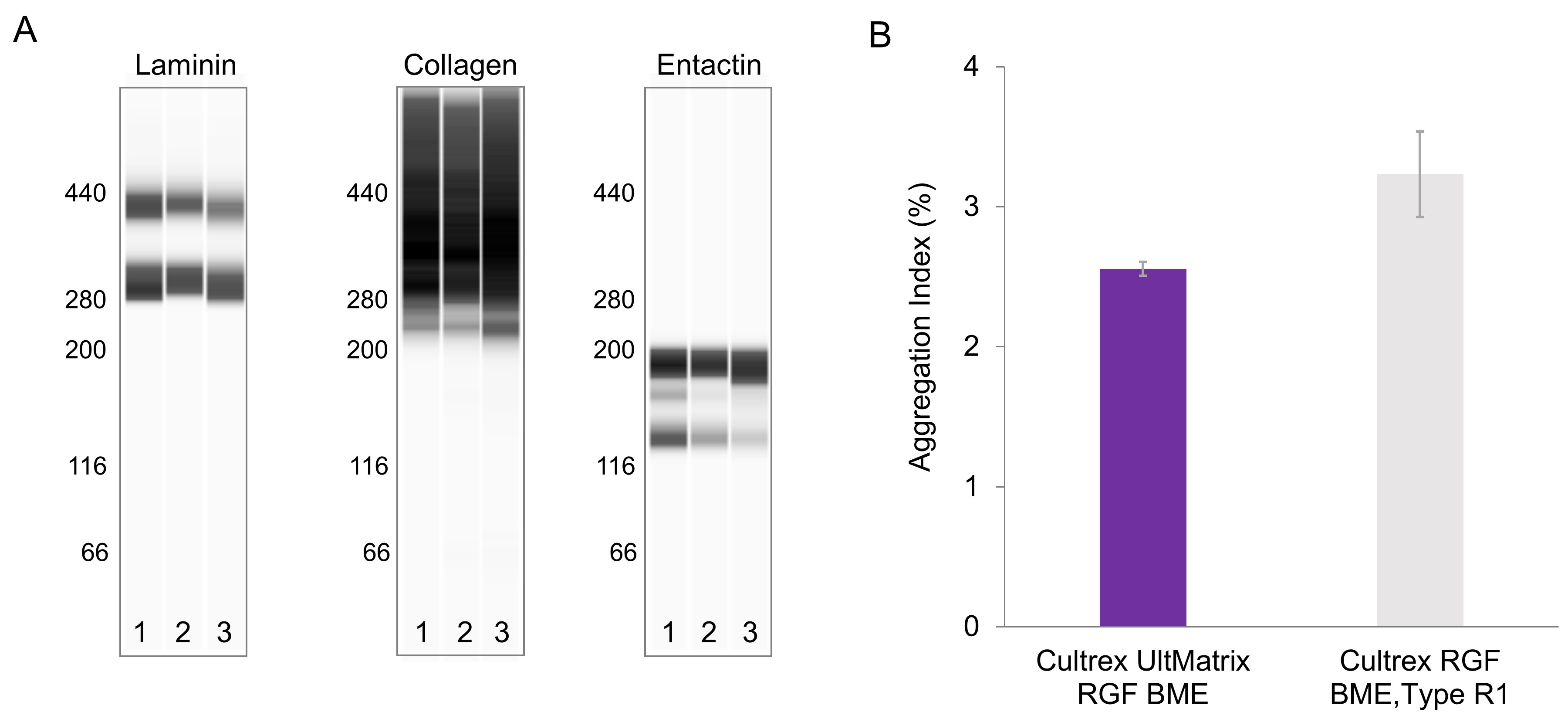
Figure 8. Optimized Extracellular Matrix Composition and Soluble Protein.
A) Multiple lots of Cultrex UltiMatrix RGF BME were run by Simple Western to determine extracellular matrix protein composition. The Western blots show the matrix to have high lot-to-lot consistency of protein composition. B) Cultrex UltiMatrix RGF BME showed a lower amount of aggregated protein in the matrix solution compared to Cultrex BME, Type R1. Lower protein aggregation indicates a higher amount of soluble protein in solution, which improves protein crosslinking and matrix integrity in culture.Formulation, Preparation, and Storage
Shipping
The product is shipped with dry ice or equivalent. Upon receipt, store it immediately at the temperature recommended on the product label.
Storage
Store the unopened product at -70 °C. Use a manual defrost freezer and avoid repeated freeze-thaw cycles.
Stability
Product is stable for three years from date of manufacture when stored at ≤ -70 °C. See lot specific Certificate of Analysis for expiration date.
Background: Basement Membrane Extracts
Additional Basement Membrane Extracts Products
Product Documents for Cultrex UltiMatrix Reduced Growth Factor Basement Membrane Extract
Certificate of Analysis
To download a Certificate of Analysis, please enter a lot or batch number in the search box below.
Note: Certificate of Analysis not available for kit components.
Citations for Cultrex UltiMatrix Reduced Growth Factor Basement Membrane Extract
 Powered by Bioz
Customer Reviews for Cultrex UltiMatrix Reduced Growth Factor Basement Membrane Extract (6)
5 out of 5
6 Customer Ratings
Have you used Cultrex UltiMatrix Reduced Growth Factor Basement Membrane Extract?
Submit a review and receive an Amazon gift card!
$25/€18/£15/$25CAN/¥2500 for a review with an image
$10/€7/£6/$10CAN/¥1110 for a review without an image
Submit a review
Customer Images
Showing
1
-
5 of
6 reviews
Showing All
Filter By:
-
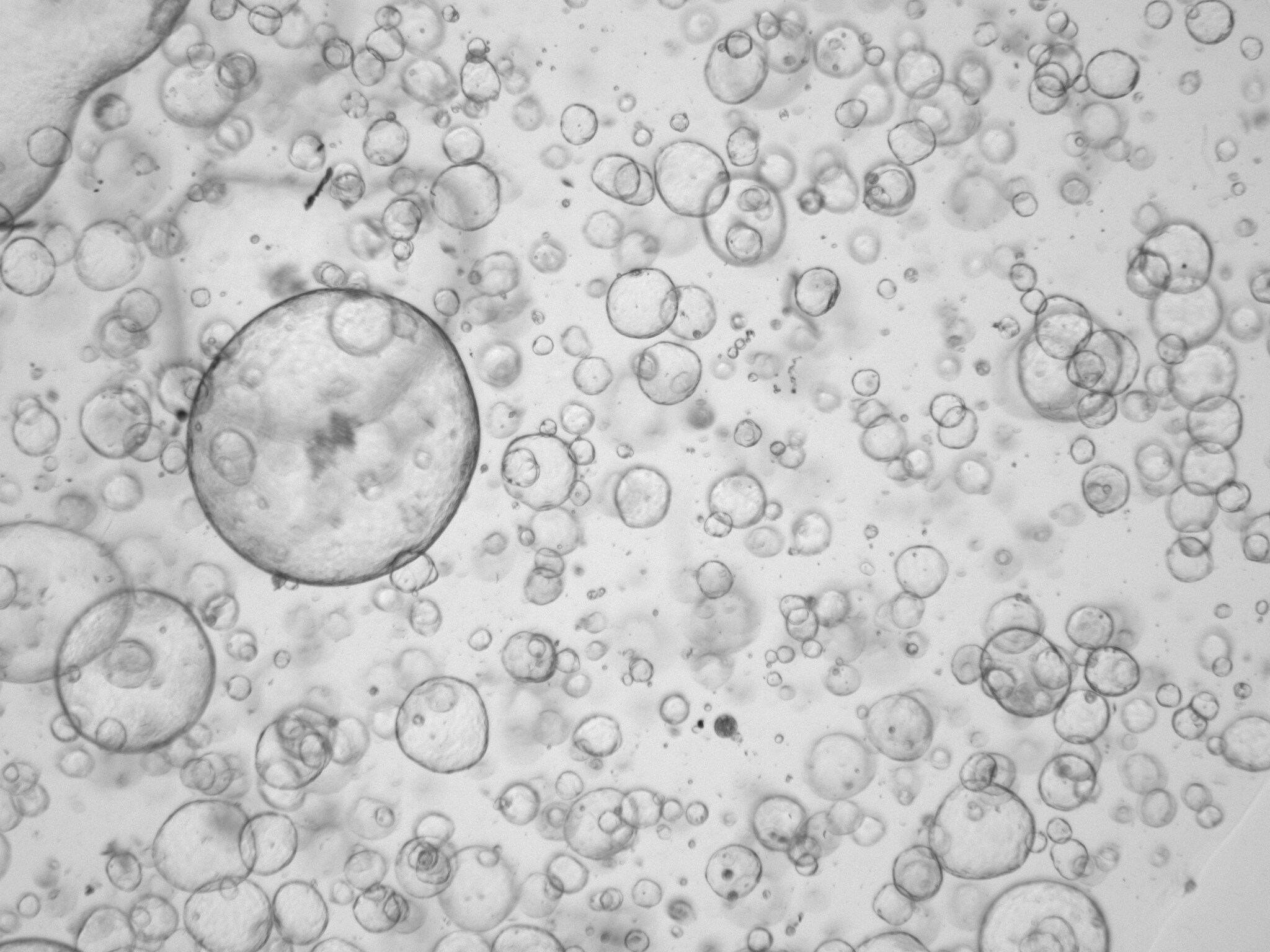
Verified Customer | Posted 06/29/2023Organoids derived from normal pancreas. Photo taken at 2x magnification. We use Cultrex UltiMatrix to grow mainly pancreatic organoids, but also oesophageal, gastric, breast and head and neck organoids.

-
Verified Customer | Posted 05/14/2023We have been using Cultrex Ultimatrix to grow human liver, oesophageal, lung, colon, PDAC organoids with very good results. We use it as standard matrix instead of Corning Matrigel.
-
Verified Customer | Posted 01/31/2023Used for culture of, iPSC and iPSC derived neurons and glia cells. Neuronal induction worked faster than with tested alternatives and cell death was reduced. Cells could be seeded at low and high densities.
-
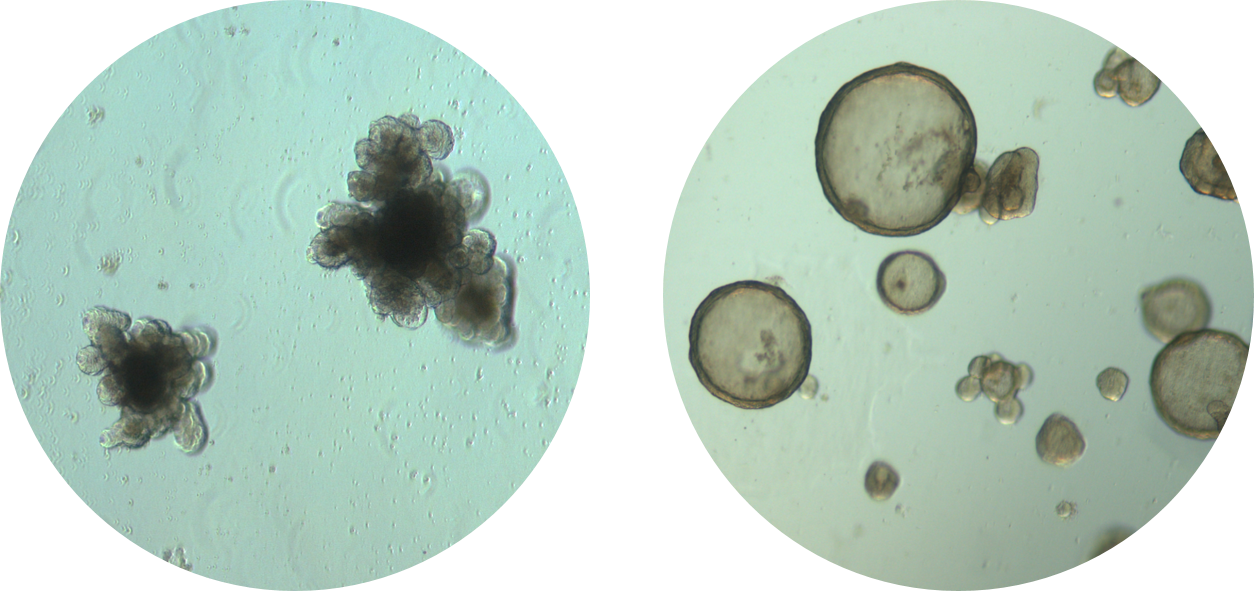
Verified Customer | Posted 10/17/2022We have been using Cultrex Ultimatrix for a year with very good results. We use it to grow intestinal organoids (left image) and lung organoids (right image). It has the right consistency for the intestinal organoids to grow crypt-like domains. Now it has become the standard matrix we use in the lab instead of matrigel.
-
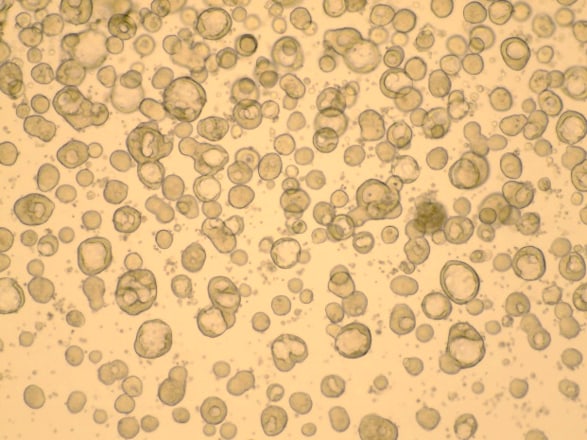
Verified Customer | Posted 03/24/2022This is a representative image of human alveolar organoids cultured in Cultrex UltiMatrix for 21 days. Organoids are derived from human primary AT2 cells isolated from human parenchyma tissues. Alveolar organoids grow well in UltiMatrix and they can be cultured for long time in UltiMatrix.
-
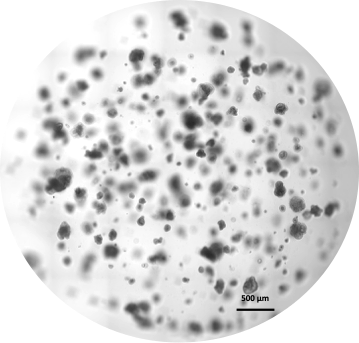
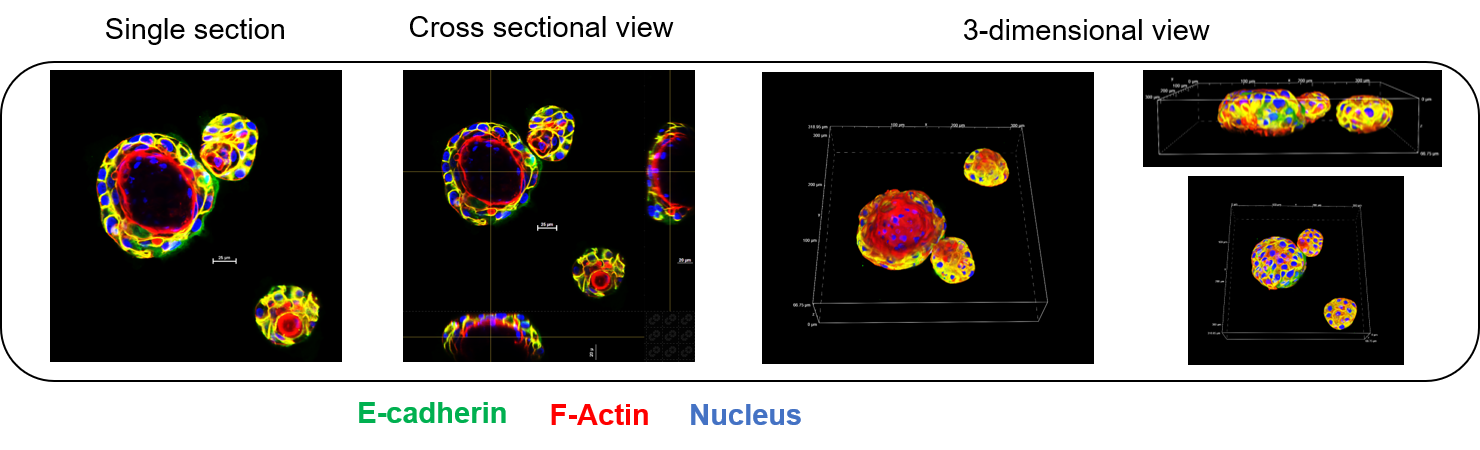
Verified Customer | Posted 12/10/2021Single cell suspension of MCF10A cultured in 6% Cultrex UltiMatrix Reduced Growth Factor Basement Membrane Extract. After 24 days, the acini with a hollow lumen was seen to be formed in almost every acini structures.
There are no reviews that match your criteria.
Loading...