Recombinant Human IL-6 Protein
R&D Systems | Catalog # 206-IL

Key Product Details
- R&D Systems E. coli-derived Recombinant Human IL-6 Protein (206-IL)
- Quality control testing to verify active proteins with lot specific assays by in-house scientists
- All R&D Systems proteins are covered with a 100% guarantee
Source
Accession Number
Applications
Product Specifications
Source
Pro29-Met212
Purity
Endotoxin Level
N-terminal Sequence Analysis
Predicted Molecular Mass
Activity
The ED50 for this effect is 0.2-0.8 ng/mL.
Reviewed Applications
Read 26 reviews rated 4.7 using 206-IL in the following applications:
Scientific Data Images for Recombinant Human IL-6 Protein
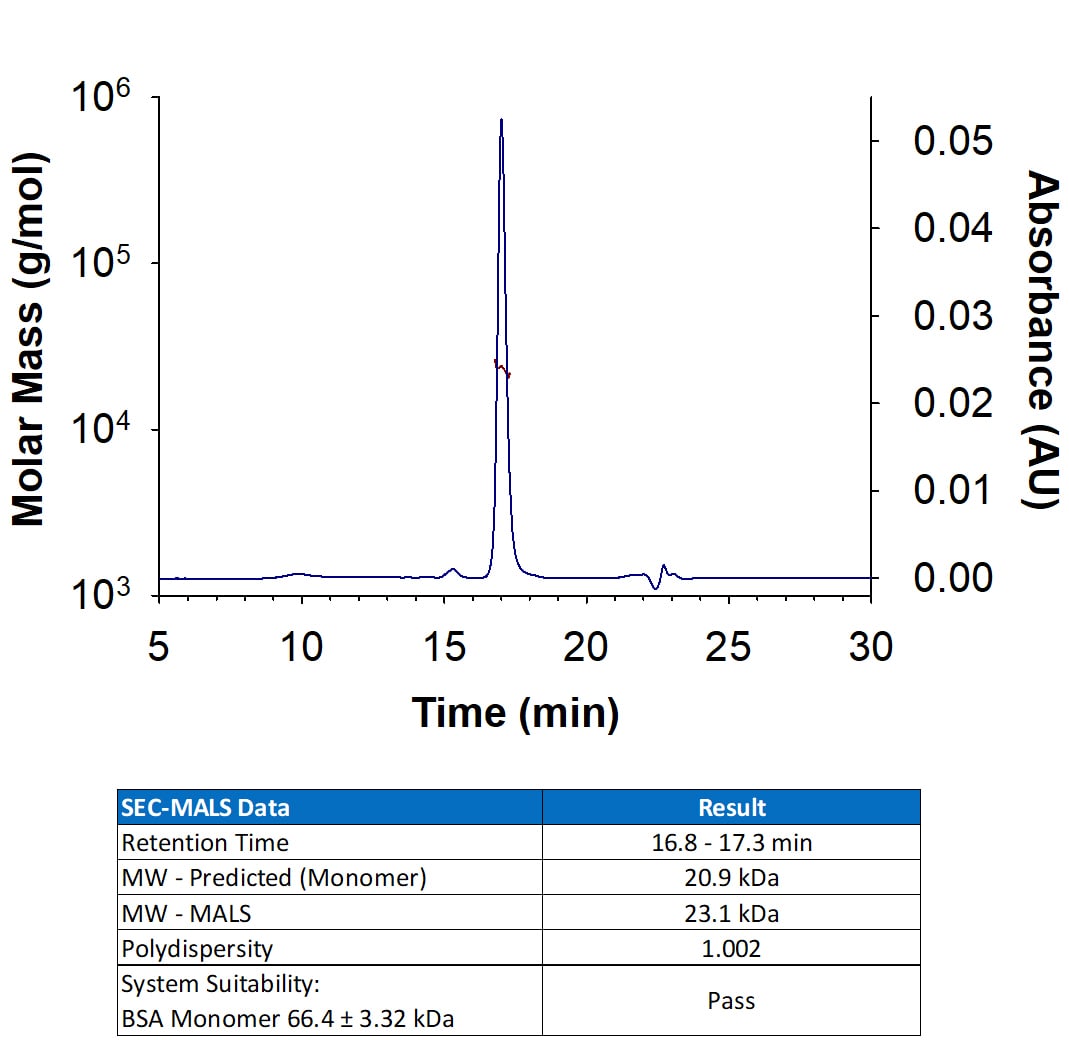
Recombinant Human IL‑6 Protein SEC-MALS.
Recombinant Human IL-6 (Catalog # 206-IL) has a molecular weight (MW) of 23.1 kDa as analyzed by SEC-MALS, suggesting that this protein is a monomer. MW may differ from predicted MW due to post-translational modifications (PTMs) present (i.e. Glycosylation).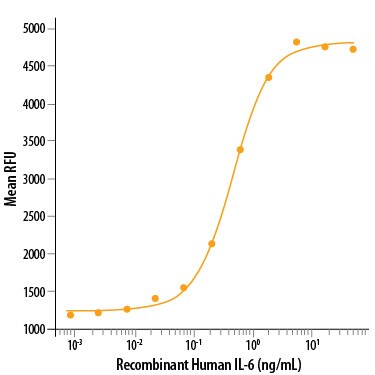
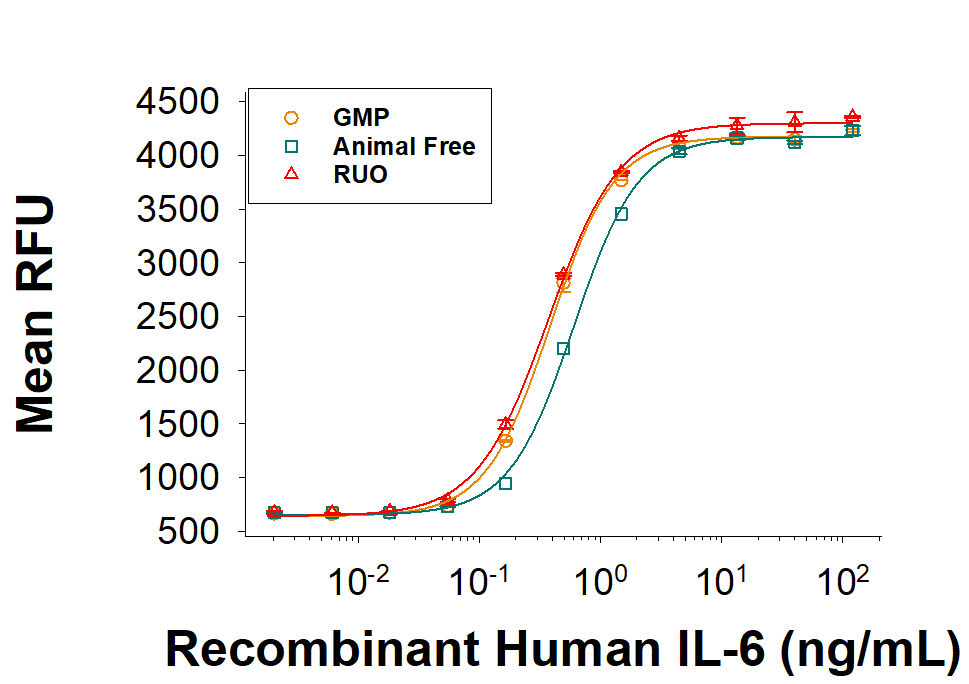
Recombinant Human IL-6 Protein Bioactivity
Recombinant Human IL-6 (Catalog # 206-IL) stimulates cell proliferation of the T1165.85.2.1 mouse plasmacytoma cell line. The ED50 for this effect is 0.2-0.8 ng/mL.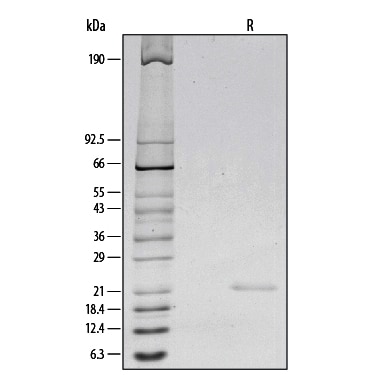
Recombinant Human IL-6 Protein SDS-PAGE
1 μg/lane of Recombinant Human IL-6 was resolved with SDS-PAGE under reducing (R) conditions and visualized by silver staining, showing a single band at 21 kDa.Formulation, Preparation, and Storage
Carrier Free
What does CF mean?CF stands for Carrier Free (CF). We typically add Bovine Serum Albumin (BSA) as a carrier protein to our recombinant proteins. Adding a carrier protein enhances protein stability, increases shelf-life, and allows the recombinant protein to be stored at a more dilute concentration. The carrier free version does not contain BSA.
What formulation is right for me?In general, we advise purchasing the recombinant protein with BSA for use in cell or tissue culture, or as an ELISA standard. In contrast, the carrier free protein is recommended for applications, in which the presence of BSA could interfere.
Carrier: 206-IL
| Formulation | Lyophilized from a 0.2 μm filtered solution in PBS and NaCl with BSA as a carrier protein. |
| Reconstitution | Reconstitute at 100-200 μg/mL in sterile PBS containing at least 0.1% human or bovine serum albumin. |
| Shipping | The product is shipped at ambient temperature. Upon receipt, store it immediately at the temperature recommended below. |
| Stability & Storage | Use a manual defrost freezer and avoid repeated freeze-thaw cycles.
|
Carrier Free: 206-IL/CF
| Formulation | Lyophilized from a 0.2 μm filtered solution in PBS and NaCl. |
| Reconstitution | Reconstitute at 100-200 μg/mL in sterile PBS. |
| Shipping | The product is shipped at ambient temperature. Upon receipt, store it immediately at the temperature recommended below. |
| Stability & Storage | Use a manual defrost freezer and avoid repeated freeze-thaw cycles.
|
Calculators
Background: IL-6
References
- Mansell, A. and B.J. Jenkins (2013) Cytokine Growth Factor Rev. 24:249.
- Schuett, H. et al. (2009) Thromb. Haemost. 102:215.
- Erta, M. et al. (2012) Int. J. Biol. Sci. 8:1254.
- Garbers, C. et al. (2012) Cytokine Growth Factor Rev. 23:85.
- Mihara, M. et al. (2012) Clin. Sci. (Lond.) 122:143.
- Hirano, T. et al. (1986) Nature 324:73.
- Kestler, D.P. et al. (1995) Blood 86:4559.
- Kestler, D.P. et al. (1999) Am. J. Hematol. 61:169.
- Bihl, M.P. et al. (2002) Am. J. Respir. Cell Mol. Biol. 27:48.
- Alberti, L. et al. (2005) Cancer Res. 65:2.
- Murakami, M. et al. (1993) Science 260:1808.
- Muller-Newen, G. (2003) Sci. STKE 2003:PE40.
- Mitsuyama, K. et al. (2006) Clin. Exp. Immunol. 143:125.
- Cerutti, A. et al. (1998) J. Immunol. 160:2145.
Long Name
Alternate Names
Entrez Gene IDs
Gene Symbol
UniProt
Additional IL-6 Products
Product Documents for Recombinant Human IL-6 Protein
Certificate of Analysis
To download a Certificate of Analysis, please enter a lot or batch number in the search box below.
Note: Certificate of Analysis not available for kit components.
Product Specific Notices for Recombinant Human IL-6 Protein
For research use only
Related Research Areas
Citations for Recombinant Human IL-6 Protein
 Powered by Bioz
Customer Reviews for Recombinant Human IL-6 Protein (26)
Have you used Recombinant Human IL-6 Protein?
Submit a review and receive an Amazon gift card!
$25/€18/£15/$25CAN/¥2500 for a review with an image
$10/€7/£6/$10CAN/¥1110 for a review without an image
Submit a review
Customer Images
-
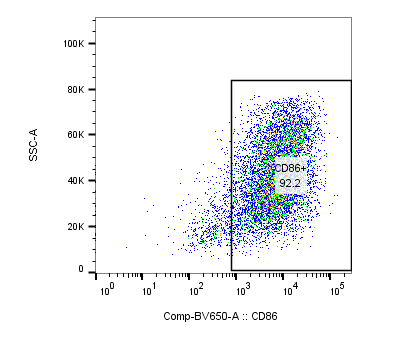
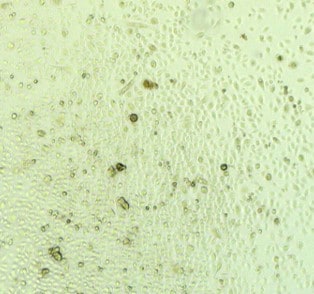
Application: Stem/Immune cell maintenance or differentiationVerified Customer | Posted 08/26/2024We use this cytokine as part of a dendritic cell maturation cocktail.

-
Application: Stem/Immune cell maintenance or differentiationVerified Customer | Posted 11/15/2023
-
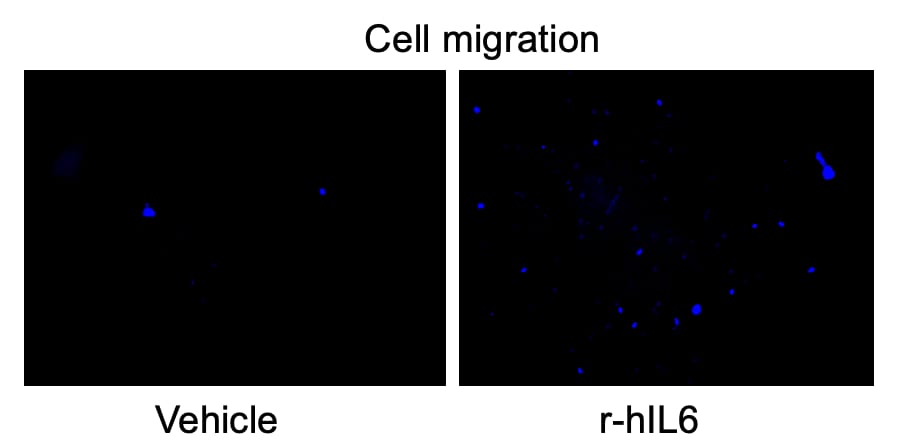
Application: Cell migration/motilityVerified Customer | Posted 07/25/2023
-
Application: Cell ProliferationVerified Customer | Posted 01/17/2022
-
Application: In vitro bioactivity in cell cultureVerified Customer | Posted 08/07/2021
-
Application: Cell ProliferationVerified Customer | Posted 05/24/2021
-
Application: In vitro bioactivity in cell cultureVerified Customer | Posted 03/06/2021
-
Application: Assay validationVerified Customer | Posted 02/09/2021
-
Application: Cell ProliferationVerified Customer | Posted 01/17/2020
-
Application: In vitro bioactivity in cell cultureVerified Customer | Posted 01/10/2020
-
Application: Cell ProliferationVerified Customer | Posted 02/25/2019
-
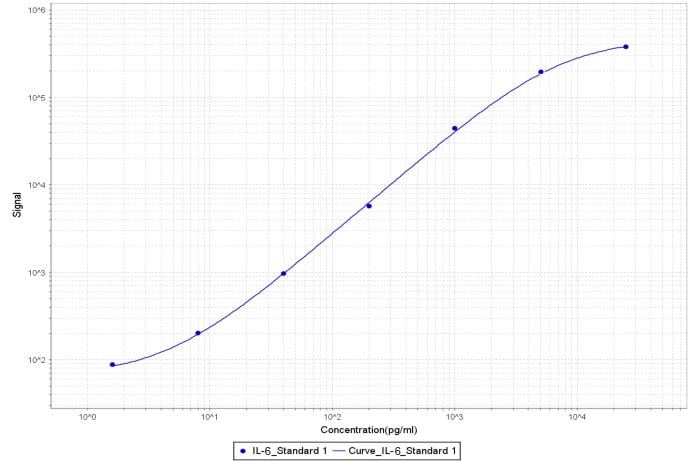
Application: MSD assayVerified Customer | Posted 11/26/2018The recombinant human IL-6 protein was used as the calibration reagent in MSD assay with biotinylated MAB206 (capture) and Sulfo-Tag labeled AF-206-NA (detection) antibodies.
-
Application: In vitro bioactivity in cell cultureVerified Customer | Posted 10/08/2018
-
Application: Cell ProliferationVerified Customer | Posted 05/11/2018
-
Application: Cell ProliferationVerified Customer | Posted 03/02/2018
-
Application: In vitro bioactivity in cell cultureVerified Customer | Posted 02/11/2018
-
Application: In vitro bioactivity in cell cultureVerified Customer | Posted 06/28/2017
-
Application: In vitro bioactivity in cell cultureVerified Customer | Posted 06/01/2017
-
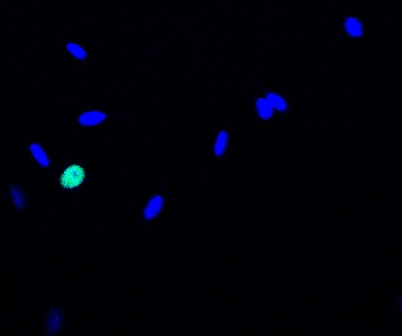
Application: Cell migration/motilityVerified Customer | Posted 05/23/2017
-
Application: In vitro bioactivity in cell cultureVerified Customer | Posted 04/26/2017
-
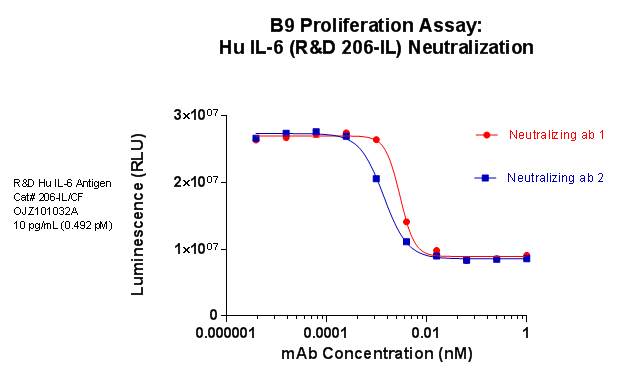
Application: Stem/Immune cell maintenance or differentiationVerified Customer | Posted 12/15/2016Elevated levels of the proinflammatory cytokine IL-6 are associated with poor survival outcomes in many cancers. Antibodies targeting IL-6 and its receptor have been developed for chronic inflammatory disease, but they have not yet been shown to clearly benefit cancer patients, possibly due to antibody potency or the settings in which they have been tested. In this study, we describe the development of a novel high-affinity anti-IL-6 antibody, MEDI5117, which features an extended half-life and potent inhibitory effects on IL-6 biologic activity. MEDI5117 inhibited IL-6-mediated activation of STAT3, suppressing the growth of several tumor types driven by IL-6 autocrine signaling. In the same models, MEDI5117 displayed superior preclinical activity relative to a previously developed anti-IL-6 antibody. Consistent with roles for IL-6 in promoting tumor angiogenesis, we found that MEDI5117 inhibited the growth of endothelial cells, which can produce IL-6 and support tumorigenesis. Notably, in tumor xenograft assays.
-
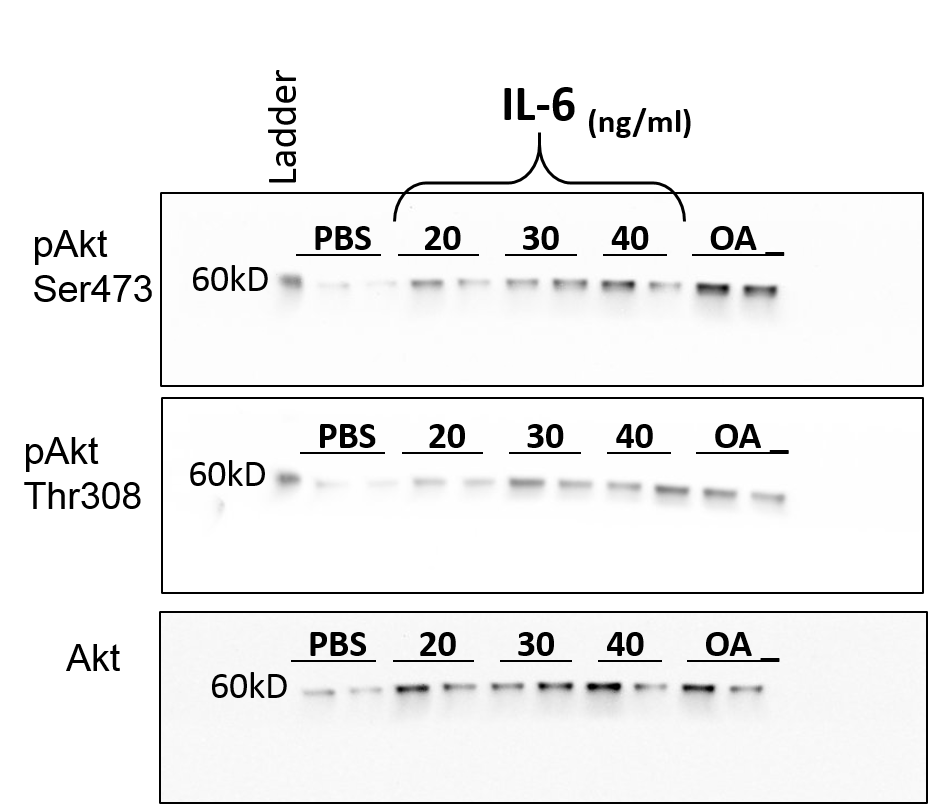
Application: In vitro bioactivity in cell cultureVerified Customer | Posted 08/01/2016Primary embryonic rat cortical cultures stimulated with IL-6 (20, 30, 40 ng/ml) for 30 minutes (PBS+BSA:negative stimulation control; Okadaic Acid, OA: positive phosphorylation control). Western blot for changes in Akt phosphorylation. *Note membranes for western were cut between 70kd and 50kd*
-
Application: In vivo studyVerified Customer | Posted 07/29/2016
-
Application: Immunoassay StandardVerified Customer | Posted 05/16/2016
-
Application: In vitro bioactivity in cell cultureVerified Customer | Posted 01/21/2016
-
Application: Immunoassay StandardVerified Customer | Posted 01/19/2016
There are no reviews that match your criteria.
FAQs for Recombinant Human IL-6 Protein
-
Q: Can Recombinant Human IL-6 protein (Catalog # 206-IL) be used on mouse cells?
A: We evaluate the bioactivity of Recombinant Human IL-6 Protein (Catalog # 206-IL) in a cell proliferation assay using mouse plasmacytoma cells during QC testing. Catalog # 206-IL exhibits an ED50 in the range of 0.2-0.8 ng/mL in this assay using mouse cells. We have evaluated the human and mouse IL-6 proteins in the same assay and found the Recombinant Mouse IL-6 Protein (Catalog # 406-ML) was more active with mouse cells. This information can be found in the activity section on the respective product datasheets.
-
Q: What are the differences between Recombinant Human IL-6 Protein (Catalog # 206-IL) and Recombinant Human IL-6 (HEK293-expressed) Protein (Catalog # 7270-IL)?
A: Recombinant Human IL-6 Protein (Catalog # 206-IL) is raised in E. coli. The Recombinant Human IL-6 (HEK293-expressed) Protein (Catalog # 7270-IL) is raised in HEK293. Because #7270-IL is raised in mammalian cells, it is expected to have post translational modifications that are absent in the E. coli-derived version (206-IL). The HEK293-derived #7270-IL exhibits greater activity than the E. coli-derived #206-IL in the same activity assay.
-
Q: Can Recombinant Human IL-6 protein (Catalog # 206-IL) be used on mouse cells?
A: We evaluate the bioactivity of Recombinant Human IL-6 Protein (Catalog # 206-IL) in a cell proliferation assay using mouse plasmacytoma cells during QC testing. Catalog # 206-IL exhibits an ED50 in the range of 0.2-0.8 ng/mL in this assay using mouse cells. We have evaluated the human and mouse IL-6 proteins in the same assay and found the Recombinant Mouse IL-6 Protein (Catalog # 406-ML) was more active with mouse cells. This information can be found in the activity section on the respective product datasheets.
-
Q: What are the differences between Recombinant Human IL-6 Protein (Catalog # 206-IL) and Recombinant Human IL-6 (HEK293-expressed) Protein (Catalog # 7270-IL)?
A: Recombinant Human IL-6 Protein (Catalog # 206-IL) is raised in E. coli. The Recombinant Human IL-6 (HEK293-expressed) Protein (Catalog # 7270-IL) is raised in HEK293. Because #7270-IL is raised in mammalian cells, it is expected to have post translational modifications that are absent in the E. coli-derived version (206-IL). The HEK293-derived #7270-IL exhibits greater activity than the E. coli-derived #206-IL in the same activity assay.
Associated Pathways