
Small Molecules for Stem Cell Research
A variety of signaling pathways, epigenetic mechanisms, and extracellular matrix components control stem cell proliferation and differentiation. Historically, researchers manipulated these parameters by using viral and plasmid vectors to introduce transcription factor genes into stem cells, thereby reprogramming them or inducing differentiation into specific cell lines. However, these techniques are time-consuming and carry the possibility of introducing genetic material or mutations into a cell’s genome.
As stem cell applications in model systems and therapeutic development grow, so does the need to tightly manipulate cell signaling pathways and gene expression without the use of gene editing. To do so, researchers are increasingly using small molecules to modulate stem cell biology. Small molecules can also be used in combination with proteins, such as growth factors and cytokines, to improve the efficiency of reprogramming and differentiation techniques. Adopting small molecules for stem cell research is effective for maintaining pluripotency, fine-tuning differentiation, and reprogramming somatic cells.
R&D Systems, through the Tocris Biosciences brand, offers a catalog of small molecules for stem cell research. As a leading stem cell reagent manufacturer and supplier, Tocris has played a significant role in advancing stem cell research. Our collection of over 200 small molecules—cited thousands of times in leading publications—targets essential stem cell pathways, providing vital chemical tools for your stem cell research workflows.
Stem cell researchers and companies can also rely on us for consistent supply and large orders. We offer compounds in bulk quantities at competitive, discounted prices, scaling with your research needs and minimizing the need for bridging studies.
1. Synthetically Produced
Synthetic production inherently allows for high purity and low batch-to-batch variation, which helps ensure consistent activity and reproducible results in stem cell culture. For this reason, the use of defined cell media supplemented with bioactive small molecules can open avenues for better translation to therapeutic applications. The chemically defined attributes of small molecules are an important safety consideration with respect to their use as ancillary reagents in cell therapy development. Additionally, small molecule production is easily scalable, facilitating the manufacture of large reagent volumes required when candidate cell therapies transition into the clinic.
2. Cell-Permeable
Small molecules are generally cell-permeable, which enables users to target relevant intracellular signaling pathways. Cellular permeability also makes it possible to elicit activities in both in vitro and in vivo.
3. Ease of Use
Small molecules have rapid and reversible effects, providing straightforward and effective temporal control. Small molecules exhibit effects within hours, which significantly reduces the time associated with reprogramming and differentiation, thereby streamlining protocols. Since they are orthogonal to biological molecules, small molecules can also be used in combination with protein additives to further improve the efficiency of reprogramming and differentiation techniques.
4. Tunable
The effects of small molecules in stem cells are concentration-dependent. By making subtle changes, researchers can use the same molecule in different protocols to achieve different outcomes.
5. Resemblance to Natural Process
Using small molecules as “extrinsic” factors in the reprogramming or differentiation of stem cells more closely resembles native processes than the introduction of genes by viral transduction to induce these changes
For More On the Use of Small Molecules in Stem Cell Research,
Check Out Our Research Guide.

Explore Our Stem Cell Small Molecule Collection
Tocris’s collection of small molecules for stem cell research can influence many critical cellular pathways (such as Notch, Hedgehog, TGF-β and BMP, FGF, and canonical WNT signaling) and epigenetic mechanisms (like DNA methylation, histone deacetylase, and bromodomain modulation) that control cell self-renewal, differentiation, and reprogramming.









CEPT Cocktail
Improve the viability of PSCs with CEPT Cocktail. A combination of four small molecules, the CEPT Cocktail enhances cell survival in a wide range of experimental procedures, including routine long-term passaging, single-cell cloning, gene editing, differentiation, and cryopreservation of PSCs.
ROCK Inhibitors
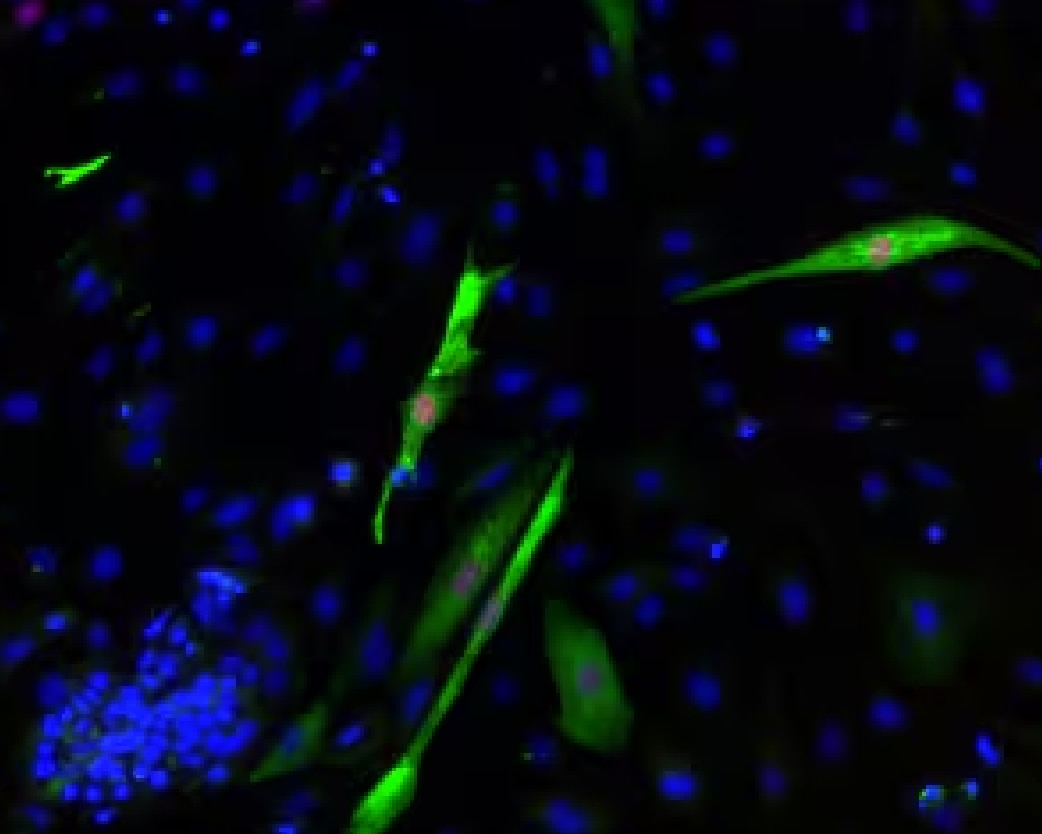
Boost stem cell growth and recovery with ROCK inhibitors. By suppressing the regulatory function of Rho-associated coiled-coil kinases (ROCKs), these small molecule compounds help prevent apoptosis, increase cell survival (particularly during cryopreservation), facilitate cell differentiation, and reprogram somatic cells into iPSCs.
Reagents in Solution
Simplify stem cell culture with ready-to-use reagents in solution. These convenient pre-dissolved reagents will save you time and reduce handling errors. Browse our collection of 10 mM sterile-filtered solutions for cell culture, transfection, and cell and gene therapy workflows.
Stem Cell Self-Renewal Compounds for Maintenance of Pluripotency
Small molecule treatments can maintain stem cells in their pluripotent state as an alternative or complement to conventional stem cell culture techniques that use feeder cells (such as mouse fibroblasts), serum products, and growth factors (such as LIF and bFGF).
Like their biological counterparts, our stem cell renewal compounds sustain the expression of key pluripotency transcription factors (like Oct4, Sox2, and Nanog) through the activation or inactivation of associated signaling pathways. Many of the stem cell self-renewal compounds in our collection act through the inhibition of central signaling proteins, including MEK1/2, GSK-3, and TGF-βRI. Stem cell renewal compounds can also work in tandem with differentiation inhibitors that block progression into specific lineages.
More specifically, our CEPT Cocktail and Y-27632 dihydrochloride ROCK inhibitor help improve stem cell survival during routine long-term passaging, cryopreservation, single-cell cloning, and organoid formation.
Differentiation Inducers for Controlling Lineage-Specific Cell Development
To control and direct cell fate decisions, researchers must carefully fine-tune media ingredients and protocols to achieve consistent differentiation into their desired lineage or specific cell type.
Tocris Bioscience provides a collection of over 60 bioactive small molecules for controlling the differentiation of stem and progenitor cells into cells of all three germ layers: ectoderm, mesoderm, and endoderm. More specifically, our collection includes small molecule differentiation inducers, encompassing both signaling inhibitors and agonists that guide the development of myocardial, neural, mesenchymal, β, retinal, hepatic, osteogenic, and other cell types.
To highlight a few examples, researchers can purchase retinoic acid to engage its receptor for retinal organoid development, XAV 939 to inhibit the WNT pathway for cardiomyocyte differentiation from hPSCs, DAPT to induce neural differentiation through γ-secretase inhibition, and many more.
Reprogramming Compounds for iPSC Generation
Hou et al. first described the generation of induced pluripotent stem cells (iPSCs) using only a small molecule cocktail containing Valproic acid, CHIR 99021, RepSox, Tranylcypromine, Forskolin, and 3-Deazaneplanocin A. Since then, researchers have continued exploring somatic cell chemical reprogramming for disease modeling, drug discovery, and regenerative medicine. More recently, chemical reprogramming has gained attention for creating iPSC cell banks that can increase the availability and deployment speed of cell therapies.
We can supply various reprogramming compounds, including GMP versions, that suit key stem cell protocols. These molecules are often used in conjunction with R&D Systems' recombinant proteins to achieve efficient cell reprogramming.
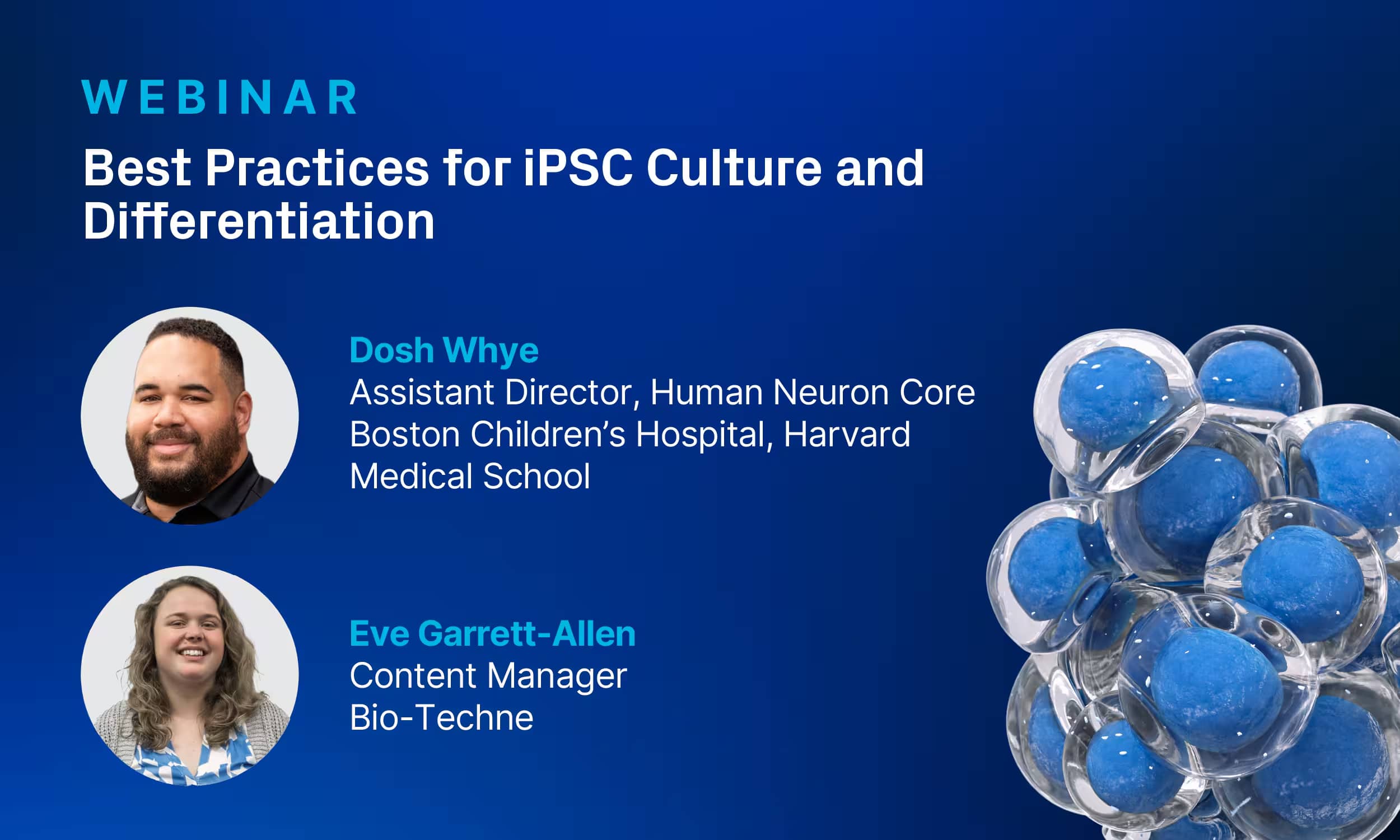
WEBINAR
iPSC Culture and Differentiation Best Practices
Hear from Dosh Whye, Assistant Director of the Human Neuron Core at Boston Children’s Hospital and Harvard Medical School, as he covers essential techniques for human pluripotent stem cell culture systems, differentiation formats, quality control, and functional assays for cell characterization.
Generating Stem Cell Consistency Through Quality
The inherent complexity of stem cell biology remains a challenging obstacle for stem cell research and development efforts. As a result, stem cell culture and its applications can suffer from inconsistency issues, where experimental variability can yield uncontrolled differentiation, mixed cell populations, and differences in cellular maturity. These reproducibility challenges are even more critical for stem cell biomanufacturing and its scalability for therapeutic applications.
Developing robust protocols is a key step in mitigating these challenges, and reproducible experiments are essential in stem cell research. Our ISO 9001:2015 certified UK manufacturing site, home of the Tocris Brand, employs strictly controlled processes and guarantees low batch-to-batch variation to ensure consistent activity and reproducible results.
GMP and Ancillary Material Grade Small Molecules
In the tightly regulated clinical development phases, high-quality ancillary reagents (also known as raw materials) are necessary for making cell therapies safe and effective. Tocris is committed to quality and supports the development of new cell therapies with improved ancillary reagents. These reagents adhere to strict processes and quality control systems. Our GMP and Ancillary Material Grade compounds are intended for use in producing cell and gene therapies.