
Empowering the Next Wave of T Cell Therapy Development
T cell therapy is transforming the landscape of modern medicine by harnessing the precision and power of the immune system to fight disease. R&D Systems reagents and analytical solutions support the development and clinical manufacture of innovative cellular therapies, including CAR-T (chimeric antigen receptor), TCR (T cell receptor), TIL (tumor-infiltrating lymphocyte), and gamma-delta T cell therapies - from research to FDA-approved clinical trials.
Benefits of T Cell Therapies
- Highly targeted: T cells (a type of white blood cell also called T lymphocytes) are engineered to recognize specific disease markers, allowing precise attack on hard-to-treat cancers or diseased cells.
- Long-term remission: Modified T cells can provide ongoing immune surveillance.
- Proven clinical record: Multiple T cell-based therapies have received regulatory approval with the U.S. Food and Drug Administration and other regulatory bodies.
Overcome the Challenges of T Cell Therapies
- Reproducibility and safety: High quality, consistent R&D Systems reagents enable reproducible results, while our closed system solutions support compliance in clinical workflows.
- Scalability: Our solutions scale seamlessly with your process, enabling your T cell manufacturing to meet clinical demands.
- Regulatory support: We have submitted Drug Master Files (DMFs) for most GMP reagents, facilitating your IND submissions and easing the transition to clinical manufacturing.
- Time and resource efficiency: Optimize timelines and control costs by partnering with experienced suppliers like Bio-Techne, who understand the complexities of therapeutic development.
T Cell Manufacturing Workflow Solutions
Developing effective T cell therapy workflows requires careful control of cell activation, genome editing, expansion, and functional testing. R&D Systems products include well-characterized cytokines, media, supplements, and antibodies to support each of these steps. With consistent high-quality performance, these products help researchers generate reliable results to advance their T cell therapy programs with confidence.
T Cell Activation
Fine-tune T cell activation and improve phenotypic profiles by optimizing the ratios of Human CD3 and Human CD28 GMP antibodies. These GMP antibodies are recombinantly produced for consistent, scalable manufacturing and contain a human backbone to reduce the risks associated with non-human FC receptors.

T Cell Genome Engineering
Genome editing in T cell therapy enables precise modifications (gene knockouts, transgene insertions, and receptor engineering) to enhance specificity, persistence, and therapeutic potency. Developers are increasingly shifting from viral vectors to non‑viral approaches, such as TcBuster transposon system and electroporation‑based transfection, to improve safety while reducing manufacturing time and cost.

T Cell Culture & Expansion
Consistent and robust T cell expansion is powered by high quality cytokines, media and supplements. R&D systems reagents are supplied in flexible grades, formats, and formulations, including closed system processes, to advance your cell therapy from research to clinic.
Standard Format Reagents
T cell cytokines are available in liquid and lyophilized formats to better support your unique process.
Animal-Free & GMP Cytokines

IL-2, IL-7, IL-15, and more - ready for ancillary use in cell therapies.
GMP Human T Cell Media

Robust T cell expansion with clinic-ready media in xeno-free conditions.
GMP Human AB Serum
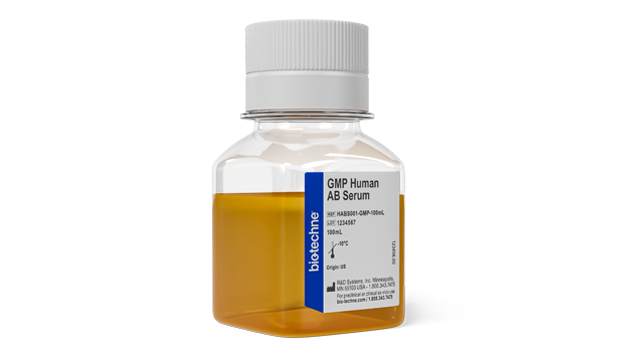
Recommended supplement for use with GMP T cell media.
GMP Human Serum Albumin
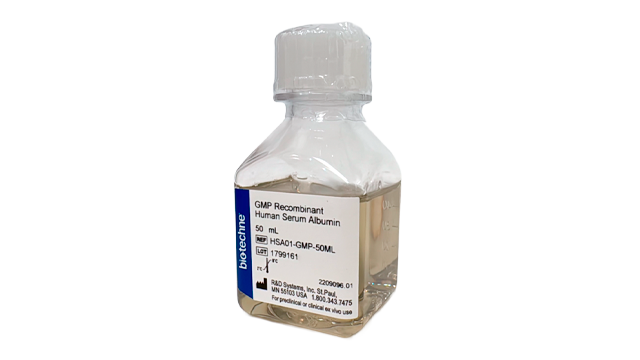
For use in media and buffers during cell therapy processes.
Closed System GMP Reagents
GMP reagents in ready-to-use bags with weldable tubing for seamless integration into closed system T cell manufacturing processes.
ProPak GMP Cytokines
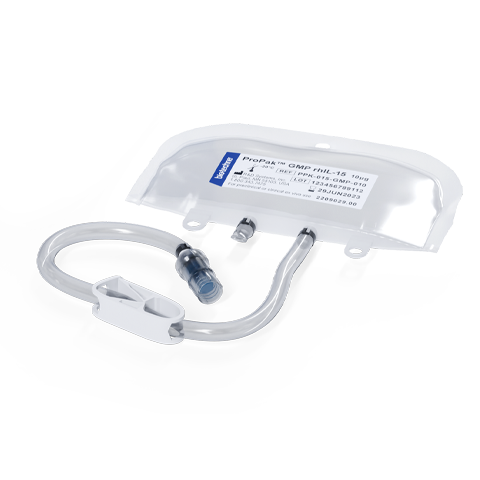
ProPak weldable bags integrate ready-to-use GMP cytokines into closed system process T cell manufacturing.
GMP Human T Cell Media
Clinic-ready formulation for robust T cell expansion, in a closed-system format.
GMP Human AB Serum
GMP grade media supplement for your closed process T cell therapy workflow.
G-Rex® Bioreactors
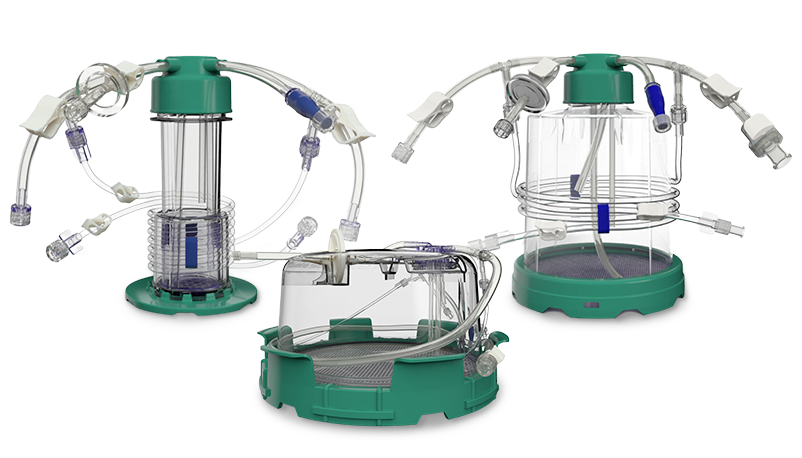
The gold standard for T cell therapy manufacturing is available through our ScaleReady partnership.
Specific populations of T cells can be characterized by markers.
- Hematopoietic lineages: CD45
- All T cells: CD3
- CD4+ T cells: CD4
- CD8+ T cells: CD8
- γ/δ T cells: γ/δ TCR
- iNKT cells: Vα24Jα18 TCR
- Naïve T cells: L-selectin/CD62L, CCR7
- T regulatory cells (Tregs): CD25/IL-2Rα
To phenotype your T cell therapy, R&D Systems offers highly validated monoclonal antibodies.
| Memory T Cell Markers | T Cell Exhaustion Markers | Pro-Inflammatory Cytokines | Anti-Inflammatory Cytokines |
| CD3 | CTLA-4 | IFN-γ | IL-10 |
| CD4 | PD-1 | IL-2 | TGF-β |
| CD8 | LAG-3 | TNF-a | IL-35 |
| CD45RA | TIM-3 | Perforin | Galectin-1 |
| CD45RO | TIGIT | Granzyme B | |
| CCR7 | 2B4/CD244/SLAMF4 | ||
| L-Selectin/CD62L | KLRG1 | ||
| CD27/TNFSF7 | CD57 | ||
| CD28 | CD160 | ||
| Fas/TNFRSF6/CD95 |
Fluorokines™ for CAR detection - Direct CAR detection by flow cytometry using fluorescent-conjugated proteins
T Cell Therapy Workflow Resources
Development and Manufacturing
- App Note: Scaling Up Non-Viral CAR-T Manufacturing
- App Note: Fill-and-Forget T Cell Manufacturing with G-Rex®
- App Note: Determining Residual Bead Count with Micro-Flow Imaging in CAR-T Manufacturing
- Blog: Developing innovative CAR-T Therapies for Solid Tumors
- Article: Improving Solid Tumor Targeting and Efficacy with Hypoxia-Dependent CAR Stabilizing Construct in T Cells
Analysis
- App Note: Characterizing CAR-T Cell Therapy Biomarkers Through Multianalyte Analysis
- App Note: Detecting CAR Expression Using Fluorokines
- App Note: Analytical Tools to Evaluate CAR-T Cell Signaling & Activation
- White Paper: Driving CAR T-Cells in the Fast Lane to Market
- Blog: Analyzing CAR Expression During CAR-T and NK Cell Therapy Development
Potency
- App Note: CAR-T Potency Testing with IFN-γ Using Simple Plex Assays
- App Note: Multiplex Potency Assays for CAR-T and CAR-NK Cell Therapies
- Webinar: Uncovering CAR-T and CAR-NK Cell Potency Using Multi-Analyte Profiling
Spatial Analysis
What types of T cell therapies are being developed?
Developers are advancing multiple immune cell therapy modalities, each designed to more precisely target and eliminate diseased cells. These next generation treatments often involve engineering patient’s own T cells (autologous), which are collected through leukapheresis, but can instead involve donor cells (allogeneic) to enhance specificity, persistence, and therapeutic potency. As innovation accelerates, new genome editing and nonviral engineering strategies are further expanding what’s possible in the T cell therapy landscape.
Researchers are revolutionizing healthcare by using engineered T cell therapies in oncology, especially for blood cancer cell types, including multiple myeloma, mantle cell lymphoma (MCL), acute lymphoblastic leukemia (ALL), chronic lymphocytic leukemia (CLL), and non-Hodgkin lymphoma including follicular lymphoma and diffuse large B-cell lymphoma (DLBCL), but also other types of cancer treatments, such as solid tumor cells and melanoma. Cancer centers and cancer care teams are witnessing improvements in patient outcomes as a result of this type of cancer research. T cells can also be used in the treatment process of chronic infections and autoimmune diseases, such as systemic lupus erythematosus (SLE) and systemic sclerosis. T cell therapies have been used in both pediatric and adult medicine.
What challenges do T cell therapy developers face?
T cell therapy developers must overcome challenges such as ensuring product reproducibility, safety, and reducing life-threatening side effects of CAR-T cell therapy such as cytokine release syndrome and neurological difficulties, for example, which requires high‑quality, consistent reagents and closed‑system processes. Scaling manufacturing to meet clinical and commercial demand is another major hurdle, alongside navigating regulatory requirements like DMFs to support IND submissions. Teams also need efficient workflows and reliable partners to manage the complex, resource‑intensive nature of therapeutic development.
What should T cell therapy developers consider when starting a therapeutic project?
Developers should begin by carefully planning activation, expansion, genome editing, and functional testing strategies, ensuring each step uses high‑quality, well‑characterized reagents. Choosing scalable, GMP‑ready solutions early in development supports smoother translation from research to clinic and reduces risk during later manufacturing stages. Safety, regulatory readiness, and the shift toward non‑viral editing platforms also play a critical role in enabling faster, more cost‑effective development.