
Key Product Details

Species Reactivity

Validated:

Mouse

Cited:

Human, Mouse, Rat, Canine, Transgenic Mouse

Applications

Validated:

Immunohistochemistry, Western Blot, Neutralization, Flow Cytometry, Dual RNAscope ISH-IHC Compatible, CyTOF-ready

Cited:

Immunohistochemistry, Immunohistochemistry-Paraffin, Immunohistochemistry-Frozen, Western Blot, Neutralization, Flow Cytometry, Immunocytochemistry, Immunoprecipitation, Bioassay, ELISA Development

Label

Unconjugated

Antibody Source

Polyclonal Goat IgG
Loading...

Product Specifications

Immunogen

Mouse myeloma cell line NS0-derived recombinant mouse VEGFR2
Ala20-Glu762
Accession # P35918

Specificity

Detects mouse VEGFR2 in direct ELISAs and Western blots. In direct ELISAs, approximately 10% cross-reactivity with recombinant human VEGFR2 is observed and less than 2% cross-reactivity with recombinant mouse (rm) VEGFR1 and rmVEGFR3 is observed.

Clonality

Polyclonal

Host

Goat

Isotype

IgG

Endotoxin Level

<0.10 EU per 1 μg of the antibody by the LAL method.

Scientific Data Images for Mouse VEGFR2/KDR/Flk-1 Antibody

VEGFR2/KDR/Flk-1 antibody in Mouse Embryo by Immunohistochemistry (IHC-Fr).

VEGFR2/KDR/Flk‑1 in Mouse Embryo.

VEGFR2/KDR/Flk-1 was detected in immersion fixed frozen sections of mouse embryo (14 d.p.c.) using 15 µg/mL Goat Anti-Mouse VEGFR2/KDR/Flk-1 Antigen Affinity-purified Polyclonal Antibody (Catalog # AF644) overnight at 4 °C. Tissue was stained with the Anti-Goat HRP-DAB Cell & Tissue Staining Kit (brown; Catalog # CTS008) and counterstained with hematoxylin (blue). Specific labeling was localized to mesenchymal cells. View our protocol for Chromogenic IHC Staining of Frozen Tissue Sections.

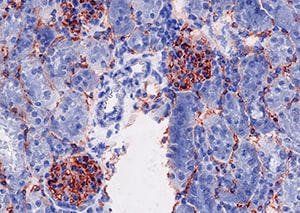
VEGFR2 antibody in Mouse Kidney Tissue.

VEGFR2 in Mouse Kidney Tissue.

VEGFR2 was detected in acetone fixed cryosections of mouse kidney tissue using Goat Anti-Mouse VEGFR2/KDR/Flk-1 Polyclonal Antibody (Catalog # AF644) for 50 minutes at room temperature. Tissues were stained with rabbit anti-goat secondary antibody and HRP polymer-conjugated anti-rabbit IgG followed by AEC+Substrate Chromogen (red) followed by counterstaining with hematoxylin (blue). Experiments were carried out and the image was provided by Dr. Grietje Molema, University Medical Center Groningen, The Netherlands.
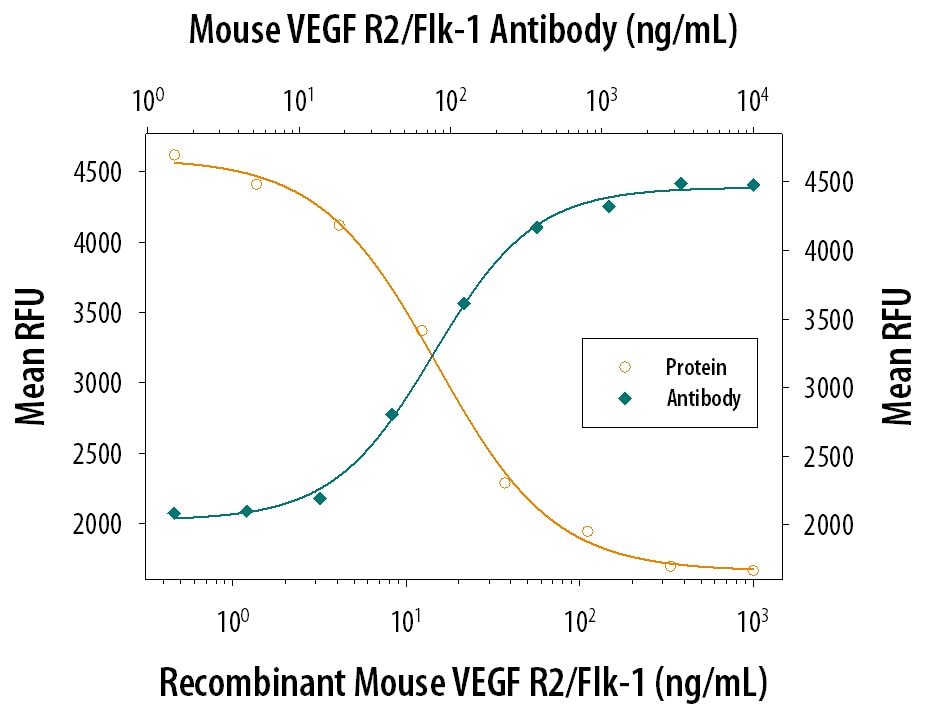
VEGFR2/KDR/Flk‑1 Inhibition of VEGF-dependent Cell Proliferation and Neutralization by Mouse VEGFR2/KDR/Flk‑1 Antibody.

VEGFR2/KDR/Flk‑1 Inhibition of VEGF-dependent Cell Proliferation and Neutralization by Mouse VEGFR2/KDR/Flk‑1 Antibody.

Recombinant Mouse VEGFR2/KDR/Flk-1 Fc Chimera (Catalog # 443-KD) inhibits Recombinant Mouse VEGF164(Catalog # 493-MV) induced proliferation in HUVEC human umbilical vein endothelial cells in a dose-dependent manner (orange line). Inhibition of Recombinant Mouse VEGF164(5 ng/mL) activity elicited by Recombinant Mouse VEGFR2/KDR/Flk-1 Fc Chimera (50 ng/mL) is neutralized (green line) by increasing concentrations of Goat Anti-Mouse VEGFR2/KDR/Flk-1 Antigen Affinity-purified Polyclonal Antibody (Catalog # AF644). The ND50 is typically 0.1-0.3 µg/mL.

Detection of Mouse VEGFR2/KDR/Flk-1 by Immunocytochemistry/Immunofluorescence

Detection of Mouse VEGFR2/KDR/Flk-1 by Immunocytochemistry/Immunofluorescence

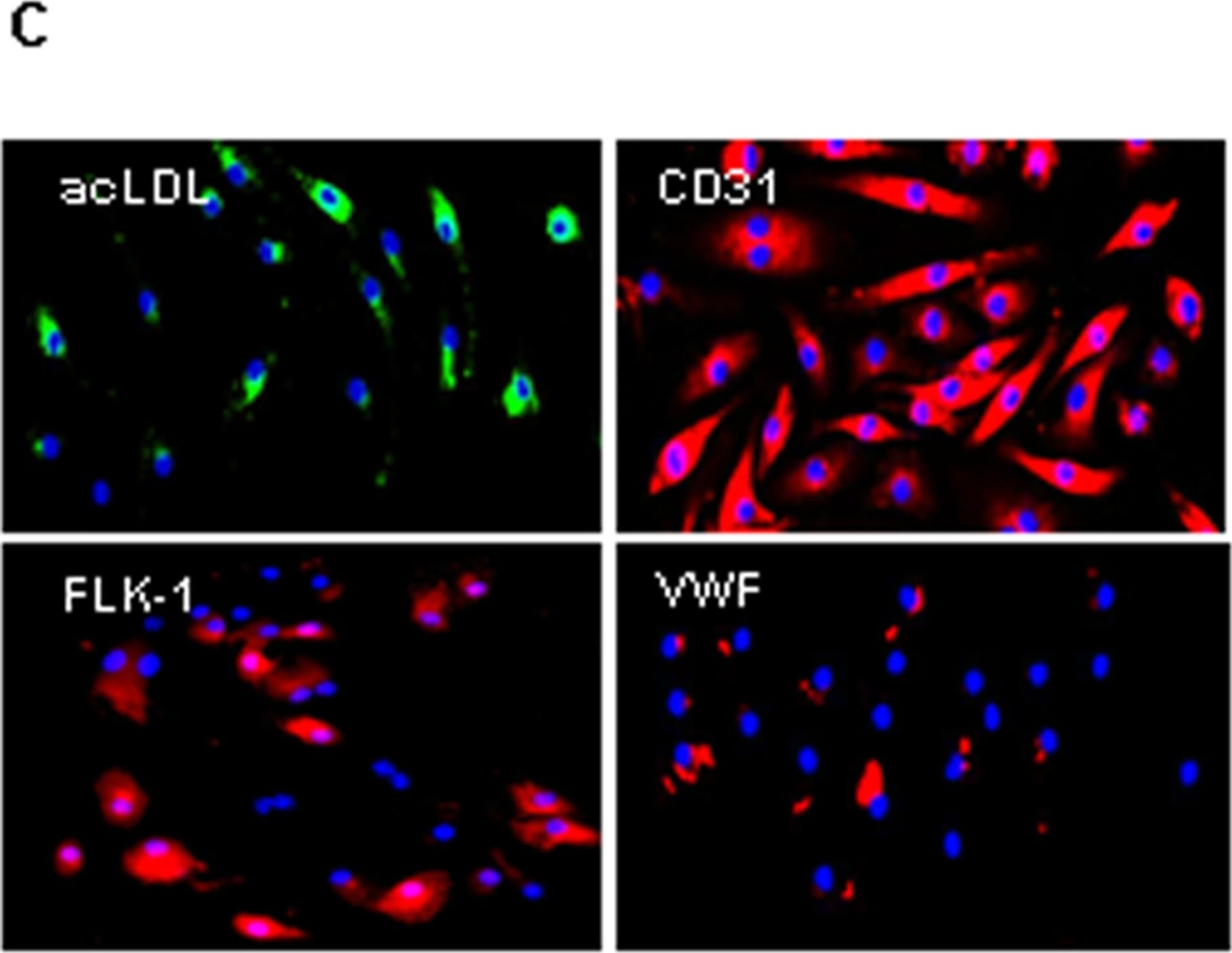
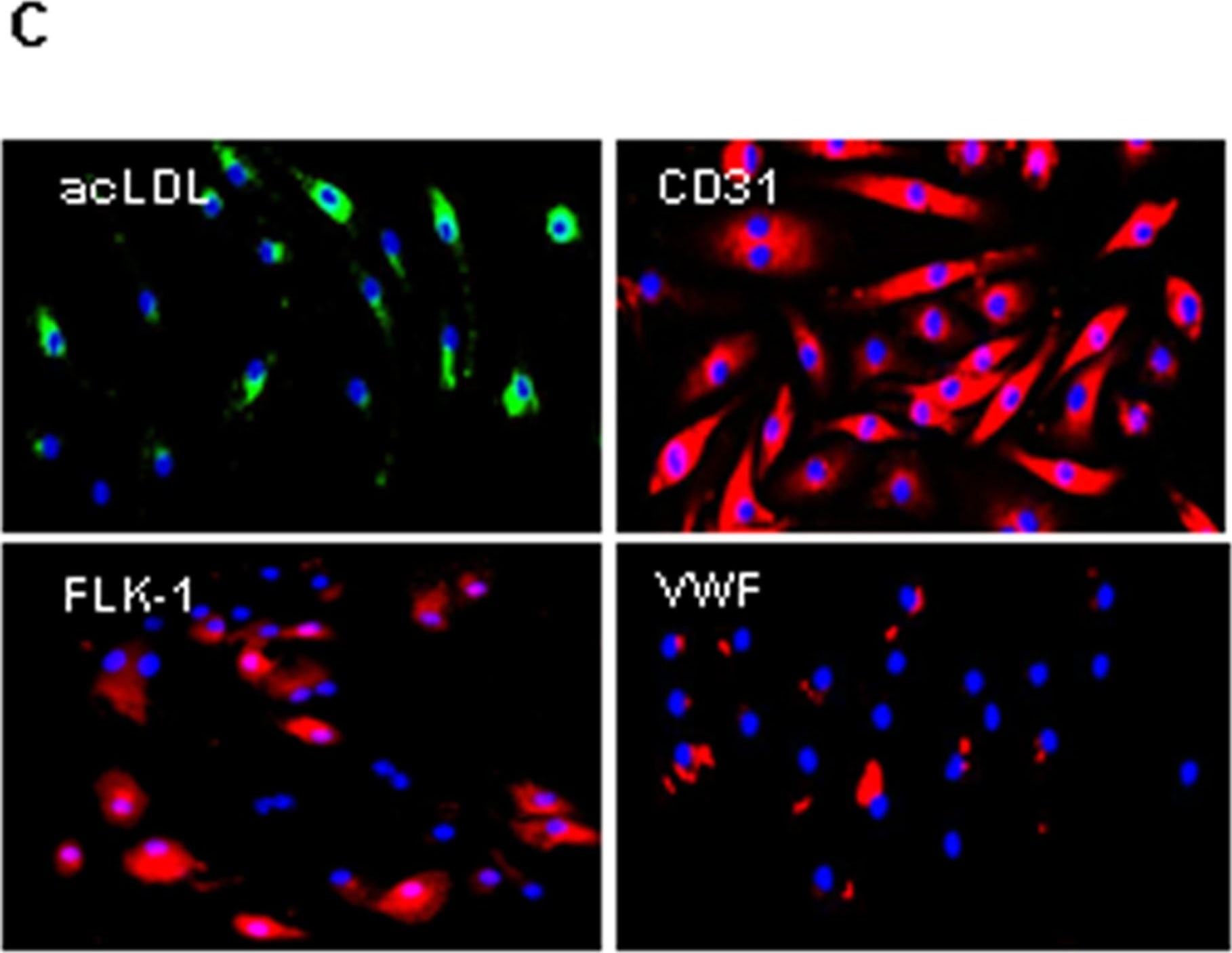
BM-PC express Notch pathway ligands/receptors and show increased expression of notch downstream targets during endothelial differentiation.A. Expression of Notch receptors and ligands in BM-PC was detected by RT-PCR. B. Expression of Notch downstream targets (Hes 1, Hey 1 and 2) was detected at different time points during BM-PC endothelial differentiation by quantitative real-time PCR. C. Representative images (×200) of BM-PC at day 20 of culture showing positivity for endothelial lineage specific markers, acetylated LDL, CD31, Flk-1 and vWF with DAPI nuclear counterstaining in blue. D. Quantification of BM-PC positive cells for acetylated LDL, CD31, Flk-1 and VWF after 20 days of culture. Each experiment was performed in triplicate and the mean presented (n = 3). Image collected and cropped by CiteAb from the following publication (https://dx.plos.org/10.1371/journal.pone.0003752), licensed under a CC-BY license. Not internally tested by R&D Systems.
Detection of Mouse VEGFR2/KDR/Flk-1 by Immunohistochemistry

Detection of Mouse VEGFR2/KDR/Flk-1 by Immunohistochemistry

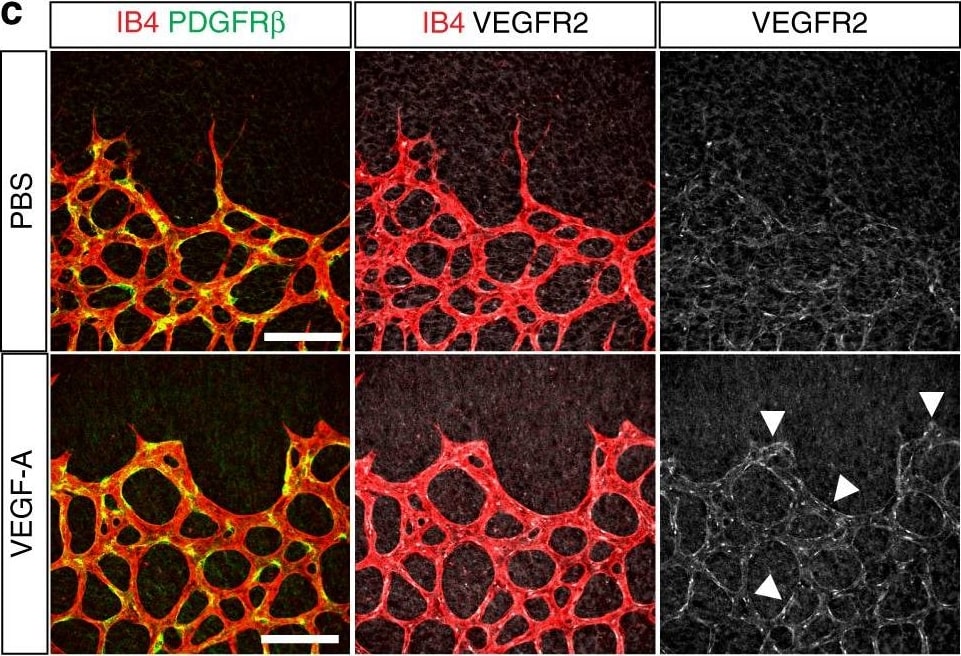
Vascular alterations after intraocular VEGF-A injection. a Morphology of IB4-stained P6 wild-type retinal vessels at 4 h after administration of human VEGF-A165 (0.5 µl at a concentration of 5 μg μl−1). Note blunt appearance of the vessel front after VEGF-A injection but not for vehicle (PBS) control. Scale bar, 200 µm. b Quantitation of sprouts and filopodia at the front of the P6 vessel plexus after injection of VEGF-A165 or vehicle control. Error bars, s.e.m. p-values, Student’s t-test. c PDGFR beta + (green) pericytes are unaffected by short-term VEGF-A administration, whereas VEGFR2 immunosignals (white) are increased in IB4+ (red) ECs (arrowheads). Images shown correspond to insets in a. Scale bar, 100 µm. d Quantitation of VEGFR2 immunosignals intensity in the peripheral plexus of P6 retinas after injection of VEGF-A165 or vehicle control. Error bars, s.e.m. p-values, Student’s t-test. e Confocal images showing increased Esm1 immunostaining (white) in IB4+ (red) ECs in the peripheral plexus (arrowheads) after VEGF-A injection in P6 pups. Scale bar, 200 µm. f VEGF-A165 injection-mediated increase of Esm1 immunosignals (normalized to IB4+ EC area) in the peripheral capillary plexus but not at the edge of the angiogenic front in comparison to PBS-injected controls at P6. Error bars, s.e.m. p-values, Student’s t-test. NS, not statistically significant. g Short-term VEGF-A165 administration leads to clustering of Erg1+ (green) and IB4+ (red) ECs, as indicated, in thick sprout-like structures of P6 retinas. Panels in the center and on the right (scale bar, 20 µm) show higher magnification of the insets on the left (scale bar, 100 µm). Dashed lines in panels on the right outline IB4+ vessels. h Quantitation of EC density in the leading front vessel and emerging sprouts of the P6 angiogenic front after injection of VEGF-A165 or vehicle control. Error bars, s.e.m. p-values, Student’s t-test Image collected and cropped by CiteAb from the following publication (https://pubmed.ncbi.nlm.nih.gov/29146905), licensed under a CC-BY license. Not internally tested by R&D Systems.
Detection of Mouse VEGFR2/KDR/Flk-1 by Immunocytochemistry/Immunofluorescence

Detection of Mouse VEGFR2/KDR/Flk-1 by Immunocytochemistry/Immunofluorescence

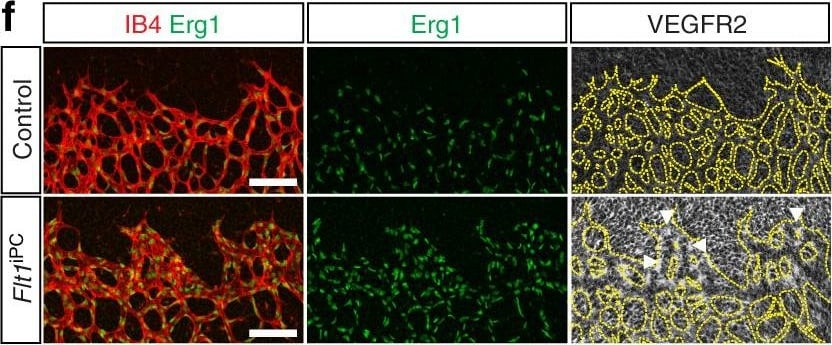
Inactivation of Flt1 in PDGFR beta + cells. a Experimental scheme of tamoxifen administration for the generation of Flt1iPC mutants. b P6 control, Flt1iPC/+ and Flt1iPC retinas stained with isolectin B4 (IB4). Dashed circles indicate vessel-covered (yellow) and peripheral avascular (white) areas in the overview pictures (top). Scale bar, 500 µm. c Quantitation of body weight and radial outgrowth of the retinal vasculature in control, Flt1iPC/+ and Flt1iPC P6 pups. Error bars, s.e.m. p-values, one-way ANOVA. NS, not statistically significant. d Confocal images of the IB4-stained P6 control, Flt1iPC/+ and Flt1iPC retinal angiogenic front illustrating differences in sprout number and morphology. Scale bar, 100 µm. e Quantitation of sprouts and filopodia in P6 control, Flt1iPC/+ and Flt1iPC retinas. Error bars, s.e.m. p-values, one-way ANOVA and Tukey’s multiple comparison test. NS, not statistically significant. f Confocal images of IB4 (red), Erg1 (green) and VEGFR2 (white) stained P6 retinas highlighting the accumulation of EC nuclei and enhanced VEGFR2 immunosignals (arrowheads) in Flt1iPC sprouts. Vessels are outlined by dashed lines on the right panel. Scale bar, 100 µm. g Quantitation of EC proliferation (EdU+ Erg1+) at the angiogenic front, EC density in sprouts and leading front vessel and VEGFR2 immunosignals intensity in the angiogenic front of control and Flt1iPC P6 retinas. Error bars, s.e.m. p-values, Student’s t-test. h Esm1 (white) expression (arrowheads) in the angiogenic front (IB4+, red, first two columns) and detection of desmin+ pericytes (green, third column) in P6 control and Flt1iPC retinas. Scale bar, 100 µm. i Quantitation of Esm1+ proportion relative to vascular area (IB4+) in the angiogenic front of control and Flt1iPC P6 retinas. Error bars, s.e.m. p-values, Student’s t-test. j Confocal images of P6 retinas stained for NG2 (green) and IB4 (red) showing no significant changes in pericyte coverage in the front (first two columns) or the remodeling plexus around veins (v) or arteries (a) (last two columns). Scale bar, 100 µm. k, l Quantitation of pericyte coverage k and relative gene expression by qPCR on whole lysates l in control and Flt1iPC P6 retinas. Error bars, s.e.m. p-values, Student’s t-test. NS, not statistically significant Image collected and cropped by CiteAb from the following publication (https://pubmed.ncbi.nlm.nih.gov/29146905), licensed under a CC-BY license. Not internally tested by R&D Systems.

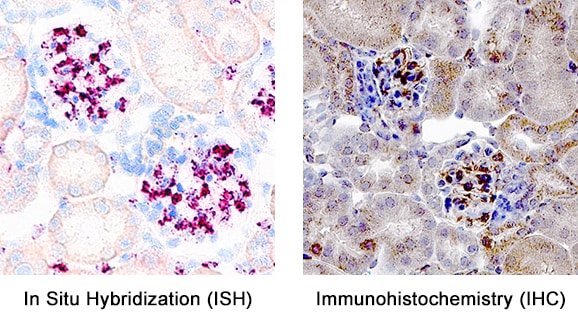
Detection of VEGFR2/KDR/Flk-1 in Mouse Kidney.

Formalin-fixed paraffin-embedded tissue sections of mouse kidney were probed for VEGFR2 mRNA (ACD RNAScope Probe, catalog #414818, Fast Red chromogen, ACD catalog # 322750). Adjacent tissue section was processed for immunohistochemistry using goat anti-mouse VEGFR2 polyclonal antibody (R&D Systems catalog # AF644) at 1.7ug/mL with 1 hour incubation at room temperature followed by incubation with anti-goat IgG VisUCyte HRP Polymer Antibody (Catalog # VC004) and DAB chromogen (yellow-brown). Tissue was counterstained with hematoxylin (blue). Specific staining was localized to glomeruli and fibroblasts.

Detection of Mouse Mouse VEGFR2/KDR/Flk-1 Antibody by Immunocytochemistry/ Immunofluorescence

Detection of Mouse Mouse VEGFR2/KDR/Flk-1 Antibody by Immunocytochemistry/ Immunofluorescence

BM-PC express Notch pathway ligands/receptors and show increased expression of notch downstream targets during endothelial differentiation.A. Expression of Notch receptors and ligands in BM-PC was detected by RT-PCR. B. Expression of Notch downstream targets (Hes 1, Hey 1 and 2) was detected at different time points during BM-PC endothelial differentiation by quantitative real-time PCR. C. Representative images (×200) of BM-PC at day 20 of culture showing positivity for endothelial lineage specific markers, acetylated LDL, CD31, Flk-1 and vWF with DAPI nuclear counterstaining in blue. D. Quantification of BM-PC positive cells for acetylated LDL, CD31, Flk-1 and VWF after 20 days of culture. Each experiment was performed in triplicate and the mean presented (n = 3). Image collected and cropped by CiteAb from the following publication (https://pubmed.ncbi.nlm.nih.gov/19015735), licensed under a CC-BY license. Not internally tested by R&D Systems.
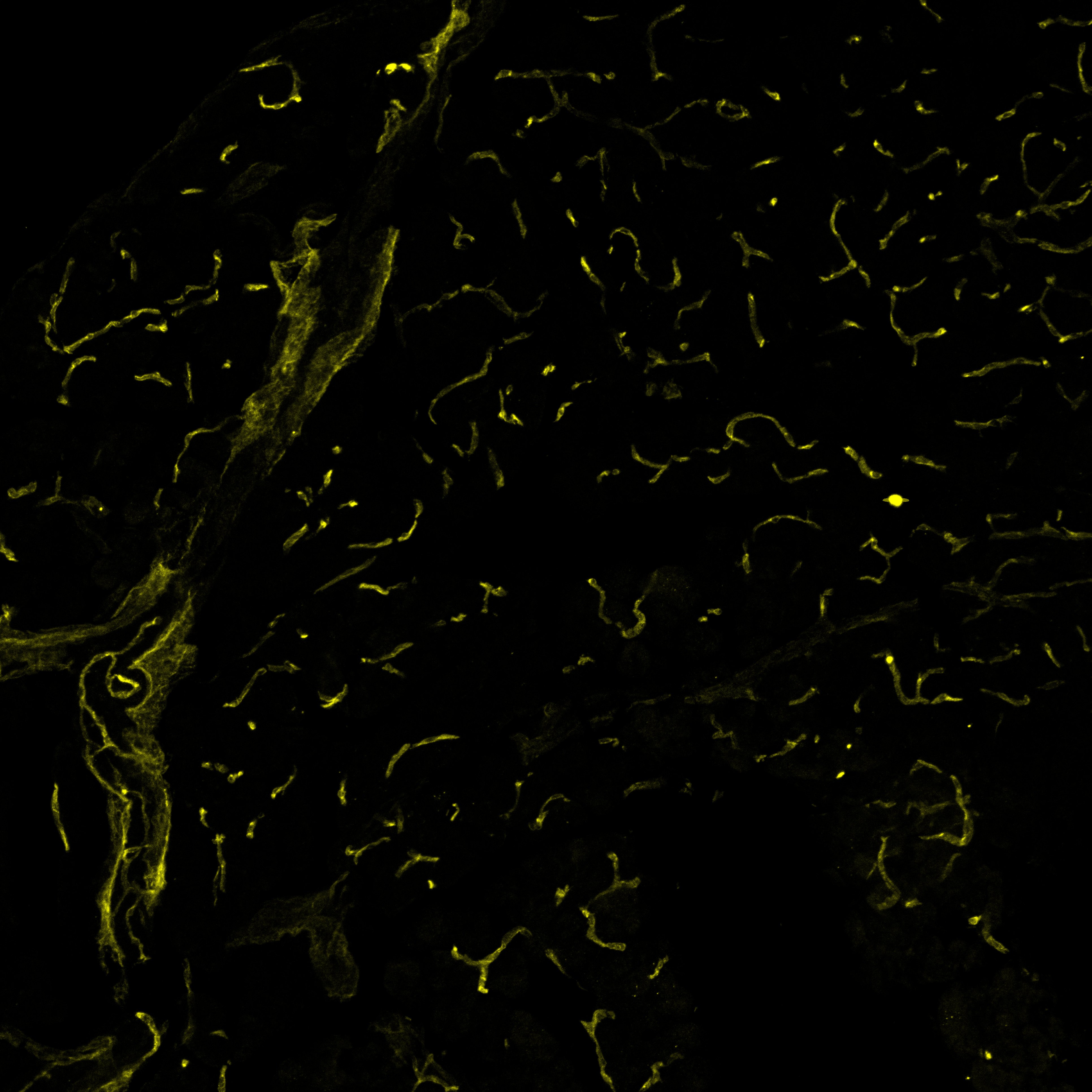
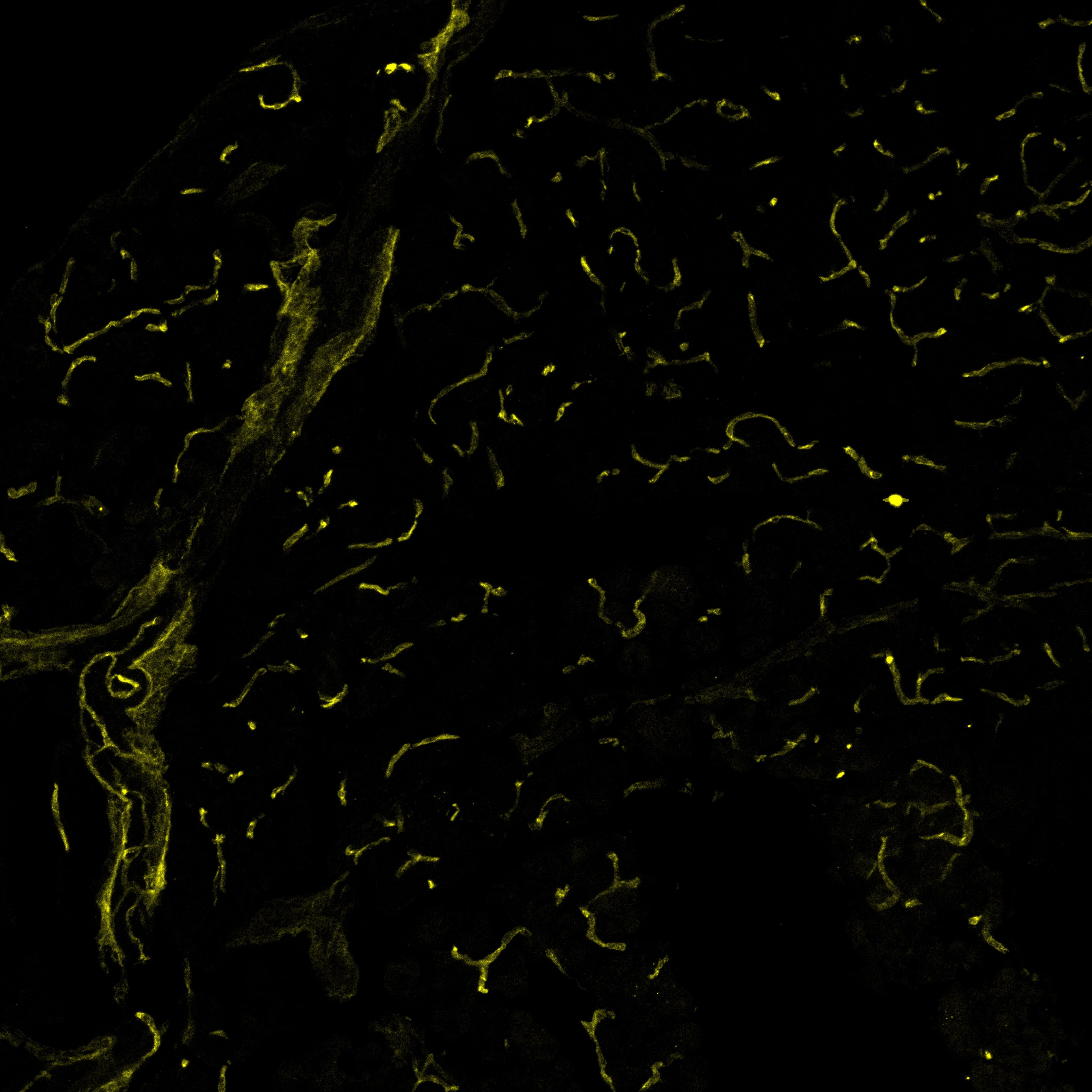
VEGFR2/KDR/Flk‑1 in Mouse Pancreas.

VEGFR2/KDR/Flk‑1 in Mouse Pancreas.

Mouse pancreas cryosections stained with VEGFR2 (yellow), labelling blood vessels. Image from a verified customer review.

Applications for Mouse VEGFR2/KDR/Flk-1 Antibody

Application
Recommended Usage

CyTOF-ready

Ready to be labeled using established conjugation methods. No BSA or other carrier proteins that could interfere with conjugation.

Dual RNAscope ISH-IHC Compatible

5-15 µg/mL
Sample: Immersion fixed paraffin-embedded sections of mouse kidney

Flow Cytometry

2.5 µg/106 cells
Sample: bEnd.3 mouse endothelioma cell line

Immunohistochemistry

5-15 µg/mL
Sample: Immersion fixed frozen sections of mouse embryo (14 d.p.c.) and acetone fixed cryosections of mouse normal kidney tissue

Western Blot

0.1 µg/mL
Sample: Recombinant Mouse VEGFR2/KDR/Flk‑1 Fc Chimera (Catalog # 443-KD)

Neutralization

Measured by its ability to neutralize VEGFR2/KDR/Flk‑1-mediated inhibition of proliferation in HUVEC human umbilical vein endothelial cells. The Neutralization Dose (ND50) is typically 0.1-0.3 µg/mL in the presence of 50 ng/mL Recombinant Mouse VEGFR2/KDR/Flk‑1 Fc Chimera and 5 ng/mL Recombinant Mouse VEGF164.

Reviewed Applications

Read 6 reviews rated 4.5 using AF644 in the following applications:

Flow Cytometry Panel Builder

Bio-Techne Knows Flow Cytometry

Save time and reduce costly mistakes by quickly finding compatible reagents using the Panel Builder Tool.

Advanced Features

  • Spectra Viewer - Custom analysis of spectra from multiple fluorochromes
  • Spillover Popups - Visualize the spectra of individual fluorochromes
  • Antigen Density Selector - Match fluorochrome brightness with antigen density
Build Your Panel Now

Formulation, Preparation, and Storage

Purification

Antigen Affinity-purified

Reconstitution

Reconstitute at 0.2 mg/mL in sterile PBS. For liquid material, refer to CoA for concentration.


Loading...

Formulation

Lyophilized from a 0.2 μm filtered solution in PBS with Trehalose. See Certificate of Analysis for details.
*Small pack size (-SP) is supplied either lyophilized or as a 0.2 µm filtered solution in PBS.

Shipping

Lyophilized product is shipped at ambient temperature. Liquid small pack size (-SP) is shipped with polar packs. Upon receipt, store immediately at the temperature recommended below.

Stability & Storage

Use a manual defrost freezer and avoid repeated freeze-thaw cycles.
  • 12 months from date of receipt, -20 to -70 °C as supplied.
  • 1 month, 2 to 8 °C under sterile conditions after reconstitution.
  • 6 months, -20 to -70 °C under sterile conditions after reconstitution.

Calculators

The reconstitution calculator allows you to quickly calculate the volume of a reagent to reconstitute your vial. Simply enter the mass of reagent and the target concentration and the calculator will determine the rest.

=
÷

Background: VEGFR2/KDR/Flk-1

VEGFR2 (KDR/Flk-1), VEGFR1 (Flt-1), and VEGFR3 (Flt-4) belong to the class III subfamily of receptor tyrosine kinases (RTKs). All three receptors contain seven immunoglobulin-like repeats in their extracellular domains and kinase insert domains in their intracellular regions. The expression of VEGFR1, 2, and 3 is almost exclusively restricted to the endothelial cells. These receptors are likely to play essential roles in vasculogenesis and angiogenesis.

Mouse VEGFR2 cDNA encodes a 1367 amino acid (aa) residue precursor protein with a 19 aa residue signal peptide. Mature VEGFR2 is composed of a 743 aa residue extracellular domain, a 22 aa residue transmembrane domain and a 583 aa residue cytoplasmic domain. In contrast to VEGFR1 which binds both PlGF and VEGF with high affinity, VEGFR2 binds VEGF but not PlGF with high affinity. The recombinant soluble VEGFR2/Fc chimera binds VEGF with high affinity and is a potent VEGF antagonist.

References

  1. Ferra, N. and R. Davis-Smyth (1997) Endocrine Reviews 18:4.
  2. Achen, M.G. et al. (1998) Proc. Natl. Acad. Sci. USA 95:548.

Long Name

Vascular Endothelial Growth Factor Receptor 2

Alternate Names

CD309, Flk-1, Flk1, KDR, KRD1, Ly73, VEGF R2

Entrez Gene IDs

3791 (Human); 16542 (Mouse)

Gene Symbol

KDR

UniProt

Additional VEGFR2/KDR/Flk-1 Products

Product Documents for Mouse VEGFR2/KDR/Flk-1 Antibody

Certificate of Analysis

To download a Certificate of Analysis, please enter a lot or batch number in the search box below.

Note: Certificate of Analysis not available for kit components.

Product Specific Notices for Mouse VEGFR2/KDR/Flk-1 Antibody

For research use only

Citations for Mouse VEGFR2/KDR/Flk-1 Antibody

Customer Reviews for Mouse VEGFR2/KDR/Flk-1 Antibody (6)

4.5 out of 5
6 Customer Ratings
5 Stars
50%
4 Stars
50%
3 Stars
0%
2 Stars
0%
1 Stars
0%

Have you used Mouse VEGFR2/KDR/Flk-1 Antibody?

Submit a review and receive an Amazon gift card!

$25/€18/£15/$25CAN/¥2500 Yen for a review with an image

$10/€7/£6/$10CAN/¥1110 Yen for a review without an image

Submit a review
Amazon Gift Card

Customer Images


Showing  1 - 5 of 6 reviews Showing All
Filter By:
  • Mouse VEGFR2/KDR/Flk-1 Antibody
    Name: Anonymous
    Application: Immunocytochemistry/Immunofluorescence
    Sample Tested: Adult pancreas
    Species: Mouse
    Verified Customer | Posted 10/14/2025
    Mouse pancreas cryosections stained with VEGFR2 (yellow), labelling blood vessels.
    Mouse VEGFR2/KDR/Flk-1 Antibody AF644
  • Mouse VEGFR2/KDR/Flk-1 Antibody
    Name: Anonymous
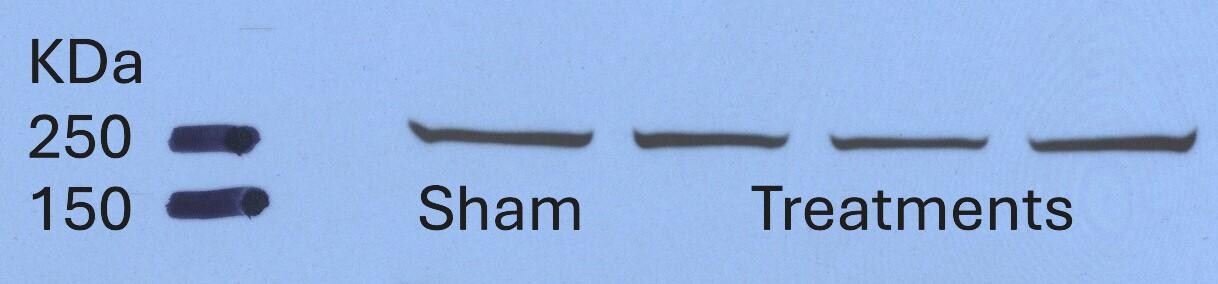
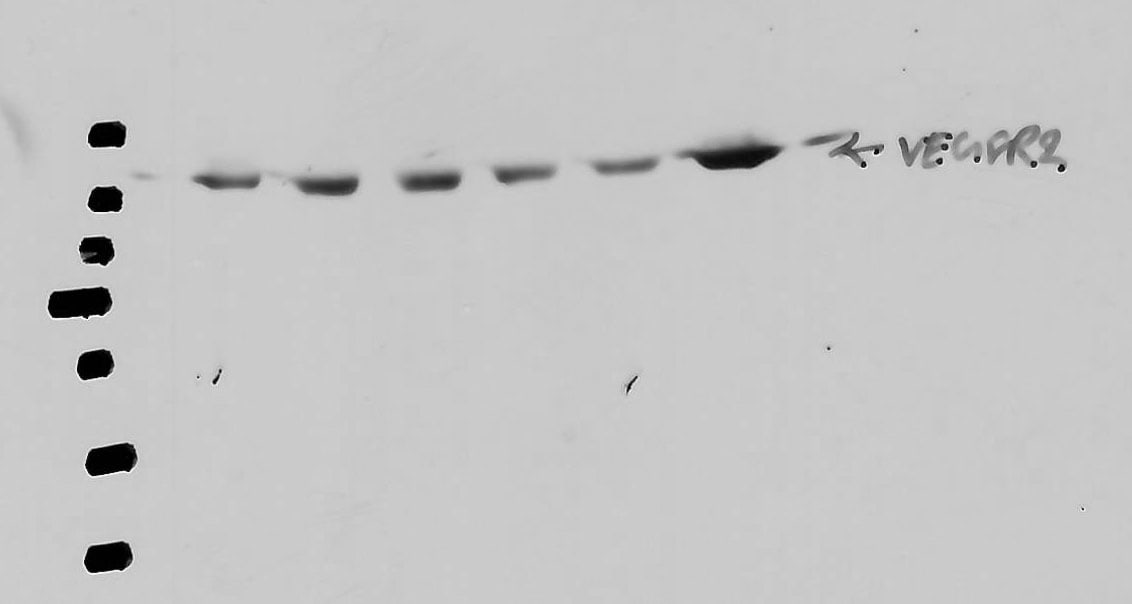
    Application: Western Blot
    Sample Tested: SVEC4-10 mouse vascular endothelial cell line
    Species: Mouse
    Verified Customer | Posted 11/13/2024
    Mouse VEGFR2/KDR/Flk-1 Antibody AF644
  • Mouse VEGFR2/KDR/Flk-1 Antibody
    Name: Anonymous
    Application: Western Blot
    Sample Tested: Retina (outer nuclear layer)
    Species: Mouse
    Verified Customer | Posted 06/09/2021
    Mouse VEGFR2/KDR/Flk-1 Antibody AF644
  • Mouse VEGFR2/KDR/Flk-1 Antibody
    Name: Bhavin Shah
    Application: Immunofluorescence -Frozen tissue sections
    Sample Tested: Brain and Embryonic brain
    Species: Mouse
    Verified Customer | Posted 04/28/2020
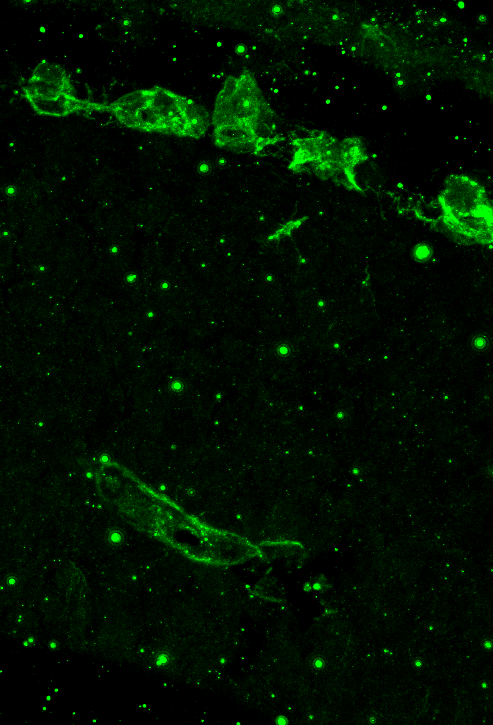
    VEGFR2 stained embryonic brain cortex at E13.5. Specific signal at the membrane can be seen. A
    The cryo frozen samples were blocked with 10% NDS + 0.5% triton-x100 in PBS for 2 hours before using Primary antibody ( in the same blocking buffer) at 4 degrees overnight. Secondary AF488 was used for 2h at RT
    Mouse VEGFR2/KDR/Flk-1 Antibody AF644
  • Name: Anonymous
    Application: Immunohistochemistry-Frozen
    Sample Tested: See PMID 23746980
    Species: Mouse
    Verified Customer | Posted 01/09/2015
  • Name: Anonymous
    Application: Immunofluorescence
    Sample Tested: See PMID 23746980
    Species: Mouse
    Verified Customer | Posted 01/09/2015

There are no reviews that match your criteria.

Showing  1 - 5 of 6 reviews Showing All

Protocols

Find general support by application which include: protocols, troubleshooting, illustrated assays, videos and webinars.

FAQs

No product specific FAQs exist for this product.

View all FAQs for Antibodies