
Calcium Channels
Calcium is a vital signaling molecule that mediates muscle contraction, neurotransmission, gene expression and more. There are two main types of calcium channels; voltage-gated calcium channels, which open in response to changes in membrane potential and ligand-gated calcium channels, such as IP3 receptors, store operated calcium channels and ryanodine receptors, which are activated by ligand binding.
Calcium Channel Targets
IP3 Receptors (IP3 Receptors) | STIM-Orai Channels (STIM-Orai Channels) |
Ryanodine Receptors (Ryanodine Receptors) | Voltage-gated Calcium Channels (CaV) |
Related Targets
Calcium Signaling | Other Calcium Channel Small Molecules |
Ion Pumps/Transporters |
Multiple diseases are caused by disruption of normal calcium channel function. Inherited calcium channelopathies include nervous system disorders, such as X-linked night blindness and hemiplegic migraine, muscloskeletal disorders, such as hypokalemic periodic paralysis and malignant hyperthermia, and cardiovascular disorders, including ventricular cardiomyopathy and familial polymorphic ventricular tachycardia.
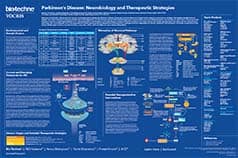
Parkinson's Disease Poster
Parkinson's disease (PD) causes chronic disability and is the second most common neurodegenerative condition. This poster outlines the neurobiology of the disease, as well as highlighting current therapeutic treatments for symptomatic PD, and emerging therapeutic strategies to delay PD onset and progression.