
VEGFR1 (Flt-1), VEGFR2 (KDR/Flk-1), and VEGFR3 (Flt-4) belong to the class III subfamily of receptor tyrosine kinases (RTKs). All three receptors contain seven immunoglobulin-like repeats in their extracellular domain and kinase insert domains in their intracellular region. They are best known for regulating VEGF family-mediated vasculogenesis, angiogenesis, and lymphangiogenesis. They are also mediators of neurotrophic activity and regulators of hematopoietic development. VEGFR2 is thought to be the primary inducer of VEGF-mediated blood vessel growth, while VEGFR3 plays a significant role in VEGF-C and VEGF-D-mediated lymphangiogenesis.
Human Phospho-VEGFR3/Flt-4 DuoSet IC ELISA
R&D Systems | Catalog # DYC2724-2

Loading...
Key Product Details
Assay Type
Solid Phase Sandwich ELISA
Sample Type
Cell Lysates
Reactivity
Human
Human Phospho-VEGFR3/Flt-4 DuoSet IC ELISA Features
- Optimized capture and detection antibody pairings and recommended concentrations save lengthy development time
- Development protocols are provided to guide further assay optimization
- Assay can be customized to your specific needs
- Available in 2, 5, and 15-(96-well) plate pack sizes
- Economical alternative to Western blot
Loading...
Product Summary for Human Phospho-VEGFR3/Flt-4 DuoSet IC ELISA
This DuoSet IC ELISA contains the basic components required for the development of sandwich ELISAs to measure tyrosine-phosphorylated human VEGF R3 / Flt-4 in cell lysates. An immobilized capture antibody specific for VEGF R3 / Flt-4 binds both phosphorylated and unphosphorylated VEGF R3 / Flt-4. After washing away unbound material, a biotinylated detection antibody is used to detect only phosphorylated receptor, utilizing a standard HRP format.
Product Specifications
Assay Format
96-well strip plate (sold separately)
Sample Volume Required
Cell lysates (100 µL)
Detection Method
Colorimetric ELISA - 450nm (TMB)
Conjugate
Biotin
Specificity
Label
HRP
Scientific Data Images for Human Phospho-VEGFR3/Flt-4 DuoSet IC ELISA
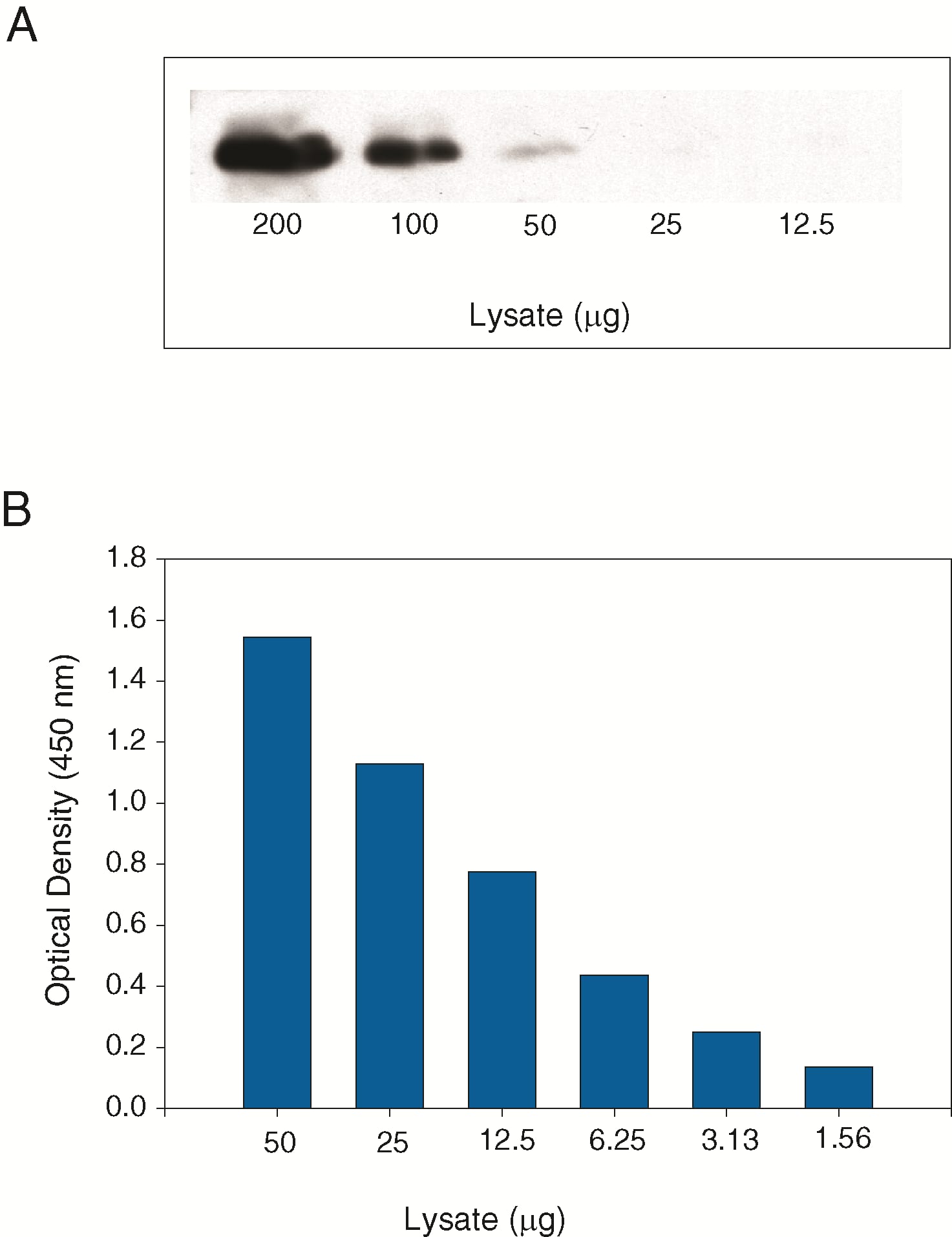
Figure 1. The Human Phospho-VEGF R3 DuoSet IC ELISA is more sensitive than immunoprecipitation (IP)-Western analysis
Lysates prepared from human VEGF R3 transfected NS0 cells (NS0-hVEGF R3) were diluted in a series and analyzed by (A) IP-Western blot and (B) this DuoSet IC ELISA. IPs were done using an anti-VEGF R3 monoclonal antibody and goat anti-mouse agarose. Immunoblots were incubated with a biotinylated anti-phosphotyrosine monoclonal antibody (Catalog # BAM1676) to detect phospho-VEGF R3. Bands were visualized with Streptavidin-HRP (Cat # DY998) followed by chemiluminescent detection using WesternGloTM Chemiluminescent Detection Substrate (Catalog # AR004). Human Phospho-VEGF R3 can be detected in this DuoSet IC ELISA by using approximately 10 to 15 times less lysate than is needed for a conventional IP-Western blot.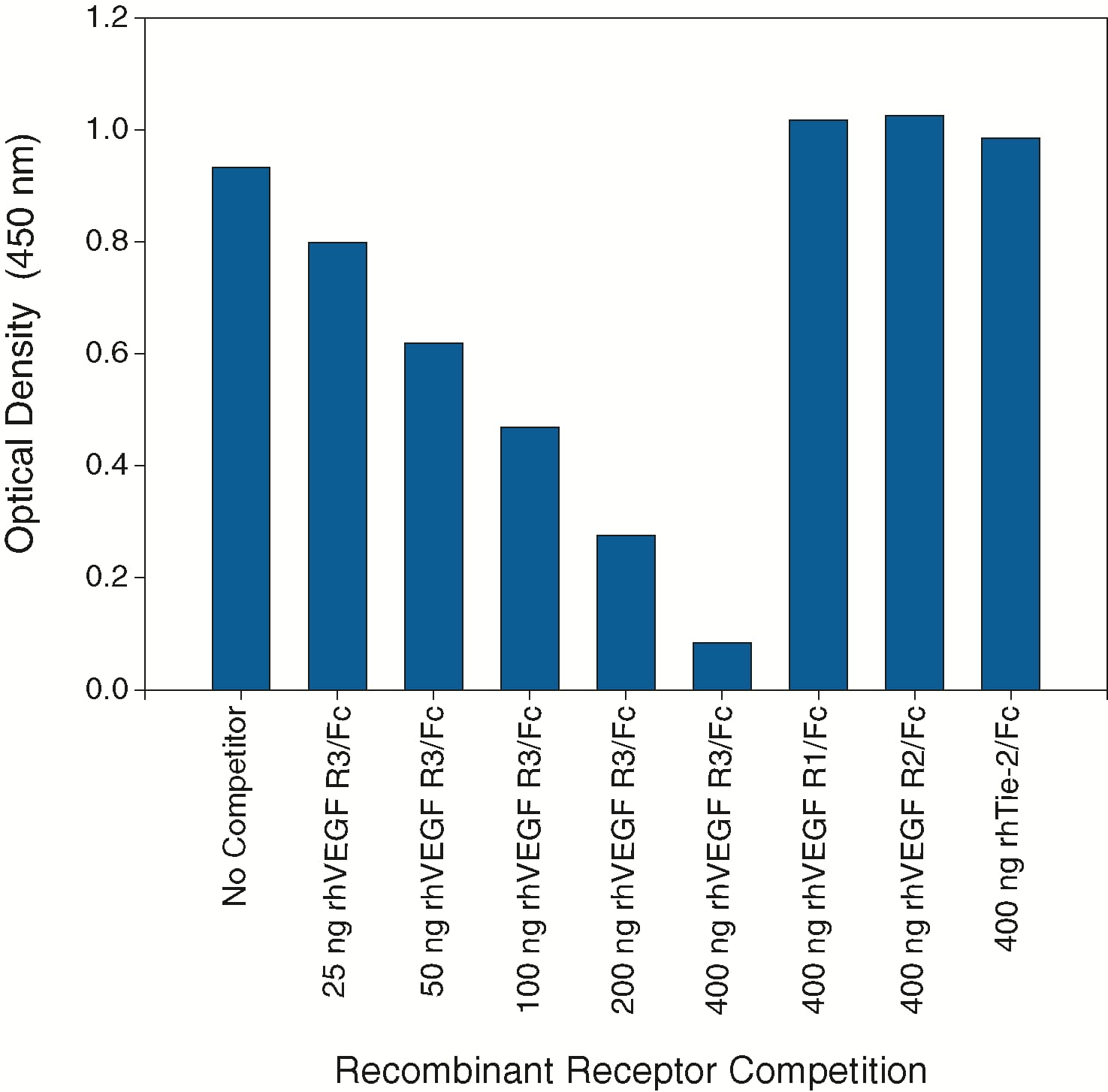
Figure 2. The specificity of the Human Phospho-VEGF R3 DuoSet IC ELISA is confirmed by receptor competition
The indicated amounts of recombinant extracellular domains of human VEGF R3 (Catalog #349-F4), human VEGF R1 (Catalog #321-FL), human VEGF R2 (Catalog #357-KD) or human Tie-2 (Catalog #313-TI) were added to 20 μg NS0-hVEGF R3 cell lysate and analyzed using this DuoSet IC ELISA. Competition was observed only with recombinant human VEGF R3.Kit Contents for Human Phospho-VEGFR3/Flt-4 DuoSet IC ELISA
- Capture Antibody
- Conjugated Detection Antibody
- Calibrated Immunoassay Standard or Control
Other Reagents Required
PBS: (Catalog # DY006), or 137 mM NaCl, 2.7 mM KCl, 8.1 mM Na2HPO4, 1.5 mM KH2O4, pH 7.2 - 7.4, 0.2 µm filtered
Wash Buffer: (Catalog # WA126), or equivalent
Lysis Buffer*
IC Diluent*
Blocking Buffer*
Substrate Solution: 1:1 mixture of Color Reagent A (H2O2) and Color Reagent B (Tetramethylbenzidine) (Catalog # DY999)
Stop Solution: 2 N H2SO4 (Catalog # DY994)
Microplates: R&D Systems (Catalog # DY990), or equivalent
Plate Sealers: ELISA Plate Sealers (Catalog # DY992), or equivalent
*For the Lysis Buffer, IC Diluent, and Blocking BUffer recommended for a specific DuoSet ELISA Development Kit, please see the product
Preparation and Storage
Shipping
The product is shipped with polar packs. Upon receipt, store it immediately at the temperature recommended below.
Stability & Storage
Store the unopened product at 2 - 8 °C. Do not use past expiration date.
Background: VEGFR3/Flt-4
Long Name
Vascular Endothelial Growth Factor Receptor 3
Alternate Names
Flt-4, FLT4, VEGF R3
Gene Symbol
FLT4
Additional VEGFR3/Flt-4 Products
Product Documents for Human Phospho-VEGFR3/Flt-4 DuoSet IC ELISA
Certificate of Analysis
To download a Certificate of Analysis, please enter a lot or batch number in the search box below.
Note: Certificate of Analysis not available for kit components.
Product Specific Notices for Human Phospho-VEGFR3/Flt-4 DuoSet IC ELISA
For research use only
Citations for Human Phospho-VEGFR3/Flt-4 DuoSet IC ELISA
 Powered by Bioz
Customer Reviews for Human Phospho-VEGFR3/Flt-4 DuoSet IC ELISA (2)
5 out of 5
2 Customer Ratings
Have you used Human Phospho-VEGFR3/Flt-4 DuoSet IC ELISA?
Submit a review and receive an Amazon gift card!
$25/€18/£15/$25CAN/¥2500 for a review with an image
$10/€7/£6/$10CAN/¥1110 for a review without an image
Submit a review
Customer Images
Showing
1
-
2 of
2 reviews
Showing All
Filter By:
-
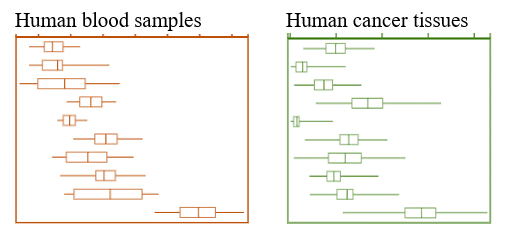
Sample Tested: Breast cancer tissue and Serum and PlasmaVerified Customer | Posted 10/29/2023Whether it's tissue specimens, blood samples, or supernatant, we can clearly see the differences and obtain reliable test results.

-
Sample Tested: 7TD1 mouse hybridoma cell lineVerified Customer | Posted 10/17/2019
There are no reviews that match your criteria.
Protocols
Find general support by application which include: protocols, troubleshooting, illustrated assays, videos and webinars.
- ELISA Sample Preparation & Collection Guide
- ELISA Troubleshooting Guide
- How to Run an R&D Systems DuoSet ELISA
- How to Run an R&D Systems Quantikine ELISA
- How to Run an R&D Systems Quantikine™ QuicKit™ ELISA
- Quantikine HS ELISA Kit Assay Principle, Alkaline Phosphatase
- Quantikine HS ELISA Kit Principle, Streptavidin-HRP Polymer
- Sandwich ELISA (Colorimetric) – Biotin/Streptavidin Detection Protocol
- Sandwich ELISA (Colorimetric) – Direct Detection Protocol
- Troubleshooting Guide: ELISA
- View all Protocols, Troubleshooting, Illustrated assays and Webinars
FAQs for Human Phospho-VEGFR3/Flt-4 DuoSet IC ELISA
Showing
1
-
1 of
1 FAQ
Showing All
-
Q: Which phosphorylated sites are recognized by this assay?
A: This assay utilizes an anti-phosphorylated tyrosine monoclonal detection antibody, and it recognizes all phosphorylated tyrosine residues.
Loading...
Associated Pathways


