
TNF-alpha Antibody (J2D10) - Azide and BSA Free
Novus Biologicals | Catalog # NBP2-47677

![TNF-alpha Antibody (J2D10) - Azide and BSA Free Western Blot: TNF-alpha Antibody (J2D10) - Azide and BSA Free [NBP2-47677] -](https://resources.rndsystems.com/images/products/nbp2-47677_mouse-monoclonal-tnf-alpha-antibody-j2d10-azide-and-bsa-free-24120258193526.jpg "Western Blot: TNF-alpha Antibody (J2D10) - Azide and BSA Free [NBP2-47677] -")
Scientific images may be resized, cropped, or adjusted for brightness or contrast for presentation purposes. These updates are limited to presentation and do not affect the underlying scientific interpretation of the data. Where available, additional source data may be provided upon request.
Key Product Details
Species Reactivity
Human, Rat, Mouse (Negative)
Applications
Western Blot, Flow Cytometry, Immunofluorescence, Immunocytochemistry/ Immunofluorescence, CyTOF-ready
Label
Unconjugated
Antibody Source
Monoclonal Mouse IgG1 kappa Clone # J2D10
Format
Azide and BSA Free
Loading...
Product Specifications
Immunogen
Recombinant human TNF-alpha (Uniprot: P01375)
Reactivity Notes
Does not react with Mouse.
Localization
Cytoplasmic and extracellular (secreted)
Specificity
This antibody neutralizes Hu rTNFa mediated cytotoxicity of L929 cells and inhibits tumor growth in mice. It protects mice against toxicity of HurTNFa. Tumor Necrosis Factor Alpha (TNF-alpha) is a protein secreted by lipopolysaccharide-stimulated macrophages, and causes tumor necrosis when injected into tumor bearing mice. TNF-alpha is believed to mediate pathogenic shock and tissue injury associated with endotoxemia. TNF-alpha exists as a multimer of two, three, or five non-covalently linked units, but shows a single 17kDa band following SDS PAGE under non-reducing conditions. TNF-alpha is closely related to the 25kDa protein Tumor Necrosis Factor beta (lymphotoxin), sharing the same receptors and cellular actions. TNF-alpha causes cytolysis of certain transformed cells, being synergistic with interferon gamma in its cytotoxicity. Although it has little effect on many cultured normal human cells, TNF-alpha appears to be directly toxic to vascular endothelial cells. Other actions of TNF-alpha include stimulating growth of human fibroblasts and other cell lines, activating polymorphonuclear neutrophils and osteoclasts, and induction of interleukin 1, prostaglandin E2 and collagenase production.
Clonality
Monoclonal
Host
Mouse
Isotype
IgG1 kappa
Theoretical MW
17 kDa.
Disclaimer note: The observed molecular weight of the protein may vary from the listed predicted molecular weight due to post translational modifications, post translation cleavages, relative charges, and other experimental factors.
Disclaimer note: The observed molecular weight of the protein may vary from the listed predicted molecular weight due to post translational modifications, post translation cleavages, relative charges, and other experimental factors.
Description
1.0 mg/ml of antibody purified by Protein L. Prepared in 10mM PBS WITHOUT BSA.
Antibody without azide - store at -20 to -80C.
Antibody without azide - store at -20 to -80C.
Scientific Data Images for TNF-alpha Antibody (J2D10) - Azide and BSA Free
Western Blot: TNF-alpha Antibody (J2D10) - Azide and BSA Free [NBP2-47677] -
Western Blot: TNF-alpha Antibody (J2D10) - Azide and BSA Free [NBP2-47677] - Analysis of pro-inflammatory signalling in left ventricle lysates. A-F, quantification and G, representative immunoblots and total protein staining of procsp1, csp1, proIL-1 beta, IL-1 beta and TNF in sham-operated group (Sham), non-infarcted (HFni) and infarcted (HFi) tissue of failing hearts. Data are presented as mean ± SEM; n = 6-9 per group; *P < 0.05 vs Sham; #P < 0.05 vs HFni![TNF-alpha Antibody (J2D10) - Azide and BSA Free Western Blot: TNF-alpha Antibody (J2D10) - Azide and BSA Free [NBP2-47677] -](https://resources.rndsystems.com/images/products/nbp2-47677_mouse-monoclonal-tnf-alpha-antibody-j2d10-azide-and-bsa-free-2412025819352.jpg "Western Blot: TNF-alpha Antibody (J2D10) - Azide and BSA Free [NBP2-47677] -")
Western Blot: TNF-alpha Antibody (J2D10) - Azide and BSA Free [NBP2-47677] -
Western Blot: TNF-alpha Antibody (J2D10) - Azide and BSA Free [NBP2-47677] - Analysis of pro-inflammatory signalling in left ventricle lysates. Representative immunoblots and total protein staining of procsp1, csp1, proIL-1beta, IL-1beta and TNF-alpha in sham-operated group (Sham), non-infarcted (HFni) and infarcted (HFi) tissue of failing hearts. Data are presented as mean +/- SEM; n = 6-9 per group; *P < 0.05 vs Sham; #P < 0.05 vs HFni Image collected and cropped by CiteAb from the following publication (https://onlinelibrary.wiley.com/doi/abs/10.1111/jcmm.14536), licensed under a CC-BY license.Applications for TNF-alpha Antibody (J2D10) - Azide and BSA Free
Application
Recommended Usage
Flow Cytometry
0.5 - 1 ug/million cells in 0.1 ml
Immunocytochemistry/ Immunofluorescence
1-2 ug/ml
Immunofluorescence
1 - 2 ug/ml
Application Notes
Inhibits Tumor Growth: Order Ab without BSA/Azide.
Neutralizes TNF-alpha- Mediated Cytotoxicity: Order Ab without BSA/Azide.
Protects Mice Against Toxicity of TNF-alpha. Order Ab without BSA/Azide.
Optimal dilution for a specific application should be determined.
Neutralizes TNF-alpha- Mediated Cytotoxicity: Order Ab without BSA/Azide.
Protects Mice Against Toxicity of TNF-alpha. Order Ab without BSA/Azide.
Optimal dilution for a specific application should be determined.
Flow Cytometry Panel Builder
Bio-Techne Knows Flow Cytometry
Save time and reduce costly mistakes by quickly finding compatible reagents using the Panel Builder Tool.
Advanced Features
- Spectra Viewer - Custom analysis of spectra from multiple fluorochromes
- Spillover Popups - Visualize the spectra of individual fluorochromes
- Antigen Density Selector - Match fluorochrome brightness with antigen density

Formulation, Preparation, and Storage
Purification
Protein L purified
Formulation
10 mM PBS
Format
Azide and BSA Free
Preservative
No Preservative
Concentration
1.0 mg/ml
Shipping
The product is shipped with polar packs. Upon receipt, store it immediately at the temperature recommended below.
Stability & Storage
Store at -20 to -80C. Avoid freeze-thaw cycles.
Background: TNF-alpha
TNF-alpha is critical for normal immune response; however, dysregulation of TNF-alpha production can result in various pathologies (2,4,5). Excessive production of pro-inflammatory cytokines including interleukin 1 (IL-1), IL-6, and TNF-alpha has been implicated in an array of autoimmune diseases like rheumatoid arthritis (RA), inflammatory bowel disease (IBD), and psoriasis (2,4,5). Anti-TNF monoclonal antibodies, including Infliximab, and soluble TNFR have been approved for the treatment of autoimmune and TNF-mediated diseases (5). Additionally, data suggests that TNF inhibitors can be beneficial for treating patients experiencing immune-related adverse events associated with immune checkpoint inhibitor cancer treatment (6).
References
1. Holbrook J, Lara-Reyna S, Jarosz-Griffiths H, McDermott M. Tumour necrosis factor signalling in health and disease. F1000Res. 2019;8:F1000 Faculty Rev-111. https://doi.org/10.12688/f1000research.17023.1
2. Jang DI, Lee AH, Shin HY, et al. The Role of Tumor Necrosis Factor Alpha (TNF-alpha) in Autoimmune Disease and Current TNF-alpha Inhibitors in Therapeutics. Int J Mol Sci. 2021;22(5):2719. https://doi.org/10.3390/ijms22052719
3. Horiuchi T, Mitoma H, Harashima S, Tsukamoto H, Shimoda T. Transmembrane TNF-alpha: structure, function and interaction with anti-TNF agents. Rheumatology (Oxford). 2010;49(7):1215-1228. https://doi.org/10.1093/rheumatology/keq031
4. Webster JD, Vucic D. The Balance of TNF Mediated Pathways Regulates Inflammatory Cell Death Signaling in Healthy and Diseased Tissues. Front Cell Dev Biol. 2020;8:365. https://doi.org/10.3389/fcell.2020.00365
5. Kalliolias GD, Ivashkiv LB. TNF biology, pathogenic mechanisms and emerging therapeutic strategies. Nat Rev Rheumatol. 2016; 12(1):49-62. https://doi.org/10.1038/nrrheum.2015.169
6. Chen AY, Wolchok JD, Bass AR. TNF in the era of immune checkpoint inhibitors: friend or foe?. Nat Rev Rheumatol. 2021;17(4):213-223. doi:10.1038/s41584-021-00584-4
Long Name
Tumor Necrosis Factor alpha
Alternate Names
Cachetin, DIF, TNF, TNF-A, TNFA, TNFalpha, TNFG1F, TNFSF1A, TNFSF2
Gene Symbol
TNF
Additional TNF-alpha Products
Product Documents for TNF-alpha Antibody (J2D10) - Azide and BSA Free
Certificate of Analysis
To download a Certificate of Analysis, please enter a lot or batch number in the search box below.
Product Specific Notices for TNF-alpha Antibody (J2D10) - Azide and BSA Free
This product is for research use only and is not approved for use in humans or in clinical diagnosis. Primary Antibodies are guaranteed for 1 year from date of receipt.
Related Research Areas
Customer Reviews for TNF-alpha Antibody (J2D10) - Azide and BSA Free
There are currently no reviews for this product. Be the first to review TNF-alpha Antibody (J2D10) - Azide and BSA Free and earn rewards!
Have you used TNF-alpha Antibody (J2D10) - Azide and BSA Free?
Submit a review and receive an Amazon gift card!
$25/€18/£15/$25CAN/¥2500 for a review with an image
$10/€7/£6/$10CAN/¥1110 for a review without an image
Submit a review
Protocols
Find general support by application which include: protocols, troubleshooting, illustrated assays, videos and webinars.
- 7-Amino Actinomycin D (7-AAD) Cell Viability Flow Cytometry Protocol
- Appropriate Fixation of IHC/ICC Samples
- Cellular Response to Hypoxia Protocols
- ClariTSA™ Fluorophore Kits
- Detection & Visualization of Antibody Binding
- Extracellular Membrane Flow Cytometry Protocol
- Flow Cytometry Protocol for Cell Surface Markers
- Flow Cytometry Protocol for Staining Membrane Associated Proteins
- Flow Cytometry Staining Protocols
- Flow Cytometry Troubleshooting Guide
- ICC Cell Smear Protocol for Suspension Cells
- ICC Immunocytochemistry Protocol Videos
- ICC for Adherent Cells
- Immunocytochemistry (ICC) Protocol
- Immunocytochemistry Troubleshooting
- Immunofluorescence of Organoids Embedded in Cultrex Basement Membrane Extract
- Immunohistochemistry (IHC) and Immunocytochemistry (ICC) Protocols
- Intracellular Flow Cytometry Protocol Using Alcohol (Methanol)
- Intracellular Flow Cytometry Protocol Using Detergents
- Intracellular Nuclear Staining Flow Cytometry Protocol Using Detergents
- Intracellular Staining Flow Cytometry Protocol Using Alcohol Permeabilization
- Intracellular Staining Flow Cytometry Protocol Using Detergents to Permeabilize Cells
- Preparing Samples for IHC/ICC Experiments
- Preventing Non-Specific Staining (Non-Specific Binding)
- Primary Antibody Selection & Optimization
- Propidium Iodide Cell Viability Flow Cytometry Protocol
- Protocol for Liperfluo
- Protocol for VisUCyte™ HRP Polymer Detection Reagent
- Protocol for the Characterization of Human Th22 Cells
- Protocol for the Characterization of Human Th9 Cells
- Protocol for the Fluorescent ICC Staining of Cell Smears - Graphic
- Protocol for the Fluorescent ICC Staining of Cultured Cells on Coverslips - Graphic
- Protocol for the Preparation and Fluorescent ICC Staining of Cells on Coverslips
- Protocol for the Preparation and Fluorescent ICC Staining of Non-adherent Cells
- Protocol for the Preparation and Fluorescent ICC Staining of Stem Cells on Coverslips
- Protocol for the Preparation of a Cell Smear for Non-adherent Cell ICC - Graphic
- Protocol: Annexin V and PI Staining by Flow Cytometry
- Protocol: Annexin V and PI Staining for Apoptosis by Flow Cytometry
- R&D Systems Quality Control Western Blot Protocol
- TUNEL and Active Caspase-3 Detection by IHC/ICC Protocol
- The Importance of IHC/ICC Controls
- Troubleshooting Guide: Fluorokine Flow Cytometry Kits
- Troubleshooting Guide: Western Blot Figures
- Western Blot Conditions
- Western Blot Protocol
- Western Blot Protocol for Cell Lysates
- Western Blot Troubleshooting
- Western Blot Troubleshooting Guide
- View all Protocols, Troubleshooting, Illustrated assays and Webinars
FAQs for TNF-alpha Antibody (J2D10) - Azide and BSA Free
Showing
1
-
4 of
4 FAQs
Showing All
-
Q: Can your TNF-alpha products be used to treat TBI victims and therefore avoid the perispinal injections with Enbrel?
A: I am very sorry, but all of our products are for scientific research use only, and none are intended or approved for use in humans.
-
Q: I am interested in a TNF alpha antibody, cross reactive for human, rat and mouse (host species: rabbit). Could your product NBP1-19532 be used in western blotting applications? Or do you have a similar product in your catalog which could fit with my request?
A:
The antibody you mention, NBP1-19532, has not yet been validated in Western blot. I would instead recommend either NBP1-67821 or NB600-587. These are both rabbit polyclonal antibodies that cross-reacts with human, mouse and rat and have been used in Western blotting.
-
Q: I need to know about TNF-alpha antibody kits for mice.
A:
We currently have two TNFalpha ELISA kits specific for mouse: catalog numbers KA0257 and NBP1-92670.
-
Q: I would like to ask you for help. I need an antibody for Elisa to detect human TNF alpha in a supernatant from a cell culture (meaning supernatant after centrifugation of collected cell suspension from a plate well). Which of your antibodies against human tnf alpha would be suitable? I would like to buy only the primary antibody.
A:
I would recommend catalog number NBP1-67821 or NB600-587; however, a full list of our anti-human TNF alpha antibodies suitable for use in ELISA can be found using this link.
-
Q: Can your TNF-alpha products be used to treat TBI victims and therefore avoid the perispinal injections with Enbrel?
A: I am very sorry, but all of our products are for scientific research use only, and none are intended or approved for use in humans.
-
Q: I am interested in a TNF alpha antibody, cross reactive for human, rat and mouse (host species: rabbit). Could your product NBP1-19532 be used in western blotting applications? Or do you have a similar product in your catalog which could fit with my request?
A:
The antibody you mention, NBP1-19532, has not yet been validated in Western blot. I would instead recommend either NBP1-67821 or NB600-587. These are both rabbit polyclonal antibodies that cross-reacts with human, mouse and rat and have been used in Western blotting.
-
Q: I need to know about TNF-alpha antibody kits for mice.
A:
We currently have two TNFalpha ELISA kits specific for mouse: catalog numbers KA0257 and NBP1-92670.
-
Q: I would like to ask you for help. I need an antibody for Elisa to detect human TNF alpha in a supernatant from a cell culture (meaning supernatant after centrifugation of collected cell suspension from a plate well). Which of your antibodies against human tnf alpha would be suitable? I would like to buy only the primary antibody.
A:
I would recommend catalog number NBP1-67821 or NB600-587; however, a full list of our anti-human TNF alpha antibodies suitable for use in ELISA can be found using this link.
-
Q: Can your TNF-alpha products be used to treat TBI victims and therefore avoid the perispinal injections with Enbrel?
A: I am very sorry, but all of our products are for scientific research use only, and none are intended or approved for use in humans.
-
Q: I am interested in a TNF alpha antibody, cross reactive for human, rat and mouse (host species: rabbit). Could your product NBP1-19532 be used in western blotting applications? Or do you have a similar product in your catalog which could fit with my request?
A:
The antibody you mention, NBP1-19532, has not yet been validated in Western blot. I would instead recommend either NBP1-67821 or NB600-587. These are both rabbit polyclonal antibodies that cross-reacts with human, mouse and rat and have been used in Western blotting.
-
Q: I need to know about TNF-alpha antibody kits for mice.
A:
We currently have two TNFalpha ELISA kits specific for mouse: catalog numbers KA0257 and NBP1-92670.
-
Q: I would like to ask you for help. I need an antibody for Elisa to detect human TNF alpha in a supernatant from a cell culture (meaning supernatant after centrifugation of collected cell suspension from a plate well). Which of your antibodies against human tnf alpha would be suitable? I would like to buy only the primary antibody.
A:
I would recommend catalog number NBP1-67821 or NB600-587; however, a full list of our anti-human TNF alpha antibodies suitable for use in ELISA can be found using this link.
-
Q: Can your TNF-alpha products be used to treat TBI victims and therefore avoid the perispinal injections with Enbrel?
A: I am very sorry, but all of our products are for scientific research use only, and none are intended or approved for use in humans.
-
Q: I am interested in a TNF alpha antibody, cross reactive for human, rat and mouse (host species: rabbit). Could your product NBP1-19532 be used in western blotting applications? Or do you have a similar product in your catalog which could fit with my request?
A:
The antibody you mention, NBP1-19532, has not yet been validated in Western blot. I would instead recommend either NBP1-67821 or NB600-587. These are both rabbit polyclonal antibodies that cross-reacts with human, mouse and rat and have been used in Western blotting.
-
Q: I need to know about TNF-alpha antibody kits for mice.
A:
We currently have two TNFalpha ELISA kits specific for mouse: catalog numbers KA0257 and NBP1-92670.
-
Q: I would like to ask you for help. I need an antibody for Elisa to detect human TNF alpha in a supernatant from a cell culture (meaning supernatant after centrifugation of collected cell suspension from a plate well). Which of your antibodies against human tnf alpha would be suitable? I would like to buy only the primary antibody.
A:
I would recommend catalog number NBP1-67821 or NB600-587; however, a full list of our anti-human TNF alpha antibodies suitable for use in ELISA can be found using this link.
Loading...
Associated Pathways


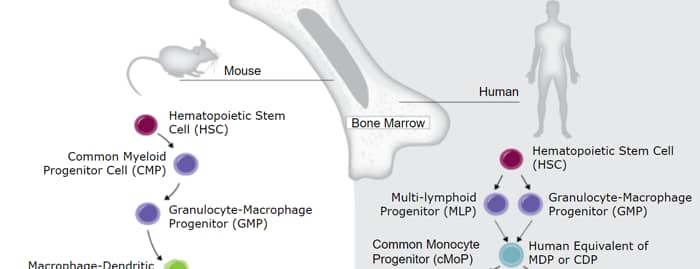


IL-15 Signaling Pathways and their Primary Biological Effects in Different Immune Cell Types
 Innate Lymphoid Cell Differentiation Pathways
 mTOR Signaling Pathway
 NOD-like Receptor Signaling Pathways
 Th1 Differentiation Pathway
 TNF Superfamily Pathway: Human Ligand-Receptor Interactions & their Associated Functions
 Toll-Like Receptor Signaling Pathways
