
Tumor Microenvironment
Cellular Components | Cytokines and Chemokines | Anti-tumor Immune Response | Tumor Escape | Hypoxia and Metabolic Reprogramming | Angiogenesis and Lymphangiogenesis | Featured Resources
Immune Evasion and Immunosuppression in the Tumor Microenvironment
The tumor microenvironment (TME), defined as a tumor and its immediate surrounding area, is made up of a complex network of diverse cell populations, signaling molecules, blood vessels, and extracellular matrix components that collectively drive immune evasion, tumor progression, and resistance to therapy. At the core of this environment is the establishment of an immunosuppressive landscape, where tumors use various methods to avoid being detected and destroyed by the immune system. Key mechanisms supporting immunosuppression in the TME include:
- Activation of inhibitory immune checkpoint pathways that dampen effector T cell functions
- Remodeling extracellular matrix components that impact immune cell infiltration
- Targeted recruitment of immunosuppressive cell populations
- Elevated levels of immunosuppressive cytokines and metabolites
- Metabolic alterations that create an inhospitable microenvironment for immune effector cells
Understanding these interconnected immunosuppressive pathways is a critical step towards developing novel strategies to overcome these obstacles to cancer immunotherapies.
Leverage R&D Systems extensive portfolio of rigorously validated reagents to investigate the tumor microenvironment. From proteins and antibodies to ELISAs and multiplex immunoassay, our products are designed to provide reliable, consistent data to advance your cancer research.
Key Product Categories






Cellular Components in the Tumor Microenvironment
Along with tumor cells, multiple different non-cancerous cell types are present in the tumor microenvironment including cancer-associated fibroblasts, endothelial cells, and various immune cell types. These cells interact continuously, influencing the balance between anti-tumor immune responses and immune escape mechanisms that lead to tumor progression. Understanding the functions and interactions of these cells is essential for deciphering how tumors evade immune surveillance and identifying new avenues for therapeutic intervention.
Organoid and 3-D Cell Culture Products
Tumor organoids offer physiologically relevant 3D models to study the TME, investigate tumor-immune interactions, and screen potential immunotherapies. Explore our Cultrex™ basement membrane extracts, proteins, and small molecules for robust, reproducible organoid cultures.
Interactive Immune Cell Markers Tool
Identifying immune cell types can be challenging if you don’t know which markers to use. Our interactive cell markers tool serves as a quick reference guide to the key markers commonly used for immune cell characterization.
IHC Validated Primary Antibodies
Investigate the tumor microenvironment with sensitive and specific, IHC-validated antibodies. We offer multiple formats including unconjugated, enzyme- or fluorophore-conjugated, biotinylated, and BSA/azide-free options to support both direct and indirect detection.
Cytokines & Chemokines: Central Mediators in the Tumor Microenvironment
In the tumor microenvironment, cytokines and chemokines form a signaling network that orchestrates key processes essential for tumor progression and immune modulation. These soluble factors regulate:
- Cell-to-cell communication
- Immune cell recruitment and polarization
- Immunosuppression
- Angiogenic and lymphangiogenic signaling pathways
- Extracellular matrix remodeling
Within this complex network, cytokines can exert opposing effects, some activate potent anti-tumor immune responses, while others contribute to immunosuppression. Pro-inflammatory cytokines such as IFN-γ and TNF-α, secreted by tumor-infiltrating immune effector cells, promote the destruction of malignant cells across diverse cancer types. Conversely, cytokines like TGF-β and IL-10 inhibit effector cell activity, fostering an immunosuppressive microenvironment that supports tumor progression.
Chemokines, including CCL2, CCL5, CCL28, and CXCL12, actively recruit immunosuppressive cell populations such as myeloid-derived suppressor cells and regulatory T cells to the tumor microenvironment, reshaping the immune landscape to favor tumor survival and growth. Furthermore, members of the VEGF family drive neovascularization, a pivotal process in sustaining tumor growth and facilitating metastasis.
The pleiotropic and context-dependent roles of these molecules underscore their importance as biomarkers and critical therapeutic targets, making them a focal point in strategies aimed at reprogramming the tumor microenvironment to restore effective anti-tumor immunity.
Profiling Secreted Factors in the TME
Quantitatively measure disease biomarkers with the most cited ELISA Kits on market. From our ready-to-use Quantikine™ Kits and 90-minute QuicKits™ to our flexible DuoSet™ ELISAs, our immunoassays consistently deliver accurate, reproducible results every time.
Human XL Cytokine Luminex® Panel
Assess immune responses using the Human XL Cytokine Luminex Panel. This panel simultaneously detects up to 46 cytokines in cell culture supernatant, serum, or plasma samples, with fixed and customizable panel options.
Proteome Profiler™ Human Chemokine Array Kit
Simultaneously profile the relative levels of 31 human chemokines in a single sample with the Human Chemokine Antibody Array. This membrane-based array eliminates the need for multiple IP/Western blot experiments and requires no specialized equipment.
Anti-tumor Immune Response
First Line of Defense: NK cells, NKT cells, and γδ T cells
In diverse cancer types, the first line of defense against tumor development is mediated by innate lymphocytes such as natural killer (NK) cells, natural killer T (NKT) cells, and gamma delta (γδ) T cells. These cells contribute to early anti-tumor responses by:
- Recognizing stress-induced ligands or altered antigen presentation on malignant cells
- Exerting direct cytotoxic effects through perforin- and granzyme-mediated pathways
- Secreting high levels of IFN-γ, promoting an immune environment hostile to tumor growth
Under these conditions, macrophage polarization is skewed toward a tumoricidal M1 phenotype, characterized by enhanced phagocytic activity and secretion of pro-inflammatory cytokines such as TNF-α and IL-12, which further support tumor cell elimination.
Second Line of Defense: Activation of the Adaptive Immune Response
Subsequent control of tumor progression involves coordinated activation of the adaptive immune system. Tumor-infiltrating dendritic cells take up tumor antigens and present them alongside co-stimulatory signals and cytokines to naïve CD8+ and CD4+ T cells, priming robust T cell-mediated immunity. Activated CD8+ cytotoxic T lymphocytes directly kill tumor cells, while both CD8+ and Th1 helper T cells release IFN-γ to further promote tumor rejection.
Use the links below to explore markers that identify immune cell types driving anti-tumor immune responses in the tumor microenvironment.
Natural Killer Cells
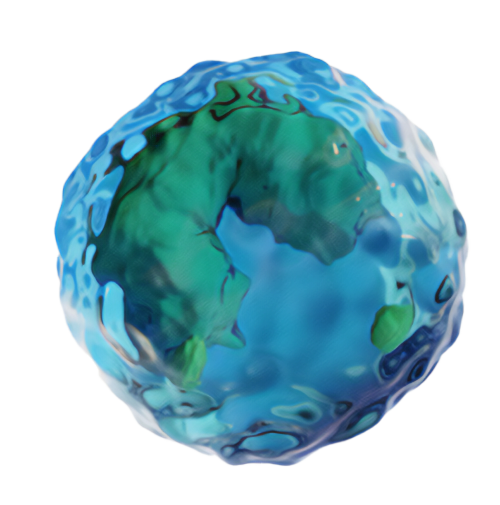
NK cells provide the first line of defense against tumor cells by exerting direct cytotoxic effects and secreting IFN-γ. Learn more about NK cell activation and markers.
Dendritic Cells
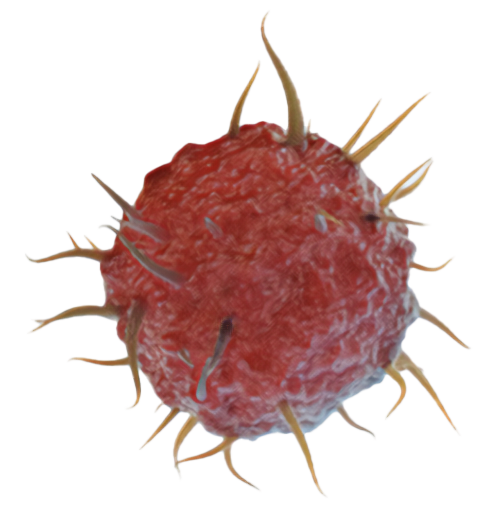
Dendritic cells regulate T cell activation and promote the differentiation of effector T cell subsets. Learn about different DC subsets.
CD4+ Th1 Cells

CD4+ Th1 cells secrete high levels of IFN-γ and promote the functions of M1 macrophages, NK cells, and CD8+ T cells to drive tumor rejection. Discover more about Th1 cells.
Tumor Escape
Despite activation of the immune response, some tumor cells evade elimination over time and continue to grow, largely due to complex interactions in the tumor microenvironment. This dynamic environment promotes immune evasion through multiple mechanisms that impair effective anti-tumor immunity and contribute to therapeutic resistance, including:
- Direct tumor cell-mediated mechanisms of immune cell evasion or immunosuppression
- T cell exclusion from the tumor microenvironment
- Exploitation of inhibitory immune checkpoint pathways
- Recruitment and expansion of immunosuppressive immune cell types
- Development of CD8+ T cell or NK cell exhaustion
Overcoming tumor escape requires innovative therapeutic strategies that can effectively disrupt these immune evasion pathways and restore robust anti-tumor immunity across diverse cancer types.
Immune Checkpoint Blocking Antibodies
Discover our extensive range of blocking antibodies directed against key immune checkpoint targets. Leveraging our in-house manufactured proteins, target-specific bioassays are employed to thoroughly validate the efficacy and specificity of each antibody.
Human Immuno-Oncology Luminex Panel
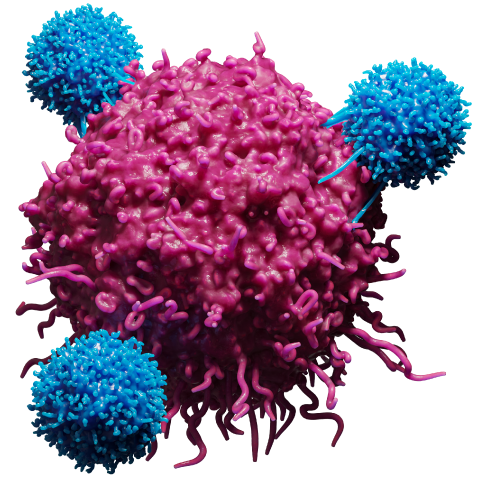
Profile immune regulatory pathways, cytokines, and co-inhibitory/co-stimulatory molecules in the TME with the Human Immuno-Oncology Luminex Performance Assay. This innovative panel simultaneously detects 14 analytes in just 50 uL of sample.
Antibodies for Immune Cell Profiling
Choose from thousands of primary antibodies conjugated to 30+ fluorochromes for immune cell profiling in the TME. Our selection makes it easy to find the exact antibody-fluorochrome combinations you need and provides flexibility for multicolor panel design.
Tumor cells across various cancer types evade immune detection and suppress anti-tumor responses through intricate crosstalk with tumor-infiltrating stromal cells and immune cells. These interactions drive tumor development and resistance to cancer therapy. Key immune evasion mechanisms mediated directly by tumor cells include:
- Downregulation of MHC class I molecules, which prevents recognition by CD8+ T cells, limiting effective immune targeting.
- Release of soluble ligands for NKG2D and NKp30 receptors, interfering with the activation of natural killer (NK) cells and CD8+ T cells within the tumor microenvironment.
- Inhibition of dendritic cell recruitment and effector T cell infiltration, reducing the presence of tumor-infiltrating lymphocytes critical for anti-tumor immunity.
- Expression of inhibitory ligands such as PD-L1 and FasL that directly suppress T cell function and facilitate immune escape or promote T cell apoptosis.
- Metabolic alterations within the tumor microenvironment, including nutrient depletion and acidification, which impair immune cell activity and promote tumor development.
- Production of enzymes like Arginase 1 and indoleamine 2,3-dioxygenase (IDO), which deplete amino acids essential for T cell proliferation and function.
- Expression of non-classical MHC molecules and CD47, aiding tumor cells in evading macrophage-mediated phagocytosis.
- Secretion of chemokines and immunosuppressive factors, including reactive oxygen species (ROS), adenosine, IL-10, and TGF-β, that contribute to the inhibition of effector T cell and NK cell functions and the recruitment and activation of immunosuppressive immune cell types.
The lack of cytotoxic T cell infiltration, known as T cell exclusion, drives the development of immunologically “cold” tumors that advance more aggressively. Physical barriers, immunosuppressive factors, and suppressive cells in the tumor microenvironment hinder T cell infiltration, which weakens the overall anti-tumor immune response and facilitates tumor progression and immune escape. In contrast, “hot” tumors, rich in activated tumor-infiltrating T cells, respond better to immunotherapeutic approaches. Overcoming T cell exclusion by understanding the complex crosstalk between tumor cells, stromal cells, and immune cells is vital for developing novel therapeutic strategies to convert cold into hot tumors to improve cancer treatments.
Tumor cells and other cells within the tumor microenvironment, including tumor-associated macrophages (TAMs) and myeloid-derived suppressor cells (MDSCs), exploit immune checkpoint pathways, such as PD-1/PD-L1 and CTLA-4, to evade immune detection. By upregulating immune checkpoint ligands, these cells engage inhibitory receptors on T cells, suppressing T cell activation, proliferation, and cytotoxic function. This signaling also increases regulatory immune cells in the tumor microenvironment by creating conditions that favor their expansion and recruitment, further promoting immune escape and tumor progression. Immune checkpoint therapies block these inhibitory interactions, restoring T cell function and enhancing the immune system’s ability to target and eliminate cancer cells.
Regulatory T cells, myeloid-derived suppressor cells (MDSCs), and tumor-associated M2 macrophages (TAMs) are immunosuppressive immune cells that play crucial roles in inhibiting anti-tumor immune responses across various cancer types. These cells contribute to tumor progression through complex crosstalk with stromal cells and other components within the tumor niche. Understanding the functions of these tumor-infiltrating immune cells is essential for designing innovative therapeutic strategies aimed at reactivating the immune system to combat cancer progression.
CD8+ T cells become exhausted or dysfunctional in tumors due to persistent antigen exposure and chronic T cell receptor (TCR) signaling. Characteristics of exhausted T cells include up-regulated and sustained expression of multiple inhibitory immune checkpoint receptors, reduced proliferation, decreased production of effector cytokines, and reduced cytotoxicity, which limits the anti-tumor immune response. Inhibitory receptors that are up-regulated on exhausted CD8+ T cells include PD-1, CTLA-4, TIM-3, LAG-3, 2B4, BTLA, CD160, and TIGIT, which researchers are trying to target, either alone or in combination, to reverse the exhausted phenotype and restore T cell functions.
Natural killer (NK) cell activation depends on the integration of activating and inhibitory signals received from cell surface receptors. Under normal physiological conditions, NK cell activation is inhibited by ligands expressed on healthy cells that bind to inhibitory receptors on NK cells. A reduction in the expression of these ligands or an up-regulation of stress-induced ligands that can occur in tumor cells leads to NK cell activation, and results in the production of IFN-γ and direct cytotoxic activity against these cells.
Similar to CD8+ T cells, however, natural killer (NK) cells in tumors can display an exhausted phenotype that is associated with reduced expression of specific activating receptors such as NKG2D, CD16/Fcγ RIII, DNAM-1/CD226, CD94-NKG2C, NKp30, NKp44, NKp46, and NKp80, increased expression of inhibitory receptors such as PD-1, CD94-NKG2A, TIM-3, and TIGIT, decreased production of effector cytokines such as IFN-γ, and reduced cytolytic activity associated with the reduced expression of perforin and granzymes. Although the specific mechanisms that drive this phenotype in NK cells are currently not well-understood, it has been suggested to be caused by sustained proliferation, weakened signals from activating receptors, or immunosuppressive effects in tumor microenvironment.
Hypoxia and Metabolic Reprogramming in the Tumor Microenvironment
Hypoxia, often assessed by HIF-1α expression, is a key driver of immunosuppression in the tumor microenvironment (TME). It arises from increased tumor growth combined with inadequate blood supply, occurring as acute episodes from temporary blood flow blockage or as chronic oxygen deprivation due to insufficient vascularization.
In response to hypoxia, tumor cells undergo extensive metabolic reprogramming that remodels the TME. Key metabolic adaptations include:
- Increased glucose uptake/aerobic glycolysis
- Excess lactate production, leading to a low pH in TME
- Elevated extracellular levels of adenosine
- Increased rate of glutaminolysis
- Increased oxysterol production
- Reprogramming of lipid metabolism
- Context-dependent increases in the production of reactive oxygen species (ROS) and reactive nitrogen species (RNS)
These metabolic alterations converge to create an immunosuppressive milieu by directly impairing the functions of immune effector cells and promoting the accumulation of immunosuppressive cell types. Elevated glycolysis in tumor cells leads to increased production of lactate, which acidifies the TME and impairs the function of cytotoxic lymphocytes. Additionally, the accumulation of extracellular adenosine, caused by the breakdown of ATP released by dying or stressed cells, activates A2A receptor signaling in immune cells, further suppressing cytotoxic lymphocyte activity and promoting regulatory T cell proliferation and immunosuppressive functions.
Concurrent glutaminolysis and changes in lipid metabolism produce metabolites that, over time, foster the recruitment and expansion of immunosuppressive cells, while also suppressing effector responses. Moreover, hypoxia-induced reactive oxygen/nitrogen species and oxysterols disrupt immune cell viability and function. Together, these metabolic changes quickly establish an immunosuppressive niche that undermines effective anti-tumor immunity.
White Paper: The Cellular Response to Hypoxia in Cancer
Tissue hypoxia profoundly affects molecular and cellular behavior, often driving aggressive tumor phenotypes. This white paper explores hypoxia’s role in cancer, including HIF regulation, HIF target genes, and tumorigenic adaptations.
Monitor Hypoxia With Rigorously Validated Antibodies

Easily monitor hypoxia by measuring HIF-α or HIF-regulated proteins using ICC-IF, IHC, flow cytometry, or Western blot. Our widely trusted antibodies against key hypoxia markers provide the sensitivity and specificity you need to generate reliable results.
Mimic or Block Hypoxic Responses With HIF Modulators
Achieve precise control of hypoxia signaling with our small molecule HIF modulators. These agents enable you to block or mimic hypoxic responses without relying on complex gas-controlled chambers, simplifying your studies of tumor biology and cellular adaptations under hypoxic conditions.
Angiogenesis and Lymphangiogenesis
Cancer cell survival and growth depend on vascular and lymphatic networks that supply nutrients and oxygen, while also enabling metastasis. Angiogenesis and lymphangiogenesis, which are key to tumor progression, are driven by an “angiogenic switch,” where genetic changes and tumor hypoxia disrupt the angiogenic balance. Hypoxia stabilizes HIFs, increasing VEGF levels to promote abnormal vessel growth and matrix breakdown via proteases like MMP-9. These abnormal vessels create hypoxic, acidic regions that restrict effector cell infiltration and impair immune cell function. Additionally, VEGF and lymphangiogenic factors (VEGF-C/D) recruit immunosuppressive cells and enhance immune evasion, linking vascular remodeling directly to tumor immunosuppression.
Growth Factor Receptor Inhibitors
Inhibiting key growth factor receptors is a powerful strategy to disrupt angiogenesis within the tumor microenvironment. Explore our wide selection of small molecule inhibitors targeting VEGFR, PDGFR, EGFR, and FGFR to identify and validate critical angiogenic pathways across tumor types.
Proteome Profiler Human Angiogenesis Array
Profile the relative levels of 55 human angiogenesis-related proteins, including VEGF, PDGF, FGF-basic, EGF, and Angiopoietins, using this membrane-based antibody array. This robust platform comprehensively maps complex angiogenic signaling in the TME, requiring no specialized equipment.
VEGF-VEGF R2 Signaling Pathway
VEGFs are master regulators of physiological and pathological angiogenesis and lymphangiogenesis. Learn about the signaling pathways activated downstream of VEGF R2 activation and discover how these pathways orchestrate endothelial cell proliferation, survival, adhesion, and migration.

Tailor-Made Reagents
From flexible sizes, formats, and formulations to fully customized products, we specialize in meeting your unique needs.
A Look Inside a Tumor Wall Poster
The tumor microenvironment plays a central role in inhibiting anti-tumor immune responses. Request this poster to learn about the key mechanisms used by Tregs, MDSCs, TAMs, and tumor-derived exosomes that drive immunosuppression in the tumor microenvironment.
T Cell-Based Therapies eBook

Gain essential insights into overcoming therapeutic challenges posed by the tumor microenvironment. This eBook provides a look at the biological obstacles and manufacturing complexities shaping the future of T cell therapies and solutions to accelerate advancements in the field.
Pathway: Treg-Mediated Suppression
Regulatory T cells (Tregs) can suppress beneficial anti-tumor immune responses. Explore this interactive pathway to discover the multiple mechanisms Tregs use to weaken immune responses in the tumor microenvironment.