Key Product Details

Species Reactivity

Validated:

Human, Mouse

Cited:

Human, Mouse, Rat, Avian - Chicken, Chicken, Drosophila, Transgenic Mouse

Applications

Validated:

Immunohistochemistry, Western Blot

Cited:

Immunohistochemistry, Immunohistochemistry-Paraffin, Immunohistochemistry-Frozen, Western Blot, Immunocytochemistry, Bioassay

Label

Unconjugated

Antibody Source

Polyclonal Goat IgG
Loading...

Product Specifications

Immunogen

E. coli-derived recombinant mouse Sonic Hedgehog/Shh N‑Terminus
Cys25-Gly198 (Lys122Arg)
Accession # Q62226

Specificity

Detects human and mouse Sonic Hedgehog/Shh N‑Terminus in direct ELISAs and Western blots. In direct ELISAs, less than

Clonality

Polyclonal

Host

Goat

Isotype

IgG

Scientific Data Images for Human/Mouse Sonic Hedgehog/Shh N‑Terminus Antibody

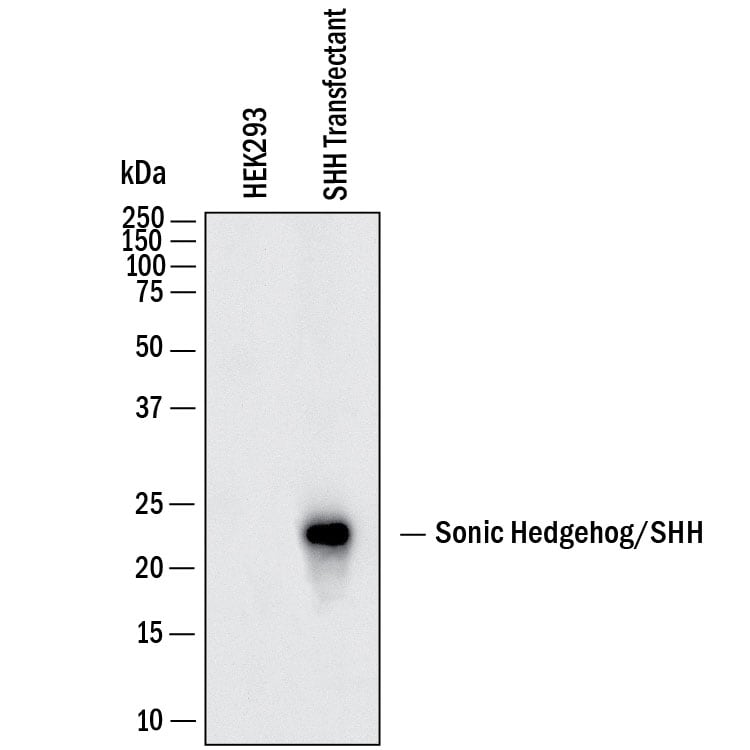
Detection of Human Sonic Hedgehog/Shh by Western Blot.

Western Blot shows lysates of HEK293 human embryonic kidney cell line either mock transfected or transfected with mouse Sonic Hedgehog/SHH. PVDF membrane was probed with 1 µg/ml of Goat Anti-Human/Mouse Sonic Hedgehog/Shh N-Terminus Antigen Affinity-purified Polyclonal Antibody (Catalog # AF464) followed by HRP-conjugated Anti-Goat IgG Secondary Antibody (Catalog # HAF017). A specific band was detected for Sonic Hedgehog/Shh at approximately 23 kDa (as indicated). This experiment was conducted under reducing conditions and using Western Blot Buffer Group 1.
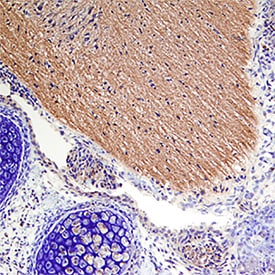
Sonic Hedgehog/Shh antibody in Mouse Embryo by Immunohistochemistry (IHC-Fr).

Sonic Hedgehog/Shh in Mouse Embryo.

Sonic Hedgehog/Shh was detected in immersion fixed frozen sections of mouse embryo (13 d.p.c.) using Goat Anti-Human/Mouse Sonic Hedgehog/Shh N-Terminus Antigen Affinity-purified Polyclonal Antibody (Catalog # AF464) at 15 µg/mL overnight at 4 °C. Tissue was stained using the Anti-Goat HRP-DAB Cell & Tissue Staining Kit (brown; Catalog # CTS008) and counterstained with hematoxylin (blue). Specific staining was localized to developing brain. View our protocol for Chromogenic IHC Staining of Frozen Tissue Sections.
Detection of Sonic Hedgehog/Shh N-Terminus by Western Blot

Detection of Sonic Hedgehog/Shh N-Terminus by Western Blot

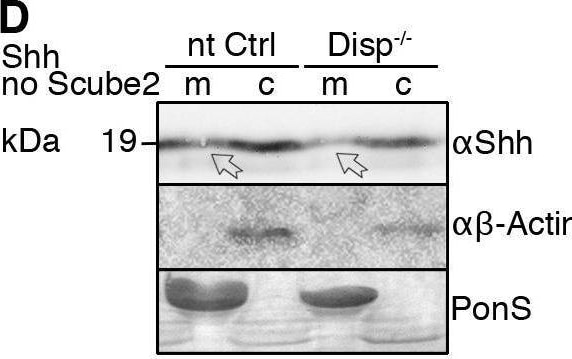
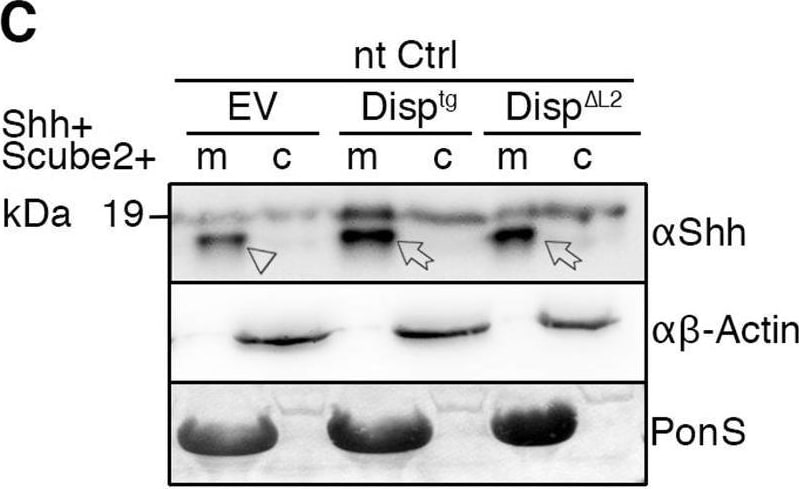
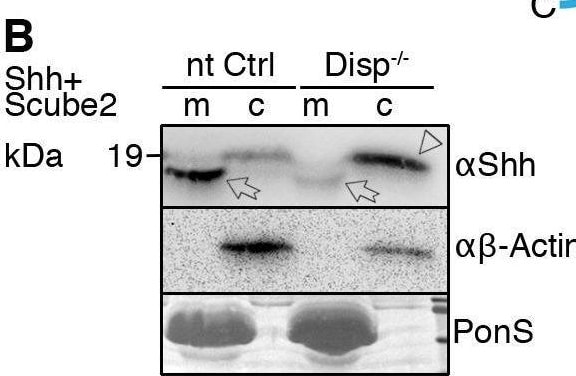
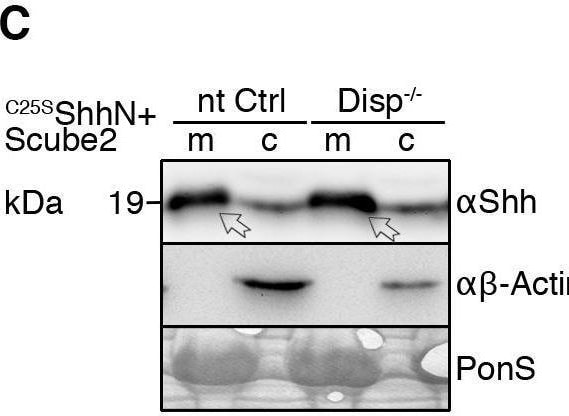
Impaired Shh release from Disp−/− cells. (A) Alignment of targeted disp gene sequences from Disp−/− cells and from non-targeted (nt Ctrl) cells. (A′) Schematic representation of the Disp protein structure. An asterisk indicates the CRISPR/Cas9-generated stop codon introduced at position 323, deleting 11 of 12 TM domains that together represent ∼80% of the protein sequence. L1 and L2 indicate extracellular loops. TM2–TM6 (colored red) constitute the SSD. (B,C) Immunoblots of cellular (c) and released (into the medium, m) Shh (B) and unlipidated control C25SShhN (C) in nt Ctrl and Disp−/− cells in the presence of Scube2. Arrows indicate solubilized Shh and the arrowhead indicates accumulated cellular material in Disp−/− cells. (D) In the absence of Scube2, Shh processing into serum-free medium was abolished in nt Ctrl and Disp−/− cells. Instead, both cell types released similar amounts of unprocessed protein. In B,C,D, anti-beta -actin blots ( alpha beta -actin) and Ponceau S staining of residual serum albumin (PonS) serve as loading controls. (B′,C′,D′) Quantifications of relative Shh (B′,D′) and C25SShhN (C′) release from nt Ctrl and Disp−/− cells. Ratios of solubilized versus cellular Shh were determined and expressed relative to Shh release from nt Ctrl cells (black bars). Data are mean±s.d. n=21 in B′, n=8 in C′ and n=5 in D′. ****P<0.0001; ns, not significant (two-tailed unpaired t-test). Image collected and cropped by CiteAb from the following open publication (https://pubmed.ncbi.nlm.nih.gov/34308968), licensed under a CC-BY license. Not internally tested by R&D Systems.
Detection of Sonic Hedgehog/Shh N-Terminus by Western Blot

Detection of Sonic Hedgehog/Shh N-Terminus by Western Blot

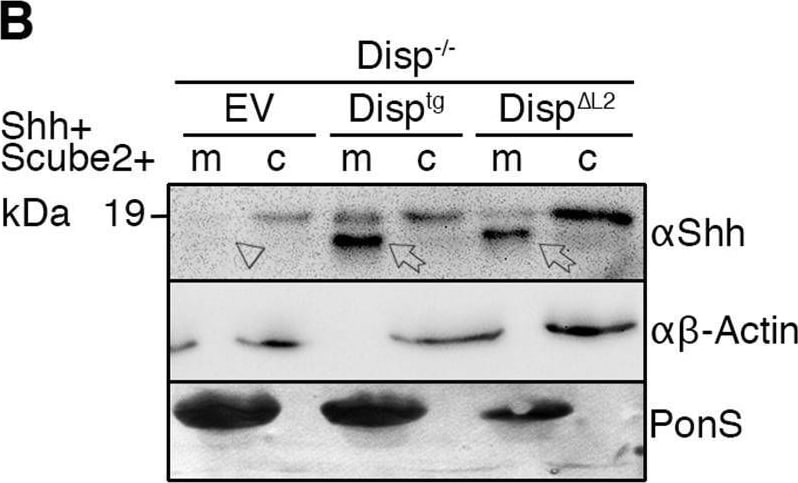
Overexpressed Disptg locates to the cell surface and restores Shh release from Disp−/− cells. (A,A′) Representative confocal planes of Disp−/− cells expressing Shh (A, red) or Disptg (A′, red). Both transgenes were secreted to the cell surface. Nuclei were counterstained with DAPI (blue). Dashed lines indicate the border of cytoplasmic eGFP signals (green). Images are representative of three experiments. Scale bars: 2 µm. (B) Co-expressed transgenic Disptg enhanced processed Shh release from Disp−/− cells (c) into the medium (m). Transgenic Disp delta L2, which lacks most of the second extracellular loop, did not release significantly increased amounts of truncated Shh. Empty-vector (EV)-transfected Disp−/− cells served as negative controls. (B′) Quantified relative processed Shh release, as shown in B. Data are mean±s.d. n=10. **P<0.01; ns, not significant; P=0.377 for Disp delta L2 (one-way ANOVA with Dunnett's multiple comparison post hoc test). (C) Co-expressed transgenic Disptg or Disp delta L2 did not significantly increase Shh release from nt Ctrl cells. (C′) Quantified relative processed Shh release as shown in C. Data are mean±s.d. n=14. ns, not significant (one-way ANOVA with Dunnett's multiple comparison post hoc test). In B and C, arrows indicate solubilized truncated Shh from Disptg- or Disp delta L2-expressing cells and the arrowhead indicates solubilized Shh from EV-transfected cells. Anti-beta -actin blots ( alpha beta -actin) and Ponceau S staining of residual serum albumin (PonS) serve as loading controls. Image collected and cropped by CiteAb from the following open publication (https://pubmed.ncbi.nlm.nih.gov/34308968), licensed under a CC-BY license. Not internally tested by R&D Systems.
Detection of Sonic Hedgehog/Shh N-Terminus by Western Blot

Detection of Sonic Hedgehog/Shh N-Terminus by Western Blot

Overexpressed Disptg locates to the cell surface and restores Shh release from Disp−/− cells. (A,A′) Representative confocal planes of Disp−/− cells expressing Shh (A, red) or Disptg (A′, red). Both transgenes were secreted to the cell surface. Nuclei were counterstained with DAPI (blue). Dashed lines indicate the border of cytoplasmic eGFP signals (green). Images are representative of three experiments. Scale bars: 2 µm. (B) Co-expressed transgenic Disptg enhanced processed Shh release from Disp−/− cells (c) into the medium (m). Transgenic Disp delta L2, which lacks most of the second extracellular loop, did not release significantly increased amounts of truncated Shh. Empty-vector (EV)-transfected Disp−/− cells served as negative controls. (B′) Quantified relative processed Shh release, as shown in B. Data are mean±s.d. n=10. **P<0.01; ns, not significant; P=0.377 for Disp delta L2 (one-way ANOVA with Dunnett's multiple comparison post hoc test). (C) Co-expressed transgenic Disptg or Disp delta L2 did not significantly increase Shh release from nt Ctrl cells. (C′) Quantified relative processed Shh release as shown in C. Data are mean±s.d. n=14. ns, not significant (one-way ANOVA with Dunnett's multiple comparison post hoc test). In B and C, arrows indicate solubilized truncated Shh from Disptg- or Disp delta L2-expressing cells and the arrowhead indicates solubilized Shh from EV-transfected cells. Anti-beta -actin blots ( alpha beta -actin) and Ponceau S staining of residual serum albumin (PonS) serve as loading controls. Image collected and cropped by CiteAb from the following open publication (https://pubmed.ncbi.nlm.nih.gov/34308968), licensed under a CC-BY license. Not internally tested by R&D Systems.
Detection of Sonic Hedgehog/Shh N-Terminus by Western Blot

Detection of Sonic Hedgehog/Shh N-Terminus by Western Blot

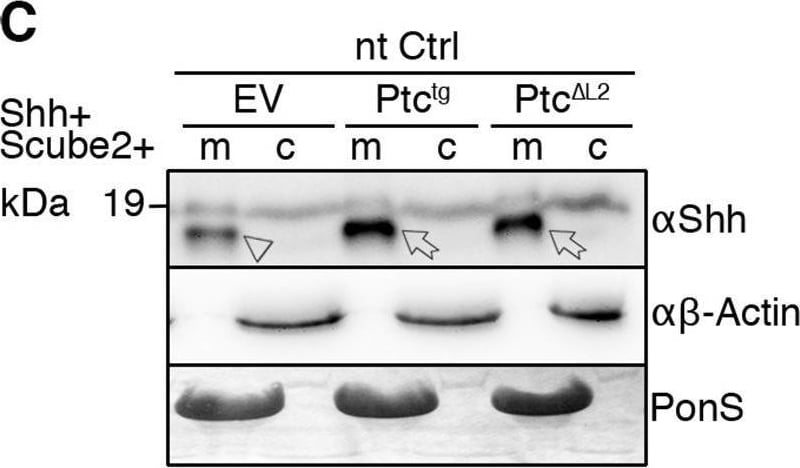
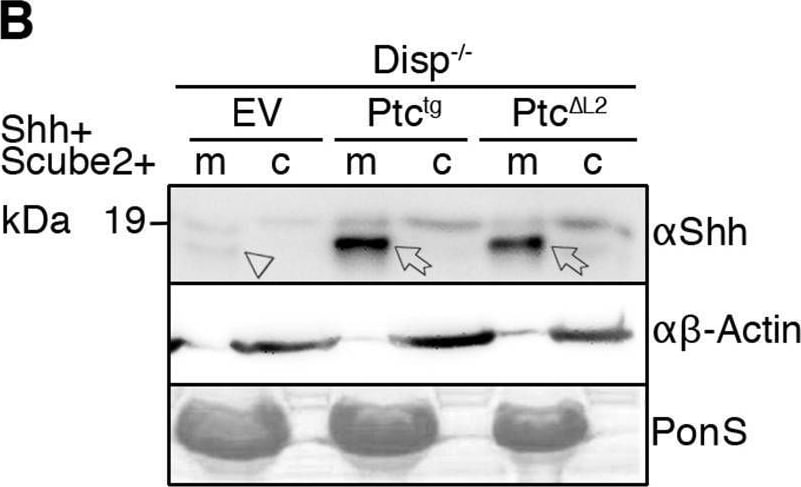
Overexpressed Ptctg restores Shh release from Disp−/− cells. (A,A′) Schematic representations of Disp (blue) and Ptc (green). Twelve transmembrane domains (TM1–TM12), two extracellular loops (L1 and L2), and the N- and C-termini are labeled. Conserved SSDs (TM2–TM6) are highlighted in red. Disp delta L2 and Ptc delta L2 lack most of the second extracellular loops (L2). (B,C) Co-expression of transgenic Ptctg or Ptc delta L2 increases Shh shedding from Disp−/− (B) and nt Ctrl (C) cells (c, cellular Shh; m, Shh released into the medium). Arrows indicate solubilized processed Shh from Ptctg- or Ptc delta L2-expressing cells, and arrowheads indicate reduced amounts of solubilized Shh from empty vector (EV)-transfected cells. Anti-beta -actin blots ( alpha beta -actin) and Ponceau S staining of residual serum albumin (PonS) serve as loading controls. (B′,C′) Quantification of relative processed Shh release as shown in B and C. Data are mean±s.d. n=6 in B′, n=9 in C′. *P<0.05, **P<0.01, ***P<0.001 (one-way ANOVA with Dunnett's multiple comparison post hoc test). Image collected and cropped by CiteAb from the following open publication (https://pubmed.ncbi.nlm.nih.gov/34308968), licensed under a CC-BY license. Not internally tested by R&D Systems.
Detection of Sonic Hedgehog/Shh N-Terminus by Western Blot

Detection of Sonic Hedgehog/Shh N-Terminus by Western Blot

Impaired Shh release from Disp−/− cells. (A) Alignment of targeted disp gene sequences from Disp−/− cells and from non-targeted (nt Ctrl) cells. (A′) Schematic representation of the Disp protein structure. An asterisk indicates the CRISPR/Cas9-generated stop codon introduced at position 323, deleting 11 of 12 TM domains that together represent ∼80% of the protein sequence. L1 and L2 indicate extracellular loops. TM2–TM6 (colored red) constitute the SSD. (B,C) Immunoblots of cellular (c) and released (into the medium, m) Shh (B) and unlipidated control C25SShhN (C) in nt Ctrl and Disp−/− cells in the presence of Scube2. Arrows indicate solubilized Shh and the arrowhead indicates accumulated cellular material in Disp−/− cells. (D) In the absence of Scube2, Shh processing into serum-free medium was abolished in nt Ctrl and Disp−/− cells. Instead, both cell types released similar amounts of unprocessed protein. In B,C,D, anti-beta -actin blots ( alpha beta -actin) and Ponceau S staining of residual serum albumin (PonS) serve as loading controls. (B′,C′,D′) Quantifications of relative Shh (B′,D′) and C25SShhN (C′) release from nt Ctrl and Disp−/− cells. Ratios of solubilized versus cellular Shh were determined and expressed relative to Shh release from nt Ctrl cells (black bars). Data are mean±s.d. n=21 in B′, n=8 in C′ and n=5 in D′. ****P<0.0001; ns, not significant (two-tailed unpaired t-test). Image collected and cropped by CiteAb from the following open publication (https://pubmed.ncbi.nlm.nih.gov/34308968), licensed under a CC-BY license. Not internally tested by R&D Systems.
Detection of Sonic Hedgehog/Shh N-Terminus by Western Blot

Detection of Sonic Hedgehog/Shh N-Terminus by Western Blot

Impaired Shh release from Disp−/− cells. (A) Alignment of targeted disp gene sequences from Disp−/− cells and from non-targeted (nt Ctrl) cells. (A′) Schematic representation of the Disp protein structure. An asterisk indicates the CRISPR/Cas9-generated stop codon introduced at position 323, deleting 11 of 12 TM domains that together represent ∼80% of the protein sequence. L1 and L2 indicate extracellular loops. TM2–TM6 (colored red) constitute the SSD. (B,C) Immunoblots of cellular (c) and released (into the medium, m) Shh (B) and unlipidated control C25SShhN (C) in nt Ctrl and Disp−/− cells in the presence of Scube2. Arrows indicate solubilized Shh and the arrowhead indicates accumulated cellular material in Disp−/− cells. (D) In the absence of Scube2, Shh processing into serum-free medium was abolished in nt Ctrl and Disp−/− cells. Instead, both cell types released similar amounts of unprocessed protein. In B,C,D, anti-beta -actin blots ( alpha beta -actin) and Ponceau S staining of residual serum albumin (PonS) serve as loading controls. (B′,C′,D′) Quantifications of relative Shh (B′,D′) and C25SShhN (C′) release from nt Ctrl and Disp−/− cells. Ratios of solubilized versus cellular Shh were determined and expressed relative to Shh release from nt Ctrl cells (black bars). Data are mean±s.d. n=21 in B′, n=8 in C′ and n=5 in D′. ****P<0.0001; ns, not significant (two-tailed unpaired t-test). Image collected and cropped by CiteAb from the following open publication (https://pubmed.ncbi.nlm.nih.gov/34308968), licensed under a CC-BY license. Not internally tested by R&D Systems.
Detection of Sonic Hedgehog/Shh N-Terminus by Western Blot

Detection of Sonic Hedgehog/Shh N-Terminus by Western Blot

Overexpressed Ptctg restores Shh release from Disp−/− cells. (A,A′) Schematic representations of Disp (blue) and Ptc (green). Twelve transmembrane domains (TM1–TM12), two extracellular loops (L1 and L2), and the N- and C-termini are labeled. Conserved SSDs (TM2–TM6) are highlighted in red. Disp delta L2 and Ptc delta L2 lack most of the second extracellular loops (L2). (B,C) Co-expression of transgenic Ptctg or Ptc delta L2 increases Shh shedding from Disp−/− (B) and nt Ctrl (C) cells (c, cellular Shh; m, Shh released into the medium). Arrows indicate solubilized processed Shh from Ptctg- or Ptc delta L2-expressing cells, and arrowheads indicate reduced amounts of solubilized Shh from empty vector (EV)-transfected cells. Anti-beta -actin blots ( alpha beta -actin) and Ponceau S staining of residual serum albumin (PonS) serve as loading controls. (B′,C′) Quantification of relative processed Shh release as shown in B and C. Data are mean±s.d. n=6 in B′, n=9 in C′. *P<0.05, **P<0.01, ***P<0.001 (one-way ANOVA with Dunnett's multiple comparison post hoc test). Image collected and cropped by CiteAb from the following open publication (https://pubmed.ncbi.nlm.nih.gov/34308968), licensed under a CC-BY license. Not internally tested by R&D Systems.
Detection of Human Sonic Hedgehog/Shh N-Terminus by Western Blot

Detection of Human Sonic Hedgehog/Shh N-Terminus by Western Blot

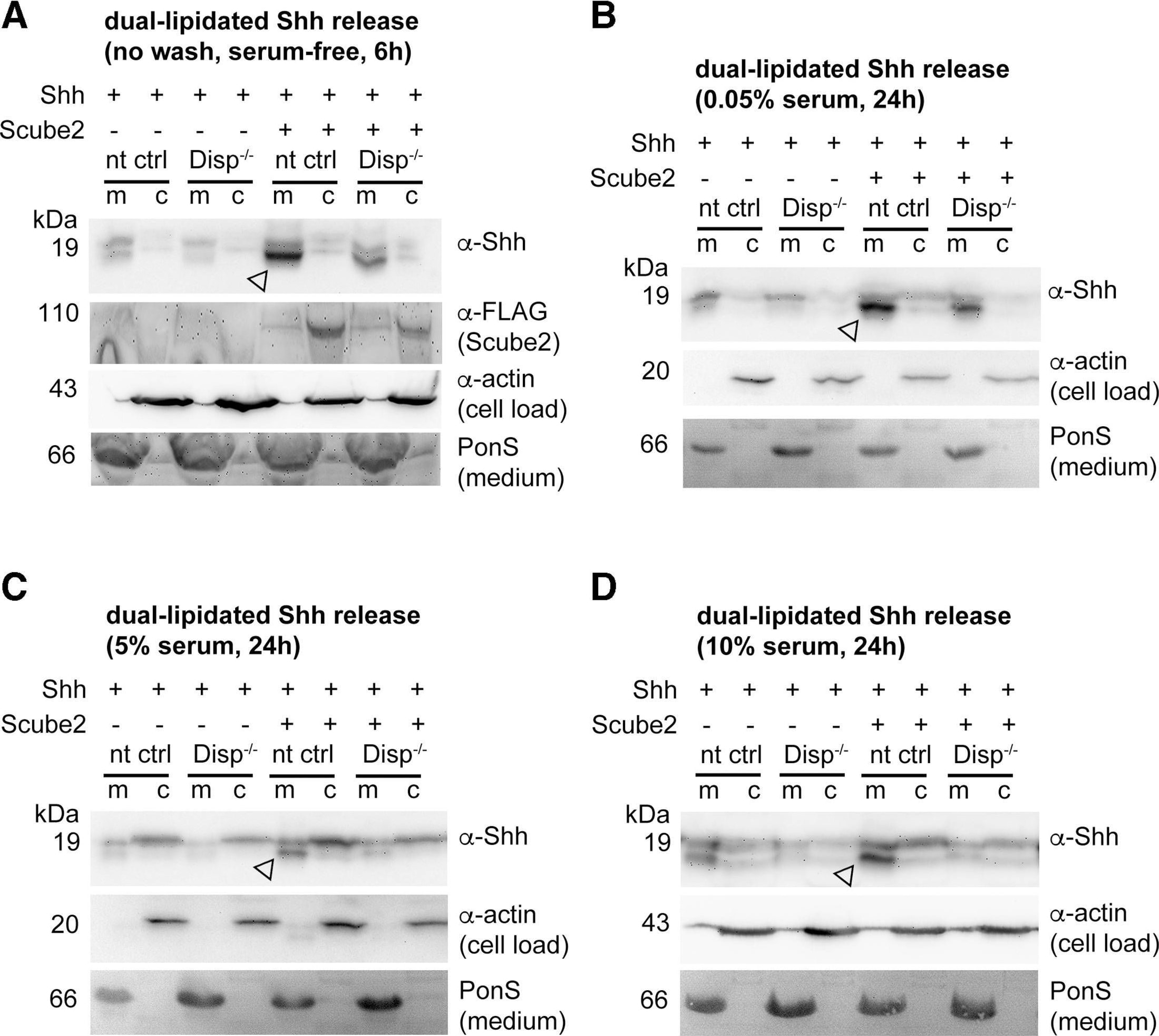
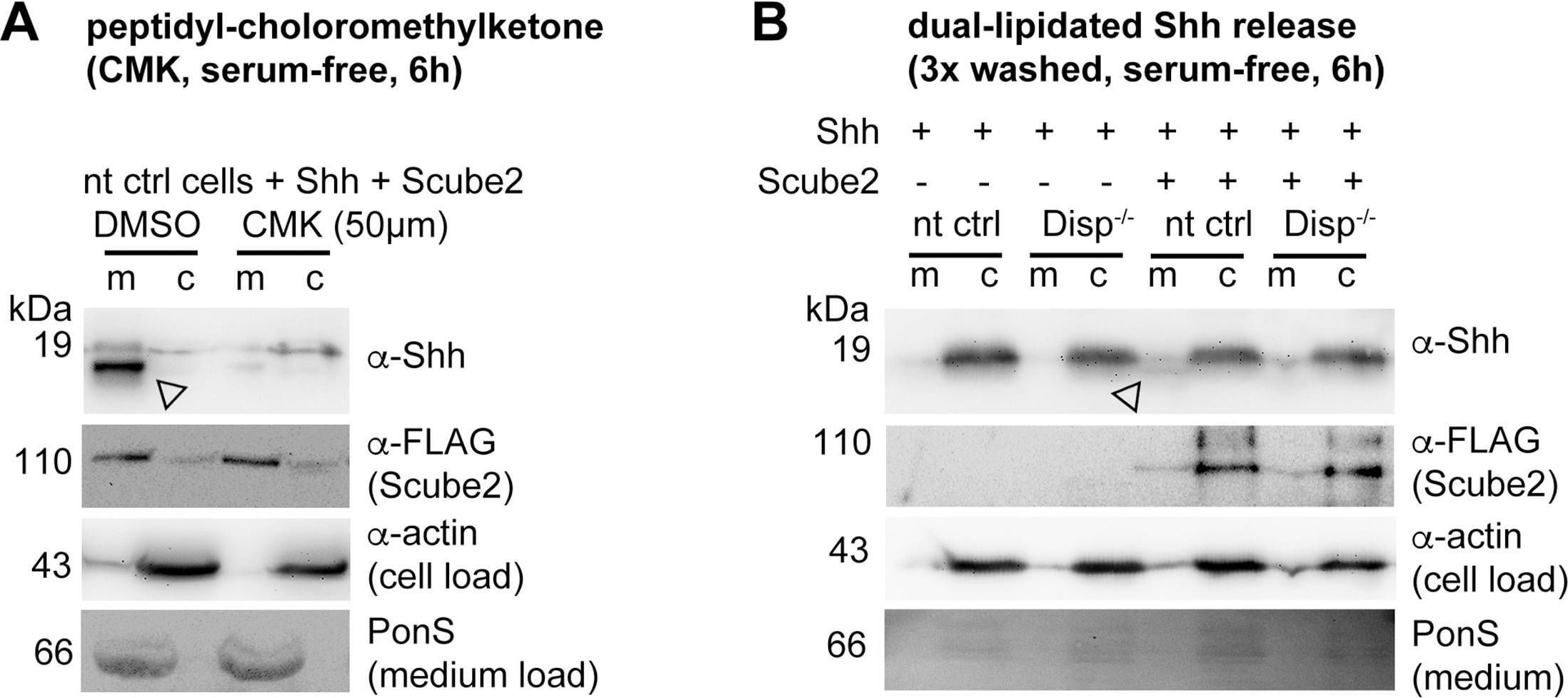
Loading controls.(A–D) Actin, PonceauS, and FLAG-tagged Scube2 loading controls for blots shown in Figure 3. Arrowheads indicate Shh specifically solubilized by Disp and Scube2.Figure 3—figure supplement 1—source data 1.Uncropped western blots for Figure 3—figure supplement 1.Uncropped western blots for Figure 3—figure supplement 1. Image collected and cropped by CiteAb from the following open publication (https://pubmed.ncbi.nlm.nih.gov/39297609), licensed under a CC-BY license. Not internally tested by R&D Systems.
Detection of Human Sonic Hedgehog/Shh N-Terminus by Western Blot

Detection of Human Sonic Hedgehog/Shh N-Terminus by Western Blot

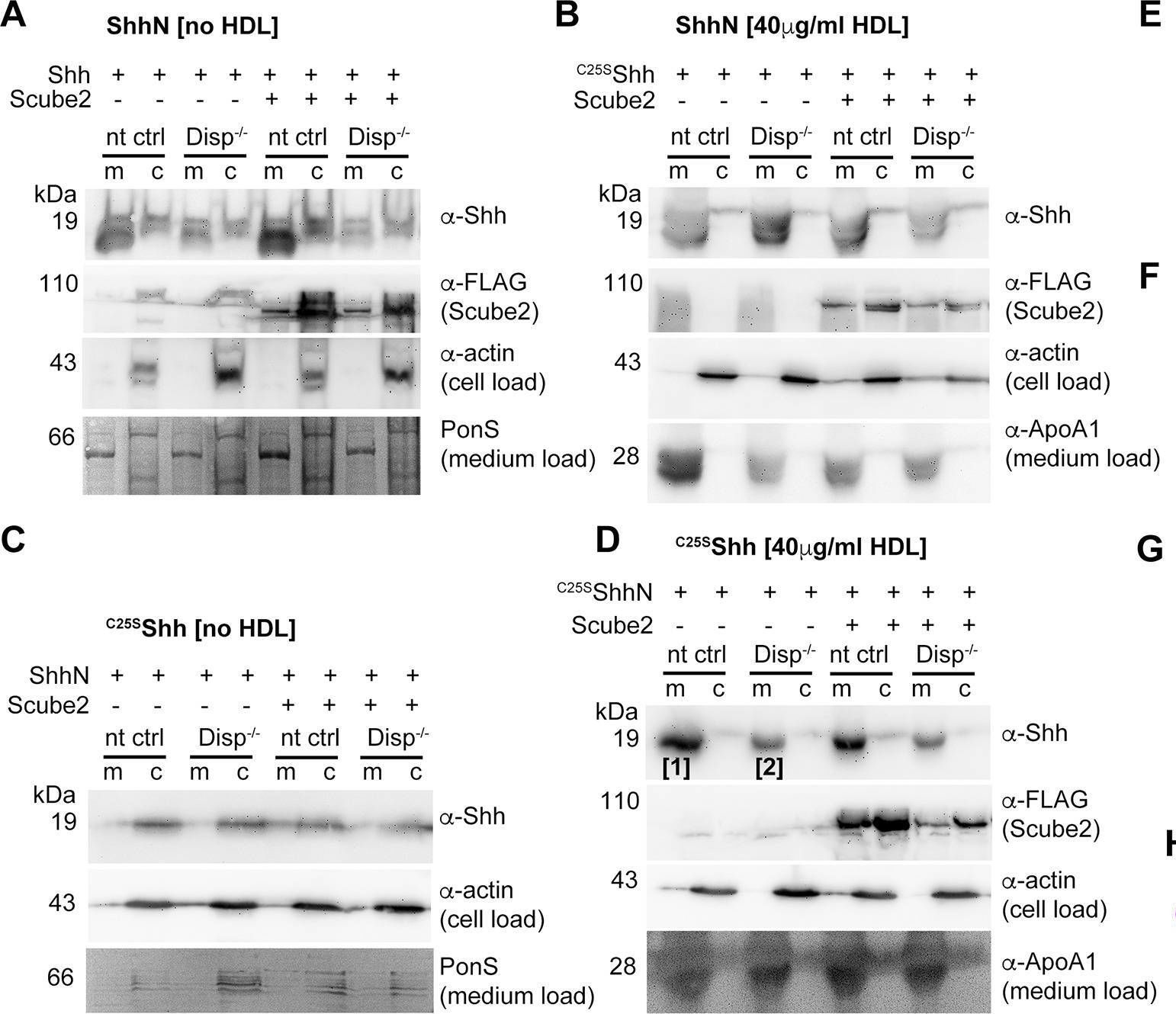
Loading controls.(A–D) Actin, PonceauS, and FLAG-tagged Scube2 loading controls for the blots shown in Figure 6A and B. (E, F) Reverse-phase high-performance liquid chromatography (RP-HPLC) profiles of samples [1] and [2] shown in (D). Note that proteins released from non-targeting control (nt ctrl) cells and Disp-/- cells are both cholesterylated. This suggests that overexpressed monolipidated Shh is only loosely associated with the plasma membrane and can ‘leak out’, or desorb, and thereby associate with high-density lipoprotein (HDL) in a non-enzymatic manner. (G) Purified commercial 8908-SH Shh and HDL were mixed, incubated for 10 min, and analyzed by size-exclusion chromatography (SEC). This revealed rapid spontaneous association and explains the background desorption of dual-lipidated Shh in our cellular assays. Note the excellent 8908-SH Shh co-elution with the ApoE4-bearing HDL fraction, suggesting that this mobile apolipoprotein may have facilitated spontaneous 8908-SH Shh association, or that other properties of ApoE-bearing ‘late’ HDL (Sacks and Jensen, 2018) somehow facilitate Shh association. (H) Dual-lipidated mCherry is efficiently secreted to the outer plasma membrane leaflet of producing Bosc23 cells. Intracellular mCherry fluorescence is shown in white, alpha -mCherry antibody binding to the surface of non-permeabilized cells is shown in magenta, and DAPI staining of the nucleus is shown in blue. Scale bar: 10 μm.Figure 7—figure supplement 1—source data 1.Uncropped western blots of Figure 7—figure supplement 1.Uncropped western blots of Figure 7—figure supplement 1. Image collected and cropped by CiteAb from the following open publication (https://pubmed.ncbi.nlm.nih.gov/39297609), licensed under a CC-BY license. Not internally tested by R&D Systems.
Detection of Human Sonic Hedgehog/Shh N-Terminus by Western Blot

Detection of Human Sonic Hedgehog/Shh N-Terminus by Western Blot

Loading controls.(A, B) Actin, PonceauS, and FLAG-tagged Scube2 loading controls for (the same stripped) blots shown in Figure 2.Figure 2—figure supplement 1—source data 1.Uncropped western blots of Figure 2—figure supplement 1.Uncropped western blots of Figure 2—figure supplement 1. Image collected and cropped by CiteAb from the following open publication (https://pubmed.ncbi.nlm.nih.gov/39297609), licensed under a CC-BY license. Not internally tested by R&D Systems.

Applications for Human/Mouse Sonic Hedgehog/Shh N‑Terminus Antibody

Application
Recommended Usage

Immunohistochemistry

5-15 µg/mL
Sample: Immersion fixed frozen sections of mouse embryo (13 d.p.c.)

Western Blot

1 µg/mL
Sample: HEK293 human embryonic kidney cell line either mock transfected or transfected with mouse Sonic Hedgehog/SHH

Reviewed Applications

Read 2 reviews rated 5 using AF464 in the following applications:

Formulation, Preparation, and Storage

Purification

Antigen Affinity-purified

Reconstitution

Reconstitute at 0.2 mg/mL in sterile PBS. For liquid material, refer to CoA for concentration.


Loading...

Formulation

Lyophilized from a 0.2 μm filtered solution in PBS with Trehalose. See Certificate of Analysis for details.
*Small pack size (-SP) is supplied either lyophilized or as a 0.2 µm filtered solution in PBS.

Shipping

Lyophilized product is shipped at ambient temperature. Liquid small pack size (-SP) is shipped with polar packs. Upon receipt, store immediately at the temperature recommended below.

Stability & Storage

Use a manual defrost freezer and avoid repeated freeze-thaw cycles.
  • 12 months from date of receipt, -20 to -70 °C as supplied.
  • 1 month, 2 to 8 °C under sterile conditions after reconstitution.
  • 6 months, -20 to -70 °C under sterile conditions after reconstitution.

Calculators

The reconstitution calculator allows you to quickly calculate the volume of a reagent to reconstitute your vial. Simply enter the mass of reagent and the target concentration and the calculator will determine the rest.

=
÷

Background: Sonic Hedgehog/Shh

The hedgehog (hh) gene encoding a secreted protein was originally identified in Drosophila as a segment polarity gene. The vertebrate homologues of Hh comprise several proteins including sonic hedgehog (Shh), Indian hedgehog (Ihh), and Desert hedgehog (Dhh). Hedgehog proteins are important signaling molecules during embryonic development. Shh genes are highly conserved and have been identified in a variety of species including human, mouse, frog, fish, and chicken. Mouse and human Shh are 92% identical at the amino acid sequence level. Shh is expressed in key embryonic tissues such as the Hensen’s node, the zone of polarizing activity in the posterior limb bud, the notochord, and the floor plate of the neural tube. Shh is involved in regulating the patterning of the developing central nervous system, somite, and limb. Shh plays an important role in the development of particular tissues such as whisker, hair, foregut, tooth and bone. Evidence also suggests that Shh is involved in regulating stem cell fates of neural and hematopoeitic lineages, and that aberrant Shh signaling is implicated in basal cell carcinomas and other diseases.

Mouse Shh cDNA encodes a 437 amino acid residue with a predicted 24 aa residue signal peptide that is cleaved to generate a 413 aa residue precursor protein. An autocatalytic reaction yields a 19 kDa amino-terminal domain Shh-N protein containing cholesterol and palmitate, and a 27 kDa carboxy-terminal domain Shh-C protein. The N-terminal domain retains all known signaling capabilities, while the C-terminal domain is responsible for the intramolecular processing, acting as a cholesterol transferase. Shh can act as both a short-range contact dependent factor and as a long-range, diffusible morphogen. At the cell surface, Shh activity is mediated by a multicomponent receptor complex involving the 12-pass transmembrane protein Patched (Ptc) which binds Shh with high affinity and Smoothened (Smo), a signaling seven transmembrane G-protein coupled receptor. In the absence of Shh, Ptc represses Smo activity. The binding of Shh to Ptc, releases the basal repression of Smo by Ptc (1‑5).

References

  1. Carpenter, D. et al. (1998) Proc. Natl. Acad. Sci. USA 95:13630.
  2. Perrimon, N. (1995) Cell 80:517.
  3. Weed, M. et al. (1997) Matrix Biol. 16:53.
  4. Mullor, J. et al. (2002) Trends Cell Biol. 12:562.
  5. Ingham, P. and A. McMahon (2001) Genes & Dev. 15:3059.

Alternate Names

HHG1, HLP3, HPE3, MCOPCB5, Shh, ShhNC, SMMCI, TPTPS

Entrez Gene IDs

6469 (Human); 20423 (Mouse)

Gene Symbol

SHH

UniProt

Additional Sonic Hedgehog/Shh Products

Product Documents for Human/Mouse Sonic Hedgehog/Shh N‑Terminus Antibody

Certificate of Analysis

To download a Certificate of Analysis, please enter a lot or batch number in the search box below.

Note: Certificate of Analysis not available for kit components.

Product Specific Notices for Human/Mouse Sonic Hedgehog/Shh N‑Terminus Antibody

For research use only

Citations for Human/Mouse Sonic Hedgehog/Shh N‑Terminus Antibody

Customer Reviews for Human/Mouse Sonic Hedgehog/Shh N‑Terminus Antibody (2)

5 out of 5
2 Customer Ratings
5 Stars
100%
4 Stars
0%
3 Stars
0%
2 Stars
0%
1 Stars
0%

Have you used Human/Mouse Sonic Hedgehog/Shh N‑Terminus Antibody?

Submit a review and receive an Amazon gift card!

$25/€18/£15/$25CAN/¥2500 Yen for a review with an image

$10/€7/£6/$10CAN/¥1110 Yen for a review without an image

Submit a review
Amazon Gift Card

Customer Images


Showing  1 - 2 of 2 reviews Showing All
Filter By:
  • Human/Mouse Sonic Hedgehog/Shh N‑Terminus Antibody
    Name: Anonymous
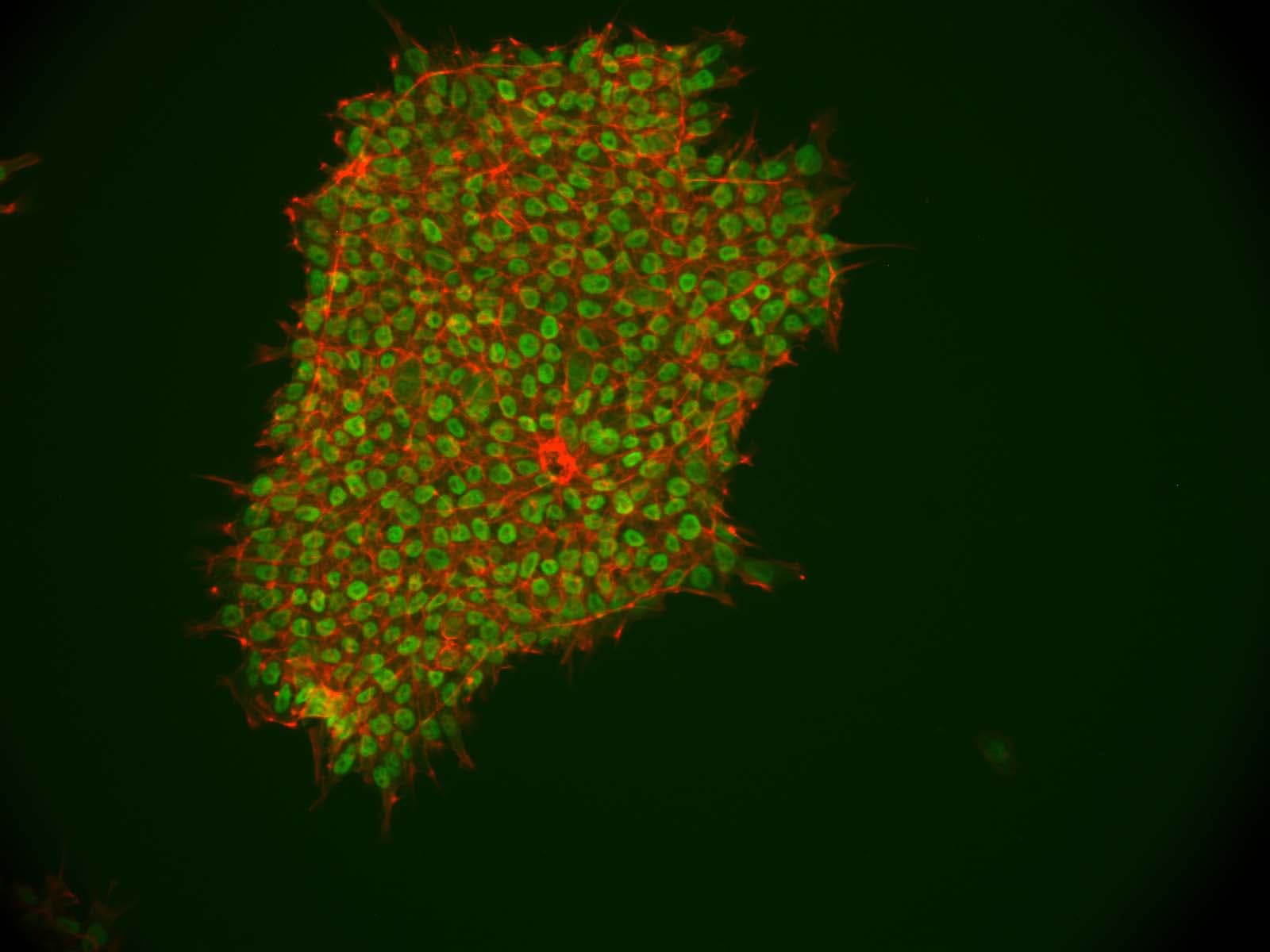
    Application: Immunocytochemistry/Immunofluorescence
    Sample Tested: Embryonic spinal cord and Embryonic stem cells
    Species: Human
    Verified Customer | Posted 12/14/2018
    H9 cells were fixed in 4%PFA. Nanog antibody (15ug/ml) was incubated overnight at 4 °C. Secondary antibody was donkey anti- goat 488 (Invitrogen).
    Human/Mouse Sonic Hedgehog/Shh N‑Terminus Antibody AF464
  • Human/Mouse Sonic Hedgehog/Shh N‑Terminus Antibody
    Name: Anonymous
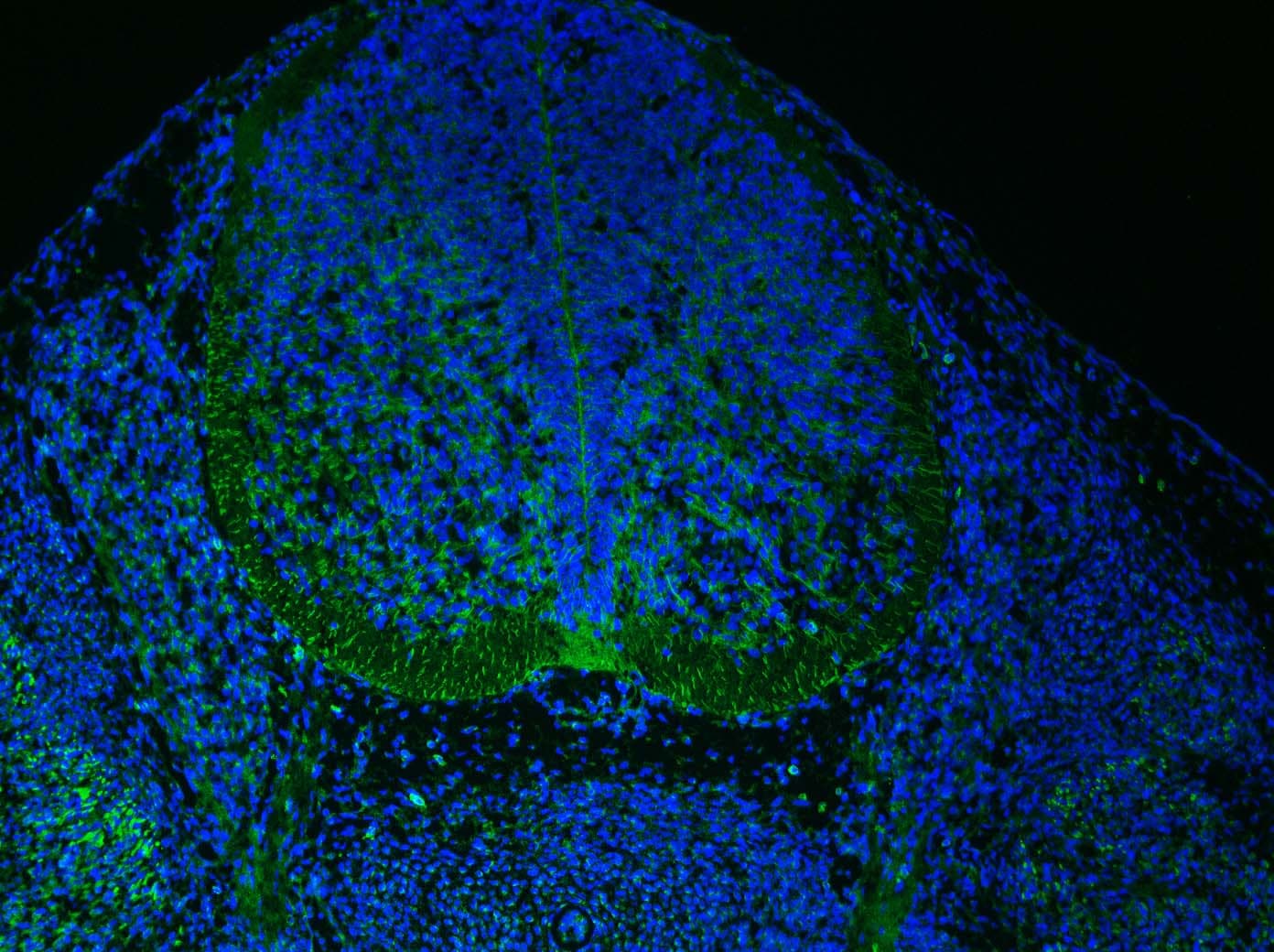
    Application: Immunocytochemistry/Immunofluorescence
    Sample Tested: Spinal cord and Embryo spinal cord
    Species: Mouse
    Verified Customer | Posted 12/14/2018
    Frozen section. shh antibody (15ug/ml) incubated at 15 µg/mL overnight at 4 °C
    Human/Mouse Sonic Hedgehog/Shh N‑Terminus Antibody AF464

There are no reviews that match your criteria.

Showing  1 - 2 of 2 reviews Showing All

Protocols

Find general support by application which include: protocols, troubleshooting, illustrated assays, videos and webinars.

FAQs

No product specific FAQs exist for this product.

View all FAQs for Antibodies