
MKI67 (also Ki67) is a 350-400 kDa nuclear protein that belongs to a molecular group comprised of mitotic chromosome-associated proteins. Ki67 was originally recognized as an antigen associated with the monoclonal Ki67 antibody raised against Hodgkin's lymphoma nuclear material. Ki-67 is contextually expressed, being potentially found in all cells that are not in the Go phase of the cell cycle. Thus, MKI67 qualifies as a cell proliferation marker. Functionally, Ki67 is known to interact with 160 kDa Hklp2, a protein that promotes centrosome separation and spindle bipolarity. It also directly interacts with NIFK, and apparently binds to UBF, thus playing a role in rRNA synthesis. Human MKI67 is 3256 amino acids (aa) in length. It contains one FHA domain (aa 8-98), followed by at least 24 utilized Ser/Thr phosphorylation sites and sixteen 120 aa repeats (aa 1000-2928) that are interspersed with at least 90 additional utilized phosphorylation sites. There are two potential isoform variants. One isoform is 315-345 kDa in size and shows a deletion of aa 136-495, while a second isoform contains a 58 aa substitution for aa 1-513. Over aa 3120-3256, human Ki67 shares 46% aa sequence identity with the mouse ortholog to Ki67.
Ki67/MKI67 Antibody (1297A)
R&D Systems | Catalog # MAB7617

Scientific images may be resized, cropped, or adjusted for brightness or contrast for presentation purposes. These updates are limited to presentation and do not affect the underlying scientific interpretation of the data. Where available, additional source data may be provided upon request.
Key Product Details
Validated by
Species Reactivity
Validated:
Cited:
Applications
Validated:
Cited:
Label
Antibody Source
Product Specifications
Immunogen
Accession # E9PVX6
Specificity
Clonality
Host
Isotype
Scientific Data Images for Ki67/MKI67 Antibody (1297A)
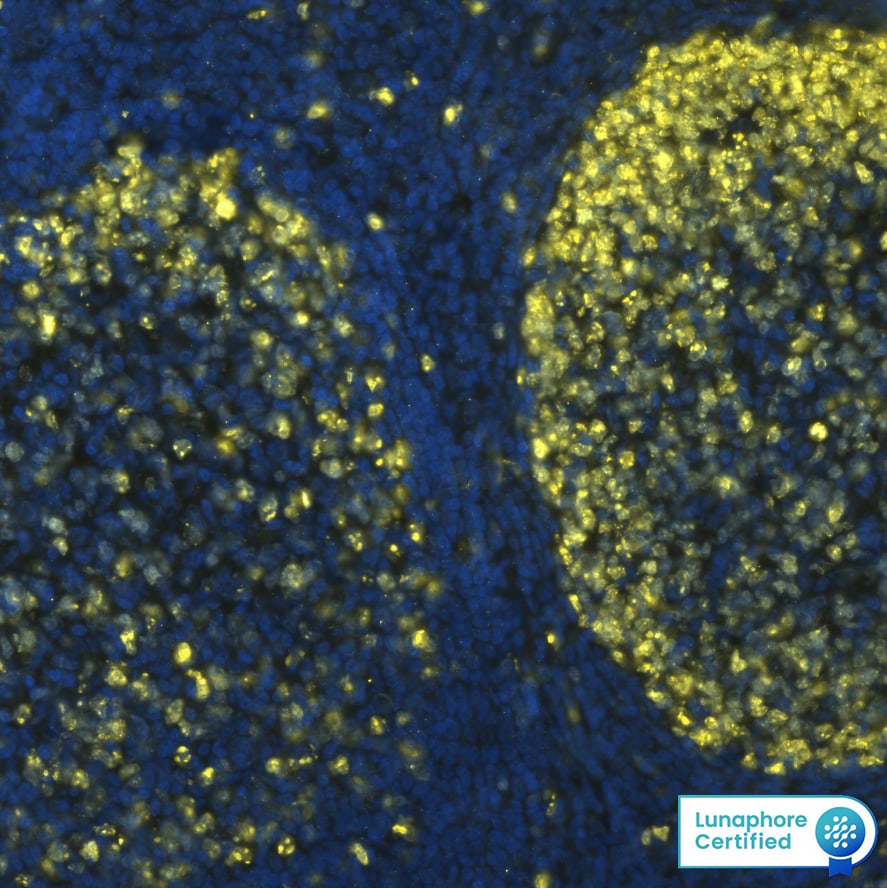
Detection of Ki67/MKI67 in Human Tonsil via seqIF™ staining on COMET™
Ki67/MKI67 was detected in immersion fixed paraffin-embedded sections of human tonsil using Rabbit Anti-Human Ki67/MKI67 Monoclonal Antibody (Catalog # MAB7617) at 10 µg/mL at 37 ° Celsius for 4 minutes. Before incubation with the primary antibody, tissue underwent an all-in-one dewaxing and antigen retrieval preprocessing using PreTreatment Module (PT Module) and Dewax and HIER Buffer H (pH 9). Tissue was stained using the Alexa Fluor™ Plus 555 Goat anti-Rabbit IgG Secondary Antibody at 1:100 at 37 ° Celsius for 2 minutes. (Yellow; Lunaphore Catalog # DR555RB) and counterstained with DAPI (blue; Lunaphore Catalog # DR100).. Specific staining was localized to the nucleus. Protocol available in COMET™ Panel Builder.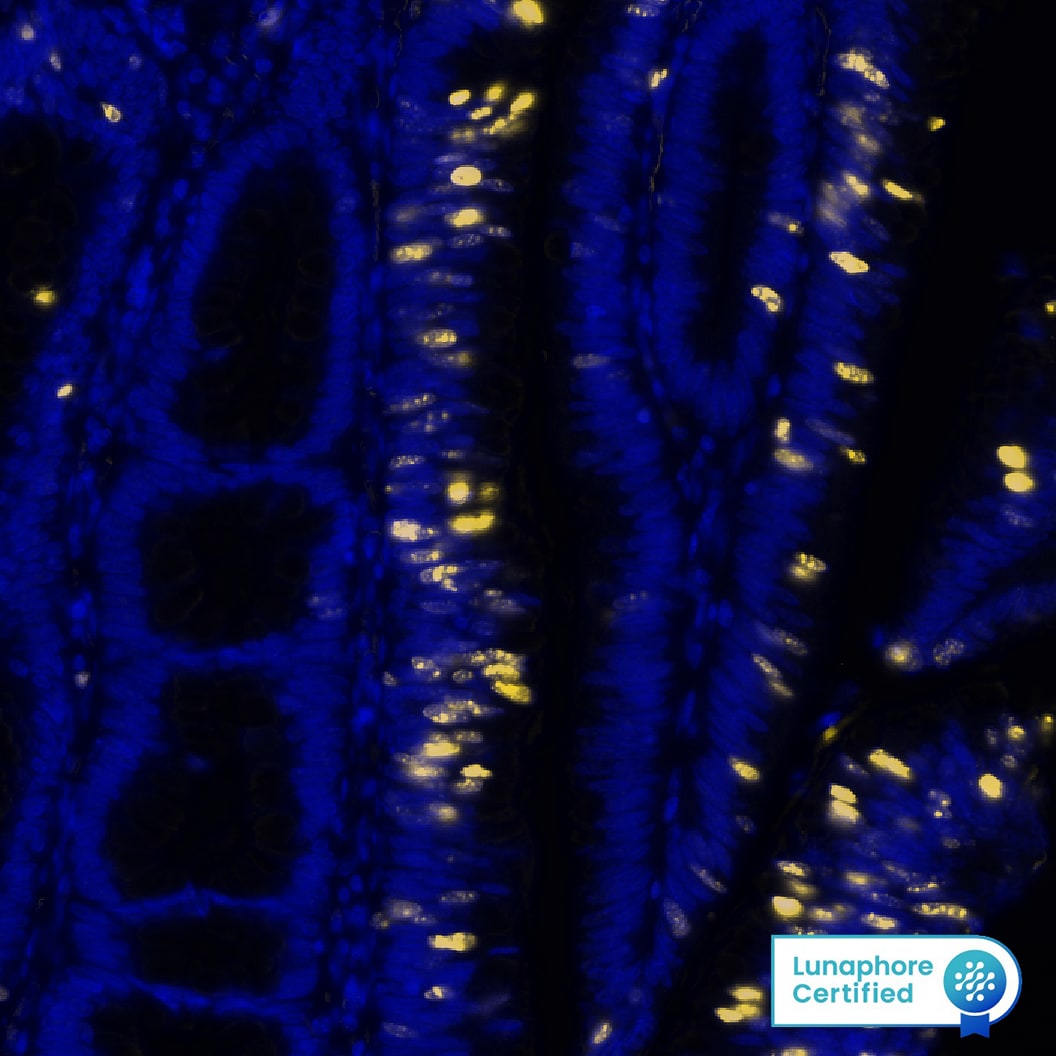
Detection of Ki67/MKI67 in Human Colon via seqIF™ staining on COMET™
Ki67/MKI67 was detected in immersion fixed paraffin-embedded sections of human Colon using Rabbit Anti-Human Ki67/MKI67 Monoclonal Antibody (Catalog # MAB7617) at 5 µg/mL at 37° Celsius for 4 minutes. Before incubation with the primary antibody, tissue underwent an all-in-one dewaxing and antigen retrieval preprocessing using PreTreatment Module (PT Module) and Dewax and HIER Buffer H (pH 9). Tissue was stained using the Alexa Fluor™ Plus 555 Goat anti-Rabbit IgG Secondary Antibody at 1:100 at 37° Celsius for 2 minutes. (Yellow; Lunaphore Catalog # DR555RB) and counterstained with DAPI (blue; Lunaphore Catalog # DR100).. Specific staining was localized to the nucleus. Protocol available in COMET™ Panel Builder.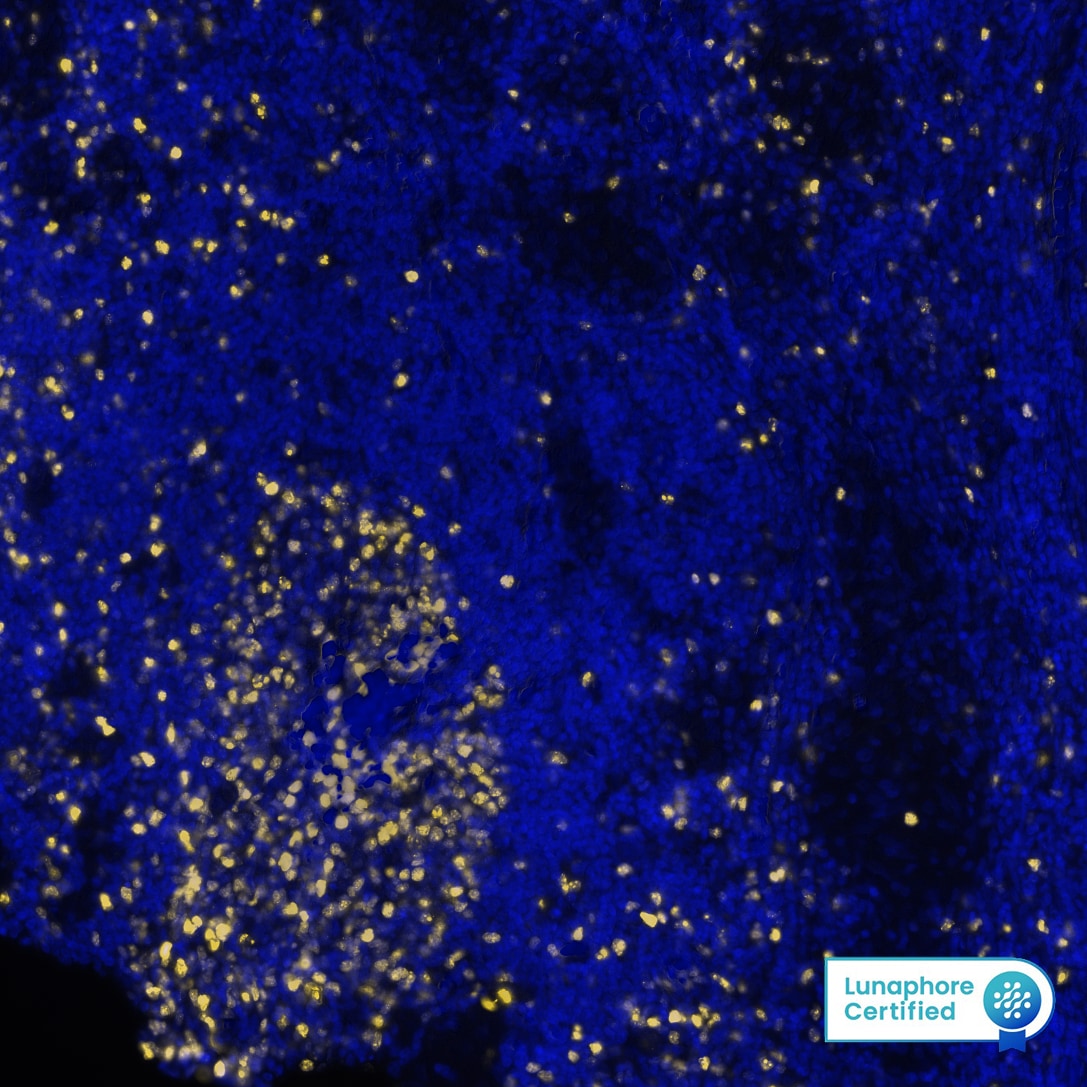
Detection of Ki67/MKI67 in Human Hodgkin Lymphoma via seqIF™ staining on COMET™
Ki67/MKI67 was detected in immersion fixed paraffin-embedded sections of human Hodgkin Lymphoma using Rabbit Anti-Human Ki67/MKI67 Monoclonal Antibody (Catalog # MAB7617) at 5 µg/mL at 37 ° Celsius for 4 minutes. Before incubation with the primary antibody, tissue underwent an all-in-one dewaxing and antigen retrieval preprocessing using PreTreatment Module (PT Module) and Dewax and HIER Buffer H (pH 9). Tissue was stained using the Alexa Fluor™ Plus 555 Goat anti-Rabbit IgG Secondary Antibody at 1:100 at 37 ° Celsius for 2 minutes. (Yellow; Lunaphore Catalog # DR555RB) and counterstained with DAPI (blue; Lunaphore Catalog # DR100).. Specific staining was localized to the nucleus. Protocol available in COMET™ Panel Builder.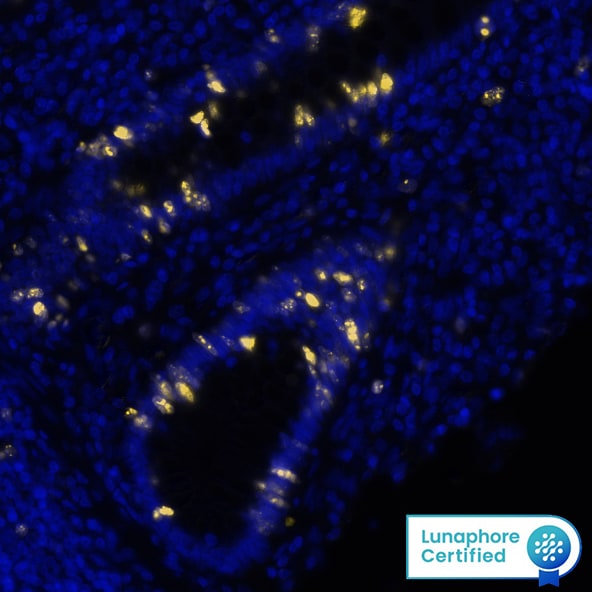
Detection of Ki67/MKI67 in Human Appendix via seqIF™ staining on COMET™
Ki67/MKI67 was detected in immersion fixed paraffin-embedded sections of human Appendix using Rabbit Anti-Human Ki67/MKI67 Monoclonal Antibody (Catalog # MAB7617) at 5 µg/mL at 37° Celsius for 4 minutes. Before incubation with the primary antibody, tissue underwent an all-in-one dewaxing and antigen retrieval preprocessing using PreTreatment Module (PT Module) and Dewax and HIER Buffer H (pH 9). Tissue was stained using the Alexa Fluor™ Plus 555 Goat anti-Rabbit IgG Secondary Antibody at 1:100 at 37° Celsius for 2 minutes. (Yellow; Lunaphore Catalog # DR555RB) and counterstained with DAPI (blue; Lunaphore Catalog # DR100).. Specific staining was localized to the nucleus. Protocol available in COMET™ Panel Builder.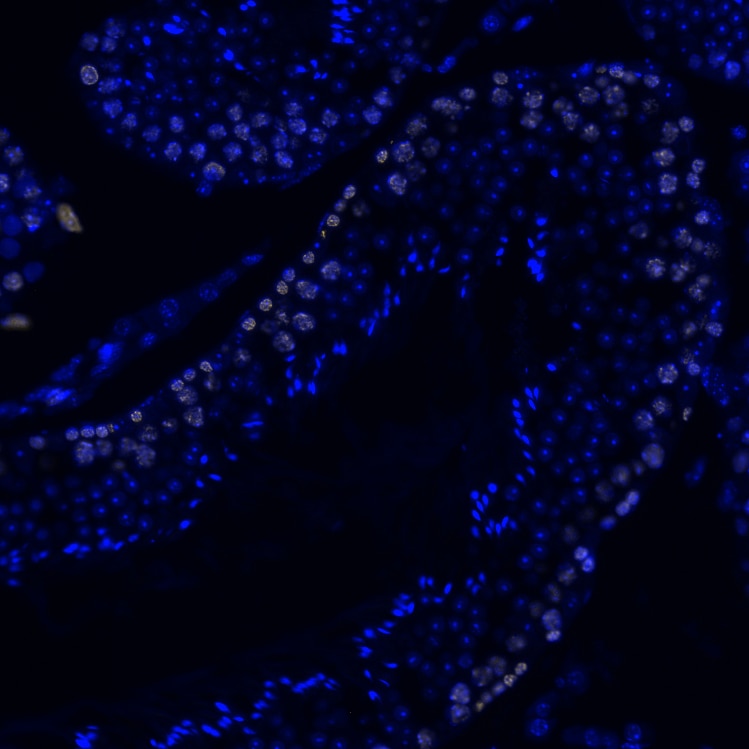
Detection of Ki67 in Mouse Testis via seqIF™ staining on COMET™
Ki67 was detected in immersion fixed paraffin-embedded sections of mouse testis using Rabbit Anti-Mouse Ki67, Monoclonal Antibody (Catalog # MAB7617) at 0.05ug/mL at 37° Celsius for 2 minutes. Before incubation with the primary antibody, tissue underwent an all-in-one dewaxing and antigen retrieval preprocessing using PreTreatment Module (PT Module)and Dewax and HIER Buffer H (pH 9; Epredia Catalog#TA-999-DHBH). Tissue was stained using the Alexa Fluor™ Plus 555 Goat anti-Rabbit IgG Secondary Antibody at 1:100 at 37 ° Celsius for 2 minutes. (Yellow; Lunaphore Catalog # DR555RB) and counterstained with DAPI (blue; Lunaphore Catalog # DR100). Specific staining was localized to the nucleus. Protocol available in COMET™ Panel Builder.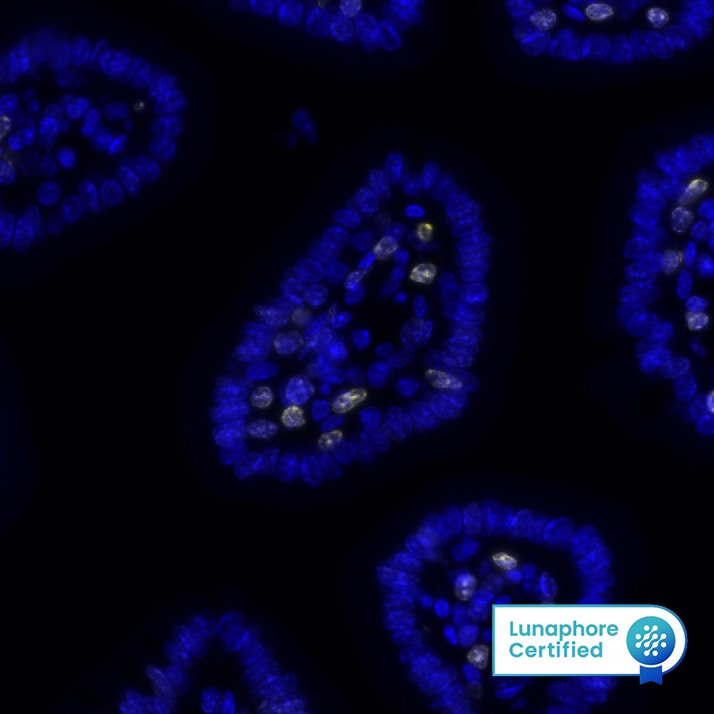
Detection of Ki67 in Mouse Stomach via seqIF™ staining on COMET™
Ki67 was detected in immersion fixed paraffin-embedded sections of mouse Stomach using Rabbit Anti-Mouse Ki67, Monoclonal Antibody (Catalog # MAB7617) at 0.15ug/mL at 37° Celsius for 2 minutes. Before incubation with the primary antibody, tissue underwent an all-in-one dewaxing and antigen retrieval preprocessing using PreTreatment Module (PT Module) and Dewax and HIER Buffer H (pH 9; Epredia Catalog # TA-999-DHBH). Tissue was stained using the Alexa Fluor™ Plus 555 Goat anti-Rabbit IgG Secondary Antibody at 1:100 at 37 ° Celsius for 2 minutes. (Yellow; Lunaphore Catalog # DR555RB) and counterstained with DAPI (blue; Lunaphore Catalog # DR100). Specific staining was localized to the nucleus. Protocol available in COMET™ Panel Builder.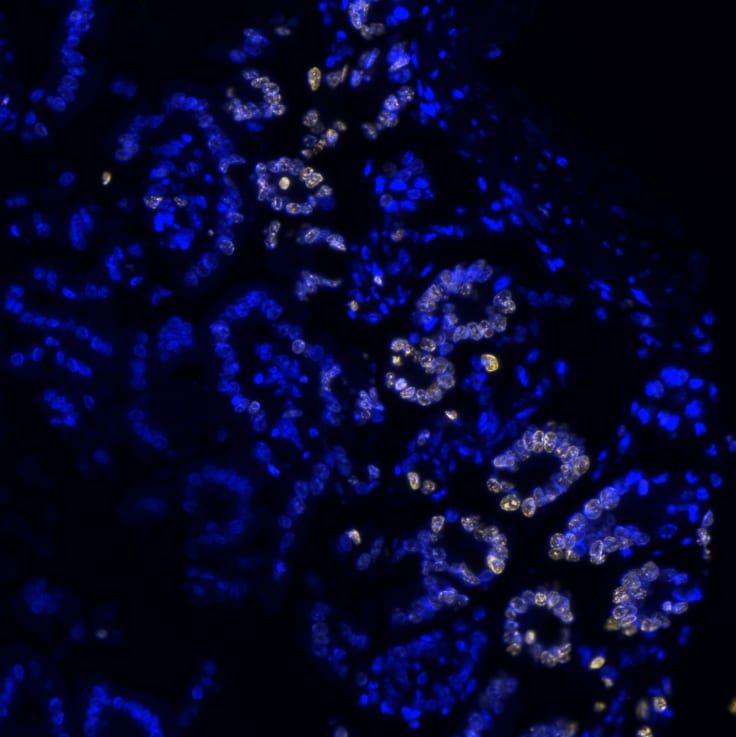
Detection of Ki67 in Mouse Intestine via seqIF™ staining on COMET™
Ki67 was detected in immersion fixed paraffin-embedded sections of mouse intestine using Rabbit Anti-Mouse Ki67, Monoclonal Antibody (Catalog # MAB7617) at 0.05ug/mL at 37° Celsius for 2 minutes. Before incubation with the primary antibody, tissue underwent an all-in-one dewaxing and antigen retrieval preprocessing using PreTreatment Module (PT Module)and Dewax and HIER Buffer H (pH 9; Epredia Catalog#TA-999-DHBH). Tissue was stained using the Alexa Fluor™ Plus 555 Goat anti-Rabbit IgG Secondary Antibody at 1:100 at 37 ° Celsius for 2 minutes. (Yellow; Lunaphore Catalog # DR555RB) and counterstained with DAPI (blue; Lunaphore Catalog # DR100). Specific staining was localized to the nucleus. Protocol available in COMET™ Panel Builder.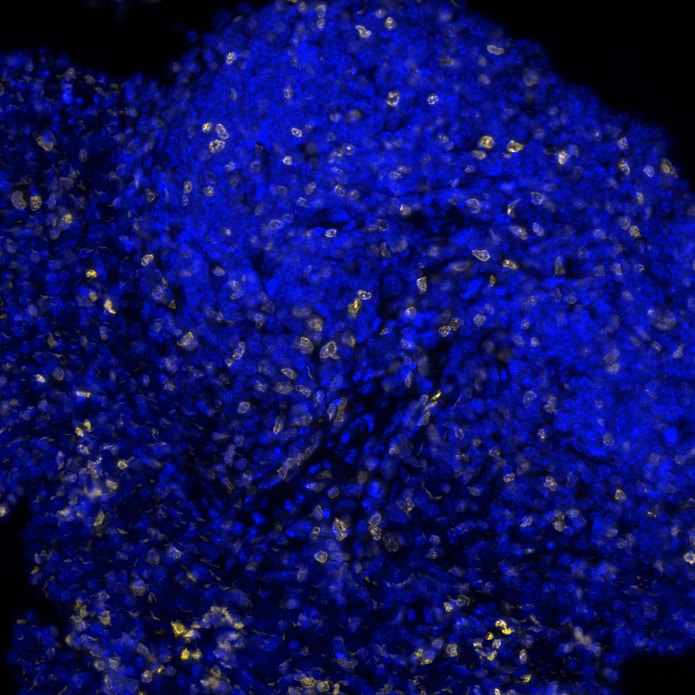
Detection of Ki67 in Mouse Spleen via seqIF™ staining on COMET™
Ki67 was detected in immersion fixed paraffin-embedded sections of mouse spleen using Rabbit Anti-Mouse Ki67, Monoclonal Antibody (Catalog # MAB7617) at 0.05ug/mL at 37° Celsius for 2 minutes. Before incubation with the primary antibody, tissue underwent an all-in-one dewaxing and antigen retrieval preprocessing using PreTreatment Module (PT Module)and Dewax and HIER Buffer H (pH 9; Epredia Catalog#TA-999-DHBH). Tissue was stained using the Alexa Fluor™ Plus 555 Goat anti-Rabbit IgG Secondary Antibody at 1:100 at 37 ° Celsius for 2 minutes. (Yellow; Lunaphore Catalog # DR555RB) and counterstained with DAPI (blue; Lunaphore Catalog # DR100). Specific staining was localized to the nucleus. Protocol available in COMET™ Panel Builder.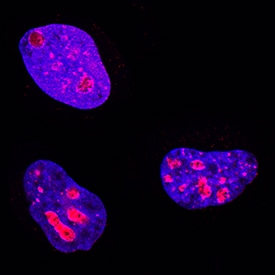
Ki67/MKI67 in HeLa Human Cell Line.
Ki67/MKI67 was detected in immersion fixed HeLa human cervical epithelial carcinoma cell line using Rabbit Anti-Human Ki67/MKI67 Monoclonal Antibody (Catalog # MAB7617) at 0.3 µg/mL for 3 hours at room temperature. Cells were stained using the NorthernLights™ 557-conjugated Anti-Rabbit IgG Secondary Antibody (red; NL004) and counterstained with DAPI (blue). Specific staining was localized to nuclei. View our protocol for Fluorescent ICC Staining of Cells on Coverslips.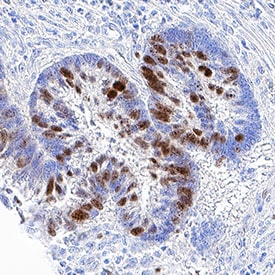
Ki67/MKI67 in Human Pancreatic Cancer Tissue.
Ki67/MKI67 was detected in immersion fixed paraffin-embedded sections of human pancreatic cancer tissue using Rabbit Anti-Human Ki67/MKI67 Monoclonal Antibody (Catalog # MAB7617) at 3 µg/mL for 1 hour at room temperature followed by incubation with the Anti-Rabbit IgG VisUCyte™ HRP Polymer Antibody (VC003). Tissue was stained using DAB (brown) and counterstained with hematoxylin (blue). Specific staining was localized to nuclei. View our protocol for IHC Staining with VisUCyte HRP Polymer Detection Reagents.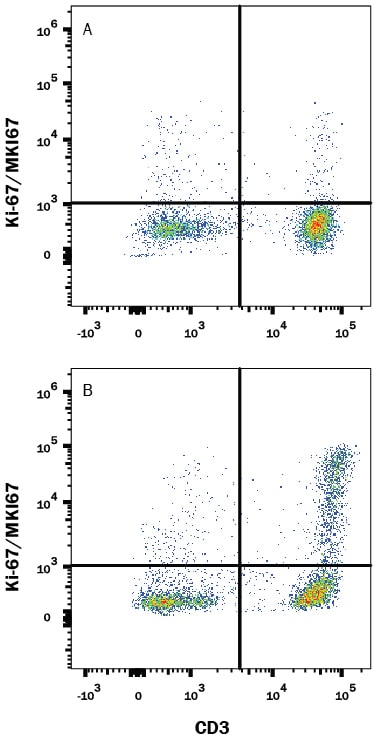
Detection of Ki67/MKI67 in Human PBMCs by Flow Cytometry.
Human peripheral blood mononuclear cells (PBMCs) either A) untreated or (B) treated with 5 µg/mL PHA for 5 days were stained with Rabbit Anti-Human Ki67/MKI67 Monoclonal Antibody (Catalog # MAB7617) followed by Phycoerythrin-conjugated Anti-Rabbit IgG Secondary Antibody (F0110) and Mouse Anti-Human CD3e APC-conjugated Monoclonal Antibody (FAB100A). Quadrant markers were set based on control antibody staining (MAB1050). To facilitate intracellular staining, cells were fixed and permeabilized with FlowX FoxP3 Fixation & Permeabilization Buffer Kit (FC012). View our protocol for Staining Intracellular Molecules.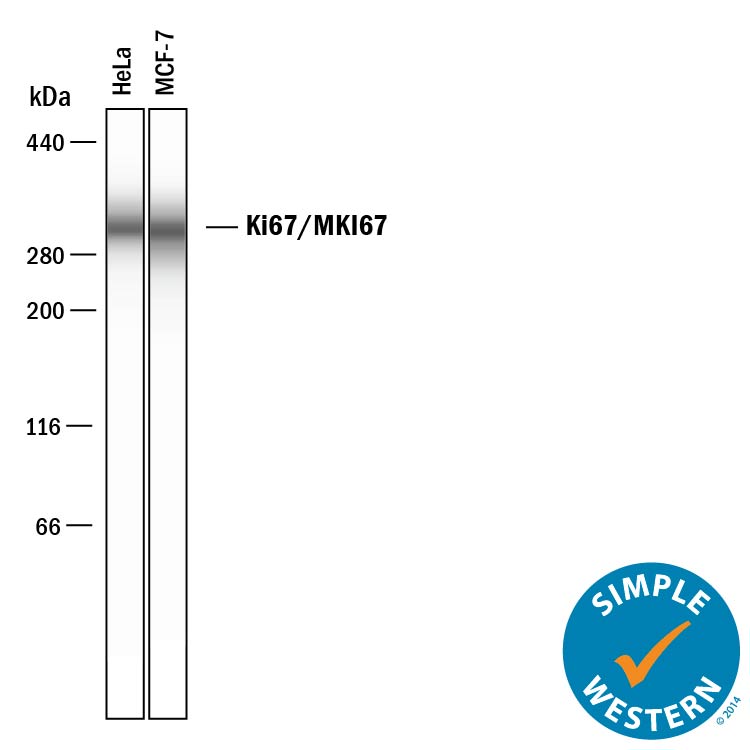
Detection of Human Ki67/MKI67 by Simple WesternTM.
Simple Western lane view shows lysates of HeLa human cervical epithelial carcinoma cell line and MCF‑7 human breast cancer cell line, loaded at 0.2 mg/mL. A specific band was detected for Ki67/MKI67 at approximately 320 kDa (as indicated) using 20 µg/mL of Rabbit Anti-Human Ki67/MKI67 Monoclonal Antibody (Catalog # MAB7617). This experiment was conducted under reducing conditions and using the 66-440 kDa separation system.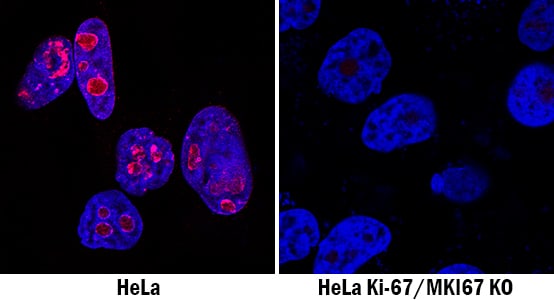
Ki67/MKI67 Specificity is Shown by Immunocytochemistry in Knockout Cell Line.
Ki67/MKI67 was detected in immersion fixed HeLa human cervical epithelial carcinoma cell line but is not detected in Ki67/MKI67 knockout (KO) HeLa cell line using Rabbit Anti-Human Ki67/MKI67 Monoclonal Antibody (Catalog # MAB7617) at 1 µg/mL for 3 hours at room temperature. Cells were stained using the NorthernLights™ 557-conjugated Anti-Rabbit IgG Secondary Antibody (red; NL004) and counterstained with DAPI (blue). Specific staining was localized to nuclei. View our protocol for Fluorescent ICC Staining of Cells on Coverslips.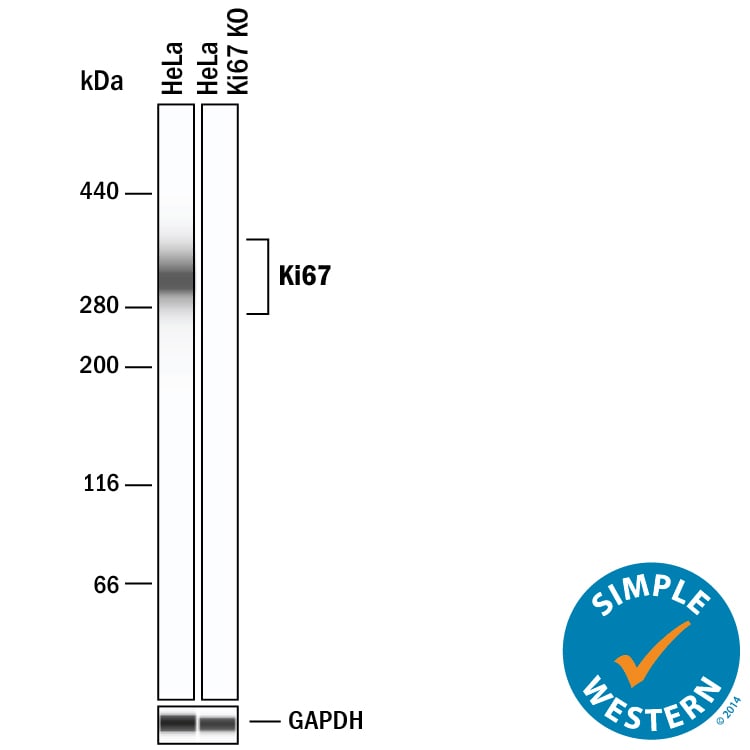
Human Ki67/MKI67 Specificity Shown by Simple WesternTM in Knockout Cell Line.
Simple Western lane view shows lysates of HeLa human cervical epithelial carcinoma cell line and Ki67 knockout HeLa cell line (KO), loaded at 0.2 mg/mL. A specific band was detected for Ki67/MKI67 at approximately 320 kDa (as indicated) using 20 µg/mL of Rabbit Anti-Human Ki67/MKI67 Monoclonal Antibody (Catalog # MAB7617). GAPDH (MAB5718) is shown as a loading control. This experiment was conducted under reducing conditions and using the 66-440 kDa separation system.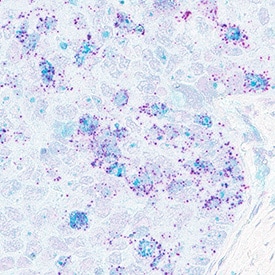
Ki-67/MKI67 in human breast cancer using Dual RNAscope®ISH and IHC.
MKi67 mRNA (red) and MKi67 protein (green) were detected in formalin-fixed paraffin-embedded tissue sections of human breast cancer. ACD’s Integrated Co-Detection Workflow was performed using ACD RNAScope Probe Hs-MKI67 (Catalog # 591771) and rabbit anti-human Ki67/MKI67 recombinant monoclonal antibody (Catalog # MAB7616) at 10 μg/mL. Tissue was stained using RNAscope® 2.5 HD Detection Kit-RED (Catalog # 322360) and RNAscope® 2.5 LS Green Accessory Pack (Catalog # 322550). Tissue was counterstained with 50% hematoxylin (blue).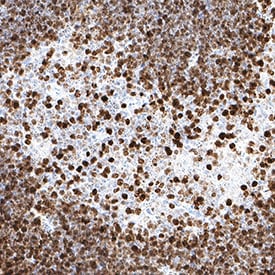
Detection of Ki67/MKI67 in Mouse Thymus.
Ki67/MKI67 was detected in immersion fixed paraffin-embedded sections of mouse thymus using Rabbit Anti-Human Ki67/MKI67 Monoclonal Antibody (Catalog # MAB7617) at 0.5 µg/ml for 1 hour at room temperature followed by incubation with the Anti-Rabbit IgG VisUCyte™ HRP Polymer Antibody (Catalog # VC003). Before incubation with the primary antibody, tissue was subjected to heat-induced epitope retrieval using VisUCyte Antigen Retrieval Reagent-Basic (Catalog # VCTS021). Tissue was stained using DAB (brown) and counterstained with hematoxylin (blue). Specific staining was localized to the nucleus. View our protocol for IHC Staining with VisUCyte HRP Polymer Detection Reagents.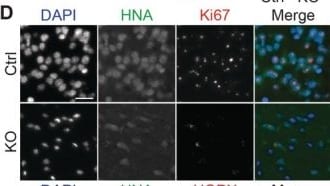
Detection of Ki67/MKI67 by Immunocytochemistry/ Immunofluorescence
DMRTA2 contributes to the tumorigenicity of DHG‐H3G34. (A) Representative images of in vivo bioluminescence imaging. (B) Quantification of bioluminescence imaging. Bars indicate mean ± S.D. (5–6 mice/group) (C) Representative composite images of brain sections immunostained with anti‐human NCAM antibody (top) or stained with H&E (bottom). Scale bar: 2 mm. (D) Immunostaining for the proliferation marker Ki67, RG marker HOPX, and human nuclear specific antigen (HNA). Scale bar: 50 μm. (E) Quantification of immunostaining. Bars indicate mean ± S.D. (3 mice/group) *p < 0.05, **p < 0.01. Image collected and cropped by CiteAb from the following open publication (https://pubmed.ncbi.nlm.nih.gov/41844556), licensed under a CC-BY license. Not internally tested by R&D Systems.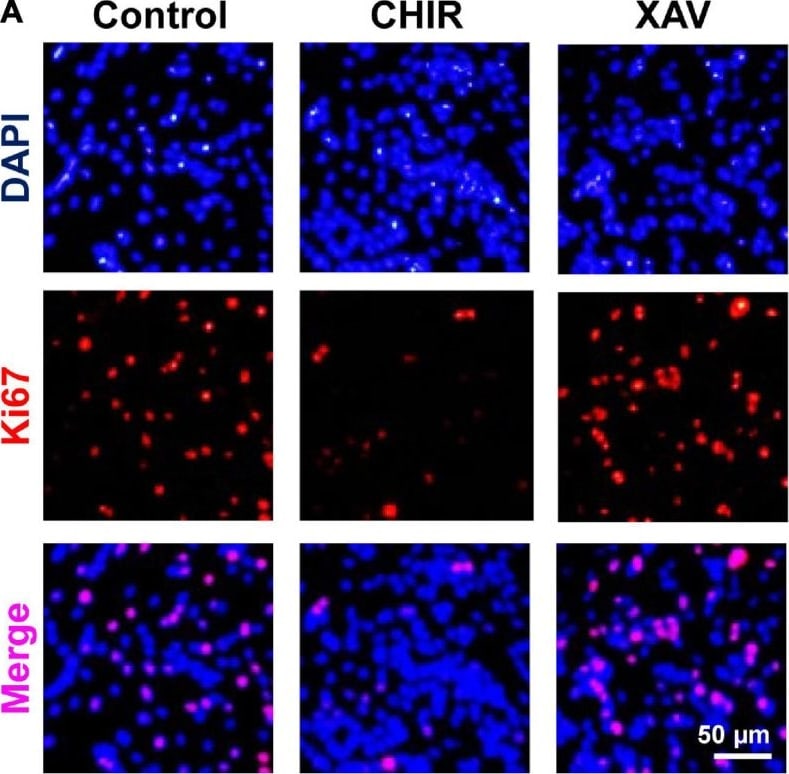
Detection of Ki67/MKI67 by Immunocytochemistry/ Immunofluorescence
Effect of Wnt modulators on proliferation and survival of hNPCs. (A) Representative images of fixed HUES-6 hNPCs in control conditions (NIM + bFGF) and after 7 days of treatment with 3 μM CHIR or XAV, stained with the nuclear dye DAPI (top row, blue) and immunostained with the proliferation marker Ki67 (middle row, red). Bottom row shows the merged images of DAPI and Ki67 double staining (pink). (B) Proliferation rate quantified as the percentage of Ki67-positive cells from the total number of cells (DAPI-positive), in control conditions (gray bar) and following hNPCs exposure to 3 μM of CHIR (white) or XAV (black) for a total of 7 days. Experiments were repeated three times in all 4 hNPC lines, 3 random fields were imaged and analyzed in each experiment. Quantification was conducted post hoc using ImageJ ROI tool. Values are shown as mean ± SEM, normalized to control. *p < 0.05; **p < 0.01, ANOVA. (C) Survival assay conducted on hNPCs after 7 days of control conditions (gray bar) or treatment with 3 μM CHIR (white bar) or XAV (black bar). At time = 0 days, ∼30,000 cells were seeded on 24-well plates. At time = 7 days, the number of cells in culture was manually counted using a hemocytometer. Experiments were repeated three times in all 4 hNPC lines. Values are shown as mean ± SEM, normalized to control. *p < 0.05; **p < 0.01, ANOVA. Image collected and cropped by CiteAb from the following open publication (https://pubmed.ncbi.nlm.nih.gov/34421534), licensed under a CC-BY license. Not internally tested by R&D Systems.Applications for Ki67/MKI67 Antibody (1297A)
COMET
Sample: Immersion fixed paraffin-embedded sections of human tonsil, colon, Hodgkin Lymphoma and appendix, and mouse intestine, stomach, testis and spleen
Dual RNAscope ISH-IHC Compatible
Sample: Formalin-fixed paraffin-embedded tissue sections of human breast cancer
Immunocytochemistry
Sample: Immersion fixed HeLa human cervical epithelial carcinoma cell line
Immunohistochemistry
Sample: Immersion fixed paraffin-embedded sections of human pancreatic cancer tissue and mouse thymus
Intracellular Staining by Flow Cytometry
Sample: Human peripheral blood mononuclear cells (PBMCs) treated with PHA were fixed and permeabilized with FlowX FoxP3 Fixation & Permeabilization Buffer Kit (Catalog # FC012)
Knockout Validated
Simple Western
Sample: HeLa human cervical epithelial carcinoma cell line and MCF‑7 human breast cancer cell line
Reviewed Applications
Read 3 reviews rated 4.3 using MAB7617 in the following applications:
Flow Cytometry Panel Builder
Bio-Techne Knows Flow Cytometry
Save time and reduce costly mistakes by quickly finding compatible reagents using the Panel Builder Tool.
Advanced Features
- Spectra Viewer - Custom analysis of spectra from multiple fluorochromes
- Spillover Popups - Visualize the spectra of individual fluorochromes
- Antigen Density Selector - Match fluorochrome brightness with antigen density

Formulation, Preparation, and Storage
Purification
Reconstitution
Reconstitute at 0.5 mg/mL in sterile PBS. For liquid material, refer to CoA for concentration.
Formulation
Shipping
Stability & Storage
- 12 months from date of receipt, -20 to -70 °C as supplied.
- 1 month, 2 to 8 °C under sterile conditions after reconstitution.
- 6 months, -20 to -70 °C under sterile conditions after reconstitution.
Calculators
Background: Ki67/MKI67
Long Name
Alternate Names
Gene Symbol
UniProt
Additional Ki67/MKI67 Products
Product Documents for Ki67/MKI67 Antibody (1297A)
Certificate of Analysis
To download a Certificate of Analysis, please enter a lot or batch number in the search box below.
Note: Certificate of Analysis not available for kit components.
Product Specific Notices for Ki67/MKI67 Antibody (1297A)
For research use only
Related Research Areas
Citations for Ki67/MKI67 Antibody (1297A)
 Powered by Bioz
Customer Reviews for Ki67/MKI67 Antibody (1297A) (3)
Have you used Ki67/MKI67 Antibody (1297A)?
Submit a review and receive an Amazon gift card!
$25/€18/£15/$25CAN/¥2500 for a review with an image
$10/€7/£6/$10CAN/¥1110 for a review without an image
Submit a review
Customer Images
-
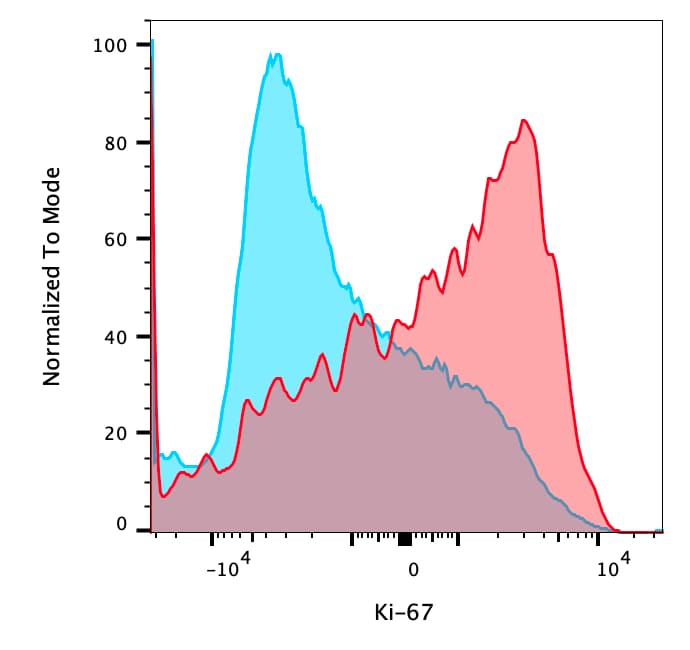
Application: Flow CytometrySample Tested: Blood mononuclear cells (PBMCs)Species: HumanVerified Customer | Posted 03/23/2025

-
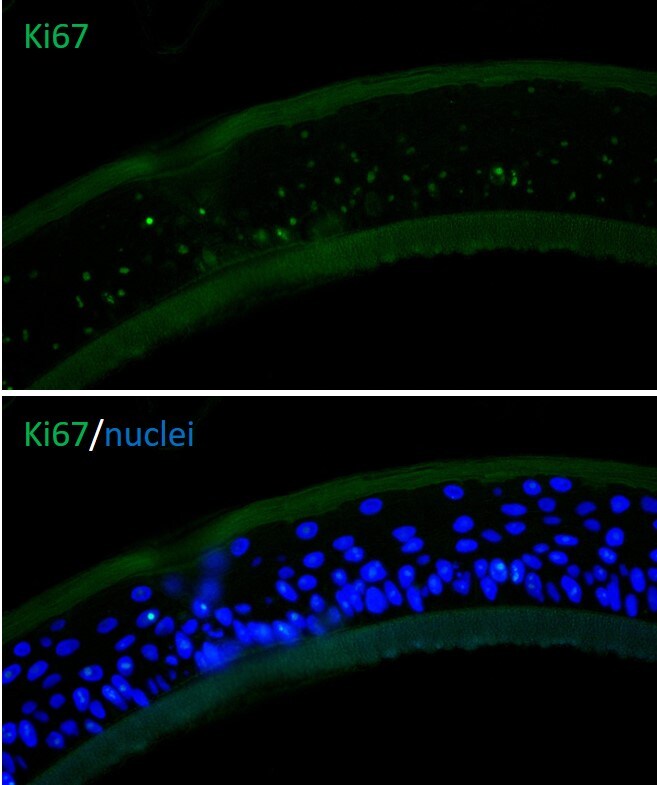
Application: Immunocytochemistry/ImmunofluorescenceSample Tested: Skin tissueSpecies: HumanVerified Customer | Posted 02/27/2020Reconstructed human epidermis tissues were embedded in paraffin. After successives baths in xylene and ethanol, antigen was retrieved using warm citrate (for 30 min). After a step of saturation, specimens were incubated overnight with the primary antibody (1:100 dilution).
-
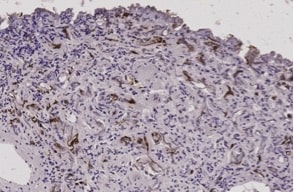
Application: ImmunohistochemistrySample Tested: Prostate cancerSpecies: HumanVerified Customer | Posted 10/26/20171:1000 dilution.
There are no reviews that match your criteria.
Protocols
Find general support by application which include: protocols, troubleshooting, illustrated assays, videos and webinars.
- 7-Amino Actinomycin D (7-AAD) Cell Viability Flow Cytometry Protocol
- Antigen Retrieval Protocol (PIER)
- Antigen Retrieval for Frozen Sections Protocol
- Appropriate Fixation of IHC/ICC Samples
- Cellular Response to Hypoxia Protocols
- Chromogenic IHC Staining of Formalin-Fixed Paraffin-Embedded (FFPE) Tissue Protocol
- Chromogenic Immunohistochemistry Staining of Frozen Tissue
- ClariTSA™ Fluorophore Kits
- Detection & Visualization of Antibody Binding
- Extracellular Membrane Flow Cytometry Protocol
- Flow Cytometry Protocol for Cell Surface Markers
- Flow Cytometry Protocol for Staining Membrane Associated Proteins
- Flow Cytometry Staining Protocols
- Flow Cytometry Troubleshooting Guide
- Fluorescent IHC Staining of Frozen Tissue Protocol
- Graphic Protocol for Heat-induced Epitope Retrieval
- Graphic Protocol for the Preparation and Fluorescent IHC Staining of Frozen Tissue Sections
- Graphic Protocol for the Preparation and Fluorescent IHC Staining of Paraffin-embedded Tissue Sections
- Graphic Protocol for the Preparation of Gelatin-coated Slides for Histological Tissue Sections
- ICC Cell Smear Protocol for Suspension Cells
- ICC Immunocytochemistry Protocol Videos
- ICC for Adherent Cells
- IHC Sample Preparation (Frozen sections vs Paraffin)
- ISH-IHC Protocol for Chromogenic Detection on Formalin Fixed Paraffin Embedded (FFPE) Tissue
- Immunocytochemistry (ICC) Protocol
- Immunocytochemistry Troubleshooting
- Immunofluorescence of Organoids Embedded in Cultrex Basement Membrane Extract
- Immunofluorescent IHC Staining of Formalin-Fixed Paraffin-Embedded (FFPE) Tissue Protocol
- Immunohistochemistry (IHC) and Immunocytochemistry (ICC) Protocols
- Immunohistochemistry Frozen Troubleshooting
- Immunohistochemistry Paraffin Troubleshooting
- Intracellular Flow Cytometry Protocol Using Alcohol (Methanol)
- Intracellular Flow Cytometry Protocol Using Detergents
- Intracellular Nuclear Staining Flow Cytometry Protocol Using Detergents
- Intracellular Staining Flow Cytometry Protocol Using Alcohol Permeabilization
- Intracellular Staining Flow Cytometry Protocol Using Detergents to Permeabilize Cells
- Preparing Samples for IHC/ICC Experiments
- Preventing Non-Specific Staining (Non-Specific Binding)
- Primary Antibody Selection & Optimization
- Propidium Iodide Cell Viability Flow Cytometry Protocol
- Protocol for Heat-Induced Epitope Retrieval (HIER)
- Protocol for Liperfluo
- Protocol for Making a 4% Formaldehyde Solution in PBS
- Protocol for VisUCyte™ HRP Polymer Detection Reagent
- Protocol for the Characterization of Human Th22 Cells
- Protocol for the Characterization of Human Th9 Cells
- Protocol for the Fluorescent ICC Staining of Cell Smears - Graphic
- Protocol for the Fluorescent ICC Staining of Cultured Cells on Coverslips - Graphic
- Protocol for the Preparation & Fixation of Cells on Coverslips
- Protocol for the Preparation and Chromogenic IHC Staining of Frozen Tissue Sections
- Protocol for the Preparation and Chromogenic IHC Staining of Frozen Tissue Sections - Graphic
- Protocol for the Preparation and Chromogenic IHC Staining of Paraffin-embedded Tissue Sections
- Protocol for the Preparation and Chromogenic IHC Staining of Paraffin-embedded Tissue Sections - Graphic
- Protocol for the Preparation and Fluorescent ICC Staining of Cells on Coverslips
- Protocol for the Preparation and Fluorescent ICC Staining of Non-adherent Cells
- Protocol for the Preparation and Fluorescent ICC Staining of Stem Cells on Coverslips
- Protocol for the Preparation and Fluorescent IHC Staining of Frozen Tissue Sections
- Protocol for the Preparation and Fluorescent IHC Staining of Paraffin-embedded Tissue Sections
- Protocol for the Preparation of Gelatin-coated Slides for Histological Tissue Sections
- Protocol for the Preparation of a Cell Smear for Non-adherent Cell ICC - Graphic
- Protocol: Annexin V and PI Staining by Flow Cytometry
- Protocol: Annexin V and PI Staining for Apoptosis by Flow Cytometry
- TUNEL and Active Caspase-3 Detection by IHC/ICC Protocol
- The Importance of IHC/ICC Controls
- Troubleshooting Guide: Fluorokine Flow Cytometry Kits
- Troubleshooting Guide: Immunohistochemistry
- View all Protocols, Troubleshooting, Illustrated assays and Webinars