
Y-27632 dihydrochloride
Tocris Bioscience | Catalog # 1254

Key Product Details
Description
Alternative Names
Product Description
Y-27632 dihydrochloride is a selective ROCK inhibitor (Ki values are 0.14-0.22, 0.3, 25, 26 and > 250 μM for ROCK1 (p160 ROCK), ROCK2, PKA, PKC and MLCK respectively). Also inhibits PRK2 (IC50 = 600 nM). Increases survival rate of human embryonic stem (hES) cells and iPSC undergoing cryopreservation. Used in combination with CHIR 99021, RepSox, Forskolin, SP 600125, Go 6983 and VPA to reprogram fibroblasts to mature neurons. Also optimizes naive human pluripotent stem cell growth and viability following naive cell derivation from primed ESCs and iPSCs using naive human stem cell medium (NHSM). Used as component of growth media for urothelial organoids. Also used in a protocol to generate brain organoids from human iPSCs. Cell-permeable, orally bioavailable and active in vivo.
Y-27632 in solution and Y-27632 synthesized to cGMP guidelines also available.
For more information about how Y-27632 dihydrochloride may be used, see our protocols: Transdifferentiating Fibroblasts into Neurons, Converting Fibroblasts into Cardiomyocytes (9C Cocktail), Accelerated Induction of Cortical Neurons from hiPSCs, Human iPSC-derived Myoblasts, Generation and Propagation of EPS cells (LCDM Cocktail), Generating Vascular Organoids, Generating Midbrain Dopaminergic Neurons from hPSCs, Cultivating Cerebral Organoids, 3D Culture of Lung Alveolar Cells.
Scientific Data Images for Y-27632 dihydrochloride
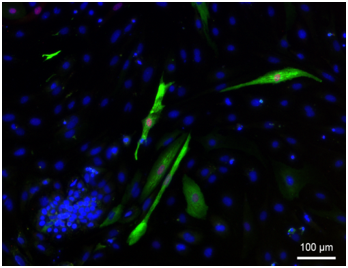
Application of Y-27632 dihydrochloride in MESP1+ Mesoderm.
ROCK inhibition by Y-27632 (1 μM) promotes skeletal myogenic differentiation of MESP1+ mesoderm, as shown by immunostaining for Myosin Heavy Chain+ (Green) and Myogenin (Red), and counterstaining with DAPI (Catalog # 5748; Blue, Tocris). Data courtesy of Dr Sunny Chan and Dr Michael Kyba, University of Minnesota.
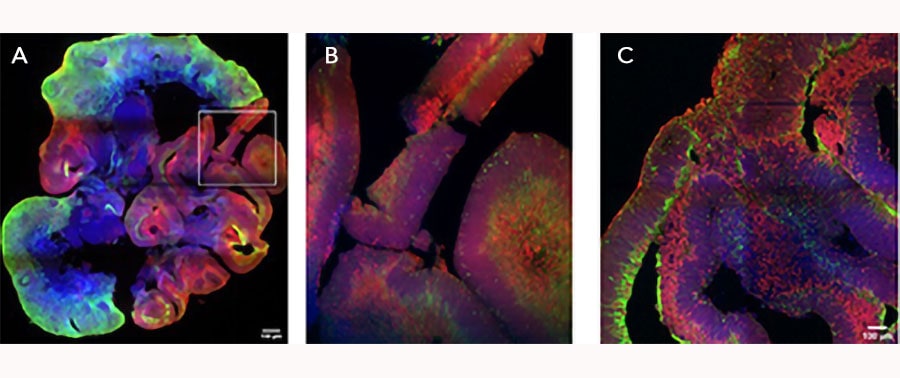
Application of Y-27632 dihydrochloride in Culture and Characterization of iPSC-derived Cerebral Organoids.
iPSC-derived cerebral organoids (day 45) were cultured using Cultrex UltiMatrix RGF Basement Membrane Extract (Catalog # BME001-05) and brain organoid culture medium, which includes Y-27632 dihydrochloride, along with other reagents listed in the brain organoid culture recipe. Cerebral organoids were stained for Syto6 (blue), Pax6 (red), and Vimentin (green). (A) Image taken at 4x magnification. (B) An enlarged view of the area shown within the white box in part A of the figure. (C) Image taken at 15x magnification. Images courtesy of LifeCanvas Technologies.
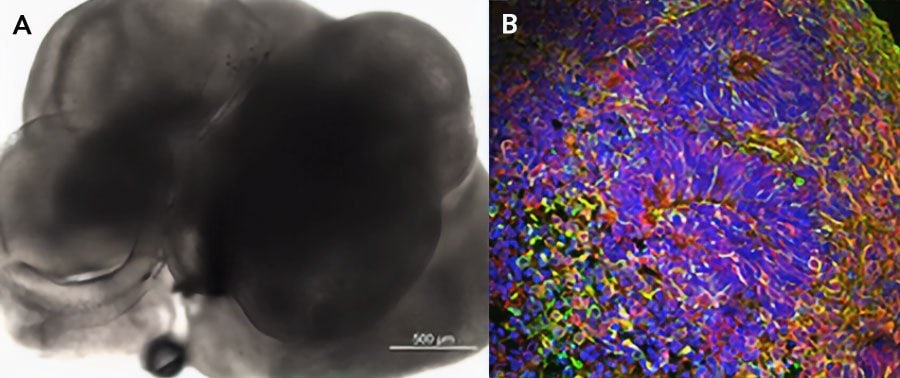
Application of Y-27632 dihydrochloride in Culture and Characterization of iPSC-derived Cerebral Organoids.
iPSC-derived cerebral organoids (day 45) were cultured using Cultrex UltiMatrix RGF Basement Membrane Extract (Catalog # BME001-05) and brain organoid culture medium, which includes Y-27632 dihydrochloride, along with other reagents listed in the brain organoid culture recipe. (A) Representative brightfield image of day 30 iPSC-derived cerebral organoids. (B) Cerebral organoids stained for beta III-tubulin (green) and Prox1 (red), and counterstained with DAPI (blue) (Catalog # 5748).
Application of Y-27632 dihydrochloride in Culture and Characterization of iPSC-derived Human Intestinal Organoids.
iPSC-derived human intestinal organoids were cultured using Y-27632 dihydrochloride, SB 202190 (Catalog # 1264), N-Acetylcysteine (Catalog # 7874), A 83-01 (Catalog # 2939), Nicotinamide (Catalog # 4106), along with other reagents used in the human intestinal organoid culture protocol. (A) Human intestinal organoids were stained using a Human/Mouse/Rat Vimentin Antibody (Catalog # MAB2105; green) and a Human/Mouse Desmin Antibody (Catalog # AF3844; red) to visualize myofibroblast cells and counterstained with DAPI (Catalog # 5748; blue). (B) Human intestinal organoids were stained using a Human/Mouse E-Cadherin Antibody (Catalog # AF748; green), a Human MUC2 Antibody (Novus Biologicals, Catalog # NBP2-44431; red) and counterstained with DAPI (Catalog # 5748; blue).
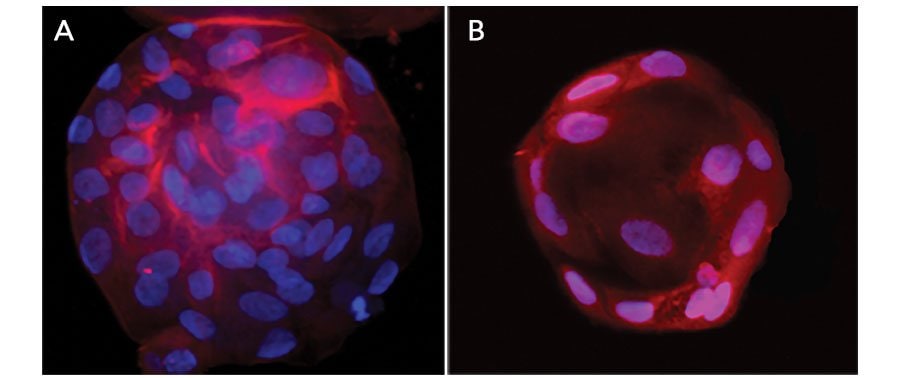
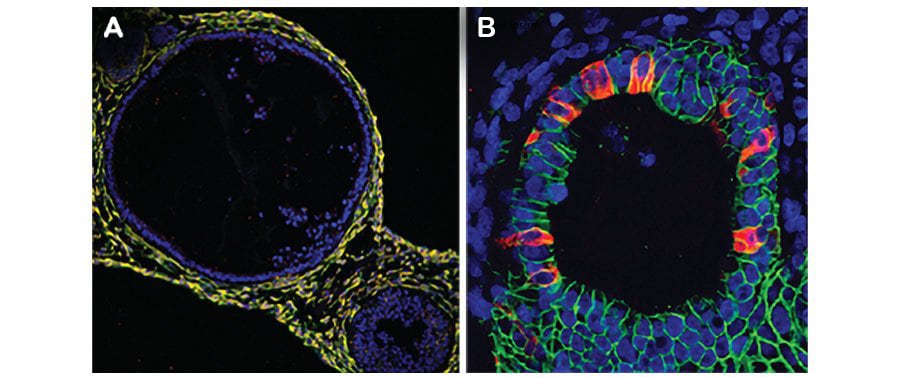
Application of Y-27632 dihydrochloride in Culture and Characterization of Adult Stem Cell-derived Liver Organoids.
Adult stem cell-derived liver organoids were cultured using Y-27632 dihydrochloride, HEPES (Catalog # 3173), A 83-01 (Catalog # 2939), Forskolin (Catalog # 1099), N-Acetylcysteine (Catalog # 7874), along with other reagents used in the human liver organoid culture protocol. After 3 days, liver organoid expansion medium was added for 7-10 days, followed by liver organoid differentiation medium, which includes HEPES (Catalog # 3173), Nicotinamide (Catalog # 4106), N-Acetylcysteine (Catalog # 7874), A 83-01 (Catalog # 2939), along with the other reagents. Differentiated human liver organoids were stained using a (A) Human Serum Albumin Antibody (Catalog # MAB1455; red) and a (B) Human HNF-3beta /FoxA2 Antibody (Catalog # AF2400; red) and counterstained with DAPI (Catalog # 5748; blue).
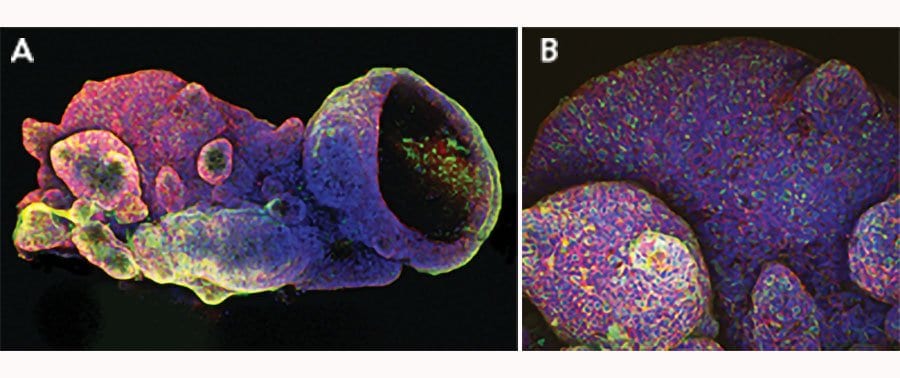
Application of Y-27632 dihydrochloride in Culture and Characterization of Adult Stem Cell-derived Human Descending Colon Organoids.
Adult stem cells isolated from human descending colon were embedded and then cultured for 30 days in intestinal organoid culture medium, which includes Y-27632 dihydrochloride, SB 202190 (Catalog # 1264), N-Acetylcysteine (Catalog # 7874), A 83-01 (Catalog # 2939), Nicotinamide (Catalog # 4106), along with other reagents used in the human intestinal organoid culture protocol. (A) Organoids were fixed and stained with a Human MUC2 Antibody (Novus Biologicals; Catalog # NBP2-44431; green) to visualize intestinal goblet cells and counterstained with a Human/Mouse E-Cadherin Antibody (Catalog # AF748; red) and DAPI (Catalog # 5748; blue).(B) Organoids were fixed and stained with a Human Chromogranin A Antibody (Catalog # MAB90981; green) to visualize enteroendocrine cells and counterstained with a Human/Mouse E-Cadherin Antibody (Catalog # AF748; red) and DAPI (Catalog # 5748; blue).
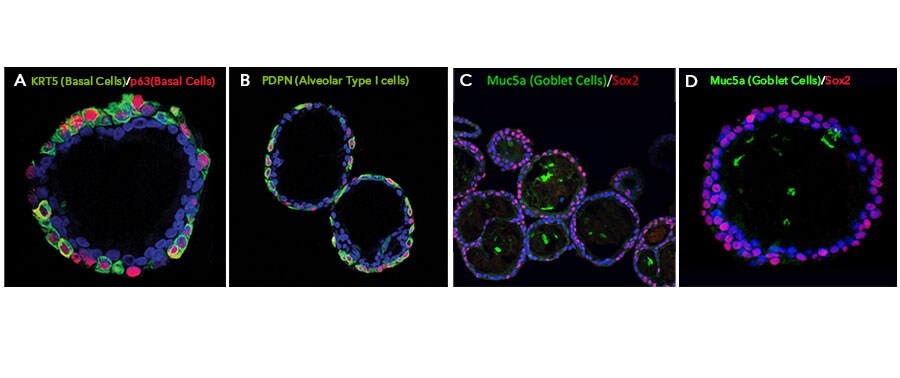
Application of Y-27632 dihydrochloride in Culture and Characterization of Adult Stem Cell-derived Lung Organoids.
Adult stem cells isolated from human lung biopsy tissue were embedded and then cultured for 20-60 days in lung organoid expansion medium, which includes Y-27632 dihydrochloride, HEPES (Catalog # 3173), N-Acetylcysteine (Catalog # 7874), A 83-01 (Catalog # 2939), SB 202190 (Catalog # 1264), Nicotinamide (Catalog # 4106), along with other reagents used in the human lung organoid culture protocol. Lung organoids were able to differentiate and exhibit markers for various cell types of the lung. Lung organoids were stained with (A) a Human Cytokeratin 5 (KRT5) Antibody (green) and a Human p63/TP73L Antibody (Catalog # AF1916; red) to visualize basal cells, (B) a Mouse Podoplanin (PDPN) Antibody (Novus Biologicals, Catalog # NB600-1015; green) to visualize alveolar type I cells and a Human p63/TP73L Antibody (Catalog # AF1916; red) to visualize basal cells, and (C, D) a Mouse MUC5AC Antibody (Novus Biologicals, Catalog # NBP2-15196; green) to visualize Goblet cells and a Human/Mouse/Rat SOX2 Antibody (Catalog # MAB2018; red). All samples were counterstained with DAPI (Catalog # 5748; blue).
Product Specifications for Y-27632 dihydrochloride
Molecular Weight
Formula
Storage
Purity
Chemical Name
CAS Number
PubChem ID
InChI Key
SMILES
The technical data provided above is for guidance only. For batch specific data refer to the Certificate of Analysis.
Solubility
| Solvent | Max Conc. mg/mL | Max Conc. mM | |
|---|---|---|---|
| Solubility | |||
| water | 32.03 | 100 | |
| DMSO | 32.03 | 100 |
Preparing Stock Solutions for Y-27632 dihydrochloride
The following data is based on the product molecular weight 320.26.
Batch specific molecular weights may vary from batch to batch due to the degree of hydration, which all affect the solvent volumes required to prepare stock solutions.
| Concentration / Solvent Volume / Mass | 1 mg | 5 mg | 10 mg |
|---|---|---|---|
| 1 mM | 3.12 mL | 15.61 mL | 31.22 mL |
| 5 mM | 0.62 mL | 3.12 mL | 6.24 mL |
| 10 mM | 0.31 mL | 1.56 mL | 3.12 mL |
| 50 mM | 0.06 mL | 0.31 mL | 0.62 mL |
Calculators
Background References
References are publications that support the biological activity of the product. See our Citations tab to view 1665 publications citing the usage of this product.
- Schafer An in vivo neuroimmune organoid model to study human microglia phenotypes. Cell 2023 PMID: 37172564
- Chan et al Development of bipotent cardiac/skeletal myogenic progenitors from MESP1+ mesoderm. Stem Cell Rep. 2016 PMID: 26771351
- Santos Urothelial organoids originating from Cd49fhigh mouse stem cells display Notch-dependent differentiation capacity. Nat.Commun. 2019 PMID: 31562298
- Ishizaki Pharmacological properties of Y-27632, a specific inhibitor of rho-associated kinases. Mol.Pharmacol. 2000 PMID: 10779382
- Hu Direct conversion of normal and Alzheimer's Disease human fibroblasts into neuronal cells by small molecules. Cell Stem Cell 2015 PMID: 26253202
- Jung Isolation and in vitro expansion of human colonic stem cells. Nat.Med. 2011 PMID: 21892181
- Wimmer Human blood vessel organoids as a model of diabetic vasculopathy. Nature 2019 PMID: 30651639
- Bartfeld In vitro expansion of human gastric epithelial stem cells and their responses to bacterial infection. Gastroenterology 2015 PMID: 25307862
- Lancaster Generation of Cerebral Organoids from Human Pluripotent Stem Cells Nat. Protoc. 2015 PMID: 25188634
- Sato SnapShot: Growing Organoids from Stem Cells. Cell 2015 PMID: 26091044
- Mahe Establishment of gastrointestinal epithelial organoids Curr.Protoc.Mouse.Biol 2014 PMID: 25105065
- Wilson Cryopreservation of brain endothelial cells derived from human induced pluripotent stem cells is enhanced by Rho-associated coiled coil-containing kinase inhibition. Tissue.Eng.Part C.Methods 2016 PMID: 27846787
- Gafni Derivation of novel human ground state naive pluripotent stem cells. Nature 2013 PMID: 24172903
- Ichikawa Freeze-thawing single human embryonic stem cells induce e-cadherin and actin filament network disruption via g13 signaling. Cryo Letters. 2011 PMID: 22227712
- Uehata Calcium sensitization of smooth muscle mediated by a Rho-associated protein kinase. Nature 1997 PMID: 9353125
- Narumiya Use and properties of ROCK-specific inhibitor Y-27632. Methods Enzymol. 2000 PMID: 11036610
Product Documents for Y-27632 dihydrochloride
Certificate of Analysis
To download a Certificate of Analysis, please enter a lot or batch number in the search box below.
Product Specific Notices for Y-27632 dihydrochloride
For research use only
Citations for Y-27632 dihydrochloride
 Powered by Bioz
Customer Reviews for Y-27632 dihydrochloride (19)
Have you used Y-27632 dihydrochloride?
Submit a review and receive an Amazon gift card!
$25/€18/£15/$25CAN/¥2500 Yen for a review with an image
$10/€7/£6/$10CAN/¥1110 Yen for a review without an image
Submit a review
Customer Images
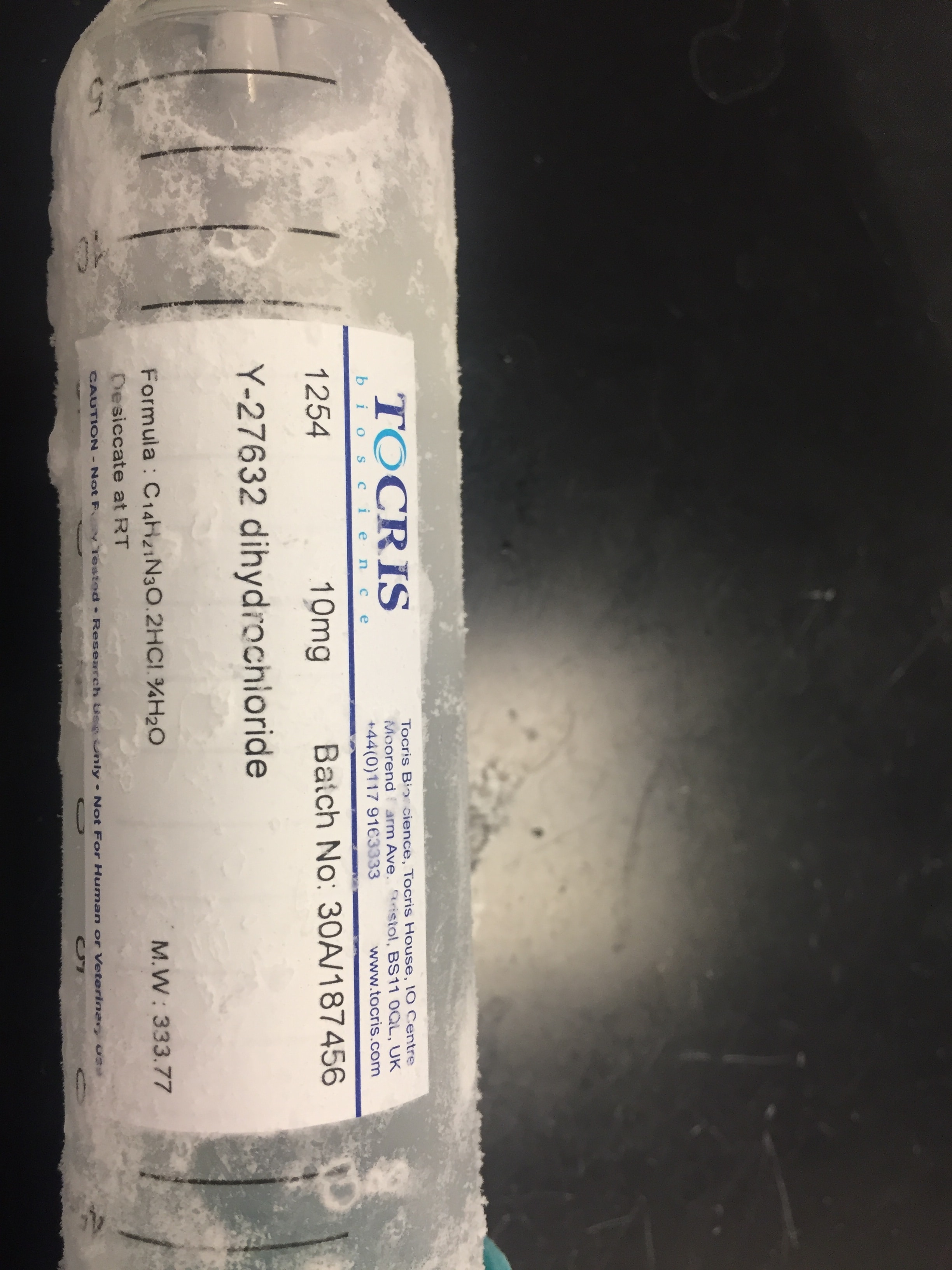
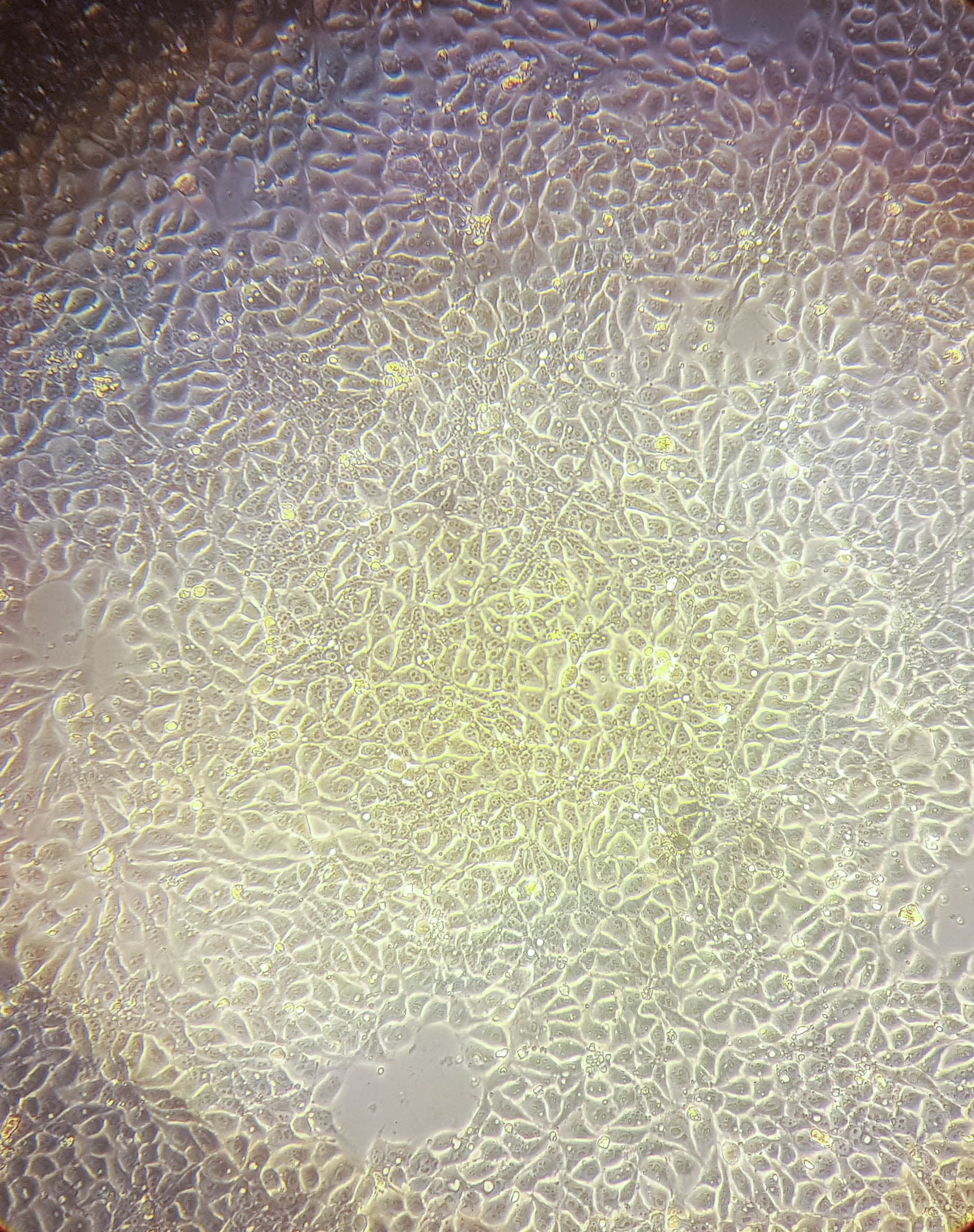
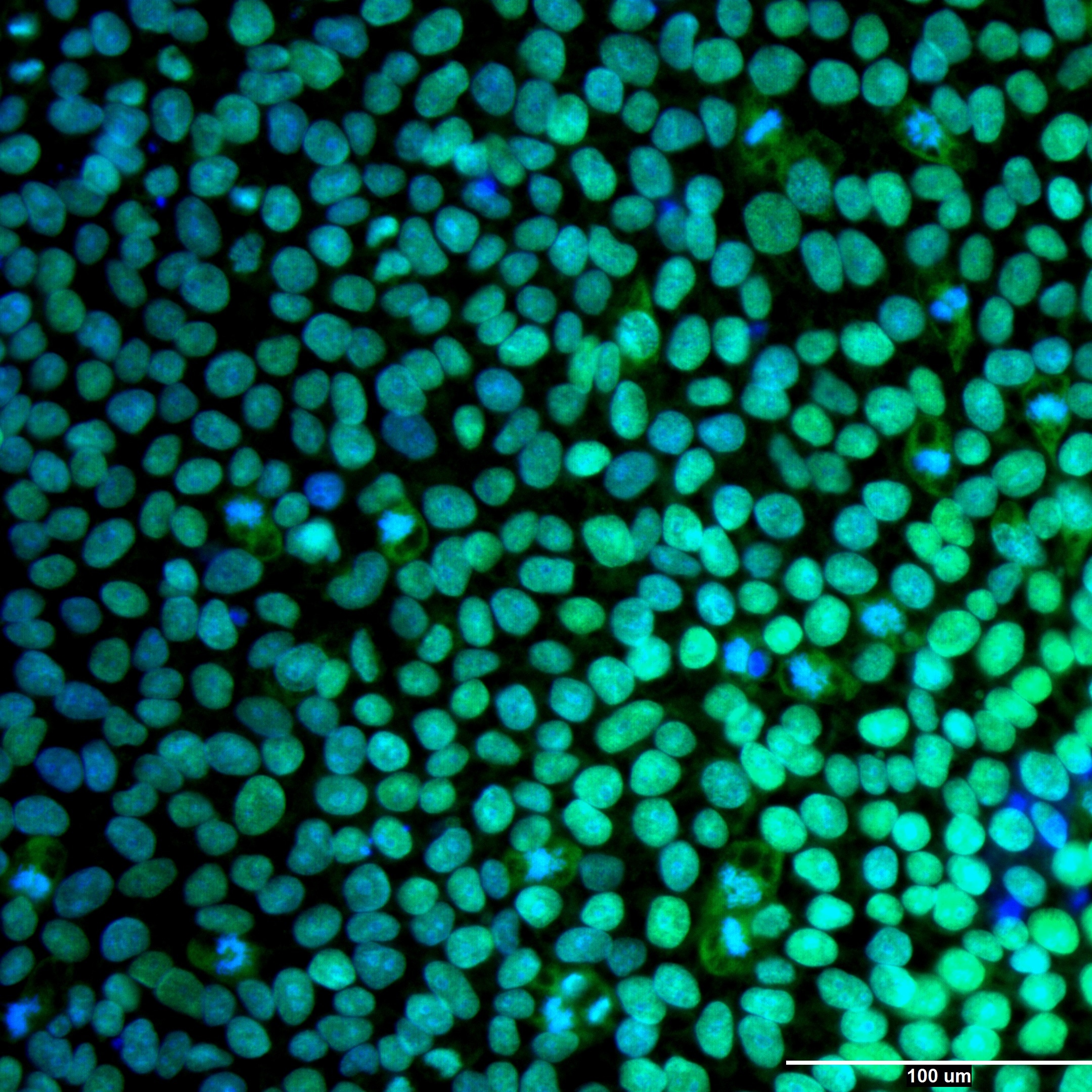
-
Species: HumanAssay Type: In VitroCell Line/Tissue: iPSCVerified Customer | Posted 07/11/2025For stem cell culture
-
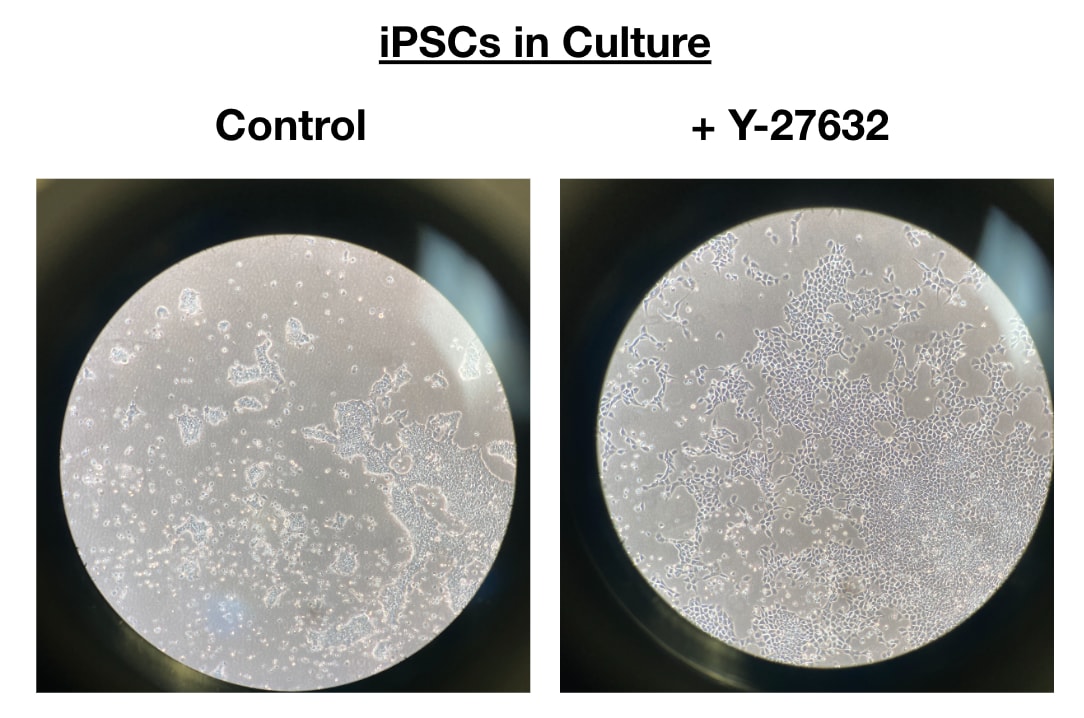
Species: HumanAssay Type: In VitroCell Line/Tissue: human iPSCVerified Customer | Posted 11/25/2024I used the Y-27632 compound to help with iPSC's viability after thaw.

-
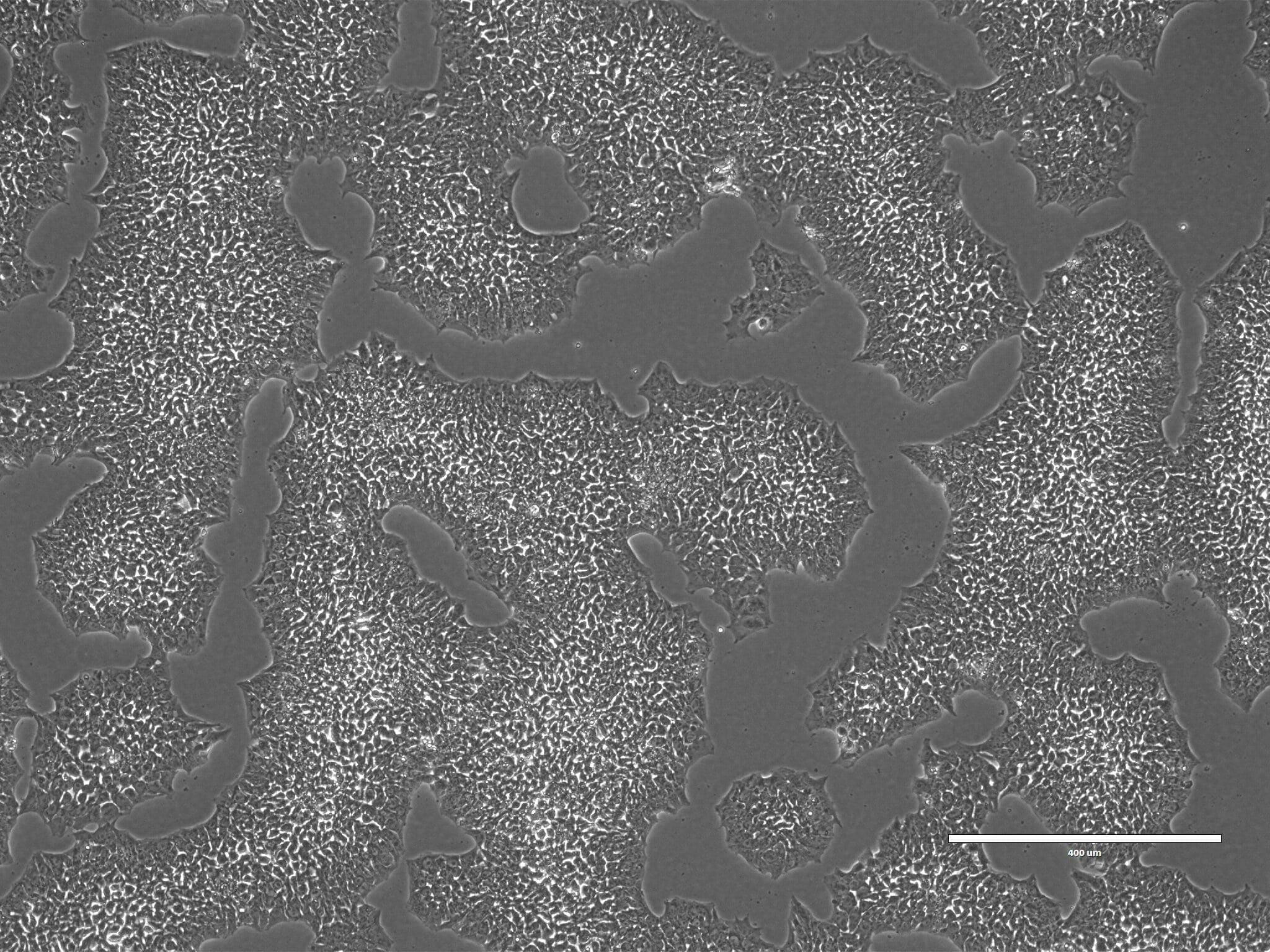
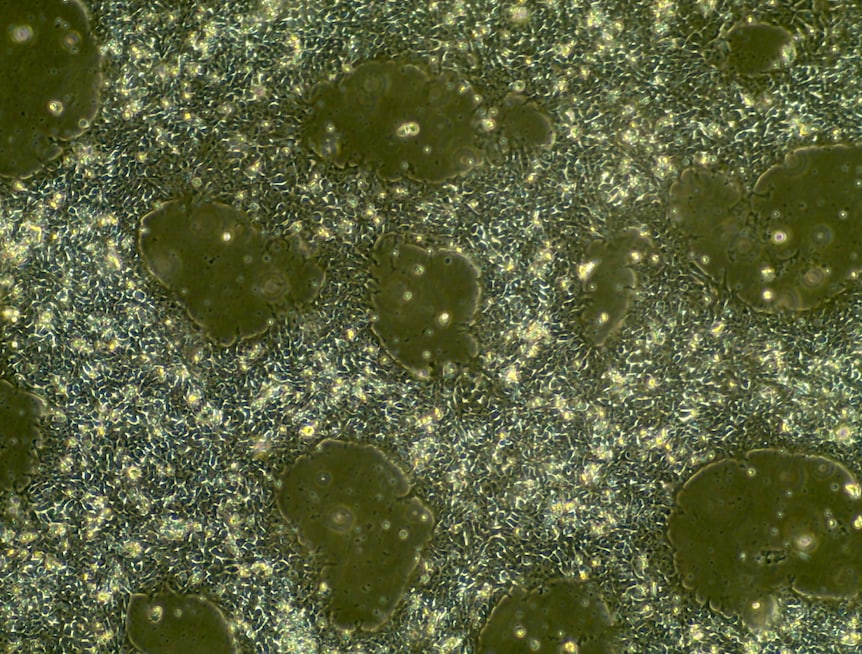
Species: HumanAssay Type: In VitroVerified Customer | Posted 08/22/2023ROCKi has consistently performed in iPSC cell culture work. Well packaged vials are resuspended and aliquoted for -20 storage. Cells passaged or fed with ROCKi media have shown good viability. This is a regular purchase for the labs at a reasonable price. Images @10x magnification show limited differentiation of iPSCs after 3 days in culture.
-
Species: HumanAssay Type: In VitroCell Line/Tissue: Organoids modelsVerified Customer | Posted 05/17/2023Supplementing the organoids culture media with Y-27632 dihydrochloride after passaging prevents cell death and increases viability.
-
Species: HumanAssay Type: In VitroCell Line/Tissue: iPSCsVerified Customer | Posted 03/15/2023Easy to manage and works as expectedWe add this product at a concentration of 10 uM to promote cell survival in in vitro iPSC cultures.
-
Species: HumanVerified Customer | Posted 08/31/2021for human iPSC cells
-
Species: HumanAssay Type: In VitroCell Line/Tissue: PDXVerified Customer | Posted 03/14/2021PDX organoid culture
-
Species: HumanAssay Type: In VitroCell Line/Tissue: OrganoidsVerified Customer | Posted 09/07/2020To generate human intestinal organoids
-
Species: HumanAssay Type: In VitroVerified Customer | Posted 08/28/2020I used this product on freshly split and plate human iPSC cells to help cell survival and adherence. I used the product at 10 mM concentration which I diluted in 1:1000 in culture media and left the cells at 37C, 5% CO2 for 24 hours before replacing with fresh culture media.
-
Species: HumanAssay Type: In VitroCell Line/Tissue: Human PSCVerified Customer | Posted 06/30/2020For hPSC culture, final concentration 10mM. Reconstitute 10 mg of Y27632 in 3.0792 ml of PBS. Make 100µl aliquots and keep them at −20 °C for up to 6 months.
-
Species: MouseAssay Type: Ex VivoVerified Customer | Posted 05/08/2020HPLC
-
Species: HumanAssay Type: In VitroCell Line/Tissue: H9Verified Customer | Posted 03/22/2020ROCK inhibitor Y-27632 (10 mM)
-
Species: HumanAssay Type: In VitroCell Line/Tissue: iPSCVerified Customer | Posted 01/31/2020Great for passaging huiPSCs with dissociation into single cells.
-
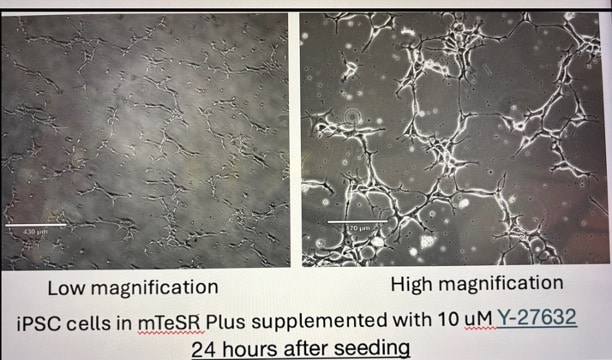
Species: HumanAssay Type: In VitroCell Line/Tissue: iPSCVerified Customer | Posted 09/13/2019I use at 1:1000 and store at -20C. I remove the compound from medium 24 hours after plating.Used during single cell passage for CRISPR clone isolation, works well and no difference found between multiple batches. Cells show characteristic 'spiky' morphology upon addition to the medium.
-
Species: HumanAssay Type: In VitroCell Line/Tissue: tissueVerified Customer | Posted 05/03/2019To make Human PDAC orgnaoids
-
Species: HumanAssay Type: In VitroCell Line/Tissue: iPSCVerified Customer | Posted 08/07/2018Make 100µl aliquots and keep them at −20 °C for up to 6 months.For iPSC culture, final concentration 10mM. Reconstitute 10 mg of Y27632 in 3.0792 ml of PBS.
-
Species: BovineAssay Type: In VitroCell Line/Tissue: chondrocyteVerified Customer | Posted 03/26/2018I dissolved in DMSO
-
Species: HumanAssay Type: In VitroCell Line/Tissue: human foreskin fibroblasts-derived-IPSVerified Customer | Posted 02/01/2018Keep the stock frozen at -20°C. I use it freshly added to the medium when splitting the cells.I used it in two human IPS cell lines, 5uM concentration the first 24 h after the splitting. The use of this reagent improves substantially the cell survival.
-
Species: HumanAssay Type: In VitroCell Line/Tissue: H1 (W01)Verified Customer | Posted 01/05/2018My team uses this product to improve human embryonic stem cells survival in single cell passage methods in siRNA and CRISPR experiments. In general, we use the concentration of 10 uM. The products work very well, better than others available in the market.
There are no reviews that match your criteria.