Key Product Details

Validated by

Biological Validation

Species Reactivity

Validated:

Mouse

Cited:

Human, Mouse, Hamster, Transgenic Mouse, Transgenic Rat

Applications

Validated:

Immunohistochemistry, Western Blot, Adhesion Blockade

Cited:

Immunohistochemistry, Immunohistochemistry-Paraffin, Immunohistochemistry-Frozen, Western Blot, Neutralization, Immunocytochemistry

Label

Unconjugated

Antibody Source

Polyclonal Goat IgG
Loading...

Product Specifications

Immunogen

Mouse myeloma cell line NS0-derived recombinant mouse ICAM-1/CD54
Gln28-Asn485
Accession # Q3U8M7

Specificity

Detects mouse ICAM-1 in direct ELISAs and Western blots. In direct ELISAs, approximately 20% cross-reactivity with recombinant rat ICAM-1 is observed, approximately 5% cross-reactivity with recombinant human (rh) ICAM-1 and rhICAM-3 is observed, and less than 1% cross-reactivity with recombinant mouse ICAM-2 is observed.

Clonality

Polyclonal

Host

Goat

Isotype

IgG

Endotoxin Level

<0.10 EU per 1 μg of the antibody by the LAL method.

Scientific Data Images for Mouse ICAM‑1/CD54 Antibody

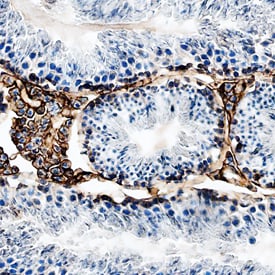
ICAM-1/CD54 antibody in Mouse Testis by Immunohistochemistry (IHC-Fr).

ICAM‑1/CD54 in Mouse Testis.

ICAM-1/CD54 was detected in perfusion fixed frozen sections of mouse testis using Goat Anti-Mouse ICAM-1/CD54 Antigen Affinity-purified Polyclonal Antibody (Catalog # AF796) at 15 µg/mL overnight at 4 °C. Tissue was stained using the Anti-Goat HRP-DAB Cell & Tissue Staining Kit (brown; Catalog # CTS008) and counterstained with hematoxylin (blue). Specific staining was localized to plasma membrane in Leydig cells. View our protocol for Chromogenic IHC Staining of Frozen Tissue Sections.

Detection of Mouse ICAM-1/CD54 by Western Blot

Detection of Mouse ICAM-1/CD54 by Western Blot

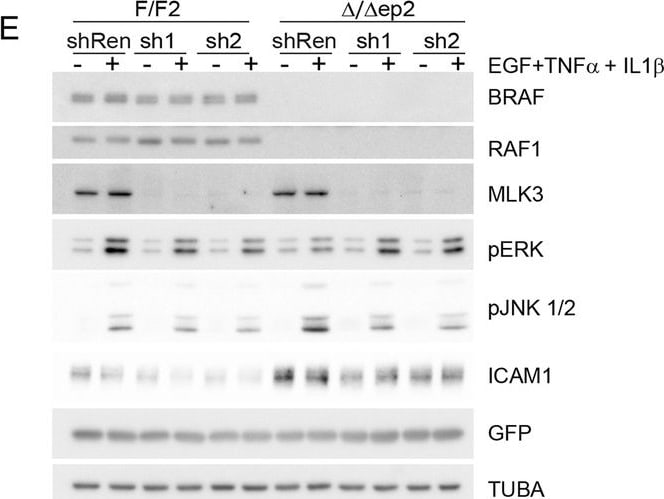
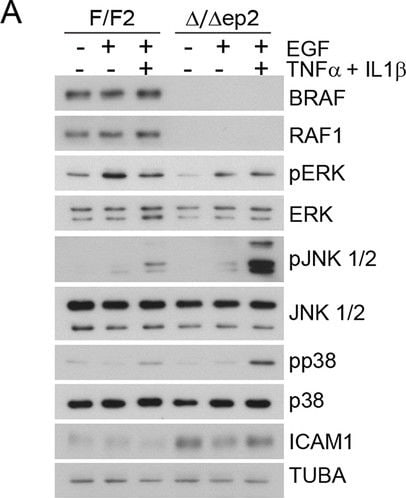
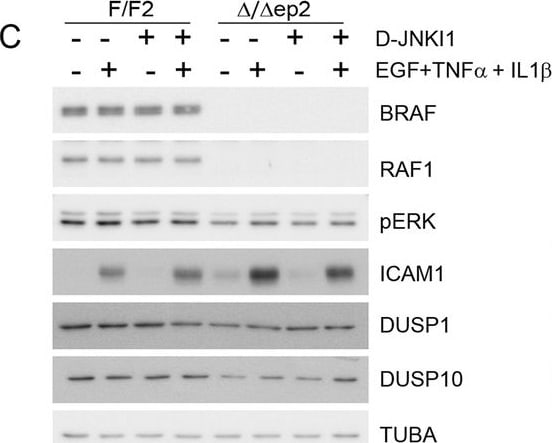
Increased stress kinase signaling and JNK pathway-dependent cytokine and chemokine production by primary keratinocytes lacking BRAF and RAF1.(A) Reduced ERK phosphorylation and increased JNK/p38 activation in primary delta / delta ep2 keratinocytes stimulated with EGF and/or TNF alpha and IL1 beta for 15 min. (B) Increased cytokine and chemokine production in primary delta / delta ep2 keratinocytes treated with EGF, TNF alpha and IL1 beta for 24 hr. Cytokine and chemokine production was determined by multiplex analysis, except for TSLP which was quantified by ELISA. Data represent mean ± SEM of 3–5 biological replicates. (C–D) Cells were pretreated with D-JNKI1 inhibitors prior to stimulation with EGF, TNF alpha and IL1 beta for 15 min (C) or 24 hr (D). Data represent the mean ± SEM of technical replicates (n = 3). (E–F) Effect of shRNA-mediated Mlk3 silencing on ERK and JNK phosphorylation and ICAM1 expression (E; stimulation with EGF, TNF alpha and IL1 beta for 15 min) and on the expression of Ccl2 and Tslp mRNA (F; stimulation with EGF, TNF alpha and IL1 beta for 24 hr) by F/F2 and delta / delta ep2 keratinocytes. shRen, shRNA targeting Renilla, used as a control; sh1 and sh2, targeting Mlk3, binding sites nucleotide 2266–2285 and 2383–2402, respectively. The shRNAs were encoded by lentiviral vectors coexpressing GFP. GFP immunoblots are shown to confirm similar levels of infection in all samples. Data represent mean ± SEM of 4 biological replicates. Each keratinocyte culture represents a pool of three mice. Immunoblots are representative of three independent experiments. p1 = 0.041, p2 = 0.040, p3 = 1.89E-4, p4 = 0.018, p5 = 0.046, p6 = 0.020, p7 = 0.008, p8 = 0.016, p9 = 0.001, p10 = 0.018, p11 = 3.23E-4, p12 = 1.47E-4, p13 = 0.007, p14 = 0.03, p15 = 0.035, p16 = 0.023 and p17 = 0.046.DOI:https://dx.doi.org/10.7554/eLife.14012.018Compound knockdown (KD2) of BRAF and RAF1 induce the expression of inflammation markers by HaCat cells in a MLK3/JNK-dependent manner.(A) Reduced ERK and increased JNK/p38 activation in BRAF and RAF1 knockdown (KD2) HaCat cells stimulated with EGF, TNF alpha and IL1 beta for 15 min. (B) D-JNKI1 reduces ICAM1 and CCL2 (n = 4) expression in KD2 cells treated with TNF alpha. (C) MEKi induces ICAM1 and CCL2 (n = 3) expression in RAF1KD cells treated with TNF alpha. In (B–C), ICAM1 expression was measured after a 3 hr, CCL2 expression after a 24 hr treatment with TNF alpha. (D) Effect of MLK3 silencing on ERK and JNK phosphorylation in WT and KD2 cells stimulated as in (A). MLK3 was silenced using a pool of oligonucleotides targeting the following regions: 686–704; 1489–1507; 2122–2138; and 2348–2366. MLK3 KD cells stimulated as in (B–C) show a decrease in JNK activation, ICAM1 and CCL2 (n = 7) expression. Immunoblots are representative of three independent experiments. qPCR data represent mean ± SEM of three independent experiments run in duplicates (p1 = 4.62E-4, p2 = 0.013, p3 = 0.050, p4 = 8.60E-8, p5 = 0.050, p6 = 0.001, p7 = 0.001 and p8 = 0.012).DOI:https://dx.doi.org/10.7554/eLife.14012.019 Image collected and cropped by CiteAb from the following publication (https://elifesciences.org/articles/14012), licensed under a CC-BY license. Not internally tested by R&D Systems.
Detection of Mouse ICAM-1/CD54 by Western Blot

Detection of Mouse ICAM-1/CD54 by Western Blot

Increased stress kinase signaling and JNK pathway-dependent cytokine and chemokine production by primary keratinocytes lacking BRAF and RAF1.(A) Reduced ERK phosphorylation and increased JNK/p38 activation in primary delta / delta ep2 keratinocytes stimulated with EGF and/or TNF alpha and IL1 beta for 15 min. (B) Increased cytokine and chemokine production in primary delta / delta ep2 keratinocytes treated with EGF, TNF alpha and IL1 beta for 24 hr. Cytokine and chemokine production was determined by multiplex analysis, except for TSLP which was quantified by ELISA. Data represent mean ± SEM of 3–5 biological replicates. (C–D) Cells were pretreated with D-JNKI1 inhibitors prior to stimulation with EGF, TNF alpha and IL1 beta for 15 min (C) or 24 hr (D). Data represent the mean ± SEM of technical replicates (n = 3). (E–F) Effect of shRNA-mediated Mlk3 silencing on ERK and JNK phosphorylation and ICAM1 expression (E; stimulation with EGF, TNF alpha and IL1 beta for 15 min) and on the expression of Ccl2 and Tslp mRNA (F; stimulation with EGF, TNF alpha and IL1 beta for 24 hr) by F/F2 and delta / delta ep2 keratinocytes. shRen, shRNA targeting Renilla, used as a control; sh1 and sh2, targeting Mlk3, binding sites nucleotide 2266–2285 and 2383–2402, respectively. The shRNAs were encoded by lentiviral vectors coexpressing GFP. GFP immunoblots are shown to confirm similar levels of infection in all samples. Data represent mean ± SEM of 4 biological replicates. Each keratinocyte culture represents a pool of three mice. Immunoblots are representative of three independent experiments. p1 = 0.041, p2 = 0.040, p3 = 1.89E-4, p4 = 0.018, p5 = 0.046, p6 = 0.020, p7 = 0.008, p8 = 0.016, p9 = 0.001, p10 = 0.018, p11 = 3.23E-4, p12 = 1.47E-4, p13 = 0.007, p14 = 0.03, p15 = 0.035, p16 = 0.023 and p17 = 0.046.DOI:https://dx.doi.org/10.7554/eLife.14012.018Compound knockdown (KD2) of BRAF and RAF1 induce the expression of inflammation markers by HaCat cells in a MLK3/JNK-dependent manner.(A) Reduced ERK and increased JNK/p38 activation in BRAF and RAF1 knockdown (KD2) HaCat cells stimulated with EGF, TNF alpha and IL1 beta for 15 min. (B) D-JNKI1 reduces ICAM1 and CCL2 (n = 4) expression in KD2 cells treated with TNF alpha. (C) MEKi induces ICAM1 and CCL2 (n = 3) expression in RAF1KD cells treated with TNF alpha. In (B–C), ICAM1 expression was measured after a 3 hr, CCL2 expression after a 24 hr treatment with TNF alpha. (D) Effect of MLK3 silencing on ERK and JNK phosphorylation in WT and KD2 cells stimulated as in (A). MLK3 was silenced using a pool of oligonucleotides targeting the following regions: 686–704; 1489–1507; 2122–2138; and 2348–2366. MLK3 KD cells stimulated as in (B–C) show a decrease in JNK activation, ICAM1 and CCL2 (n = 7) expression. Immunoblots are representative of three independent experiments. qPCR data represent mean ± SEM of three independent experiments run in duplicates (p1 = 4.62E-4, p2 = 0.013, p3 = 0.050, p4 = 8.60E-8, p5 = 0.050, p6 = 0.001, p7 = 0.001 and p8 = 0.012).DOI:https://dx.doi.org/10.7554/eLife.14012.019 Image collected and cropped by CiteAb from the following publication (https://elifesciences.org/articles/14012), licensed under a CC-BY license. Not internally tested by R&D Systems.
Detection of Mouse ICAM-1/CD54 by Western Blot

Detection of Mouse ICAM-1/CD54 by Western Blot

Increased stress kinase signaling and JNK pathway-dependent cytokine and chemokine production by primary keratinocytes lacking BRAF and RAF1.(A) Reduced ERK phosphorylation and increased JNK/p38 activation in primary delta / delta ep2 keratinocytes stimulated with EGF and/or TNF alpha and IL1 beta for 15 min. (B) Increased cytokine and chemokine production in primary delta / delta ep2 keratinocytes treated with EGF, TNF alpha and IL1 beta for 24 hr. Cytokine and chemokine production was determined by multiplex analysis, except for TSLP which was quantified by ELISA. Data represent mean ± SEM of 3–5 biological replicates. (C–D) Cells were pretreated with D-JNKI1 inhibitors prior to stimulation with EGF, TNF alpha and IL1 beta for 15 min (C) or 24 hr (D). Data represent the mean ± SEM of technical replicates (n = 3). (E–F) Effect of shRNA-mediated Mlk3 silencing on ERK and JNK phosphorylation and ICAM1 expression (E; stimulation with EGF, TNF alpha and IL1 beta for 15 min) and on the expression of Ccl2 and Tslp mRNA (F; stimulation with EGF, TNF alpha and IL1 beta for 24 hr) by F/F2 and delta / delta ep2 keratinocytes. shRen, shRNA targeting Renilla, used as a control; sh1 and sh2, targeting Mlk3, binding sites nucleotide 2266–2285 and 2383–2402, respectively. The shRNAs were encoded by lentiviral vectors coexpressing GFP. GFP immunoblots are shown to confirm similar levels of infection in all samples. Data represent mean ± SEM of 4 biological replicates. Each keratinocyte culture represents a pool of three mice. Immunoblots are representative of three independent experiments. p1 = 0.041, p2 = 0.040, p3 = 1.89E-4, p4 = 0.018, p5 = 0.046, p6 = 0.020, p7 = 0.008, p8 = 0.016, p9 = 0.001, p10 = 0.018, p11 = 3.23E-4, p12 = 1.47E-4, p13 = 0.007, p14 = 0.03, p15 = 0.035, p16 = 0.023 and p17 = 0.046.DOI:https://dx.doi.org/10.7554/eLife.14012.018Compound knockdown (KD2) of BRAF and RAF1 induce the expression of inflammation markers by HaCat cells in a MLK3/JNK-dependent manner.(A) Reduced ERK and increased JNK/p38 activation in BRAF and RAF1 knockdown (KD2) HaCat cells stimulated with EGF, TNF alpha and IL1 beta for 15 min. (B) D-JNKI1 reduces ICAM1 and CCL2 (n = 4) expression in KD2 cells treated with TNF alpha. (C) MEKi induces ICAM1 and CCL2 (n = 3) expression in RAF1KD cells treated with TNF alpha. In (B–C), ICAM1 expression was measured after a 3 hr, CCL2 expression after a 24 hr treatment with TNF alpha. (D) Effect of MLK3 silencing on ERK and JNK phosphorylation in WT and KD2 cells stimulated as in (A). MLK3 was silenced using a pool of oligonucleotides targeting the following regions: 686–704; 1489–1507; 2122–2138; and 2348–2366. MLK3 KD cells stimulated as in (B–C) show a decrease in JNK activation, ICAM1 and CCL2 (n = 7) expression. Immunoblots are representative of three independent experiments. qPCR data represent mean ± SEM of three independent experiments run in duplicates (p1 = 4.62E-4, p2 = 0.013, p3 = 0.050, p4 = 8.60E-8, p5 = 0.050, p6 = 0.001, p7 = 0.001 and p8 = 0.012).DOI:https://dx.doi.org/10.7554/eLife.14012.019 Image collected and cropped by CiteAb from the following publication (https://elifesciences.org/articles/14012), licensed under a CC-BY license. Not internally tested by R&D Systems.
Detection of Mouse ICAM-1/CD54 by Western Blot

Detection of Mouse ICAM-1/CD54 by Western Blot

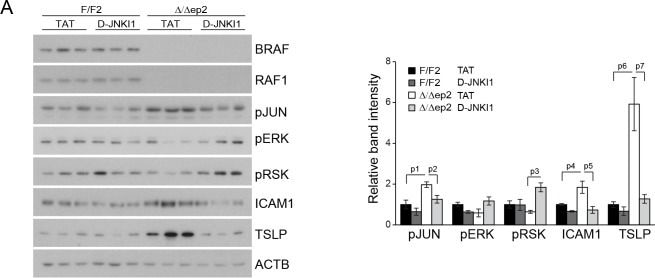
D-JNKI1 treatment rescues inflammation in delta / delta ep2 mice.Mice were treated with D-JNKI1 or TAT peptide (22 mg/kg i.p. at 10 days of age) and analyzed after 12 days (A) D-JNKI1 treatment prevents disease onset in delta / delta ep2 mice. Immunoblot of epidermal lysates showing the effect of D-JNKI1 on the phosphorylation and expression of the indicated proteins, quantified as in Figure 1F. ACTB is shown as a loading control. (B–D) Decreased eyelid inflammation, mast cells infiltration (B; TB+; quantified in the plot on the right), epidermal chemokine/cytokine levels (C) and activated T cells, B cells and dendritic cells in lymph nodes (D) in D-JNKI1-treated delta / delta ep2 mice. Scale bars, 25 µm. Data represent mean ± SEM (n = 3–5; p1 = 0.026, p2 = 0.042, p3 = 0.022, p4 = 0.048, p5 = 0.044, p6 = 0.020, p7 = 0.025, p8 = 0.018, p9 = 0.016, p10 = 0.014, p11 = 0.023, p12 = 0.011, p13 = 0.039, p14 = 0.049, p15 = 0.015, p16 = 0.003, p17 = 1.70E-4, p18 = 0.008, p19 = 0.008, p20 = 0.004, p21 = 0.003, p22 = 0.017, p23 = 0.026, p24 = 0.027, p25 = 0.005, p26 = 2.13E-6, p27 = 4.50E-8, p28 = 1.39E-5, p29 = 0.001, p30 = 0.001, p31 = 0.001, p32 = 0.023, p33 = 2.35E-4, p34 = 0.050, p35 = 0.002, p36 = 0.050 and p37 = 0.012).DOI:https://dx.doi.org/10.7554/eLife.14012.015K6 expression and epidermal chemokine and cytokine levels in D-JNKI1-treated mice.(A) K6 expression is indistinguishable in TAT or D-JNKI1 treated F/F2 and △/△ep2 littermates. Scale bars, 25 µm. (B) Inflammatory chemokines and cytokines in epidermal lysates of TAT or D-JNKI1-treated mice. Data represent mean ± SEM (n = 3–5; p1 = 0.005, p2 = 0.001, p3 = 0.043, p4 = 0.026, p5 = 0.032, p6 = 0.016 and p7 = 0.051).DOI:https://dx.doi.org/10.7554/eLife.14012.016The inflammatory phenotype of delta / delta ep2 mice is not rescued by MyD88, caspase 1/11, or TNF knockout.Macroscopic appearance, spleen and lymph node size and circulating blood cell analysis are shown for the indicated genotypes (A–C). (A) Representative pictures of 4 month old delta / delta ep2, delta / delta ep2 MyD88-/- and control animals. Plots on the right represent the ratio between total splenocytes or lymph node cell numbers and body weight (n = 3–4). (B) Representative pictures and hemogram of 4 month old delta / delta ep2, delta / delta ep2 caspase 1/11-/- and control animals (n = 5–6). (C) Representative pictures and hemogram of 4 month old delta / delta ep2, delta / delta ep2 TNF-/- and control animals (n = 4–5). The macroscopic appearance of at least ten mice per genotype was monitored. Data represent mean ± SEM. p1 = 0.041, p2 = 0.052, p3 = 0.024, p4 = 0.023, p5 = 0.026, p6 = 0.034, p7 = 0.023, p8 = 0.007, p9 = 0.031, p10 = 0.011, and p11 = 0.034.DOI:https://dx.doi.org/10.7554/eLife.14012.017 Image collected and cropped by CiteAb from the following publication (https://elifesciences.org/articles/14012), licensed under a CC-BY license. Not internally tested by R&D Systems.
Detection of Human ICAM-1/CD54 by Western Blot

Detection of Human ICAM-1/CD54 by Western Blot

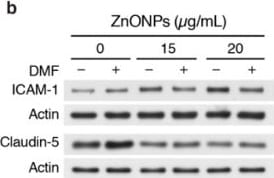
Aryl hydrocarbon receptor (AhR) inhibitor 3′,4′-dimethoxyflavone (DMF) abolishes ZnONPs-induced ICAM-1 but not claudin-5 expressions or alters VE-cadherin junctional distribution. HUVECs were pretreated with 10 µM DMF, before treatment with ZnONPs for 24 h. (a) Representative images of immunofluorescence staining with antibody against VE-cadherin c-terminal domain (red) are shown. Cell nuclei were stained with DAPI (blue). *, diffused cytosolic distribution of VE-cadherin. (b) Western blotting was performed to detect ICAM-1 and claudin-5 expressions. Actin was used as a loading control. A representative of at least four experiments is shown. Image collected and cropped by CiteAb from the following open publication (https://pubmed.ncbi.nlm.nih.gov/32414036), licensed under a CC-BY license. Not internally tested by R&D Systems.
Detection of Mouse ICAM-1/CD54 by Western Blot

Detection of Mouse ICAM-1/CD54 by Western Blot

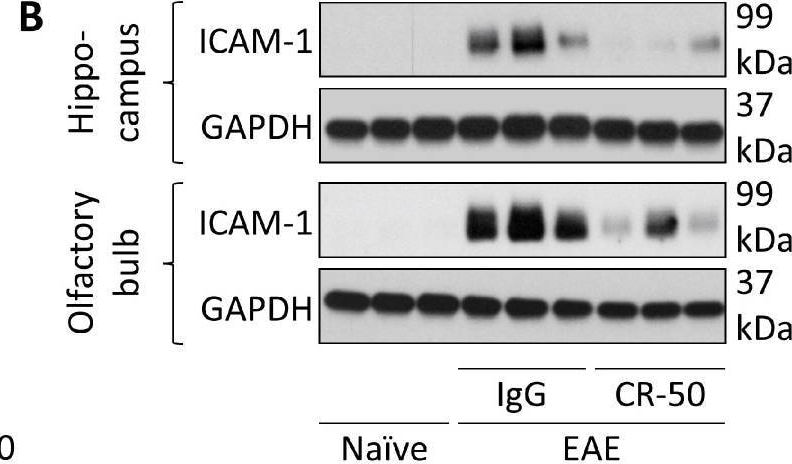
Peripheral CR-50 treatment does not abolish basal diapedesis. Cx3cr1-GFP male mice were injected intraperitoneally with 100 µg of irrelevant IgG (n = 10) or CR-50 (n = 9) twice per week. To challenge the BBB and increase its permeability, EAE was induced by Myelin Oligodendrocyte Glycoprotein immunization using standard procedures [118], one week after the first antibody injection. Naïve mice are littermates with no antibody treatment or EAE induction. (A–C) Adhesion protein expression was evaluated by Western blot or immunohistochemistry in tissues, as indicated. (D) In the Cx3cr1-GFP-positive cell population, the total number of inflammatory cells (Cx3cr1-GFP-positive), monocytes (Cx3cr1-GFP-positive, Iba-1-negative; indicated by the arrows), and microglia (Cx3cr1-GFP and Iba1 double positive) were visualized by immunofluorescence (scale = 50 µm). (A–D) Figure adapted with permission from Calvier et al. Sci. Trans. Med., 2020 [53]. n ≥ 3; * p < 0.05 and ** p < 0.01. Image collected and cropped by CiteAb from the following open publication (https://pubmed.ncbi.nlm.nih.gov/38607022), licensed under a CC-BY license. Not internally tested by R&D Systems.

Applications for Mouse ICAM‑1/CD54 Antibody

Application
Recommended Usage

Adhesion Blockade

The adhesion of HSB2 human peripheral blood acute lymphoblastic leukemia cells (5 x 10⁴ cells/well) to immobilized Recombinant Mouse ICAM-1 Fc Chimera (Catalog # 796-IC, 5 µg/mL, 100 µL/well) was maximally inhibited (80-100%) by 5 µg/mL of the antibody.

Immunohistochemistry

5-15 µg/mL
Sample:  Perfusion fixed frozen sections of mouse testis

Western Blot

0.1 µg/mL
Sample: Recombinant Mouse ICAM‑1/CD54 Fc Chimera (Catalog # 796-IC)

Reviewed Applications

Read 9 reviews rated 4.6 using AF796 in the following applications:

Formulation, Preparation, and Storage

Purification

Antigen Affinity-purified

Reconstitution

Reconstitute at 0.2 mg/mL in sterile PBS. For liquid material, refer to CoA for concentration.


Loading...

Formulation

Lyophilized from a 0.2 μm filtered solution in PBS with Trehalose. *Small pack size (SP) is supplied either lyophilized or as a 0.2 µm filtered solution in PBS.

Shipping

Lyophilized product is shipped at ambient temperature. Liquid small pack size (-SP) is shipped with polar packs. Upon receipt, store immediately at the temperature recommended below.

Stability & Storage

Use a manual defrost freezer and avoid repeated freeze-thaw cycles.
  • 12 months from date of receipt, -20 to -70 °C as supplied.
  • 1 month, 2 to 8 °C under sterile conditions after reconstitution.
  • 6 months, -20 to -70 °C under sterile conditions after reconstitution.

Calculators

The reconstitution calculator allows you to quickly calculate the volume of a reagent to reconstitute your vial. Simply enter the mass of reagent and the target concentration and the calculator will determine the rest.

=
÷

Background: ICAM-1/CD54

Intercellular Adhesion Molecule-1 (ICAM-1, CD54) binds the leukocyte integrins LFA-1 and Mac-1. ICAM-1 expression is weak on leukocytes, epithelial and resting endothelial cells, as well as some other cell types, but expression can be stimulated by IFN-gamma, TNF-alpha, IL-1 beta, and LPS. Mouse and human ICAM-1 share approximately 54% amino acid identity.

Soluble ICAM-1 is found in a biologically active form in serum, probably as a result of proteolytic cleavage from the cell surface, and is elevated in patients with various inflammatory syndromes such as septic shock, leukocyte adhesion deficiency syndrome (LAD), cancer, and transplantation.

References

  1. Pigott, R. and C. Power (1993) in The Adhesion Molecule Facts Book. Academic Press, p. 74.
  2. Siu, G. et al. (1989) J. Immunol. 143:3813.
  3. Ballantyne, C.M. et al. (1989) Nuc. Acid. Res. 17:5853.

Long Name

Intercellular Adhesion Molecule 1

Alternate Names

CD54, ICAM1

Entrez Gene IDs

3383 (Human); 15894 (Mouse); 25464 (Rat)

Gene Symbol

ICAM1

UniProt

Additional ICAM-1/CD54 Products

Product Documents for Mouse ICAM‑1/CD54 Antibody

Certificate of Analysis

To download a Certificate of Analysis, please enter a lot or batch number in the search box below.

Note: Certificate of Analysis not available for kit components.

Product Specific Notices for Mouse ICAM‑1/CD54 Antibody

For research use only

Citations for Mouse ICAM‑1/CD54 Antibody

Customer Reviews for Mouse ICAM‑1/CD54 Antibody (9)

4.6 out of 5
9 Customer Ratings
5 Stars
56%
4 Stars
44%
3 Stars
0%
2 Stars
0%
1 Stars
0%

Have you used Mouse ICAM‑1/CD54 Antibody?

Submit a review and receive an Amazon gift card!

$25/€18/£15/$25CAN/¥2500 Yen for a review with an image

$10/€7/£6/$10CAN/¥1110 Yen for a review without an image

Submit a review
Amazon Gift Card

Customer Images


Showing  1 - 5 of 9 reviews Showing All
Filter By:
  • Mouse ICAM-1/CD54 Antibody
    Name: Anonymous
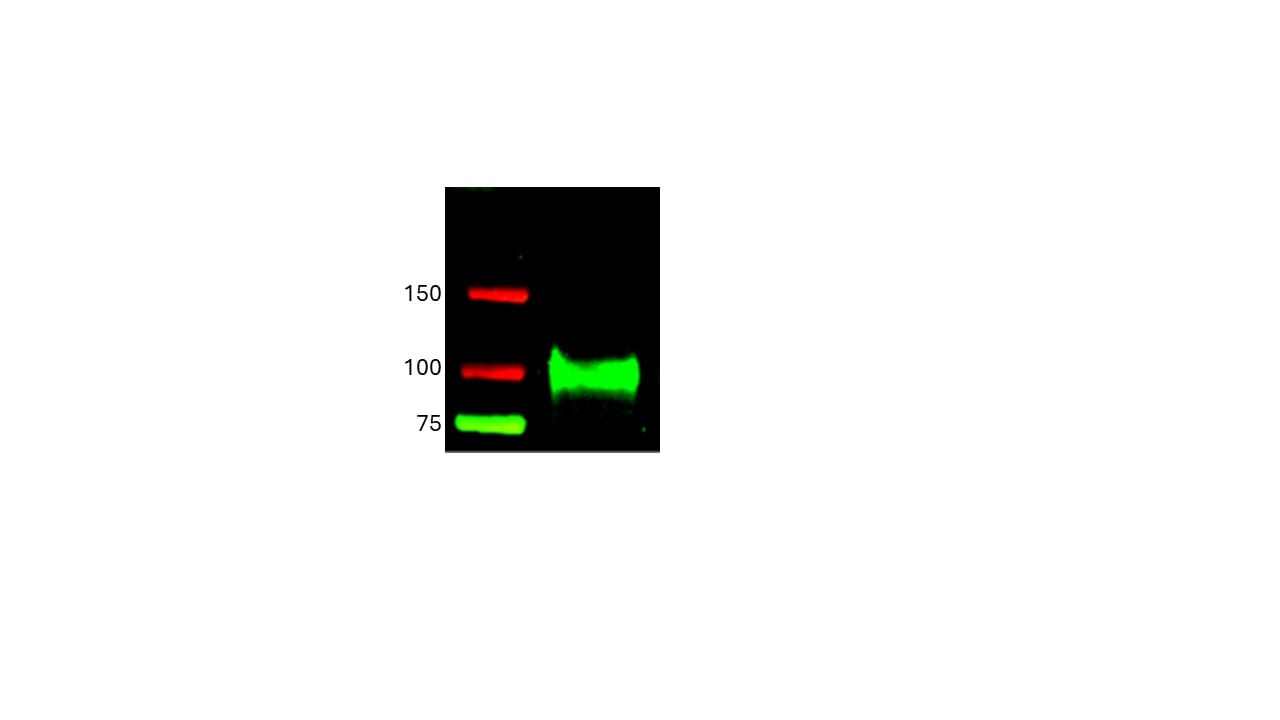
    Application: Western Blot
    Sample Tested: EO771 - mouse breast cancer cells
    Species: Mouse
    Verified Customer | Posted 08/05/2025
    Mouse ICAM‑1/CD54 Antibody AF796
  • Mouse ICAM-1/CD54 Antibody
    Name: Anonymous
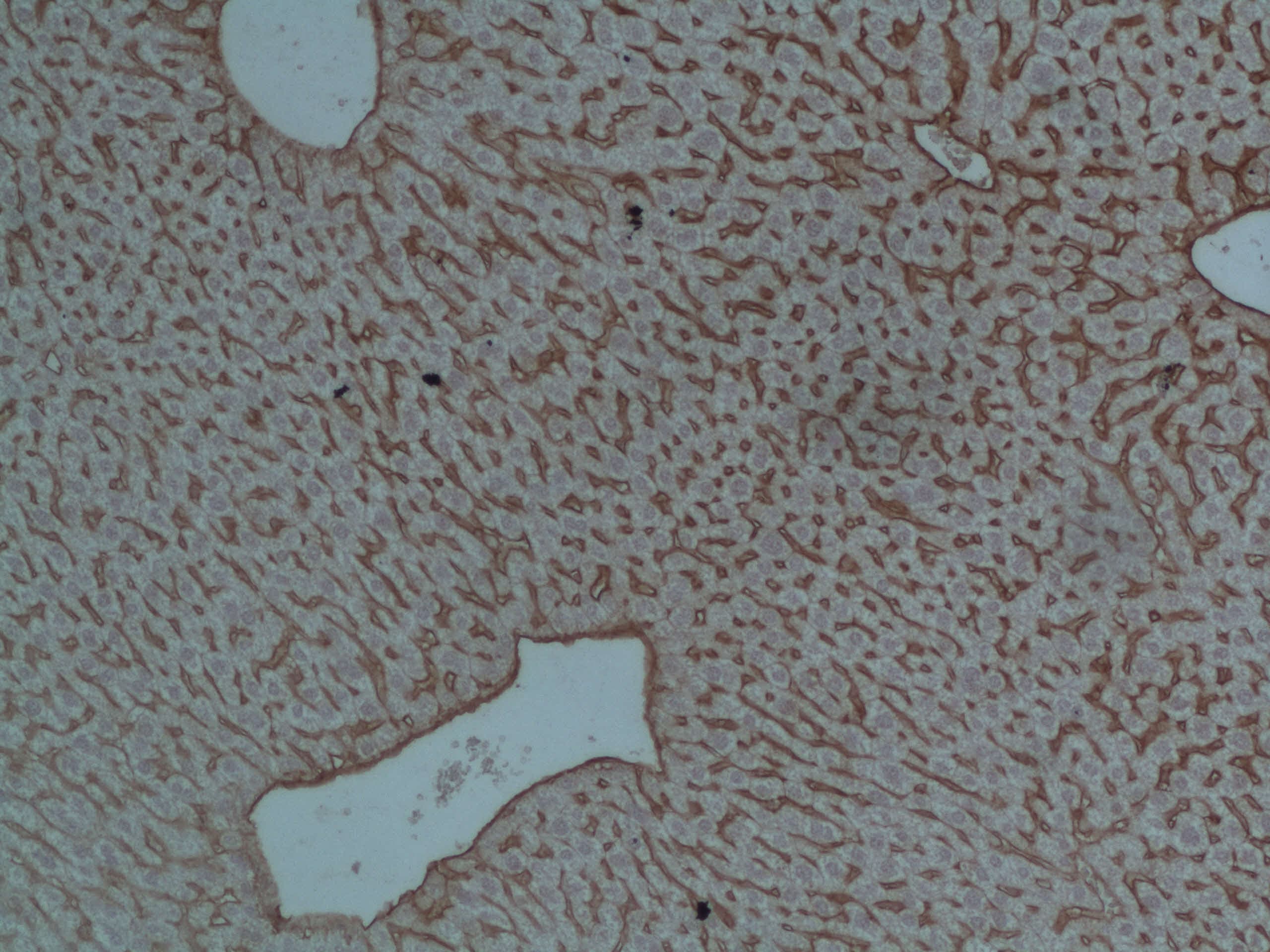
    Application: Immunohistochemistry
    Sample Tested: Spleen tissue, Pancreas tissue, Lung tissue and Breast cancer tissue
    Species: Mouse
    Verified Customer | Posted 12/14/2022
    paraffin-embedded tissue Antigen Retrieval in citrate buffer pH 6 concentrations tested: 1:50-1:300 all worked
    Mouse ICAM‑1/CD54 Antibody AF796
  • Mouse ICAM-1/CD54 Antibody
    Name: Liming Yu
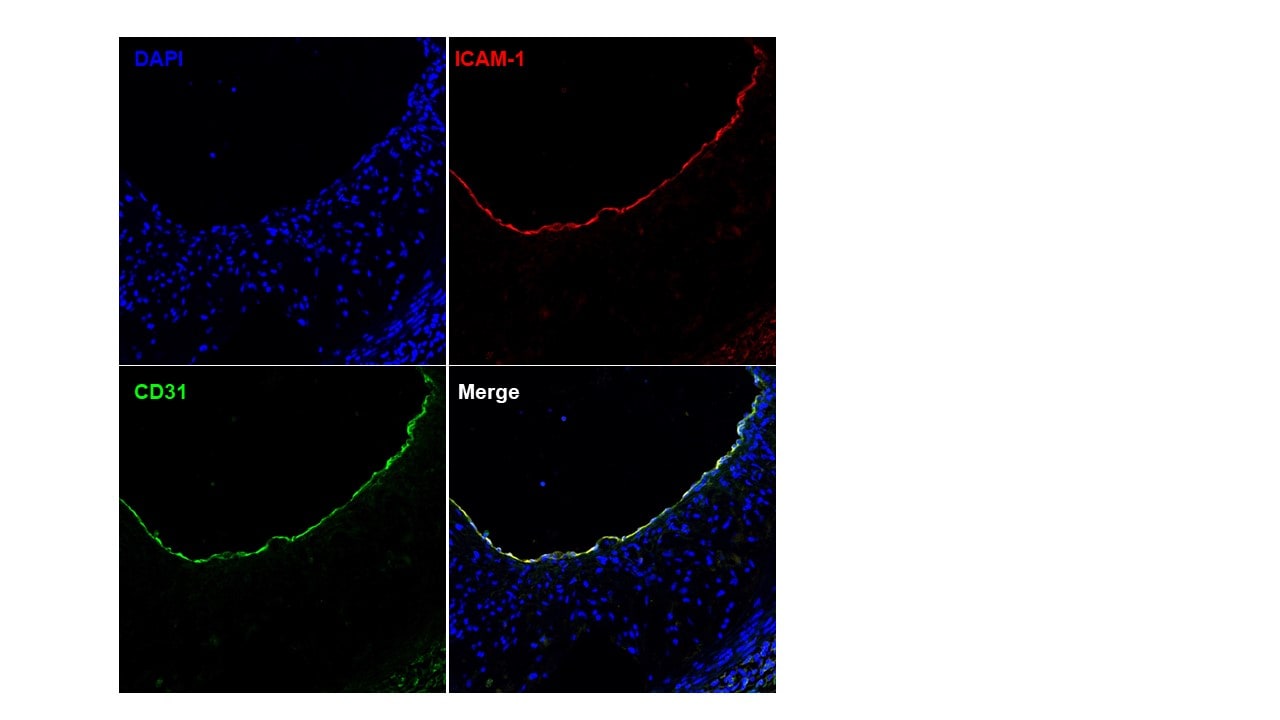
    Application: Immunocytochemistry/Immunofluorescence
    Sample Tested: Heart tissue
    Species: Mouse
    Verified Customer | Posted 01/19/2022
    Frozen section of aortic root with atherosclerotic lesion was stained with CD31/ICAM-1/DAPI after acetone fixing.
    Mouse ICAM‑1/CD54 Antibody AF796
  • Mouse ICAM-1/CD54 Antibody
    Name: Chao Xiong
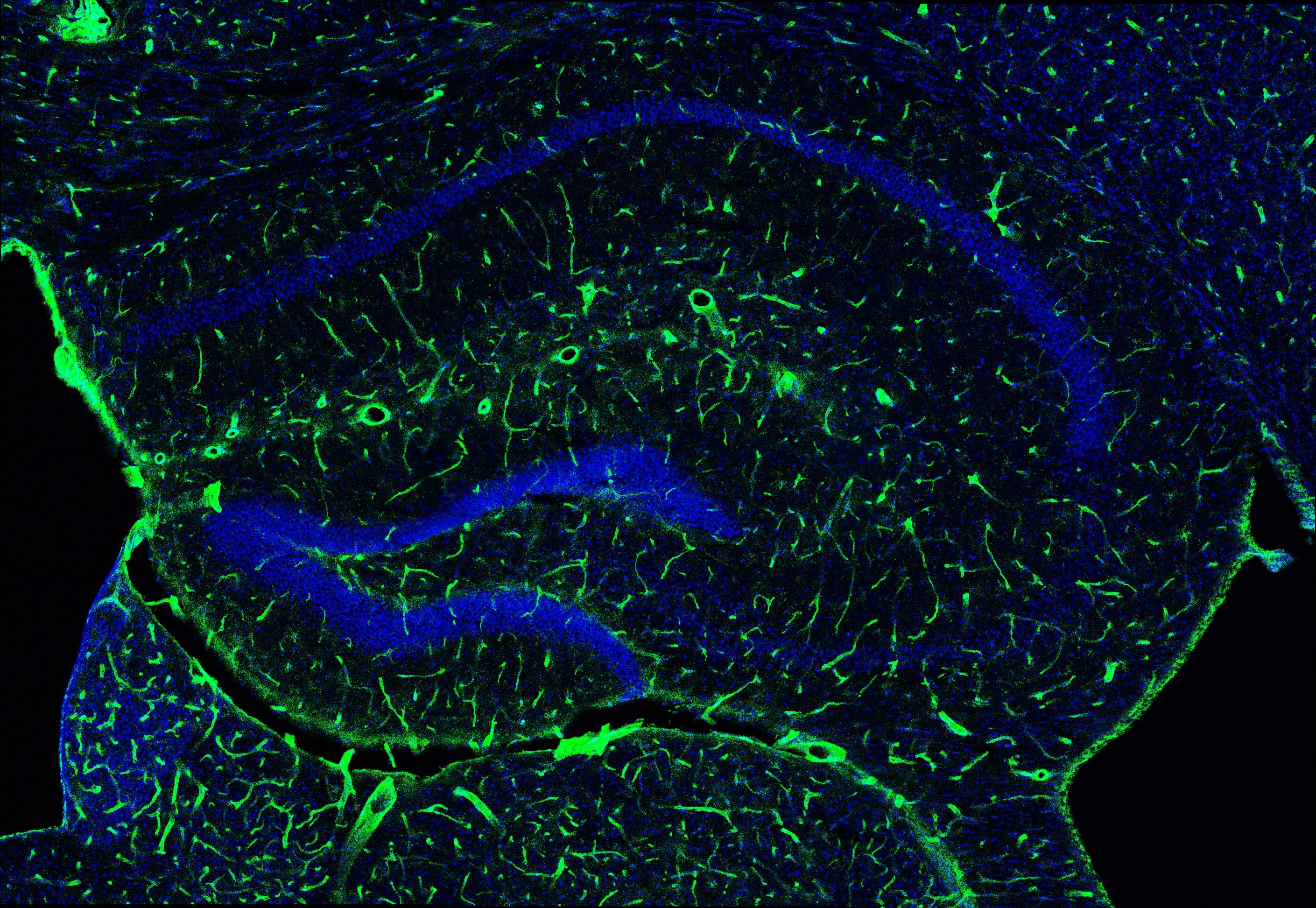
    Application: Immunohistochemistry-Frozen
    Sample Tested: 4% PFA-PBS fixed frozen sections from murine brain
    Species: Mouse
    Verified Customer | Posted 03/14/2018
    PFA fixed mouse brain slices were stained with ICAM-1 antibody (1:200) overnight at 4C. This image shows ICAM-1(Green) and DAPI (Blue) in the hippocampus.
    Mouse ICAM‑1/CD54 Antibody AF796
  • Mouse ICAM-1/CD54 Antibody
    Name: Anonymous
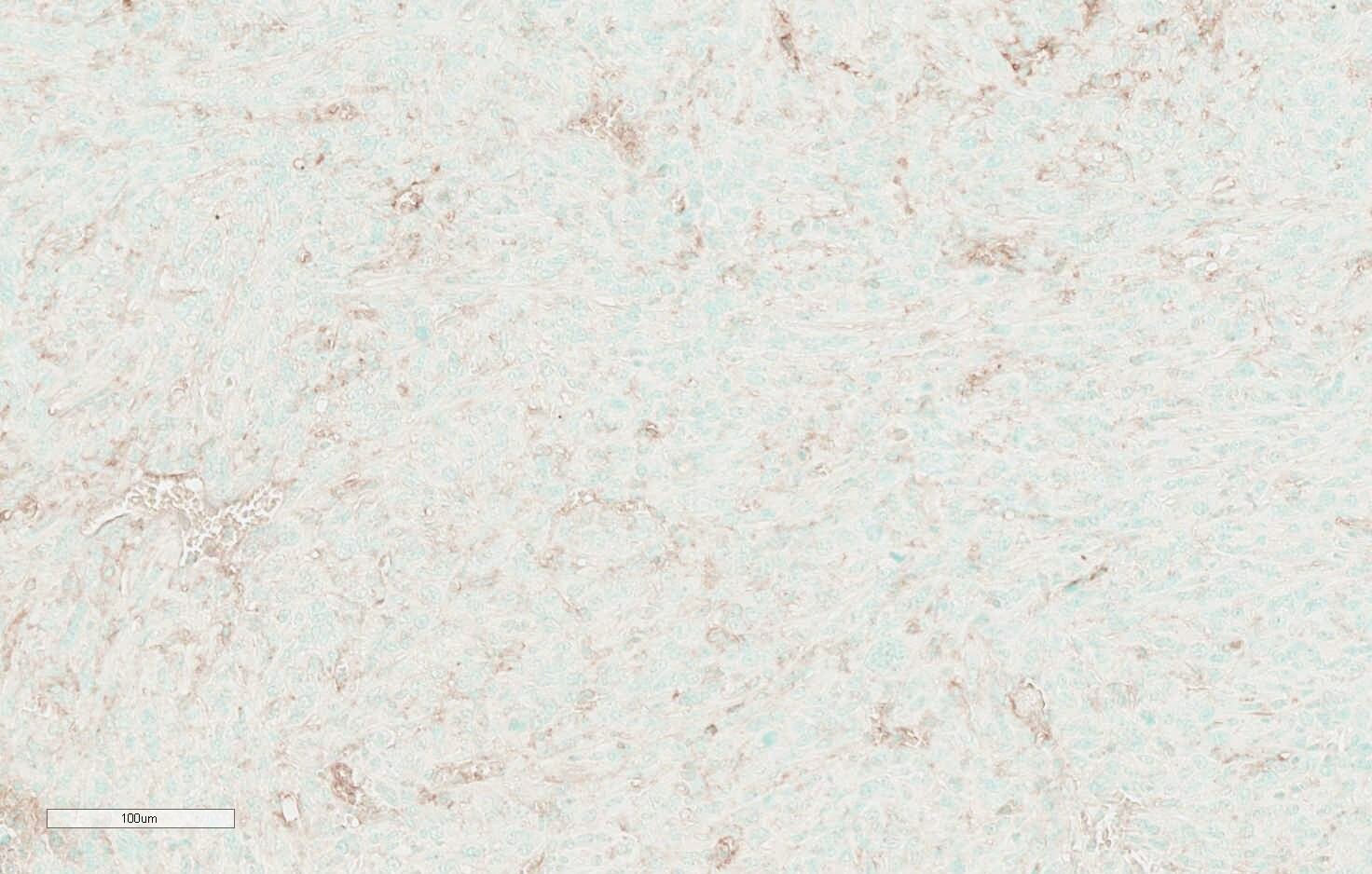
    Application: Immunohistochemistry
    Sample Tested: 4T1 tumor section and 4T1 mouse breast cancer cell line
    Species: Mouse
    Verified Customer | Posted 03/27/2017
    Immunohistochemistry (Formalin/PFA-fixed paraffin-embedded sections). 4T1 tissues were cut 5 um. After deparaffin steps, the section was pre-treated using heat mediated antigen retrieval with Citrate buffer @ pH 6.0 (C9999, Thermo-Scientific) solution for 20 min at 100 C. Protein blocked was processed with superblock (#37515, Thermo Scientific) for 30 min. Afterwards, the section was then incubated with ICAM-1 pAb with 100X dilution of recommended concentration (100ug/500uL in PBS) for 1h at room temperature. A donkey anti-goat biotinylated secondary antibody (IgG H&L #ab7125, 1/200) was used to detect the primary and visualized using an HRP system (30 min incubation). DAB (#SK-4105, Vector) was used as the chromogen. The section was then counterstained with methyl green (#H-3402, Vector) and mounted with Cytoseal 60.
    Mouse ICAM‑1/CD54 Antibody AF796
  • Name: Anonymous
    Application: Immunofluorescence
    Sample Tested: See PMID 20592225
    Species: Mouse
    Verified Customer | Posted 01/09/2015
  • Name: Anonymous
    Application: Western Blot
    Sample Tested: See PMID 22496445
    Species: Other
    Verified Customer | Posted 01/09/2015
  • Name: Anonymous
    Application: Immunofluorescence
    Sample Tested: See PMID 22661091
    Species: Mouse
    Verified Customer | Posted 01/09/2015
  • Name: Anonymous
    Application: Immunofluorescence
    Sample Tested: See PMID 23232501
    Species: Mouse
    Verified Customer | Posted 01/09/2015

There are no reviews that match your criteria.

Showing  1 - 5 of 9 reviews Showing All

Protocols

Find general support by application which include: protocols, troubleshooting, illustrated assays, videos and webinars.

FAQs

No product specific FAQs exist for this product.

View all FAQs for Antibodies