Best Seller

Mouse TNF-alpha DuoSet ELISA

R&D Systems | Catalog # DY410

R&D Systems
Loading...

Key Product Details

Assay Type

Solid Phase Sandwich ELISA

Assay Range

31.2-2000 pg/mL

Sample Type

Cell culture supernates, serum, and plasma
Note: Diluents for complex matrices, such as serum and plasma, should be evaluated prior to use in this DuoSet

Reactivity

Mouse

Mouse TNF-alpha DuoSet ELISA Features

  • Optimized capture and detection antibody pairings with recommended concentrations save lengthy development time
  • Development protocols are provided to guide further assay optimization
  • Assay can be customized to your specific needs
  • Economical alternative to complete kits
Loading...

Product Summary for Mouse TNF-alpha DuoSet ELISA

This DuoSet ELISA Development kit contains the basic components required for the development of sandwich ELISAs to measure natural and recombinant mouse TNF-alpha. The suggested diluent is suitable for the analysis of most cell culture supernate samples. Diluents for complex matrices, such as serum and plasma, should be evaluated prior to use in this DuoSet.

Product Specifications

Assay Format

96-well strip plate (sold separately)

Sample Volume Required

100 µL

Detection Method

Colorimetric ELISA - 450nm (TMB)

Conjugate

Biotin

Label

HRP

Scientific Data Images for Mouse TNF-alpha DuoSet ELISA

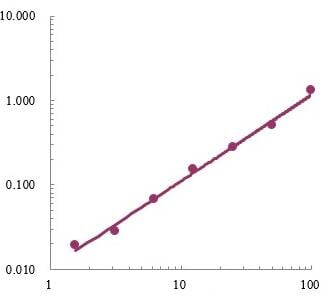
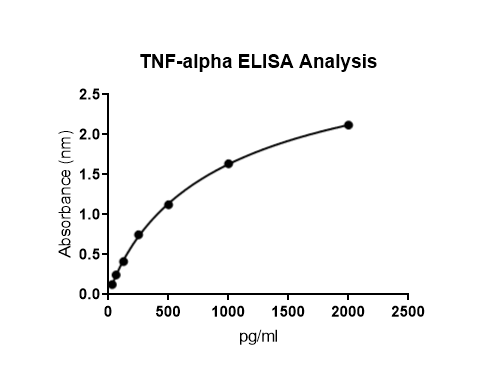
Mouse TNF-alpha ELISA Standard Curve

Mouse TNF-alpha ELISA Standard Curve

Kit Contents for Mouse TNF-alpha DuoSet ELISA

  • Capture Antibody
  • Detection Antibody
  • Recombinant Standard
  • Streptavidin conjugated to horseradish-peroxidase (Streptavidin-HRP)

Other Reagents Required

DuoSet Ancillary Reagent Kit 2 (5 plates): (Catalog # DY008C) containing 96 well microplates, plate sealers, substrate solution, stop solution, plate coating buffer (PBS), wash buffer, and Reagent Diluent Concentrate 2.

PBS: (Catalog # DY006), or 137 mM NaCl, 2.7 mM KCl, 8.1 mM Na2HPO4, 1.5 mM KH2PO4, pH 7.2 - 7.4, 0.2 µm filtered

Wash Buffer: (Catalog # WA126), or equivalent

Reagent Diluent*

Blocking Buffer*

Substrate Solution: ELISA TMB Substrate (Catalog # DY999B or DY999B-250)

Stop Solution: Methanesulfonic acid (Catalog # DY994B or DY994B-250)

Microplates: (Catalog # DY990), or equivalent

Plate Sealers: (Catalog # DY992), or equivalent

*For the recommended Reagent Diluent and Blocking Buffer for a specific DuoSet ELISA Development Kit, refer to the product datasheet.

Preparation and Storage

Shipping

The product is shipped at ambient temperature. Upon receipt, store it immediately at the temperature recommended below.

Stability & Storage

Store the unopened product at 2 - 8 °C. Do not use past expiration date.

Background: TNF-alpha

Tumor necrosis factor alpha (TNF-alpha ), also known as cachectin and TNFSF1A, is the prototypic ligand of the TNF superfamily (1). It is a pleiotropic molecule that plays a central role in inflammation, immune system development, apoptosis, and lipid metabolism (2-5). TNF-alpha is also involved in a number of pathological conditions including asthma, Crohn's disease, rheumatoid arthritis, neuropathic pain, obesity, type 2 diabetes, septic shock, autoimmunity, and cancer (5-11).   
Mouse TNF-alpha is synthesized as a 26 kDa type II transmembrane protein that consists of a 35 amino acid (aa) cytoplasmic domain, a 21 aa transmembrane segment, and a 179 aa extracellular domain (ECD) (12). Within the ECD, mouse TNF-alpha shares 95% aa identity with rat, and 80% aa identity with canine, equine, feline, human, rabbit, and porcine TNF-alpha. It is produced by a wide variety of immune, epithelial, endothelial, and tumor cells. TNF-alpha is assembled intracellularly to form a noncovalently linked homotrimer which is expressed on the cell surface (13). Cell surface TNF-alpha can both induce the lysis of tumor cells and virus infected cells, and generate its own downstream cell signaling following ligation by soluble TNF RI (14, 15). Shedding of membrane bound TNF-alpha by TACE/ADAM17 releases the bioactive cytokine, a 55 kDa soluble trimer containing the TNF-alpha extracellular domain (16-18).    
TNF-alpha binds the ubiquitous 55-60 kDa TNF RI (19, 20) and the hematopoietic cell-restricted 78-80 kDa TNF RII (21, 22), both of which are also expressed as homotrimers (1, 23). Both type I and type II receptors bind TNF-alpha with comparable affinity and can promote NFkB activation (24-27). Only TNF RI, however, contains a cytoplasmic death domain which triggers the activation of apoptosis (3, 28). Soluble forms of both types of receptors are released into human serum and urine, and can neutralize the biological activity of TNF (29-31).

Long Name

Tumor Necrosis Factor alpha

Alternate Names

Cachetin, DIF, TNF, TNF-A, TNFA, TNFalpha, TNFG1F, TNFSF1A, TNFSF2

Entrez Gene IDs

7124 (Human); 21926 (Mouse); 24835 (Rat); 397086 (Porcine); 280943 (Bovine); 403922 (Canine); 102139631 (Cynomolgus Monkey); 100033834 (Equine); 493755 (Feline); 100009088 (Rabbit)

Gene Symbol

TNF

Additional TNF-alpha Products

Product Documents for Mouse TNF-alpha DuoSet ELISA

Certificate of Analysis

To download a Certificate of Analysis, please enter a lot or batch number in the search box below.

Note: Certificate of Analysis not available for kit components.

Product Specific Notices for Mouse TNF-alpha DuoSet ELISA

For research use only

Citations for Mouse TNF-alpha DuoSet ELISA

Customer Reviews for Mouse TNF-alpha DuoSet ELISA (34)

4.8 out of 5
34 Customer Ratings
5 Stars
85%
4 Stars
9%
3 Stars
6%
2 Stars
0%
1 Stars
0%

Have you used Mouse TNF-alpha DuoSet ELISA?

Submit a review and receive an Amazon gift card!

$25/€18/£15/$25CAN/¥2500 Yen for a review with an image

$10/€7/£6/$10CAN/¥1110 Yen for a review without an image

Submit a review
Amazon Gift Card

Customer Images


Showing  1 - 5 of 34 reviews Showing All
Filter By:
  • Great product !
    Name: Anonymous
    Sample Tested: Mouse brain tissue
    Species: Mouse
    Verified Customer | Posted 11/21/2025
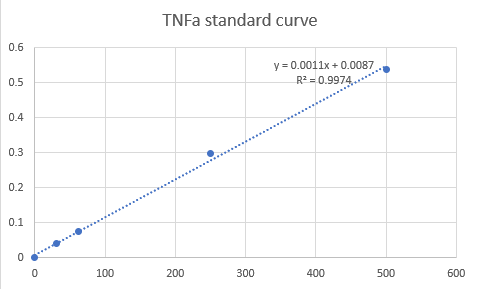
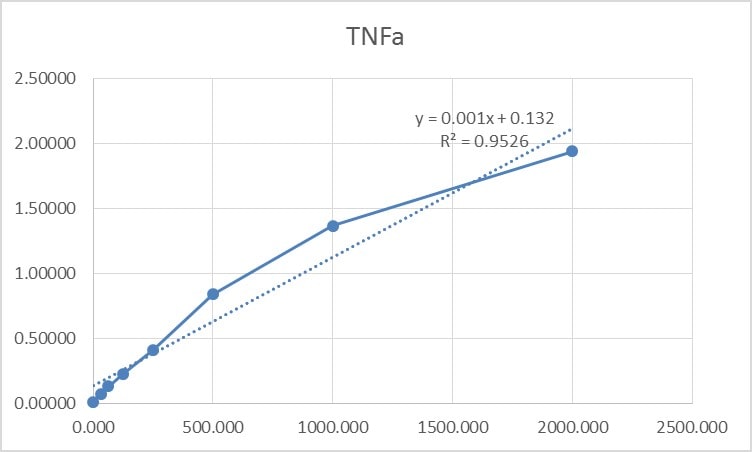
    TNFa standard curve
    I performed an ELISA with mouse brain tissue following the supplier's protocol. We obtain a nice reference curve and very nice results.
    Mouse TNF-alpha DuoSet ELISA DY410
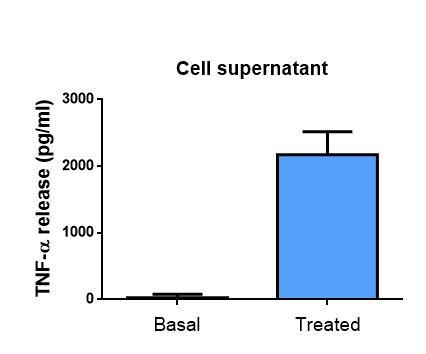
  • Mouse TNF-alpha DuoSet ELISA
    Name: Anonymous
    Sample Tested: Hepa 1-6 mouse hepatoma cell line
    Verified Customer | Posted 11/30/2024
  • Mouse TNF-alpha DuoSet ELISA
    Name: Anonymous
    Sample Tested: 3T3-L1 mouse embryonic fibroblast adipose-like cell line
    Verified Customer | Posted 11/30/2024
  • Mouse TNF-alpha DuoSet ELISA
    Name: Anonymous
    Sample Tested: colon and Plasma
    Verified Customer | Posted 07/05/2023
    Mouse TNF-alpha DuoSet ELISA DY410
  • Mouse TNF-alpha DuoSet ELISA
    Name: Anonymous
    Sample Tested: Lung tissue
    Verified Customer | Posted 05/18/2023
    Mouse TNF-alpha DuoSet ELISA DY410
  • Mouse TNF-alpha DuoSet ELISA
    Name: Anonymous
    Sample Tested: Mouse spleenocytes
    Verified Customer | Posted 02/07/2023
  • Mouse TNF-alpha DuoSet ELISA
    Name: Anonymous
    Sample Tested: murine lung tissue
    Verified Customer | Posted 11/11/2022
    Mouse TNF-alpha DuoSet ELISA DY410
  • Mouse TNF-alpha DuoSet ELISA
    Name: Anonymous
    Sample Tested: Cell culture supernatant
    Verified Customer | Posted 11/07/2022
  • Mouse TNF-alpha DuoSet ELISA
    Name: Caglar Cil
    Sample Tested: Cell culture supernatant, primary macrophages and Bone marrow-derived primary macrophages
    Verified Customer | Posted 08/08/2022
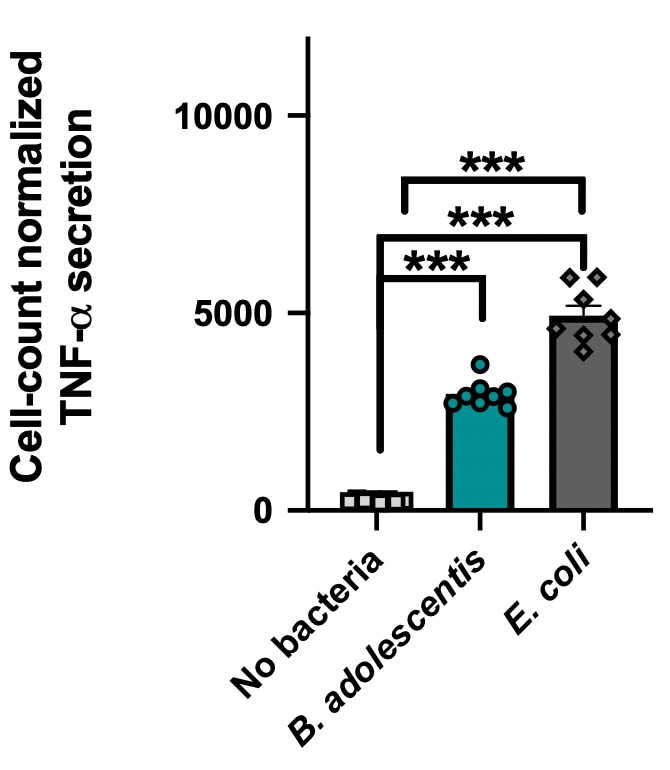
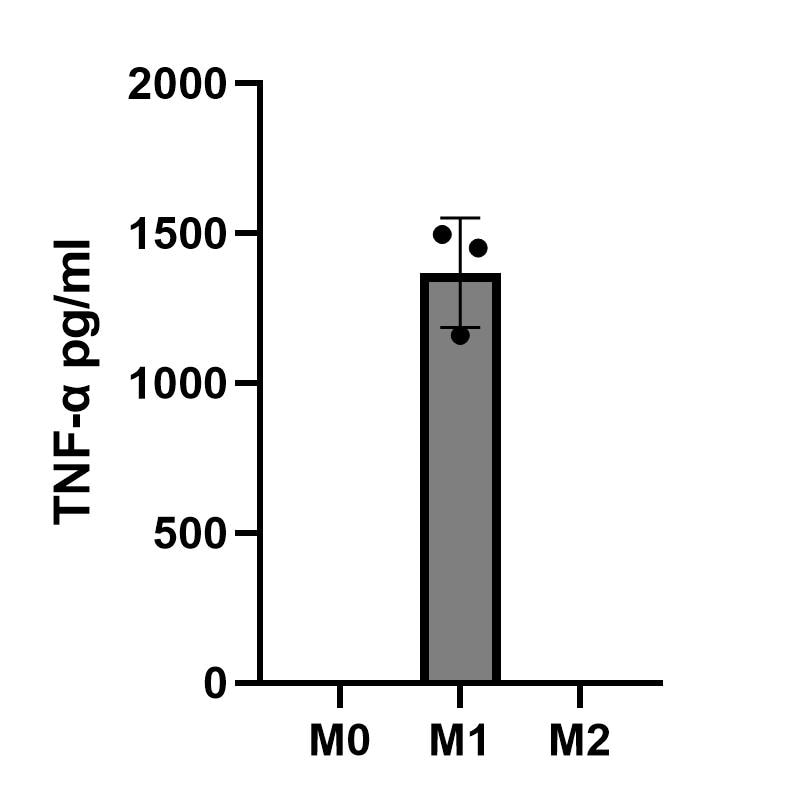
    Kit perfectly detected TNF-a in polarised M1 like macrophages
    Mouse TNF-alpha DuoSet ELISA DY410
  • Mouse TNF-alpha DuoSet ELISA
    Name: Tauseef Ahmad
    Sample Tested: Cell Culture Supernates
    Verified Customer | Posted 05/23/2022
  • Mouse TNF-alpha DuoSet ELISA
    Name: Rob Knight
    Sample Tested: Cell culture supernatant
    Verified Customer | Posted 12/09/2021
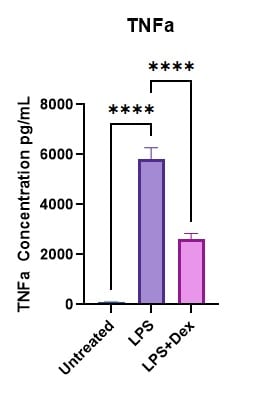
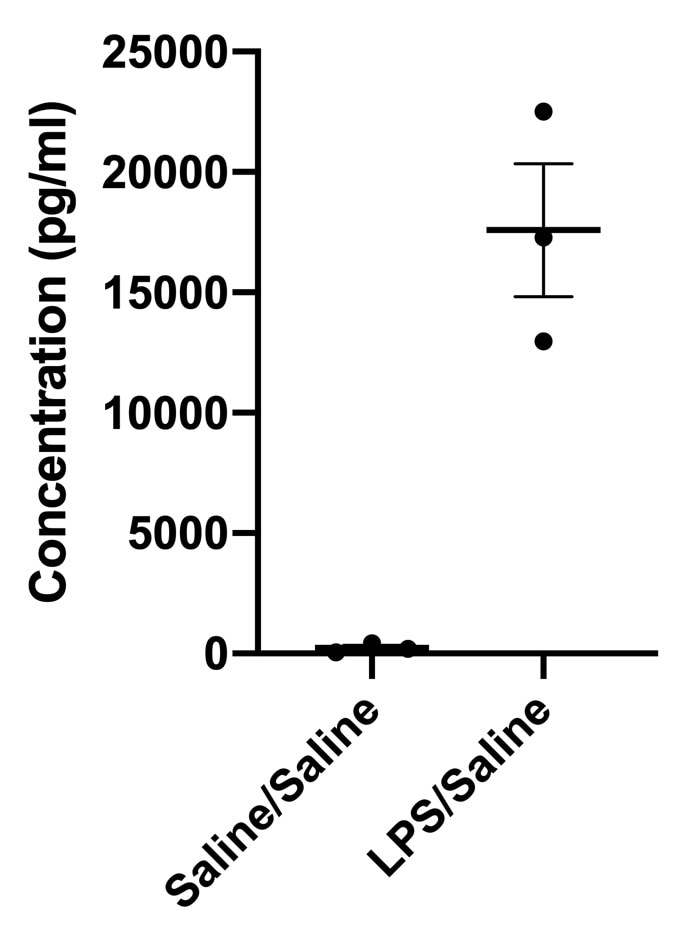
    RAW cells stimulated with 10ng/mL LPS for 24 hours
    Mouse TNF-alpha DuoSet ELISA DY410
  • Mouse TNF-alpha DuoSet ELISA
    Name: Martin Torres
    Sample Tested: Mice serum
    Verified Customer | Posted 09/23/2021
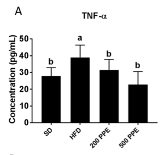
    The evaluation was conducted in seric samples from adult C57BL/6J mice after 12-weeks treatment with a high-fat diet (60 % calories from fat). Results were accurate and showed a potent TNF-a levels in the serum samples.
    Mouse TNF-alpha DuoSet ELISA DY410
  • Mouse TNF-alpha DuoSet ELISA
    Name: Anonymous
    Sample Tested: Cell culture supernatant
    Verified Customer | Posted 04/09/2021
    Mouse TNF-alpha DuoSet ELISA DY410
  • Mouse TNF-alpha DuoSet ELISA
    Name: Gagandeep Kaur
    Sample Tested: Mouse spleenocytes
    Verified Customer | Posted 11/09/2020
  • Mouse TNF-alpha DuoSet ELISA
    Name: Eric Wang
    Sample Tested: Peritoneal macrophages
    Verified Customer | Posted 06/18/2020
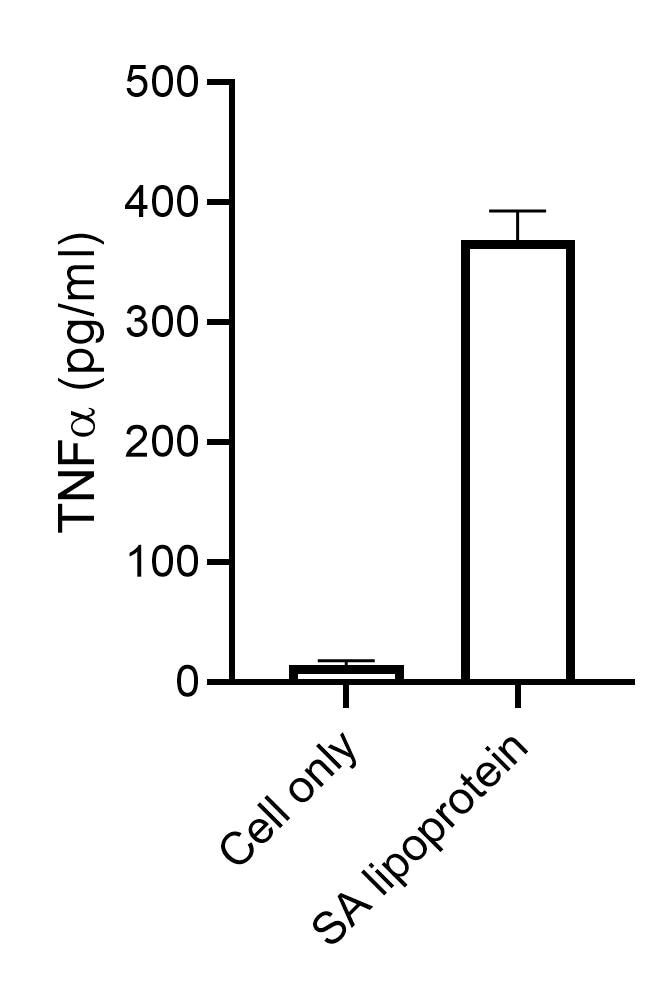
    We tested TNFa production in culture supernatant of mouse macrophages induced by Staphylococcus aureus (SA) lipoprotein after 4 h treatment. As expected, SA lipoprotein induces significant production of TNFa.
    Mouse TNF-alpha DuoSet ELISA DY410
  • Mouse TNF-alpha DuoSet ELISA
    Name: Anonymous
    Sample Tested: RAW 264.7 mouse monocyte/macrophage cell line and Cell culture supernatant
    Verified Customer | Posted 11/10/2019
    Mouse TNF-alpha DuoSet ELISA DY410
  • Mouse TNF-alpha DuoSet ELISA
    Name: Anonymous
    Sample Tested: Plasma
    Verified Customer | Posted 09/07/2019
  • Mouse TNF-alpha DuoSet ELISA
    Name: Sinéad Ryan
    Sample Tested: Lung tissue
    Verified Customer | Posted 05/22/2019
    Mouse BAL fluid diluted 1:50 and incubated overnight at 4 degrees C.
    Mouse TNF-alpha DuoSet ELISA DY410
  • Name: Anonymous
    Sample Tested: mouse liver lysates
    Verified Customer | Posted 04/05/2019
  • Mouse TNF-alpha DuoSet ELISA
    Name: Kim Han
    Sample Tested: Cell culture supernatant
    Verified Customer | Posted 01/03/2019
  • Mouse TNF-alpha DuoSet ELISA
    Name: Anonymous
    Sample Tested: astrocytes
    Verified Customer | Posted 11/08/2018
    Briefly, 96‐well microplates were incubated with the capture antibody overnight, at room temperature. Following coating, plates were blocked with 1% BSA in PBS and then washed with 0.05% Tween 20 in PBS. Samples and standards were then added and allowed to incubate for 2 hr while shaking at room temperature. Plates were then washed and allowed to incubate with the biotinylated goat anti‐mouse TNF alpha detection antibody for 2 hr while shaking at room temperature, then washed again. Finally, we incubated the plates with Streptavidin‐HRP and a substrate solution for 30‐min each. A stop solution of 1N H2SO4 was added just prior to plate reading. The optical‐density of each well was determined using a microplate reader, set to 450 nm.
    Mouse TNF-alpha DuoSet ELISA DY410
  • Mouse TNF-alpha DuoSet ELISA
    Name: Anonymous
    Sample Tested: Adult lung
    Verified Customer | Posted 10/08/2018
    Mouse TNF-alpha DuoSet ELISA DY410
  • Mouse TNF-alpha DuoSet ELISA
    Name: Anonymous
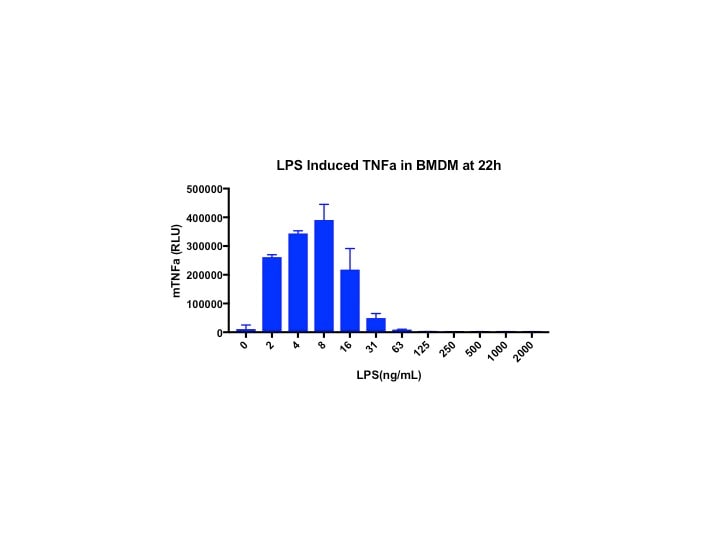
    Sample Tested: BMDM culture supernatant and Serum-free Cell Culture Supernates
    Verified Customer | Posted 08/07/2018
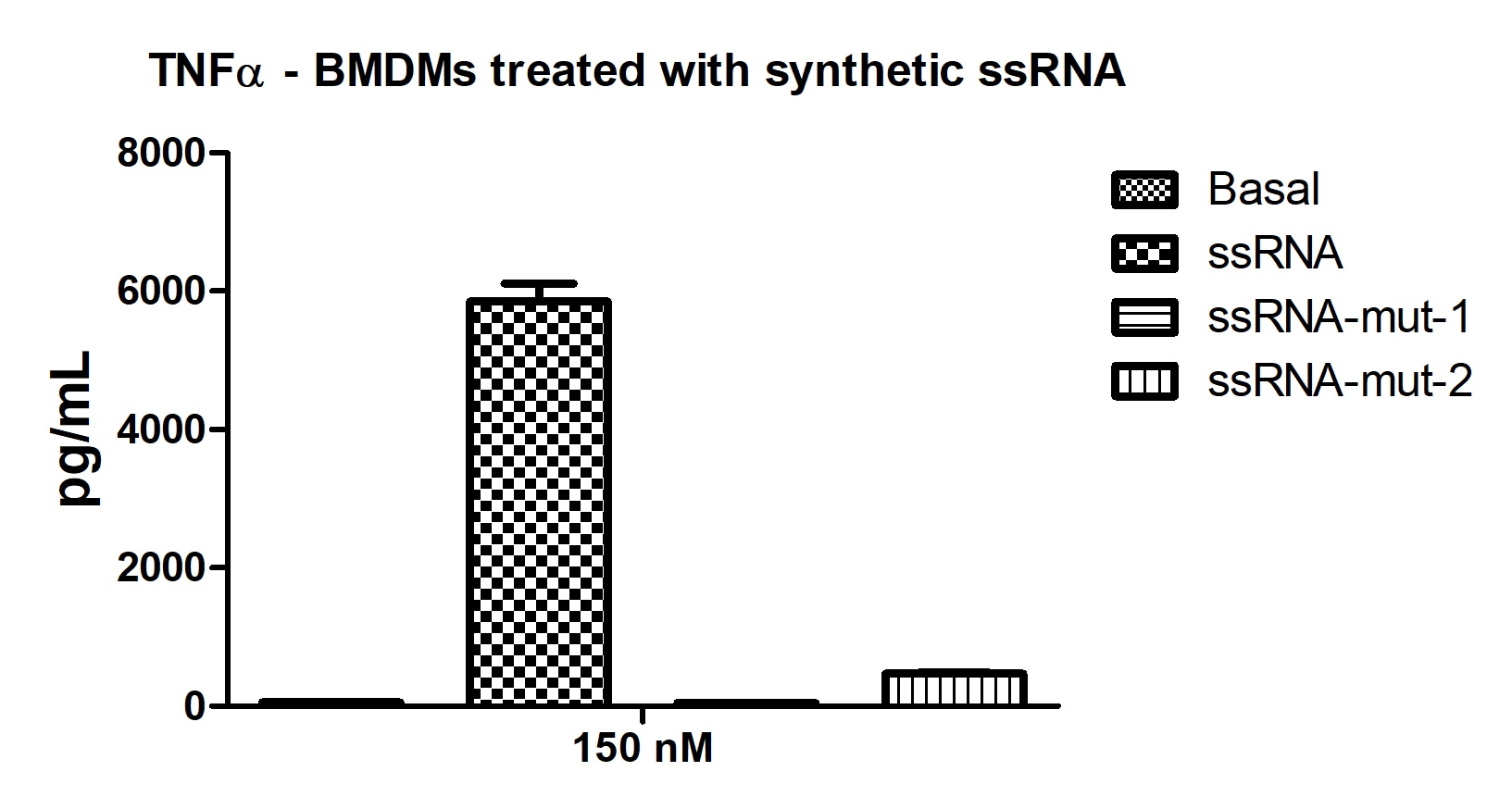
    Mouse BMDMs treated with synthetic 150nM of ssRNA mimics.
    Mouse TNF-alpha DuoSet ELISA DY410
  • Mouse TNF-alpha DuoSet ELISA
    Name: Anonymous
    Sample Tested: Serum and Plasma
    Verified Customer | Posted 07/29/2018
  • Mouse TNF-alpha DuoSet ELISA
    Name: VICTOR FARRE ALINS
    Sample Tested: Cell culture supernatant
    Verified Customer | Posted 07/25/2018
    Mouse TNF-alpha DuoSet ELISA DY410
  • Mouse TNF-alpha DuoSet ELISA
    Name: Anonymous
    Sample Tested: Microglial cells
    Verified Customer | Posted 07/17/2018
    Mouse TNF-alpha DuoSet ELISA DY410
  • Mouse TNF-alpha DuoSet ELISA
    Name: Leslie Priddy
    Sample Tested: Serum
    Verified Customer | Posted 03/30/2018
  • Mouse TNF-alpha DuoSet ELISA
    Name: Anonymous
    Sample Tested: BMDM
    Verified Customer | Posted 03/28/2018
    Mouse TNF-alpha DuoSet ELISA DY410
  • Mouse TNF-alpha DuoSet ELISA
    Name: Ella Zeldich
    Sample Tested: primary microglia cells
    Verified Customer | Posted 11/22/2017
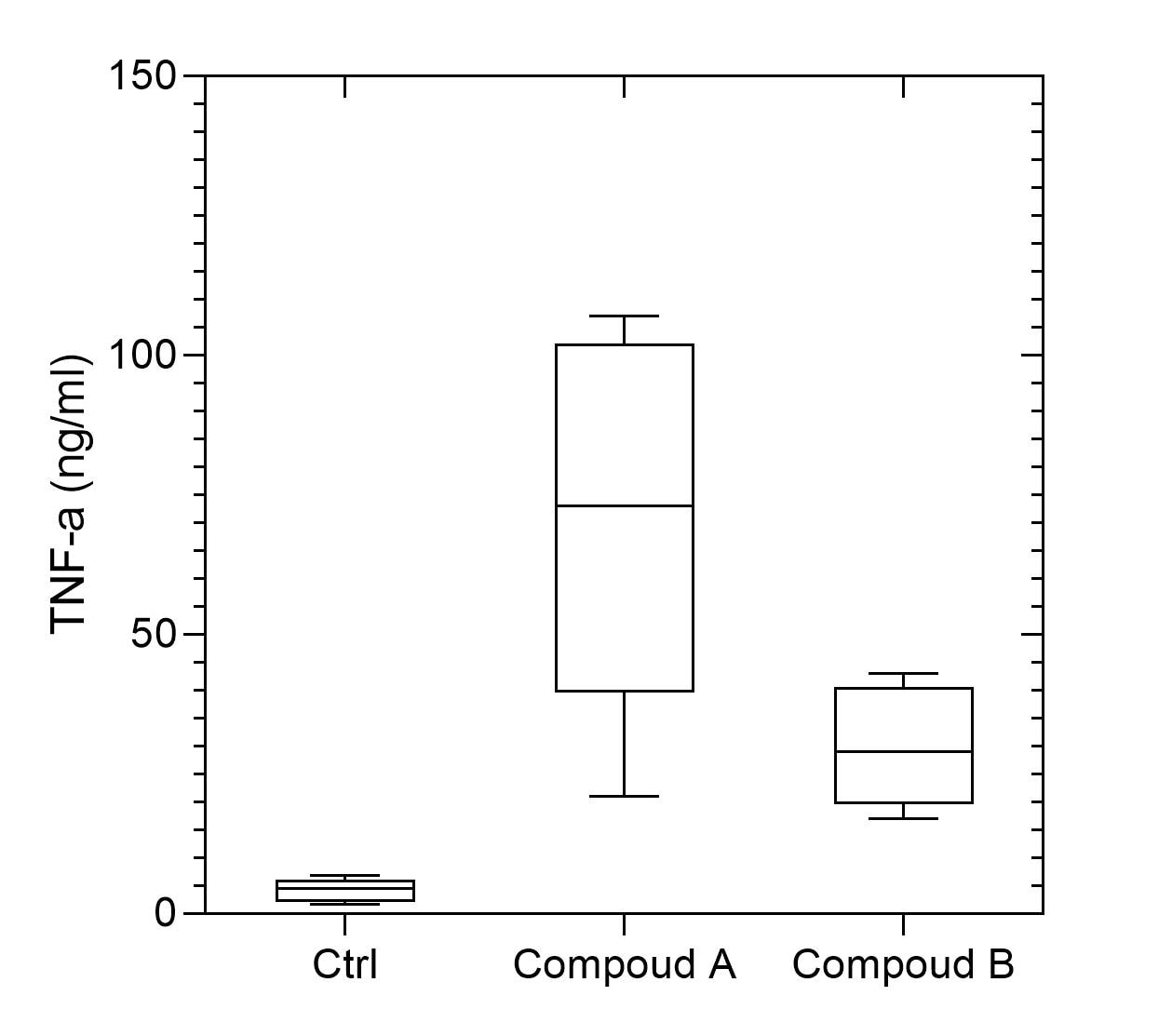
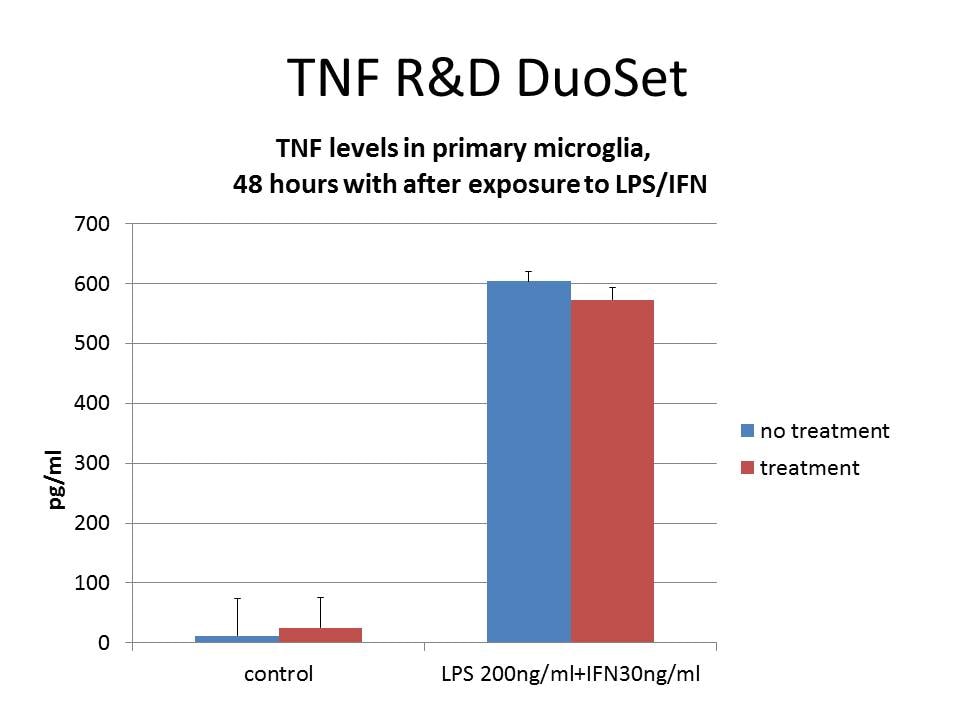
    Measuring TNF -alpha in primary microglia cells
    Mouse TNF-alpha DuoSet ELISA DY410
  • Mouse TNF-alpha DuoSet ELISA
    Name: Anonymous
    Sample Tested: Peritoneal resident macrophages
    Verified Customer | Posted 09/27/2017
  • Mouse TNF-alpha DuoSet ELISA
    Name: Anonymous
    Sample Tested: Brain tissue
    Verified Customer | Posted 07/21/2017
    Mouse TNF-alpha DuoSet ELISA DY410
  • Mouse TNF-alpha DuoSet ELISA
    Name: Anonymous
    Sample Tested: primary mouse macrophage supernatant
    Verified Customer | Posted 04/21/2017
  • Mouse TNF-alpha DuoSet ELISA
    Name: Anonymous
    Sample Tested: Mouse spleenocytes
    Verified Customer | Posted 06/03/2016
  • Mouse TNF-alpha DuoSet ELISA, 15 Plate
    Name: Anonymous
    Sample Tested: Blood Serum and Mouse spleenocytes
    Verified Customer | Posted 02/10/2016
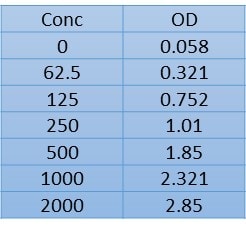
    The kit was fairly easy to use and the standard curve turned out well. However, the OD values were extremely low.

There are no reviews that match your criteria.

Showing  1 - 5 of 34 reviews Showing All

Protocols

View specific protocols for Mouse TNF-alpha DuoSet ELISA (DY410):

GENERAL ELISA PROTOCOL

Plate Preparation

  1. Dilute the Capture Antibody to the working concentration in PBS without carrier protein. Immediately coat a 96-well microplate with 100 μL per well of the diluted Capture Antibody. Seal the plate and incubate overnight at room temperature.
  2. Aspirate each well and wash with Wash Buffer, repeating the process two times for a total of three washes. Wash by filling each well with Wash Buffer (400 μL) using a squirt bottle, manifold dispenser, or autowasher. Complete removal of liquid at each step is essential for good performance. After the last wash, remove any remaining Wash Buffer by aspirating or by inverting the plate and blotting it against clean paper towels.
  3. Block plates by adding 300 μL Reagent Diluent to each well. Incubate at room temperature for a minimum of 1 hour.
  4. Repeat the aspiration/wash as in step 2. The plates are now ready for sample addition.

Assay Procedure

  1. Add 100 μL of sample or standards in Reagent Diluent, or an appropriate diluent, per well. Cover with an adhesive strip and incubate 2 hours at room temperature.
  2. Repeat the aspiration/wash as in step 2 of Plate Preparation.
  3. Add 100 μL of the Detection Antibody, diluted in Reagent Diluent, to each well. Cover with a new adhesive strip and incubate 2 hours at room temperature.
  4. Repeat the aspiration/wash as in step 2 of Plate Preparation.
  5. Add 100 μL of the working dilution of Streptavidin-HRP to each well. Cover the plate and incubate for 20 minutes at room temperature. Avoid placing the plate in direct light.
  6. Repeat the aspiration/wash as in step 2.
  7. Add 100 μL of Substrate Solution to each well. Incubate for 20 minutes at room temperature. Avoid placing the plate in direct light.
  8. Add 50 μL of Stop Solution to each well. Gently tap the plate to ensure thorough mixing.
  9. Determine the optical density of each well immediately, using a microplate reader set to 450 nm. If wavelength correction is available, set to 540 nm or 570 nm. If wavelength correction is not available, subtract readings at 540 nm or 570 nm from the readings at 450 nm. This subtraction will correct for optical imperfections in the plate. Readings made directly at 450 nm without correction may be higher and less accurate.

Find general support by application which include: protocols, troubleshooting, illustrated assays, videos and webinars.

FAQs for Mouse TNF-alpha DuoSet ELISA

Showing  1 - 1 of 1 FAQ Showing All
  • Q: Does the Mouse TNF-alpha DuoSet ELISA recognize the monomer and/or trimer form of TNF-alpha?

    A: TNF-alpha self-dissociates to monomers in the picomolar range. The assay standard curve concentration is from approximately 2 - 118 femtomolar, the range in which self-dissociation is expected to occur. This supports that the assay detects monomeric TNF-alpha.

Showing  1 - 1 of 1 FAQ Showing All
View all FAQs for ELISA Kits