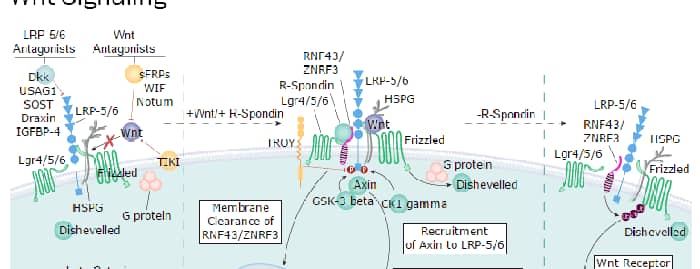
Wnt-3a is one of 19 vertebrate members of the Wingless-type MMTV integration site (Wnt) family of highly conserved cysteine-rich secreted glycoproteins important for normal developmental processes (1). Wnts bind to the cell surface Frizzled family receptors in conjunction with low-density lipoprotein receptor-related protein family receptors (LRP5 or 6) resulting in the stabilization of intracellular beta -catenin levels (2). As intracellular beta -catenin levels rise, beta -catenin binds to TCF/LEF transcription factors leading to expression of Wnt target genes (3). Endo-IWR 1 (Catalog # 3532, # PSM1324) is a cell-permeant small molecule inhibitor of Axin turnover that suppresses Wnt signal transduction by stabilizing the beta -catenin destruction complex (4). Wnt-3a is a 44 kDa secreted hydrophobic glycoprotein containing a conserved pattern of 24 cysteine residues (5). Wnt-3a has two N-linked glycosylation sites (Asn 87, Asn 298), and Ser 209 is modified with palmitoleic acid (6). Glycosylation and acylation are essential for efficient Wnt secretion and biological activity, respectively (6, 7). Human Wnt-3a shares 96% amino acid (aa) identity with mouse mouse, bovine and canine Wnt-3a, and 89%, 86% and 84% aa identity with chicken, Xenopus and zebrafish Wnt-3a, respectively. It also shares 87% aa identity with Wnt3. During embryonic development, Wnt-3a is necessary for proper development of the hippocampus, anterior-posterior patterning, somite development, and tailbud formation (9-12). Wnt-3a also promotes self-renewal of hematopoietic stem cells, neural stem cells, and embryonic stem cells (13, 14).
Recombinant Human Wnt-3a Protein
R&D Systems | Catalog # 5036-WN

Key Product Details
- R&D Systems CHO-derived Recombinant Human Wnt-3a Protein (5036-WN)
- Quality control testing to verify active proteins with lot specific assays by in-house scientists
- All R&D Systems proteins are covered with a 100% guarantee
Source
Accession Number
Applications
Product Specifications
Source
Ser19-Lys352
Purity
Endotoxin Level
N-terminal Sequence Analysis
Predicted Molecular Mass
SDS-PAGE
Activity
The ED50 for this effect is ≤ 25.0 ng/mL.
Measured by its ability to induce Topflash reporter activity in HEK293T human embryonic kidney cells.
The ED50 for this effect is <500 ng/mL. Protein concentrations should be titrated based on cell type and if appropriate, passage number of the cell line.
Optimal concentrations should be determined by each laboratory for each application.
Reviewed Applications
Read 27 reviews rated 4.7 using 5036-WN in the following applications:
- Cell Culture (1 Review)
- Cell migration/motility (2 Reviews)
- Cell Proliferation (5 Reviews)
- Enzymatic activity in vitro (2 Reviews)
- In vitro bioactivity in cell culture (6 Reviews)
- Luciferase reporter activity (1 Review)
- Media additive for protein or antibody production (1 Review)
- SDS-PAGE Control (2 Reviews)
- Stem/Immune cell maintenance or differentiation (7 Reviews)
Scientific Data Images for Recombinant Human Wnt-3a Protein
Recombinant Human Wnt-3a Protein Bioactivity
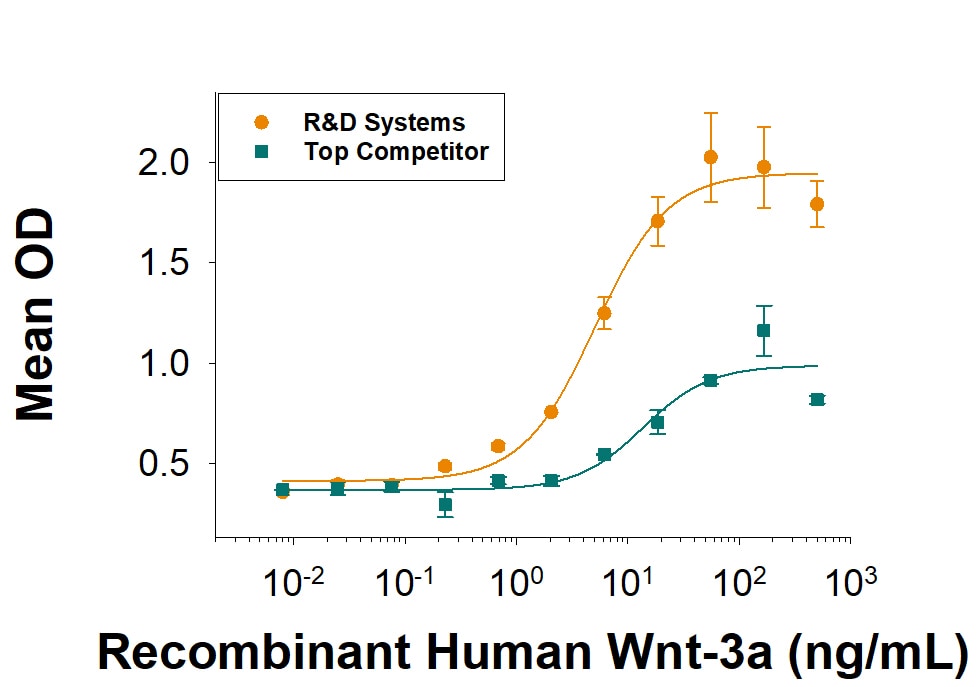
Recombinant Human Wnt-3a (Catalog # 5036-WN) induces alkaline phosphatase production by the MC3T3-E1 mouse preosteoblast cell line. The ED50 is 1.7-fold better with more than twice the maximum response compared to the top competitor's Wnt-3a.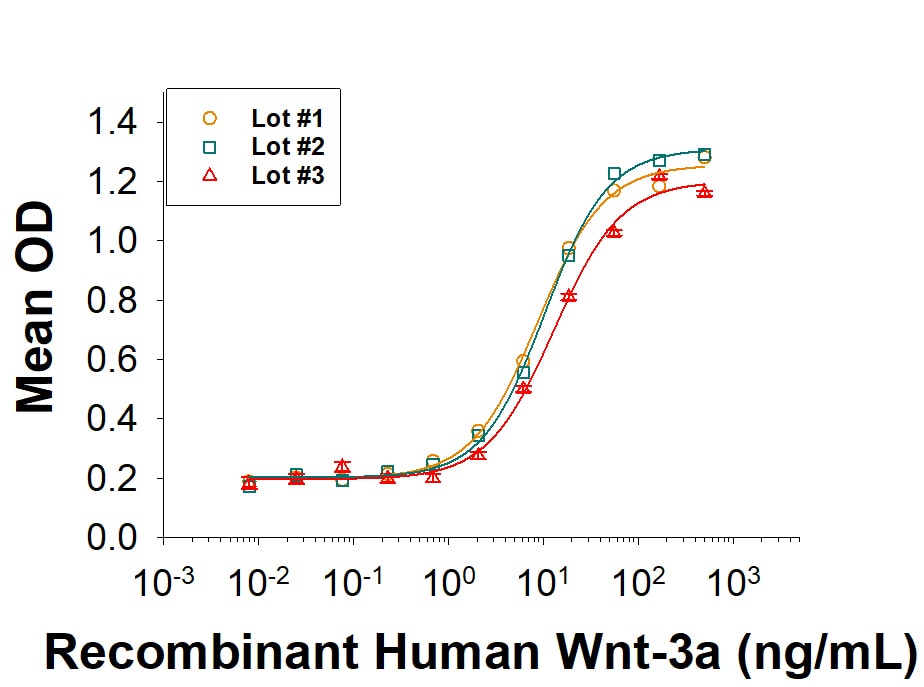
Recombinant Human Wnt-3a Protein Lot to Lot Consistency
The lot-to-lot consistency of Recombinant Human Wnt-3a Protein (Catalog # 5036-WN) was assessed by testing the ability of three independent lots of the protein to induce alkaline phosphatase production in the MC3T3-E1 mouse preosteoblast cell line. Each trace on the graph represents data obtained from Recombinant Human Wnt-3a from a different manufacturing run. The ED50 for this effect is ≤ 25.0 ng/mL.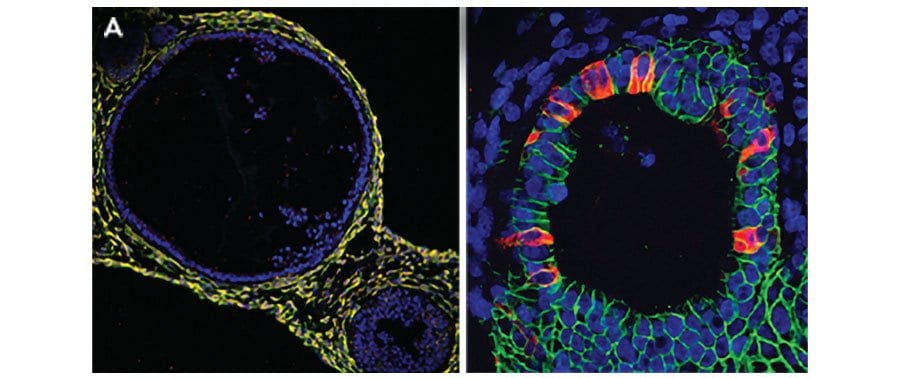
Adult Stem Cell-derived Human Descending Colon Organoids Cultured using Recombinant Human Wnt-3a Protein.
Adult stem cells isolated from human descending colon were embedded in Cultrex UltiMatrix RGF Basement Membrane Extract (BME001-05) and cultured for 30 days in intestinal organoid culture medium, which includes Recombinant Human Wnt-3a (Catalog # 5036-WN), Recombinant Human EGF (236-EG), Recombinant Human Noggin (6057-NG), and Recombinant Human R-Spondin 1 (4645-RS), along with the other reagents listed in the intestinal organoid culture medium recipe in the human intestinal organoid culture protocol. (A) Organoids were fixed and stained with a Mouse Anti-Human MUC2 Monoclonal Antibody (Novus Biologicals; Catalog # NBP2-44431; green) to visualize intestinal goblet cells and counterstained with a Goat Anti-Human/Mouse E-Cadherin Antigen Affinity-purified Polyclonal Antibody (AF748; red) and DAPI (5748; blue). The image shown was taken at 10x magnification. (B) Organoids were fixed and stained with a Mouse Anti-Human Chromogranin A Monoclonal Antibody (MAB90981; green) to visualize enteroendocrine cells and counterstained with a Goat Anti-Human/Mouse E-Cadherin Antigen Affinity-purified Polyclonal Antibody (AF748; red) and DAPI (5748; blue). The image shown was taken at 20x magnification.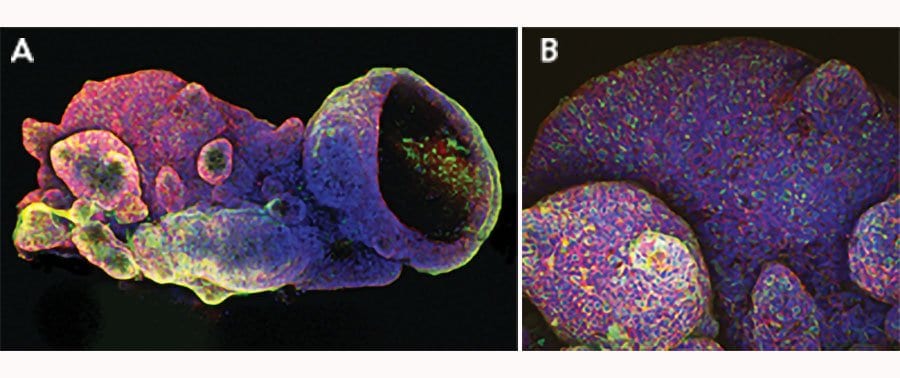
iPSC-derived Human Intestinal Organoids Cultured using Recombinant Human Wnt-3a Protein.
iPSC-derived human intestinal organoids were cultured using Cultrex™ UltiMatrix RGF Basement Membrane Extract (BME001-05) and intestinal organoid culture medium, which includes Recombinant Human Wnt-3a (Catalog # 5036-WN), Recombinant Human EGF (236-EG), Recombinant Human Noggin (6057-NG), and Recombinant Human R-Spondin 1 (4645-RS), along with the other reagents listed in the intestinal organoid culture medium recipe in the human intestinal organoid culture protocol. (A) Human intestinal organoids were stained using a Rat Anti-Human/Mouse/Rat Vimentin Monoclonal Antibody (MAB2105; green) and a Goat Anti-Human/Mouse Desmin Antigen Affinity-purified Polyclonal Antibody (AF3844; red) to visualize myofibroblast cells and counterstained with DAPI (5748; blue). (B) Human intestinal organoids were stained using a Goat Anti-Human/Mouse E-Cadherin Antigen Affinity-purified Polyclonal Antibody (AF748; green) and a Mouse Anti-Human MUC2 Monoclonal Antibody (Novus Biologicals, Catalog # NBP2-44431; red) and counterstained with DAPI (5748; blue).Formulation, Preparation, and Storage
Carrier Free
What does CF mean?CF stands for Carrier Free (CF). We typically add Bovine Serum Albumin (BSA) as a carrier protein to our recombinant proteins. Adding a carrier protein enhances protein stability, increases shelf-life, and allows the recombinant protein to be stored at a more dilute concentration. The carrier free version does not contain BSA.
What formulation is right for me?In general, we advise purchasing the recombinant protein with BSA for use in cell or tissue culture, or as an ELISA standard. In contrast, the carrier free protein is recommended for applications, in which the presence of BSA could interfere.
Carrier: 5036-WN
| Formulation | Lyophilized from a 0.2 μm filtered solution in PBS, EDTA and CHAPS with BSA as a carrier protein. |
| Reconstitution | Reconstitute at 200 μg/mL in sterile PBS containing at least 0.1% human or bovine serum albumin. |
| Shipping | The product is shipped at ambient temperature. Upon receipt, store it immediately at the temperature recommended below. |
| Stability & Storage | Use a manual defrost freezer and avoid repeated freeze-thaw cycles.
|
Carrier Free: 5036-WN/CF
| Formulation | Lyophilized from a 0.2 μm filtered solution in PBS, EDTA and CHAPS. |
| Reconstitution | Reconstitute at 200 μg/mL in sterile PBS. |
| Shipping | The product is shipped at ambient temperature. Upon receipt, store it immediately at the temperature recommended below. |
| Stability & Storage | Use a manual defrost freezer and avoid repeated freeze-thaw cycles.
|
Calculators
Background: Wnt-3a
References
- Willert, K. and Nusse, R. (2012) Cold Spring Harb. Perspect. Biol. 4:a007864.
- MacDonald, B.T. and X. He (2012) Cold Spring Harb. Perspect. Biol. 4:a007880.
- Korinek, V. et al. (1997) Science 275:1784.
- Chen, B. et al. (2009) Nat. Chem. Biol. 5:100.
- Smolich, B.D. et al. (1993) Mol. Biol. Cell 4:1267.
- Takada, R. et al. (2006) Dev. Cell 11:791.
- Komekado, H. (2007) Genes Cells 12:521.
- Dunty Jr. W. C. et al. (2008) Development 135:85.
- Ikeya, M. and S. Takada (2001) Mech. Dev. 103:27.
- Lee, S. M. et al. (2000) Development 127:457.
- Takada, S. et al. (1994) Genes Dev. 8:174.
- Willert, K. et al. (2003) Nature 423:6938.
- Kalani, M.Y. et al. (2008) Proc. Natl. Acad. Sci. USA 105:16970.
- Ten Berge, D. et al. (2011) Nat. Cell Biol. 13:1070.
Long Name
Alternate Names
Gene Symbol
UniProt
Additional Wnt-3a Products
Product Documents for Recombinant Human Wnt-3a Protein
Certificate of Analysis
To download a Certificate of Analysis, please enter a lot or batch number in the search box below.
Note: Certificate of Analysis not available for kit components.
Product Specific Notices for Recombinant Human Wnt-3a Protein
For research use only
Related Research Areas
Citations for Recombinant Human Wnt-3a Protein
 Powered by Bioz
Customer Reviews for Recombinant Human Wnt-3a Protein (27)
Have you used Recombinant Human Wnt-3a Protein?
Submit a review and receive an Amazon gift card!
$25/€18/£15/$25CAN/¥2500 for a review with an image
$10/€7/£6/$10CAN/¥1110 for a review without an image
Submit a review
Customer Images
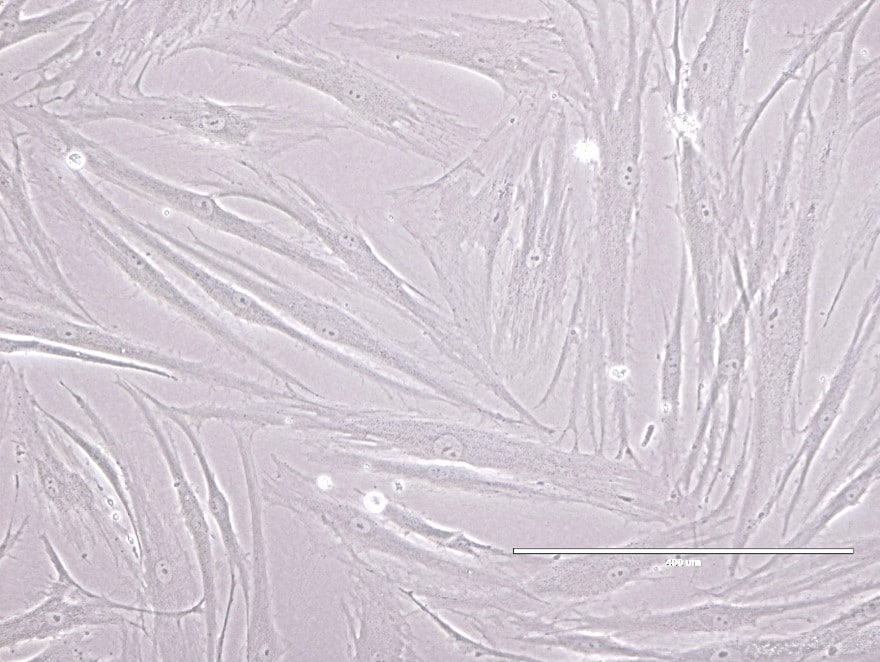
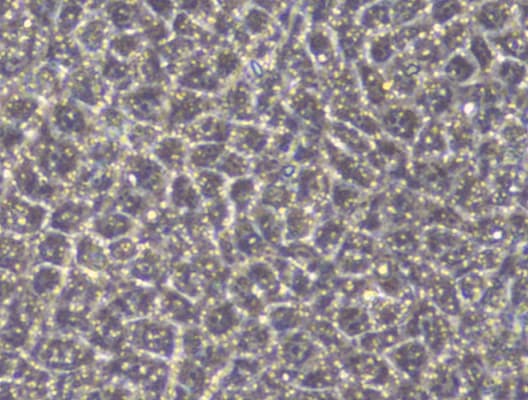
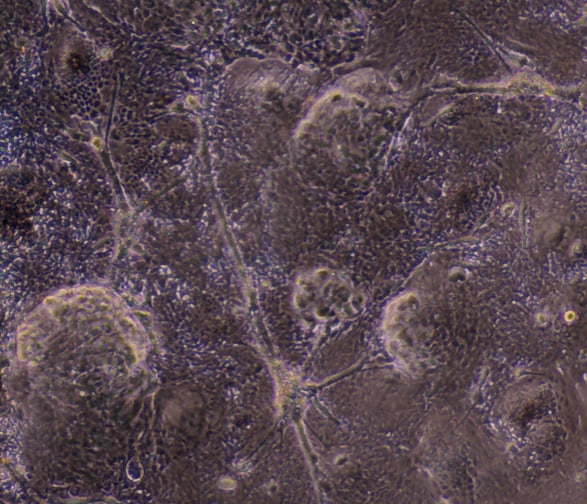
-
Application: In vitro bioactivity in cell cultureVerified Customer | Posted 10/11/2023

-
Application: Stem/Immune cell maintenance or differentiationVerified Customer | Posted 09/22/2023
-
Application: Cell migration/motilityVerified Customer | Posted 05/20/2023wnt3a promote wound healing.
-
Application: Stem/Immune cell maintenance or differentiationVerified Customer | Posted 01/01/2022wnt3a was used for the differentiation of cerebral organoid
-
Application: Cell ProliferationVerified Customer | Posted 11/29/2021avoid freezing and refreezing.
-
Application: Stem/Immune cell maintenance or differentiationVerified Customer | Posted 09/26/2021
-
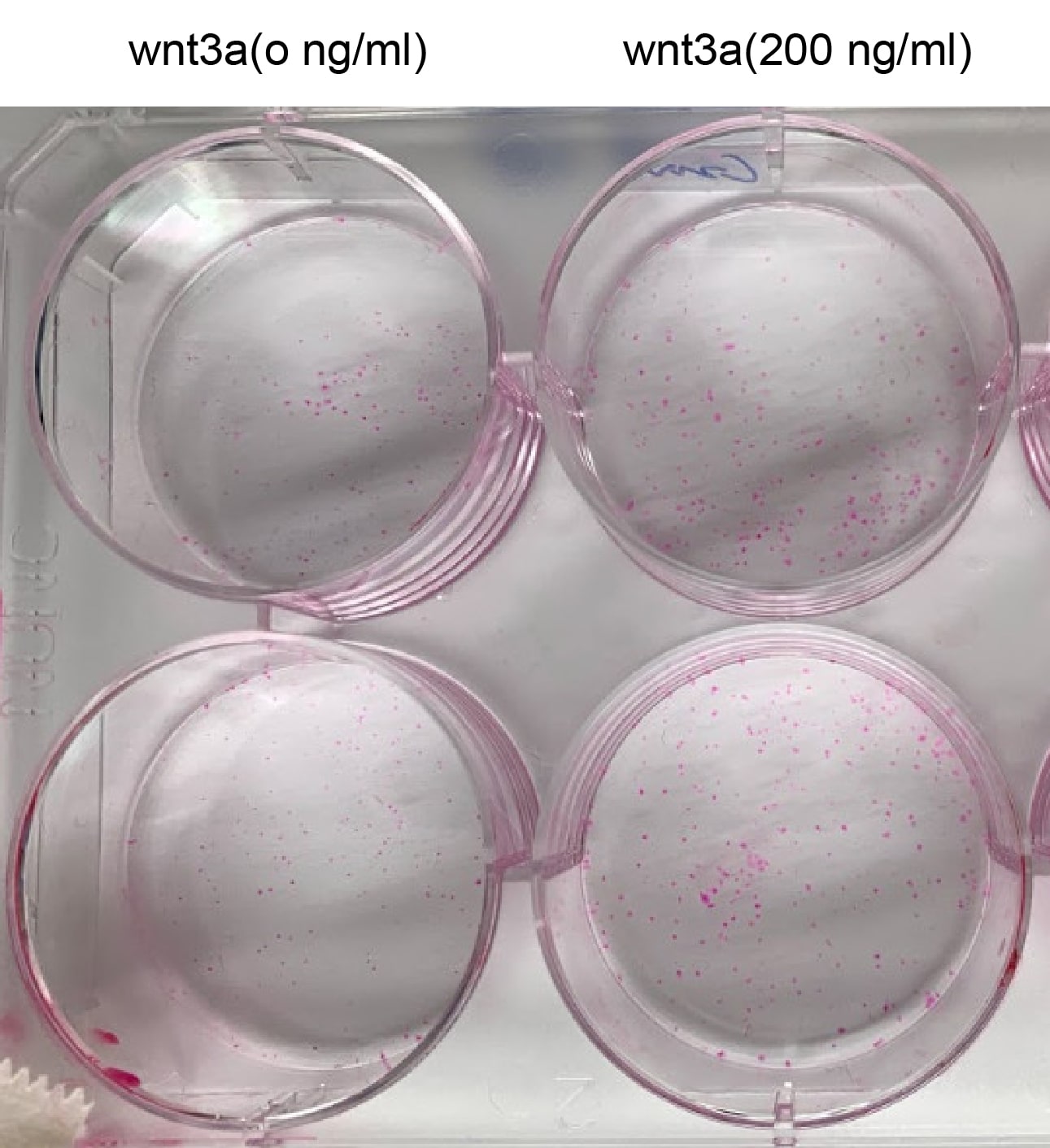
Application: Cell ProliferationVerified Customer | Posted 08/17/2021200ng/ml wn3a CF can further promote the colony formation efficiency.
-
Application: Stem/Immune cell maintenance or differentiationVerified Customer | Posted 08/17/2021
-
Application: Enzymatic activity in vitroVerified Customer | Posted 08/06/2021
-
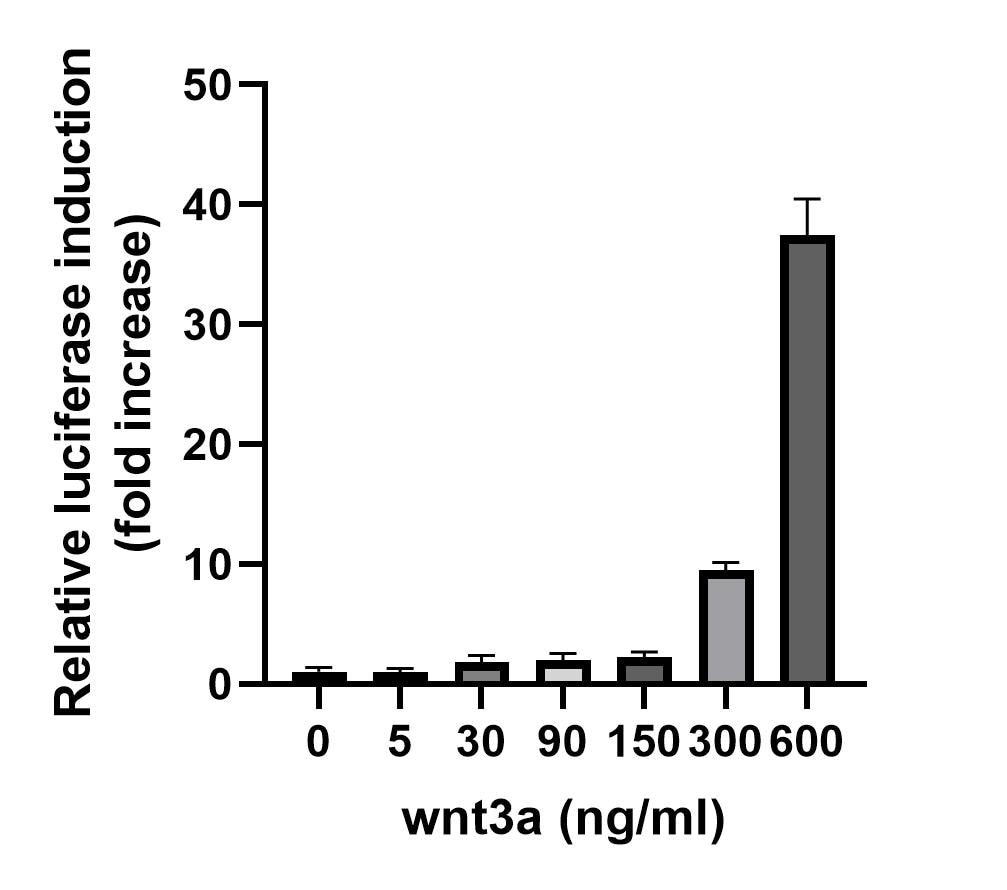
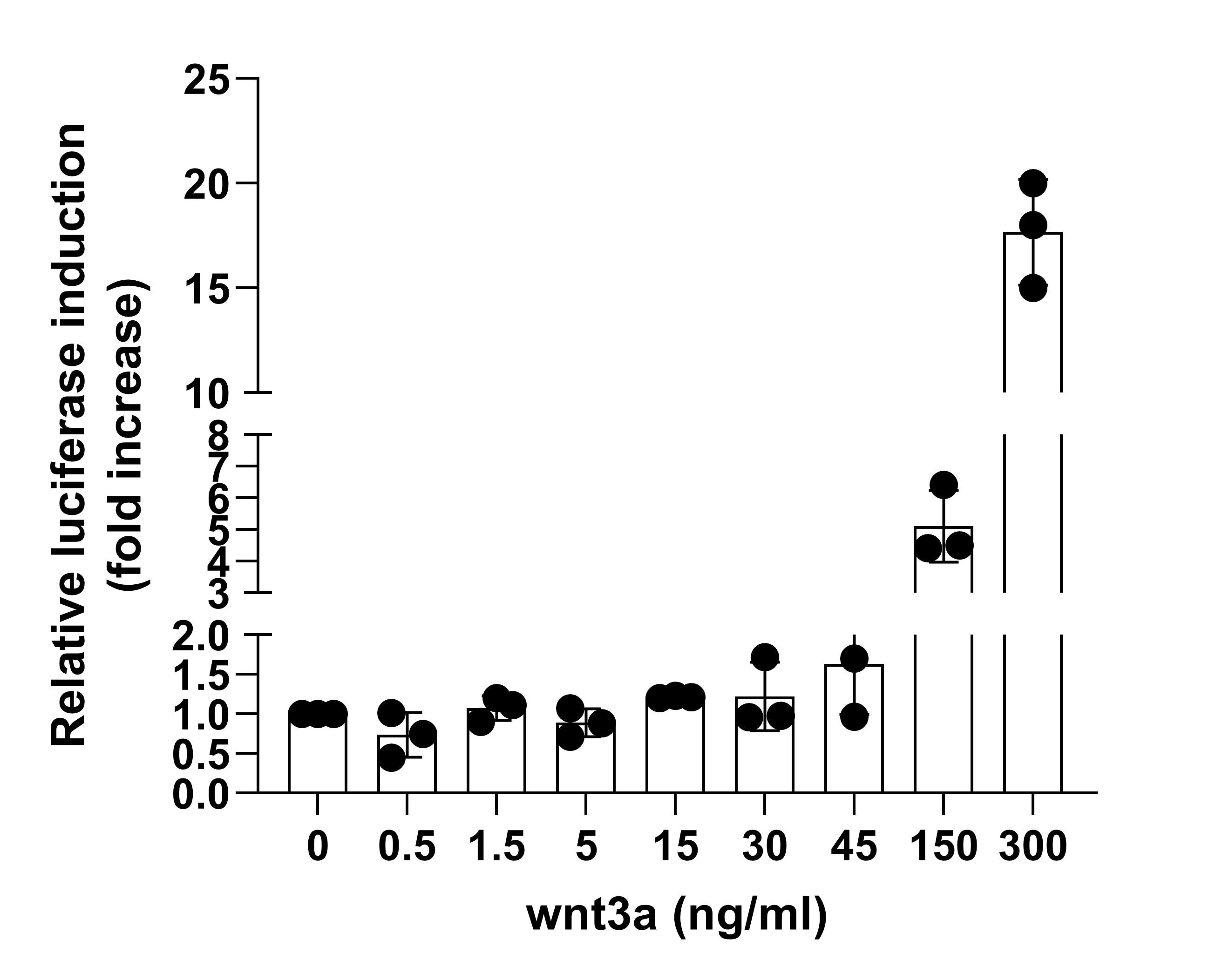
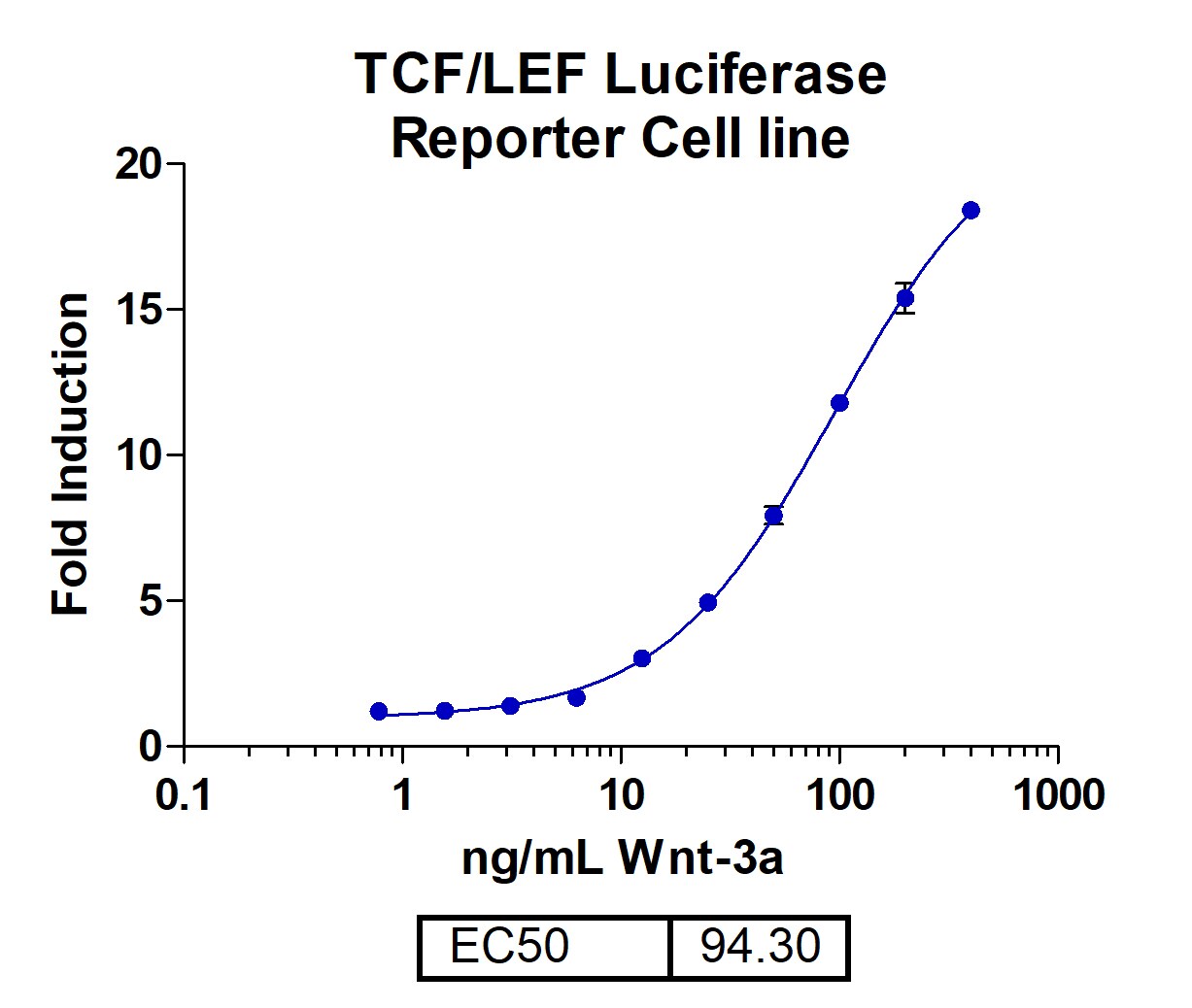
Application: Cell ProliferationVerified Customer | Posted 07/20/2021Use the final concentration that is recommended, don't make the final concentration very low. Hek293SFT cells were treated with different concentrations of wnt3a, and topflash assay was performed to detect the luciferase activity of wnt3a.
-
Application: Cell CultureVerified Customer | Posted 01/02/2021
-
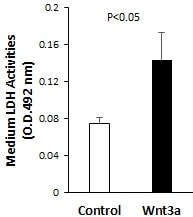
Application: Enzymatic activity in vitroVerified Customer | Posted 11/06/2020HepG2 cells were treated with 100 ng/ml Wnt3a for 2 days, following which the LDH activity of cell culture medium samples were assayed. The result shows that Wnt3a increased LDH release in HepG2 cells.
-
Application: SDS-PAGE ControlVerified Customer | Posted 02/16/2020
-
Application: In vitro bioactivity in cell cultureVerified Customer | Posted 12/16/2018
-
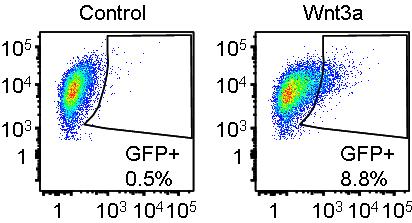
Application: In vitro bioactivity in cell cultureVerified Customer | Posted 10/27/2018Recombinant Wnt3a product was added at 100 ng/mL for 2 days on 7TGC reporter cell lines. Activation was measured with GFP levels by Flow.
-
Application: Cell ProliferationVerified Customer | Posted 10/17/2018
-
Application: In vitro bioactivity in cell cultureVerified Customer | Posted 12/06/2017
-
Application: In vitro bioactivity in cell cultureVerified Customer | Posted 06/07/2017
-
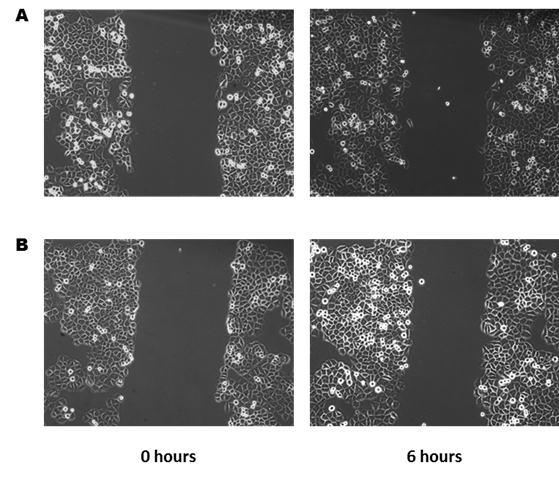
Application: Cell migration/motilityVerified Customer | Posted 03/14/2017Cell motility assay performed with MA-11 cells untreated (A) and treated (B) for 72 hours with R&D Recombinant Human Wnt-3a (#5036-WN/CF) at 250 ng/mL.
-
Application: Stem/Immune cell maintenance or differentiationVerified Customer | Posted 12/15/2016We use for stem cell maintenance and differentiation.
-
Application: Stem/Immune cell maintenance or differentiationVerified Customer | Posted 12/15/2016We use this product for our neuron stem cells studies.
-
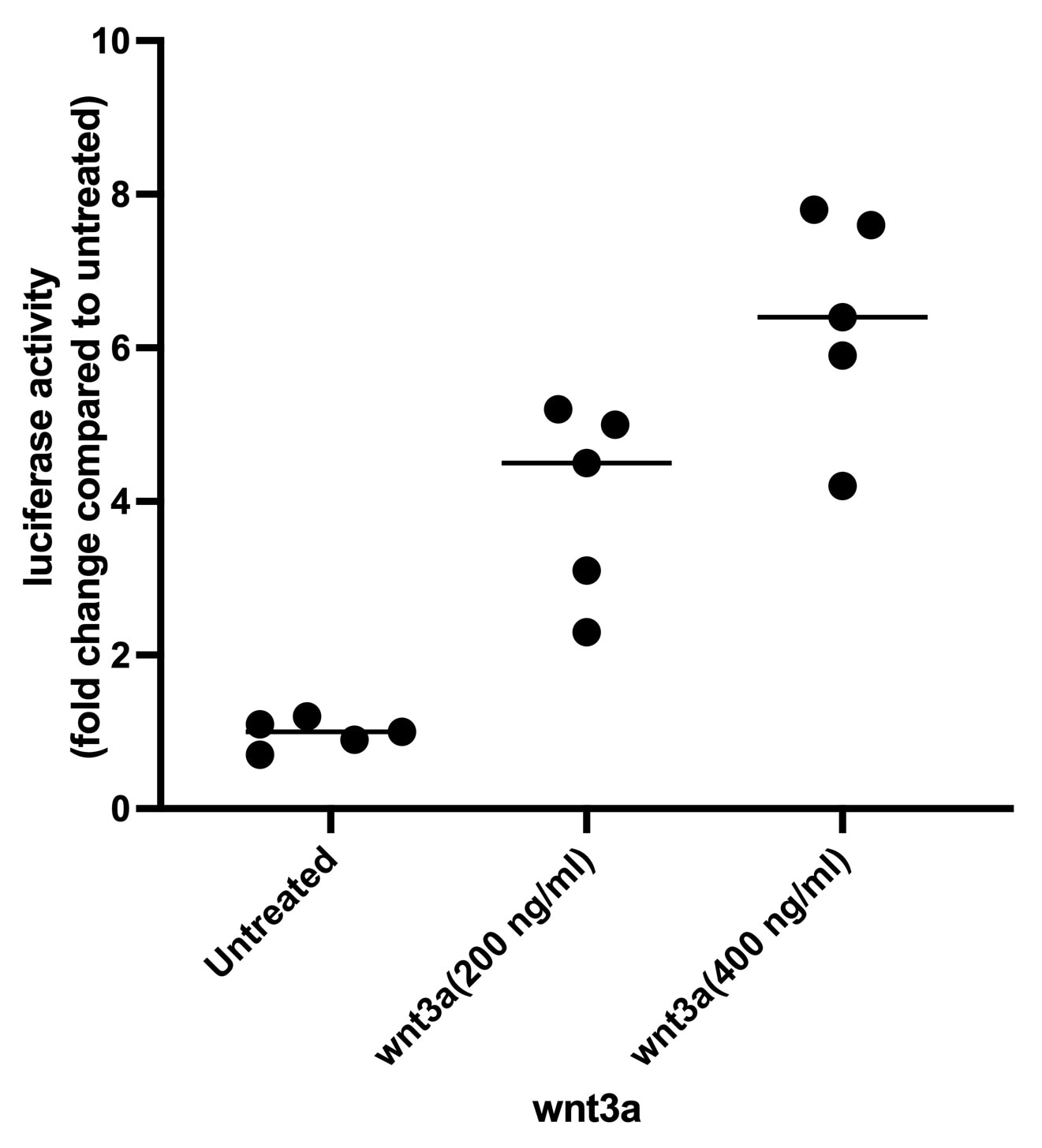
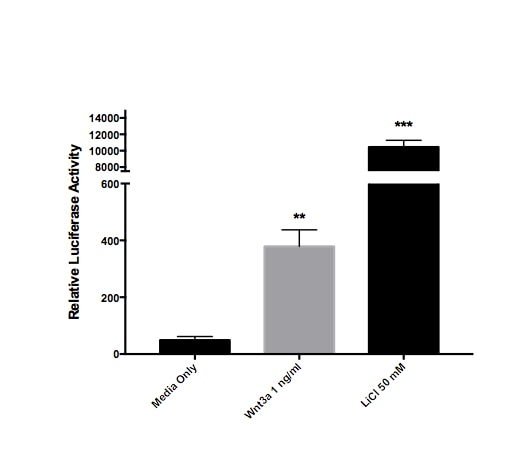
Application: In vitro bioactivity in cell cultureVerified Customer | Posted 11/11/2016I tested the activity of the recombinant protein in the HEK293 Top Flash Reporter cell lines. LiCl was used as a positive control.
-
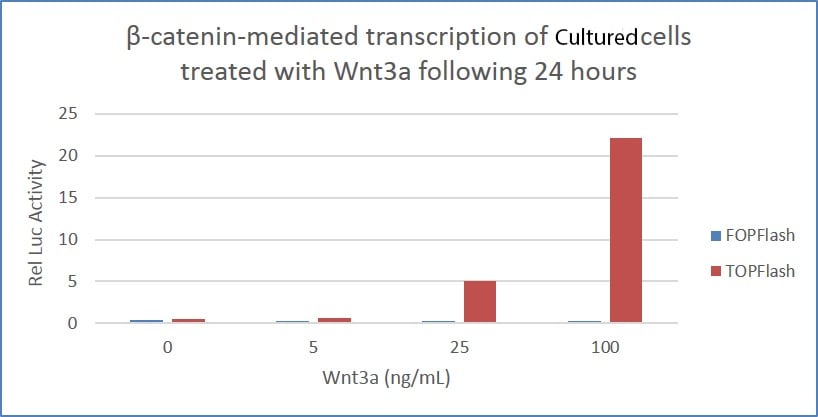
Application: Luciferase reporter activityVerified Customer | Posted 08/08/2016Luciferase reporter activity (TOPFlash for Wnt activity) was performed in cultured cells.Luciferase reporter activity by TOPFlash/FOPFlash for Wnt/B-catenin activity was performed in cultured cells. Cells were transfected for 48 hours with plasmid and treated with Wnt3a for 24 hours prior to performing Dual-Glo luciferase assay.
-
Application: Stem/Immune cell maintenance or differentiationVerified Customer | Posted 05/13/2016
-
Application: Cell ProliferationVerified Customer | Posted 01/15/2016
-
Application: SDS-PAGE ControlVerified Customer | Posted 01/13/2016
-
Application: Media additive for protein or antibody productionVerified Customer | Posted 01/13/2016
There are no reviews that match your criteria.
FAQs for Recombinant Human Wnt-3a Protein
-
Q: Can I reconstitute Recombinant Human Wnt-3a Protein (catalog # 5036-WN) at a different concentration than recommended?
A: We cannot guarantee the performance if the protein is reconstituted at a different concentration than recommended in the product datasheet. Please contact Technical Service if you have any questions or concerns about reconstitution.
-
Q: Can I reconstitute Recombinant Human Wnt-3a Protein (catalog # 5036-WN) in a different buffer than recommended?
A: For best recovery, stability, and activity, the protein should be reconstituted in the buffer recommended on the product datasheet. Stability testing has been evaluated under these conditions; we can support the performance under these reconstitution conditions.
-
Q: Can I reconstitute Recombinant Human Wnt-3a Protein (catalog # 5036-WN) at a different concentration than recommended?
A: We cannot guarantee the performance if the protein is reconstituted at a different concentration than recommended in the product datasheet. Please contact Technical Service if you have any questions or concerns about reconstitution.
-
Q: Can I reconstitute Recombinant Human Wnt-3a Protein (catalog # 5036-WN) in a different buffer than recommended?
A: For best recovery, stability, and activity, the protein should be reconstituted in the buffer recommended on the product datasheet. Stability testing has been evaluated under these conditions; we can support the performance under these reconstitution conditions.